

GESTATIONAL DIABETES

Gestational diabetes is high blood sugar during pregnancy. Eating healthy, well-balanced foods and getting exercise can usually keep it well managed. But sometimes, insulin is necessary to help you manage blood sugar levels. If left untreated, it can cause health problems for both you and the fetus.

What is gestational diabetes?

Gestational diabetes (GD or GDM) is a type of diabetes that develops exclusively in pregnancy when blood sugar levels get too high (hyperglycemia). It happens when the hormones from the placenta block your ability to use or make insulin. Insulin helps your body maintain the right amount of glucose in your blood. Too much glucose in your blood can lead to pregnancy complications. GD usually appears during the middle of pregnancy, between 24 and 28 weeks. Your pregnancy care provider will order a blood test to check for gestational diabetes.

Developing GD doesn’t mean you already had diabetes before you got pregnant. The condition appears because of pregnancy. People with Type 1 and Type 2 diabetes before pregnancy have their own, separate challenges when they become pregnant.

Fortunately, gestational diabetes is well understood, and healthcare providers are usually able to help you manage the condition with small lifestyle and dietary changes. Most people don’t experience serious complications from gestational diabetes and deliver healthy babies.

What happens if you get gestational diabetes?

If you have gestational diabetes, your pregnancy care provider will have you visit a nutritionist who specializes in gestational diabetes. At this appointment, you’ll talk about how certain foods typically increase blood sugar levels and how to make sure your meals and snacks contain the right types and amounts of food.

They’ll also talk to you about checking or testing your blood sugar at home, and what your levels should be after meals.

Finally, your obstetrician or nutritionist will discuss a gestational diabetes management plan. People with diabetes typically have more prenatal visits to check on fetal growth, monitor their weight gain and discuss how well they’re managing their blood sugar.

Rate of gestational diabetes U.S. and worldwide

The rate of gestational diabetes in the United States is rising. According to the U.S. Centers for Disease Control and Prevention (CDC), about 8% to 10% of pregnant women will develop GD.

The rate of gestational diabetes worldwide, on average, is between 14% and 17%. Other factors can contribute to rates being higher, such as age, race/ethnicity, access to prenatal care and geography.

What causes gestational diabetes?

Gestational diabetes comes from hormonal changes and the way your body converts food into energy.

A hormone called insulin breaks down the glucose (sugar) from food and delivers it to your cells. Insulin keeps the level of glucose in your blood at a healthy level. But if insulin doesn’t work right or you don’t have enough of it, sugar builds up in your blood and leads to diabetes.

During pregnancy, hormones from the placenta can interfere with the way insulin works. It may not regulate your blood sugar levels like it’s supposed to, which can lead to gestational diabetes.

Who is at risk for gestational diabetes?

Anyone can get gestational diabetes during pregnancy. But certain factors can increase your risk. They include:

People over the age of 25 who are of South and East Asian, Hispanic, Native American or Pacific Island descent are also at a higher risk.

What are the symptoms of gestational diabetes?

There are usually no obvious warning signs of gestational diabetes. Symptoms are mild and often go unnoticed until your pregnancy care provider tests you for gestational diabetes.

If you do have symptoms, they may include:

What are complications of unmanaged gestational diabetes?

Being unable to keep your blood sugar levels in a healthy range can lead to complications for both you and the fetus.

Gestational diabetes increases your risk of:

People with gestational diabetes are slightly more likely to have Type 2 diabetes later in life.

How does gestational diabetes affect my baby?

If you have gestational diabetes, your baby’s more at risk for:

When does a healthcare provider test for gestational diabetes?

Your healthcare provider tests for gestational diabetes around weeks 24 to 28 of your pregnancy. Most healthcare experts believe this is the best time to get the most accurate results. But your provider may screen you for gestational diabetes a little earlier, especially if you have risk factors for the condition.

How is gestational diabetes diagnosed?

Your healthcare provider will test your blood sugar during pregnancy with a blood test. Often, the first test is a “screening,” which means it identifies people who are more likely to have gestational diabetes. If you don’t pass the screening, your provider will order a second blood test which is more comprehensive.

Glucose challenge test: This test is sometimes called a glucose screening test or a one-hour glucose tolerance test. You drink a sweet liquid and wait in a waiting room for one hour. After one hour, a healthcare provider will draw a blood sample from your arm. If your blood sugar is too high, your healthcare provider will order a glucose tolerance test.

Glucose tolerance test: This test is sometimes called a two-hour or three-hour glucose test. This test is only done if your challenge test results are irregular. You fast (don’t eat for eight hours) before the tolerance test. Your healthcare provider draws your blood before and at one-, two- and/or three-hour intervals after you drink a sweet liquid. The tolerance test can confirm a diagnosis of gestational diabetes.

How is gestational diabetes managed?

If you have gestational diabetes, you’ll need more frequent checkups during your pregnancy. Your pregnancy care provider will want to:

  • Monitor the growth of the fetus. This typically involves having a few extra ultrasounds where they’ll make sure the fetus isn’t getting too large.
  • Review your blood sugar ranges. Most of the time, this involves discussing how often your blood sugar is high or low and looking at general trends in your blood sugar levels.

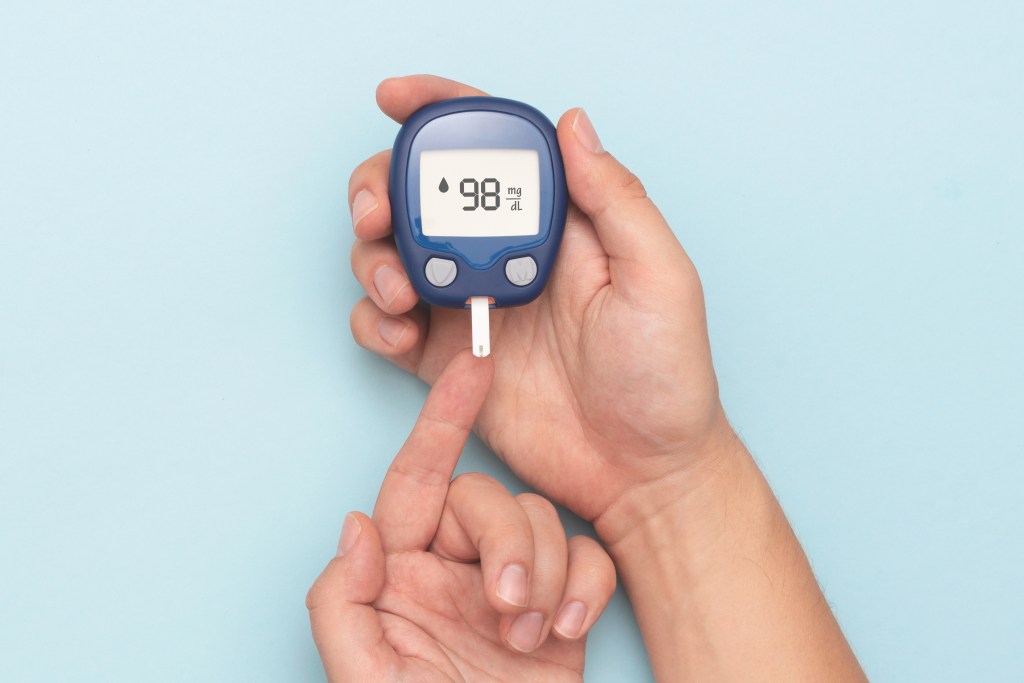
To keep track of your blood sugar at home, you’ll need a tool called a glucose meter. You’ll need the monitor itself, as well as needles (or lancets) and test strips. Taking your blood sugar involves pricking the tip of your finger with the lancet and then wiping the blood on a test strip. Then, you insert the test strip into the meter. After a few seconds, the device will display a number. This is your blood sugar level. Your nutritionist or diabetes educator will go over how to use the device. It may take a few days to get the hang of it, but your provider is always available to help you if you need it.

You’ll have to record your meals and blood sugar readings on paper, on an app or whatever way your provider wants you to. Then, your pregnancy care provider will review your readings at regular intervals (often weekly or biweekly). Sometimes, your provider will need to adjust your food (like decreasing the amount of carbs you eat) to keep your glucose levels well managed. The combination of tracking your blood sugar levels and eating diabetes-friendly food is usually enough to manage gestational diabetes.

Some people need medication such as insulin to manage gestational diabetes. This usually involves injecting insulin into your stomach, thigh or buttocks every day or multiple times a day. How frequently you need to inject insulin depends on many factors. Your healthcare provider will teach you how to inject insulin, when to take it and how much to take. If you need to use insulin to manage diabetes, it’s important to take it exactly as your provider prescribes.

Blood sugar levels

You typically record your glucose levels right when you wake up (before eating anything) and then about one hour after each meal. For example, you may take your blood sugar upon waking up at 6:15 a.m. Then, if you eat breakfast at 7 a.m., you’d take your blood sugar level around 8 a.m. You record the numbers in whatever way you and your provider have agreed on.

The American College of Obstetricians and Gynecologists typically recommends the following ranges for blood glucose levels:

  • Before a meal: 95 milligrams (mg)/dL or less. (Mg/dL stands for milligrams per decilitre.)
  • One hour after a meal: 140 mg/dL or less.
  • Two hours after a meal: 120 mg/dL or less.

As always, everyone is unique, and these are only guidelines. Your pregnancy care provider will discuss what your blood sugar range should be.

What shouldn’t you eat with gestational diabetes?

You can help manage gestational diabetes by eating nutritious foods that don’t cause your blood sugar to rise to unsafe levels. Try to:

  • Avoid processed foods and sugary drinks.
  • Choose a healthy balance of proteins, carbohydrates, fiber and fat for each meal.
  • Eat smaller meals more often.
  • Schedule your meals at the same time each day.

Some people with gestational diabetes find that small tweaks to what they usually eat are all that’s necessary to maintain normal blood sugar levels. Still, some find that they have to make more changes. It’s important to keep in mind that some people may be able to eat certain foods without a large impact on blood sugar, but you may not be able to. Remind yourself that everyone is different and unique.

Does drinking water lower blood sugar with gestational diabetes?

Hydration is important during pregnancy, especially if you have gestational diabetes. But there are no studies that show drinking water alone will directly lower blood sugar.

Staying hydrated does help your body regulate your blood sugar, though. It helps dilute your blood, which makes it easier for your kidneys to get rid of excess sugar. Water can also help your body use insulin more effectively, which also contributes to regulating blood sugar.

How can I exercise safely with gestational diabetes?

Exercise helps your body use more glucose, which may lower your blood sugar. If you have gestational diabetes, talk to your healthcare provider about creating a safe exercise plan. Your exercise plan should be unique to your overall health and your fitness level before pregnancy.

How can you reverse gestational diabetes while pregnant?

You can’t reverse gestational diabetes once you have it. Your provider will test you for diabetes after your baby is born (usually between six and 12 weeks postpartum) to see if you still have it.

How worried should I be about gestational diabetes?

Gestational diabetes is a common condition and healthcare providers have a good idea of how best to manage and treat it. You’ll still have a healthy pregnancy and a healthy baby if you have gestational diabetes. Work with your healthcare provider to make sure you understand your treatment plan and how you can keep your blood sugar levels healthy.

Take time to understand the possible complications of not managing gestational diabetes. Your baby has a very good chance of being born healthy, but you must take steps to manage the condition. If your blood sugar levels are high several readings in a row, don’t wait to contact your provider. Let them know that your blood sugar levels are repeatedly high so they can adjust your foods or medication and help you. Gestational diabetes is manageable, but there’s a level of responsibility you must take to ensure your pregnancy is healthy.

Will gestational diabetes go away after pregnancy?

Your blood sugar levels should come down after you give birth, when your hormone levels return to normal. Your pregnancy care provider will test you for gestational diabetes after your baby is born to confirm it’s gone (usually around six to 12 weeks postpartum).

But about 50% of people with gestational diabetes develop Type 2 diabetes later in life. Eating the right foods for your body and getting physical activity can help lower your risk. Your healthcare provider may recommend blood glucose tests every few years to watch for diabetes, especially if you have one or more risk factors.

Does having gestational diabetes make a pregnancy high risk?

Yes, having gestational diabetes may make your pregnancy high risk. Healthcare providers consider a pregnancy high risk when either you or the fetus (or both) has health conditions that increase your chances of having a pregnancy complication.

Will my baby be healthy if I have gestational diabetes?

Yes. Most babies born are born healthy. There are some steps you can take to manage gestational diabetes during pregnancy to give your child the best start in life. Attending all your prenatal appointments and managing diabetes the best you can during pregnancy are the two best things you can do.

How can gestational diabetes be prevented?

It’s not entirely preventable, but you can take steps to reduce your risk. Eating balanced and nutritious meals and getting regular exercise before and during your pregnancy are the best ways to reduce your risk of developing gestational diabetes.

What can I do to make living with gestational diabetes easier?

Make diabetes management part of your daily routine. Create a schedule and stick to it. Try to:

  • Check your blood glucose levels at the same time each day.
  • Choose three days each week to get 30 minutes of light exercise.
  • Plan small, balanced meals ahead of time.
  • Talk with your healthcare provider or a diabetes educator about other tips for daily diabetes management.

When should I see my healthcare provider if I have gestational diabetes?

Even if you’re being careful to manage your condition, there may be situations where you need to call your pregnancy care provider. Contact your provider if you have gestational diabetes and:

  • You’re having trouble managing blood sugar levels. This means your blood sugar levels are higher than the range your provider gave you for several readings in a row. They may want to adjust your diabetes management plan.
  • Your blood sugar is consistently low. Having low blood sugar can be a bad thing, too. Your provider may have ideas to help your blood sugar stay in a healthier range.
  • You have an illness that prevents you from following your management plan. For example, you may have food poisoning or be vomiting for another reason. Being unable to eat will affect your blood sugar levels.

Can you eat healthy and still get gestational diabetes?

Yes, you can get gestational diabetes even if you ate healthy before or during pregnancy. There are several other factors that go into your risk of getting diabetes. Things like hormones and genetics play a major role and those factors are beyond your control.

But if you have gestational diabetes, eating healthy, nutritious foods is one of the best ways to manage the condition throughout your pregnancy.

A note from QBan Health Care Services

Your pregnancy care provider just told you that you “failed” your glucose test and that you have gestational diabetes. A million questions may be crossing your mind. Did I cause this? Do I need to prick my finger the rest of my pregnancy? Will my baby be born healthy? These questions (and others) are normal to have. Fortunately, healthcare providers have a good understanding of gestational diabetes and how to help you manage it.

Most people can manage gestational diabetes with small changes to what they eat. A nutritionist or diabetes educator can help you with that. Still, some people need a medication called insulin to help keep their blood sugar in check. In most cases, well-managed gestational diabetes doesn’t have a major impact on your pregnancy. But you have to play an active role in managing the condition to make sure your pregnancy and your baby are healthy.

TYPE 2 DIABETES

Type 2 diabetes happens when your body can’t use insulin properly. Without treatment, Type 2 diabetes can cause various health problems, like heart disease, kidney disease and stroke. You can manage this disease by making lifestyle changes, taking medications and seeing your healthcare provider for regular check-ins.

What is Type 2 diabetes?

Type 2 diabetes (T2D) is a chronic condition that happens when you have persistently high blood sugar levels (hyperglycemia).

Healthy blood sugar (glucose) levels are 70 to 99 milligrams per deciliter (mg/dL). If you have undiagnosed Type 2 diabetes, your levels are typically 126 mg/dL or higher.

T2D happens because your pancreas doesn’t make enough insulin (a hormone), your body doesn’t use insulin properly, or both. This is different from Type 1 diabetes, which happens when an autoimmune attack on your pancreas results in a total lack of insulin production.

How common is Type 2 diabetes?

Type 2 diabetes is very common. More than 37 million people in the U.S. have diabetes (about 1 in 10 people), and about 90% to 95% of them have T2D.

Researchers estimate that T2D affects about 6.3% of the world’s population. T2D most commonly affects adults over 45, but people younger than 45 can have it as well, including children.

What are the symptoms of Type 2 diabetes?

Symptoms of Type 2 diabetes tend to develop slowly over time. They can include:

Women may experience frequent vaginal yeast infections and/or urinary tract infections (UTIs).

If you have these symptoms, it’s important to see your healthcare provider. Simple blood tests can diagnose T2D.

What causes Type 2 diabetes?

The main cause of Type 2 diabetes is insulin resistance.

Insulin resistance happens when cells in your muscles, fat and liver don’t respond as they should to insulin. Insulin is a hormone your pancreas makes that’s essential for life and regulating blood sugar levels.

If your body isn’t responding to insulin properly, your pancreas has to make more insulin to try to overcome your increasing blood glucose levels (hyperinsulinemia). If your cells become too resistant to insulin and your pancreas can’t make enough insulin to overcome it, it leads to Type 2 diabetes.

Several factors can contribute to insulin resistance, including:

Is Type 2 diabetes genetic?

The cause of T2D is complex, but researchers know that genetics play a strong role. Your lifetime risk of developing T2D is 40% if you have one biological parent with T2D and 70% if both of your biological parents have it.

Researchers have identified at least 150 DNA variations linked to the risk of developing T2D — some increase your risk and others decrease it. Some of these variations may directly play a role in insulin resistance and insulin production. Others may increase your risk of T2D by increasing your tendency to have overweight or obesity.

These genetic variations likely act together with health and lifestyle factors to influence your overall risk of T2D.

What are the risk factors for Type 2 diabetes?

You’re more likely to develop Type 2 diabetes if you:

As T2D symptoms typically come on slowly, it’s important to see your primary care provider regularly if you’re at risk for the condition. This way, they can do screenings, like a basic metabolic panel (BMP), to check on your blood sugar levels. It’s better to catch T2D earlier rather than later.

How is Type 2 diabetes diagnosed?

The following blood tests help your healthcare provider diagnose Type 2 diabetes:

  • Fasting plasma glucose test: This lab test checks your blood sugar level. You typically need to get this test in the morning after an eight-hour fast (nothing to eat or drink except water). A result of 126 mg/dL or higher means you have diabetes.
  • Random plasma glucose test: This lab test also checks your blood sugar, but you can get it at any time without fasting. A result of 200 mg/dL or higher means you have diabetes.
  • A1C test: This lab test measures your average blood sugar levels over the past two to three months. A result of 6.5% or higher means you have diabetes.

In some cases, your provider may order an autoantibody blood test to see if you have Type 1 Diabetes instead of T2D.

What is the treatment for Type 2 diabetes?

Unlike many health conditions, you mainly manage T2D on your own with medical guidance and support from your healthcare team. This could include your:

Your team should also include family members and other important people in your life. Managing T2D can be challenging — you have to make several decisions every day for it. But everything you do to improve your health is worth it.

The core features of Type 2 diabetes management include:

  • Lifestyle changes, like more exercise and eating adjustments.
  • Blood sugar monitoring.
  • Medication.

Exercise for Type 2 diabetes

Regular activity is important for everyone. It’s even more important if you have diabetes. Exercise is good for your health because it:

  • Lowers your blood sugar level without medication in the short term and long term.
  • Burns calories and may help with weight loss.
  • Improves blood flow and blood pressure.
  • Increases your energy level and boosts your mood.
  • Helps with stress management.

Talk to your provider before starting any exercise program. You may need to take special steps before, during and after physical activity, especially if you take insulin. The general goal is to get at least 150 minutes per week of moderate-intensity physical activity.

Type 2 diabetes diet

Ask your healthcare provider or registered dietitian to recommend a meal plan that’s right for you. What you eat, how much you eat, and when you eat are all important in keeping your blood sugar levels in the range that your healthcare team recommends.

The key to eating with Type 2 diabetes is to eat a variety of nutritious foods from all food groups, in the amounts your meal plan outlines. In general, these types of foods can help support healthy blood sugar levels:

  • Lean proteins, like chicken, eggs, fish and turkey.
  • Non-starchy vegetables, like broccoli, green beans, salad greens and cucumbers.
  • Healthy fats, like avocados, nuts, natural peanut butter and olive oil.
  • Complex carbohydrates, like beans, berries, sweet potatoes and whole-wheat bread.

Blood sugar monitoring

Monitoring your blood sugar is essential to finding out how well your current treatment plan is working. It gives you information on how to manage diabetes on a daily — and sometimes even hourly — basis. The results of blood sugar monitoring can help you make decisions about food, physical activity and dosing insulin.

Several things can affect your blood sugar. You can learn to predict some of these impacts with time and practice, while others are very difficult or impossible to predict. That’s why it’s important to check your blood sugar regularly if your healthcare provider recommends doing so.

There are two main ways you can monitor your blood sugar at home if you have diabetes:

You may choose either or both methods for a variety of reasons, such as:

  • Your access to the technology, which can vary due to cost and medical insurance coverage.
  • How often your healthcare provider recommends checking your blood sugar.
  • The medications you’re taking.
  • Your overall health.

Type 2 diabetes medications

Your healthcare provider may recommend taking medication, in addition to lifestyle changes, to manage Type 2 diabetes. These include:

  • Oral diabetes medications: These are medications that you take by mouth to help manage blood sugar levels in people who have T2D but still produce some insulin. There are several types. The most commonly prescribed one is metformin. Your provider may prescribe more than one oral diabetes medication at a time to achieve the best blood glucose management.
  • GLP-1 and dual GLP-1/GIP agonists: These are injectable medications that mainly help manage blood sugar levels in people with T2D. Some GLP-1 agonists can also help treat obesity.
  • Insulin: Synthetic insulin directly lowers blood sugar levels. There are several types of insulin, like long-acting and short-acting types. You may inject it with syringes or pens, use inhaled insulin, or use an insulin pump.
  • Other medications: You may take other medications to manage coexisting conditions, like high blood pressure and high cholesterol.

Can Type 2 diabetes be reversed?

Type 2 diabetes is a chronic (long-term) disease, which means you must manage it for the rest of your life. There’s no cure for T2D. But you can manage it — with lifestyle changes, medication and blood sugar monitoring — in a way that keeps your blood sugar levels in a healthy range. If you stop managing it or undermanage it, your blood sugar levels will go back up.

What is the outlook for Type 2 diabetes?

If you have Type 2 diabetes, your outlook depends on several factors, like:

  • Your age at diagnosis.
  • How often and how well you’re able to keep your blood sugar levels in range.
  • If you have other conditions, like high blood pressure or high cholesterol.
  • Your access to healthcare, diabetes management tools and medication, nutritious foods and support from loved ones.

Untreated or undermanaged T2D can lead to a range of health conditions.

What are the complications of Type 2 diabetes?

As your blood touches virtually every part of your body, having undermanaged Type 2 diabetes that results in continuous high blood sugar over a long period of time can damage several areas of your body.

Potential complications of Type 2 diabetes include:

Cardiovascular disease, including:

Eye conditions, including:

Additional complications include:

Short-term complications of T2D

Hyperosmolar hyperglycemic state (HHS) is a life-threatening complication of Type 2 diabetes. HHS happens when your blood sugar levels are too high for a long period, leading to severe dehydration and confusion.

Symptoms of HHS usually come on slowly and can take days or weeks to develop. Symptoms include:

  • Very high blood sugar level (over 600 mg/dL).
  • Mental changes, such as confusion, delirium or experiencing hallucinations.
  • Loss of consciousness.
  • Dry mouth and extreme thirst.
  • Frequent urination.
  • Blurred vision or loss of vision.
  • Weakness or paralysis that may be worse on one side of your body.

HHS is life-threatening and requires immediate medical treatment. If you experience these symptoms, call 911 or your local emergency services number.

Can I prevent Type 2 diabetes?

Certain strategies can help lower your risk of developing Type 2 diabetes or delay its onset, including:

  • Exercising regularly (at least 150 minutes a week).
  • Maintaining a weight that’s healthy for you.
  • Eating nutritious food.
  • Not smoking.

Unfortunately, some people have such strong genetic risk factors that even lifestyle changes aren’t enough to prevent developing T2D.

How do I take care of myself if I have Type 2 diabetes?

Type 2 diabetes is a complex condition that requires daily management, effort and planning. Some tips that can help you manage T2D include:

  • Try to stick to healthy lifestyle changes: Regular exercise and healthy eating plans are core parts of T2D management. Set small goals and make one change at a time to prevent becoming overwhelmed.
  • Check your blood sugar regularly Checking your blood sugar with a fingerstick and meter and/or using a continuous glucose monitor (CGM) is crucial to managing diabetes and preventing complications. Follow your provider’s guidance for how often you should be checking it.
  • Take your medication regularly: Follow your healthcare provider’s instructions for taking your medications (if applicable).
  • See your diabetes provider regularly: It’s important to see the provider who helps you manage T2D regularly to be sure that your management plan is working. Don’t be afraid to ask them specific questions.
  • See your other providers regularly, especially your eye doctor: Type 2 diabetes can cause complications in various areas of your body, but especially your eyes. It’s important to see your eye doctor (ophthalmologist) at least yearly so that they can check the health of your eyes.
  • Have a sick day plan: Talk with your diabetes provider about how to take care of yourself and manage T2D when you’re sick. Illness can make it more difficult to manage blood sugar levels and can trigger HHS.
  • Stay educated: Don’t be afraid to ask your provider questions about T2D. The more you know about T2D and your management, the more likely you’ll be able to live healthily and prevent complications.
  • Find community: Connecting with other people who have T2D — whether in-person or online — can help you feel less alone.
  • Take care of your mental health: People with diabetes are two to three times more likely to have depression and are 20% more likely to be diagnosed with anxiety than those without diabetes. Living with a chronic condition that requires constant care can be overwhelming. It’s important to talk to a mental health professional if you’re experiencing signs of depression and/or anxiety.

When should I see my healthcare provider if I have Type 2 diabetes?

You’ll need to have regular appointments with your healthcare team to be sure you’re on track with your T2D management plan. As your body, life and routines change, your management will need to, as well. Your healthcare team can provide new strategies that are unique to your needs.

If you develop symptoms of any diabetes complications, be sure to see your provider as soon as possible.

A note from QBan Health Care Services

Type 2 diabetes involves constant day-to-day care and management. While it’ll likely be very overwhelming at first, over time you’ll get a better grasp on how to manage the condition and how to be in tune with your body.

Be sure to see your healthcare team regularly. Managing Type 2 diabetes involves a team effort — you’ll want both medical professionals and friends and family on your side. Don’t hesitate to reach out to them if you need help.

TYPE 1 DIABETES

Type 1 diabetes is a chronic (life-long) autoimmune disease that prevents your pancreas from making insulin. It requires daily management with insulin injections and blood sugar monitoring. Both children and adults can be diagnosed with Type 1 diabetes.

What is Type 1 diabetes?

Type 1 diabetes is a chronic (life-long) autoimmune disease that prevents your pancreas from making insulin.

Insulin is an important hormone that regulates the amount of glucose (sugar) in your blood. Under normal circumstances, insulin functions in the following steps:

  • Your body breaks down the food you eat into glucose (sugar), which is your body’s main source of energy.
  • Glucose enters your bloodstream, which signals your pancreas to release insulin.
  • Insulin helps glucose in your blood enter your muscle, fat and liver cells so they can use it for energy or store it for later use.
  • When glucose enters your cells and the levels in your bloodstream decrease, it signals your pancreas to stop producing insulin.

If you don’t have enough insulin, too much sugar builds up in your blood, causing hyperglycemia (high blood sugar), and your body can’t use the food you eat for energy. This can lead to serious health problems or even death if it’s not treated. People with Type 1 diabetes need synthetic insulin every day in order to live and be healthy.

Type 1 diabetes was previously known as juvenile diabetes and insulin-dependent diabetes.

What is the difference between Type 1 diabetes and Type 2 diabetes?

While Type 1 diabetes and Type 2 diabetes are both forms of diabetes mellitus (as opposed to diabetes insipidus) that lead to hyperglycemia (high blood sugar), they are distinct from each other.

In Type 2 diabetes (T2D), your pancreas doesn’t make enough insulin and/or your body doesn’t always use that insulin as it should — usually due to insulin resistance. Lifestyle factors, including obesity and a lack of exercise, can contribute to the development of Type 2 diabetes as well as genetic factors.

In Type 1 diabetes, your pancreas doesn’t make any insulin. It’s caused by an autoimmune reaction.

Type 2 diabetes usually affects older adults, though it’s becoming more common in children. Type 1 diabetes usually develops in children or young adults, but people of any age can get it.

Type 2 diabetes is much more common than Type 1 diabetes.

Who does Type 1 diabetes affect?

Anyone at any age can develop Type 1 diabetes (T1D), though the most common age at diagnosis is between the ages of 4 to 6 and in early puberty (10 to 14 years).

In the United States, people who are non-Hispanic white are most likely to get Type 1 diabetes, and it affects females and males almost equally.

While you don’t have to have a family member with Type 1 diabetes to develop the condition, having a first-degree family member (parent or sibling) with Type 1 diabetes increases your risk of developing it.

How common is Type 1 diabetes?

Type 1 diabetes is relatively common. In the United States, approximately 1.24 million people live with Type 1 diabetes, and that number is expected to grow to five million by 2050.

Type 1 diabetes is one of the most common chronic diseases that affect children in the United States, though adults can be diagnosed with the disease as well.

What are the symptoms of Type 1 diabetes?

Symptoms of Type 1 diabetes typically start mild and get progressively worse or more intense, which could happen over several days, weeks or months. This is because your pancreas makes less and less insulin.

Symptoms of Type 1 diabetes include:

If you or your child has these symptoms, it’s essential to see your healthcare provider and ask to be tested for Type 1 diabetes as soon as possible. The sooner you’re diagnosed, the better.

If a diagnosis is delayed, untreated Type 1 diabetes can be life-threatening due to a complication called diabetes-related ketoacidosis (DKA). Seek emergency medical care if you or your child are experiencing any combination of the following symptoms:

What causes Type 1 diabetes?

Type 1 diabetes develops when your immune system mistakenly attacks and destroys cells in your pancreas that make insulin. This destruction can happen over months or years, ultimately resulting in a total lack (deficiency) of insulin.

Although scientists don’t yet know the exact cause of Type 1 diabetes, they believe there’s a strong genetic component. The risk of developing the disease with no family history is approximately 0.4%. If your biological mother has Type 1 diabetes, your risk is 1% to 4%, and your risk is 3% to 8% if your biological father has it. If both of your biological parents have Type 1 diabetes, your risk of developing the condition is as high as 30%.

Scientists believe that certain factors, such as a virus or environmental toxins, can trigger your immune system to attack cells in your pancreas if you have a genetic predisposition for developing Type 1 diabetes.

How is Type 1 diabetes diagnosed?

Type 1 diabetes is relatively simple to diagnose. If you or your child has symptoms of Type 1 diabetes, your healthcare provider will order the following tests:

  • Blood glucose test: Your healthcare provider uses a blood glucose test to check the amount of sugar in your blood. They may ask you to do a random test (without fasting) and a fasting test (no food or drink for at least eight hours before the test). If the result shows that you have very high blood sugar, it typically means you have Type 1 diabetes.
  • Glycosylated hemoglobin test (A1c): If blood glucose test results indicate that you have diabetes, your healthcare provider may do an A1c test. This measures your average blood sugar levels over three months.
  • Antibody test: This blood test checks for autoantibodies to determine if you have Type 1 or Type 2 diabetes. Autoantibodies are proteins that attack your body’s tissue by mistake. The presence of certain autoantibodies means you have Type 1 diabetes. Autoantibodies usually aren’t present in people who have Type 2 diabetes.

Your provider will also likely order the following tests to assess your overall health and to check if you have diabetes-related ketoacidosis, a serious acute complication of undiagnosed or untreated Type 1 diabetes:

  • Basic metabolic panel: This is a blood sample test that measures eight different substances in your blood. The panel provides helpful information about your body’s chemical balance and metabolism.
  • Urinalysis: A urinalysis (also known as a urine test) is a test that examines the visual, chemical and microscopic aspects of your urine (pee). Providers use it to measure several different aspects of your urine. In the case of a Type 1 diagnosis, they’ll likely order the test to check for ketones, which is a substance your body releases when it has to break down fat for energy instead of using glucose. A high amount of ketones causes your blood to become acidic, which can be life-threatening.
  • Arterial blood gas: An arterial blood gas (ABG) test is a blood test that requires a sample from an artery in your body to measure the levels of oxygen and carbon dioxide in your blood.

What kind of doctor treats Type 1 diabetes?

An endocrinologist — a healthcare provider who specializes in treating hormone-related conditions — treats people who have Type 1 diabetes. Some endocrinologists specialize in diabetes.

If your child has Type 1 diabetes, they’ll need to see a pediatric endocrinologist.

You’ll need to see your endocrinologist regularly to ensure that your Type 1 diabetes management is working well. Your insulin needs will change throughout your life.

How is Type 1 diabetes treated?

People with Type 1 diabetes need synthetic insulin every day, multiple times a day in order to live and be healthy. They also need to try to keep their blood sugar within a healthy range.

Since several factors affect your blood sugar level, Type 1 diabetes management is complex and highly individualized.

Three of the main components of Type 1 diabetes management include:

  • Insulin.
  • Blood glucose (sugar) monitoring.
  • Carbohydrate counting.

Insulin for Type 1 diabetes management

There are several different types of synthetic insulin. They each start to work at different speeds, and they last in your body for different lengths of time. You may need to use more than one type.

Some types of inulin are more expensive than others. Work with your endocrinologist to find the right type of insulin for your needs.

The amount of insulin you need throughout the day depends on several factors including:

  • Your weight.
  • Your age.
  • Your physical activity level.
  • The types of food you eat.
  • Your blood sugar (glucose) level at any given time.

Along with a background level of insulin (often called a basal rate), you’ll need to give yourself specific amounts of insulin when you eat and to correct high blood sugar levels.

You can take insulin in the following ways:

  • Multiple daily injections (MDI): Injectable insulin uses a vial and syringe. With each injection, you use a syringe to get the correct dose of insulin out of the vial. You can inject the insulin into the fatty tissue of your belly, upper arm, thigh or buttocks. Injections are usually the least expensive way to take insulin.
  • Pen: Insulin pens are similar to injections, but the pen is pre-filled with insulin. The disposable pen needles are usually more convenient than syringes. They can also be a good option for people with low vision.
  • Pump: Insulin pumps are devices that deliver insulin continuously and on demand. They mimic the way your pancreas would naturally release insulin. Pumps deliver insulin through a tiny catheter (thin, flexible tube) that goes in your belly or another fleshy area of your body.
  • Rapid-acting inhaled insulin: This type of insulin (known as Afrezza®) is inhaled through your mouth (much like an asthma inhaler). It works much quicker than other types of insulin.

The amount of insulin you need day to day will vary across your lifespan and under specific circumstances. For example, you typically need larger doses of insulin during puberty, pregnancy and when you’re taking steroid medication.

Because of this, it’s important to see your endocrinologist regularly — usually at least three times a year —to make sure your insulin dosages and overall diabetes management are working for you.

Blood sugar monitoring for Type 1 diabetes management

People with Type 1 diabetes need to monitor their blood sugar closely throughout the day. Maintaining a healthy blood sugar range is the best way to avoid health complications. You can monitor your blood sugar in the following ways:

  • Blood glucose meter: You prick your finger and put a small drop of blood on the meter’s test strip. Your blood glucose level appears on the meter within seconds. A blood glucose meter is usually the least expensive home testing option, but it only reports your blood sugar at the time of the check.
  • Continuous glucose monitoring (CGM): There are different types of CGMs. Most CGMs require you to insert a small sensor under your skin at home every seven to 14 days. Some CGMs are implanted by a healthcare provider. The sensor continuously records your blood glucose levels. People using a CGM require fewer finger sticks. CGM systems can be more expensive than fingerstick blood glucose meters, but they provide much more information about your glucose levels, including where they have been and where they are going. You can set different alarms to alert you if your blood sugar is trending too low or too high.

Your healthcare provider will tell you what your target blood glucose level range should be. It depends on a variety of factors, including your:

  • Age.
  • Lifestyle.
  • Overall health.
  • Access to diabetes technology and supplies.

Carb counting for Type 1 diabetes management

A large part of Type 1 diabetes management is counting carbohydrates (carbs) in the food and drinks you consume in order to give yourself proper doses of insulin.

Carbohydrates are a type of macronutrient found in certain foods and drinks, such as grains, sweets, legumes and milk. When your body digests foods and drinks that contain carbs, it turns them into glucose, which is your body’s preferred form of energy. This raises your blood sugar level.

Because of this, people with Type 1 diabetes need to give themselves insulin doses when they consume carbohydrates.

Carb counting at its basic level involves counting the number of grams of carbohydrate in a meal (through reading nutrition labels) and matching that to your dose of insulin.

You’ll use what’s known as an insulin-to-carb ratio to calculate how much insulin you should take in order to manage your blood sugars when eating. Insulin-to-carb rations vary from person to person and may even be different at different times of the day. Your endocrinologist will help you determine your insulin-to-carb ratio.

What are the side effects of diabetes treatment?

The main side effect of diabetes treatment through insulin is low blood sugar (hypoglycemia). Low blood sugar can occur if you take too much insulin based on your food intake and/or activity level. Hypoglycemia is usually considered to be below 70 mg/dL (milligrams per decilitre).

Symptoms of low blood sugar can start quickly, with people experiencing them in different ways. The signs of hypoglycemia are unpleasant, but they provide good warnings that you should take action before your blood sugar drops more.

The symptoms of low blood sugar include:

  • Shaking or trembling.
  • Sweating and chills.
  • Dizziness or lightheadedness.
  • Faster heart rate.
  • Headaches.
  • Hunger.
  • Nausea.
  • Nervousness or irritability.
  • Pale skin.
  • Restless sleep.
  • Weakness.

Hypoglycemia can be dangerous and needs to be treated right away.

The American Diabetes Association recommends the “15-15 rule” for an episode of low blood sugar, which involves:

  • Eating or drinking 15 grams of carbohydrates to raise your blood sugar.
  • After 15 minutes, check your blood sugar.
  • If it’s still below 70 mg/dL, have another 15 grams of carbs.
  • Repeat until your blood sugar is at least 70 mg/dL.

If you have symptoms of hypoglycemia but can’t test your blood sugar, use the 15-15 rule until you feel better.

Children typically need fewer grams of carbs to treat lows. Check with their healthcare provider.

Is there a cure for Type 1 diabetes?

There is currently no cure for Type 1 diabetes, but scientists are working on ways to prevent or slow down the progression of the condition through studies such as TrialNet.

Scientists are also working on research into pancreatic islet transplantation — an experimental treatment for people who have brittle diabetes.

Pancreatic islets are clusters of cells in the pancreas that make insulin. Your immune system attacks these cells in Type 1 diabetes. A pancreatic islet transplant replaces destroyed islets with new ones that make and release insulin. This procedure takes islets from the pancreas of an organ donor and transfers them to a person with Type 1 diabetes. Because researchers are still studying pancreatic islet transplantation, the procedure is only available to people enrolled in a study.

What is the prognosis (outlook) for Type 1 diabetes?

Type 1 diabetes is a challenging condition to manage properly, especially consistently throughout your lifetime. Because of this, T1D is associated with several complications. Close to 50% of people with Type 1 diabetes will develop a serious complication over their lifetime. Some may lose eyesight while others may develop end-stage kidney disease.

For those who reach the first 20 years after diagnosis without any complications, the prognosis (outlook) is good.

What are the complications of Type 1 diabetes?

Since your blood touches virtually every part of your body, having poorly managed Type 1 diabetes that results in continuous high blood sugar (hyperglycemia) can damage several different areas of your body.

Potential complications of Type 1 diabetes include:

Is Type 1 diabetes preventable?

Unfortunately, there’s nothing you can do to prevent developing Type 1 diabetes.

Since Type 1 diabetes can run in families, your healthcare provider can test your family members for the autoantibodies that cause the disease. Type 1 Diabetes TrialNet, an international research network, also offers autoantibody testing to family members of people with Type 1 diabetes.

The presence of autoantibodies, even without diabetes symptoms, means you’re more likely to develop Type 1 diabetes. If you have a sibling, child or parent with Type 1 diabetes, you may want to get an autoantibody test. These tests can help catch Type 1 diabetes in its earliest phases.

How do I take care of myself if I have Type 1 diabetes?

Type 1 diabetes is a complex condition that requires daily management, effort and planning. Some tips that can help you manage your Type 1 diabetes include:

  • Check your blood sugar often: Checking your blood sugar with a glucometer and/or using a continuous glucose monitor (CGM) is crucial to managing diabetes and preventing complications. Try to at least check your blood sugar before and after meals and before you go to sleep. It’s important to treat high blood sugar as soon as possible.
  • Take your insulin and other medication regularly: Follow your healthcare provider’s instructions for taking your insulin and other medications (if applicable).
  • See your endocrinologist regularly: It’s important to see your endocrinologist regularly to be sure that your Type 1 diabetes management plan is working. Don’t be afraid to ask them specific questions.
  • See your other providers regularly, especially your eye doctor: Type 1 diabetes can cause complications in various areas of your body, but especially your eyes. It’s important to see your eye doctor (ophthalmologist) at least yearly so that they can check the health of your eyes.
  • Have a sick day plan: Talk with your endocrinologist about how to take care of yourself and manage your diabetes when you’re sick. Since illness can trigger diabetes-related ketoacidosis (DKA), it’s important to know what to do if you get sick before it happens so that you’re prepared.
  • Stay educated: Don’t be afraid to ask your provider questions about Type 1 diabetes. The more you know about Type 1 diabetes your diabetes management, the more likely you’ll be able to live healthily and prevent complications.
  • Find community: Connecting with other people who have Type 1 diabetes — whether in-person or online — can help you feel less alone in living with and managing diabetes.
  • Take care of your mental health: People with diabetes are two to three times more likely to have depression and are 20% more likely to be diagnosed with anxiety than those without diabetes. Living with a chronic condition that requires constant care can be overwhelming. It’s important to talk to a mental health professional if you’re experiencing signs of depression and/or anxiety.

How do I take care of my child who has Type 1 diabetes?

When your child is first diagnosed with Type 1 diabetes, it can be overwhelming. There’s a lot to learn, and you’ll need to get up to speed quickly on how to manage Type 1 diabetes and incorporate lifestyle changes at home. Caregivers often manage Type 1 diabetes for their children, especially if they’re young.

Some things you’ll need to do include:

  • Learn to count carbohydrates, which may involve adapting your family’s diet.
  • Learn about how insulin works and how to give shots or use an insulin pump.
  • Learn to check your child’s blood sugar and interpret the results.
  • Understand how different foods, exercise and illnesses affect blood sugar levels.
  • Manage rivalries and feelings of jealousy between your children (if you have more than one), which is common when there’s a Type 1 diabetes diagnosis in a family.
  • Support your child’s mental and emotional health and reach out for professional help if needed. They may suddenly feel very overwhelmed with what’s happening or feel that they’re different from their peers.
  • Help your child learn how to listen to their body for symptoms of high and low blood sugar and how to manage Type 1 diabetes on their own (when age-appropriate).
  • Educate friends, family, school administrators and others about Type 1 diabetes and your child’s management needs and what they can do to help. It’s important to reach out for help because while you can (and will) do a lot for your child, you can’t do it all.

When should I see my healthcare provider if I have Type 1 diabetes?

If you or your child are experiencing symptoms of Type 1 diabetes, such as extreme thirst and frequent urination, see your healthcare provider as soon as possible.

If you or your child have been diagnosed with diabetes, you’ll need to see your endocrinologist multiple times a year throughout your life to make sure your diabetes management is working well for you.

When should I go to ER if I have Type 1 diabetes?

If you’re experiencing symptoms of diabetes-related ketoacidosis (DKA), such as high blood sugar, nausea and vomiting and rapid breathing, get to the nearest emergency room (ER) as soon as possible. DKA is life-threatening and requires immediate medical care.

A note from QBan Health Care Services

Being diagnosed with Type 1 diabetes is a life-changing event, but it doesn’t mean that you can’t live a happy and healthy life. Type 1 diabetes involves constant day-to-day care and management. While it’ll likely be very overwhelming at first, over time you’ll get a better grasp on how to manage the condition and how to be in tune with your body.

Be sure to see your endocrinologist and other healthcare providers regularly. Managing Type 1 diabetes involves a team effort — you’ll want both medical professionals and friends and family on your side. Don’t be afraid to reach out to them if you need help.

ENDOCRINE SYSTEM

Your endocrine system is in charge of creating and releasing hormones to maintain countless bodily functions. Endocrine tissues include your pituitary gland, thyroid, pancreas and others. There are several conditions related to endocrine system issues — usually due to a hormone imbalance or problems directly affecting the tissue.

What is the endocrine system?

Your endocrine system consists of the tissues (mainly glands) that create and release hormones.

Hormones are chemicals that coordinate different functions in your body by carrying messages through your blood to your organs, skin, muscles and other tissues. These signals tell your body what to do and when to do it. Hormones are essential for life and your health.

What is the function of the endocrine system?

The main function of your endocrine system is to release hormones into your blood while continuously monitoring the levels. Hormones deliver their messages by locking into the cells they target so they can relay the message. You have more than 50 different hormones, and they affect nearly all aspects of your health — directly or indirectly. Some examples include:

  • Metabolism.
  • Homeostasis (constant internal balance), such as blood pressure and blood sugar regulation, fluid (water) and electrolyte balance and body temperature.
  • Growth and development.
  • Sexual function.
  • Reproduction.
  • Sleep-wake cycle.
  • Mood.

Very small amounts of hormones can trigger significant responses and changes in your body. If your body has too little or too much of a hormone, it affects your health. This often causes noticeable symptoms.

What are the endocrine system organs?

Your endocrine system consists of three types of tissues:

  • Endocrine glands.
  • Organs.
  • Endocrine-related tissues.

Endocrine system glands

Glands are special tissues in your body that create and release substances. Endocrine glands make and release hormones directly into your bloodstream. The endocrine glands in your body from head to toe include:

  • Pineal gland: This is a tiny gland in your brain that’s beneath the back part of your corpus callosum. It makes and releases the hormone melatonin.
  • Pituitary gland: This is a small, pea-sized gland at the base of your brain below your hypothalamus. It releases eight hormones, some of which trigger other endocrine glands to release hormones.
  • Thyroid gland: This is a small, butterfly-shaped gland at the front of your neck under your skin. It releases hormones that help control your metabolism.
  • Parathyroid glands: These are four pea-sized glands that are typically behind your thyroid. Sometimes they exist along your esophagus or in your chest (ectopic parathyroid glands). They release parathyroid hormone (PTH), which controls the level of calcium in your blood.
  • Adrenal glands: These are small, triangle-shaped glands on top of each of your two kidneys. They release several hormones that manage bodily processes, like metabolism, blood pressure and your stress response.

You have other glands in your body that aren’t endocrine glands, such as sweat glands (a type of exocrine gland).

Endocrine system organs

Certain organs in your body also make and release hormones. An organ is a group of tissues that form a structure that performs specific important functions in your body. The organs that are part of your endocrine system include:

Other tissues that release hormones

Other tissues in your body release hormones. But we don’t typically think of them as endocrine system tissues because they have other, more significant functions or roles. They include:

  • Digestive tract (stomach and small intestine): Your digestive tract is the largest endocrine-related organ system. It makes and releases several hormones that play a role in your metabolism. Examples include gastrin and ghrelin.
  • Kidneys: Your kidneys are two bean-shaped organs that filter your blood. They’re part of your urinary system, but they also produce hormones, like erythropoietin and renin.
  • Liver: Your liver is part of your digestive system, but it also produces hormones, including insulin-like growth factor 1 (IGF-1) and angiotensinogen.
  • Heart: When your blood pressure rises, your heart releases two hormones called A-type natriuretic peptide and B-type natriuretic peptide.
  • Placenta: The placenta is a temporary endocrine organ that forms during pregnancy. It produces hormones that are important for maintaining a healthy pregnancy and preparing your body for labor and breastfeeding.

What are endocrine system diseases?

There are hundreds of conditions related to issues with your endocrine system. Hormonal imbalances make up a significant number of endocrine diseases. This typically means there’s too much or not enough of one or more hormones. But issues directly affecting endocrine system glands and organs, like benign and cancerous tumors, also account for endocrine diseases.

The below groupings cover some — but certainly not all — endocrine system-related conditions.

Diabetes and metabolic conditions:

Endocrine cancers and tumors:

Thyroid disease:

Sexual development, function and reproduction conditions:

Calcium and bone conditions:

What healthcare providers treat endocrine system issues?

An endocrinologist is a healthcare provider who specializes in the endocrine system and conditions related to your hormones. They can diagnose endocrine conditions, develop treatment and management plans, and prescribe medication. Pediatric endocrinologists specialize in conditions that affect children under 18.

Some endocrine conditions may require more than one provider. For example, care for cancer affecting endocrine tissues would also involve oncologists and other cancer specialists.

How can I keep my endocrine system healthy?

It’s not possible to prevent all types of endocrine system-related conditions, like those that have autoimmune causes. But there are some steps you can take to try and keep your endocrine system healthy, including:

  • Maintaining a weight that’s healthy for you.
  • Exercising regularly.
  • Getting proper nutrition.
  • Getting quality sleep.
  • Limiting or avoiding alcohol.
  • Avoiding or quitting smoking.

Chemicals called endocrine disrupters can also affect your endocrine system. These chemicals are in many everyday products, including some:

  • Cosmetics.
  • Food and beverage packaging.
  • Toys.
  • Carpets.
  • Pesticides.

You can’t completely avoid contact with endocrine-disrupting chemicals (EDCs). But you can make informed choices to reduce your exposure to them and your risk of any potential health effects.

Lastly, if you have a family history of endocrine system-related conditions, like diabetes or thyroid disease, talk to your healthcare provider. They can help you understand your risk of developing the condition and let you know what symptoms to look out for.

A note from QBan Health Care Services

Your endocrine system is vital to your existence. While normally, your body carefully balances its hormones, having too little or too much of a certain hormone can lead to health problems. If you’re experiencing any concerning symptoms, it’s important to talk to your healthcare provider. They’re available to help.

BRAIN ANEURYSM

A brain (cerebral) aneurysm is a bulge in a weak area of a blood vessel in or around your brain. Most aneurysms are small and don’t cause issues. But a ruptured brain aneurysm is life-threatening. The first sign of a ruptured brain aneurysm is usually a severe headache — the worst headache you’ve ever had. Seek medical care immediately if you have symptoms of a brain aneurysm rupture.

What is a brain aneurysm?

A brain aneurysm, also called a cerebral aneurysm, is a bulge in a weak area of an artery in or around your brain. The constant pressure of blood flow pushes the weakened section outward, creating a blister-like bump.

When blood rushes into this bulge, the aneurysm stretches even farther. It’s similar to how a balloon gets thinner and is more likely to pop as it fills with air.

Brain aneurysms can occur anywhere in your brain, but most of them form in the major arteries along the base of your skull. Approximately 10% to 30% of people who have a brain aneurysm have multiple aneurysms. The majority of brain aneurysms are small and don’t cause symptoms.

An aneurysm can cause symptoms if it puts pressure on nearby nerves or brain tissue. If the aneurysm leaks or ruptures (bursts open), it causes bleeding in your brain. A ruptured brain aneurysm can be life-threatening and requires emergency medical treatment. As more time passes with a ruptured aneurysm, the likelihood of death or disability increases.

What happens when a brain aneurysm ruptures?

When it ruptures, blood spills (hemorrhages) into your surrounding brain tissue. The blood can put excess pressure on your brain tissue and make your brain swell. It usually causes a severe headache called a thunderclap headache, in addition to other symptoms.

A ruptured brain aneurysm can cause serious health problems such as:

  • Subarachnoid hemorrhage (SAH): Bleeding in the area between your brain and the thin tissues that cover and protect it (the arachnoid layer). About 90% of SAHs are due to ruptured brain aneurysms.
  • Hemorrhagic stroke: Bleeding in the space between your skull and brain.

This can result can in permanent brain damage or other complications such as:

  • Vasospasm: This happens when blood vessels get narrower or clamp down and less oxygen reaches your brain.
  • Hydrocephalus: This happens when a buildup of cerebrospinal fluid or blood around your brain puts increased pressure on it.
  • Seizures: A seizure is a temporary, uncontrolled surge of electrical activity in your brain. It can make brain damage due to a ruptured aneurysm worse.
  • Coma: A state of prolonged unconsciousness. It can last days to weeks.
  • Death: Ruptured brain aneurysms result in death in about 50% of cases.

Who do brain aneurysms affect?

Brain aneurysms can affect anyone and at any age. But they’re most likely to affect people between the ages of 30 and 60. They’re also more common in women.

How common are brain aneurysms?

Up to 6% of people in the U.S. have an aneurysm in their brain that isn’t bleeding (an unruptured aneurysm). Ruptured brain aneurysms are less common. They occur in approximately 30,000 people in the U.S. per year.

What are the symptoms of a brain aneurysm?

Brain aneurysm symptoms vary based on whether it’s unruptured or ruptured.

Symptoms of a ruptured brain aneurysm

Symptoms of a ruptured aneurysm include:

  • Thunderclap headache (sudden onset and severe, often described as “The worst headache of my life”).
  • Nausea and vomiting.
  • Stiff neck.
  • Blurred or double vision.
  • Sensitivity to light (photophobia).
  • Seizures.
  • Drooping eyelid and a dilated pupil.
  • Pain above and behind your eye.
  • Confusion.
  • Weakness and/or numbness.
  • Loss of consciousness.

Call 911 or get to the nearest emergency room as soon as possible if you have these symptoms.

When a brain aneurysm leaks a small about of blood it’s called a sentinel bleed. You may experience warning headaches (called sentinel headaches) from a tiny aneurysm leak days or weeks before a significant rupture.

Symptoms of an unruptured brain aneurysm

Most unruptured (intact) brain aneurysms don’t cause symptoms. If they become large enough, the bulge in your artery can put pressure on nearby nerves or brain tissue, causing the following symptoms:

  • Headaches.
  • Vision changes.
  • Enlarged (dilated) pupil.
  • Numbness or tingling on your head or face.
  • Pain above and behind your eye.
  • Seizures.

See a healthcare provider as soon as possible if you’re experiencing these symptoms.

What causes brain aneurysms?

Brain aneurysms develop when the walls of an artery in your brain become thin and weak. They usually form at branching points of arteries. Sometimes, you can be born with a brain aneurysm. This is typically due to an abnormality (birth defect) in an artery wall. Several other factors can contribute to the weakening of an artery.

The following inherited factors affect the health of your arteries and can increase your risk of developing a brain aneurysm:

The following conditions and situations can weaken your artery walls over time:

What causes a brain aneurysm to rupture?

The factors that contribute to the development of a brain aneurysm can also cause it to rupture (burst) and bleed.

Researchers think high blood pressure is the most common cause of a rupture. Higher blood pressure makes blood push harder against blood vessel walls. Situations that can increase blood pressure and lead to a brain aneurysm rupture include:

  • Ongoing stress or a sudden burst of anger or other strong emotion.
  • Working hard (straining) to lift, carry or push something heavy like weights or furniture.
  • Known high blood pressure that isn’t properly treated with medications.

Many factors determine whether an aneurysm is likely to burst, including:

  • Size and shape: Smaller aneurysms may be less likely to bleed than larger, irregularly shaped ones.
  • Growth: If an aneurysm has grown over time, it may be more likely to rupture.
  • Location: Aneurysms on the posterior communicating arteries (a pair of arteries in the back of your brain) and the anterior communicating artery (an artery in the front of your brain) have a higher risk of rupturing than brain aneurysms in other locations.
  • Race: People of Japanese or Finish heritage have higher risk of aneurysm rupture.
  • Older age: People older than 70 are at higher risk of aneurysm rupture.

People who have multiple brain aneurysms or who’ve had a previous aneurysm bleed are at the highest risk of a brain aneurysm rupture.

How are brain aneurysms diagnosed?

Most people with an unruptured brain aneurysm don’t know they have one. A healthcare provider may find one during an imaging test of your brain, such as an MRI or CT scan that you got for a different medical reason.

If you have symptoms of a brain aneurysm, such as a severe headache, call 911 or go to the emergency room. A healthcare provider will order tests to see if a brain aneurysm has ruptured. These tests may include:

  • CT (computed tomography) scan: This is often the first imaging test a provider will order to see if blood has leaked into your brain. A CT scan uses X-rays and computers to produce images of a cross-section of your body. Providers may also use a CT angiogram (CTA), which produces more detailed images of blood flow in your brain’s arteries. CTA can show the size, location and shape of an unruptured or ruptured aneurysm.
  • MRI (magnetic resonance imaging) scan: MRI uses a large magnet, radio waves and a computer to produce detailed images of your brain. Magnetic resonance angiography (MRA) produces detailed images of your brain’s arteries and can show the size, location and shape of an aneurysm.
  • Cerebral angiography: This is a procedure in which a neurosurgeon or an interventional neuroradiologist inserts a catheter into a blood vessel in your groin or wrist. They thread it to your brain to take more accurate images of the arteries in your neck and brain. This imaging test can find blockages in arteries in your brain or neck. It also can identify weak spots in an artery, like an aneurysm. Providers use this test to determine the cause of bleeding in your brain and the exact location, size and shape of an aneurysm.
  • Cerebrospinal fluid (CSF) analysis: This test measures the substances in the fluid that surrounds and protects your brain and spinal cord (cerebrospinal fluid). A provider collects a CSF sample by performing a spinal tap (lumbar puncture). The analysis can detect bleeding around your brain.

How are brain aneurysms treated?

The main goal of brain aneurysm treatment is to stop or reduce the flow of blood into the aneurysm. A leaking or ruptured brain aneurysm requires emergency surgery. You may or may not need treatment for an unruptured aneurysm depending on your circumstances.

Your healthcare team will recommend the best treatment option(s) for you based on your vascular anatomy, aneurysm size and location and several other factors.

In general, recovery takes longer for ruptured aneurysms than for unruptured aneurysms.

Microvascular clipping for brain aneurysms

During this surgery, a neurosurgeon cuts a small opening in your skull to access the aneurysm. Using a tiny microscope and instruments, the neurosurgeon attaches a small metal clip at the base of the aneurysm to pinch it off. This blocks blood from flowing into the aneurysm. The surgery can stop a brain bleed or keep an intact aneurysm from enlarging or breaking open.

Recovery time is different for ruptured (several weeks to months) and unruptured (usually two to four weeks) aneurysms. Aneurysms that are completely clipped usually don’t bleed again (recur).

Endovascular coiling for brain aneurysm

For this procedure, a neurosurgeon or an interventional neuroradiologist inserts a catheter (a flexible tube) into a blood vessel, usually in your groin or wrist, and threads it to your brain. Through the catheter, the provider places a tiny coil of soft wire into the aneurysm.

Once the provider releases the coil into the aneurysm, it changes the blood flow pattern within the aneurysm, resulting in a clot. This clot prevents blood from entering the aneurysm, providing a seal in a similar way as a clip.

Flow diversion stents for brain aneurysm

For this procedure, a neurosurgeon or an interventional neuroradiologist inserts a catheter into a blood vessel in your groin or wrist and threads it to your brain. Through the catheter, the provider places a mesh tube in the part of the blood vessel that contains the aneurysm. The mesh encourages or diverts your blood flow away from instead of into the aneurysm.

WEB device for brain aneurysm

For this procedure, a neurosurgeon or an interventional neuroradiologist inserts a catheter into a blood vessel in your groin or wrist and threads it to your brain. Through the catheter, the provider places a metal mesh-like cube or sphere into the aneurysm. This works similar to a coil, as it provides a seal-like effect on the aneurysm, not allowing blood into it anymore to prevent it from enlarging or rupturing.

Additional treatments for a ruptured brain aneurysm

If you have a ruptured aneurysm, your healthcare team will use additional treatments to manage your symptoms and try to prevent complications. These treatments may include:

  • Antiseizure medications: These medications can help prevent seizures related to a ruptured aneurysm.
  • Calcium channel blockers: These medications can help reduce your risk of stroke due to vasospasm.
  • Shunt: This is a tube that helps drain cerebrospinal fluid (CSF) from your brain to somewhere else in your body. It can help prevent hydrocephalus.

People who have a ruptured aneurysm often need physical, speech and occupational therapy to regain function and learn new ways to function with any permanent disability.

Do I need treatment for an unruptured brain aneurysm?

If you have a small unruptured brain aneurysm that isn’t causing symptoms and you don’t have other relevant risk factors, your healthcare provider may recommend not treating it.

Instead, your provider will order regular imaging tests to monitor it for any changes or growth over time. They’ll also recommend you quit smoking (if you smoke) and make sure your blood pressure is well managed.

You’ll need to get help right away if you develop symptoms or if the aneurysm changes on follow-up imaging.

If you have symptoms, positive risk factors and/or the aneurysm is large, you and your healthcare provider will discuss the benefits, risks and alternatives of surgical and/or endovascular treatment. The decision depends on several factors, including but not limited to your:

  • Age.
  • Overall health and your medical conditions.
  • Aneurysm location, size and other characteristics.
  • Vascular anatomy.
  • Family history.
  • Risk of a rupture.

What is the prognosis for a ruptured brain aneurysm?

The prognosis (outlook) for a ruptured brain aneurysm depends on several factors, including:

  • Your age and overall health.
  • If you have preexisting neurological conditions.
  • The location of the aneurysm.
  • How much the aneurysm bled.
  • How quickly you received treatment.
  • If the treatment of the aneurysm was successful.

About 25% of people who experience a brain aneurysm rupture die within 24 hours. Around 50% of people die within three months of the rupture due to complications.

Of those who survive, about 66% experience permanent brain damage. Some people recover with little or no disability.

Can you live a long life with a brain aneurysm?

Many people who have a small unruptured brain aneurysm never develop symptoms and it doesn’t affect their health.

However, the mortality rate of ruptured brain aneurysms is very high.

How can I reduce my risk of developing an aneurysm?

You can’t prevent or change certain brain aneurysm risk factors, like your age or genetic conditions. But you can lower your risk of developing a brain aneurysm by:

When should I see my healthcare provider about a brain aneurysm?

If you have an unruptured brain aneurysm, you’ll need to see your healthcare provider regularly to monitor the size of the aneurysm and to manage any contributing risk factors, like high blood pressure.

If you’ve had a ruptured brain aneurysm, you’ll need to see your healthcare team regularly to monitor any complications and to make sure you don’t develop another aneurysm.

A note from QBan Health Care Services

A sudden, severe headache with or without stroke symptoms could be a sign of a brain aneurysm. Call 911 or go to an emergency room if you’re having these symptoms. The sooner you can get medical attention, the greater your chance of survival. If you have an unruptured brain aneurysm, talk with your healthcare provider about the risks and benefits of different treatment and management options. They’re available to help you.
ANEURYSM

An aneurysm is a bulge in the wall of an artery. Aneurysms form when there’s a weak area in the artery wall. Untreated aneurysms can burst open, leading to internal bleeding. They can also cause blood clots that block the flow of blood in your artery. Depending on the location of the aneurysm, a rupture or clot can be life-threatening.

What is an aneurysm?

An aneurysm is a weak or expanded part of an artery, like a bulge in a balloon. Your arteries are large blood vessels that carry oxygenated blood from your heart to other parts of your body. If an area in an artery wall weakens, the force of blood pumping through can result in a bulge or aneurysm.

Aneurysms usually aren’t painful. You might not know you have one unless it ruptures or bursts. If it does, it can be very dangerous or even fatal.

What are the different types of aneurysms?

An aneurysm can form in any of the arteries in your body. Aneurysms can occur in your heart, abdomen, brain or legs. The location determines the type of aneurysm.

Aortic aneurysms are by far the most common. They form in your aorta, your body’s largest artery. Your aorta carries blood out of your heart. Aneurysms that develop in arteries other than your aorta are called peripheral aneurysms.

Types of aneurysms include:

  • Abdominal aortic aneurysm (AAA): Abdominal aortic aneurysms may form where your aorta carries blood into your abdomen (belly).
  • Cerebral aneurysms: Also called brain aneurysms, these aneurysms affect an artery in your brain. A saccular (or berry) aneurysm is the most common type of cerebral aneurysm. It forms as a sac of blood attached to an artery. It looks like a round berry attached to the artery.
  • Thoracic aortic aneurysm: These aneurysms are less common than AAAs. Thoracic aortic aneurysms form in the upper part of your aorta, in your chest.
  • Carotid aneurysm: Carotid artery aneurysms form in your carotid arteries. These blood vessels bring blood to your brain, neck and face. Carotid aneurysms are rare.
  • Popliteal aneurysm: These develop in the artery that runs behind your knees.
  • Mesenteric artery aneurysm: This type of aneurysm forms in the artery that brings blood to your intestine.
  • Splenic artery aneurysm: These aneurysms develop in an artery in your spleen.

How common are aneurysms?

Unruptured brain aneurysms affect 2% to 5% of healthy people, and about 25% of them have multiple aneurysms. Most brain aneurysms develop in adulthood, but they can also occur in children with mean age of detection around 50 years. The vast majority of brain aneurysms don’t rupture.

Aortic aneurysms become more prevalent with age. Abdominal aortic aneurysms are four to six times more common in males than females. They affect only about 1% of males aged 55 to 64. But the incidence increases by 2% to 4% with every decade.

Who is at risk for an aneurysm?

Different types of aneurysms affect different groups. Brain aneurysms affect females more than males. Aortic aneurysms more often affect males.

Abdominal aortic aneurysms occur most often in people who are:

  • Males.
  • Over the age of 60.
  • Smokers.
  • White, although they affect people of any race.

What are the symptoms of an aneurysm?

In many cases, people don’t know they have an aneurysm. If an aneurysm ruptures (bursts), it’s a medical emergency that requires immediate treatment. Call 911 if you or someone you’re with shows signs of a ruptured aneurysm. Symptoms of a ruptured aneurysm come on suddenly. You may feel:

  • Lightheaded.
  • Rapid heartbeat.
  • Sudden, severe pain in your head, chest, abdomen or back.
  • Sudden loss of consciousness following a severe headache.

When an aneurysm causes symptoms, the signs depend on its location. You might notice signs of shock, such as a drop in blood pressure, feeling clammy and “out of it,” and having a pounding heart. Other symptoms of an aneurysm can include:

What are the complications of an aneurysm?

If an aneurysm ruptures, it causes internal bleeding. Depending on the location of the aneurysm, a rupture can be very dangerous or life-threatening. An aneurysm in your neck can cause a blood clot that travels to your brain. If the clot cuts off blood flow to your brain, it causes a stroke. When a brain aneurysm ruptures, it causes a subarachnoid hemorrhage. Some people call this type of stroke a brain bleed. Typically people have what they call the worst headache of their life and then develop other symptoms like limb weakness, headache and trouble speaking.

What causes an aneurysm?

In some cases, people are born with aneurysms. They can also develop at any point during your life. Although the cause of an aneurysm is often unknown, some possible causes include:

How is an aneurysm diagnosed?

Many aneurysms develop without causing symptoms. Your healthcare provider may discover it by accident during a routine checkup or other screening.

If you have symptoms that may indicate an aneurysm, your provider will do imaging tests. Imaging tests that can find and help diagnose an aneurysm include:

How will my healthcare provider classify an aneurysm?

Your provider will classify an aneurysm by how large it is and how it forms. The different classifications include:

  • Fusiform aneurysm bulges out on all sides of your artery.
  • Saccular aneurysm causes just one side of your artery to bulge.
  • Mycotic aneurysm develops after an infection (typically in your heart valves) has weakened an artery wall.
  • Pseudoaneurysm or false aneurysm occurs when just the outer layer of your artery wall expands. This can occur after injury to the inner layer of your artery called dissection.

How is an aneurysm treated?

If your provider discovers that you have an unruptured aneurysm, they’ll monitor your condition closely. The goal of treatment is to prevent the aneurysm from bursting.

Depending on the aneurysm’s type, location and size, treatment can include medication or surgery. Your provider may prescribe medications to improve blood flow, lower blood pressure or control cholesterol. These treatments can help slow aneurysm growth and reduce pressure on the artery wall.

Large aneurysms at risk of bursting may require surgery. You’ll also need surgery if an aneurysm bursts. Types of surgery may include:

  • Endovascular aneurysm repair (EVAR): During endovascular surgery, your provider inserts a catheter (thin tube) into the vessel. Through the catheter, the surgeon inserts a graft (section of specialized tubing) to reinforce or repair the artery. For thoracic aneurysms, this procedure is called thoracic endovascular aneurysm repair (TEVAR). If your surgeon has to make a special graft with custom openings, the procedure may be fenestrated endovascular aneurysm repair (FEVAR).
  • Open surgery: In some cases, a surgeon may perform the graft or remove the aneurysm through an incision (open surgery).
  • Endovascular coiling: This procedure treats cerebral aneurysms. The surgeon inserts multiple coils (a spiral of platinum wire) through a catheter to pack the aneurysm. This reduces blood flow to the aneurysm and eliminates the risk of rupture.
  • Microvascular clipping: This type of open brain surgery treats cerebral aneurysms. The surgeon places a metal clip at the base of the aneurysm to cut off blood supply.
  • Catheter embolization: This procedure cuts off blood supply to the aneurysm. The surgeon inserts a catheter into the affected artery, using the tube to place medication or embolic agents that prevent bleeding.

What is the prognosis (outlook) for people with an aneurysm?

Ruptured aneurysms are a life-threatening emergency. When an aneurysm ruptures in your brain, it causes a stroke. Without immediate treatment, it can be fatal. If you get treatment right away, the outcomes can vary. Many people recover well with rehabilitation and other care.

Healthcare providers usually can help you manage smaller, unruptured aneurysms. Your provider will monitor your condition closely. Medication or surgery can minimize the risk of rupture.

How can I prevent an aneurysm?

Unruptured aneurysms are common. You can’t always prevent them. But you can reduce your risk of developing an aneurysm by maintaining a healthy lifestyle:

When should I call the doctor?

You should call your healthcare provider if you experience:

  • Lightheadedness.
  • Rapid heart rate.
  • Sudden, severe pain in your head, chest, abdomen or back.

What questions should I ask my doctor?

You may want to ask your healthcare provider:

  • Am I at risk for developing an aneurysm?
  • Should I have imaging tests to look for aneurysms?
  • How can I prevent an aneurysm from getting worse or rupturing?
  • What lifestyle changes can I make to reduce my risk?

A note from QBan Health Care Services

An aneurysm can occur in any of the arteries in your body. Your provider can monitor and treat an aneurysm to reduce the risk of it bursting. If an aneurysm does rupture, it’s a medical emergency. You need to seek medical attention immediately.

VENOUS DISEASE

Venous disease is any disease that affects your veins. Veins play an important role in circulating your blood through your body. They carry blood back to your heart. But when something weakens or damages a vein, it doesn’t work the way it should. Various treatments can help, and there are things you can do to help yourself.

What is venous disease?

Venous disease is any condition that affects the veins in your body. Veins are flexible, hollow tubes that are part of the circulatory system that moves blood through your body. Veins bring oxygen-poor blood back to your heart, which pumps your blood. Arteries carry oxygen-rich blood away from your heart.

Veins have flaps (valves) inside that open when your muscles contract. This allows blood to move through your veins. When your muscles relax, the valves close, keeping blood flowing in one direction.

If venous disease damages the valves inside your veins, the valves may not close completely. This lets blood leak backward or flow in both directions.

Types of venous disease

Venous diseases include:

  • Blood clots: These can happen in your legs, arms, veins of your internal organs (kidney, spleen, intestines, liver and pelvic organs), in your brain (cerebral vein thrombosis), in your kidneys (renal vein thrombosis), or in your lungs (pulmonary embolism).
  • Deep vein thrombosis (DVT): This is a blood clot that occurs in a deep vein (including arms and legs). Deep vein thrombosis itself isn’t life-threatening. However, the blood clot has the potential to break free and travel through the bloodstream, where it can stick in your lung’s blood vessels and become a pulmonary embolism. This can be a life-threatening condition.
  • Superficial thrombophlebitis: This is a blood clot that develops in a vein close to the surface of your skin. These types of blood clots don’t usually travel to your lungs unless they move from your superficial system into your deep venous system first. Typically, however, they cause pain.
  • Chronic venous insufficiency: This condition causes pooling of blood, chronic leg swelling, increased pressure, increased pigmentation or discoloration of your skin, and leg ulcers known as venous stasis ulcers.
  • Varicose and spider veins: These are abnormal, dilated blood vessels that happen because of weakening in your blood vessel wall.
  • Venous ulcers: Ulcers are wounds or open sores that won’t heal or keep returning. Venous stasis ulcers most commonly occur below your knee, on the inner part of your leg, just above your ankle.
  • Arteriovenous fistulas: These are arteries and veins that connect to each other directly, with nothing in between. This is abnormal.

How common is venous disease?

Venous disease affects more than 30 million people in the United States. Researchers predict even more people will have it in the future. With people living longer and weighing more, they’re more likely to get venous disease.

About 1 million cases of venous thromboembolism happened in 2010 in the U.S. By 2050, that number may reach 1.8 million.

Roughly 33% of adults have varicose veins.

About 1% of adults have venous leg ulcers.

What are the symptoms?

Venous disease symptoms include these issues in your legs or arms:

  • Pain, cramping or discomfort.
  • Redness or warmth.
  • Heaviness.
  • Itching or burning feeling.
  • Swelling.
  • Bulging veins.

What causes venous disease?

Venous disease causes include:

  • Issues with how your veins formed when you were born.
  • Injury.
  • Other venous diseases.
  • Weak blood vessel walls because of pregnancy, aging, cysts or tumors.
  • High blood pressure.

What are the risk factors for venous disease?

Risk factors for venous disease include:

  • Family history of venous disease.
  • Pregnancy.
  • Having a BMI (body mass index) greater than 30.
  • Being female.
  • Sitting or standing for long periods of time.
  • Taking birth control pills or hormone replacement therapy.
  • Using tobacco products.

What are the complications of venous disease?

Certain venous diseases can lead to other issues.

  • Superficial thrombophlebitis: Deep vein thrombosis.
  • Deep vein thrombosis: Chronic venous insufficiency or pulmonary embolism.
  • Pulmonary embolism: Pulmonary hypertension.
  • Varicose veins: Superficial thrombophlebitis or venous ulcers.
  • Venous ulcers: Infections, like gangrene.

How is venous disease diagnosed?

A healthcare provider will review your medical history, including your family’s medical history. They’ll also do a physical exam and order any tests you may need.

What tests will be done to diagnose venous disease?

Tests to diagnose venous disease include:

  • Ankle-brachial index (ABI).
  • Ultrasound.
  • Intravascular ultrasound (IVUS).
  • Computed tomography (CT).
  • Magnetic resonance imaging (MRI).
  • Angiogram.

How is venous disease treated?

Venous disease treatments include:

  • Medications.
  • Compression stockings or bandages.
  • Lifestyles changes, such as eating foods with less fat, exercising more and giving up tobacco products.
  • Procedures or surgeries.

Several nonsurgical and surgical treatment options are available for each type of venous disease. The goals of treatment are to reduce symptoms and reduce the risk of complications. Your healthcare provider will recommend the treatment option that’s right for you.

Before choosing any treatment, it’s important to discuss the potential benefits, risks and side effects with your provider. You’ll receive specific guidelines to help you prepare for your procedure, as well as specific instructions to help your recovery.

Specific medicines/procedures used

Medicines and procedures vary, depending on the type of venous disease. Venous disease treatment may include:

Complications/side effects of the treatment

Side effects of treatment depend on the type of treatment you have. Your healthcare provider can explain which treatments make sense for the venous disease you have.

How soon after treatment will I feel better?

Your healthcare provider may be able to give you an estimate of how quickly you’ll feel better. Everyone is different, and various methods provide relief at different speeds.

What can I expect if I have venous disease?

Without treatment, venous disease can get worse and impact your quality of life. Receiving treatment will improve these things. While superficial thrombophlebitis goes away in a few weeks, it can take more time to recover from other venous diseases. Some people have chronic venous disease. This means they deal with it long term.

You may need frequent appointments with your provider to make sure you’re managing the venous disease. They may want to redo ultrasounds or retake other tests to compare with earlier test results.

Venous diseases like varicose and spider veins can come back after treatment. Venous ulcers can also happen again.

How can I lower my risk of venous disease?

You can lower your risk of disease by improving the health of your veins and the rest of your cardiovascular (heart and blood vessels) system by:

  • Managing high blood pressure, high cholesterol and Type 2 diabetes.
  • Exercising 30 to 60 minutes or more a day on most days of the week.
  • Moving around every hour if you’re sitting and/or traveling.
  • Not using tobacco products.
  • Staying at a weight that’s healthy for you.
  • Eating foods with low salt and saturated fat.
  • Managing your stress.

How do I take care of myself?

Whether you’re sitting or standing, walk around every hour. This encourages good blood flow through your body. Avoiding tobacco products is another way to take care of your blood vessels. Ask your healthcare provider for information about programs or products that can help you with this.

When should I see my healthcare provider?

Go to all of your scheduled appointments with your healthcare provider. Contact your provider if you experience changes in your usual symptoms or if they get worse.

When should I go to the ER?

Get immediate help if you’re bleeding too much while taking blood thinners. Also, call 911 or your local emergency number if you have symptoms of a pulmonary embolism, such as:

  • Shortness of breath.
  • Chest pain.
  • Fast heartbeat.
  • Cough.
  • Bluish skin.

What questions should I ask my doctor?

Questions to ask your provider include:

  • How advanced is my venous disease?
  • What can I do at home to manage my venous disease?
  • Do I need medication or a procedure for my venous disease?
  • Are there treatments you can provide in your office?

A note from QBan Health Care Services

Many people have venous diseases, so you’re not alone. Talk with your provider about your condition and how you can manage it with their help. Learning as much as you can about your specific disease will help you make informed choices about your treatment and how to care for yourself.

VASCULITIS

Vasculitis is an autoimmune disease that causes inflammation in your blood vessels. The swelling makes it hard for blood to flow through your affected vessels, which can cause organ and tissue damage. Most people can manage their symptoms with medication.

What is vasculitis?

Vasculitis is a condition that causes inflammation (swelling) in your blood vessels.

Blood vessels are channels that carry blood throughout your body. They form a circuit that begins and ends at your heart. You have three types of blood vessels:

  • Arteries: Arteries carry blood away from your heart to the rest of your body.
  • Veins: Veins carry blood back to your heart.
  • Capillaries: Capillaries are small blood vessels that connect your arteries and veins together. If you think about your circulatory system like a network of highways, capillaries are the on-ramps and exits that help your blood move along its route from your heart through your body and back.

If you have vasculitis, your blood vessels swell and thicken. This makes it harder for blood to flow through them. Over time, the inflammation can damage your organs and cause serious complications like aneurysms.

Most people with vasculitis can manage their symptoms with medication. But vasculitis can be fatal if you experience severe symptoms that affect blood flow to your organs.

Visit a healthcare provider if you experience symptoms like fever or feel numbness or tingling in your hands or feet. Call 911 (or your local emergency number) or go to the emergency room if you’re having trouble breathing or experiencing heart attack symptoms.

How does vasculitis affect my body?

Vasculitis can affect any blood vessel in your body, including the ones that are connected to your:

How common is vasculitis?

Vasculitis is rare. Experts estimate fewer than 50 out of every million people in the U.S. develop it each year.

People older than 50 are more likely to develop vasculitis, but it’s still rare. Experts estimate that fewer than 300 people in one million people older than 50 in the U.S. are diagnosed with vasculitis each year.

Types of vasculitis

There are more than 30 types of vasculitis. A healthcare provider might diagnose you with a specific kind of vasculitis based on which of your blood vessels are affected.

Some types of vasculitis include:

What are vasculitis symptoms?

Some of the most common vasculitis symptoms include:

Which symptoms you experience depends on which blood vessels are affected and how severe the inflammation is.

Listen to your body and trust your instincts. Visit a healthcare provider if you notice any changes or symptoms that make you feel worried or uncomfortable.

What causes vasculitis?

Vasculitis is an autoimmune disease. Autoimmune diseases are the result of your immune system accidentally attacking your body instead of protecting it. Experts aren’t sure what makes your immune system attack your blood vessels and cause vasculitis.

Some heath conditions that cause inflammation in your body can trigger vasculitis. Some people develop vasculitis with no cause or trigger (developing it idiopathically).

Some triggers of vasculitis include:

  • Infections.
  • Other autoimmune diseases.
  • As a side effect of some drugs and medications.
  • Some types of cancer.

How is vasculitis diagnosed?

A healthcare provider will diagnose vasculitis with a physical exam and tests. They’ll ask you about your symptoms and when you first noticed them.

Diagnosing vasculitis is usually part of a differential diagnosis for other conditions. This means your provider will probably use a few tests to determine what’s causing your symptoms before diagnosing you with vasculitis. Some tests you might need include:

  • Biopsies.
  • Blood tests.
  • Tests that check the function of your affected organs.
  • Angiograms.

You’ll probably need to see a rheumatologist — a healthcare provider who specializes in treating inflammatory diseases.

How is vasculitis treated?

Your provider will suggest treatments that manage the symptoms you’re experiencing. They’ll help you find treatments that prevent damage to your blood vessels and organs. Some medications your provider might prescribe include:

Vasculitis surgery

You might need surgery if vasculitis damages your blood vessels. Your provider or surgeon will tell you which type of surgery you’ll need and what to expect.

Is vasculitis curable?

There’s no cure for vasculitis. Once you find treatments that manage your symptoms well, you might enter remission — long periods of time between episodes of symptoms. Some people are in remission for months or years before experiencing symptoms again.

What can I expect if I have vasculitis?

You should expect to manage vasculitis for a long time, maybe for the rest of your life. Even if you don’t have severe symptoms, you’ll need to see a provider regularly to monitor any changes in your blood vessels. Ask your provider how often you need follow-up appointments and tests.

Even if you enter remission, there’s always a chance vasculitis will cause symptoms again in the future.

How can I prevent vasculitis?

You can’t prevent vasculitis because experts don’t know what causes it. There’s no way to know if someone will develop it.

How do I take care of myself?

Monitor your symptoms and keep track of any changes you notice. Follow the treatment plan you worked on with your provider. Don’t hesitate to visit them if you think a treatment isn’t working (or isn’t as effective as it used to be).

When should I see my healthcare provider?

See your provider if you notice new symptoms, or if your symptoms are getting more severe.

Your provider will tell you how often you’ll need regular follow-up appointments, blood tests or additional screenings.

Go to the emergency room or call 911 (or your local emergency number) if you’re experiencing any of the following symptoms:

  • You can’t breathe.
  • You feel like you’re having a heart attack.
  • Your vision suddenly gets worse or you have vision loss.

What questions should I ask my doctor?

  • Which type of vasculitis do I have?
  • Which of my blood vessels are affected?
  • Which tests will I need?
  • Will I need medication?
  • Will I need surgery?

A note from QBan Health Care Services

Vasculitis is inflammation in your blood vessels. Even if you only ever experience mild symptoms, you’ll need follow-up visits and appointments with a healthcare provider. They’ll monitor any changes in your blood vessels and make sure vasculitis hasn’t damaged your organs.

Vasculitis can be confusing because it affects everyone differently. Trust your instincts — don’t ignore or downplay new or changing symptoms. Talk to your provider if you have any questions. They’ll help you understand what’s going on inside your body and which treatments you’ll need.

CARDIOVASCULAR DISEASE

Cardiovascular diseases (CVDs) affect your heart and blood vessels. Almost half of all adults in the U.S. have at least one form of heart disease. You may make lifestyle changes to manage cardiovascular disease or your healthcare provider may prescribe medications. The sooner you detect cardiovascular disease, the easier it is to treat.

What is cardiovascular disease?

Cardiovascular disease is a group of diseases affecting your heart and blood vessels. These diseases can affect one or many parts of your heart and/or blood vessels. A person may be symptomatic (physically experiencing the disease) or asymptomatic (not feeling anything at all).

Cardiovascular disease includes heart or blood vessel issues, including:

  • Narrowing of the blood vessels in your heart, other organs or throughout your body.
  • Heart and blood vessel problems present at birth.
  • Heart valves that aren’t working right.
  • Irregular heart rhythms.

How common is cardiovascular disease?

Cardiovascular disease is the leading cause of death worldwide and in the U.S.

Almost half of adults in the U.S. have some form of cardiovascular disease. It affects people of all ages, sexes, ethnicities and socioeconomic levels. One in three women dies from cardiovascular disease.

What are the symptoms of cardiovascular disease?

Cardiovascular disease symptoms can vary depending on the cause. Older adults and women may have more subtle symptoms. However, they can still have serious cardiovascular disease.

Symptoms of heart issues

Symptoms of blockages in blood vessels throughout your body

  • Pain or cramps in your legs when you walk.
  • Leg sores that aren’t healing.
  • Cool or red skin on your legs.
  • Swelling in your legs.
  • Numbness in your face or a limb. This may be on only one side of your body.
  • Difficulty with talking, seeing or walking.

What conditions are cardiovascular diseases?

There are many different types of cardiovascular diseases, including but not limited to:

  • Arrhythmia: Problem with your heart’s electrical conduction system, which can lead to abnormal heart rhythms or heart rates.
  • Valve disease: Tightening or leaking in your heart valves (structures that allow blood to flow from one chamber to another chamber or blood vessel).
  • Coronary artery disease: Problem with your heart’s blood vessels, such as blockages.
  • Heart failure: Problem with heart pumping/relaxing functions, leading to fluid buildup and shortness of breath.
  • Peripheral artery disease: Issue with the blood vessels of your arms, legs or abdominal organs, such as narrowing or blockages.
  • Aortic disease: Problem with the large blood vessel that directs blood from your heart to your brain and the rest of your body, such as dilatation or aneurysm.
  • Congenital heart disease: Heart issue that you’re born with, which can affect different parts of your heart.
  • Pericardial disease: Problem with the lining of your heart, including pericarditis and pericardial effusion.
  • Cerebrovascular disease: Issue with the blood vessels that deliver blood to your brain, such as narrowing or blockages.
  • Deep vein thrombosis (DVT): Blockage in your veins, vessels that bring blood back from your brain/body to your heart.

What causes cardiovascular disease?

The causes of cardiovascular disease can vary depending on the specific type. For example, atherosclerosis (plaque buildup in your arteries) causes coronary artery disease and peripheral artery disease. Coronary artery disease, scarring of your heart muscle, genetic problems or medications can cause arrhythmias. Aging, infections and rheumatic disease can cause valve diseases.

What are cardiovascular disease risk factors?

You may be more likely to develop cardiovascular disease if you have risk factors such as:

  • High blood pressure (hypertension).
  • High cholesterol (hyperlipidemia).
  • Tobacco use (including vaping).
  • Type 2 diabetes.
  • Family history of heart disease.
  • Lack of physical activity.
  • Having excess weight or obesity.
  • Diet high in sodium, sugar and fat.
  • Overuse of alcohol.
  • Misuse of prescription or recreational drugs.
  • Preeclampsia or toxemia.
  • Gestational diabetes.
  • Chronic inflammatory or autoimmune conditions.
  • Chronic kidney disease.

How is cardiovascular disease diagnosed?

Your healthcare provider will perform a physical exam and ask questions about your symptoms, personal health and family health history. They may also order tests to help diagnose cardiovascular disease.

What tests might I have for cardiovascular disease?

Some common tests to diagnose cardiovascular disease include:

  • Blood work measures substances that indicate cardiovascular health, such as cholesterol, blood sugar levels and specific proteins. A provider can use a blood test to check for blood clotting issues as well.
  • Ankle brachial index (ABI) compares the blood pressure in your ankles and arms to diagnose peripheral artery disease.
  • Electrocardiogram (EKG) records your heart’s electrical activity.
  • Ambulatory monitoring uses wearable devices that track your heart rhythm and rates.
  • Echocardiogram uses sound waves to create an image of your heartbeat and blood flow.
  • Ultrasound uses sound waves to check blood flow in your legs or neck.
  • Cardiac computerized tomography (CT) uses X-rays and computer processing to create 3D images of your heart and blood vessels.
  • Cardiac magnetic resonance imaging (MRI) uses magnets and radio waves to create highly detailed images of your heart.
  • MR angiogram or CT angiogram uses an MRI or CT, respectively, to see blood vessels in your legs, head and neck.
  • Stress tests analyze how physical activity affects your heart in a controlled setting, using exercise or medications, to determine how your heart responds. This type of test can involve EKGs and/or imaging tests.
  • Cardiac catheterization uses a catheter (thin, hollow tube) to measure pressure and blood flow in your heart.

How is cardiovascular disease treated?

Treatment plans can vary depending on your symptoms and the type of cardiovascular disease you have. Cardiovascular disease treatment may include:

  • Lifestyle changes: Examples include changing your diet, increasing your aerobic activity and quitting smoking or tobacco products (including vaping).
  • Medications: Your healthcare provider may prescribe medications to help manage cardiovascular disease. Medication type will depend on what kind of cardiovascular disease you have.
  • Procedures or surgeries: If medications aren’t enough, your healthcare provider may use certain procedures or surgeries to treat your cardiovascular disease. Examples include stents in your heart or leg arteries, minimally invasive heart surgery, open-heart surgery, ablations or cardioversion.
  • Cardiac rehabilitation:You may need a monitored exercise program to help your heart get stronger.
  • Active surveillance: You may need careful monitoring over time without medications or procedures/surgeries.

What is the outlook for people with cardiovascular disease?

Many people enjoy a high quality of life and can manage their cardiovascular disease with the help of their healthcare team. Your chances for a positive outcome are higher if you engage in your healthcare and follow your provider’s treatment plan. It’s important to take medications exactly as prescribed.

Does cardiovascular disease increase my risk of other conditions?

Untreated cardiovascular disease can lead to serious complications.

If you have cardiovascular disease, you may have a higher risk of:

How can I prevent cardiovascular disease?

You can’t prevent some types of cardiovascular disease, such as congenital heart disease. But lifestyle changes can reduce your risk of many types of cardiovascular disease.

You can reduce your cardiovascular risks by:

  • Avoiding all tobacco products.
  • Managing other health conditions, such as Type 2 diabetes, high cholesterol or high blood pressure.
  • Achieving and maintaining a healthy weight.
  • Eating a diet low in saturated fat and sodium.
  • Exercising at least 30 to 60 minutes per day on most days.
  • Reducing and managing stress.

When should I see my healthcare provider?

Cardiovascular disease is often easier to treat when healthcare providers catch it early. That’s why it’s important to see a primary care provider every year. They can detect cardiovascular issues before symptoms start. If you have any signs of cardiovascular disease, you should see your provider immediately.

Call 911 or seek emergency medical attention if you experience sudden:

  • Chest pain, pressure, heaviness or discomfort, especially with exertion.
  • Fainting (syncope).
  • Severe shortness of breath, especially if it’s new or progressive.
  • Pain or numbness in your arms/legs.
  • Ripping or tearing back pain.

A note from QBan Health Care Services

Cardiovascular diseases are conditions that affect your heart and blood vessels. Without appropriate treatment, heart disease can lead to heart attacks or strokes. You can make lifestyle changes or take medications to manage cardiovascular disease. Earlier diagnosis can help with effective treatment. Many people live a full and active life with a cardiovascular disease.

CIRCULATORY SYSTEM DISEASES

Circulatory system diseases affect your heart and blood vessels and make it harder for blood to flow throughout your body. Some conditions have symptoms, but others are silent. Common symptoms include chest pain, edema, heart palpitations and shortness of breath.

What are circulatory system diseases?

Circulatory system diseases are any conditions that affect your heart or blood vessels. Your circulatory system, also called your cardiovascular system, keeps blood moving in your body. Your heart and your blood vessels work together to supply oxygen-rich blood to all of your organs and tissues. This requires complex teamwork. But as with any team, if one player gets sick and can’t play, the whole team feels the effect.

That’s why it’s important to learn about circulatory system diseases. A problem with one part of your circulatory system can have a ripple effect on your entire system and, ultimately, your whole body.

Overall, circulatory system diseases can cause a range of issues, including:

  • Problems with your heart’s pumping action.
  • Changes to your heart’s structure.
  • Inefficient blood flow.
  • Blocked or narrowed blood vessels.
  • Weakened blood vessels.

Circulatory system diseases may come on suddenly or develop gradually over years.

Learning about every possible condition that could affect your circulatory system would take a long time. But it’s useful to learn the basics about several broad types of circulatory system diseases. Knowing the types of things that can go wrong can help you notice symptoms and understand treatment options.

Talk with your healthcare provider if you think you have a circulatory system disease.

What diseases affect the circulatory system?

Scientists organize diseases that affect your circulatory system into two large categories:

Both categories include many different diseases and conditions. Here are some common ones that may have already impacted you or a loved one.

Aneurysms

Aneurysms are weak spots in the walls of your arteries that can expand like a balloon. As they continue to get bigger, they’re at risk for rupture (breaking open) or causing blood clots. Aneurysms can occur in any artery.

Most often, they occur in your aorta, which is the largest artery in your body. These are known as aortic aneurysms, and there are two main types:

Other aneurysms include:

Arrhythmias

An arrhythmia is an irregular or abnormal heartbeat. Some begin in the upper chambers of your heart (atria). These are called supraventricular arrhythmias. Atrial fibrillation is the most common type.

Others begin in the lower chambers of your heart (ventricles). These are called ventricular arrhythmias. One type, ventricular fibrillation, is a life-threatening medical emergency because it leads to sudden death.

Arrhythmias prevent your heart from contracting and relaxing normally. As a result, your heart can’t pump blood as well as it should.

Atherosclerosis

Atherosclerosis is the buildup of plaque in your arteries. Over time, the plaque narrows your arteries and makes it harder for blood to flow through. The plaque is also dangerous because it can rupture and trigger a blood clot.

Atherosclerosis raises your risk of other diseases, including:

Blood pressure conditions

Your blood pressure is a number that shows how forcefully blood flows through your blood vessels. Your blood pressure normally changes during the day and adjusts to your activity level. But blood pressure that’s too high or too low can be dangerous.

Blood pressure conditions include:

  • Hypertension: High blood pressure throughout the arteries in your body. This is what people usually mean when they say “high blood pressure.” Hypertension is known as a silent killer because it often has no symptoms but it can, over time, lead to many health problems.
  • Hypotension: Low blood pressure throughout your body.
  • Portal hypertension: High blood pressure in the vein that carries blood from your intestines to your liver.
  • Pulmonary hypertension: High blood pressure in the arteries that carry blood from your heart to your lungs.

Cardiomyopathy

Cardiomyopathy is a group of conditions that affect your heart muscle, leading to weakened heart squeeze. These conditions harm your heart’s ability to pump blood. Specific types of cardiomyopathy include:

Congenital heart disease

Congenital heart disease refers to heart problems babies are born with. Congenital heart disease is sometimes heritable (passed down within biological families). Other times, it occurs in people with no family history. Nearly 1 in 100 people have some form of congenital heart disease.

Types of congenital heart disease include:

Heart failure

Heart failure happens when your heart can’t pump blood as well as it should. So, your organs can’t get enough oxygen. Heart failure has many causes and is associated with many other medical conditions. Over 6 million people in the U.S. have heart failure.

Heart failure is a progressive disease, meaning it gets worse over time. The later stages are called “congestive heart failure.” This involves fluid buildup (congestion) in different parts of your body.

Heart valve disease

Heart valve disease can affect any of your four heart valves. These are the doors that separate different parts of your heart and manage blood flow. A diseased valve strains your heart. Over time, this can lead to complications like heart failure or sudden cardiac death.

The most common valve diseases among adults in the U.S. are:

High cholesterol

We all need to have some lipids (fats) in our blood. Fats do important work in our bodies. But too many fats in your blood can be dangerous. This condition is known as high cholesterol (hyperlipidemia). High cholesterol can raise your risk of many other medical conditions.

Familial hypercholesterolemia is high cholesterol that’s passed down within biological families. People with this condition have very high LDL (bad cholesterol) levels. This raises their risk of coronary artery disease and heart attacks. They’re also more likely to face these complications at a younger age.

Stroke

A stroke is a life-threatening emergency that needs immediate medical attention. It happens when blood flow to your brain gets interrupted. There are several types of stroke:

  • Ischemic stroke: A blood clot blocks an artery leading to your brain.
  • Hemorrhagic stroke: There’s bleeding in your brain (sometimes, from a ruptured blood vessel or head injury), which blocks brain cells from receiving blood.
  • Transient ischemic attack (TIA): A blood clot temporarily blocks blood flow to your brain, causing a “mini stroke.” A TIA is usually a warning sign before an ischemic stroke.

Vasculitis

Vasculitis is an inflammation of your blood vessels caused by an overactive immune system. Vasculitis can affect your veins, arteries or capillaries. This inflammation can narrow or block your blood vessel. It can also weaken your blood vessel and cause an aneurysm.

Venous disease

Venous diseases are a group of conditions that affect your veins. Your veins carry oxygen-poor blood back to your heart. Diseases that affect your veins can slow down your blood flow or make blood flow in the wrong direction. Severe venous disease can completely block blood flow.

Common venous diseases include:

What are the common symptoms of circulatory system diseases?

Symptoms vary widely depending on the specific disease. Some symptoms of circulatory system diseases are what healthcare providers call “non-specific.” That means they could signal many possible medical problems.

So, it’s important to tell your provider about any and all symptoms you’re experiencing. They’ll investigate what’s wrong and run tests if needed. Some common symptoms include:

It’s also important to be aware of symptoms that could signal medical emergencies. Learn the symptoms of the following conditions and share this information with your loved ones:

What are common treatments for circulatory system diseases?

Common treatments include medications, procedures and surgery.

Many different medications treat circulatory system diseases. Common ones include:

  • ACE inhibitors: Treat high blood pressure, heart failure and more.
  • Anticoagulants: Help prevent blood clots. Lower your risk for heart attacks, strokes and pulmonary emboli.
  • Beta-blockers: Treat a wide range of heart and circulatory problems.
  • Calcium channel blockers: Treat high blood pressure, arrhythmias and more.
  • Diuretics: Remove extra fluid from your body (also called “water pill”). Commonly treat high blood pressure, cardiomyopathy and heart failure.
  • Statins: Lower your cholesterol and lower the risk of heart attack and stroke.

Some conditions require procedures or surgeries. Thanks to advances in technology, many methods are available. These include:

How can I prevent disease of the circulatory system?

One of the most important ways to prevent circulatory system diseases is to visit your healthcare provider for annual checkups. Many people have risk factors they don’t even know about. Your provider can catch problems early before they become more serious.

Dietary changes and lifestyle changes can also help you prevent circulatory system diseases. These include:

Talk with your provider about changes that are healthy for you. Be sure to check with them before starting any new exercise plan.

A note from QBan Health Care Services

Circulatory system diseases affect your body and your life in many ways. That’s why it’s important to learn about common conditions and be actively involved in your medical care. Build rapport with your healthcare provider. Be aware of common symptoms and warning signs so you can seek help early when needed. And share this information with others. You never know when one small fact could save someone’s life.