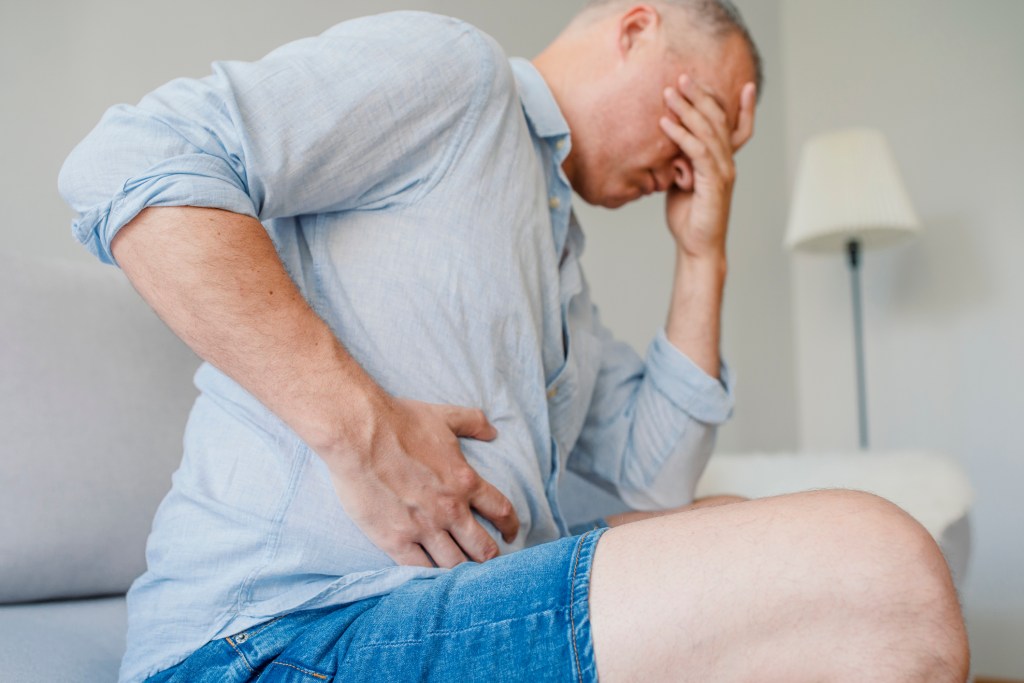
LACTOSE INTOLERANCE

Lactose intolerance occurs in people who lack the enzyme they need to break down lactose, the sugar in milk. It causes digestive distress when you eat dairy products. A food intolerance is different from a food allergy.

What is lactose intolerance?

Lactose intolerance is a reaction in your digestive system to lactose, the sugar in milk. It causes uncomfortable symptoms after you eat dairy products. Many people have difficulty digesting lactose, but not everyone experiences noticeable symptoms from it. If you do, it’s called lactose intolerance.

What is lactose malabsorption?

Lactose malabsorption is the inability to break down and absorb lactose molecules in your digestive system. It’s common — in fact, about 65% of adults worldwide can’t break down and absorb lactose. Unabsorbed lactose passes undigested through your gastrointestinal tract, causing symptoms for some people.

What’s the difference between lactose malabsorption vs. lactose intolerance?

Everyone with lactose intolerance has lactose malabsorption, but not everyone with lactose malabsorption has lactose intolerance. One way of thinking about it is that malabsorption happens in your small intestine, while symptoms of food intolerance happen later in your large intestine.

Your small intestine is where most of the nutrients from your food are absorbed. Your small intestine breaks nutrients down into smaller molecules that can pass through the intestinal wall into your bloodstream. Everything that isn’t absorbed in your small intestine passes to your large intestine.

Undigested sugar molecules in your large intestine produce more water and more gas. They trigger your large intestine (colon) to secrete extra fluid to help pass them through. They produce gas when the bacteria in your colon ferment them. This can lead to digestive symptoms such as diarrhea and gas pain.

How noticeable your symptoms are will depend on other variables. Can you break down lactose a little bit, or not at all? How much lactose do you eat at a time? What other conditions might affect the water and gas content in your colon? These are some of the factors your healthcare provider will explore.

What are the signs and symptoms of lactose intolerance?

Signs and symptoms of lactose intolerance may include:

These symptoms come from undigested lactose in your large intestine. It takes between six to 10 hours for food to reach your large intestine after you eat it, and another 24-36 hours after that to travel through your large intestine. So your symptoms might occur up to a day or two after you eat lactose.

What foods trigger lactose intolerance symptoms?

Lactose is in most dairy products unless it’s been removed. That includes cow’s milk and goat’s milk products. There’s more in some types than others. For example, fresh milk and cream are higher in lactose, while hard cheeses have less. You might be OK with a sprinkling of parmesan on your salad.

On the other hand, if you’re very sensitive to lactose, you might react to even small amounts. Check nutrition labels and ingredient lists on food. Lactose is often added to processed foods, including soups, salad dressings and snack foods. It may even be added to your prescription medications.

What causes lactose intolerance?

Two factors contribute to lactose intolerance: lactose malabsorption and gut sensitivity. Lactose malabsorption is the most important factor. It’s the inability to break down and absorb lactose in your small intestine that leads to lactose later entering your large intestine and triggering symptoms.

Lactase deficiency

Your small intestine needs a specific enzyme, called lactase, to break down lactose into smaller molecules that it can absorb. Most people naturally produce lactase in their small intestines during infancy to help digest breast milk. Most people begin to make less of it as they grow up.

If you don’t have enough lactase, you won’t be able to digest lactose. Some people produce more or less lactase than others. But technically, the majority of people worldwide have lactose malabsorption due to lactase deficiency. Only certain populations continue to produce lactase into adulthood.

You and your gut

This is where your gut sensitivity factors in. We all consume things from time to time that we can’t fully digest. Certain dietary fibers and sugars go straight through our digestive systems to feed the bacteria living in our guts. Most of us tolerate a little of this to some extent, without overwhelming symptoms.

But everyone is a little different. Our genes, intestinal health, sensitivities and diet all factor in. Your unique gut microbiome — the different types of bacteria living in your colon — may process lactose differently from someone else’s. Your symptoms will tell you how much lactose you can tolerate.

What are the four types of lactose intolerance?

The four types, and their causes, are:

  • Primary (caused by diminishing lactase production in your small intestine).
  • Secondary (caused by injury or disease that damages your small intestine).
  • Congenital (caused by lactase deficiency present at birth).
  • Developmental (caused by premature birth, when the small intestine is underdeveloped).

Is lactose intolerance genetic?

Genes determine how likely you are to continue to produce lactase, the enzyme that helps you digest lactose. Genes may also partly affect your gut sensitivity and the types of bacteria you have in your gut. Some bacteria convert lactose into gas, but others convert it into lactic acid, which may not cause symptoms.

You’re more likely to have lactose malabsorption and lactose intolerance if your genetic profile is:

  • Asian.
  • Native American.
  • Hispanic.

You may be more likely to have lactase persistence and lactose tolerance if your genetic profile is:

  • Northern European.
  • African.
  • Middle Eastern.

Rarely, some people are born with congenital lactase deficiency. This is a genetic disorder that causes lactose intolerance from birth.

Can you develop lactose intolerance over time?

Most people develop lactose intolerance as they grow from childhood into adulthood. The most common type of lactose intolerance, primary lactose intolerance, happens because you gradually stop producing lactase, the enzyme that digests lactose. Your gut sensitivity can also change over time.

Separately from lactose malabsorption, you may be more likely to experience symptoms if you have:

These are conditions that tend to develop gradually over your lifetime.

Can you suddenly become lactose intolerant if you weren’t before?

You can develop secondary lactose intolerance suddenly as a result of damage to your small intestine. Injury, surgery, infections or chronic diseases may damage the cells that produce lactase. This can cause sudden lactose malabsorption and intolerance, even if you could previously digest lactose.

Secondary causes of lactose intolerance include:

Secondary lactose intolerance may not be permanent. If your small intestine recovers its usual function, you may regain the ability to digest lactose.

How do you know if you’re lactose intolerant?

You might suspect you’re lactose intolerant if you notice a pattern of gastrointestinal symptoms after you eat dairy products. However, many people with lactase deficiency can tolerate some lactose, sometimes. If you’re not sure whether lactose is affecting you, visit a healthcare provider.

How do you test for lactose intolerance?

Healthcare providers have several ways of testing for lactose intolerance. Common tests include:

  • Hydrogen breath test. A breath test measures the amount of hydrogen and methane gases in your breath when you exhale. Bacteria in your colon produce these gases. If you have higher levels of these gases after ingesting lactose, it’s because your gut bacteria are fermenting the lactose, producing gas in your colon that can later be measured in your breath.
  • Blood sugar test. If a breath test is inconclusive, a healthcare provider might suggest a blood glucose (blood sugar) test. This test measures the sugar content in your blood before and after you ingest lactose. If your blood sugar doesn’t rise, it shows you’re not absorbing the lactose.
  • Stool acidity test. Healthcare providers use this test for small children and infants. After feeding a child lactose, they’ll take a poop (stool) sample and analyze the content. Levels of lactic acid and other byproducts in the sample can show whether or not the body is absorbing the lactose.

How do you fix lactose intolerance?

If you want to be able to digest lactose, you need lactase in your gut. Most people with lactose intolerance can’t produce lactase naturally. Lactase supplements can give your body the lactase it needs to break down lactose. You can take these as tablets or drops before consuming lactose.

Researchers are also experimenting with lactic acid bacteria as a possible fix for lactose intolerance symptoms. These are bacteria that convert lactose into lactic acid instead of gas. Ingesting these bacteria as probiotics, together with prebiotics that feed them, may improve lactose tolerance.

How can I manage lactose intolerance with diet?

Experiment with your diet to find out what your personal lactose threshold is. Some people find they can tolerate certain dairy foods in certain amounts, or when combined with other foods. Begin with a lactose-free diet, then gradually reintroduce lactose-containing foods to see how your system responds.

Some people with lactose intolerance can tolerate up to 12 grams (g) of lactose at one time, which is a cup of milk or a scoop of ice cream. You can also find lactose-reduced and lactose-free versions of most dairy products at the supermarket. Experiment with these and other dairy alternatives in your diet.

Can lactose intolerance go away?

Secondary lactose intolerance caused by damage to your small intestine might be reversible after your small intestine recovers. This will depend on how permanent the damage is. It may also take some time. Babies born prematurely who have developmental lactose intolerance usually grow out of it.

If you have primary or congenital lactose intolerance, you won’t ever start naturally producing more lactase. But it’s possible your symptoms could change if your intestinal health or microbiome changes. In theory, your tolerance might improve a little, or you might notice your symptoms a little less.

What happens if you ignore lactose intolerance?

Lactose intolerance won’t seriously harm you. If you can cope with the symptoms while the lactose passes through your digestive system, they’ll eventually end. However, you can easily avoid lactose intolerance symptoms with lactase supplements and lactose-free dairy products.

Are there any long-term consequences of lactose intolerance?

Lactose intolerance will affect your diet, which means you’ll have to pay attention to the nutrients you’re getting. If you avoid all dairy products, you could end up low in calcium and vitamin D. You can get these nutrients from other food sources, but dairy products are some of the most common ones.

Calcium deficiency or vitamin D deficiency can affect your bones, muscles and nervous system. Deficiencies can particularly affect growing children. Your healthcare provider might recommend taking calcium or vitamin D supplements — or giving them to your child — if you can’t get enough from your diet.

Is lactose intolerance an allergy?

No. A food allergy is a reaction from your immune system, usually to a protein in your food. Your immune system registers the protein as a threat and reacts to remove it. Even a small amount of the protein can cause a big reaction if you’re allergic, and it usually occurs very soon after ingesting it.

An allergic reaction can cause symptoms throughout your body, not just in your digestive system. It may include swelling, hives and shortness of breath. You may also have stomach pain, nausea and vomiting, but this would usually occur early in the digestive process when the protein is still in your stomach.

What is the difference between lactose intolerance vs. milk allergy?

The main difference is that a milk allergy is a reaction from your immune system to a milk protein. Lactose intolerance is a reaction in your digestive system to a milk sugar. An allergic reaction has an emergency quality. It can be immediate, severe and, in some cases, life-threatening (anaphylaxis).

When your digestive system reacts to a sugar that it can’t digest, it can mean uncomfortable symptoms during digestion, but it isn’t dangerous. Undigested lactose will produce extra water and gas in your colon. It might give you diarrhea and gas while it’s processing through, but it won’t harm you.

What is the difference between lactose intolerance vs. milk protein intolerance?

Like lactose intolerance, milk protein intolerance begins with malabsorption in your small intestine. When your small intestine can’t break down and absorb one of the proteins in milk (usually casein or whey), the undigested protein passes on through your intestines, just like undigested sugars do.

The difference is that undigested proteins in your digestive system can raise a red flag in your immune system. Your immune system may register the protein as an allergen sometime later in the digestive process, producing a delayed immune response. You may later develop an allergy to the protein.

A note from QBan Health Care Services

Lactose intolerance isn’t a disorder. It’s just a natural variation in how our digestive systems work. Actually, the ability to digest lactose past infancy is a relatively recent genetic adaptation in humans. Not all of us have that adaptation, and that’s OK. You can live a healthy life with lactose intolerance.

If you have digestive symptoms and think they might be related to dairy products, a healthcare provider can help. They can test you for lactose intolerance and other possible causes of your symptoms. If you do have lactose intolerance, a provider can help you adjust your lifestyle to avoid those symptoms.

GASTROENTERITIS

Gastroenteritis is inflammation that spreads from your stomach into your intestines, causing pain, vomiting and diarrhea. When it feels like it’s “coming out both ends,” you’ve usually ingested a virus, bacteria or chemical by mistake. Most of the time, it goes away by itself.

What is gastroenteritis?

Gastroenteritis means inflammation in your stomach and intestine. Inflammation makes these organs feel swollen and sore. It causes symptoms of illness, like nausea, vomiting, abdominal pain and diarrhea.

Gastroenteritis often happens when you get an infection in your gastrointestinal (GI) tract. Bacteria and viruses can cause food poisoning and stomach flu infections. Chemicals can also cause gastroenteritis.

Types of gastroenteritis

Infectious gastroenteritis is the most common type. It’s caused by an infection in your gastrointestinal tract (your stomach and/or intestines). Viruses, bacteria, fungi or parasites may cause the infection.

Chemical gastroenteritis can happen if you ingest toxic chemicals, which can contaminate food and water sources. You can also get it from heavy doses of alcohol or drugs, including some medications.

How common is this condition?

Just about everyone gets gastroenteritis, likely more than once. Most of the time, it’s not serious. But in more vulnerable populations, it can be. Around the world, gastroenteritis is a leading cause of death.

What are the signs and symptoms of gastroenteritis?

Symptoms involving your intestines (diarrhea, cramps), together with symptoms involving your stomach (nausea, vomiting) are the hallmarks of gastroenteritis. You’ll know it if it’s “coming out both ends.”

Gastroenteritis symptoms may include:

What are the first signs of gastroenteritis?

Gastroenteritis symptoms often come on suddenly. Gastrointestinal symptoms appear first. You might have diarrhea, stomach pain or cramps, nausea and/or vomiting many times in a short period.

As the day goes on, you may or may not begin to experience what are called “systemic symptoms” — symptoms that affect the rest of your body. These may include fever, chills and body aches.

How long does gastroenteritis last?

The most common types of gastroenteritis only last a day or two. Your body can overcome most bacterial and viral infections on its own. Some types may last longer or need treatment to go away.

What is the main cause of gastroenteritis?

Gastroenteritis happens when your immune system activates to defend your stomach and intestines from harm. It sends inflammatory cells to help fight infections and repair injured tissues.

This is usually a temporary (acute) response to a temporary threat or injury. It takes a short time to work, and then, the inflammation goes away. Longer-lasting (persistent) gastroenteritis is unusual.

What are the specific causes of acute gastroenteritis?

Infectious diseases or toxic chemicals can trigger acute gastroenteritis.

Infectious diseases

Infectious gastroenteritis is caused by an infection in your gastrointestinal tract, like a:

Infections are the most common cause of acute gastroenteritis.

Viral gastroenteritis

Viral infections cause viral gastroenteritis, which is the most common type overall. Viruses cause 60% of all gastroenteritis cases. Norovirus alone accounts for 50% of all viral gastroenteritis cases.

Viral gastroenteritis sometimes goes by the nickname, “stomach flu,” although this isn’t a medical term. Influenza (flu) viruses don’t cause viral gastroenteritis. Viruses that can cause “stomach flu” include:

Bacterial gastroenteritis

Bacterial infections cause bacterial gastroenteritis. Common bacterial gastrointestinal infections include:

Parasitic gastroenteritis

Parasite infections cause parasitic gastroenteritis. Common parasite infections include:

Fungal gastroenteritis

Fungal infections can cause fungal gastroenteritis. The most common fungal infections are:

Chemical gastroenteritis

Chemicals can injure and inflame the lining of your stomach and intestines. Some chemicals do this even in small amounts. Others, like alcohol and certain medications, can cause gastroenteritis in larger doses.

Causes of chemical gastroenteritis include:

Is gastroenteritis contagious?

Infectious gastroenteritis is contagious. When you have an infection in your gastrointestinal system, it infects your poop. Infections can spread from your poop to anyone who comes into contact with it.

Microscopic traces of poop can linger on bathroom surfaces, diaper changing areas and people’s hands if they don’t wash well. These traces can transfer to others who touch them, or to their food or water.

Chemical gastroenteritis isn’t contagious. But it can affect many people in one place at one time. If you get toxic poisoning from food, water or your environment, others sharing those things may also get it.

How do you catch gastroenteritis infections?

The most common way to get a gastrointestinal infection is from contaminated food or water. You can also catch it by touching an infected person, or by touching a surface that an infected person touched.

How long is gastroenteritis contagious?

Gastrointestinal infections are most contagious during the period when you have symptoms, and for two days after. These last two days are when your body is shedding the infection through your poop.

What are the risk factors for getting gastroenteritis?

Just about everyone gets gastroenteritis. But you’re more likely to get it more frequently if you:

  • Are older than 65 or younger than 6.
  • Live or work in a childcare or nursing home.
  • Eat raw fish or meat.
  • Travel abroad, especially in less developed regions.
  • Have a chronic condition that weakens your immune system.
  • Use certain drugs or alcohol frequently.

What are the possible complications of acute gastroenteritis?

Most of the time, gastroenteritis is brief and ends by itself. When this is the case, the primary complication to look out for is dehydration. This is more of a risk for children and senior citizens.

When you’re having frequent diarrhea or vomiting, you’re losing a lot of fluids and electrolytes. If you can’t replace them fast enough, you could become dehydrated and develop electrolyte imbalances.

If gastroenteritis lasts a long time, it could begin to damage your stomach and intestines. For example, you might develop ulcers in your organs that bleed. Only a few types of gastroenteritis can last longer.

Some specific causes of gastroenteritis can have their own side effects. These are separate from the effects of gastroenteritis itself. Certain infections or toxins can do more lasting damage to your body.

People with weakened immune systems and people with less access to clean water, nutrition, sanitation and healthcare are more vulnerable to gastroenteritis. They might get it more often, and for longer.

Children in less developed countries and senior citizens in long-term care facilities are more at risk of serious complications from gastroenteritis. This is because their health status is lower to begin with.

How is gastroenteritis diagnosed?

Healthcare providers can usually recognize gastroenteritis by your symptoms. They’ll ask you when your symptoms started and what was going on at the time that could have triggered them.

If you have unusual symptoms, or if they want to investigate your symptoms further, they may order some tests. A poop test or blood test can help prove gastroenteritis and rule out other conditions.

What is the best way to get rid of gastroenteritis?

In most cases, gastroenteritis goes away by itself. The best way to help your body recover is to give it lots of rest and fluids. You might want to stick with bland, easy-to-digest foods for a few days.

But certain, less common causes of gastroenteritis do need treatment. If your symptoms don’t seem to be going away, or you believe you have a type of toxic poisoning, tell a healthcare provider.

What is the medical treatment for gastroenteritis?

Most of the time, medical treatment for gastroenteritis is supportive. That means the treatment supports your body’s natural healing process rather than curing gastroenteritis. It might include:

  • IV fluids to prevent or correct dehydration and electrolyte imbalances.
  • Parenteral nutrition to give your body energy without using your stressed digestive system.
  • Medications to treat symptoms like nausea and diarrhea, in certain cases.

But some causes of acute gastroenteritis may need medication to go away. For example, you may need a specific antibiotic or antiparasitic medication to treat a specific type of bacterial or parasite infection.

If you have chemical gastroenteritis due to toxic poisoning, you may need additional treatment to help clear the toxin out of your body. The treatment will depend on the toxin and on your condition.

How soon will I feel better?

You should feel better within two to three days after your symptoms first started, or after you started medication if you needed it. If you aren’t feeling better yet, let your healthcare provider know.

How serious is gastroenteritis?

For most people, gastroenteritis isn’t serious. But for people with weaker immune systems, it can be. This includes children under 5, adults over 65 and anyone with a lower health status in general.

If you know that you or someone in your care has a weaker immune system, take special care to avoid dehydration and exhaustion from gastroenteritis. Seek healthcare if symptoms don’t improve soon.

Can gastroenteritis be prevented?

Not every case of gastroenteritis is preventable. But there’s a lot we can do to reduce our personal risk and prevent common gastrointestinal infections from spreading in our communities. For example:

  • Good handwashing. Good handwashing is one of the most important and easiest ways to protect yourself and others from infections. Lathering with soap for at least 20 seconds removes germs and toxins from your hands that might transfer to your mouth or to other people.
  • Good cleaning. Diligent cleaning is especially important in community places like schools, daycares, nursing homes and hospitals, where many people use the same facilities every day. Cleaning with disinfectants can help remove germs that may linger on common surfaces.
  • Safe food handling. Food can become contaminated at any stage of production, from harvesting and storage to cooking and preparation. Remember to wash your hands before and after handling food. Wash, refrigerate, freeze, cook and serve food according to food safety guidelines.
  • Safe travels. It’s especially easy to get food poisoning while traveling abroad. (This is called traveler’s diarrhea.) You may be exposed to microorganisms there that you wouldn’t meet at home. When traveling, it’s best to stick to cooked, peeled or packaged foods and bottled water.
  • Safe substance use. Only use drugs as directed. If you feel like your medications aren’t doing enough as directed, or you’re self-medicating with substances, see a healthcare provider for a better long-term treatment plan. If you have a substance use disorder, treatment can help.

What foods should I eat or avoid while living with gastroenteritis?

You may not have much appetite with gastroenteritis, and that’s natural. Your irritated stomach and intestines won’t be able to digest or absorb many of the foods that you would normally eat anyway.

It’s OK to eat a very limited diet for a few days until the inflammation goes down. Just focus on bland foods that are easy to digest and avoid foods that might make your gastrointestinal symptoms worse.

What to eat (and drink):

  • Crackers.
  • Soup broths.
  • Bananas.
  • Toast.
  • Rice or porridge.
  • Applesauce.
  • Watermelon.
  • Popsicles.
  • Ice chips.
  • Sports drinks or hydration formulas.

Foods (and drinks) to avoid:

  • Caffeinated beverages.
  • Artificial sweeteners.
  • Dairy products.
  • Alcohol.
  • Red meat.
  • Spicy foods.
  • Sharp foods, like chips.
  • Seeds and nuts.
  • Rich or fatty foods.
  • Sweets.

When should I seek medical care for gastroenteritis?

Contact a healthcare provider if you notice any unusual or red flag symptoms, such as:

  • Inability to keep fluids down, signs of dehydration.
  • Symptoms last longer than five days.
  • Fever lasts more than three days or is higher than 104 degrees Fahrenheit (40 degrees Celsius).
  • Severe abdominal pain or a rigid, distended abdomen.
  • Abnormal heartbeat or abnormal breathing.
  • Blood in your poop.
  • Green vomit.
  • Altered mental status.

What’s the difference between gastritis vs. gastroenteritis?

Gastritis is inflammation in your stomach.

Gastroenteritis is inflammation in your stomach and intestine. (Enteritis means inflammation in your small intestine, but it may spread to your large intestine, too.)

Gastritis causes stomach symptoms, like stomach pain, nausea and vomiting. Inflammation in your intestines affects your poop, causing diarrhea.

Gastroenteritis means that you have both.

A note from QBan Health Care Services

Gastroenteritis is a universal experience, but that doesn’t make it easy to go through. If your time has come to weather the storm, take care, and know that it will most likely be over in a day or two.

It can be alarming to have sudden and frequent symptoms like diarrhea and vomiting. It can feel like something is really wrong. But those symptoms mean that your body is already taking care of it.

Most people won’t need or benefit from medications. Many infections have no antidote. But a few do, and a few might need meds to go away. If your gastroenteritis isn’t going away, tell a healthcare provider.

If you’re immunocompromised or caring for someone with a weaker immune system, don’t hesitate to stay in touch with a healthcare provider during gastroenteritis, and let them know how it’s going.

COLITIS

Colitis means inflammation in your colon, where digested food becomes poop. Inflammation in your colon can make your poop more urgent, painful, runny or bloody. You can get temporary colitis from an infection. Some people have chronic colitis.

What Is Colitis?

Colitis is inflammation in your colon, which is the main part of your large intestine. Your colon is the last leg of the journey your food takes through your digestive system. Inflammation makes the tissues in your colon swell and cause discomfort. This can affect the way the journey ends, causing pain, diarrhea and, sometimes, blood in your poop. Colitis can also affect your quality of life and make it difficult to do your normal activities.

There are different types of colitis. Some are short-lived and easy to treat, like when you have food poisoning. Other types — like inflammatory bowel diseases — are longer-lasting and difficult to treat. Colitis is more serious when it doesn’t go away. A severe case can damage your colon over time.

Symptoms of colitis

Common symptoms include:

Colitis causes

The causes can vary depending on the type of colitis you have:

  • Infectious colitis is caused by a viral, parasitic or bacterial infection. Salmonella and E. coli are common causes. Most people get it from eating or drinking contaminated food or water.
  • Pseudomembranous colitis is the result of a specific bacterium known as C. diff (clostridioides difficile). C. diff already lives in your intestines, but certain antibiotics can cause C. diff to overgrow.
  • Allergic colitis primarily affects babies who drink breastmilk. An allergy to the protein in cow’s milk (lactose intolerance) causes it.
  • Ischemic colitis is when your intestines aren’t getting enough blood. A blockage in your blood vessels, like a blood clot or atherosclerosis, causes it.
  • Inflammatory bowel diseases (IBD) are a group of conditions that cause chronic inflammation in your colon. They include ulcerative colitis, microscopic colitis and Crohn’s disease. Experts believe they’re a type of autoimmune disease, which means they cause your immune system to malfunction and attack its own tissue.
  • Radiation colitis is a side effect of radiation therapy, which is a treatment for certain types of cancer.
  • Diversion colitis is a side effect that can occur in people who’ve had a colostomy. Experts believe it happens when the part of your colon that’s not being used is deprived of certain nutrients.

Complications of colitis

Complications usually result from severe, long-term colitis. They can include:

  • Perforation: Chronic inflammation weakens your colon walls, making them more likely to rupture. An ulcer in your colon may wear a hole all the way through the lining of the colon. This can cause bacteria from your colon to infect your abdominal cavity or bloodstream.
  • Toxic megacolon: Severe inflammation causes the muscles in your colon to stop working. Food and gas build up in your colon and make it widen or stretch.
  • Increased risk of colon cancer: Long-term inflammation in your colon can sometimes lead to changes in your colon wall that become cancerous.

How doctors diagnose colitis

Your healthcare provider will begin by asking you about your symptoms, when they began and what you were eating and drinking at the time. They’ll ask you about your current medications and any health conditions that you have. After a physical examination, they may recommend medical tests. These are likely to include blood tests, stool tests and imaging tests to look at your colon.

Tests for colitis

Endoscopic tests that check the inside of your colon with a lighted camera can be helpful in diagnosing the type of colitis you have. Colonoscopy and flexible sigmoidoscopy also allow your provider to take tissue samples from the inside of your colon (biopsy). Analyzing the tissue sample can help them figure out the cause of your symptoms.

CT scans can also help diagnose colitis and determine if the condition affects more than just the colon.

What is the treatment for colitis?

Treatment for colitis depends on the type and the cause. It may include:

  • Medications: Your provider may prescribe antibiotics to treat infections, corticosteroids to treat inflammation, immunomodulators to help your immune system, biologic (intravenous or subcutaneous) medications and mucosal agents like mesalamine to treat IBD.
  • Food changes: If you have temporary colitis, you may benefit from foods that are low in fiber and easy to digest. If you have chronic colitis, you may need a personalized eating plan that avoids trigger foods and ensures you’re getting the right nutrients.
  • Surgery: People with certain types of colitis may require surgery to treat complications. Surgery doesn’t always cure these conditions, but it may be necessary to stop bleeding, repair a perforation or remove a blockage.

What kind of diet is helpful for colitis?

Your healthcare provider may suggest following a:

  • Soft diet: A soft food diet refers to food that’s soft in texture, low in fiber and easy to digest. This way of eating is sometimes called a gastrointestinal (GI) soft diet.
  • Anti-inflammatory diet: To keep chronic inflammation low, your healthcare provider might recommend you avoid highly inflammatory foods, especially fast and processed foods high in sugar and fat.
  • Elimination diet: If you have an inflammatory bowel disease, your healthcare provider will likely recommend an elimination diet to figure out which foods cause your symptoms to flare up. An elimination diet eliminates certain types of foods and then adds them back in a systematic way so that you can observe how your gut responds to them.

When should I see my healthcare provider?

Contact your provider if you have symptoms of colitis, like:

  • Abdominal pain that doesn’t get better
  • Blood in your poop
  • Diarrhea that doesn’t go away

What’s the outlook for people with colitis?

Colitis can be challenging, but it’s manageable with help from a healthcare provider. Your exact outlook also depends on what type of colitis you have.

Sometimes, colitis is acute and temporary. There are fixes that are easier to incorporate. For example, avoiding specific foods or taking antibiotics is all you need for certain types of colitis.

But people with chronic, long-term colitis work closely with their provider on a treatment that gives them the most relief. This could include medication or changes to your eating habits. It can be a lifelong condition that comes and goes. You may try several treatments or have to adjust your treatment every so often. This can make managing the condition challenging, but your provider can help find a way to ease your symptoms.

A note from QBan Health Care Services

Having colitis can mean not knowing when the urge to poop will strike. It can mean your day becomes unpredictable. If symptoms of colitis impact your life, talk to a healthcare provider. Luckily, some forms are temporary and go away within a few days. On the other hand, others last weeks, months or years. These types can affect your quality of life and harm your colon in the long run.

CELIAC DISEASE

Celiac disease is an autoimmune disease that triggers an abnormal reaction from your immune system when you eat gluten. This reaction causes inflammation in your small intestine, which can damage it over time. Fortunately, eating a gluten-free diet can often stop and reverse the damage.

What Is Celiac Disease?

Celiac disease is an autoimmune disease that causes your body to react to a protein called gluten. When you eat gluten, it triggers an abnormal response from your immune system. Your immune system attacks the gluten in your digestive system, causing inflammation. This inflammation damages the inside of your small intestine.

Your small intestine is where most of the nutrition from food gets absorbed. So, damage to this organ can prevent it from doing its job and lead to serious complications.

Without treatment, celiac disease can lead to malabsorption and malnutrition. Malnutrition has many serious side effects, especially in children. Children with celiac disease may have growth and development delays.

Gluten is found in grains like wheat, barley and rye. These grains make up many of the staple foods of the standard Western diet. These include bread, cereals, pasta and beer. Gluten is also added to many food products that you may not expect. These include sauces, soups and packaged foods.

If you have celiac disease, it’s important to eat gluten-free.

Celiac disease symptoms

Signs and symptoms of celiac disease can appear at any age. Healthcare providers most often see it develop during two clear age windows:

  • Early childhood, between 8 and 12 months old (when children may begin eating solid foods with gluten in them, like crackers or cereals)
  • Midlife, between the ages of 40 and 60

Celiac disease symptoms vary widely. Some people don’t notice any symptoms at all. Some experience indigestion or other GI symptoms after eating gluten. Others only begin to see signs of nutrient deficiencies later, when significant damage has been done.

Gastrointestinal (digestive) symptoms of celiac disease may include:

  • Stomach pain
  • Bloating
  • Gas
  • Diarrhea

Nondigestive symptoms may include:

  • Paleness
  • Extreme tiredness
  • Cold hands
  • Indented (concave) nails
  • Dental enamel defects
  • Abnormal periods
  • Trouble getting pregnant
  • Irritability or depression
  • Unexplained weight loss
  • Growth faltering in children

Some people with celiac disease develop a condition called dermatitis herpetiformis. This is an itchy rash that looks like clusters of bumps or blisters. It affects your elbows, knees, butt and scalp.

What causes celiac disease?

Almost everyone with celiac disease has a genetic change (variant) in the HLA-DQ2 gene or HLA-DQ8 gene. You get these changes from your biological parents. But not everyone with these genes develops celiac disease.

Celiac disease is partly genetic, but other factors are also involved in triggering it. Some experts think the balance of microorganisms living in your gut might play a part. Others think a major physical event, like an illness or surgery, might trigger it.

Risk factors

You’re more likely to develop celiac disease if you’re female. Your chances also increase if you have:

  • Another autoimmune disease
  • A chromosomal disorder, like Turner syndrome, Williams syndrome or Down syndrome
  • A first-degree relative (biological parent, sibling or child) who has it

Complications of this condition

Without treatment, celiac disease can lead to long-term complications. These include:

  • Malnutrition, which leads to changes in your nervous system and skeletal system that can be hard to reverse
  • Food intolerances, like lactose intolerance, due to damage to your intestinal lining
  • Collagenous sprue, which causes collagen deposits in the lining of your small intestine that prevent it from absorbing nutrients
  • Weakened immunity, which makes you more vulnerable to illness, including other autoimmune diseases

Celiac disease may also affect your liver. Over time, you can develop chronic liver disease. Untreated celiac disease also increases your risk of developing small intestine cancer.

How is celiac disease diagnosed?

If you have celiac disease symptoms after eating gluten, you may have the condition.

Keep in mind that food intolerances can cause discomfort that mimics celiac disease. Many people have a sensitivity to gluten or wheat products.

But these conditions don’t damage your small intestine the way celiac disease does. To make a celiac disease diagnosis, your healthcare provider will look for signs of this damage.

How to test for celiac disease

Healthcare providers use two celiac disease tests. They like to use them together to confirm the diagnosis:

  1. Blood test: Your provider checks your blood for antibodies to gluten.
  2. Biopsy: Your provider looks for damage to the lining of your small intestine. They do an endoscopy to take a small tissue sample (biopsy).

Your provider may also want to test your blood for nutrient deficiencies. Severe deficiencies can have wide-ranging effects on your body. You may need nutrition therapy to treat them. Common findings include:

  • Iron-deficiency anemia
  • Vitamin-deficiency anemia
  • Vitamin D deficiency

How is celiac disease treated?

The most crucial step in celiac disease treatment is to stop eating gluten. You can’t change the way your body reacts to gluten. But you can prevent gluten from triggering that reaction.

When you stop eating gluten, it allows your small intestine to begin to heal. It will soon be able to absorb nutrients again. But you need to be strict about following a gluten-free diet for life. Otherwise, gluten could hurt your small intestine again.

Other celiac disease treatments may include:

  • Nutritional supplements to replace any serious deficiencies
  • Medications to treat dermatitis herpetiformis, like dapsone
  • Corticosteroids for severe inflammation

You’ll also need regular follow-up care, including frequent testing.

How long does the treatment take to work?

Most people say their symptoms improve almost immediately after starting to eat gluten-free. It may take several weeks to reverse your nutrient deficiencies. It may take several months for your gut lining to fully heal. It can take longer, in some cases. It depends on how damaged your gut is and how long the damage has been going on. Eating any amount of gluten (however small) can also delay healing.

What is the outlook for people with celiac disease?

Most people who stop eating gluten have an excellent prognosis. Most of the damage done by celiac disease can be undone. If you continue to have symptoms, it may be that you’re consuming small amounts of gluten without realizing it. It’s also possible you have another condition. A small percentage of people have a type of celiac disease that doesn’t respond to standard treatments.

A note from QBan Health Care Services

A celiac disease diagnosis will change your life in many ways and make you think twice before ordering anything off a menu. It might seem overwhelming at first. But the change that comes from getting this diagnosis is for the better. Before diagnosis, you didn’t know you needed to avoid gluten. You didn’t know what it was doing to your small intestine. You may have had strange and uncomfortable symptoms for years without understanding why. Now that you know, the power is in your hands to restore your health.

DIVERTICULITIS

Diverticulitis is a complication that can affect people with diverticulosis, small pockets on the inside of their colon. If one of the pockets becomes injured or infected, it can cause inflammation inside. If you have a sharp pain in your lower left abdominal quadrant, it might be diverticulitis.

What is diverticulitis?

Diverticulitis is inflammation in your diverticula, which are small pockets that can develop on the inside of your colon. Having diverticula is called diverticulosis. It’s common as you get older, and most people never have any problems with it. But if one of your diverticula becomes inflamed, it can cause acute pain and other symptoms. It might mean that it has an infection, which needs medical attention.

How common is diverticulitis?

Although diverticulosis is common, diverticulitis is an uncommon complication. It affects about 4% of people with diverticulosis. Once you’ve had it, you have a 20% chance of getting it again.

Are there different types of diverticulitis?

Healthcare providers classify diverticulitis as acute or chronic and as complicated or uncomplicated.

Acute/chronic

Diverticulitis begins as an acute problem, which means that it comes on suddenly and goes away shortly with treatment. But some people have recurring (repeat) episodes of diverticulitis, and some people develop chronic inflammation. There are different theories about why this happens. It may be because an acute episode didn’t heal completely, or it may be related to another chronic condition in your colon.

Complicated/uncomplicated

Most of the time, diverticulitis is uncomplicated, which means that inflammation and possible infection are the extents of the problem. It heals easily with the right treatment. Diverticulitis becomes complicated when the inflammation begins to cause secondary problems. For example, severe acute inflammation may cause a diverticulum (singular of diverticula) to rupture. Chronic inflammation may cause scarring.

What are the symptoms of diverticulitis?

Symptoms may include:

What does a diverticulitis attack or flare-up feel like?

Whether you’re having an acute diverticulitis attack or a flare-up of chronic diverticulitis, the pain will be similar. An acute attack may come on more suddenly, while a chronic flare-up may build up over a few days. You should be able to locate it in the precise spot where your diverticulum has become inflamed. It may feel sharp and penetrating or have a burning quality. The pain is usually moderate to severe.

Where is diverticulitis pain located?

In people of European descent, diverticula most often occur in the last part of the colon, called the sigmoid colon. This segment begins on your lower left side and tilts slightly to the right to meet your rectum. For this reason, most people feel diverticulitis pain in the lower left quadrant of their abdomen. Occasionally, lower abdominal pain may also spread to your pelvis or radiate to your back.

However, in people of Asian descent, it’s more common to have diverticulosis in the first part of the colon, which is in your upper right quadrant. Diverticulitis here might cause upper abdominal pain.

What causes diverticulitis?

Inflammation in your diverticula often involves a tear in the lining and infection, though it’s not always clear which came first. On one hand, diverticula make great hiding places for bacteria to set up camp and multiply. This might happen if, for example, some poop gets stuck in one of them. A bacterial infection might trigger inflammation, and inflammation might cause a diverticulum to swell and tear.

On the other hand, if a diverticulum tears for another reason, it can easily become infected by normal levels of bacteria living in your colon. It might tear if hard poop stretches it while passing through, or if it’s been affected by general colitis (inflammation in your colon). Some studies have suggested that cytomegalovirus (CMV) infection in your colon might be a significant factor in triggering diverticulitis.

Is diverticulitis hereditary?

Diverticulitis seems to occur incidentally (by chance). But genetics might be partly involved in getting diverticulosis. Although you aren’t born with diverticulosis, you’re more likely to develop it in a certain part of your colon if you’re of European or Asian descent. It’s also possible that genetics could influence your likelihood of developing chronic inflammation. More research is needed on this subject.

What are the possible complications of diverticulitis?

Diverticulitis is uncomplicated 80% of the time. But severe or persistent diverticulitis can lead to complications such as:

  • Gastrointestinal bleeding: Bleeding from diverticula can be severe and lead to anemia.
  • Intestinal obstruction: Severe swelling might cause your colon to temporarily narrow. Chronic swelling might cause scarring (stricture), which can cause more permanent narrowing.
  • Fistulas. An inflamed and eroded colon wall might fuse to another body canal (such as your small intestine, bladder or vagina), creating an inappropriate tunnel between the two.
  • Bladder inflammation: Diverticulitis that’s close to your bladder may irritate it. A fistula to your bladder may also spread an infection there.
  • Abscess: An abscess is a pocket of infected pus that may need to be drained. If it ruptures, it can infect your peritoneal cavity (peritonitis). This is an emergency.
  • Gastrointestinal perforation: If a diverticulum becomes swollen enough to rupture (tear), it could allow intestinal bacteria to leak into your peritoneal cavity. Peritonitis can lead to sepsis.

What are the signs of complicated diverticulitis?

You might’ve developed complications if you notice:

  • Fresh blood in your poop.
  • Paleness in your face or you feel weak.
  • You feel like you need to pee often or irritation when you pee.
  • Your abdomen is rigid and sensitive to touch.

How is diverticulitis diagnosed?

If you and your healthcare provider already know that you have diverticulosis, they might recognize your symptoms as possible diverticulitis. But people often don’t know, and the symptoms of diverticulitis can resemble many other conditions. Your healthcare provider may begin with some routine tests to rule out other causes, such as a blood test (comprehensive metabolic panel), stool test or urine test.

When your provider suspects diverticulitis, they’ll look for it on imaging tests. A CT scan works well: it’s quick and can show the extent of the inflammation as well as any related complications. In some cases, your provider might need to look inside your colon with a lighted scope to investigate further. This is called a colonoscopy. They might be able to treat some complications during the colonoscopy.

Can diverticulitis go away on its own?

If it’s mild and uncomplicated, it can go away on its own. But you should still go to a healthcare provider to have it evaluated. They might need to give you antibiotics for an infection, and some people might need prescription pain medications. Your provider will also tell you how to care for yourself at home while you’re recovering. It takes about a week. They’ll want you to keep in touch during this time.

How do you treat diverticulitis at home?

If your healthcare provider has given you the go-ahead, you can treat diverticulitis at home with:

  • A liquid diet. Avoiding solid foods gives your bowels a chance to rest and recover from the disease. Your provider can give you more specific instructions on what to eat and when.
  • Prescription antibiotics. You may not need them, but if you do, your provider will give you some to take home with you. The type will depend on the kind of infection you have.
  • Acetaminophen. For over-the-counter (OTC) pain relief, it’s best to stick to acetaminophen (Tylenol®). Other common pain relievers could increase your risk of gastrointestinal (GI) bleeding.

Drugs to avoid with diverticulitis

Healthcare providers suggest that you avoid NSAIDs when you have diverticulitis, as they can increase your risk of bleeding. NSAID stands for “nonsteroidal anti-inflammatory drugs.” These include:

  • Aspirin (Bayer® or St. Joseph®).
  • Ibuprofen (Motrin® or Advil®).
  • Naproxen sodium (Aleve®).

What happens if diverticulitis goes untreated?

You may not need treatment if you have a mild and uncomplicated case. But it’s important to see a healthcare provider about diverticulitis. If you don’t, you may end up with a more severe and complicated case. Certain infections may need to be treated with antibiotics or antivirals to go away. Inflammation that doesn’t go away may begin to cause secondary problems. Pain may also worsen.

How do you get diverticulitis to go away?

If conservative at-home treatment hasn’t worked, or if you have severe, chronic or complicated diverticulitis, you may need to stay in the hospital for treatment. Treatment may include:

  • IV medication. Your provider may give you antibiotics or antivirals through an IV line so that the medicine goes directly to your bloodstream. They may also give you pain relief this way. Some people may need strong analgesics, such as opioids.
  • Blood transfusion. If you’ve lost a lot of blood from a bleeding diverticulum, you may need an emergency blood transfusion to replace it.
  • Endoscopic procedures. Your provider might use a colonoscope or sigmoidoscope — different types of endoscopes that examine your colon — to treat minor complications. For example, they can often stop active bleeding, drain an abscess or open up a narrowed section of your bowel using tools passed through the endoscope.
  • Surgery. Some people may need surgery to treat an abscess, persistent bleed, perforation (tear) or fistula. In rare cases of chronic diverticulitis, some people may need to have the problematic section of their bowel removed (colectomy). This might involve a temporary colostomy.

What can I expect if I have this condition?

Only a small percentage of people will have complicated diverticulitis, and only a small percentage of those will need surgery. In most cases, even complicated diverticulitis resolves quickly and completely with treatment. Diverticulitis shouldn’t affect your overall life expectancy. Only in the unlikely event of a bowel perforation or a ruptured abscess would you be at risk of life-threatening complications.

Can I prevent diverticulitis from occurring or returning?

Healthcare providers don’t know enough about why diverticulitis happens or why it returns to know definitively how to prevent it. But they suspect that general bowel wellness can help. Eating more plants and fewer animal fats, drinking enough water and getting some regular exercise can help keep your bowel movements healthy. For some people, they might recommend fiber supplements or probiotics.

Are there any dietary restrictions with diverticulosis or diverticulitis?

In the past, people with diverticulosis were told to avoid seeds and nuts, in case one might get stuck in a diverticulum and cause diverticulitis. This risk is considered mostly a myth today. Seeds and nuts are great sources of fiber and plant-based protein, and they tend to appear in healthy meals. It’s much better for your bowels to maintain a healthy diet overall than to worry about the rare chance of a seed going awry.

What should I do if diverticulitis keeps coming back?

If diet and lifestyle improvements haven’t prevented diverticulitis from recurring, there might be other factors involved that put you more at risk. People with weakened immune systems are more prone to frequent infections and slower to recover. People with autoimmune diseases are more likely to have chronic inflammation. Even the balance of different bacteria living in your gut may affect your gut immunity.

Healthcare providers don’t always know why diverticulitis continues to return in some people. But if it’s returned more than once, and if it’s brought complications at least once, they might suggest an elective bowel resection to resolve it. That means removing the small section of your colon that’s causing the trouble. If it’s not an emergency, you can probably do this as a one-step surgery without a colostomy.

A note from QBan Health Care Services

Diverticulitis is an uncommon complication of diverticulosis. Diverticulitis that causes its own complications is even less common. But if it happens to you, you might need urgent care. See a healthcare provider right away for symptoms of diverticulitis. They’ll figure out what kind of treatment you need and whether you can treat it safely at home, or if you need to stay in the hospital for treatment.

DIVERTICULOSIS

Diverticulosis is a common condition that can develop in your colon, especially as you get older. It means that little pouches form in the inside lining of your colon. They usually don’t cause any problems. But rarely, they may bleed or develop an infection (diverticulitis).

What is diverticulosis?

Diverticulosis is the condition of having small pouches or pockets in the inside walls of your intestines. They develop when the inside lining of your intestines pushes into weak spots in the outer wall. This usually happens gradually over time. As you’re digesting food and food waste makes its way through your intestines each day, it pushes against the weak spots until they eventually begin to cave in.

The term, “diverticulosis,” comes from the word “divert,” indicating that the path through your intestines is diverging into these side pockets. Several pouches are called “diverticula,” and one pouch is called a “diverticulum”. They most commonly occur in your large intestine (colon), which is more likely to have denser food waste pushing against the weak spots, especially towards the end (your sigmoid colon).

What is the difference: diverticulosis vs. diverticulitis?

Diverticulosis is the condition of having diverticula. Diverticulitis means that there’s inflammation in at least one of your diverticula. This usually means there’s a bacterial infection inside it. Diverticula by themselves may not cause you any trouble, but they can make great breeding grounds for bacteria to hide out and multiply. If you get diverticulitis, it can cause you pain and other symptoms of illness.

Is diverticulosis a serious condition?

Having diverticulosis alone isn’t necessarily a problem. Most people never experience any symptoms or complications from it. It can become serious under rare circumstances. For example, if you develop an infection and it goes untreated for too long, it can lead to complications like sepsis. If you’re one of a small number of people who have frequent bleeding from their diverticula, you could risk serious blood loss.

How common is diverticulosis?

It’s common in the Western world, especially as you get older. In the U.S., 30% of people over 50, 50% of people over 60 and 75% of people over 80 have diverticulosis. Almost all of them have it in the last part of their colon (sigmoid colon). Diverticulosis is uncommon before the age of 40. It’s also uncommon in parts of the world where the standard diet is less processed than in the West, such as Africa and Asia.

What are the symptoms of diverticulosis?

Most people don’t have symptoms from diverticulosis alone. You’re likely to never notice it. If you have symptoms of illness, such as lower abdominal pain or fever, you might have an infection (diverticulitis).

It’s also possible to have symptoms as a side effect of another disease in your intestines that makes your diverticula more sensitive to pressure. For example, if you have irritable bowel syndrome (IBS) or inflammatory bowel disease (IBD), food waste passing through your diverticula may cause tenderness or bloating. If you’re prone to constipation, impacted stool may get stuck in the pockets, making it worse.

About 10% of people with diverticulosis may have some diverticular bleeding. This can happen if hard stool passing through a diverticulum erodes or stretches a blood vessel until it breaks. It’s usually temporary and painless, but if it happens, you might see fresh blood in your poop. If you have bleeding, persistent symptoms or complications from diverticulosis, it’s called “diverticular disease.”

What is the main cause of diverticulosis?

Researchers suspect that the leading cause of diverticulosis is the standard Western diet, which is low in plant fiber and high in processed starches. This diet contributes to dense food waste that moves sluggishly through our bowels and fails to sweep them clean on the way. The waste becomes more solid as it travels, which is why it’s most likely to cause diverticulosis in the sigmoid colon (the end part).

Are other risk factors involved?

It’s possible that genetics are partly involved. Western diet aside, diverticulosis is more common in white Americans, Europeans and Australians than in Black people or other groups. Researchers have also noticed that when people in Asian countries get diverticulosis, they tend to get it in a different part of the colon — the first part, rather than the last. This is also true of the Japanese population in Hawaii.

How is diverticulosis diagnosed?

A healthcare provider may notice the pouches during a routine colonoscopy or GI X-ray exam. This is the most common way of discovering diverticulosis since it usually doesn’t cause symptoms on its own. If you do have symptoms, your healthcare provider will seek to discover the cause in steps. They’ll ask you about your medical history, medications, diet and bowel patterns before examining you.

What tests will be done to diagnose this condition?

Exams might include:

  • Physical exam. A provider will check your vital signs, palpate (feel) your abdomen and listen to your bowel sounds. They may insert a gloved finger into your anus (digital rectal exam).
  • Blood test. A provider will draw a small blood sample from a vein in your arm and send it to a lab for testing. A blood test can show if you have an infection or significant internal bleeding.
  • Stool test. A provider collects a sample of your poop to test in a lab. A stool test may show signs of infection or gastrointestinal (GI) bleeding.
  • Imaging tests. A provider will look for the diverticula and any related complications on imaging tests, such as a CT scan, a barium enema, a flexible sigmoidoscopy or a colonoscopy.

What treatment is available for diverticulosis?

Most people won’t need treatment for diverticulosis itself. But your provider might recommend that you begin incorporating more fiber into your diet. This is to address the likely cause of your diverticulosis and to prevent further complications related to constipation, bloating or other symptoms. More fiber will help poop pass more smoothly through your colon and help sweep it clean as it goes.

About 3% of people may need treatment to help stop persistent diverticular bleeding. This usually happens during a colonoscopy. When a gastroenterologist finds bleeding during a colonoscopy, they can pass tools through the colonoscope to seal the broken blood vessel. Alternatively, a provider might use an angiogram to find the bleeding, then treat it by injecting medications into the blood vessel.

What can I expect if I have this condition?

If you haven’t had any symptoms or complications from diverticulosis, chances are you never will. If you have another condition that makes diverticulosis more complicated, such as constipation, IBS or IBD, you may be more at risk of chronic symptoms. A small number of people have recurrent bleeding episodes. These people might need repeat treatments to stop the bleeding or manage blood loss.

Is diverticulosis reversible?

Once you have diverticula, there’s no known way to make them go away. They won’t cause problems for most people, but if they cause problems for you, you’ll have to adjust your lifestyle to account for them.

Is diverticulosis preventable?

Eating more plants and whole foods, getting regular exercise and drinking enough water each day will help keep your bowel movements healthy and regular. This may prevent diverticulosis. If you already have diverticulosis, it may prevent further diverticula from occurring. While it’s not guaranteed, these healthy lifestyle factors help to prevent most types of lower bowel disease.

How do I take care of myself while living with diverticulosis?

Whether or not you have any symptoms from diverticulosis, having it means that you could probably benefit from more fiber in your diet. The best way to achieve this is to eat more whole grains, fruits and vegetables. Some people also use fiber supplements, such as psyllium. Make sure to drink enough water with your fiber to help it pass through your colon. Otherwise, it could make constipation worse.

If you have diverticular disease, you’ll need to pay attention to your symptoms to help keep it in check. For example, notice if particular foods cause more discomfort, or if particular medicines you might be taking affect your symptoms. If you notice rectal bleeding, make sure to let your healthcare provider know, even if it stops by itself. They’ll want to make sure you’re not losing too much blood.

A note from QBan Health Care Services

For most people, diverticulosis is nothing to worry about. A healthcare provider might find it by accident on a routine exam. If you’re over 40, this isn’t remarkable. And if it doesn’t cause symptoms, you can go about your business. If you do have symptoms, be sure to discuss them with a healthcare provider. They might be related to another condition, or you might have developed an infection.

HEMORRHOIDS

Hemorrhoids, or piles, are a common condition. These swollen veins inside of your rectum or outside of your anus can cause pain, anal itching and bleeding. Symptoms often improve with at-home treatments. Eating more fiber and avoiding straining can help prevent hemorrhoids.

What are hemorrhoids?

Hemorrhoids are swollen, enlarged veins that form inside and outside of your anus and rectum. They can be painful and uncomfortable and cause bleeding. Hemorrhoids are also called piles.

We’re all born with hemorrhoids, but they typically don’t bother us. It’s only when they swell and enlarge that they produce irritating symptoms.

An estimated 1 in 20 Americans have hemorrhoids that are bothersome. They affect people of all ages, races and ethnicities. They’re more common as you age, affecting more than half of people over age 50.

Types of hemorrhoids

Hemorrhoids can happen inside or outside of your rectum. The type depends on where the swollen vein develops. Types include:

  • Internal.Swollen veins form inside your rectum. Internal hemorrhoids may bleed, but they usually aren’t painful.
  • External. Swollen veins form underneath the skin around your anus. Your anus is the hole where your poop comes out. External hemorrhoids can be itchy and painful. Occasionally, they bleed. You can usually see or feel external hemorrhoids.
  • Prolapsed. Internal hemorrhoids can prolapse or bulge outside of your anus (butthole). These hemorrhoids may bleed or cause pain.
  • Thrombosed. A blood clot forms in an external hemorrhoid. These types are usually painful and cause a purple/blue lump to form outside of your anus. (This clot only affects your anus and doesn’t move to other parts of your body.)

What are the symptoms of hemorrhoids?

Internal hemorrhoids rarely cause pain (and typically can’t be felt) unless they prolapse. Many people with internal hemorrhoids don’t know they have them because they’re inside your rectum. If you have symptoms of internal hemorrhoids, you might see bright red blood on toilet paper, in your poop or in the toilet. If an internal hemorrhoid prolapses through your anus, you may be able to gently push it back inside.

External hemorrhoids tend to be a little more noticeable because they happen outside your anus. Signs and symptoms of external hemorrhoids include:

  • Itchiness or irritation around your anus
  • Hard lumps near your anus that feel sore or tender
  • Pain or ache in your anus, especially when you sit
  • Bleeding when you wipe

A thrombosed hemorrhoid is when blood pools inside an external hemorrhoid. This can cause similar symptoms like swelling, inflammation and pain, but it’s typically much more severe and sudden.

What does a hemorrhoid look like?

Hemorrhoids look different depending on the type. You won’t see an internal hemorrhoid unless it protrudes (prolapses). A prolapsed internal hemorrhoid is usually a small lump around your butthole that you can push back in.

Non-thrombosed external hemorrhoids are usually the color of your skin. They’re soft to the touch and you can’t push them back in. Thrombosed external hemorrhoids may appear blue, black or purple and be firmer to touch. They’re often more painful.

Keep in mind that not all lumps are hemorrhoids. It’s important to contact a healthcare provider for a diagnosis.

What causes hemorrhoids?

Too much pressure on the veins in your anus or rectum, as well as irregular bowel movements, cause hemorrhoids. This pressure and irritation lead to swelling and inflammation of your veins.

Some activities or conditions that cause pressure and lead to (or worsen) hemorrhoids are:

  • Pushing hard to have a bowel movement (poop)
  • Straining to lift heavy objects or weightlifting
  • Sitting on the toilet for long periods of time
  • Having chronic constipation or diarrhea
  • Eating a low-fiber diet
  • Being pregnant
  • Having overweight/obesity
  • Having anal intercourse

What are the complications of hemorrhoids?

Hemorrhoids can be uncomfortable and painful, but they don’t tend to cause serious problems. Rarely, people with hemorrhoids develop:

  • Anemia
  • Blood clots in external hemorrhoids (thrombosed)
  • Infection
  • Skin tags
  • Strangulated hemorrhoids (muscles in the anus cut off blood flow to a prolapsed internal hemorrhoid)

How are hemorrhoids diagnosed?

A healthcare provider diagnoses hemorrhoids based on symptoms and a physical exam. They may be able to see an external hemorrhoid or a prolapsed hemorrhoid just by looking. You may also have:

  • Digital rectal exam. Your provider inserts a gloved, lubricated finger into your rectum to feel for swollen veins.
  • Anoscopy. Your provider uses an anoscope (tube with light at the end) to view the lining of your anus and rectum.
  • Sigmoidoscopy. Your provider uses a sigmoidoscope (lighted tube with a camera) to view inside the lower part of your colon and rectum. Procedure types include flexible sigmoidoscopy and rigid sigmoidoscopy.

These tests may be uncomfortable, but they aren’t painful. They typically take place in your provider’s office. A sigmoidoscopy may take place at an outpatient center with or without (twilight) anesthesia. You go home the same day.

How can I treat hemorrhoids at home?

Smaller hemorrhoids often go away with eating more fiber and changes to your toilet habits. Symptoms like pain and bleeding may last one week or slightly longer. In the meantime, you can take these steps to help ease your symptoms:

  • Apply over-the-counter medications containing lidocaine, witch hazel or hydrocortisone to the affected area.
  • Drink more water.
  • Increase how much fiber you eat or take fiber supplements.
  • Soak in a warm bath (sitz bath) for 10 to 20 minutes a day.
  • Soften stool by taking laxatives.
  • Take nonsteroidal anti-inflammatory drugs(NSAIDs) for pain and inflammation.
  • Use toilet paper with lotion or flushable wet wipes to pat and clean your bottom after pooping. You can also use a tissue or washcloth moistened with water.

How do healthcare providers treat hemorrhoids?

You should see your healthcare provider if symptoms get worse or interfere with your daily life or sleep. Also, seek help if signs don’t improve after a week of at-home treatments. Your provider may treat hemorrhoids with:

  • Rubber band ligation. Your provider places a small band around the base of a hemorrhoid to cut off blood supply to the vein.
  • Electrocoagulation. An electric current stops blood flow to a hemorrhoid.
  • Infrared coagulation. A small probe in your rectum releases heat to get rid of the hemorrhoid.
  • Sclerotherapy. Your provider injects a chemical into the swollen vein to destroy hemorrhoid tissue.

Surgical treatments include:

  • Hemorrhoidectomy. Surgery removes large external hemorrhoids or prolapsed internal ones.
  • Transanal hemorrhoidal dearterization (THD). Internal hemorrhoids are tied off and pulled back into your rectum with sutures.
  • Hemorrhoid stapling. A stapling instrument removes an internal hemorrhoid. Or it pulls a prolapsed internal hemorrhoid back inside your anus and holds it there.

How can I prevent hemorrhoids?

Hemorrhoids are common and you can’t always prevent them. But these steps can help reduce your risk of hard stools and constipation that can lead to hemorrhoids:

  • Don’t sit too long or push too hard on the toilet.
  • Go to the toilet when the urge hits — don’t wait or hold it in.
  • Drink plenty of water throughout the day.
  • Keep your stool soft and formed. Eat more high-fiber foods (fresh fruits, vegetables and whole grains) or take fiber supplements. Generally, 25 to 38 grams of fiber is enough for most adults.
  • Stay active. Being on the move keeps bowels moving.
  • Take laxatives or use enemas only as recommended by your healthcare provider. Too many laxatives or enemas can make it hard for your body to regulate how you poop.

When should I call my healthcare provider?

Most hemorrhoid symptoms improve within a week with at-home treatments.

You should call your healthcare provider if you have hemorrhoids and experience:

Other gastrointestinal disorders can cause rectal bleeding and symptoms like hemorrhoids. Some of these disorders are life-threatening. For this reason, it’s important to let a healthcare provider know when you’re having symptoms.

What questions should I ask my healthcare provider?

You may want to ask your healthcare provider:

  • Why did I get hemorrhoids?
  • What’s the best treatment for me?
  • What lifestyle changes can I make to keep me from getting hemorrhoids again?
  • When will symptoms improve?
  • Should I look out for signs of complications?

A note from QBan Health Care Services

Millions of people seek treatment for hemorrhoids at some point in their lives. But many more never seek treatment and experience discomfort caused by hemorrhoids. Don’t let embarrassment or fear stop you from talking to a healthcare provider. You aren’t the first to talk to them about hemorrhoids, and you won’t be the last.

If hemorrhoids cause you pain or discomfort, a healthcare provider has treatments that can help. You can also take steps to keep hemorrhoids from coming back.

IRRITABLE BOWEL SYNDROME (IBS)

Irritable bowel syndrome, or IBS, causes uncomfortable or painful abdominal symptoms. Constipation, diarrhea, gas and bloating are all common symptoms of IBS. IBS doesn’t damage your digestive tract or raise your risk for colon cancer. You can often manage symptoms through medications, diet and lifestyle changes.

What is irritable bowel syndrome (IBS)?

Irritable bowel syndrome (IBS) is a group of symptoms that affect your digestive system. It’s a common but uncomfortable gastrointestinal disease, or condition that affects your intestines.

People with IBS experience symptoms that include abdominal pain and cramps. With IBS, you may also have frequent diarrhea, constipation or both. IBS doesn’t cause tissue damage in your GI (gastrointestinal) tract or increase your risk of more serious conditions, like colon cancer. Instead, it’s a chronic (long-term) condition that most people can manage by changing their routines and what they eat, taking medications and receiving behavioral therapy.

What are the types of IBS?

Researchers categorize IBS based on how your stools (poop) look on the days when you’re having symptom flare-ups. Most people with IBS have normal bowel movements on some days and abnormal ones on others. The abnormal days define the kind of IBS you have.

  • IBS with constipation (IBS-C): Most of your poop is hard and lumpy.
  • IBS with diarrhea (IBS-D): Most of your poop is loose and watery.
  • IBS with mixed bowel habits (IBS-M): You have both hard and lumpy bowel movements and loose and watery movements.

The differences are important. Certain treatments only work for specific types of IBS.

How common is IBS?

It’s very common. Experts estimate that about 10% to 15% of adults in the United States have IBS. Only about 5% to 7% see a provider and receive a diagnosis.

It’s the most common disease that gastroenterologists (experts in GI diseases) diagnose.

What are the symptoms of IBS?

Symptoms of IBS can appear frequently. Or, they may occur during flare-ups. In other words, you don’t always experience symptoms. Instead, symptoms may go away (and you’ll have normal bowel movements). At other times, symptoms return.

Signs and symptoms of IBS include:

  • Abdominal pain or cramps, usually related to the urge to poop.
  • Excess gas and bloating.
  • Diarrhea, constipation or alternating between the two.
  • Mucus in your poop (may look whitish).
  • Feeling like you’re unable to empty your bowels after pooping.

What causes IBS?

Researchers don’t know exactly what causes IBS, but they classify it as a neurogastrointestinal (GI) disorder. These conditions, also called disorders of the gut-brain interaction, have to do with problems with how your gut and brain coordinate to help your digestive system work.

Communication challenges between your brain and gut can cause:

  • Dysmotility: You may have problems with how your GI muscles contract and move food through your GI tract. The colon (large intestine) muscle tends to contract more in people with IBS. These contractions cause cramps and pain.
  • Visceral hypersensitivity: You may have extra-sensitive nerves in your GI tract. People with IBS tend to have a lower pain tolerance than people without it. Your digestive tract may be super sensitive to abdominal pain or discomfort.

Other potential causes of IBS include:

  • Gut bacteria: Research has shown that people with IBS may have altered bacteria in their GI tract, contributing to symptoms. Studies have shown that the types and amounts of gut bacteria are different in people with IBS than in people without it.
  • Severe infections: Some people get diagnosed with IBS after a severe infection affecting their GI tract, suggesting germs may play a role.
  • Food intolerance: Sensitivities or allergies to certain foods may contribute to IBS.
  • Childhood stress: IBS is more common in people who experienced severe stressors in childhood, including physical, sexual and emotional abuse.

IBS triggers

If you have IBS, you may have noticed that certain things trigger symptoms. A trigger doesn’t cause the condition itself, but it can cause or worsen a symptom flare-up. Common triggers include:

  • Periods: You may notice symptoms worsen predictability according to your menstrual cycle.
  • Certain foods: Food triggers vary from person to person. Still, common culprits that can trigger an IBS symptom flare-up include dairy, foods that contain gluten (like wheat) and foods/drinks known to make you gassy.
  • Stress: Some researchers suggest that IBS is your gut’s response to stress. Related, this is why IBS is sometimes called “nervous stomach” or “anxious stomach.”

Risk factors for IBS

IBS most often occurs in people in their late teens to early 40s. Women are up to twice as likely to get diagnosed with IBS. Other risk factors include:

Many people with IBS also have other chronic pain conditions. Conditions associated with an increased risk of IBS include:

How is IBS diagnosed?

The first step in diagnosing IBS is a detailed medical history. Your provider will ask about your symptoms. They may ask:

  • Do you have pain related to bowel movements?
  • Do you notice a change in how often you have a bowel movement?
  • Has there been a change in how your poop looks?
  • How often do you have symptoms?
  • When did your symptoms start?
  • What medicines do you take?
  • Have you been sick or had a stressful event in your life recently?

Depending on your symptoms, you may need other tests to confirm a diagnosis. There isn’t a single test to diagnose IBS. Instead, your provider will determine if you have IBS by:

  • Asking about your symptoms.
  • Making sure you’re up to date on your colon cancer screening.
  • Checking that you don’t have symptoms suggesting other disorders.

Lab tests

Most lab tests exclude other conditions that may be causing your symptoms, like an infection, food intolerance or a different digestive condition, like inflammatory bowel disease (IBD). Not everyone needs the same tests.

  • Blood test: To check for a digestive disease condition or another condition that may cause your symptoms.
  • Stool test: To check for an infection or signs of inflammation in your bowel caused by a digestive condition.
  • Hydrogen breath test: To see if you have an overgrowth of bacteria in your gut (SIBO) or a food intolerance.

Imaging tests

You may need imaging procedures to rule out conditions involving inflammation or abnormal growths in your GI tract.

  • Colonoscopy: Can help your provider determine if you have certain bowel disorders that may be causing your symptoms, including polyps, IBD and cancerous growths. For this procedure, a provider inserts a scope that allows them to view your entire colon.
  • Flexible sigmoidoscopy: Similar to a colonoscopy, except a provider inserts a scope that allows them to view the lining of your rectum and the lower part of your colon only.
  • Upper endoscopy: Can help your provider diagnose celiac disease or other GI conditions. This procedure uses a scope that allows your provider to see inside your esophagus (food tube), stomach and the first part of your small intestine (duodenum).

What is the treatment for IBS?

No specific therapy works for everyone, but most people with IBS can find a treatment plan that works for them. Typical treatment options include changing the foods you eat and your routine. Medications can help, too. Behavioral health therapy may help.

Many of these treatments take time to work. They can help your symptoms, but your symptoms may not go away completely.

Meal changes

A dietitian can help you choose foods and modify eating/drinking habits to avoid symptom flare-ups. They may recommend that you:

  • Increase fiber in your diet. Fiber-rich foods, including fruits, vegetables, grains, prunes and nuts, can help if you’re struggling with constipation. Introduce fiber slowly into your diet to give your gut time to adjust.
  • Add supplemental fiber to your diet. Another option is to try fiber supplements, like Metamucil® or Citrucel®.
  • Limit dairy products, like cheese and milk. Lactose intolerance is more common in people with IBS. If you cut back on dairy, make sure to eat nondairy foods rich in calcium, like broccoli, spinach or salmon.
  • Limit foods that can make you gassy. Foods like beans, brussels sprouts and cabbage are notorious for causing gas, but carbonated sodas and even chewing gum can make you gassy. Reduce these foods to go easier on your gut.
  • Avoid gluten. People with IBS — even those without celiac disease — tend to be more sensitive to gluten. If you opt for a gluten-free diet, work with your provider to ensure you’re getting enough of the key vitamins and minerals (like fiber, iron and calcium) often found in foods with gluten.
  • Try the low FODMAP diet. This food plan reduces the amount of hard-to-digest carbohydrates you eat. It recommends alternatives that allow you to get the nutrients you need while going easier on your GI tract.
  • Drink plenty of water. Drink at least eight 8-ounce glasses of water a day (2 liters). Water keeps your GI tract lubricated and can help treat or prevent constipation.
  • Keep a food diary. Your provider may recommend that you note the foods you eat to determine which foods trigger IBS flare-ups and then bring this to a nutritionist.

Activity changes

Changing daily activities can help, too. Your provider may recommend that you:

  • Exercise regularly. Aim for 150 minutes of moderate exercise weekly. This is about 30 minutes a day, five days a week. “Moderate” means you’re raising your heart rate.
  • Try relaxation techniques. Daily yoga, meditation and other de-stressing techniques can help calm an overtaxed nervous system and a “nervous gut.” Sometimes, a behavioral therapist can help.
  • Get enough sleep. Aim for seven to nine hours of quality sleep each night. Go to bed at the same time each night. A good night’s rest is one of the most powerful de-stressors available. Reach out to a provider if you’re having trouble sleeping.
  • Keep an activity diary. Record the activities that help you manage your IBS and compare notes with your provider.

Therapy

Many people with IBS benefit from seeing a therapist. Therapy can help you get a handle on stress and conditions such as anxiety and depression that contribute to IBS. Some people find relief through:

Medications

Your healthcare provider may prescribe medications to provide symptom relief, including:

Although research into their effectiveness is ongoing, your provider may recommend probiotics. These “good bacteria” may help relieve IBS symptoms.

Medications specifically used to treat IBS include:

Is there a cure for IBS?

There isn’t a cure for IBS. But, most people manage symptoms by avoiding triggers and taking medications when necessary.

Does having IBS increase my risk of developing serious gastrointestinal problems?

No, IBS doesn’t put you at higher risk of developing conditions such as colitis, Crohn’s disease or colon cancer.

What can I expect if I have IBS?

Living with IBS can be challenging because symptoms come and go throughout your life. Treatment often involves trial and error. But the good news is that nearly everyone with IBS can find a treatment that helps them over time.

Usually, changing the foods you eat and your activity levels improve symptoms with time. You may need some patience as you figure out your triggers and take steps to avoid them. Your symptoms may not completely disappear. But, after a few weeks or months, you should notice a significant improvement in how you feel.

Can I prevent IBS?

Since there’s no known cause for IBS, you can’t prevent or avoid it. If you have IBS, you can keep symptoms from flaring up by avoiding triggers.

When should I see a healthcare provider?

See your provider if your symptoms continue for more than three months or if they’re getting worse. If you have symptoms less often, but they interfere with your life, it’s still a good idea to talk to your primary care provider.

Some symptoms may indicate a more serious problem. Contact your provider as soon as possible if you have common IBS symptoms alongside:

What questions should I ask my healthcare provider?

If you have IBS symptoms, ask your provider:

  • What medications can help?
  • What foods should I avoid?
  • What lifestyle changes should I make?
  • When will I start to feel better?

A note from QBan Health Care Services

IBS symptoms, like stomach pain, diarrhea, constipation and gas, are uncomfortable and can interfere with your life. But IBS is manageable. You can improve symptoms by changing what you eat and adjusting your daily habits to better handle triggers. If you have stomach symptoms that aren’t going away, talk to your healthcare provider. Together, you can find an IBS treatment plan that works for you.

CONSTIPATION

Constipation occurs when your bowel movements become less frequent and stools become difficult to pass. It happens most often due to changes in diet or routine, or due to inadequate intake of fiber. You should call a healthcare provider if you have severe pain, blood in your stool or constipation that lasts longer than three weeks.

What is constipation?

Having fewer than three bowel movements a week is, technically, the definition of constipation. But how often you poop varies widely from person to person. Some people poop several times a day while others only poop one to two times a week. Whatever your bowel movement pattern is, it’s unique and normal for you — as long as you don’t stray too far from your pattern.

Regardless of your bowel pattern, one fact is certain: The longer you go before you poop, the more difficult it becomes for poop to pass. Other key features that usually define constipation include:

  • Your stools are dry and hard.
  • Your bowel movements are painful, and your stools are difficult to pass.
  • You have a feeling that you haven’t fully emptied your bowels.

How common is constipation?

You’re not alone if you’re feeling constipated. Constipation is one of the most frequent gastrointestinal complaints in the United States. At least 2.5 million people see their healthcare provider each year due to constipation.

How does constipation happen?

Constipation happens because your colon (large intestine) absorbs too much water from your poop. This dries out your poop, making it hard in consistency and difficult to push out of your body.

To back up a bit, as food normally moves through your digestive tract, your intestines gradually absorb the nutrients. The partially digested food (waste) that passes from your small intestine to your large intestine becomes your poop. Your colon absorbs water from this waste, which makes it more solid. If you have constipation, food may move too slowly through your digestive tract. This gives your colon more time — too much time — to absorb water from the waste. The stool becomes dry, hard and difficult to push out.

What causes constipation?

There are many causes of constipation, including lifestyle factors, medications and medical conditions.

Lifestyle factors

Common lifestyle causes of constipation include:

  • Not eating enough fiber.
  • Not drinking enough water (dehydration).
  • Not getting enough exercise.
  • Changes in your regular routine, such as traveling or eating, or going to bed at different times.
  • Consuming large amounts of milk or cheese.
  • Stress.
  • Resisting the urge to have a bowel movement.

Medications

Medications that can cause constipation include:

Many drugs can cause constipation. Ask your healthcare provider or pharmacist if you have any questions or concerns.

Medical conditions

  • Medical and health conditions that can cause constipation include:
  • Endocrine conditions, like underactive thyroid gland (hypothyroidism), diabetes, uremia and hypercalcemia.
  • Colorectal cancer.
  • Irritable bowel syndrome (IBS).
  • Diverticulitis.
  • Outlet dysfunction constipation. This is a defect in the coordination of your pelvic floor muscles. These muscles support the organs within your pelvis and lower abdomen. They’re needed to help release poop.
  • Obstructed defecation syndrome. Complex or unexplained causes may be preventing you from pooping normally.
  • Intestinal pseudo-obstruction. Sometimes, the motor system in your colon can become temporarily paralyzed (as in paralytic ileus or Ogilvie syndrome).
  • Neurologic disorders, including spinal cord injury, multiple sclerosis, Parkinson’s disease and stroke.
  • Lazy bowel syndrome. This is when your colon contracts poorly and retains poop.
  • Intestinal obstruction.
  • Structural defects in your digestive tract (like fistula, colonic atresia, volvulus, intussusception, imperforate anus or malrotation).
  • Multiple organ diseases, such as amyloidosis, lupus and scleroderma.
  • Pregnancy.

What are the symptoms of constipation?

Constipation symptoms include:

  • You have fewer than three bowel movements a week.
  • Your stools are dry, hard and/or lumpy.
  • Your stools are difficult or painful to pass.
  • You have a stomachache or cramps.
  • You feel bloated and nauseated.
  • You feel that you haven’t completely emptied your bowels after a movement.

What are the risk factors for constipation?

People of all ages can have an occasional bout of constipation. But certain risk factors make people more likely to become consistently constipated (“chronic constipation”). These factors include:

  • Age. People older than 65 are often less active, have a slower metabolism and have less muscle contraction strength along their digestive tract than when they were younger.
  • Changes in your hormones may make you more prone to constipation. It’s common to have constipation during pregnancy and after childbirth. The fetus inside your uterus may squish your intestines, slowing down the passage of stool.
  • Not eating enough high-fiber foods. Fiber keeps food moving through your digestive system.
  • Taking certain medications.
  • Having certain neurological (diseases of the brain and spinal cord) and digestive diseases.

Can constipation cause internal damage or lead to other health problems?

There are a few complications that could happen if you don’t have soft, regular bowel movements. Some complications include:

  • Swollen, inflamed veins in your rectum (hemorrhoids).
  • Tears in the lining of your anus from hardened stool trying to pass through (anal fissures).
  • An infection in the pouches (diverticula) that sometimes form off your colon wall from stool that’s become trapped and infected (diverticulitis).
  • A pile-up of too much poop in your rectum and anus (fecal impaction).
  • Damage to your pelvic floor muscles from straining to move your bowels. These muscles help control your bladder, among other things. Too much straining for too long may cause urine to leak from your bladder (stress urinary incontinence).

Can constipation cause toxins to build up in my body and make me sick?

This usually isn’t the case. Although your colon holds on to stool longer when you’re constipated and you may feel uncomfortable, it’s an expandable container for your waste. It takes a severe illness in your colon for the walls to leak toxins into your body (toxic megacolon).

What should I expect when I talk to my healthcare provider about my constipation?

Talking to a healthcare provider — or anyone — about your bowel movements (or lack of them) may not be the most pleasant of topics. But know that your provider is there for you. They’re a trained healthcare professional who’s discussed just about every health topic you can think of with their patients.

Your provider will begin by asking you questions about your medical history, bowel movements, lifestyle and routines.

Medical history

These questions may include:

  • What are your current and past diseases/health conditions?
  • Have you lost or gained any weight recently?
  • Have you had any previous digestive tract surgeries?
  • What medications and supplements do you take for constipation relief or other disorders?
  • Does anyone in your family have constipation or diseases of the digestive tract or a history of colon cancer?
  • Have you had a colonoscopy?

Bowel movement history

These questions may include:

  • How often do you have a bowel movement?
  • What do your stools look like?
  • Have you noticed any blood or red streaks in your stool?
  • Have you ever seen blood in the toilet bowl or on the toilet paper after you wipe?

Lifestyle habits and routines

  • What do you eat on a typical day for each meal?
  • How often do you eat fruits and vegetables?
  • How much water do you drink?
  • What is your exercise routine?

Your provider will also perform a physical exam, which includes a check of your vital signs (temperature, pulse, blood pressure). They’ll use a stethoscope to listen to the sounds in your abdomen. They’ll also touch your abdomen to check for pain, tenderness, swelling and lumps.

Be aware that your provider may also perform a rectal exam. This is a finger exam of the inside of your rectum. It’s a quick check for any masses or problems that can be felt by a finger.

What lab tests and other medical tests may be done to find the cause of my constipation?

Your healthcare provider may not order any tests or may order many types of tests and procedures. Tests will depend on your symptoms, medical history, and overall health and what they think the cause might be. Most of the time, additional lab testing isn’t required for a diagnosis. However, your healthcare provider may choose to do more based on your symptoms.

  • Lab tests: Blood tests and urine tests reveal signs of hypothyroidism, anemia and diabetes. A stool sample checks for signs of infection, inflammation and cancer.
  • Imaging tests: Your provider may order a computed tomography (CT) scan, magnetic resonance imaging (MRI) scan or lower gastrointestinal tract series to identify other problems that could be causing your constipation. But these usually aren’t ordered.
  • Colonoscopy: Your provider may perform a colonoscopy or sigmoidoscopy — an internal view of your colon with a scope. During this procedure, they may take a small sample of tissue (biopsy) to test for cancer or other issues and they’ll remove any polyps.
  • Colorectal transit studies: These tests involve consuming a small dose of a radioactive substance, either in pill form or in a meal, and then tracking both the amount of time and how the substance moves through your intestines.
  • Other bowel function tests: Your provider may order tests that check how well your anus and rectum hold and release stool. These tests include a certain type of X-ray (defecography), done to rule out causes of outlet dysfunction constipation, and the insertion of a small balloon into your rectum (balloon expulsion test and anorectal manometry).

How do you relieve constipation?

You can manage most cases of mild to moderate constipation at home. Self-care starts by taking an inventory of what you eat and drink and then making changes.

Some recommendations for immediate constipation relief at home include:

  • Drink two to four extra glasses of water a day. Avoid caffeine-containing drinks and alcohol, which can cause dehydration. Also, avoid juice and high-sweetened beverages.
  • Avoid processed meats, fried foods and refined carbs like white bread, pasta and potatoes. It’s OK to eat lean meats like poultry and low-fat dairy products.
  • Add fruits, vegetables, whole grains and other high-fiber foods to your daily diet. Eat fewer high-fat foods, like meat, eggs and cheese.
  • Eat prunes, bran cereal and other high-fiber fruits like oranges, pineapples, berries, mangos, avocados and papaya.
  • Keep a food diary and single out foods that constipate you.
  • Get moving — exercise.
  • Check how you sit on the toilet. Raising your feet, leaning back or squatting may make pooping easier.
  • Add an over-the-counter supplemental fiber to your diet (like Metamucil®, MiraLAX®, Citrucel® or Benefiber®). It’s best to start slowly with these.
  • If needed, take a very mild over-the-counter stool softener or laxative (such as docusate). Mineral oil enemas and stimulant laxatives are other options. There are many laxative choices. Ask your pharmacist or healthcare provider for help in making a choice. Don’t use laxatives for more than two weeks without calling your provider. Overuse of laxatives can worsen your symptoms.
  • Don’t read or use your phone or other devices while trying to move your bowels.
  • Avoid holding the urge to use the bathroom. Eventually, it will block the signal from your colon to your brain to relax and let the poop out.

Medication/supplement review

In addition to self-care methods, your healthcare provider will review your medications and supplements (if you take any). Some of these products can cause constipation. If they do, your provider may change the dose, switch to another drug and/or ask that you stop taking the supplement. Never stop taking your medications or supplements before talking with your provider first.

Prescription constipation medicine

A few prescription drugs are available to treat constipation. These include:

Your healthcare provider will pick the drug that might work best for you based on the results of your tests.

Surgery

Surgery is rarely needed to treat constipation. But your healthcare provider may recommend surgery if a structural problem in your colon is causing constipation. Examples of these problems include:

  • A blockage in your colon (intestinal obstruction).
  • A narrowing in a portion of your intestine (intestinal stricture).
  • A tear in your anus (anal fissure).
  • The collapse of part of your rectum into your vagina (rectal prolapse).

Some causes of outlet dysfunction constipation may be treated with surgery. This is best discussed after testing. You may also need surgery if a colonoscopy reveals cancer in your colon, rectum or anus.

How can I prevent constipation?

Use the same home-based methods you used to treat constipation to prevent it from becoming a chronic problem:

  • Eat a well-balanced diet with plenty of fiber. Good sources of fiber are fruits, vegetables, legumes, and whole-grain breads and cereals. Fiber and water help your colon pass stool. Most of the fiber in fruits is found in the skin, such as in apples. Fruits with seeds you can eat, like strawberries, have the most fiber. Bran is a great source of fiber, too. Eat bran cereal or add bran cereal to other foods, like soup and yogurt. People with constipation should eat between 18 and 30 grams of fiber every day.
  • If you have diverticulitis, you might be advised to avoid fruits with seeds.
  • Drink eight 8-ounce glasses of water a day. (Note: Milk can cause constipation in some people.) Liquids that contain caffeine, such as coffee and soft drinks, can dehydrate you. You may need to stop drinking these products until your bowel habits return to normal.
  • Exercise regularly. It doesn’t need to be much, even walking helps a lot.
  • Use a dietary supplement like magnesium for constipation. (Not everyone should take magnesium. Check with your healthcare provider before taking.)
  • Move your bowels when you feel the urge. Don’t wait.

When should I see my healthcare provider?

Call a healthcare provider if:

  • Constipation is a new problem for you.
  • You see blood in your poop.
  • You’re losing weight unintentionally.
  • You have severe pain with bowel movements.
  • Your constipation has lasted more than three weeks.
  • You have symptoms of outlet dysfunction constipation.

What questions should I ask my healthcare provider?

  • Why am I constipated?
  • What can I take for immediate constipation relief?
  • What home remedies for constipation do you recommend?
  • What should I eat or drink to prevent constipation?
  • How else can I prevent constipation?

A note from QBan Health Care Services

Remember, talk openly and honestly with your healthcare provider about your bowel movements and any questions or concerns you may have. Pooping is something we all should be doing. Constipation may be a temporary situation, a long-term issue or a sign of a more serious condition. Be safe. See your provider, especially if you’ve noticed a change in your bowel pattern or if your life is being ruled by your bowels.

GASTROINTESTINAL DISEASES

GERD, diarrhea and colorectal cancer are examples of gastrointestinal diseases. When examined, some diseases show nothing wrong with the GI tract, but there are still symptoms. Other diseases have symptoms, and there are also visible irregularities in the GI tract. You can prevent and/or treat most gastrointestinal diseases.

What are gastrointestinal diseases?

Gastrointestinal diseases are health conditions that affect your gastrointestinal (GI) tract. Your GI tract is the path food takes through your digestive system — from your mouth to your rectum. It also includes your liver, pancreas and gallbladder. Some digestive system diseases cause problems that go away relatively fast with treatment. Others cause problems that are more serious.

GI diseases can be acute or chronic:

  • An acute GI disease is one that happens suddenly and lasts a short period of time.
  • A chronic GI disease can affect you for many months or years.

They can also be either functional or structural:

  • A functional GI disease is when your healthcare provider can’t see any physical or structural issues when they examine your digestive tract.
  • A structural GI disease is when your healthcare provider can see evidence of an issue when they examine you.

Functional gastrointestinal diseases

You’ve likely experienced several functional GI problems in your lifetime. Constipation, gas and diarrhea are examples of functional GI diseases. These types of GI diseases irritate your GI tract and lead to uncomfortable symptoms.

Some of the most common causes of functional GI problems are:

  • Eating a diet low in fiber or high in processed foods
  • Not getting enough exercise
  • Traveling or other changes in your typical routine
  • Stress and anxiety
  • Holding your poop or not going as soon as you need to go
  • Taking certain medicines
  • Hormonal changes (like pregnancy or during menstruation)
  • Food sensitivities or eating something that didn’t “agree” with you

Treatment for functional GI diseases usually involves lifestyle changes like eating more fiber-rich foods, getting more physical activity or avoiding triggers. Sometimes, functional problems go away on their own within a few days.

Structural gastrointestinal diseases

Structural GI diseases are typically more complicated. They tend to cause symptoms that last longer and don’t get better with lifestyle changes alone. Structural problems cause issues your provider can see such as inflammation or blockages. Common examples of structural GI diseases include hemorrhoids, colon polyps and inflammatory bowel disease (IBD). Causes of structural GI diseases are more widespread.

What are the most common gastrointestinal diseases?

Healthcare providers who specialize in gastrointestinal diseases are called gastroenterologists.

Some of the most common GI conditions they treat include:

Constipation

Constipation causes hard-to-pass or infrequent bowel movements. You may strain or push hard to get your poop out. You can treat your constipation at home by drinking more water and eating more fiber. Over-the-counter laxatives can also be helpful.

Irritable bowel syndrome (IBS)

Irritable bowel syndrome (IBS) is where your intestinal muscles contract more or less often than normal. Abdominal pain, gas and bloating are common symptoms. Treating IBS can involve changing your eating habits or taking medication that your provider prescribes.

Hemorrhoids

Hemorrhoids are swollen veins in your anus or rectum. Straining when having a bowel movement is the most common cause, but you can get them other ways, too. Avoiding constipation activities that cause straining can help hemorrhoids. Your healthcare provider can also remove large, painful or persistent hemorrhoids.

Diverticular disease

Diverticulosis is when small pouches (diverticula) form in the wall of your large intestine. When they become infected, it’s called diverticulitis. This can lead to bleeding and bowel obstruction.

Treatment could involve eating more fiber, taking antibiotics or having surgery.

Colon polyps and colon cancer

Colorectal cancer is one of the most common cancers in the U.S. Colonoscopy screenings help detect the disease, sometimes long before symptoms appear. Almost all colorectal cancers begin as colon polyps, benign (noncancerous) growths in the tissues lining your colon and rectum. Screening for colorectal cancer is important and early detection of the disease gives you the best chance at a cure.

Colitis

There are several types of colitis, which are conditions that cause inflammation of your bowel. Colitis can cause diarrhea, rectal bleeding, abdominal cramps and urgency (frequent and immediate need to poop). Ulcerative colitis and Crohn’s disease are two common types of colitis.

Celiac disease

Celiac disease causes problems in your GI tract when you eat gluten, a protein found in wheat and grains. It can cause symptoms like stomach pain, gas and bloating. It’s also considered an autoimmune condition because your immune system attacks gluten when it’s in your small intestine. The attack can damage your intestine enough that it stops working properly.

Gastritis

Gastritis is inflammation in your stomach lining. You may have symptoms like loss of appetite, stomach pain or nausea. Infection, chemicals and autoimmune diseases are common causes. Most cases of gastritis improve within a few days with over-the-counter medication.

Gastroenteritis

Gastroenteritis is when inflammation spreads from your stomach into your intestines. It causes pain, vomiting and diarrhea. It usually happens when you have a bacterial infection from food poisoning or a virus like the stomach flu. Most people will have gastroenteritis a few times during their lives for various reasons.

Acid reflux/GERD

Acid reflux and GERD (gastroesophageal reflux disease) is when acid from your stomach flows back up into your esophagus and throat. It causes a burning feeling that can feel like a sore throat. Medications, changing your eating habits and surgery are options for treatment.

Lactose intolerance

Lactose intolerance is when your small intestine can’t absorb lactose, an ingredient in milk and dairy products. It causes symptoms like diarrhea, bloating and gas. Treatment mainly involves avoiding foods and beverages that contain lactose.

Indigestion (dyspepsia)

Indigestion is stomach pain or discomfort after eating. It’s very common and typically happens within a few minutes to a few hours after having a meal. You can usually relieve your symptoms with an antacid.

Barrett’s esophagus

Barrett’s esophagus changes the appearance of the lining of your esophagus. Sometimes, it doesn’t cause symptoms, but chronic acid reflux/GERD almost always causes it. People with this condition have a higher risk of developing esophageal cancer.

Can gastrointestinal diseases be prevented?

You can lower your risk of many GI diseases by eating nutritious foods, being physically active several days each week and going to the bathroom as soon as you need to go. Getting regular screening for colon cancer and visiting your healthcare provider for annual wellness visits are also beneficial.

A note from QBan Health Care Services

Having a GI disease can be challenging and disruptive to your daily life. It may be hard to manage your symptoms and find relief. But you’re not alone in what you’re going through. More than 60 million people in the U.S. are affected by a digestive disease. Your healthcare team is there for you, too. Let them know what you’re going through and how it affects you. They’re there to listen to you and help you. They can recommend treatment options based on your condition.