CELLULITIS

Cellulitis is a bacterial infection of your skin and the tissue beneath your skin. Anyone can get cellulitis, but the risk is higher if you have a skin wound that allows bacteria to enter your body easily or a weakened immune system. Treatment includes antibiotics. A warm compress, elevation, compression and NSAIDs also help relieve your symptoms.

What is cellulitis?

Cellulitis is a bacterial infection of your skin and the tissues beneath your skin. It most commonly affects the lower part of your body, including your legs, feet and toes. However, it can occur in any part of your body. It also commonly appears on your face, arms, hands and fingers.

Who does cellulitis affect?

Anyone can get cellulitis. However, you may be more likely to get cellulitis if:

How common is cellulitis?

Cellulitis is very common. There are more than 14 million cases of cellulitis in the United States per year.

How does cellulitis affect my body?

Cellulitis causes swelling and pain. If you have cellulitis on your hands or feet, it may be challenging to close your hands or walk.

A cellulitis infection may cause flu-like symptoms, including a fever higher than 100 degrees Fahrenheit (38 degrees Celsius), chills, sweats, body aches and fatigue.

What are the symptoms of cellulitis?

Symptoms of cellulitis may include:

  • Pain.
  • Tenderness.
  • Edema (swelling).
  • Warmth.
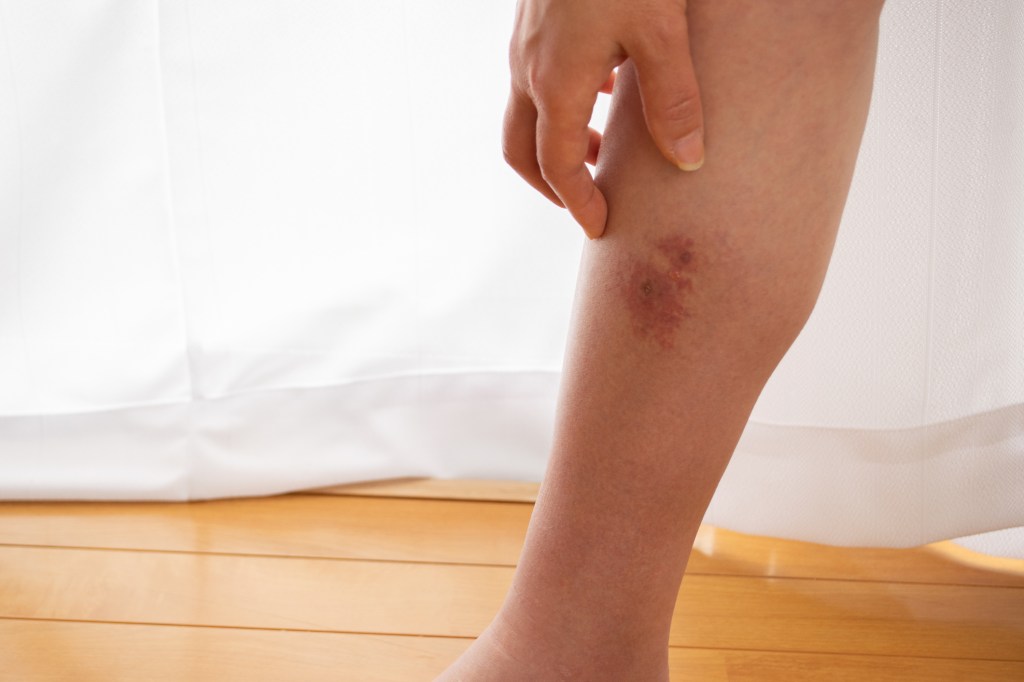
  • Discoloration (red, purple or slightly darker than your usual skin color) that may look like a rash.
  • Fluid-filled blisters.
  • Skin surface looks lumpy or pitted, like an orange skin.
  • Fever.
  • Chills.
  • Fatigue.

What is the main cause of cellulitis?

Many different bacteria can cause cellulitis. However, Streptococcus (strep) and Staphylococcus (staph) cause most cases of cellulitis.

Is cellulitis caused by poor hygiene?

Cellulitis usually appears around damaged skin, but it also occurs in areas of your skin with poor hygiene.

You can maintain good skin hygiene by:

  • Washing your hands regularly with soap and warm water.
  • Cleaning and trimming your fingernails and toenails.
  • Regularly showering and thoroughly drying your skin after.
  • Wearing clean clothes.
  • Keeping small wounds clean.

What does the beginning of cellulitis look like?

When you first get cellulitis, your skin looks slightly discolored. It may feel slightly warm to the touch. As the infection spreads, the discoloration gets darker as your skin swells and becomes tender.

Is cellulitis contagious?

Cellulitis isn’t usually contagious. Though rare, you may be able to contract cellulitis if you have an open wound and have skin-to-skin contact with an infected person’s open wound.

How is cellulitis diagnosed?

To diagnose cellulitis, your healthcare provider will ask about your symptoms and perform a physical examination of the affected area.

What tests will be done to diagnose cellulitis?

In most cases, your healthcare provider won’t conduct any tests. However, if you’ve got a severe case of cellulitis, your healthcare provider may recommend tests to make sure the infection hasn’t spread to other parts of your body.

These tests may include:

  • Blood test. A blood test will confirm whether the cellulitis infection has spread to your blood.
  • Skin test. A skin test will identify the type of bacteria responsible for your cellulitis, which helps your healthcare provider prescribe the most appropriate antibiotic.
  • Bacterial culture. A bacterial culture will identify the type of bacteria responsible for your cellulitis.

How is cellulitis treated?

Your healthcare provider will typically prescribe antibiotics taken by mouth (oral antibiotics) to treat your cellulitis. Oral antibiotics may include dicloxacillin or cephalexin.

Severe cases of cellulitis may not respond to oral antibiotics. You may require hospitalization and intravenous (IV) antibiotics — your healthcare provider will use a small needle and tube to deliver the antibiotics directly into a vein.

What is the fastest way to get rid of cellulitis?

The fastest way to get rid of cellulitis is to take your full course of antibiotics. Some home treatments may help speed up the healing process.

Home treatments include:

  • Warm compress. Apply a warm compress to your affected area to help reduce swelling and other symptoms.
  • Elevation. Elevating your affected area helps lower the blood pressure in the area’s blood vessels and improve blood flow.
  • Compression. Compression wraps or stockings help reduce swelling and improve blood flow. Don’t wrap your affected area too tightly. This can cut off circulation. Remove the compression wrap or stocking at least twice every day for 10 to 15 minutes.
  • Non-steroidal anti-inflammatory drugs (NSAIDs). Over-the-counter (OTC) NSAIDs, such as aspirin, ibuprofen and naproxen, reduce pain and inflammation. Not everyone can take NSAIDs, so it’s a good idea to check with your healthcare provider before use.

How soon after treatment will I feel better?

In most cases, you should feel better within seven to 10 days after you start taking antibiotics.

You’ll notice signs that your cellulitis infection is healing a few days after starting antibiotics. Your pain will decrease, swelling will go down and any discoloration will begin to fade.

How can I reduce my risk?

You can reduce your risk of developing cellulitis by:

  • Cleaning your wounds or sores with antibacterial soap and water.
  • Applying an antibiotic ointment on your wounds or sores.
  • Covering your wounds or sores with a bandage to prevent dirt or bacteria from entering the area.
  • Refraining from touching or rubbing your affected areas.
  • Getting medical attention right away for any deep cuts or puncture wounds.

What can I expect if I have cellulitis?

With early diagnosis and treatment, the outlook for people with cellulitis is good. Most people feel better after seven to 10 days.

It’s very important to take cellulitis seriously and get treatment right away. Cellulitis can quickly progress and lead to more severe conditions. The bacteria could spread to your bloodstream (bacteremia) or heart (endocarditis), which may be fatal.

How do I take care of myself?

  • Follow your healthcare provider’s instructions. It’s important to finish your full course of antibiotics, even if you start to feel better. If you don’t finish your full course of medicine, your cellulitis may come back and be more challenging to treat.
  • Refrain from touching the affected area. If you must touch the affected area, wash your hands before and after touching it. Don’t squeeze or puncture the area. Squeezing and puncturing won’t drain any swelling or provide relief.
  • Rest. It’s a good idea to avoid any activities that may aggravate your affected areas, including walking, running or other exercises.

When should I see my healthcare provider?

Call your healthcare provider if:

  • You notice an increase in swelling, discoloration or pain.
  • Your symptoms don’t go away a few days after starting antibiotics.
  • Your cellulitis infection spreads to surrounding areas of your body.

What questions should I ask my healthcare provider?

  • How do you know that I have cellulitis?
  • If I don’t have cellulitis, what other condition might I have?
  • How did I get cellulitis?
  • What bacteria caused my cellulitis?
  • For how long and at what times of the day should I take my medication?
  • How should I store my medication?
  • When will I start to feel better?
  • Do I need to schedule a follow-up visit?
  • What activities should I avoid?
  • Which OTC pain relievers do you recommend?

Does cellulitis itch?

No, cellulitis doesn’t itch. However, your affected area may itch once your skin starts to heal.

Why do I keep getting cellulitis?

Many people who get cellulitis again usually have skin conditions that don’t go away without treatment, such as athlete’s foot or impetigo. Poorly controlled diabetes may also contribute to repeat instances of cellulitis.

Approximately 33% of all people who have cellulitis get it again.

A note from QBan Health Care Services

Cellulitis is a common skin condition that mostly affects children and people with wounds, chronic skin conditions or a weakened immune system. If you notice symptoms of cellulitis, talk to your healthcare provider right away. They’ll prescribe you an antibiotic to quickly clear up the bacterial infection and recommend home treatments to make you more comfortable.

To prevent cellulitis, be sure to practice proper hygiene. Clean any wounds with water and antibacterial soap and cover them with a clean bandage to reduce your risk of infection.
PSORIASIS

Psoriasis is an autoimmune skin condition that causes itchiness and discomfort. Plaque psoriasis is the most common type. It causes thick, scaly areas of skin. While there isn’t a cure, psoriasis treatment can help manage symptoms. Your provider may prescribe special creams or ointments for psoriasis.

What is psoriasis?

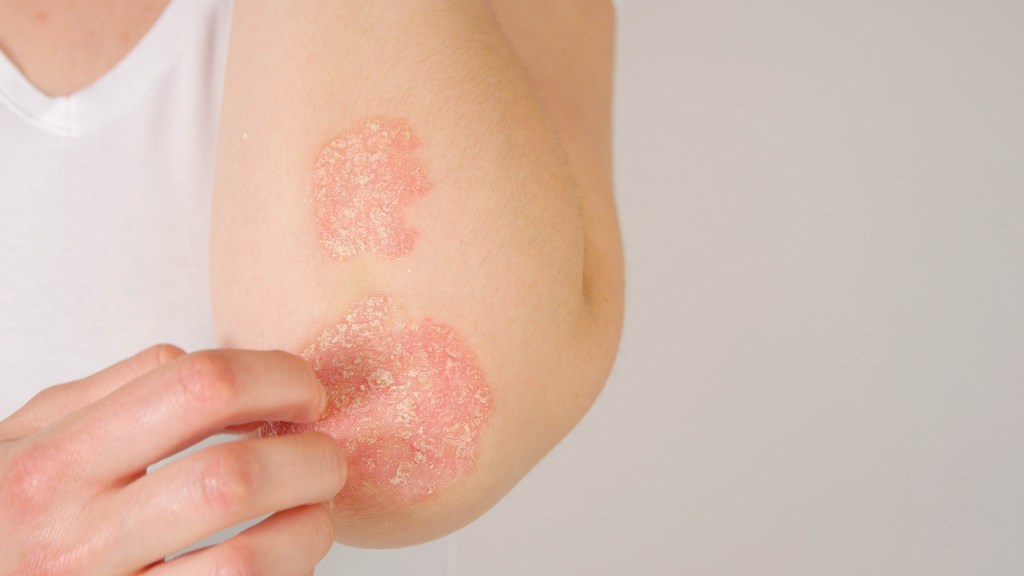
Psoriasis is an autoimmune condition that causes inflammation in your skin. Symptoms of psoriasis include thick areas of discolored skin covered with scales. These thick, scaly areas are called plaques.

Psoriasis is a chronic skin condition, which means it can flare up unexpectedly and there’s no cure.

What are the types of psoriasis?

There are several types of psoriasis, including:

  • Plaque psoriasis: Plaque psoriasis is the most common type of psoriasis. About 80% to 90% of people with psoriasis have plaque psoriasis.
  • Inverse psoriasis: This type appears in your skin folds. It causes thin plaques without scales.
  • Guttate psoriasis: Guttate psoriasis may appear after a sore throat caused by a streptococcal infection. It looks like small, red, drop-shaped scaly spots and often affects children and young adults.
  • Pustular psoriasis: Pustular psoriasis has small, pus-filled bumps on top of plaques.
  • Erythrodermic psoriasis: This is a severe type of psoriasis that affects a large area (more than 90%) of your skin. It causes widespread skin discoloration and skin shedding.
  • Sebopsoriasis: This type typically appears on your face and scalp as bumps and plaques with a greasy, yellow scale. This is a cross between psoriasis and seborrheic dermatitis.
  • Nail psoriasis: Nail psoriasis causes skin discoloration, pitting and changes to your fingernails and toenails.

What part of my body will psoriasis affect?

A psoriasis rash can show up anywhere on your skin. Psoriasis is common on your:

In most people, psoriasis covers a small area of their skin. In severe cases, the plaques connect and cover a large area of your body.

What is psoriatic arthritis?

Psoriatic arthritis is a type of arthritis that causes joint pain and swelling. Similar to psoriasis, psoriatic arthritis is an autoimmune condition that causes your immune system to function abnormally and cause symptoms. About 1 in 3 people diagnosed with psoriasis will also develop arthritis due to inflammation. Early treatment of psoriatic arthritis can reduce damage to your joints.

Who does psoriasis affect and how common is it?

People of any age, sex or race can get psoriasis. Psoriasis affects millions of people. More than 3% of the U.S. population has psoriasis.

Is psoriasis the same as eczema?

Psoriasis and eczema are two different skin conditions. Both conditions cause similar symptoms like discolored skin, a rash and itching. Psoriasis plaques cause areas of thick skin covered in scales. Eczema causes a rash of dry and bumpy skin. Eczema also typically causes more intense itching than psoriasis.

What does psoriasis look like?

Symptoms of psoriasis on your skin include plaques. Plaques look like:

  • A rash or a raised area of thick skin.
  • The skin on the plaque is discolored.
  • The plaque is scaly or flaky and sheds easily.

An early sign of psoriasis is small bumps. The bumps grow, and scales form on top. The surface of the plaque might shed, but the scales beneath them will stick together. If you scratch your rash, the scales may tear away from your skin. This can cause bleeding. As the rash continues to grow, lesions (larger areas of skin damage) can form. Symptoms of psoriasis can range from mild to severe.

What are the symptoms of psoriasis?

In addition to skin plaques or a rash, you might have symptoms that include:

If you scratch your plaque, you could break open your skin, which could lead to an infection. Infections are dangerous. If you experience severe pain, swelling and a fever, you have symptoms of an infection. Contact your healthcare provider if you have these symptoms.

What causes psoriasis?

An over-reactive immune system that creates inflammation in your skin causes psoriasis.

If you have psoriasis, your immune system is supposed to destroy foreign invaders, like bacteria, to keep you healthy and prevent you from getting sick. Instead, your immune system can mistake healthy cells for foreign invaders. As a result, your immune system creates inflammation or swelling, which you see on the surface of your skin as skin plaques.

It usually takes up to 30 days for new skin cells to grow and replace old skin cells. Your over-reactive immune system causes the timeline of new skin cell development to change to three to four days. The speed of new cells replacing old cells creates scales and frequent skin shedding on top of skin plaques.

Psoriasis runs in families. There may be a genetic component to psoriasis because biological parents may pass the condition down to their children.

What causes psoriasis outbreaks?

An outbreak of psoriasis, or a flare up, causes symptoms of psoriasis as a result of contact with a trigger, which could be an irritant or an allergen. Psoriasis outbreaks differ from person to person. Common triggers for psoriasis flare ups include:

  • Emotional stress.
  • An infection (streptococcal infection).
  • A skin injury like cuts, scrapes or surgery.
  • Certain medications, such as lithium and beta-blockers.
  • Changes in body temperature due to the weather.

Is psoriasis contagious?

No, psoriasis isn’t contagious. You can’t get psoriasis by coming into contact with another person’s psoriasis skin rash.

How is psoriasis diagnosed?

A healthcare provider or a dermatologist will diagnose psoriasis after a physical exam to look at your skin and review your symptoms. They’ll ask you questions that could include:

  • Do you have a history of skin conditions in your biological family?
  • When did you first notice symptoms?
  • Have you tried any at-home remedies to treat your skin?
  • Is this the first time you’ve had an outbreak on your skin?
  • What types of soaps or shampoos do you use?

The appearance of a skin plaque leads to a psoriasis diagnosis, but symptoms can relate to other similar skin conditions, so your provider might offer a skin biopsy test to confirm your diagnosis. During this test, your provider will remove a small sample of skin tissue from your skin plaque and examine it under a microscope.

How is psoriasis treated?

Several treatment options can relieve psoriasis symptoms. Common psoriasis treatments include:

  • Steroid creams.
  • Moisturizers for dry skin.
  • Medication to slow skin cell production (anthralin).
  • Medicated lotions or shampoos.
  • Vitamin D3 ointment.
  • Vitamin A or retinoid creams.

Creams or ointments may be enough to improve the rash in small areas of your skin. If your rash affects larger areas, or if you also have joint pain, you’ll need other treatments. Joint pain may be a sign that you have arthritis.

Your provider will decide on a treatment plan based on:

  • The severity of the rash.
  • Where the rash is on your body.
  • Your age.
  • Your overall health.

What if common psoriasis treatments don’t work?

If your symptoms of psoriasis don’t improve after treatment, or if you have large areas of involvement (10% of your skin or more), your healthcare provider may recommend the following treatments:

  • Light therapy: LED lights at specific wavelengths can decrease skin inflammation and help slow your skin cell production.
  • PUVA: This treatment combines a medication called psoralen with exposure to a special form of ultraviolet light.
  • Retinoids: These vitamin A-related drugs can help your psoriasis symptoms but may cause side effects, including birth defects.
  • Immune therapies: Newer immune therapy medications (biologics and small molecule inhibitors) work by blocking your body’s immune system so it can’t cause an autoimmune reaction.
  • Methotrexate: Providers recommend this medication for severe cases of psoriasis. It may cause liver disease. If you take it, your provider will monitor your progress with blood tests. You may need periodic liver biopsies to check your liver health.
  • Cyclosporine: This medicine can help severe psoriasis but it may cause high blood pressure and kidney damage.

Before starting treatment, talk to your healthcare provider about the side effects and mention any medications or supplements you currently take to avoid drug interaction.

Are there any complications of psoriasis?

For some people diagnosed with psoriasis, the skin condition causes more than itchiness, scaling skin and skin discoloration. It can lead to swollen joints and arthritis. If you have psoriasis, you may be at higher risk of:

If you have psoriasis, your provider will do regular blood pressure checks and monitor the progress of your treatment to avoid complications. You can take steps to prevent potential complications by:

  • Eating a well-balanced diet.
  • Exercising regularly.
  • Getting adequate sleep
  • Not smoking.

How soon after treatment will I feel better?

A flare-up of psoriasis symptoms can last a couple of weeks to a few months. Your healthcare provider can speed up your skin’s recovery with certain medications. After your symptoms go away, your psoriasis is in remission. This means that you could have another outbreak of symptoms in the future. Your remission timeline could last a few months to a couple of years. If you notice your symptoms flare up when you contact certain triggers, avoiding those triggers leads to a long remission time.

How can I prevent psoriasis?

There isn’t a way to entirely prevent psoriasis. You can reduce your risk by following your healthcare provider’s treatment, living a healthy lifestyle, taking good care of your skin and avoiding triggers that can cause an outbreak of symptoms.

What can I expect if I have psoriasis?

If you have psoriasis, it’s common to see symptoms show up during early adulthood, but the timeline of when symptoms begin is unique to every person. You may notice certain triggers in your environment that can cause a flare up of symptoms. Avoiding these triggers can lead to fewer outbreaks in the future.

Psoriasis can make you uncomfortable, itchy and self-conscious. If these symptoms are causing you physical or emotional distress, contact your healthcare provider for treatment.

Is there a cure for psoriasis?

There isn’t a cure for psoriasis. Psoriasis is a chronic condition, which means that symptoms may come and go throughout your life. Treatment can relieve symptoms so you can look and feel your best.

How do I take care of myself?

To feel your best with psoriasis:

  • Take medications as instructed.
  • Use moisturizer regularly, especially after bathing.
  • Avoid harsh soaps.
  • Use medicated shampoo for scales on your scalp.

Other steps you should take to stay as healthy as possible:

  • Talk to your healthcare provider about lowering your risk for related conditions, such as heart disease, depression and diabetes.
  • Lower your stress with meditation, exercise or seeing a mental health professional.

When should I see my healthcare provider?

Do regular skin self-exams to notice any changes in your skin. If you have skin changes, a rash that’s not going away or a rash that gets worse, contact your healthcare provider.

What questions should I ask my doctor?

  • How can I prevent outbreaks and manage symptoms?
  • What medication will work best for me?
  • What else should I do to improve my symptoms?
  • What are my options if creams don’t work?
  • Will psoriasis ever go away?

A note from QBan Health Care Services

Psoriasis, an itchy skin condition, can come and go throughout your life. It’s related to an overactive immune response and isn’t contagious. If you have skin changes that aren’t going away, talk to your healthcare provider. There isn’t a cure for psoriasis, but psoriasis treatments can improve symptoms. Your provider may prescribe a special cream or moisturizer or medications. Other therapies are available if creams or medicines don’t work. Maintaining your overall health will also help improve symptoms.

ECZEMA

Eczema is a skin condition that causes dry and itchy patches of skin. It’s a common condition that isn’t contagious. Symptoms of eczema can flare up if you contact an irritant or an allergen. There are treatments available to help you manage symptoms, but there isn’t a cure.

What is eczema?

Eczema is a condition that causes your skin to become dry, itchy and bumpy. This condition weakens your skin’s barrier function, which is responsible for helping your skin retain moisture and protecting your body from outside elements.

Eczema is a type of dermatitis. Dermatitis is a group of conditions that cause skin inflammation.

What are the types of eczema?

There are several types of eczema. Each type has unique triggers that can affect your skin’s barrier function, including:

It’s possible to have more than one type of eczema at the same time.

Who does eczema affect?

Eczema can affect anyone at any age. Symptoms usually appear during childhood and last into adulthood. You might be more at risk of having eczema if you have a family history or a diagnosis of:

How common is eczema?

Eczema is common and affects more than 31 million Americans. Infants are prone to eczema, and 10% to 20% will have it. However, nearly half of all infants diagnosed with eczema outgrow the condition or have significant improvement as they get older.

What causes eczema to start?

The first signs of eczema are itchiness, dry skin and a rash. These signs indicate that you came into contact with a trigger in your environment that caused your symptoms to start or flare up. Identifying environmental triggers and avoiding them can reduce your risk of an eczema flare-up in your future.

What are the symptoms of eczema?

Symptoms of eczema include:

What does an eczema rash look like?

Eczema can look different on each person diagnosed with the condition. If you have a dark skin tone, an eczema rash can be purple, brown or gray. If you have a light skin tone, an eczema rash can look pink, red or purple.

Where do symptoms of eczema appear on my body?

Symptoms of eczema can show up anywhere on your skin. The most common places where you’ll notice symptoms of eczema include on your:

  • Hands.
  • Neck.
  • Elbows.
  • Ankles.
  • Knees
  • Feet.
  • Face, especially cheeks.
  • In and around ears.
  • Lips

While less common, eczema can also occur on your:

Does eczema hurt?

Eczema doesn’t usually cause pain. If you scratch your skin, you could break the surface of your skin and create a sore, which could be painful. Some types of eczema, like contact dermatitis, cause a burning sensation and discomfort.

What causes eczema?

Several factors cause eczema, including:

  • Your immune system: If you have eczema, your immune system overreacts to small irritants or allergens (triggers) in your environment. When you contact a trigger, your immune system assumes that these small irritants are foreign invaders, like bacteria or viruses, that can harm your body. As a result, the triggers activate your body’s natural defense system. Your immune system’s defense is to create inflammation. Inflammation causes symptoms of eczema on your skin.
  • Your genes: You’re more likely to have eczema if there’s a history of eczema or dermatitis in your family. You’re also at a higher risk if there’s a history of asthma, hay fever and/or allergies. Common allergies include pollen, pet hair or foods that trigger an allergic reaction. You could also have a genetic mutation that causes your skin’s barrier function to not work as it should.
  • Your environment: There’s a lot in your environment that can irritate your skin. Some examples include exposure to smoke, air pollutants, harsh soaps, fabrics such as wool, and some skin care products. Low humidity (dry air) can cause your skin to become dry and itchy. Heat and high humidity can cause sweating and that can make your itchiness even worse.
  • Emotional triggers: Your mental health could affect the health of your skin, which can cause a flare-up of eczema symptoms. If you have high levels of stress, anxiety or depression, you may have more frequent flare-ups of eczema symptoms.

What triggers eczema to flare up?

Eczema affects each person diagnosed with the condition differently. What causes your symptoms to flare up might not trigger someone else with the condition. Common triggers that cause eczema include:

  • Dry weather (low humidity).
  • Fabrics or clothing material.
  • Makeup or skin care products.
  • Smoke and pollutants.
  • Soaps and detergents.
  • Stress or your emotional well-being.
  • Touching something you’re allergic to.

Do certain foods trigger eczema?

The connection between eczema and food allergies is unclear. If you have food allergies, then one of the reasons why you must avoid that food is that it may cause or worsen your eczema symptoms. Examples of common allergies include:

  • Peanuts.
  • Dairy.
  • Eggs.

Pay attention to what you eat. If your eczema flares up after you eat a certain food, then you might have an allergy to it. If you don’t have a food allergy, then there are no foods that will cause or worsen your eczema.

Is eczema an autoimmune disease?

While eczema can cause your immune system to overreact, it isn’t classified as an autoimmune condition. Research is ongoing to learn more about how eczema interacts with your immune system.

Is eczema contagious?

No. Eczema isn’t contagious. You can’t spread eczema through person-to-person contact.

How is eczema diagnosed?

A healthcare provider will diagnose eczema after a physical exam, where they can take a close look at your skin. Most often, people receive an eczema diagnosis as a child, as it’s common among children, but a diagnosis can happen at any age when symptoms arise.

Symptoms of eczema can look similar to other conditions. Your provider might offer tests to rule out other conditions and confirm your diagnosis. Tests could include:

  • An allergy test.
  • Blood tests to check for causes of the rash that might be unrelated to dermatitis.
  • A skin biopsy to distinguish one type of dermatitis from another.

What questions might my healthcare provider ask to diagnose eczema?

Your healthcare provider might ask the following questions to learn more about your symptoms, including:

  • Where do you have symptoms on your body?
  • Did you use any products to try to treat your skin?
  • Do you have any medical conditions like allergies or asthma?
  • Do you have a history of eczema in your family?
  • How long have you had symptoms?
  • Do you take hot showers?
  • Is there anything that makes your symptoms worse?
  • Have you noticed something triggers or worsens your symptoms like certain soaps or detergents?
  • Do your symptoms affect your ability to sleep or perform your daily activities?

Who diagnoses eczema?

A primary care provider may recommend you visit a dermatologist to diagnose and treat your eczema. A dermatologist specializes in skin conditions.

How do I get rid of eczema?

Your treatment for eczema is unique to you and what caused your symptoms to flare up. Treatment for eczema could include:

  • Using gentle or sensitive skin moisturizers throughout the day when you have dry skin. Apply moisturizer when your skin is damp after a bath or shower.
  • Apply topical medications to your skin as advised by your provider, like topical steroids.
  • Take oral medications like anti-inflammatory medicines, antihistamines or corticosteroids to reduce itchiness and swelling.
  • Immunosuppressant drugs help regulate how your immune system functions.
  • Light therapy to improve the appearance of your skin and remove blemishes.
  • Avoid triggers that cause symptoms of eczema to flare up.

How do you treat childhood eczema?

If your child has skin issues, such as eczema, you can:

  • Give your child a short, warm bath instead of a long, hot bath, which can dry out their skin.
  • Use moisturizers several times daily. In infants with eczema, moisturizing on a regular basis, like with each diaper change, is extremely helpful.
  • Keep the room temperature as regular as possible. Changes in room temperature and humidity can dry your child’s skin.
  • Keep your child dressed in cotton. Wool, silk and synthetic fabrics such as polyester can irritate their skin.
  • Use sensitive skin or unscented laundry detergent.
  • Help your child avoid rubbing or scratching at their skin.

What type of moisturizer treats eczema?

There are several options of moisturizer available to treat eczema. Choose skin care products that:

  • Are hypoallergenic, fragrance- and dye-free.
  • Are gentle or for sensitive skin.
  • Contain petroleum jelly or mineral oil.
  • Don’t include preservatives or stabilizers.
  • Have lipids and ceramides to improve your skin’s barrier.

It may take several different products through trial and error before you find one that works for you. If you need help choosing a moisturizer, talk to your healthcare provider.

How do I manage my eczema symptoms?

Treating and managing eczema can be difficult if the cause is something you can’t control, like genetics. Fortunately, you may have some influence over your environment and stress levels. Do your best to figure out what triggers or worsens your eczema, and then avoid it. The goal is to reduce itching and discomfort and prevent infection and additional flare-ups.

How soon after treatment will I feel better?

After treatment, it could take several weeks before your skin clears up completely. Topical medications or oral medications prescribed by your healthcare provider help your symptoms go away faster. If your symptoms get worse after treatment, or if they don’t clear up after a few weeks, contact your provider.

Are there complications from eczema?

Complications are possible with eczema and could include:

  • Weeping eczema: Weeping eczema causes fluid-filled blisters to form on your skin.
  • Infected eczema: Infected eczema occurs when bacteria, fungus or a virus breaks through your skin to cause an infection.

Symptoms that are a sign of complications include:

  • Fever and chills.
  • A clear to yellow fluid leaking out of blisters on your skin.
  • Pain and swelling.

How can I prevent eczema?

There are steps you can take that may prevent eczema flare-ups and outbreaks, including:

  • Moisturize your skin regularly or when your skin becomes dry. Seal in moisture after a bath or shower by immediately applying moisturizer to your skin.
  • Take baths or showers with warm, not hot, water.
  • Stay hydrated and drink at least eight glasses of water each day. Water helps keep your skin moist.
  • Wear loose clothes made of cotton and other natural materials. Wash new clothing before wearing it. Avoid wool or synthetic fibers.
  • Manage your stress and emotional triggers. See a psychiatrist for medication and a therapist for counseling if you’re experiencing symptoms of poor mental/emotional health.
  • Use a humidifier if dry air makes your skin dry.
  • Avoid irritants and allergens.

What can I expect if I have eczema?

Eczema and other types of dermatitis aren’t harmful to the rest of your body. The condition isn’t deadly. Nearly half of children with eczema outgrow the condition or experience improvement by the time they reach puberty. Others will continue to have some form of the condition throughout their life. For adults with eczema, the condition can be well managed with a good skin care routine.

How long does eczema last?

Eczema can be a lifelong condition. It can start in infancy and continue through adulthood. You can manage your symptoms with at-home remedies, over-the-counter medications and prescription medications.

Is there a cure for eczema?

No, there isn’t a cure for eczema. There are treatments available, but no treatment can eliminate your symptoms 100% of the time. Eczema is a chronic condition, which means it can go away and come back unexpectedly. Treatments are very effective in reducing the symptoms of itchy, dry skin.

How do I take care of myself?

Many people live with eczema, and it can be challenging. But there may be times when your eczema disappears. This is known as a “remission” period. Other times, you may have a “flare-up,” which is when your symptoms show up or get worse. The goal of treatment is to prevent flare-ups and your symptoms from getting worse. Be sure to avoid triggers, moisturize, take your medicine and follow your healthcare provider’s instructions.

When should I see my healthcare provider?

Visit your healthcare provider or your dermatologist if:

  • You experience symptoms of eczema.
  • Your symptoms get worse after treatment.
  • Your symptoms don’t go away a few weeks after treatment.
  • You get an infection, have a fever or experience severe pain.

What questions should I ask my healthcare provider?

  • If I don’t have eczema, what other skin condition might I have?
  • Is there a specific brand of moisturizer that you recommend?
  • Are there side effects to the treatment?
  • How often should I see a dermatologist regarding my eczema?
  • What soaps, lotions, makeup, etc., should I avoid?
  • How can I take care of my skin at home?

Does the weather make eczema worse?

Yes, certain temperatures or weather patterns can affect your skin and can make eczema worse. Low humidity (dry air) in the winter months can dry out your skin. Humidity caused by high heat can make you sweat, which can make your itchiness worse.

A note from QBan Health Care Services

Eczema is a very common and uncomfortable skin condition. It can affect your quality of life. At its worst, it can keep you from sleeping, distract you and make you feel self-conscious in public. See a dermatologist or healthcare provider as soon as you start to see signs of eczema. Explore at-home remedies and prescription treatments until you find the best remedy for your skin.

ROSACEA

Rosacea is a skin condition that causes redness on your face. The most common places to find symptoms of rosacea include your nose, cheeks and forehead. Rosacea can flare throughout your life and usually starts after age 30. Medicines, creams and lotions help reduce symptoms.

What is rosacea?

Rosacea (pronounced “row-zay-sha”) is a common inflammatory skin condition that causes redness on your face or other parts of your body, including your eyes. Different types of the condition can cause pimples and swelling on your skin. This is a lifelong condition without a cure.

What are the types of rosacea?

Four different types of rosacea include:

  • Erythematotelangiectatic: Rosacea is persistent and causes facial redness with enlarged and visible blood vessels (vascular). This type flares, where symptoms come and go unexpectedly.
  • Papulopustular: Pus- or fluid-filled pimples form on your skin. Your skin could swell and symptoms are similar to acne.
  • Phymatous: Symptoms cause your skin to swell and thicken. Your skin could be bumpy and it most often affects your nose. Symptoms could make your nose appear bulbous (rhinophyma).
  • Ocular: Rosacea can affect your eyes, causing them to feel irritated and bloodshot or watery. Your eyes are sensitive to light and painful bumps can form on your eyelids (styes).

How common is rosacea and who does rosacea affect?

Rosacea affects more than 14 million people in the U.S. It can affect anyone, but it most often affects people who have fair skin and women and people assigned female at birth (AFAB). Symptoms usually arise after age 30. The condition can affect children and adolescents but it’s very rare. You’re more likely to have rosacea if someone in your family has the condition.

Studies suggest that men and people assigned male at birth have more severe symptoms as a result of delaying treatment until the condition becomes advanced.

What are the signs of rosacea?

Rosacea’s appearance can vary greatly from one person to another. Most of the time, not all of the potential signs appear. Rosacea always includes at least one of the primary signs, like:

  • Flushing: Many people who have rosacea have a history of frequent blushing called flushing. Facial redness, which might come and go, is the earliest sign of the condition.
  • Persistent redness: Persistent facial redness might resemble a blush or sunburn that doesn’t go away.
  • Bumps and pimples: Small, red, solid bumps or pus-filled pimples often develop on your skin. Sometimes the bumps might resemble acne, but rosacea doesn’t cause blackheads. Burning or stinging might be present.
  • Visible blood vessels: Small blood vessels that look like thin, red lines become visible on your skin.

What are the symptoms of rosacea?

In addition to signs of rosacea, symptoms of rosacea include:

  • Eye irritation: Your eyes might be irritated and appear watery or bloodshot. This condition can cause styes as well as redness and swelling of your eyelids. Severe cases, if left untreated, can result in cornea damage and vision loss.
  • Burning or stinging: Burning or stinging sensations might occur on your face, and itchiness or a feeling of tightness might also develop.
  • Dry appearance: Your central facial skin might be rough, and appear to be very dry.
  • Plaques: Raised red patches (plaques) that look like a rash might develop without changes to your surrounding skin.
  • Skin thickening: In some cases of rosacea, your skin might thicken and enlarge, resulting in a condition called rhinophyma. This condition occurs on your nose, causing it to have a bulbous appearance.
  • Swelling: Facial swelling (edema) can occur independently or can accompany other signs of rosacea.

Where do symptoms of rosacea affect my body?

Symptoms of rosacea can affect several different parts of your body, including your:

  • Nose.
  • Chin.
  • Cheeks.
  • Forehead.
  • Eyes.
  • Chest.
  • Ears
  • Neck.
  • Scalp.

What triggers rosacea symptoms?

Each person diagnosed with rosacea has triggers that cause their symptoms to flare. Possible rosacea triggers could include:

  • Sun exposure.
  • Hot or cold temperatures.
  • Stress.
  • Alcohol consumption.
  • Spicy foods.
  • Skin or hair products (lotions, hairspray).
  • Hormonal changes.

If you’re not sure what triggers your rosacea symptoms, write down a list of foods, beverages, skincare products and activities for a few days to a few weeks and how those things affected your skin that day. This can help you narrow down what could cause your symptoms to flare. When you identify what triggers your symptoms, you can reduce the frequency of your flares by avoiding your triggers.

What causes rosacea?

The cause of rosacea is unknown. Studies suggest rosacea could be a symptom of:

  • A condition that affects your blood vessels, immune or nervous system.
  • Microscopic skin mites (Demodex): Your body has a natural, microscopic mite that lives on your nose and cheeks. Having too many of these mites causes symptoms of rosacea.
  • An infection: The H. pylori bacteria can cause an infection. Studies suggest that people who had this infection can develop rosacea.
  • A protein malfunctioning: The cathelicidin protein protects your skin from infection. If the protein isn’t working as it should, you’ll experience symptoms of rosacea.

Is rosacea an autoimmune disease?

Research is ongoing to learn more about the causes of rosacea and if it’s an autoimmune condition. Some types of rosacea occur as a result of your immune system overworking. Your immune system’s job is to protect your body from foreign invaders that make you sick, like bacteria. A certain type of bacteria (Bacillus oleronius) that’s common among people diagnosed with papulopustular rosacea can cause your immune system to overcompensate for the bacteria and attack healthy skin cells. This is an autoimmune response that causes symptoms of rosacea.

Other cases of rosacea could be the result of your immune system being highly sensitive to changes in your environment. These changes could include sunlight exposure or temperature fluctuations that trigger your symptoms. As a result, your immune system overworks to adjust to the changes in your environment, which causes symptoms.

How is rosacea diagnosed?

To diagnose rosacea, your provider will conduct a thorough exam of your signs and symptoms and will take a medical history. During your exam, you should tell your provider about any problems you’re having with your skin (redness, bumps or pimples, burning, itching, etc.). There’s no specific test to diagnose rosacea. Your provider might recommend you visit a dermatologist, who specializes in skin conditions.

How is rosacea treated?

Treatment of rosacea varies for each person and focuses on relieving or reducing symptoms and preventing them from getting worse. Treatment options for rosacea could include:

  • Medicines: There are several types of oral and topical medicines to treat bumps, pimples and redness caused by rosacea. Medicines help you manage your symptoms and reduce the number of flares.
  • Laser treatment: Your provider can use lasers to remove visible blood vessels and limit the amount of redness on your skin.
  • Surgical procedures: For severe cases, your provider might recommend surgery to correct nose disfigurement that can happen with rhinophyma.

What medications treat rosacea?

Your provider might offer medications to treat your symptoms of rosacea, including:

Before starting a new medicine, talk to your provider about the dosage, when to take it and the side effects. Also, discuss the medicines you currently take to avoid any drug interactions.

What foods should I avoid if I have rosacea?

Some studies suggest that spicy foods, like hot wings and jalapeño peppers, can trigger symptoms of rosacea. Every person diagnosed with the condition will have unique and personal triggers in their environment and there’s no guarantee that spicy foods will cause a flare of rosacea. If you have a flare of symptoms after eating spicy foods, avoid eating these types of foods to prevent future flares.

How soon after treatment will I feel better?

It could take several weeks to a few months before your symptoms reduce. If your provider prescribed medicines, they’ll monitor your treatment to make sure the medicine is effective. Your provider will likely reduce the dosage as your symptoms start to clear up.

How can I prevent rosacea?

Since the cause of rosacea is unknown, you can’t prevent the condition. However, you can reduce your risk of having a rosacea flare by identifying and avoiding things in your environment that trigger your symptoms.

Always use caution when going outdoors and exposing your skin to the sun’s UV rays. Sunlight can trigger symptoms of rosacea and sun damage can make it difficult for your skin to heal after a flare. Wear sunscreen daily and reapply sunscreen often throughout the day. You can also wear UV-protective clothing and accessories to cover your skin from the sunlight.

What can I expect if I have rosacea?

Rosacea is a chronic condition, which means your symptoms can come and go unexpectedly. If you know certain things in your environment trigger your symptoms, avoid those triggers to prevent a flare.

Rosacea is a harmless condition and only causes skin discomfort and appearance changes. Severe and untreated cases can lead to skin disfiguration that most often affects your nose. Surgery treats severe cases of rosacea, but many people find relief from mild symptoms with prescribed medicines or over-the-counter (OTC) creams, gels or lotions.

Does rosacea ever go away?

There’s no cure for rosacea, but treatment options are available to reduce symptoms and flares. Talk to your provider about your symptoms and they’ll help you manage your condition and keep symptoms in remission (keep them from returning).

Can I cover rosacea with makeup?

Over-the-counter makeup products can help cover rosacea. Makeup varies based on your symptoms and could include:

  • Green-tinted base moisturizers can minimize redness if you have a pink-to-red tint to your skin. The color green balances the red tone.
  • Concealers or foundations that are oil-free and one shade lighter than your natural skin tone.
  • Mineral powders to reduce redness using fewer ingredients that could irritate your skin.
  • Fragrance-free or sensitive-skin products to avoid skin irritants.
  • Topical antibacterial creams to treat skin redness and small acne-like pimples.
  • Sunscreen to protect your skin from the sun’s harmful UV rays, which can trigger symptoms of rosacea. Many makeup products are multi-functioning and include sunscreen in addition to other ingredients.

When should I see my healthcare provider?

Visit your healthcare provider if you have signs or symptoms of rosacea, especially if they cause pain and discomfort.

What questions should I ask my doctor?

  • How do I prevent flares?
  • What skincare products should I use?
  • When and how often should I take the medicine you prescribed for my symptoms?
  • Can I wear makeup with my symptoms?
  • Do I need surgery to treat my symptoms?

What’s the difference between rosacea and lupus rash?

Symptoms of rosacea and a rash caused by a lupus diagnosis, often called a “butterfly” rash, are similar. Both conditions can affect the skin on your face, especially your cheeks and your nose. Both conditions can also flare with sun exposure. The major difference between a lupus rash and rosacea is the texture and appearance of the rash. A lupus rash causes red, scaly, itchy patches of skin. Rosacea causes your skin to appear red, swollen and bumpy. Rosacea is a harmless condition and lupus rashes can cause long-term skin damage like scarring and hair loss.

A note from QBan Health Care Services

Rosacea is a harmless skin condition that causes redness, most often on your face. Some people diagnosed with this condition benefit from talking with a mental health professional if they have concerns about their self-esteem and emotional well-being based on how symptoms affect their appearance. Your provider will help you find treatment options to reduce flares and help you feel better.

ACNE

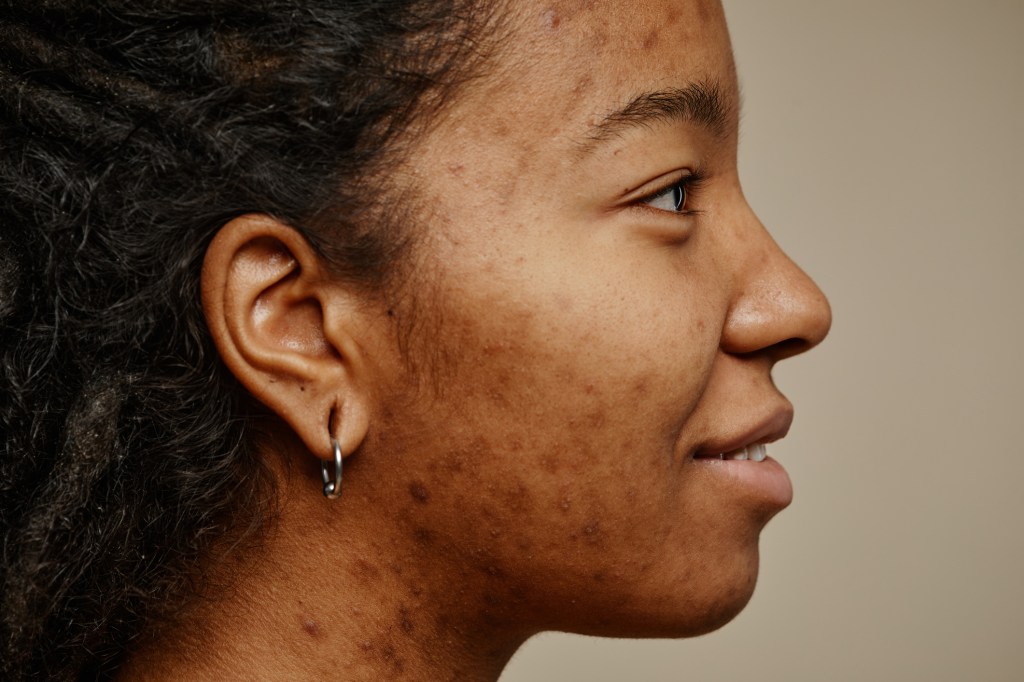
Acne is a very common skin condition that causes pimples. You’ll usually get pimples on your face. Clogged pores cause acne. Teenagers and young adults most often get acne, but it can also occur during adulthood for many people. Treatment is available to clear acne from your skin and prevent scarring.

What is acne?

Acne is a common skin condition where the pores of your skin clog. Pore blockages produce blackheads, whiteheads and other types of pimples. Pimples are pus-filled, sometimes painful, bumps on your skin.

The medical term for acne is acne vulgaris.

What are the types of acne?

There are several types of acne, including:

  • Fungal acne (pityrosporum folliculitis): Fungal acne occurs when yeast builds up in your hair follicles. These can be itchy and inflamed.
  • Cystic acne: Cystic acne causes deep, pus-filled pimples and nodules. These can cause scars.
  • Hormonal acne: Hormonal acne affects adults who have an overproduction of sebum that clogs their pores.
  • Nodular acne: Nodular acne is a severe form of acne that causes pimples on the surface of your skin, and tender, nodular lumps under your skin.

All of these forms of acne can affect your self-esteem, and both cystic and nodular acne can lead to permanent skin damage in the form of scarring. It’s best to seek help from a healthcare provider early so they can determine the best treatment option(s) for you.

Who does acne affect?

Acne usually affects everyone at some point in their lifetime. It’s most common among teenagers and young adults undergoing hormonal changes, but acne can also occur during adulthood. Adult acne is more common among women and people assigned female at birth (AFAB). You may be more at risk of developing acne if you have a family history of acne (genetics).

How common is acne?

If you have acne, know that you’re not alone. Acne is the most common skin condition that people experience. An estimated 80% of people ages 11 to 30 will have at least a mild form of acne.

Where on my body will I have acne?

The most common places where you might have acne are on your:

  • Face.
  • Forehead.
  • Chest.
  • Shoulders.
  • Upper back.

Oil glands exist all over your body. The common locations of acne are where oil glands exist the most.

What are the symptoms of acne?

Symptoms of acne on your skin include:

  • Pimples (pustules): Pus-filled bumps (papules).
  • Papules: Small, discolored bumps, often red to purple or darker than your natural skin tone.
  • Blackheads: Plugged pores with a black top.
  • Whiteheads: Plugged pores with a white top.
  • Nodules: Large lumps under your skin that are painful.
  • Cysts: Painful fluid-filled (pus) lumps under your skin.

Acne can be mild and cause a few occasional pimples or it can be moderate and cause inflammatory papules. Severe acne causes nodules and cysts.

What causes acne?

Clogged hair follicles or pores cause acne. Your hair follicles are small tubes that hold a strand of your hair. There are several glands that empty into your hair follicles. When too much material is inside your hair follicle, a clog occurs. Your pores can clog with:

  • Sebum: An oily substance that provides a protective barrier for your skin.
  • Bacteria: Small amounts of bacteria naturally live on your skin. If you have too much bacteria, it can clog your pores.
  • Dead skin cells: Your skin cells shed often to make room for more cells to grow. When your skin releases dead skin cells, they can get stuck in your hair follicles.

When your pores clog, substances plug up your hair follicle, creating a pimple. This triggers inflammation, which you feel as pain and swelling. You can also see inflammation through skin discoloration like redness around a pimple.

Triggers of acne

Certain things in your environment contribute to acne or they can make an acne breakout worse, including:

  • Wearing tight-fitting clothing and headgear, like hats and sports helmets.
  • Air pollution and certain weather conditions, especially high humidity.
  • Using oily or greasy personal care products, like heavy lotions and creams, or working in an area where you routinely come in contact with grease, such as working at a restaurant with frying oil.
  • Stress, which increases the hormone cortisol.
  • A side effect of a medication.
  • Picking at your acne.

Foods that cause acne

Some studies link particular foods and diets to acne, like:

  • Skim milk.
  • Whey protein.
  • Diets high in sugar.

While high-sugar diets may lead to acne outbreaks, chocolate isn’t directly linked to acne.

To reduce your risk of acne, choose to eat a balanced, nutritious diet with plenty of fresh fruits and vegetables, especially those rich in vitamin C and beta-carotene, which helps reduce inflammation.

Hormones and acne

Acne is largely a hormonal condition that’s driven by androgen hormones (testosterone). This typically becomes active during teenage and young adult years. You might also notice acne forming around the time of your period as a result of hormone activity. Sensitivity to this hormone — combined with surface bacteria on your skin and substances released from your body’s glands — can result in acne.

How is acne diagnosed?

A healthcare provider can diagnose acne during a skin exam. During this exam, the provider will closely look at your skin to learn more about your symptoms. In addition, they may also ask about risk factors for acne, like:

  • Are you feeling stressed?
  • Do you have a family history of acne?
  • If a woman or person AFAB, do you notice breakouts during your menstrual cycle?
  • What medications do you currently take?

Your healthcare provider won’t need to run any diagnostic tests for acne, but they may offer tests to diagnose any underlying conditions if you have sudden, severe acne outbreaks, especially if you’re an adult.

Who treats acne?

A general healthcare provider or a dermatologist can diagnose and treat acne. If you have stubborn acne that doesn’t improve with treatment, a dermatologist can help.

How severe can acne get?

Dermatologists rank acne by severity:

  • Grade 1 (mild): Mostly whiteheads and blackheads, with a few papules and pustules.
  • Grade 2 (moderate or pustular acne): Multiple papules and pustules, mostly on your face.
  • Grade 3 (moderately severe or nodulocystic acne): Numerous papules and pustules, along with occasionally inflamed nodules. Your back and chest may also be affected.
  • Grade 4 (severe nodulocystic acne): Numerous large, painful and inflamed pustules and nodules.

How is acne treated?

There are several ways to treat acne. Each type of treatment varies based on your age, the type of acne you have and the severity. A healthcare provider might recommend taking oral medications, using topical medications or using medicated therapies to treat your skin. The goal of acne treatment is to stop new pimples from forming and to heal the existing blemishes on your skin.

Topical acne medications

Your healthcare provider may recommend using a topical acne medication to treat your skin. You can rub these medications directly onto your skin as you would a lotion or a moisturizer. These could include products that contain one of the following ingredients:

  • Benzoyl peroxide: This is available as an over-the-counter product (such as Clearasil®, Stridex® and PanOxyl®) as a leave-on gel or wash. It targets surface bacteria, which often aggravates acne. Lower concentrations and wash formulations are less irritating to your skin.
  • Salicylic acid: This is available over the counter for acne as a cleanser or lotion. It helps remove the top layer of damaged skin. Salicylic acid dissolves dead skin cells to prevent your hair follicles from clogging.
  • Azelaic acid: This is a natural acid found in various grains such as barley, wheat and rye. It kills microorganisms on the skin and reduces swelling.
  • Retinoids (vitamin A derivatives): Retinol, such as Retin-A®, Tazorac® and Differin®, which is available without a prescription, breaks up blackheads and whiteheads and helps prevent clogged pores, the first signs of acne. Most people are candidates for retinoid therapy. These medications aren’t spot treatments and must be used on the entire area of skin affected by acne to prevent the formation of new pimples. You often need to use these for several months before noticing positive results.
  • Antibiotics: Topical antibiotics like clindamycin and erythromycin control surface bacteria that aggravate and cause acne. Antibiotics are more effective when combined with benzoyl peroxide.
  • Dapsone: Dapsone (Aczone®) is a topical gel, which also has antibacterial properties. It treats inflamed acne.

Oral acne medications

Oral acne medications are pills that you take by mouth to clear your acne. Types of oral acne medications could include:

  • Antibiotics: Antibiotics treat acne caused by bacteria. Common antibiotics for acne include tetracycline, minocycline and doxycycline. These are best for moderate to severe acne.
  • Isotretinoin (Amnesteem®, Claravis® and Sotret®): Isotretinoin is an oral retinoid. Isotretinoin shrinks the size of oil glands, which contributes to acne formation.
  • Contraceptives: The use of certain contraceptives can sometimes help women and people AFAB who have acne. The U.S. Food and Drug Administration (FDA) approved several types of birth control pills for treating acne. Some brand names include Estrostep®, Beyaz®, Ortho Tri-Cyclen® and Yaz®. These pills contain a combination of estrogen (the primary AFAB sex hormone) and progesterone (a natural form of steroid that helps regulate menstruation).
  • Hormone therapy: Hormone therapy is helpful for some people with acne, especially if you experience acne flare-ups during menstruation or irregular periods caused by excess androgen (a hormone). Hormone therapy consists of low-dose estrogen and progesterone (birth control pills) or a medication called spironolactone that blocks the effect of certain hormones at the level of your hair follicles and oil glands.

Additional acne therapies

If topical or oral medications don’t work well for your acne or if you have scars from your acne, a healthcare provider may recommend different types of acne therapies to clear your skin, including:

  • Steroids: Steroids can treat severe acne with injections into large nodules to reduce inflammation.
  • Lasers: Lasers and light therapy treat acne scars. A laser delivers heat to the scarred collagen under your skin. This relies on your body’s wound-healing response to create new, healthy collagen, which encourages growth of new skin to replace it.
  • Chemical peels: This treatment uses special chemicals to remove the top layer of old skin. After removal of the top layer of skin, new skin grows in smoother and can lessen acne scars.

How do antibiotics treat acne?

Antibiotics are medications that target bacteria. Some used to treat acne also can decrease inflammation. Bacteria can clog your pores and cause acne. Antibiotics are responsible for:

  • Blocking bacteria from entering your body.
  • Destroying bacteria.
  • Preventing bacteria from multiplying.

A healthcare provider will recommend antibiotics if you have acne caused by bacteria or if you have an infection. Antibiotics get rid of an infection if bacteria gets into a popped pimple, which can swell and become painful. This medication isn’t a cure for acne and you shouldn’t take it long-term to treat acne.

How can I make my acne go away at home?

If you have acne, you can start an at-home skin care routine to help your acne go away by:

  • Washing your skin at least once daily with warm (not hot) water and a gentle cleanser. Cleansers are over-the-counter skin care products that help clean your skin.
  • Washing your skin after you exercise or sweat.
  • Avoid using skin care products with alcohol, astringents, toners and exfoliants, which can irritate your skin.
  • Removing your makeup at the end of the day or before you go to bed.
  • Choosing an oil-free moisturizer to apply on your skin after cleansing.
  • Avoid popping, picking or squeezing your acne. Let your skin heal naturally to prevent scars from forming on your skin.

If your at-home skin care routine isn’t effective at treating acne, visit a healthcare provider.

Is acne treatment safe for people who are pregnant?

Many topical and oral acne treatments aren’t safe to take during pregnancy. If you’re pregnant or planning on becoming pregnant, it’s important to discuss acne treatments with your healthcare provider and notify them if you become pregnant.

How long does it take for acne to go away?

On average, it can take between one to two weeks for acne pimples to clear up on their own. With medicated treatment and a good skin care routine, you can speed up your body’s healing time to make acne go away faster. For severe acne, it can take several weeks for your acne to go away, even with treatment.

How can I prevent acne?

You can’t completely prevent acne, especially during hormone changes, but you can reduce your risk of developing acne by:

  • Washing your face daily with warm water and a facial cleanser.
  • Using an oil-free moisturizer.
  • Wearing “noncomedogenic” makeup products and removing makeup at the end of each day.
  • Keeping your hands away from your face.

What can I expect if I have acne?

Acne often goes away in early adulthood, though some people will continue to experience acne throughout adulthood. Your healthcare provider or a board-certified dermatologist can help you manage this condition. Various medications and therapies are effective forms of treatment. They target the underlying factors that contribute to acne. It may take several different types of treatment before you and your healthcare provider find one that works best for your skin. The skin care products that work for you might not work for someone else with similar symptoms.

Can acne cause scars?

Yes, sometimes acne can cause scarring. This happens when the acne penetrates the top layer of your skin and damages deeper skin layers. Inflammation makes your acne pores swell and the pore walls start to breakdown, which causes skin damage. Scarring can be a source of anxiety, which is normal. Before treatment, your healthcare provider will determine what type of acne caused your scars. There are several treatment options available for acne scars.

How does acne affect my mental health?

Acne can cause disruptions in your mental health because it affects your appearance and self-esteem. Often, acne development is out of your control if hormones cause it. This can create stress, which can influence future breakouts. Acne can be challenging for teenagers and young adults. If your acne causes you to feel anxious or it prevents you from participating in social activities with your friends and family, talk to a healthcare provider or a mental health professional.

When should I see my healthcare provider?

Visit a healthcare provider as soon as you notice pimples so you can start treatment immediately before scarring occurs. If you’re using an acne treatment that isn’t working to clear your acne or it causes skin irritation like itchiness or skin discoloration, visit a provider.

What questions should I ask my doctor?

  • What type of acne do I have?
  • How severe is my acne?
  • Do I need to see a dermatologist?
  • What over-the-counter medications do you recommend?
  • What prescription medications do you recommend?

A note from QBan Health Care Services

Acne is the most common of all skin conditions and it can have an impact on your mental health and self-esteem. If you have stubborn acne, visit a healthcare provider or a dermatologist to treat your acne. Sometimes, your acne needs a little extra help to go away with a medication if at-home skin care treatments don’t work. While it may be tempting, try not to pick at your acne or pop pimples to prevent scarring. Remember that acne is temporary and will go away with the right treatment designed for your skin.

SKIN DISEASES

Skin diseases are conditions that affect your skin. These diseases may cause rashes, inflammation, itchiness or other skin changes. Some skin conditions may be genetic, while lifestyle factors may cause others. Skin disease treatment may include medications, creams or ointments, or lifestyle changes.

What are skin diseases?

Your skin is the large organ that covers and protects your body. Your skin has many functions. It works to:

  • Hold in fluid and prevent dehydration.
  • Help you feel sensations, such as temperature or pain.
  • Keep out bacteria, viruses and other causes of infection.
  • Stabilize your body temperature.
  • Synthesize (create) vitamin D in response to sun exposure.

Skin diseases include all conditions that clog, irritate or inflame your skin. Often, skin diseases cause rashes or other changes in your skin’s appearance.

What are the most common types of skin diseases?

Some skin diseases are minor. Others cause severe symptoms. Some of the most common skin diseases include:

  • Acne, blocked skin follicles that lead to oil, bacteria and dead skin buildup in your pores.
  • Alopecia areata, losing your hair in small patches.
  • Atopic dermatitis (eczema), dry, itchy skin that leads to swelling, cracking or scaliness.
  • Psoriasis, scaly skin that may swell or feel hot.
  • Raynaud’s phenomenon, periodic reduced blood flow to your fingers, toes or other body parts, causing numbness or skin color change.
  • Rosacea, flushed, thick skin and pimples, usually on the face.
  • Skin cancer, uncontrolled growth of abnormal skin cells.
  • Vitiligo, patches of skin that lose pigment.

What are some types of rare skin diseases?

Many rare skin diseases are genetic, meaning you inherit them. Some rare skin diseases include:

  • Actinic prurigo (AP), itchy rash in response to sun exposure.
  • Argyria, changes in skin color due to silver buildup in your body.
  • Chromhidrosis, colored sweat.
  • Epidermolysis bullosa, a connective tissue disorder that causes fragile skin that blisters and tears easily.
  • Harlequin ichthyosis, thick, hard patches or plates on the skin that are present at birth.
  • Lamellar ichthyosis, waxy skin layer that sheds in the first few weeks of life, revealing scaly, red skin.
  • Necrobiosis lipoidica, rash on the lower legs that can develop into ulcers (sores).

What causes skin diseases?

Certain lifestyle factors can lead to the development of a skin disease. Underlying health conditions may affect your skin, too. Common causes of skin diseases include:

  • Bacteria trapped in your pores or hair follicles.
  • Conditions that affect your thyroid, kidneys or immune system.
  • Contact with environmental triggers, such as allergens or another person’s skin.
  • Genetics
  • Fungus or parasites living on your skin.
  • Medications, such as the ones that treat inflammatory bowel disease (IBD).
  • Viruses.
  • Diabetes.
  • Sun.

What are the symptoms of skin diseases?

Skin disease symptoms vary significantly, depending on what condition you have. Skin changes are not always due to skin diseases. For example, you may get a blister from wearing ill-fitting shoes. However, when skin changes show up with no known cause, they may be linked to an underlying condition.

Generally, skin diseases may cause:

How is a skin disease diagnosed?

Often, a healthcare provider can diagnose a skin disease by visually examining your skin. If looking at your skin doesn’t provide clear answers, your provider may use tests such as:

  • Biopsy, removing a small piece of skin to examine under a microscope.
  • Culture, taking a skin sample to test for bacteria, fungus or viruses.
  • Skin patch test, applying small amounts of substances to test for allergic reactions.
  • Black light examination (Wood light test), using an ultraviolet (UV) light to view your skin’s pigment more clearly.
  • Diascopy, pressing a microscope slide against a skin patch to see if the skin changes color.
  • Dermoscopy, using a hand-held device called a dermatoscope to diagnose skin lesions.
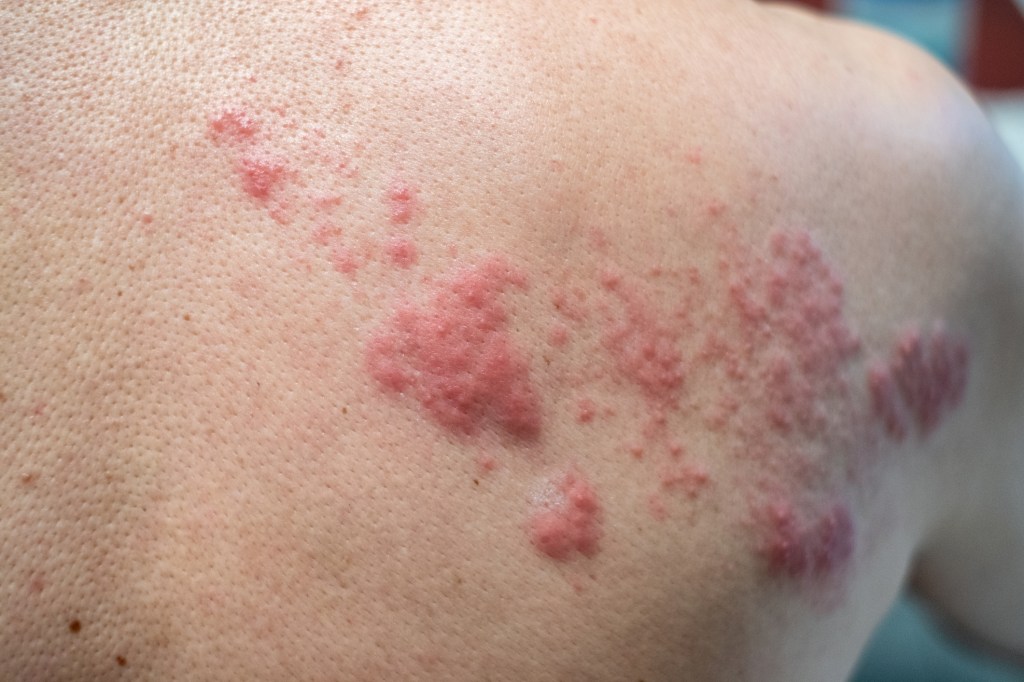
  • Tzanck test, examining the fluid from a blister to check for herpes simplex or herpes zoster.

How are skin diseases treated?

Many skin diseases respond well to treatment. Depending on the condition, a dermatologist (doctor specializing in skin) or other healthcare provider may recommend:

You may also reduce symptoms of skin conditions by making lifestyle changes:

  • Avoid or limit certain foods, such as sugar or dairy, if your healthcare provider suggests it.
  • Manage stress.
  • Practice good hygiene, including proper skin care.
  • Avoid excessive alcohol use and smoking.

Are there conditions that put me at higher risk of developing a skin disease?

Some health conditions can increase your chances of developing a skin disease. You may be more likely to experience skin changes or symptoms if you have:

  • Diabetes: People with diabetes may have trouble with wound healing, particularly on their feet.
  • Inflammatory bowel disease (IBD): Some IBD medications can lead to skin problems such as vitiligo or eczema.
  • Lupus: This chronic condition can lead to inflammation and skin problems, such as rashes, sores or scaly skin patches.

Skin changes can also be the result of pregnancy, stress or hormonal changes. For example, melasma is a common skin disease that mostly affects pregnant women. Conditions like alopecia areata, acne, Raynaud’s phenomenon or rosacea may get worse when you’re stressed.

How can I prevent skin diseases?

Some skin diseases are not preventable. For example, there is no way to change your genetics or prevent an autoimmune disorder.

You can take steps to avoid contagious or infectious skin diseases. You may prevent contagious skin diseases or reduce their symptoms if you:

  • Avoid sharing utensils, personal items or cosmetics.
  • Disinfect objects you use in public spaces, such as gym equipment.
  • Drink plenty of water and eat a nutritious diet.
  • Limit contact with irritants or harsh chemicals.
  • Sleep seven to eight hours per night.
  • Use sun protection to prevent sunburn and other sun damage.
  • Wash your hands regularly with soap and water.

Do skin diseases usually return after treatment?

Many skin conditions are chronic (long-lasting). Treatment can reduce symptoms, but you may need to continue medication or other treatments to keep symptoms at bay.

Some skin conditions go away without treatment. You may also have periods of remission (months or years with no symptoms).

What else should I ask my doctor?

You may also want to ask your healthcare provider:

  • What is the most likely cause of this skin condition?
  • What lifestyle changes can reduce symptoms?
  • Do I need to take medication?
  • Are there any side effects of treatment?
  • If I choose not to have treatment, will the condition get worse?

A note from QBan Health Care Services

Skin diseases include all conditions that irritate, clog or damage your skin, as well as skin cancer. You may inherit a skin condition or develop a skin disease. Many skin diseases cause itchiness, dry skin or rashes. Often, you can manage these symptoms with medication, proper skin care and lifestyle changes. However, treatment can reduce symptoms and may even keep them at bay for months at a time. Many skin conditions never go away completely. Also, remember to check your skin for any changes, including new or non-healing spots or changes in moles. Most skin cancers can be cured if diagnosed and treated early.

SORE THROAT

A sore throat is a scratchy or burning feeling in the back of your throat. It may hurt to swallow or talk. Most sore throats happen because of a viral infection, like the common cold or flu. Sore throat symptoms typically go away in a few days.

What is a sore throat?

A sore throat is a scratchy painful feeling in the back of your throat. If you have a sore throat, it may hurt to swallow or to talk. Many things cause sore throats, from bacterial and viral infections to allergies and sleeping with your mouth open. Most sore throat symptoms go away in a few days. You should contact a healthcare provider if your sore throat lasts longer than a week, gets worse or you develop symptoms like fever or swollen lymph nodes.

What does a sore throat feel like?

A sore throat may start with a raspy feeling in your throat, as if your throat is dry. It may also feel like your throat is on fire. If your sore throat gets worse, you may feel a sharp pain in your throat when you swallow or talk. You may feel pain in your ears or down the side of your neck.

Is a sore throat a serious issue?

It can be. For example, a sore throat that lasts more than two weeks may be a symptom of throat cancer. A sore throat is one symptom of COVID-19. Most of the time, however, a sore throat is a symptom of less serious conditions.

What are sore throat symptoms?

Apart from throat pain, sore throat symptoms may include:

What causes sore throats?

Most sore throats happen because you have a viral infection, like the common cold or flu. Sore throats may be a symptom of the following conditions or issues:

  • Bacterial infection: Strep throat and bacterial sinus infections are examples of bacterial infections that may cause sore throats.
  • Allergies: Allergic reactions to pollen, dust mites, pets or mold can make your throat dry and scratchy. Sore throat from allergies results from postnasal drip (when mucus from your nose drips down the back of your throat). The mucus irritates your throat and causes pain.
  • Tonsillitis: Tonsils are the two small lumps of soft tissue at the back of your throat. They trap the germs that make you sick. Tonsillitis occurs when your tonsils become infected and inflamed. Bacteria and viruses can cause tonsillitis.
  • Acid reflux: People with a condition called gastroesophageal reflux disease (GERD) feel burning and pain in their throat. This pain, called heartburn, happens when acid from your stomach backs up into your esophagus. Your esophagus is the tube that carries food from your throat to your stomach.
  • Overuse or irritants: You can strain your throat by yelling or screaming. You may also develop a sore throat if you eat spicy food, smoke or drink very hot liquids.
  • Mouth breathing: You may have a sore throat if you breathe through your mouth instead of your nose when you’re sleeping.

How do healthcare providers diagnose sore throat?

Healthcare providers diagnose sore throats by examining your throat, tongue and possibly your ears. They may do a strep test to rule out strep throat.

How do healthcare providers treat sore throat?

Treatment depends on what caused your sore throat. For example, if your throat is sore because you have a cold, a healthcare provider may recommend over-the-counter medication to ease your cold symptoms and for your sore throat. If you have strep throat, a healthcare provider may prescribe antibiotics to treat the bacterial infection. Other treatments for specific causes may include:

  • Over-the-counter antihistamine medication: Postnasal drip from allergies may cause sore throats. Antihistamines may dry postnasal drip.
  • Over-the-counter antacids: Antacids may help with acid reflux that causes heartburn and sore throats. Other steps, like avoiding big meals right before bedtime, may help.

What can I do for my sore throat?

Sucking on throat lozenges or hard candies may ease sore throat symptoms. Other suggestions include:

  • Drink warm liquids: Drinking tea with lemon and honey, broth or bouillon may help dry, scratchy throats.
  • Apply ice: Sucking on ice chips or popsicles may help sore throat pain.
  • Use a humidifier or vaporizer: Adding moisture to your environment, especially your bedroom when you’re sleeping, helps dry throats.
  • Rest: If your throat is sore from shouting, screaming, singing or even talking a lot, resting your voice may help.
  • Even more rest: Try to get as much rest as you can, including eight hours of sleep at night.
  • Avoid irritants: Second-hand smoke, smoking, spicy foods and very hot liquids may irritate your sore throat. If you smoke, please try giving up cigarettes or cigars for a few days.

What can I do to make a sore throat go away quickly?

First, find out why you have a sore throat. If a healthcare provider finds a cold or flu is the culprit, ask for recommendations for getting better as quickly as possible.

How do I prevent developing a sore throat?

Viral infections like colds and flu often cause sore throats. You can reduce your sore throat by protecting yourself against colds and flu. Some ways to do that include:

  • Washing your hands often, using soap and water or alcohol-based hand sanitizers.
  • Avoiding people who are sneezing and coughing.
  • If you do spend time with people who are sneezing and coughing, avoiding sharing food, drink or utensils.
  • Being vaccinated against the flu.

What can I expect if I have a sore throat?

Most of the time, a sore throat isn’t a serious medical issue. Most sore throats go away within a few days. You should contact a healthcare provider if your sore throat lasts longer than a few days or if you have a sore throat and the following issues:

  • Severe throat pain.
  • Trouble breathing or swallowing.
  • A fever, especially if it’s over 100.4 degrees Fahrenheit (38 degrees Celsius).
  • A visible bulge in the back of your throat.
  • Blood in your saliva or phlegm.
  • Extreme tiredness.
  • Rash anywhere on your body.

How do I take care of myself?

Most sore throats happen because you have a viral or bacterial infection. Taking care of the infection will help your sore throat. You can ease sore throat symptoms by:

  • Drinking a lot of fluid.
  • Getting as much rest as possible.
  • Using humidifiers or vaporizers.
  • Avoiding irritants like second-hand smoke.
  • Resting your voice.

A note from QBan Health Care Services

Maybe your sore throat started with a tickle in the back of your throat. Now that tickle is a pain — literally — and it hurts a lot when you swallow or talk. Most sore throats happen because you have a viral infection that will run its course in a week or so. But you may need antibiotics if your sore throat stems from a bacterial infection. Fortunately, there are many home remedies to ease sore throat pain. There are instances, however, when a sore throat may be a symptom of serious medical issue. If you have a sore throat that lasts for more than two weeks, talk to a healthcare provider.

BRONCHITIS

Bronchitis is when the airways leading to your lungs (trachea and bronchi) get inflamed and fill with mucus. You get a nagging cough as your body tries to get rid of the mucus. Your cough can last two or more weeks. Acute bronchitis is usually caused by a virus and goes away on its own. Chronic bronchitis never really goes away but can be managed.

What is bronchitis?

Bronchitis is an inflammation of the airways leading into your lungs.

When your airways (trachea and bronchi) get irritated, they swell up and fill with mucus, causing you to cough. Your cough can last days to a couple of weeks. It’s the main symptom of bronchitis.

Viruses are the most common cause of acute bronchitis. Smoke and other irritants can cause acute and chronic bronchitis.

What are the types of bronchitis?

When people talk about bronchitis, they usually mean acute bronchitis, a temporary condition that makes you cough. Some people get bronchitis so often that it’s considered chronic bronchitis.

Acute bronchitis

Acute bronchitis is usually caused by a viral infection and goes away on its own in a few weeks. Most people don’t need treatment for acute bronchitis.

Chronic bronchitis

You have chronic bronchitis if you have a cough with mucus most days of the month for three months out of the year. This goes on for at least two years.

If you have chronic bronchitis, you may have chronic obstructive pulmonary disease (COPD). Ask your provider about whether you should get tested for COPD.

Who does bronchitis affect?

Anyone can get bronchitis, but you’re at higher risk if you:

  • Smoke or are around someone who does.
  • Have asthma, COPD or other breathing conditions.
  • Have GERD (chronic acid reflux).
  • Have an autoimmune disorder or other illness that causes inflammation.
  • Are around air pollutants (like smoke or chemicals).

How does bronchitis affect my body?

When your airways are irritated, your immune system causes them to swell up and fill with mucus. You cough to try to clear the mucus out. As long as there’s mucus or inflammation in your airways, you’ll keep coughing.

What are the symptoms of bronchitis?

A persistent cough that lasts one to three weeks is the main symptom of bronchitis. You usually bring up mucus when you cough with bronchitis, but you might get a dry cough instead. You might also hear a whistling or rattling sound when you breathe (wheezing).

You might have other symptoms, including:

What causes bronchitis?

You almost always get bronchitis from a virus. However, nearly anything that irritates your airways can cause it. Infectious and noninfectious causes of bronchitis include:

  • Viruses. Viruses that cause bronchitis include influenza (the flu), respiratory syncytial virus (RSV), adenovirus, rhinovirus (the common cold) and coronavirus.
  • Bacteria. Bacteria that cause bronchitis include Bordetella pertussis, Mycoplasma pneumonia and Chlamydia pneumonia.
  • Pollution.
  • Smoking cigarettes or marijuana (cannabis).

How do you get bronchitis?

You get bronchitis when your airways swell up and fill with mucus. You can get the viruses and bacteria that cause bronchitis from close contact (shaking hands, hugging, touching the same surfaces) with someone who has them. You don’t have to have bronchitis yourself to pass on a virus to someone else who ends up with bronchitis.

Other irritants, like tobacco or pollutants, are in the air you breathe.

Is bronchitis contagious?

Bronchitis itself — inflammation of your airways — isn’t contagious, but the viruses and bacteria that can cause it are. For instance, if you’re sick with the flu, you might get bronchitis too. But when your friend gets the flu from you, their airways don’t get inflamed like yours did.

Is bronchitis a side effect of COVID-19?

You can get bronchitis with almost any virus, including SARS-CoV2, the virus that causes COVID-19. The symptoms of bronchitis can be similar to COVID-19, so make sure you get tested to know which one you have. There haven’t been any studies that show that COVID-19 is any more likely to cause bronchitis than other viral illnesses.

How is bronchitis diagnosed?

Your healthcare provider can tell if you have bronchitis based on your health history and symptoms (clinical diagnosis). They’ll listen to your lungs for signs of congestion and to make sure you’re breathing well. They might test you for viral infections, like the flu or COVID-19.

What tests will be done to diagnose this condition?

There aren’t any specific tests to diagnose bronchitis, but you might be tested for other conditions. Possible tests include:

  • Nasal swab. Your healthcare provider may use a soft-tipped stick (swab) in your nose to test for viruses, like COVID-19 or the flu.
  • Chest X-ray. If your cough lasts for a long time, you may get a chest X-ray to rule out more serious conditions. Your healthcare provider will use a machine to get pictures of your heart and lungs. They’ll look for signs of other diseases that could cause your symptoms.
  • Blood tests. Your provider may do blood tests, using a needle in your arm, to look for infections or check your overall health.
  • Sputum test. Your provider may have you cough and then spit into a tube. Your sample will be tested for signs of a virus or bacteria.
  • Pulmonary function tests. If your provider thinks you have chronic bronchitis, they may use a machine to test how well your lungs work.

How is bronchitis treated?

Acute bronchitis is usually not treated with medications. If you have the flu and your symptoms started within the past two days, your provider may prescribe antivirals to help it go away faster.

Since bronchitis is almost never caused by bacteria, antibiotics won’t help you get better and might even make you feel worse.

What medications are used to treat bronchitis?

Your healthcare provider probably won’t prescribe medications to treat your bronchitis. In some cases, you can use medications to help you with symptoms or to treat the underlying cause, including:

  • Antiviral medications. If your bronchitis is caused by the flu, your healthcare provider might prescribe an antiviral medication, like Tamiflu®, Relenza® and Rapivab®. If you start taking antivirals quickly after your symptoms start, you might feel better sooner.
  • Bronchodilators. Your provider might prescribe a bronchodilator (a drug that helps open your airways) if you’re having trouble breathing.
  • Anti-inflammatory medications. Your doctor might prescribe corticosteroids and other medications to reduce inflammation.
  • Cough suppressants. Over-the-counter or prescription cough suppressants (antitussives) may help with a nagging cough. This includes dextromethorphan (Robitussin®, DayQuil™, PediaCare®) and benzonatate (Tessalon Perles®, Zonatuss™).
  • Antibiotics. It’s very unlikely that you’ll be treated with antibiotics for bronchitis, unless your healthcare provider thinks you have a bacterial infection.
  • COPD/asthma treatment. If you have COPD or asthma, your provider may use additional medications or breathing treatments for chronic bronchitis.

Should I take antibiotics for bronchitis?

No, taking antibiotics won’t help you get over bronchitis in most cases. Antibiotics are used to destroy bacteria that make you sick. Bronchitis is caused by a virus 95% of the time. Antibiotics don’t help you get rid of a virus.

How do I manage the symptoms of bronchitis?

You can manage the symptoms of bronchitis at home with over-the-counter medicines and rest. Running a humidifier or taking warm showers can help loosen mucus and make breathing easier.

You can use ibuprofen (Advil®, Motrin®) or acetaminophen (Tylenol®) to help with the aches and pains that come with a viral infection.

How long are you contagious if you have acute bronchitis?

Bronchitis itself isn’t contagious, but some of its causes are. If your bronchitis is caused by a virus, you can be contagious for a few days to a week. If your bronchitis is caused by bacteria, you usually stop being contagious 24 hours after starting antibiotics.

Other causes of bronchitis aren’t contagious.

How can I reduce my risk of bronchitis?

The best way to reduce your risk of bronchitis is to avoid getting sick from viruses and other causes of lung irritation. Specific ways to reduce your risk include:

  • Try to avoid being around other people if you or they may be sick. This is especially true in the winter months when people gather indoors.
  • Avoid smoke and other irritants.
  • If you have asthma or allergies, avoid any triggers (including pets, dust and pollen).
  • Run a humidifier. Moist air is less likely to irritate your lungs.
  • Get plenty of rest.
  • Eat a healthy diet.
  • Wash your hands often with soap and water. If you’re not able to use soap and water, use a hand sanitizer that contains alcohol.
  • Make sure you are up-to-date on flu and pneumonia vaccines.

What’s the outlook for bronchitis?

Acute bronchitis usually isn’t serious. While frustrating, you have to wait out the symptoms for a few weeks. If you’re living with a heart condition or another breathing condition, like asthma, it could make your symptoms worse or last longer.

Chronic bronchitis can be a serious condition and might mean you have lung damage. While the damage can’t be reversed, your provider can help you manage your symptoms and have fewer flare-ups.

Complications of bronchitis

If you have an ongoing condition like asthma, diabetes, chronic obstructive pulmonary disease or heart failure, bronchitis might make it worse (exacerbation). Tell your healthcare provider if you have any ongoing conditions.

Can bronchitis go away on its own?

Yes, acute bronchitis usually goes away on its own. It’s almost always caused by a virus, and you can’t get rid of most viruses with medicine. You can treat the symptoms at home while you wait for the inflammation to go down.

Bronchitis caused by something else may need treatment to help it go away. Chronic bronchitis usually doesn’t go away completely, but can get better with treatment.

How long does it take to get over bronchitis?

Most people get over bronchitis in about two weeks, but it might take as long as three to six weeks. You can manage your symptoms at home with over-the-counter medicines while you get better. If you don’t feel better after three weeks, see your healthcare provider.

How do I take care of myself?

If you have chronic bronchitis, you can reduce the frequency of your symptoms by treating underlying conditions, like COPD. You and your healthcare provider can make a plan together to treat your specific concerns.

When should I see my healthcare provider about bronchitis?

It’s tough to know whether you have bronchitis or something more serious. See your healthcare provider if you have:

  • A cough that lasts more than three weeks.
  • A fever greater than 102° F.
  • A fever that lasts more than five days.
  • A cough that produces blood.
  • Shortness of breath or wheezing.

What questions should I ask my doctor?

  • What’s the best way to treat my symptoms at home?
  • How long should I expect bronchitis to last?
  • What new or worsening symptoms should I look out for?
  • When should I see you again if symptoms haven’t improved?

What’s the difference between bronchitis and pneumonia?

Bronchitis is an inflammation of the airways leading to the lungs. Pneumonia is an inflammation of the lungs themselves.

Bronchitis causes inflammation and mucus in your trachea and bronchi that make you cough a lot. Pneumonia causes inflammation and fluid in the small sacs in your lungs (alveoli) that makes it hard to breathe. You also usually have a cough and a fever. Pneumonia is more serious than bronchitis.

While you could have an infection that causes both, bronchitis doesn’t usually turn into pneumonia.

What’s the difference between bronchitis and bronchiolitis?

Bronchitis is inflammation in the larger airways (trachea and bronchi) coming into the lungs. Bronchiolitis is an inflammation of the next smaller airways (bronchioles) that come off of the bronchi. Children usually get bronchiolitis while adults get bronchitis.

Is menthol vapor rub good for bronchitis?

You might use vapor rubs, like Vicks VapoRub® or Mentholatum® ointment, for anything that ails you and wonder if they work for bronchitis. Vapor rubs have ingredients in them intended to calm down coughs, so they may help your bronchitis symptoms. Don’t use vapor rubs on children under two without asking your pediatrician first.

A note from QBan Health Care Services

Having bronchitis can be frustrating at best. Even once you’re free of a runny nose and body aches, the cough seems to last forever. Over-the-counter medicines and even home remedies, like honey, can help get you through until you feel better. If you’re having trouble managing your symptoms, talk to your healthcare provider.

If you frequently have bronchitis, you may have chronic bronchitis caused by an underlying condition that needs to be treated.

TONSILLITIS

Tonsillitis is a common condition that happens when your tonsils get infected. Symptoms typically include sore throat, fever and swollen lymph nodes. Treatment depends on whether the infection is viral or bacterial, and recovery usually takes about one week.

What is tonsillitis?

Tonsillitis occurs when your tonsils become infected. Tonsils are the two small lumps of soft tissue — one on either side — at the back of your throat. You can see your tonsils in a mirror by opening your mouth and sticking out your tongue.

Your tonsils are part of your immune system, and they help trap germs that make you sick. When your tonsils become infected, they get swollen and sore, and swallowing may hurt. The medical term for tonsillitis is “tonsillopharyngitis”, but most people call it a sore throat because that’s what it feels like.

Tonsillitis is most common in children and adolescents, but it can affect people of all ages. It rarely occurs in children under the age of 3. Most people have tonsillitis at least once in their lifetimes.

Symptoms of tonsillitis

Tonsillitis symptoms usually come on suddenly. They may include:

  • Sore or scratchy throat.
  • Pain or difficulty swallowing.
  • Red, swollen tonsils and throat.
  • White spots on your tonsils.
  • White, yellow or gray coating on your tonsils.
  • Fever above 100.4 degrees Fahrenheit (38 degrees Celsius).
  • Swollen lymph nodes (glands on the sides of your neck below your ears).
  • Stomachache or vomiting (more common in younger children).

What are the first signs of tonsillitis?

A sore throat is often the first symptom of tonsillitis. If you develop a sudden sore throat, keep an eye on your tonsils to see if they get red or swollen.

Tonsillitis causes

Viral infections are the most common cause of tonsillitis. But bacterial infections can cause it, too.

  • Viral tonsillitis: Viruses like those that cause the common cold and the flu cause up to 70% of tonsillitis cases. Commonly, people with viral tonsillitis have milder symptoms than those with bacterial tonsillitis.
  • Bacterial tonsillitis (strep throat): Bacteria, like Group A Streptococcus, cause other cases of tonsillitis. A common name for bacterial tonsillitis is strep throat. People without tonsils can still get strep throat. (In this case, it affects their throat instead of their tonsils.) Generally, bacterial tonsillitis causes more severe symptoms than viral tonsillitis.

How does tonsillitis spread?

The viruses and bacteria that cause tonsillitis are highly contagious. They’re passed along by:

  • Kissing or sharing utensils, foods or drinks.
  • Coming into close contact with someone who’s sick.
  • Touching a contaminated surface and then touching your nose or mouth.
  • Inhaling tiny particles that become airborne when a sick person sneezes or coughs.

Risk factors

You have an increased risk of getting tonsillitis if you’re:

  • Between the ages of 5 and 15. Tonsillitis is most common in children and adolescents.
  • Exposed to germs frequently. Those who work or go to school in buildings with lots of other people have a higher risk of encountering the germs that cause tonsillitis. (Teachers who work closely with children are one example.)

Complications of tonsillitis

Tonsillitis can sometimes result in complications like:

People with untreated bacterial tonsillitis have a higher risk of developing:

How doctors diagnose tonsillitis

To diagnose tonsillitis, your healthcare provider will:

  • Examine your throat for redness and swelling.
  • Ask about other symptoms you’ve had, like a fever, cough, runny nose, rash or stomachache. This can help them rule out other conditions.
  • Look in your ears and nose for other signs of infection.
  • Feel the sides of your neck to see if your lymph nodes are swollen and tender.

Tests that are used

After confirming a tonsillitis diagnosis, your provider will need to determine whether the infection is viral or bacterial. To do this, they may request a bacteria culture test.

During this procedure, your provider will swipe the back of your throat with a long cotton swab to gather cells and saliva. Then, they’ll check the sample to see if it tests positive for Group A Streptococcus bacteria. If your results are positive, you have strep throat. If your results are negative, you have viral tonsillitis.

How is tonsillitis treated?

Tonsillitis treatment depends on the cause. While symptoms of viral tonsillitis and bacterial tonsillitis can be similar, their treatments are different. Treatment may include:

  • Antibiotics, if your infection is bacterial. Your healthcare provider may prescribe antibiotics like penicillin, clindamycin or cephalosporin. It’s important to follow your healthcare provider’s instructions and take the full course of antibiotics, even if you’re feeling better after a couple of days. If you stop taking them too soon, the infection could get worse or spread to another part of your body.
  • Pain-relieving medications. Your provider may also recommend over-the-counter (OTC) pain relievers like ibuprofen or acetaminophen to help with your sore throat.
  • Tonsillectomy (tonsillitis surgery). If you have chronic or recurring (returning) tonsillitis, your healthcare provider may recommend a tonsillectomy. This is a procedure to surgically remove your tonsils.

Home remedies

In addition to your healthcare provider’s recommendations, you can relieve the symptoms of viral and bacterial tonsillitis by:

  • Drinking warm liquids, like tea, apple cider or broth.
  • Gargling with warm salt water.
  • Sucking on throat lozenges.

Can tonsillitis be prevented?

You can’t totally prevent tonsillitis. But you can reduce your risk by practicing good hygiene habits:

  • Wash your hands often, especially before touching your nose or mouth.
  • Avoid sharing foods, drinks or utensils with someone who’s sick.
  • Replace your toothbrush every three months and every time you get sick.

What can I expect if I have tonsillitis?

Most cases of viral tonsillitis clear up in a few days with fluids and plenty of rest. Antibiotics typically eliminate bacterial tonsillitis in about 10 days. Tonsillitis usually doesn’t cause any serious or lasting health problems.

How long does tonsillitis last?

In most cases, tonsillitis symptoms go away in three to four days. But if symptoms last longer, you should schedule a visit with your healthcare provider to rule out other, more serious issues.

When can I go back to work or school?

You should stay at home until your fever goes away and you can swallow comfortably again. This usually takes three to four days. If you’re unsure, ask your healthcare provider.

How do I take care of myself?

The best thing you can do is stay at home, get plenty of rest and drink lots of fluids. Following your healthcare provider’s guidance can ensure a speedy recovery.

When is tonsillitis an emergency?

You should contact your healthcare provider or an urgent care facility if you have:

  • A sore throat for more than four days.
  • A fever over 101 degrees F (38.33 degrees C).
  • Difficulty breathing.

Will tonsillitis go away on its own?

Viral tonsillitis typically goes away on its own in about one week. Bacterial tonsillitis takes about 10 days to run its course, but you’ll likely need antibiotics to reduce your risk of complications.

What does tonsillitis look like?

Tonsillitis usually causes visibly red and inflamed tonsils. In some cases, you might have a whitish coating on your throat or white spots on your tonsils.

Tonsillitis vs. strep: What’s the difference?

Strep throat is another common name for bacterial tonsillitis. You can get strep throat even if you don’t have your tonsils anymore.

A note from QBan Health Care Services

You know that feeling — that scratchy sensation in the back of your throat. You keep your fingers crossed, hoping it’ll go away. But when you wake up the next morning, it hurts to swallow. If this sounds like you, it could be tonsillitis. And it’s best to make an appointment with your healthcare provider. With some rest and medication, you’ll be feeling like yourself again in a few days.

TUBERCULOSIS

Tuberculosis is a bacterial infection that is also known as TB. It can be fatal if not treated. TB most often affects your lungs, but can also affect other organs like your brain.

What is tuberculosis?

Tuberculosis is an infectious disease that can cause infection in your lungs or other tissues. It commonly affects your lungs, but it can also affect other organs like your spine, brain or kidneys. The word “tuberculosis” comes from a Latin word for “nodule” or something that sticks out.

Tuberculosis is also known as TB. Not everyone who becomes infected with TB gets sick, but if you do get sick you need to be treated.

If you’re infected with the bacterium, but don’t have symptoms, you have inactive tuberculosis or latent tuberculosis infection (also called latent TB). It may seem like TB has gone away, but it’s dormant (sleeping) inside your body.

If you’re infected, develop symptoms and are contagious, you have active tuberculosis or tuberculosis disease (TB disease).

The three stages of TB are:

  • Primary infection.
  • Latent TB infection.
  • Active TB disease.

How common is tuberculosis?

About 10 million people became ill with TB throughout the world, and about 1.5 million people died from the disease in 2020. TB was once the leading cause of death in the U.S. but the number of cases fell rapidly in the 1940s and 1950s after researchers found treatments.

Statistics show that there were 7,860 tuberculosis cases reported in the U.S. in 2021. The national incidence rate is 2.4 cases per 100,000 people.

Are there different kinds of tuberculosis?

In addition to active or inactive, you might hear about different kinds of TB, including the most common, pulmonary (lung) tuberculosis. But the bacterium can also affect other parts of your body besides the lungs, causing extrapulmonary tuberculosis (or TB outside of the lung). You might also hear about systemic miliary tuberculosis, which can spread throughout your body and cause:

  • Meningitis, an inflammation of your brain.
  • Sterile pyuria, or high levels of white blood cells in your urine.
  • Pott’s disease, also called spinal tuberculosis or tuberculosis spondylitis.
  • Addison’s disease, an adrenal gland condition.
  • Hepatitis, a liver infection.
  • Lymphadenitis in your neck, also called scrofula or TB lymphadenitis.

What causes tuberculosis?

TB is caused by the bacterium Mycobacterium tuberculosis. The germs are spread through the air and usually infect the lungs, but can also infect other parts of the body. Although TB is infectious, it doesn’t spread easily. You usually have to spend a lot of time in contact with someone who is contagious in order to catch it.

How is tuberculosis spread?

TB can be spread when a person with active TB disease releases germs into the air through coughing, sneezing, talking, singing or even laughing. Only people with active pulmonary infection are contagious. Most people who breathe in TB bacteria are able to fight the bacteria and stop it from growing. The bacterium becomes inactive in these individuals, causing a latent TB infection.

As many as 13 million people in the U.S. have latent TB. Although the bacteria are inactive, they still remain alive in the body and can become active later. Some people can have a latent TB infection for a lifetime, without it ever becoming active and developing into TB disease.

However, TB can become active if your immune system becomes weakened and cannot stop the bacteria from growing. This is when the latent TB infection becomes active TB. Many researchers are working on treatments to stop this from happening.

What are the signs and symptoms of tuberculosis?

People with inactive TB do not exhibit symptoms. However, they may have a positive skin reaction test or blood test.

Those with active TB can show any of the following symptoms:

What kinds of tests are used to diagnose tuberculosis?

There are two kinds of screening tests for TB: the Mantoux tuberculin skin test (TST) and the blood test, called the interferon gamma release assay (IGRA).

For the TST, a healthcare provider will inject a small amount of a substance called purified protein derivative (PPD) under the skin of your forearm. After two to three days, you must go back to the healthcare provider, who will look at the injection site.

For the IGRA, a healthcare provider will draw blood and send the sample to the lab.

Further tests to determine if an infection is active or if your lungs are infected include:

How do I know if I should get tested for tuberculosis?

You may want to get tested for TB if:

  • You are a resident or employee in group settings where the risk is high, such as jails, hospices, skilled nursing facilities, shelters and other healthcare facilities.
  • You work in a mycobacteriology laboratory.
  • You’ve been in contact with someone who’s known or suspected to have TB disease.
  • Your body’s resistance to illness is low because of a weak immune system.
  • You think you might already have TB disease and have symptoms.
  • You’re from a region or have lived in a region where TB disease is prevalent, such as Latin America, the Caribbean, Africa, Asia, Eastern Europe and Russia.
  • You’ve injected recreational drugs.
  • Your healthcare provider recommends testing.

Others who are at risk for TB include:

  • People with immature or impaired immune systems, such as babies and children.
  • People with kidney disease, diabetes, or other chronic (long-term) illness.
  • People who have received organ transplants.
  • People being treated with chemotherapy for cancer or other types of treatments for immune system disorders.

The incidence rates for minority groups in the U.S. are higher than the incidence rates for whites.

How is tuberculosis treated?

TB infection and disease is treated with these drugs:

  • Isoniazid (Hyzyd®).
  • Rifampin (Rifadin®).
  • Ethambutol (Myambutol®).
  • Pyrazinamide (Zinamide®).
  • Rifapentine (Priftin®).

You must take all of the medication your provider prescribes, or not all of the bacteria will be killed. You will have to take these medications for as long as you’re told — sometimes up to nine months.

Some forms of TB have become resistant to medications. It’s very important and likely that your provider will use more than one drug to treat TB. It’s very important to finish your entire prescription.

Complications/side effects of treatment

Some people have side effects from the drugs used to treat TB that may include:

  • Skin rashes and other reactions.
  • Nausea and stomach upset.
  • Itchy skin.
  • Yellow skin or eyes (jaundice).
  • Dark urine.

Talk to your provider about any side effects because some might mean that you’re experiencing liver damage.

How soon after starting treatment for active TB will I feel better?

It will probably take weeks before you start having more energy and fewer days with symptoms. However, it will take longer than that to complete your treatment. You’ll need to take your medications for at least six to nine months.

Can tuberculosis be cured?

Yes, TB is curable.

What can you do to prevent spreading tuberculosis?

You usually have to be in contact with someone with active TB for a long time before becoming infected. It helps to follow infection prevention guidelines like:

  • Washing your hands thoroughly and often.
  • Coughing into your elbow or covering your mouth when you cough.
  • Avoiding close contact with other people.
  • Making sure you take all of your medication correctly.
  • Not returning to work or school until you’ve been cleared by your healthcare provider.

In the hospital, the most important measures to stop the spread of TB are having proper ventilation and using the correct types of personal protective equipment.

Is there a vaccine to prevent tuberculosis?

Some countries (but not the U.S.) use a TB vaccine called Bacillus Calmette-Guerin (BCG). The vaccine is mostly given to children in countries with high rates of TB to prevent meningitis and a serious form of TB called miliary tuberculosis. The vaccine may make skin tests for TB less accurate.

What is the outlook (prognosis) for someone with tuberculosis?

If you have tuberculosis and you’re treated, your outlook is good if you’ve followed directions and taken your medications for as long as you should and in the way you were told.

When should I see my healthcare provider?

If you’ve been exposed to TB, you should talk to your healthcare provider right away. They can help you make a decision about getting tested. That decision is more important if you’ve developed any symptoms of illness that could mean you’re contagious. Remember, even though tuberculosis can be treated, it can also be fatal if it’s not treated.

A note from QBan Health Care Services

Tuberculosis is an infection that is spread through the air. Even though it can be treated, it’s still responsible for many deaths around the world. Make sure you contact your healthcare provider if you think you’ve been exposed or have symptoms of TB. Also, make sure to follow instructions if you’re treated for TB. Ask your healthcare provider if you have any questions.