
PARASITIC INFECTION

Parasitic infections are diseases caused by organisms that live off of another living thing. They can cause fever, fatigue, intestinal symptoms, skin rashes or neurological symptoms. You can get them from contaminated food, water or surfaces, bug bites and eating undercooked meat. Antiparasitic medications treat parasitic infections.

What is a parasitic infection?

Parasitic infections are any illnesses or conditions caused by parasites living and reproducing in your body. Parasites are organisms that need another living thing (a host) to get the nutrients they need to survive.

Parasitic infections often cause intestinal illness, with symptoms like diarrhea and vomiting. But they can also give you itchy skin rashes or infect other parts of your body, like your brain or lungs.

What are the types of parasitic infection?

There are three main types of parasites that cause infections in humans:

  • Protozoa.
  • Helminths.
  • Ectoparasites.

Protozoal infections

Protozoa are single-celled parasites. They can infect your blood, intestinal tract (gut), brain, skin, eyes and other parts of your body.

Helminth infections

Helminth is a general term for parasitic worms. Scientists further classify them as flukes (trematodes), tapeworms (cestodes), roundworms (nematodes) and thorny-headed worms (acanthocephalans). Both adults and immature (larval) helminths can infect you. Helminths usually infect your intestinal tract, but they can also infect your skin, brain and other tissues.

Ectoparasitic infections

Ectoparasites are insects and arachnids (spider-like bugs) that burrow into your skin and live there. This includes ticks, mites, lice and fleas. They usually don’t infect other parts of your body.

What are the most common parasitic infections?

Millions of people around the world get parasitic infections every year. The most common parasitic infections include:

Other examples of parasitic infections include:

What are the symptoms of parasitic infections?

Symptoms of parasitic infections depend on where in your body you’re infected. Some common symptoms include:

  • Fever.
  • Muscle aches.
  • Fatigue.
  • Nausea.
  • Vomiting.
  • Diarrhea.

Depending on where you’re infected, you might have:

  • Neurological symptoms, like seizures, severe headache or disorientation.
  • Skin symptoms, like redness, itching, rash or sores.

Sometimes parasitic infections don’t cause any symptoms.

How do you get parasitic infections?

You can get parasitic infections from:

  • Drinking contaminated water or getting it in your mouth.
  • Eating undercooked meats.
  • Eating contaminated foods (like food washed with contaminated water).
  • Mosquito bites, tick bites, fly bites or other bites from insects that carry parasites.
  • Contaminated surfaces.
  • Unprotected sex.
  • Contaminated dirt (soil).

Some parasitic infections can pass from a pregnant person to the fetus.

What are the risk factors for parasitic infections?

Some parasitic infections, like pinworms, are common all over the world. Many other parasitic infections are more common in rural areas of the world without developed sanitation systems. People who are at higher risk for parasitic infections include:

How are parasitic infections diagnosed?

Providers diagnose parasitic infections by looking for parasites or signs of parasites (like their eggs) in body fluids or tissues. To test you for parasites, a provider might take samples of your:

  • Poop (stool).
  • Blood.
  • Skin or other affected tissue.
  • Phlegm (sputum).
  • Fluid around your brain and spinal cord (CNS fluid).

A provider may also use other tests, such as X-rays, MRI or CT scans to diagnose a parasitic infection, depending on your symptoms.

How do you know if you have a parasitic infection?

Symptoms of parasitic infections can be similar to many other infectious diseases. The only way to know for sure if you have a parasitic infection is to have a provider evaluate you.

How are parasitic infections treated?

Providers use different medications to treat various types of parasitic infections, including:

Sometimes you might need a combination of different medications to cure the infection. Your provider will select a treatment that’s best for the specific type of parasitic infection you have.

How do you get rid of parasites in your body?

Most parasites will only go away with medication or a combination of medications. Providers treat some skin infections, lice and mites with medicated lotions or shampoos.

Can parasitic infections be prevented?

Following a few precautions can reduce your risk of parasitic infections, including:

  • Wash your hands frequently. It’s especially important to wash your hands when preparing food, before eating, after going to the bathroom and after changing diapers.
  • Don’t swim when you have diarrhea. Wait until you haven’t had diarrhea for at least two weeks before swimming in a public pool again.
  • Practice safe food habits. This includes storing food properly, heating meat and poultry to a safe temperature, and washing or peeling fruits and vegetables before eating.
  • Use a condom or dental dam during any kind of sex.
  • Protect yourself from bug bites. Wear protective clothing, use bug spray and sleep under mosquito netting if necessary.
  • Be an informed traveler. Learn about infectious diseases in your destination that you may need to take special precautions against. Some precautions might include taking prophylactic medications (before you get sick) or getting vaccinated.

What can I expect if I have a parasitic infection?

What you can expect with a parasitic infection depends on:

  • What kind you have.
  • How severe it is.
  • Whether or not you have a compromised immune system.
  • How well you respond to standard treatments.

Some parasitic infections respond well to medications. But some infections can last for a long time or keep coming back. Ask your healthcare provider what to expect in your specific situation.

When should I see my healthcare provider?

See your healthcare provider if you have symptoms of a parasitic infection. Let them know if you recently:

  • Traveled.
  • Could have been bitten by a tick, mosquito or other bug, even if you don’t remember being bitten.
  • Swam in water that could have been contaminated.
  • Ate or drank something that could have been contaminated.

When should I go to ER?

Go to the emergency room if you experience any of these symptoms of severe illness:

What questions should I ask my doctor?

It might be helpful to ask your healthcare provider:

  • How did I get this infection?
  • What are my treatment options?
  • Am I contagious?
  • How long until I feel better?
  • How can I take care of myself at home?
  • What new or worsening symptoms should I look out for?
  • When should I follow up with you?

A note from QBan Health Care Services

Parasitic infections affect millions of people around the world. Some people show no signs of these infections, while others develop life-threatening symptoms. Providers can cure most parasitic infections with medication. You can also take precautions to protect yourself against infections, especially when you’re traveling. If you have symptoms of a parasitic infection, talk to a healthcare provider. They can tell you about treatment options and answer any concerns you have.

VIRAL INFECTION

Viral infections are any illness you get from a virus (a small germ that uses your cells to reproduce). Common viral illnesses include colds, the flu, COVID-19, norovirus (“stomach flu”), HPV (warts) and herpes simplex virus (cold sores). Many viruses go away on their own, but some cause life-threatening or chronic illnesses.

What is a viral infection?

Viral infections are illnesses you get from tiny organisms that use your cells to make more copies of themselves (viruses). Viral infections commonly cause respiratory and digestive illnesses, but viruses can also infect most other parts of your body.

What is a virus?

A virus is a type of germ (pathogen) that’s so small, you can only see it under a microscope. All viruses carry a small piece of genetic information (DNA or RNA) inside a protective coating (capsid). You can think of it like an envelope carrying instructions. Our cells, on the other hand, are like an entire factory: They contain instructions and all the equipment needed to carry them out. These instructions tells us how to build proteins and make more cells.

Unlike you and me, viruses don’t have cells, which means they don’t have all the “machinery” they need to make more of themselves. So, if they want to make copies of their instructions (replicate), they have to break into our cells and use our machinery to do it. Viruses replicating is what makes you sick with a viral infection.

How do you tell if a disease is viral or bacterial?

Viruses and bacteria can cause similar symptoms, like fever, cough and rashes. The only way to know what kind of infection you have is to have a healthcare provider assess you. If you have symptoms that last more than a few days or that concern you, see your provider.

What are the types of viral infections?

You might hear viruses described by what part of your body they infect, how they spread or what symptoms they cause. Some viruses, like herpes viruses and adenoviruses, can cause many different types of illness. Types of viral infections include:

  • Respiratory infections.
  • Digestive system infections.
  • Viral hemorrhagic fevers.
  • Sexually transmitted infections (STIs).
  • Exanthematous (rash-causing) infections.
  • Neurological infections.
  • Congenital infections.

Respiratory infections

Respiratory infections affect your nose, throat, airways and lungs. Many respiratory viruses can cause bronchitis, sinusitis, ear infections or pneumonia. Examples include:

Viral infections in your digestive system

Viral infections in your digestive system can affect your stomach and intestines (GI tract) or your liver. These include:

  • Norovirus, rotavirus and astrovirus can cause gastroenteritis, sometimes called “stomach flu.”
  • Hepatitis viruses cause liver disease. These infections often last a long time (chronic).

Viral hemorrhagic fevers

Hemorrhagic fevers affect how your blood clots and can weaken your blood vessels, causing potentially life-threatening bleeding. Examples include:

Sexually transmitted viruses

Sexually transmitted diseases are mainly spread by sexual contact, including oral, anal and vaginal sex. Examples include:

Exanthematous viral infections

Exanthematous viral infections cause rashes that can appear as bumps or blisters on your skin or spots of blood under your skin. They can also cause respiratory or other symptoms. Examples of exanthematous infections include:

Neurological infections

Some viruses attack the cells of your nervous system (your brain and spinal cord). These can cause paralysis, swelling of your brain or its covering (encephalitis or meningitis) and other life-threatening conditions. Examples include:

Congenital viral infections

Congenital viral infections are those you’re born with. They pass from a pregnant person to the fetus while it’s developing or during birth. Depending on the virus, this can cause various health issues, including vision or hearing loss, developmental delays and neurological conditions. Viruses known to cause congenital infections include:

Who do viral infections affect?

All of us will get viral infections at some point. But you’re at increased risk of serious illness from certain types of viruses if you:

What are the symptoms of a viral infection?

Symptoms of a viral infection depend on where you’re infected, but some common ones include:

  • Flu-like symptoms: fever, head and body aches, fatigue.
  • Upper respiratory symptoms: sore throat, cough, sneezing.
  • Digestive symptoms: nausea, vomiting, diarrhea.
  • Skin conditions: rashes, sores, blisters, warts.

Many viral infections don’t cause any symptoms.

What causes viral infections?

Many different types of viruses can cause infections, though only a few infect humans. They can get into your body through your nose, mouth, eyes, anus or genitals, or through a break in your skin. Once there, they get inside of your cells and use them to make more copies of themselves.

How do you get a viral infection?

Common ways you can get viral infections include:

  • From other people (through coughing, sneezing or close contact).
  • From surfaces or objects that someone with a virus has touched (like countertops, doorknobs or phones).
  • Through vaginal, oral or anal sex.
  • From a bite from an infected animal, mosquito or tick.
  • From eating contaminated food or swallowing contaminated water.

Are viral infections contagious?

Yes, nearly all viral infections are contagious (can spread from person to person). Viruses need to infect living things to reproduce, so human viruses survive by spreading between people.

How are viral infections diagnosed?

A healthcare provider can often diagnose you with a viral infection by listening to your symptoms and examining you. To diagnose a specific virus, your provider might swab your nose or throat or take a blood sample for testing.

If they think you have a viral infection causing serious inflammation in your lungs, brain or another internal organ, your provider might get X-rays, ultrasound, MRI or CT imaging. Imaging can’t diagnose a viral infection, but it can help your provider understand how it’s affecting your body.

Tests for viral infections

Your provider might send body fluid or tissue samples to a lab to look for signs of a viral infection (viral DNA/RNA, antibodies or antigens). Types of samples they might take include:

How are viral infections treated?

Specific medications are only available for a few viral infections. For viruses that can cause life-threatening or chronic illness, a provider may prescribe antiviral medications or treatment that prevents you from getting sick after being exposed to a virus.

For infections that rarely cause serious illness, like the common cold, you can usually treat the symptoms at home while you wait for them to go away on their own.

What medications are used to treat viruses?

Medications a healthcare provider might prescribe to treat viral infections include antiviral medications, convalescent plasma and post-exposure prophylaxis.

Antiviral medications

Antiviral medications stop viruses from making more copies of themselves (replicating). They can be used to manage chronic infections or shorten the length of some respiratory infections. They can only treat one type of virus — they don’t work on other viruses. Antivirals are available for the flu, COVID-19, hepatitis B and C, HIV and mpox.

Convalescent plasma

In some cases, providers can treat someone with a life-threatening viral infection with a blood transfusion. For convalescent plasma treatment, someone who has recovered from an infection with the same virus donates their blood. Your provider gives you the plasma from the blood through an IV. The plasma contains antibodies, which help you fight the infection. Providers have treated some cases of COVID-19 and Ebola with convalescent plasma.

Post-exposure prophylaxis

Treatments for certain life-threatening viral infections can prevent you from getting sick after being exposed. A provider has to give you these treatments before you have symptoms. These include antiviral medications and immunoglobulin (antibody) treatment. Post-exposure prophylaxis is available for:

  • HIV.
  • Rabies.
  • Hepatitis B.
  • Chickenpox.

Do antibiotics work on a viral infection?

No, antibiotics can’t treat or cure illnesses caused by a virus. You provider will only give you antibiotics if they think you have a bacterial infection.

How do I manage my symptoms?

If you have a mild respiratory or GI tract infection without complications, you can often manage the symptoms at home. Using over-the-counter (OTC) medications, drinking plenty of fluids and getting enough rest can help get you through until you’ve fought off the virus. It’s always a good idea to ask a healthcare provider what medications are OK to take.

How can I prevent viral infections?

One of the best ways to reduce your risk of a viral illness is to get vaccinated. A healthcare provider can tell you which vaccinations are recommended for you. Vaccinations are available for:

Other ways to protect yourself and others from viruses include:

  • Wash your hands frequently, especially during cold and flu season.
  • Practice safe food habits. This includes storing food properly, heating meat and poultry to a safe temperature, and washing or peeling fruits and vegetables before eating.
  • Use a condom or dental dam during any kind of sex.
  • Protect yourself from bug bites. Wear protective clothing, use bug spray and sleep under mosquito netting if necessary.
  • Don’t handle wild or aggressive animals. Don’t leave your pets outside unsupervised, where they could potentially get bitten by an animal with rabies.
  • Avoid being around other people if you’re sick.
  • Get post-exposure prophylaxis. If you’ve been exposed to certain viruses, post-exposure prophylaxis can prevent you from getting a life-threatening illness. Talk to a provider right away if you think you’ve been exposed to rabies, HIV, hepatitis B or chickenpox.

What can I expect if I have a viral infection?

What to expect depends on what kind of viral infection you have. You can usually manage less serious infections, like the common cold or skin infections, at home. Other viral infections can cause life-threatening or long-lasting illness.

How long do viral infections last?

Viral infections can vary a lot in how long they last, for instance:

  • Respiratory infections can last a few days to two weeks.
  • A wart on your skin can last for a year or longer.
  • Hepatitis B and C can cause chronic infections that last for years.
  • HIV infections aren’t curable and are lifelong.

Complications of viral infections

Viral infections can cause serious complications, both shortly after getting sick or years later. Complications include:

  • Inflammation in your lungs (pneumonia). Respiratory illnesses can infect your lungs and cause swelling that can make it hard to breathe. You may have to be treated in the hospital for severe pneumonia.
  • Inflammation in your brain or its lining (encephalitis or meningitis). If a virus moves to your brain from another part of your body, it can cause swelling. This can be life-threatening.
  • Severe bleeding. Hemorrhagic illnesses, like severe dengue, can cause life-threatening bleeding.
  • Reactivation. Some viral infections can stay in your body for a long time, even if you no longer have symptoms — or you never had symptoms at all. A virus that’s not reproducing or causing symptoms in your body is called dormant. Viruses like Epstein-Barr (EBV), HPV, herpes simplex and varicella can reactivate in your body and cause symptoms years later.
  • Cancer. Some viruses that stay in your body for long periods of time can cause cancer (oncoviruses). HPV, Epstein-Barr, HIV, hepatitis B and C, human T-lymphotropic virus 1 (HTLV-1) and human herpesvirus 8 (HHV-8) have all been linked to specific cancers.

When should I see my healthcare provider?

Contact a healthcare provider if:

  • You have symptoms of a viral infection that aren’t getting better or are getting worse after several days.
  • You have symptoms of the flu or COVID-19 and are at risk for serious illness. Your provider may be able to treat you with antiviral medications.
  • You’ve been exposed to HIV, rabies, hepatitis B or chickenpox. You need post-exposure prophylaxis as soon as possible after exposure.

When should I go to the ER?

Go to the nearest ER or seek immediate medical attention if you have signs of a serious infection, including:

  • High fever (103 degrees Fahrenheit/39.4 degrees Celsius).
  • Difficulty breathing.
  • Chest pain.
  • Coughing up blood.
  • Severe stomach (abdominal) pain.
  • Confusion or other mental changes.

What questions should I ask my doctor?

  • How do I prevent spreading this to other people?
  • How do I use my medication?
  • How long will it take to feel better?
  • What can I do to manage my symptoms at home?
  • When should I follow up with you?

A note from QBan Health Care Services

Viral infections are common and usually not serious. We manage colds, the occasional stomach bug, and bumps and sores on our skin on a regular basis. But some viruses cause life-threatening illnesses, and some common illnesses — like the flu — can turn serious. This is why it’s important to take steps to protect yourself and those around you from viral infection. Vaccinations, good hand-washing habits and safe sex can all help you stay healthy.

FUNGAL INFECTIONS

Fungal infections are any disease or condition you get from a fungus. They usually affect your skin, hair, nails or mucous membranes but they can also infect your lungs or other parts of your body. You’re at higher risk for fungal infections if you have a weakened immune system. Antifungal medications are usually used to treat fungal infections.

What are fungal infections?

Fungal infections, or mycosis, are diseases caused by a fungus (yeast or mold). Fungal infections are most common on your skin or nails, but fungi (plural of fungus) can also cause infections in your mouth, throat, lungs, urinary tract and many other parts of your body.

What are fungi?

Fungi are living things that are classified separately from plants or animals. They move around by spreading out or sending spores (reproductive parts) into the air or environment. Many fungi live naturally in our body (mouth, GI tract, skin) but can overgrow under certain circumstances.

Scientists estimate that there are millions of fungi in the world, but only a small number of them are known to cause disease in people. This includes certain yeasts and molds.

What does a fungal infection look like?

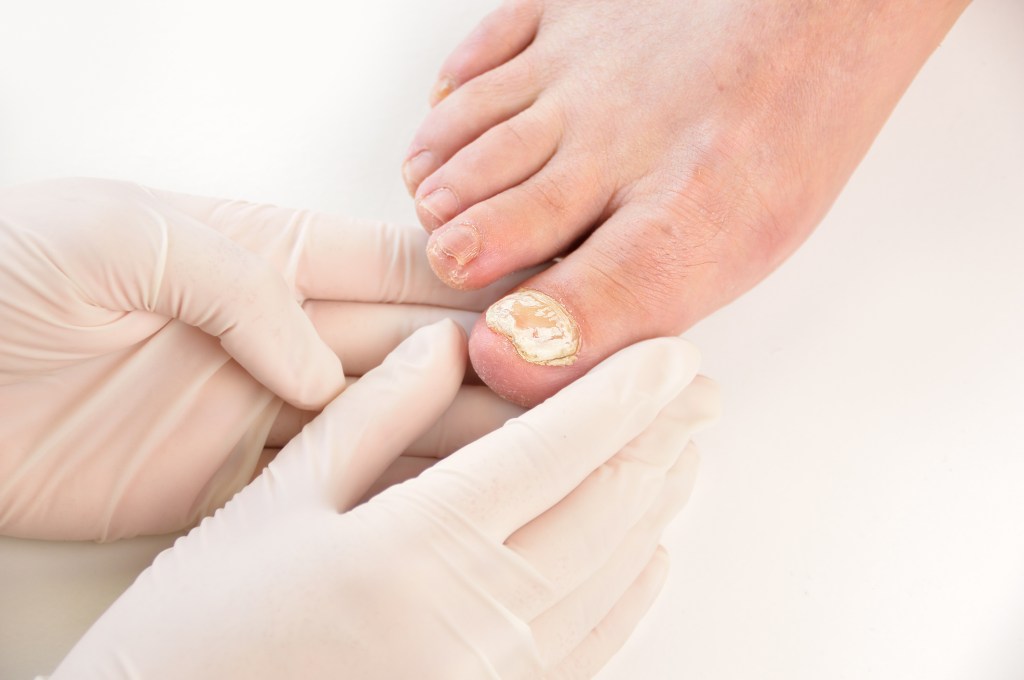
Fungal infections on or in your skin can look red, swollen or bumpy. They can look like a rash or you might be able to see a lump under your skin. Fungal infections in your nails can make them discolored (yellow, brown or white), thick or cracked. Fungal infections in your mouth or throat can cause a white coating or patches.

Who is most at risk for fungal infections?

Anyone can get a fungal infection, especially ones that affect your skin or nails. Fungal infections are more common in places on your body that trap moisture or have a lot of friction. You’re at higher risk for infection, especially severe ones, if you have poor circulation or diabetes, or if you have a weakened immune system from:

Is a fungal infection serious?

The most common fungal infections, like those on your skin or nails, aren’t usually serious. If you have a weakened immune system, you’re at higher risk of serious illness from certain fungal infections.

What are the types of fungal infections?

Fungal infections can be on the surface of your skin, nails or mucous membranes (superficial or mucocutaneous), underneath your skin (subcutaneous) or inside other organs of your body — like your lungs, brain or heart (deep infection).

Superficial fungal Infections

Superficial fungal infections affect your nails, skin and mucous membranes (like your mouth, throat or vagina). Examples of superficial fungal infections include:

  • Ringworm (dermatophytosis). A group of fungi that live off of skin, hair and nail cells (dermatophytes) cause ringworm. They can infect your feet (tinea pedis/athlete’s foot), your groin and inner thighs (tinea cruris/jock itch), your scalp (tinea capitis), your hands (tinea manuum), your facial hair and skin around it (tinea barbae) and other parts of your body (tinea corporis).
  • Onychomycosis. Many types of fungi cause infections of your fingernails or toenails (onychomycosis). This can cause discolored and cracked nails.
  • Candidiasis. Candida (usually Candida albicans) causes skin and mucous membrane (mucocutaneous) infections called candidiasis. These include oral thrush, some types of diaper rash, vaginal yeast infections (vulvovaginitis), esophageal candidiasis and candida intertrigo.
  • Tinea versicolor/pityriasis versicolor. The fungus Malassezia causes skin discoloration called tinea versicolor or pityriasis versicolor.

Subcutaneous fungal infections

You can get a fungal infection under the surface of your skin (subcutaneous) if fungus gets into a cut or wound, usually through injury while working with plants (like a scratch from a thorn). They cause rashes, ulcers and other symptoms on your skin.

Subcutaneous fungal infections are more common in tropical and subtropical areas of the world. Examples include:

  • Sporotrichosis (rose gardener’s disease). Sporothrix fungus causes sporotrichosis. You can also get sporotrichosis in your lungs or other parts of your body.
  • Chromoblastomycosis. Many different fungi can cause chromoblastomycosis. It can cause a long-lasting (chronic) skin infections. Rarely, it spreads to other parts of your body.
  • Eumycetoma. Many different fungi can cause eumycetoma. It most commonly affects your feet.

Deep fungal infections

Deep fungal infections are found in places in your body other than your skin, like your lungs, blood, urinary tract or brain. Some are opportunistic infections, meaning that they usually only cause disease in people with weakened immune systems.

Deep or invasive fungal infections include:

  • Histoplasmosis. Histoplasma, the fungus that causes histoplasmosis, can infect your lungs, brain or other parts of your body. It’s commonly found in the Ohio and Mississippi River valleys.
  • Coccidioidomycosis (Valley fever). Caused by the fungus Coccidioides, coccidioidomycosis can infect your lungs and, rarely, move to other parts of your body. It’s most common in California and Arizona.
  • Blastomycosis. Blastomyces, the fungus that causes blastomycosis, commonly infects your bones, skin and lungs. Rarely, it can also infect your brain and spinal cord.
  • Aspergillosis. Aspergillus, the mold that causes aspergillosis, can cause several types of lung infections, including allergic bronchopulmonary aspergillosis (ABPA) and chronic pulmonary aspergillosis. It can also infect other parts of your body or form a fungus ball (aspergilloma).
  • Candidal urinary tract infection. Bacteria cause most urinary tract infections (UTIs), but some are caused by yeast such as Candida.
  • Invasive candidiasis. Various Candida species cause invasive candidiasis. It can infect your heart, blood (candidemia), brain, eyes (endophthalmitis), bones or other parts of your body.
  • Pneumocystis pneumonia (PJP). The fungus Pneumocystis jirovecii can infect your lungs and cause Pneumocystis jirovecii pneumonia (PJP).
  • Mucormycosis. A group of molds called mucormycetes cause mucormycosis. Mucormycetes can infect your sinuses and brain (rhinocerebral mucormycosis), lungs (pulmonary mucormycosis), intestines (gastrointestinal mucormycosis), skin (cutaneous mucormycosis) or many parts of your body at the same time (disseminated mucormycosis).
  • Cryptococcosis. Cryptococcus neoformans and Cryptococcus gattii cause cryptococcosis. They usually infect your lungs, but sometimes can infect your brain and spinal cord (cryptococcal meningitis).

What are the symptoms of fungal infections?

Symptoms of fungal infections depend on what kind of fungal infection you have and where on your body it is. Symptoms are most common on your skin, nails or mucous membranes (like your mouth, throat or vagina). Sometimes you can have symptoms of an infection in your lungs, brain, eye, intestinal tract or sinuses.

Symptoms of superficial or subcutaneous infections

Symptoms of superficial or subcutaneous infections can include:

  • Itching, soreness, redness or rash in the affected area.
  • Discolored, thick or cracked nails.
  • Pain while eating, loss of taste or white patches in mouth or throat.
  • A painless lump under your skin.

Symptoms of fungal infections in your lungs

Symptoms of fungal infections in your lungs include:

  • Cough, sometimes coughing up blood.
  • Fatigue (tiredness).
  • Fever.
  • Shortness of breath.
  • Muscle aches.
  • Joint pain.
  • Headache.
  • Night sweats.

Other symptoms of fungal infections

Symptoms of fungal infections in other parts of your body include:

  • Fungal infection in or around your brain: Headache, fever, neck pain, nausea/vomiting, sensitivity to light, confusion.
  • Fungal infection of your eye: Pain, redness, discharge, blurred vision, tearing, sensitivity to light.
  • Fungal infection of your intestinal tract: Abdominal pain, nausea, vomiting.
  • Fungal infection of your sinuses: Fever, nasal congestion, headache, one-sided facial swelling, face pain.

What causes fungal infections?

Yeast, molds and other types of fungus cause fungal infections. Most fungi don’t cause disease in people, but a few do. Some infections are opportunistic, meaning they usually don’t cause infections, but can take advantage of certain situations, like a weakened immune system.

Some common fungi you can get infections from include:

  • Dermatophytes. Dermatophytes are a group of fungi that live off of keratin, a substance in your hair, your nails and the outer layer of your skin. They don’t infect living tissue.
  • Candida. Candida albicans is a yeast that naturally lives on your body, usually without causing problems. Under certain conditions, it can grow too much and cause itching and redness. Rarely, it can cause serious infections.
  • Environmental fungi that live in soil or water. Examples include Histoplasma, Coccidioides, Blastomyces and Aspergillus.

How do they spread?

Common ways to get fungal infections include:

  • From damp public spaces, like showers and locker rooms.
  • Through a break in your skin or an injury.
  • From breathing fungus in from the environment (like soil or dust).
  • From taking antibiotics, which can allow some fungi that are naturally found on your body to grow out of control.
  • You can get some dermatophyte infections from direct contact with an infected person or animal.

Are fungal infections contagious?

Some superficial fungal diseases, like ringworm, can spread from person to person through direct contact. Studies suggest that Pneumocystis jirovecii infections can also spread from one person to another. Other deep infections, like fungus that you breathe into your lungs from the environment, aren’t usually contagious.

How is a fungal infection diagnosed?

How your healthcare provider diagnoses fungal disease depends on where it is on your body. They may look for signs of fungus in — or try to grow (culture) fungus from — samples of your:

If they think you have a fungal infection in your lungs, brain or other internal organ, they might get X-rays, MRI or CT imaging to look for signs of infection.

How do you cure fungal infections?

Many fungal infections can be cured with antifungal medication, which kills fungus in and on your body. What form of medication your healthcare provider prescribes depends on where the fungus is.

Some treatments may be available without a prescription (over-the-counter, or OTC), but it’s a good idea to check with your provider before treating a fungal infection.

What medications are used to treat them?

To treat a fungal disease, your provider may prescribe antifungal treatment in the form of:

  • Oral medication (pills).
  • IV medication, given to you at a doctor’s office or hospital directly into a vein.
  • Lotion, cream or powder.
  • Mouthwash or lozenges.
  • Eye drops.
  • Shampoo.

How can I reduce my risk of a fungal infection?

Ways to reduce your risk of various fungal infections include practicing good personal hygiene and protecting yourself from fungi that are found in the environment. Tips for avoiding fungal infections include:

  • Shower after getting dirty or sweaty. Don’t let areas of your skin stay damp.
  • Don’t walk barefoot in public bathrooms, showers or locker rooms.
  • Wear clean, dry, cotton underwear.
  • Take care of your teeth and mouth.
  • Clean and use contact lenses as directed by your eye care provider.
  • Keep your nails short and clean.
  • Only take antibiotics as prescribed. If you take antibiotics for too long, yeast can overgrow in your body and cause an infection.
  • Don’t share sporting equipment, towels or other personal items with other people.
  • Wear protective clothing, like gloves, boots, long pants and long-sleeved shirts when working with soil. Wear an N95 mask to avoid breathing in harmful fungus if you live in an area where it’s commonly found.
  • If you live in an area with harmful fungus in the soil, wear a mask or stay indoors with the windows closed during dust storms.

What can I expect if I have a fungal disease?

What to expect when you have a fungal infection depends on whether you have underlying conditions and where the infection is on your body. Fungal infections of your hair, skin and nails are usually not serious, but can take a while to completely go away with treatment. Deep fungal infections, like those in your lungs or other organs, can be life-threatening, especially if you’re living with a weakened immune system.

When should I see my healthcare provider?

If you have symptoms of a fungal infection, especially in your lungs or other internal organs, contact your healthcare provider. Make sure to follow up with them if you’ve been treating a fungal infection and it’s not getting better.

What questions should I ask my doctor?

  • What caused this infection and how can I avoid it in the future?
  • How do I prevent spreading the infection to other people?
  • When should I follow up with you?
  • How do I use this medication?
  • How long will it take to feel better?

A note from QBan Health Care Services

Fungi is around us all the time — in fact, some types of fungus live naturally on our bodies without us even thinking about it. So it’s not surprising that most of us will get a fungal infection at some point in our lives. Most can be resolved with treatment. If you have a weakened immune system or are at risk for severe or long-lasting infections, talk to your healthcare provider about how you can protect yourself.

BACTERIAL INFECTION

Bacterial infections are diseases that can affect your skin, lungs, brain, blood and other parts of your body. You get them from single-celled organisms multiplying or releasing toxins in your body. Common bacterial diseases include UTIs, food poisoning, STIs and some skin, sinus and ear infections. They’re often treated with antibiotics.

What is a bacterial infection?

Bacterial infections are any illness or condition caused by bacterial growth or poisons (toxins). You can get sick from getting harmful bacteria in your skin, gut (GI tract), lungs, heart, brain, blood or anywhere else in your body.

Harmful bacteria from the environment, an infected person or animal, a bug bite or something contaminated (like food, water or surfaces) can cause infections. Bacteria that’s not normally harmful but that gets into a place in your body where it shouldn’t be can also cause infections.

What is bacteria?

Bacteria are living things with only a single cell that can reproduce quickly. There are millions of bacteria that live all around us — in soil or water and on surfaces in our homes and workplaces. There are even millions of bacteria that live on your skin and inside of your body.

Most bacteria aren’t harmful, and many are even helpful. They can help you digest food and kill off other harmful forms of bacteria that try to invade your body. But even the helpful ones can hurt you if they grow where they’re not supposed to.

What’s the difference between a bacterial infection and viral infection?

Living, single-celled organisms that can reproduce on their own cause bacterial infections. Only a few types of bacteria cause illness in people.

An organism that’s not made up of cells causes viral infections. Viruses always need to infect humans or other living things to create more copies of itself.

Antibiotics can treat most bacterial infections, but only a few viral infections have medications that treat them.

What are the types of bacterial infections?

Bacteria can cause many types of infections, depending on how you’re exposed and what part of your body it infects. Some common types of bacterial infections include:

What are some examples of bacterial infections?

Common bacterial infections include:

Is a bacterial infection serious?

There are many bacterial infections that aren’t usually serious or can be treated easily with antibiotics. Impetigo and boils are examples. However, any bacterial infection that gets deep into your body, like in your blood, heart, lungs or brain, can be life-threatening.

How do bacterial infections spread?

Bacterial infections can spread through droplets or dust in the air, direct or indirect contact, a vector (like a tick or mosquito) or contaminated food or water (vehicular).

Airborne or droplet

You can get bacterial infections through the air from contaminated dust or droplets of water or mucus (like phlegm or snot). Legionnaires’ disease, pertussis (whooping cough), tuberculosis, meningococcal disease and strep throat spread this way.

Contact

You can get bacterial infections from direct contact with infected skin or mucous membranes, or from indirect contact with contaminated surfaces. Bacterial diseases you get by contact include skin infections and some sexually transmitted infections (STIs) like gonorrhea and chlamydia.

Vector

Infections you get from bugs (like mosquitos, ticks or fleas) are called vector-borne. You can get Rocky Mountain spotted fever, Lyme disease and shigellosis through vectors.

Vehicular

While it sounds like something you get from your car, “vehicular” usually means you get sick from water or food (the “vehicle” of transmission). You can get gut (gastrointestinal) infections from E. coli, Campylobacter and Salmonella bacteria in contaminated food or water.

Who do bacterial diseases affect?

Anyone can get a bacterial disease, and most of us will at some point in our lives. You’re at higher risk for getting an infection if you have:

How does a bacterial infection affect my body?

Bacteria can hurt your body either when they reproduce or by releasing poisons (toxins) that damage your cells. Infections that only affect the surface of your skin or mucous membranes (like your throat or intestines) aren’t usually serious, but sometimes, bacteria can spread in your body and cause life-threatening illnesses. If bacteria gets into your blood, it can cause sepsis, a reaction to the infection that causes organ damage, which is sometimes fatal.

What are common symptoms of a bacterial infection?

Symptoms of bacterial infections vary depending on where in your body is infected. The main symptom is often fever, except skin infections, which usually cause redness or pain on your skin. Common symptoms of bacterial infections include:

  • Fever.
  • Chills.
  • Fatigue (tiredness).
  • Headache.

Additional symptoms can include:

  • Skin: Redness, blisters, ulcers, swollen or painful skin.
  • GI tract: Diarrhea, stomach pain, nausea and vomiting.
  • Lungs: Cough, shortness of breath, chest pain and phlegm (sputum).
  • Lining around your brain (meningitis): Neck stiffness, nausea or vomiting, sensitivity to light and confusion.
  • In your bloodstream and spreading (septicemia): High fever, weakness, sweating and low blood pressure.
  • Heart (endocarditis): High fever, chest pain, night sweats, shortness of breath, cough, muscle and joint pain.
  • Urinary tract or genitals: Burning or pain when you pee, discharge from your penis or vagina, increased need to pee and painful intercourse.

What causes bacterial diseases?

Many kinds of bacteria cause infections. You usually get bacterial infections when bacteria get into your body through your mouth, your nose, your eyes or a cut in your skin. Sometimes, bacteria that normally live on your skin or in your body get into places they’re not supposed to (like through an injury) and reproduce.

How do you get a bacterial infection?

Common ways you can get bacterial infections include:

  • Eating or drinking contaminated food or water.
  • Eating or drinking unpasteurized dairy products.
  • Antibiotic use, which can kill the good bacteria that usually fight off bad bacteria.
  • From contaminated surfaces.
  • From other people (through coughing or close contact).
  • From getting contaminated water into your lungs (aspirating).
  • Through oral, anal or vaginal sex.
  • Through contaminated dirt (soil).
  • From a bite from an infected tick, mosquito or flea.
  • From a surgery or intubation (tube in your throat).

Are bacterial infections contagious?

Yes, many bacterial infections are contagious from person to person, including pertussis, tuberculosis, strep throat, meningococcal disease, bacterial STIs and MRSA. Infections you get from food, mosquitos or ticks are usually not contagious.

How are bacterial infections diagnosed?

A healthcare provider diagnoses a bacterial infection by listening to your symptoms, doing an examination (listening to your heart and lungs, feeling your abdomen, looking at your skin) and taking samples to test for bacteria.

If they think you have bacteria in your lungs, brain or other internal organ, they might get X-rays, ultrasound, MRI or CT imaging to look for signs of infection.

Tests for bacterial infections

Your provider might send body fluid or tissue samples to a lab to look for signs of an infection (antibodies or antigens). A lab technician might also try to grow bacteria from your samples. Types of samples they might take include:

How are bacterial infections treated?

Not all bacterial infections need to be treated — some go away on their own. When you do need treatment, healthcare providers use antibiotics. Depending on where your infection is and how serious it is, antibiotics can be prescribed as:

  • Oral medication (pills).
  • IV medication, given to you at a doctor’s office or hospital directly into a vein.
  • Ointment or cream.
  • Eye drops.

Complications/side effects of the treatment

Sometimes, certain antibiotics stop working and don’t kill or slow down bacteria (antibiotic resistance). Because of this, doctors and nurse practitioners are careful about when and how they prescribe antibiotics. They only prescribe them if they think they’ll help you. It’s important for you to take any medication as prescribed for the full course, even if you start to feel better.

How can I prevent bacterial infections?

Ways to reduce your risk of various types of bacterial infections include:

  • Get vaccinated. There are vaccines for many bacterial diseases, including tetanus, whooping cough, diphtheria and bacteria that cause certain forms of meningitis (Neisseria meningitides), pneumonia (Streptococcus pneumoniae, Haemophilus influenzae type b) and bloodstream infections.
  • Practice good hygiene. This includes maintaining good hand-washing habits, wearing clean and dry clothes and not sharing personal items with other people.
  • Keep wounds clean. Breaks in your skin allow bacteria to get in. Clean and cover cuts or wounds in your skin.
  • Practice safe food habits. This includes storing food properly, heating meat and poultry to a temperature that kills bacteria and washing or peeling fruits and vegetables before eating.
  • Use a condom or dental dam during any kind of sex.
  • Protect yourself from bug bites. Wear protective clothing, use bug spray and check yourself and your pets for ticks after being outdoors.

What can I expect if I have a bacterial infection?

What to expect depends on what kind of bacterial infection you have. Less serious bacterial infections are treatable with medication at home. Others require a hospital stay and can cause lasting damage. Bacterial infections in your internal organs or blood can be life-threatening.

Complications of bacterial infections

Bacterial infections inside of your body can cause serious complications. The most serious complication is sepsis, a life-threatening reaction to an infection that causes organ damage. Sepsis can be fatal.

How long do bacterial infections last?

If you’re prescribed antibiotics for a bacterial infection, you’ll usually have to take them for a week or two, though you’ll probably feel better sooner. Take all of your medication as prescribed, otherwise, you might not get rid of all of the bacteria.

What is the cure for bacterial infections?

Antibiotics usually cure bacterial infections. They sometimes go away on their own or can be treated without antibiotics, but it’s always best to check with a healthcare provider for the best way to treat them.

When should I see my healthcare provider?

Contact a healthcare provider if you have symptoms of a bacterial infection, especially if you’ve had them for more than a couple of days. Make sure to follow up with your provider if you’ve been treating an infection and your symptoms aren’t getting better or are getting worse.

When should I go to the ER?

Go to the nearest ER or seek immediate medical attention if you have signs of a serious infection, including:

  • High fever (103 degrees Fahrenheit or 39.4 degrees Celsius).
  • Confusion or other mental changes.
  • Neck stiffness with other symptoms of meningitis (headache, nausea, vomiting).
  • Low blood pressure.

What questions should I ask my doctor?

  • What caused this and how can I avoid it in the future?
  • How do I prevent spreading this to other people?
  • How do I use my medication?
  • How long will it take to feel better?
  • When should I follow up with you?
  • What can I do to help my symptoms at home?

A note from QBan Health Care Services

Bacteria live all around us — millions even live on or in us. They help us digest nutrients, protect us from harmful invaders and even help in making delicious foods. But, like puppies in a shoe factory, they can cause a lot of damage if they’re somewhere they’re not supposed to be. Bacterial infections can be a temporary nuisance, but they can also turn into a life-threatening situation. Always check with a healthcare provider to make sure you know the best way to manage a bacterial disease.

INFECTIOUS DISEASES

Infectious diseases are illnesses caused by harmful agents (pathogens) that get into your body. The most common causes are viruses, bacteria, fungi and parasites. Infectious diseases usually spread from person to person, through contaminated food or water and through bug bites. Some infectious diseases are minor and some are very serious.

What are infectious diseases?

Infectious diseases are illnesses caused by harmful organisms (pathogens) that get into your body from the outside. Pathogens that cause infectious diseases are viruses, bacteria, fungi, parasites and, rarely, prions. You can get infectious diseases from other people, bug bites and contaminated food, water or soil.

What’s the difference between infectious diseases and noninfectious diseases?

Infectious diseases are caused by harmful organisms that get into your body from the outside, like viruses and bacteria. Noninfectious diseases aren’t caused by outside organisms, but by genetics, anatomical differences, getting older and the environment you live in. You can’t get noninfectious diseases from other people, by getting a bug bite or from your food.

The flu, measles, HIV, strep throat, COVID-19 and salmonella are all examples of infectious diseases. Cancer, diabetes, congestive heart failure and Alzheimer’s disease are all examples of noninfectious diseases.

What are the types of infectious diseases?

Infectious diseases can be viral, bacterial, parasitic or fungal infections. There’s also a rare group of infectious diseases known as transmissible spongiform encephalopathies (TSEs).

  • Viral infections. Viruses are a piece of information (DNA or RNA) inside of a protective shell (capsid). Viruses are much smaller than your cells and have no way to reproduce on their own. They get inside your cells and use your cells’ machinery to make copies of themselves.
  • Bacterial infections. Bacteria are single-celled organisms with their instructions written on a small piece of DNA. Bacteria are all around us, including inside of our body and on our skin. Many bacteria are harmless or even helpful, but certain bacteria release toxins that can make you sick.
  • Fungal infections. Like bacteria, there are many different fungi. They live on and in your body. When your fungi get overgrown or when harmful fungi get into your body through your mouth, your nose or a cut in your skin, you can get sick.
  • Parasitic infections. Parasites use the bodies of other organisms to live and reproduce. Parasites include worms (helminths) and some single-celled organisms (protozoa).
  • Transmissible spongiform encephalopathies (TSEs/prion diseases). TSEs are caused by prions — faulty proteins that cause other proteins in your body, usually in your brain, to become faulty as well. Your body is unable to use these proteins or get rid of them, so they build up and make you sick. Prions are an extremely rare cause of infectious diseases.

What are common infectious diseases?

Infectious diseases are extremely common worldwide, but some are more common than others. For instance, each year in the United States, 1 out of every 5 people is infected with the influenza virus, but less than 300 people are diagnosed with prion diseases.

Some of the most common infectious diseases are listed here by type.

Common infectious diseases caused by viruses:

Common infectious diseases caused by bacteria:

Common infectious diseases caused by fungi:

Common infectious diseases caused by parasites:

Who is most at risk for getting infectious diseases?

Anyone can get an infectious disease. You may be at an increased risk if your immune system is weakened or if you travel to areas with certain highly transmissible diseases.

People at higher risk of infectious disease include:

  • Those with suppressed or compromised immune systems, such as those receiving cancer treatments, living with HIV or on certain medicines.
  • Young children, pregnant people and adults over 60.
  • Those who are unvaccinated against common infectious diseases.
  • Healthcare workers.
  • People traveling to areas where they may be exposed to mosquitoes that carry pathogens such as malaria, dengue virus and Zika viruses.

What complications are associated with infectious diseases?

Many infectious diseases resolve without complications, but some can cause lasting damage.

Serious and life-threatening complications of various infectious diseases include:

  • Dehydration: Fever, vomiting, diarrhea.
  • Pneumonia: Respiratory illness (viral or bacterial).
  • Sepsis: Bacterial infections.
  • Meningitis (swelling of the brain): Multiple causes, including bacterial, viral, fungal and parasitic infections.
  • AIDS: HIV.
  • Liver cancer: Hepatitis B, hepatitis C.
  • Cervical cancer: Human papillomavirus (HPV).

What are the symptoms of infectious diseases?

Symptoms of infectious diseases depend on the type of illness. Fungal infections usually cause localized symptoms, like rash and itching. Viral and bacterial infections can have symptoms in many areas of your body, like:

  • Fever.
  • Chills.
  • Congestion.
  • Cough.
  • Fatigue.
  • Muscle aches and headache.
  • Gastrointestinal symptoms (diarrhea, nausea, vomiting).

It’s important to see a doctor if you have any chronic (ongoing) symptoms or symptoms that get worse over time.

What causes infectious diseases?

Infectious diseases are caused by a variety of agents that invade your body from the outside. These include:

  • Viruses.
  • Bacteria.
  • Fungi.
  • Parasites.
  • Prions.

You may develop symptoms when your cells are damaged or destroyed by the invading organism and as your immune system responds to the infection.

How do infectious diseases spread?

Depending on the type of infection, there are many ways that infectious diseases can spread. Fortunately, in most cases, there are simple ways to prevent infection.

Your mouth, your nose and cuts in your skin are common places for pathogens to enter your body. Diseases can spread:

  • From person to person when you cough or sneeze. In some cases, droplets from coughing or sneezing can linger in the air.
  • From close contact with another person, like kissing or oral, anal or vaginal sex.
  • By sharing utensils or cups with other people.
  • On surfaces like doorknobs, phones and countertops.
  • Through contact with poop from a person or animal with an infectious disease.
  • Through bug (mosquito or tick) or animal bites.
  • From contaminated or improperly prepared food or water.
  • From working with contaminated soil or sand (like gardening).
  • From a pregnant person to the fetus.
  • From blood transfusions, organ/tissue transplants or other medical procedures.

How are infectious diseases diagnosed?

Your healthcare provider usually diagnoses infectious diseases using one or more lab tests. Your provider can look for signs of disease by:

  • Swabbing your nose or throat.
  • Getting blood, pee (urine), poop (stool) or spit (saliva) samples.
  • Taking a biopsy or scraping a small sample of skin or other tissue.
  • Getting imaging (X-rays, CT scans or MRIs) of affected parts of your body.

Some test results, like from a nose swab, come back quickly, but other results might take longer. For instance, sometimes bacteria has to be grown in a lab (cultured) from a sample before you can get your test result.

How are infectious diseases treated?

Treatment depends on what causes the infection. Sometimes your healthcare provider will recommend monitoring your symptoms rather than taking medication.

  • Bacterial infections can be treated with antibiotics. The right antibiotic depends on what bacteria causes the infection.
  • You can manage most viral infections with over-the-counter medications for your symptoms until you feel better. If you have the flu, your healthcare provider may prescribe oseltamivir phosphate (Tamiflu®) in some cases. Certain viral infections have special medications to treat them, like antiretroviral therapy for HIV.
  • Fungal infections can be treated with antifungal medications. You can take them orally, like fluconazole (Diflucan®) or put them on your skin just where the fungus is, like clotrimazole (Lotrimin®).
  • Parasites can be treated with antiparasitic drugs, such as mebendazole (Emverm®).
  • There are no treatments for prion diseases.

What is antibiotic resistance?

Antibiotic resistance is when bacteria develop mutations that make it harder for our medicines to destroy them. This happens when antibiotics are overused, such as for minor infections that your body could fight off on its own.

Antibiotic resistance makes some bacterial infections very difficult to treat and more likely to be life-threatening. Methicillin-resistant Staphylococcus aureus (MRSA) is an example of a bacterial infection that has become antibiotic-resistant.

Healthcare providers are working to reduce antibiotic resistance. You can help — and protect yourself — by finishing all of your antibiotic medication as prescribed. This helps to make sure all of the bacteria are destroyed and can’t mutate.

Can infectious diseases be prevented?

There are many simple ways to reduce your risk of infectious disease and even prevent certain illnesses altogether. While each of these helps to reduce your risk of getting and spreading infectious diseases, often there’s no single way that’s 100% effective at preventing disease. That’s why it’s important to have many habits for reducing your risk.

You can think of it as lining up slices of Swiss cheese, a model suggested by James Reason, PhD. Where some slices have holes, other slices give protection. Getting recommended vaccinations, and simple habits like practicing safe food handling and washing your hands, work together to give you layers of protection.

Vaccines

Vaccines reduce your risk of getting an infectious disease by training your immune system to recognize and fight off infections from harmful invaders. While people sometimes do still get sick with a disease after getting vaccinated for it, your symptoms are usually less severe than they would’ve been without the vaccination.

Usually given as a shot or series of shots (or, less commonly, as a nasal spray), vaccines are available for many common infectious diseases, including:

The CDC has up-to-date recommendations for vaccinations for children, adolescents and adults. If you’re traveling, make sure you have all of the recommended vaccinations for your destination before you go.

Safe food handling

Safe food handling habits help prevent certain infectious diseases.

  • Wash your hands thoroughly with soap and water before, during and after food preparation.
  • Peel or thoroughly wash all fruits and vegetables.
  • Freeze meats at 0F (-18C) until ready to thaw.
  • Cook meats to a safe temperature before eating.
  • Wash food preparation surfaces and utensils with soap and water after use.
  • Don’t eat uncooked or undercooked seafood.
  • Don’t drink untreated water.
  • Don’t drink unpasteurized milk.

Other ways to help prevent infectious disease

In addition to vaccines and safe food handling habits, you can reduce your risk of coming down with or spreading an infectious disease with a few everyday practices.

  • Wash your hands with soap and water. Thorough hand-washing is particularly important before preparing a meal or eating, after using the bathroom, after contact with poop (animal or human) and after gardening or working with dirt.
  • Cover your nose and mouth when you sneeze or cough.
  • Disinfect frequently touched surfaces in your home and workplace.
  • Avoid contact with people who are sick with an infectious disease or sharing personal items with them.
  • Avoid contact with others while you are sick with an infectious disease.
  • Don’t drink from or swim in water that could be contaminated.
  • Wear a mask around others when you are sick or as recommended by the CDC.
  • Use a condom during any kind of sex.
  • To reduce the risk of tick or mosquito bites, use bug repellent approved for ticks and mosquitos, cover as much exposed skin as you can with clothing and check for ticks after being in the woods or areas with long grass.

What are the outcomes after treatment for infectious diseases?

With treatment, most people get better after being sick with an infectious disease.

Sometimes there can still be serious complications, especially with respiratory illnesses. People with compromised immune systems are more at risk for serious complications, but they can happen in healthy people too.

Some diseases, like HIV and hepatitis B, can’t be cured, but medications can help prevent serious complications. Sexually transmitted infections can cause infertility or even lead to cancer, so it’s important to take steps to protect yourself and others.

Prion diseases are very serious and can’t be cured. They are fortunately some of the rarest infectious diseases.

When should I call my healthcare provider concerning an infectious disease?

Let your healthcare provider know if you have any symptoms of an infectious disease, especially if they’re unusual or don’t go away over time. If you have an ongoing infection, frequent follow-ups with your provider can help ensure your condition doesn’t worsen.

Your provider should also know if you plan to travel to foreign countries. You may need to be vaccinated against infections that are more common at your destination.

What are emerging infectious diseases?

Emerging infectious diseases are those that are new or are infecting more people than they had previously. Special research is dedicated to these diseases. Some emerging infectious disease agents include Ebola, salmonella, hepatitis A, certain coronaviruses and West Nile virus.

What are common pediatric infectious diseases?

Babies and children can be more likely to get sick from infectious diseases because their immune systems are still developing. They also can’t practice good hygiene on their own like adults can. Some infectious diseases that can be more common in children include:

A note from QBan Health Care Services

We coexist with viruses, bacteria, fungi and parasites every day. In fact, you have 10 times more bacteria inside your body than human cells — we couldn’t live without them!

Some of the organisms that we come across can be harmful. Fortunately, there are many simple things you can do to keep yourself healthy.

It’s also important to remember that there might be people around you who aren’t able to fight off infections easily. Washing your hands, covering your mouth when you cough or sneeze and other simple habits can help protect others from getting seriously ill. A small habit for you could be life-saving for someone else.

REBOUND HEADACHES

Rebound headaches, formally known as “medication overuse headaches,” happen when you treat headaches with medication too often, causing more headaches, which can be even worse. Fortunately, they’re treatable and preventable.

What are rebound headaches?

Rebound headaches are a headache disorder that can happen when you treat headaches with medication too often. They’re formally known as “medication overuse headaches,” but “rebound headaches” is the more commonly used term. They’re always a secondary condition to other headache disorders like cluster headaches. They’re especially common with migraines.

Rebound headaches get that name from the way they happen. When you have rebound headaches, you get temporary relief from medications for your headache, but when the medications wear off, the pain “rebounds” and often feels worse.

Rebound headaches are possible with all medications that treat migraines. That includes prescription medications and over-the-counter painkillers. However, certain prescription medications — especially those that contain controlled medications like opioids and barbiturates — are most likely to cause rebound headaches.

How common are rebound headaches?

Rebound headaches are uncommon but widespread. Experts estimate they affect around 1% of people worldwide, but some estimates go as low as 0.5% and as high as 2.6% of people worldwide. They’re much more likely to affect women and people assigned female at birth.

What are the symptoms of rebound headaches?

Rebound headaches are most likely to evolve from migraines or tension-type headaches. The symptoms of rebound headaches involve many features of the headaches you’re trying to treat, including:

  • Pain.
  • Nausea.
  • Fatigue.
  • Trouble concentrating.
  • Memory problems.
  • Depression, anxiety or panic.

These headaches also tend to happen in certain ways:

  • You have them when you wake up or soon after waking up.
  • They get better with medication but return after the medication wears off.
  • The headaches can be more intense after the medication wears off.
  • Medications of any kind are less effective when you have this condition.

What causes rebound headaches?

Rebound headaches happen when you treat headaches too frequently with medication. They’re possible with any headache medications but can develop more easily with some.

The medications that can cause rebound headaches are:

To develop rebound headaches, you have to take these a minimum number of days per month. The number of days depends on the medication.

At least 10 days per monthAt least 15 days per month
Opioids and opioid-containing combination drugs.NSAIDs.
Barbiturate-containing medications.Acetaminophen.
Triptans.Any combination of the above two that does NOT include any of the medications from the left column.
Ergotamine and ergotamine-containing combination medications.
Acetaminophen-aspirin-caffeine combination medications.
Any combination of medications that includes at least one of the above.

Pain centralization

Experts suspect that rebound headaches happen because of changes in how your body handles pain signals. Chronic pain changes how your body handles pain signals, making it easier for those signals to happen or changing how you feel pain (it becomes more severe, or you feel pain from sensations that didn’t hurt previously).

Likewise, frequent pain medication use also changes how your body handles and processes pain signals. It can mean you need higher doses of pain medications because you develop a tolerance to medications, or your nervous system might generate or relay pain signals differently. More research is necessary before experts can confirm if either of these possibilities plays a role in rebound headaches.

What are the risk factors for rebound headaches?

Rebound headaches are more likely to happen to people who have or meet any of the following criteria:

What are the complications of this condition?

There are a few possible complications of rebound headaches:

  • Developing chronic migraines.
  • Dependence on medications, including controlled substances.
  • Toxicity or overdose from overuse of medications.
  • NSAID-related complications like upper digestive tract bleeding (such as stomach ulcers).
  • More frequent or worsening rebound headache symptoms.

How are rebound headaches diagnosed?

A healthcare provider can diagnose rebound headaches using the International Classification of Headache Disorders criteria. Those criteria are:

  • Headaches that happen at least 15 days per month related to a previously existing headache disorder.
  • Regular use of medications to treat the headaches for at least three months.
  • Another condition or diagnosis doesn’t better explain the headaches.

There aren’t any tests that can diagnose rebound headaches.

How are rebound headaches treated, and is there a cure?

Rebound headaches are very treatable. There isn’t a cure for them, but treatment can make them stop.

Treatment involves the following:

  • Stopping the medication(s) contributing to the rebound headaches. This is the most important part of treating rebound headaches, and the stoppage has to be total for this to work. With some medications, especially opioids or barbiturates, your healthcare provider may slowly decrease your dose to prevent withdrawal. Your healthcare provider will guide you on safely stopping taking these medications.
  • Alternate medications. Switching medications can help with the headache symptoms while you avoid taking the medication(s) that caused the rebound headaches. These are often called “bridge medications.” Bridge medications are medications that work differently from the one(s) that caused your rebound headaches. Onabotulinumtoxin A injections (commonly known as Botox®), long-acting NSAIDs (such as naproxen) or antiseizure medications like topiramate are some of the most likely alternate treatments.
  • Nonmedication treatments. These help you adjust your body and mind to the changes in your treatment, especially if you have symptoms like anxiety or depression. These treatments can include psychotherapy, biofeedback, hypnotherapy and relaxation training. Mental health therapies, to reduce your stress levels in particular, can help you avoid the recurrence of rebound headaches in the near future.

Complications/side effects of treatment

One of the possible side effects of treatment is headache symptoms that worsen temporarily. You may be able to limit this side effect by carefully tapering off of your current medications. Using bridge medications or alternative medications to manage your headaches may also help.

If the medications you took were potentially habit-forming, like opioids or barbiturates, withdrawal is also a possibility. Your healthcare provider will likely reduce your medication doses gradually to help you avoid this.

How soon after treatment will I feel better?

The recovery time can vary depending on the medications you took, the dosages you were taking and other factors. Your healthcare provider is the best person to tell you about your likely recovery timeline and what you can do to help yourself along the way.

Can rebound headaches be prevented?

Yes, rebound headaches are very preventable. The key to preventing them is limiting how often you use medications of any kind to treat your headaches.

For some people, headaches — especially migraines (which account for 80% of rebound headache cases) — are unavoidable. As anyone who’s had a migraine can tell you, these are not just bad headaches. They range from extremely unpleasant to totally incapacitating. Without treatment to stop a migraine, some people will only get vague symptom relief by finding a dark, quiet room to hide in until the migraine passes.

Rebound headaches aren’t preferable, but neither are frequent migraines that disrupt your life. Fortunately, newer treatments (especially preventive treatments) open the door to preventing migraines or limiting how often they happen. These treatments can reduce the number of migraines you experience. You can also work with your provider to determine if you have migraine triggers and then avoid them.

That may make it possible for you to use “rescue” meds that stop migraines less frequently, which might be enough to prevent developing rebound headaches.

If you have questions about how you can prevent migraines or headaches, talk to your healthcare provider. They can offer a range of treatment options, including medications and other methods, which might help reduce migraine and headache frequency and severity.

IMPORTANT: You should always follow your healthcare provider’s guidance on medication dosage and how often to take them. This is an essential part of helping you avoid rebound headaches. Don’t take medications — even over-the-counter ones — more frequently than your provider recommends.

What can I expect if I have rebound headaches?

If you have rebound headaches, you can expect a continuing cycle of headaches that worsens as long as you keep taking the medication(s) contributing to the “rebound” effect. Stopping the medication(s) causing the rebound headaches is essential to reversing this condition.

How long do rebound headaches last?

Rebound headaches will continue to happen as long as you take the medications that cause or contribute to them. The headaches themselves can vary in length, and many factors can affect their duration. Your healthcare provider is the best person to tell you what you should expect from the headaches themselves.

How long will it take for rebound headaches to go away?

Most people will see their rebound headaches fade and stop within two months. For more severe cases, it may take up to six months. During that time, your healthcare provider will help you manage your symptoms to reduce how they affect you. They’ll also monitor your symptoms as needed to make sure your treatments are working as they should.

What’s the outlook for rebound headaches?

The outlook for rebound headaches is generally positive, especially if you recognize them and get treatment sooner rather than later.

Treatment is generally successful in helping people with this condition. But relapses and the return of the headaches are possible. If you notice them returning, it’s important to talk to your healthcare provider as soon as possible. Treating rebound headaches early can make treatment faster and easier.

Without treatment, or with delayed treatment, the outlook isn’t as favorable. Rebound headaches can have very negative effects on your quality of life. Recovery also gets more difficult the longer you continue using the medication that causes your rebound headaches. These factors are part of why early diagnosis and treatment are so important.

How do I take care of myself?

If you have rebound headaches, following your healthcare provider’s guidance on treating them is important. One key to that treatment is avoiding taking the medication(s) that contributed to the rebound headaches in the first place. Doing so will speed up how quickly the headaches go away.

When should I see my healthcare provider?

You should see your healthcare provider as recommended during your treatment for rebound headaches. You should also see your provider if you notice any changes in headache frequency or symptoms, or if the symptoms change in a way that affects your daily routine.

Rebound headaches aren’t dangerous on their own. Some of the medications that people take to treat them can be, though.

What does a rebound headache feel like?

Rebound headaches feel much like the headaches you have previously experienced. But they often feel worse in terms of symptom severity. You may experience additional symptoms like anxiety or depression, to name a couple.

Does caffeine make rebound headaches worse?

Yes, if you consume more than 200 milligrams of caffeine a day. Limiting caffeine intake can help improve your chances of success and limit the severity of rebound headaches.

A note from QBan Health Care Services

When you experience headaches or migraines that are severe, frequent or both, the thought of going without medications to treat them can seem too unpleasant to bear. But there are other ways to treat your migraines that can reduce your need for medications causing rebound headaches.

With the right treatment, you can not only put rebound headaches behind you, but also more effectively avoid the medications that led to the rebound headaches. That way, you can get on with your activities and live your life in a way you prefer, not one where headache symptoms limit you.

SINUS HEADACHES

Sinus headaches are a symptom of sinus infections (sinusitis). A sinus headache may feel like a dull pain behind your eyes, in your cheekbones, forehead or bridge of your nose. Typically, sinus headaches go away once a sinus infection runs its course. But people should contact a healthcare provider if they have one that lasts more than a week.

What is a sinus headache?

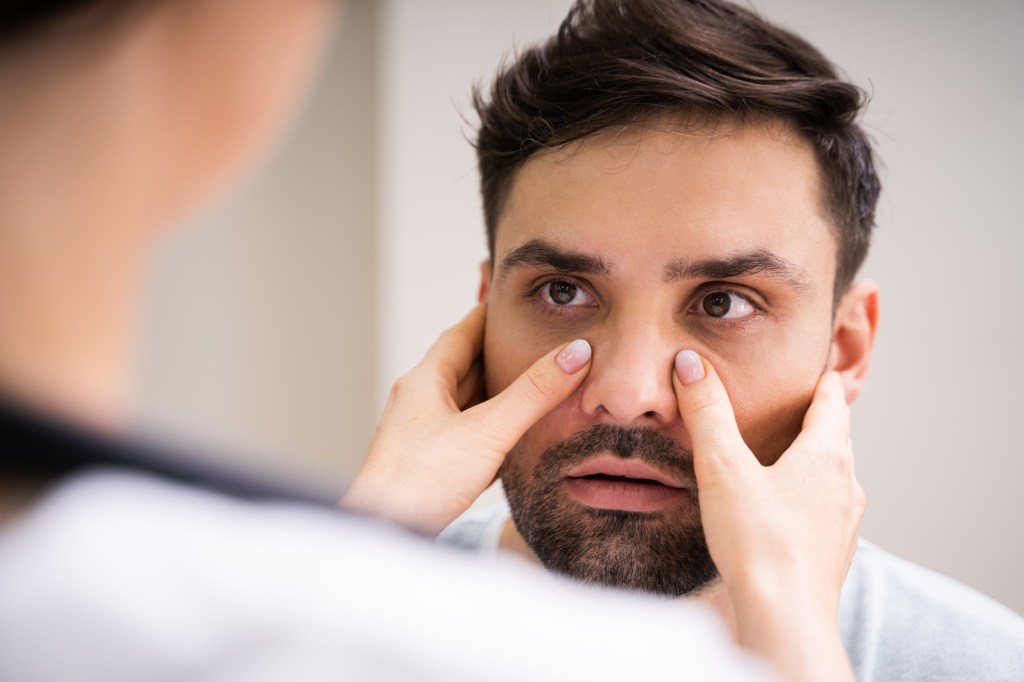
A sinus headache is a symptom of sinus infections (sinusitis). Sinus headaches make your face hurt. You may feel a constant, dull ache behind the eyes or in your cheekbones, forehead and the bridge of your nose. The pain gets worse when you move your head suddenly or you bend over. Typically, sinus headaches go away once a sinus infection runs its course.

What causes sinus headaches?

If you have a sinus headache, a viral or bacterial infection in your sinuses may be to blame. Sinuses are a series of connected hollow spaces behind your cheekbones, forehead and nose. Air that comes in through your nose travels through your sinuses on its way to your lungs.

Your sinuses are lined with tissue. They also make mucus that keeps your nose moist and traps intruders like bacteria, viruses, fungi and dust-carrying allergens.

Normally, free-flowing mucus carries off intruders before they can make trouble in your sinuses. But sometimes your sinuses’ reaction to intruders starts a chain reaction that leads to sinus headaches.

First, your sinuses start making more mucus. Mucus building up in your sinuses creates a place where intruders like bacteria and viruses can settle and grow. Growing intruders make sinus tissue swell, trapping mucus so it can’t flow from your sinuses. The result is swollen, irritated, fluid-filled sinuses that make your face feel achy and tender.

What are sinus headache risk factors?

Sinus headaches stem from sinus infections. Understanding sinus infection risk factors may reduce your risk of sinus headaches. According to the U.S. Center for Disease Control and Prevention, those risk factors include:

  • Having the common cold.
  • Seasonal allergies.
  • Smoking and exposure to secondhand smoke.
  • Structural issues within your sinuses. For example, nasal polyps or a deviated septum may trap mucus in your sinuses.
  • Having a weak immune system or taking drugs that weaken your immune system increases your risk of infections, including sinus infections.

How are sinus headaches diagnosed?

Your healthcare provider will perform a physical exam and ask about your symptoms. If your symptoms are severe or ongoing, you may also need imaging tests like X-rays or computed tomography (CT) scans.

Imaging tests show if your sinuses are blocked. If they aren’t, it may mean you have a different issue like a migraine or a tension headache. Migraine headaches and sinus headaches have common symptoms. Studies suggest 80% of people who thought they had sinus headaches had migraines.

What’s the treatment for sinus headaches?

Sinus headaches happen because you have a sinus infection. Healthcare providers may treat bacterial infections with antibiotics. Viral infections typically go away without treatment.

Your healthcare provider may also recommend other medications to ease discomfort, like:

Is there a way to get rid of my sinus headache instantly?

Unfortunately, there’s no quick fix for sinus headaches. You need treatment for the underlying cause to get rid of a sinus headache. But there are things you can do to ease sinus pressure and pain:

  • Apply a warm compress to painful areas of your face.
  • Use a decongestant to reduce sinus swelling and allow mucus to drain.
  • Try a saline nasal spray or drops to thin the mucus.
  • Use a vaporizer or inhale steam from a pan of boiled water. Warm, moist air may help relieve sinus congestion.

Can sinus headaches be prevented?

Preventing sinus infections is the best way to prevent sinus headaches. For example, many people have seasonal allergies that make spring a season of stuffy noses (nasal congestion) that may turn into a viral sinus infection. If that’s your situation, talk to an allergist. They’ll have recommendations and treatments to prevent or ease allergies that cause nasal congestion. Here are other suggestions for heading off sinus headaches:

  • Colds may lead to viral sinus infections. You can prevent colds by washing your hands or using hand sanitizers and staying away from people who have colds.
  • Nasal polyps may block your sinuses and cause sinus headaches. Treatments include steroid sprays and pills, stents and surgery to remove polyps.
  • A deviated septum may be why your sinuses are blocked. Septoplasty is surgery to repair your septum.

How long do sinus headaches last?

That depends on what caused you to have sinusitis. For example, viruses cause most sinus infections. When the viral infection clears up, the sinus headache goes away. That may take a week or so. Sinus issues that don’t go away may mean you have a bacterial or fungal sinus infection that requires treatment like an antibiotic or antifungal.

When should I see a healthcare provider?

Most sinus headaches go away when sinus infections clear. Talk to a healthcare provider if your sinus issues don’t go away within a week or so.

What questions should I ask a healthcare provider?

You may want to ask the following questions:

  • Do I have a sinus headache or another kind of headache?
  • If I have sinusitis, do I have a viral infection or a bacterial infection?
  • What at-home treatments help sinus infections?

How do I know if my headache is sinus-related?

There are several kinds of headaches that may make your head hurt in different ways. For example, people often confuse migraine headaches and sinus headaches because they both cause pain that pinpoints certain parts of your aching head. The difference is where pain happens:

  • Sinus headaches make your face hurt. The pain affects both sides of your head.
  • Migraine headaches typically cause pain high in your forehead, around your temples or in the back of your head. The pain typically affects one side of your head.
  • A sinus headache may feel like it’s lasting an eternity.

What’s the difference between sinusitis and a sinus headache?

The difference is that a sinus headache is just one symptom of sinusitis. If you have sinusitis, you may also have the following symptoms:

A note from QBan Health Care Services

Your head is throbbing. Your face hurts. And you don’t even want to think about moving your head or bending over. If this sounds familiar, you may have a sinus headache caused by a sinus infection. Most sinus infections and sinus headaches clear up within a week or 10 days. When they don’t, it’s time to contact a healthcare provider. You may have a bacterial or fungal sinus infection or a migraine. Either way, you’ll need special medication that treats infections or migraines. A healthcare provider will do tests to diagnose the issue. They’ll also recommend things you can do at home to ease your symptoms.

DEHYDRATION HEADACHE

A dehydration headache happens when your body is dehydrated (doesn’t get the fluids it needs). Headache pain often appears along with other symptoms of dehydration, including dizziness, extreme thirst and dry mouth. Pain usually goes away after drinking water, resting and taking pain relief medication.

What is a dehydration headache?

A dehydration-related headache happens when your body doesn’t get enough fluids. Even mild dehydration can cause a headache. Usually, other symptoms of dehydration (such as fatigue, dizziness, extreme thirst and dry mouth) appear along with headache pain.

Dehydration headaches often get better with at-home remedies like drinking water, resting and taking over-the-counter pain relievers. If you have signs of severe dehydration (such as confusion or dizziness), get medical help right away.

How common are dehydration headaches?

Nearly everyone gets a headache from time to time. Headaches are the most common type of pain. They result from many different conditions, disorders and diseases, including dehydration.

Healthcare providers aren’t sure how many people get dehydration headaches. In the United States, most people don’t get enough fluids, either from their food or by drinking water. Lack of fluids can lead to dehydration, which causes headaches. Babies, young children and older adults have a higher risk of dehydration. People with certain health conditions (such as diabetes) also have an increased risk.

What does a dehydration headache feel like?

Pain from a dehydration headache can range from mild to severe. You may feel pain all over your head or in just one spot, such as the back, front or side. The pain is usually like a dull ache, but it can also be sharp.

You may have a throbbing (pounding) headache, or the pain might be constant. The pain might get worse when you bend over, shake your head or move around.

Other dehydration symptoms usually occur along with headache pain. These include:

  • Dark urine (pee) and a decreased need to urinate.
  • Dizziness and confusion.
  • Dry mouth.
  • Fatigue.
  • Heat cramps (muscle cramps).
  • Loss of appetite.
  • Passing out or fainting (syncope). This happens in severe cases of dehydration.
  • Intense thirst (although you may not feel thirsty at all).
  • If your child has a headache along with signs of dehydration, call your healthcare provider right away. Symptoms of dehydration in babies and children include fewer trips to the bathroom (or fewer wet diapers), pale skin and weakness or lethargy. It’s essential to get medical help immediately.

What is dehydration?

Your body is mostly made of water. It’s in your blood, organs, soft tissues and bones. When you sweat and urinate, your body loses fluids and electrolytes. Electrolytes are minerals that help your body work like it should.

Dehydration happens when the amount of fluid that’s leaving your body (in sweat and urine) is more than the amount of fluid you’re taking in. Dehydration can be dangerous because it means your body isn’t getting the fluids it needs.

Dehydration can result from:

  • Diarrhea and vomiting.
  • Lack of adequate water intake.
  • Drinking too much alcohol, which can cause a hangover.
  • Heavy sweating from exercise, physical activity or heat. Exercising in higher altitudes also increases the risk of dehydration.
  • Some medications, such as diuretics (water pills) to treat heart failure and other conditions. Water pills help your body get rid of excess fluid and salt.

What causes a dehydration headache?

When you’re dehydrated, your brain and other tissues in your body shrink (contract). As your brain shrinks, it pulls away from the skull, puts pressure on nerves and causes pain.

Even mild dehydration can lead to a headache. When you drink water and other fluids, the brain plumps up to its previous size and the pain goes away.

How do I know if I have a dehydration headache?

There are many different types of headaches. Some headaches (like migraines and tension headaches) have no known cause. Healthcare providers call these primary headaches.

Dehydration headaches are secondary headaches because providers know what causes them. You probably have a dehydration headache if:

  • Headache pain goes away or gets better with water and rest.
  • Pain is only in your head (other types of headaches can cause pain in the neck or shoulders).
  • You also have other symptoms of dehydration.

If your headache doesn’t get better after drinking water and resting, see your provider for a checkup. Another condition or illness may be causing your headache. Your provider may order imaging studies (like an MRI or CT scan) to see pictures of your brain and determine what’s causing the pain.

How do I manage dehydration headaches?

Most dehydration headaches get better in a few hours with at-home treatments. To relieve pain from a dehydration headache, you should try headache remedies such as:

  • Fluids: Take small sips of water. Drinking too much water too quickly can make you feel sick to your stomach. You can try sucking on ice cubes if you have an upset stomach. Electrolyte drinks (sports drinks) can also replace fluids. But they usually contain high levels of sugar, so only drink them in moderation or choose one with no added sugar.
  • Rest: Take a break from physical activity. If you’re in the heat or sun, try relaxing in a cool, shady place. Give your body time to rest.
  • Pain relievers: Over-the-counter nonsteroidal anti-inflammatory drugs can provide headache relief. Some headache medicines have caffeine. Avoid these medicines, since caffeine can make dehydration worse.
  • Ice: Applying a cold compress to your head can relieve pain. You can also wet a washcloth with cold water and place it on your forehead.

People who are very dehydrated may need additional care. Some people may need to stay in the hospital while they’re recovering. Healthcare providers treat severe dehydration with IV fluids (through a vein in the arm).

How do I prevent a dehydration headache?

The best way to avoid a dehydration headache is to stay hydrated. To prevent dehydration, you should:

  • Drink plenty of fluids: Carry water with you when you leave home, and take sips throughout the day.
  • Hydrate before you feel thirsty: Drink fluids throughout the day. Don’t wait until you feel thirsty. If you wait until you’re craving water, you’re already a little dehydrated. People who are older might not feel thirsty at all because you can lose your sense of thirst as you age.
  • Replace the fluids you lose: When you’re exercising or doing physical activity, take water breaks often. During some sports (like swimming), you may not notice how much you’re sweating. Drinking fluid throughout the day prior to participating in a sport is also helpful.
  • Take a break when you need to rest: Listen to your body. If you feel tired or dizzy, take a water break.
  • Watch the heat: If you’re outside on a hot day, drink extra water. Rest often, and find a way to stay cool in hot weather.

What is the outlook for people with dehydration headaches?

Most dehydration headaches get better after drinking water and taking it easy for a while. If headaches keep happening, you may have chronic (long-term) dehydration. Chronic dehydration can lead to serious medical problems, including kidney stones and urinary tract infections (UTIs). People who aren’t hydrated have a higher risk of heat exhaustion and other heat illness.

Dehydration can trigger (cause) a migraine headache. If you get migraines, it’s essential to drink plenty of water. Staying hydrated may help you prevent a migraine attack.

When should I see my healthcare provider about a dehydration headache?

See your healthcare provider if:

  • Headache pain doesn’t get better: If you still have a headache after drinking water, resting and taking over-the-counter pain medications, call your healthcare provider. Most dehydration headaches get better after a few hours of water and rest.
  • Pain comes back or is severe: Call your healthcare provider if your pain returns. Chronic (recurring) headaches and severe pain may be a sign of a serious health condition.
  • You have other symptoms: Vision problems, dizziness, nausea and vomiting can be signs of a serious condition. See your healthcare provider if you have these symptoms, along with headache pain that doesn’t go away.
  • You have signs of severe dehydration: Dehydration can also lead to serious health problems. If you or your child has signs of dehydration, see your healthcare provider right away.

A note from QBan Health Care Services

Dehydration headaches can range from mildly annoying to severely painful. But they usually go away after drinking water and relaxing in a cool place. To prevent a dehydration headache, drink water throughout the day and increase the amount you drink when you exercise. Always stop and drink water if you feel symptoms of dehydration. If your headache doesn’t go away with water and rest, call your healthcare provider. Get help right away if you have a severe headache or if your pain comes back.

COUGH HEADACHE

Cough headaches cause head pain after activities like coughing, laughing or straining. These headaches usually last fewer than 30 minutes and get better on their own. There are two types of cough headaches; one is more severe and the other is usually harmless. A healthcare provider will diagnose and treat these headaches.

What is a cough headache?

A cough headache is head pain that occurs after coughing, sneezing, laughing or straining. A cough headache can last anywhere from a few seconds to 30 minutes, on average. Some can last up to two hours. These headaches aren’t common. Most cases are harmless, but some may have a more serious cause.

What are the types of cough headaches?

There are two types of cough headaches:

  • Primary cough headache: A primary cough headache isn’t the result of an underlying condition.
  • Secondary cough headache: An underlying condition causes a secondary cough headache. About half of all people who experience a cough headache have a secondary cough headache.

It’s important to see a healthcare provider to determine the cause of your headache.

What are the symptoms of a cough headache?

Symptoms of a cough headache may include:

  • Head pain that happens suddenly after coughing or straining and goes away shortly after.
  • Head pain on one or both sides of your head (usually the front and sides for primary and back for secondary).
  • A dull, sharp or stabbing pain (mild or severe).

Less common symptoms of a cough headache include:

What causes a cough headache?

A cough headache happens suddenly after:

  • Coughing.
  • Sneezing.
  • Blowing your nose.
  • Straining (like during a bowel movement or lifting weights).
  • Laughing.
  • Crying.

The exact cause of a primary cough headache isn’t well understood. Experts think coughing raises the pressure inside your chest and abdomen (belly), which increases the pressure in your brain.

Most causes of a secondary cough headache happen due to a growth abnormality in your brain. One of the most common is Chiari malformation type I. This occurs when brain tissue in the lower back part of your skull extends into your spinal canal (the base of your skull). It’s the area of your brain that regulates your balance.

Other causes of a secondary cough headache include:

What are the risk factors for a cough headache?

Cough headaches can happen to anyone at any age. However, primary cough headaches usually affect people after age 40 and secondary cough headaches most often affect people before age 40.

What are the complications of a cough headache?

Cough headaches can interfere with your daily routine and your mood. This can prevent you from functioning and feeling your best.

Secondary cough headache causes can be dangerous, sometimes life-threatening. If you experience a sudden headache without a known cause, contact a healthcare provider.

How is a cough headache diagnosed?

A healthcare provider will diagnose a cough headache after a physical exam and testing. During the exam, your provider will ask about which symptoms you’re experiencing, how often they happen and how long they last.

Testing can help your healthcare provider determine if an underlying condition caused your headache (secondary cough headache) or rule out conditions with similar symptoms. Your provider may offer tests like:

How do you get rid of a cough headache?

Primary cough headaches go away on their own, usually after 30 minutes. Because these headaches don’t last long, you won’t need to treat them every time they happen.

If you have frequent headaches that are painful and disruptive, a healthcare provider may suggest preventive medications like:

  • Acetazolamide.
  • Indomethacin.
  • Propranolol.
  • Topiramate.

Your provider will explain the side effects of these medications before you start taking them.

Some cough headaches go away after a lumbar puncture (diagnostic test), which removes a small sample of cerebrospinal fluid from the area around your spinal column (subarachnoid space).

You may need surgery to repair a structural issue that’s causing your headaches. Your surgeon will tell you which type of procedure you’ll need and what to expect.

Can a cough headache be prevented?

You may not be able to prevent cough headaches. But they can often be treated by removing the cause.

The best way to prevent cough headaches is to avoid coughing. This is easier said than done. Everyone coughs sometimes. If you know certain activities make you more likely to cough a lot (and trigger a headache), try to avoid them as often as possible. It also isn’t realistic to stop yourself from expressing emotion, like laughing or crying, even if it may cause a headache.

If you cough or strain often, a healthcare provider can help you find solutions, which may include:

  • Having an exam and tests to check for and treat upper respiratory issues or allergies that cause frequent coughing.
  • Taking stool softeners to avoid straining during bowel movements.
  • Checking with a healthcare provider or pharmacist to see if coughing is a side effect of a current medication you take regularly.
  • Finding ways to stay active that don’t involve straining (like weightlifting).

What can I expect if I have a cough headache?

Most cough headaches resolve on their own. Some may last longer, but it’s less common. Treatment isn’t necessary for primary cough headaches unless they happen frequently and disrupt your daily routine. Many primary cough headache episodes last for several years before going away completely.

Secondary cough headaches usually need treatment with surgery. Some causes can be life-threatening. A healthcare provider can help you find a treatment option that works best for your situation.

How long does a cough headache last?

A cough headache usually lasts for 30 minutes or less. They can last for a few seconds or minutes up to a couple of hours (in rare cases).

When should I see a healthcare provider?

Contact a healthcare provider if you develop a sudden headache when coughing. Your provider can diagnose the cause and help you find ways to manage pain and other symptoms.

What questions should I ask my healthcare provider?

You may want to ask your provider:

  • What type of cough headache do I have?
  • Do I need diagnostic testing?
  • Which type of treatment do you recommend?
  • Are there side effects of treatment?

A note from QBan Health Care Services

Coughing can be disruptive. Feeling a headache after a cough can really interfere with your day and your mood. Even though they’re temporary, a cough headache can be a frequent annoyance or a sign that something’s wrong. You don’t have to just “deal” with headaches. Your healthcare provider will diagnose what’s causing pain and suggest treatments to help you feel better.

HUNGER HEADACHE

A hunger headache causes dull pain that happens when you’re hungry. The pain goes away shortly after eating. But you can take steps to avoid these headaches, even if you can’t eat for long periods of time.

What is a hunger headache?

This type of headache happens when you’re hungry. You’re more likely to experience hunger headaches when there are long periods of time between meals. They can also happen when you’re not eating enough.

How does a hunger headache affect my body?

Headaches when you’re hungry are a signal that you need more calories. You may experience:

  • Hypoglycemia (low blood sugar): Your brain is not getting the energy it needs from blood sugar (glucose) in food.
  • Muscle tension: Your body releases a substance (histamine) that causes muscles to tense up.
  • Stress: A drop in blood sugar can trigger the release of stress hormones that cause a headache.

What causes headaches when you’re hungry?

Hunger and low blood sugar headaches can have many causes, including:

  • Dehydration.
  • Dieting and new eating regimens, like intermittent fasting.
  • Drinking more or fewer caffeinated beverages than usual, including coffee or soda.
  • Eating at irregular times.
  • Long periods of time between meals, such as when you’re having a busy day or fasting.
  • Not getting enough sleep.
  • Skipping meals.

What are the symptoms of hunger headaches?

Most people experience pain toward the front of their heads that may extend to both sides. You may also have:

  • Mild nausea.
  • Muscle tension in your neck or shoulders.

With low blood sugar headaches, you may also experience:

How is a hunger headache diagnosed?

You can diagnose it yourself by listening to your body. If you’re experiencing dull head pain and it’s been a while since you’ve eaten, it’s probably a hunger headache.

How do I treat headaches when I’m hungry?

Treatment includes eating something. The best option is a balanced meal with foods full of vitamins and nutrients and plenty of water. If you’re short on time, a healthy snack can help.

How soon will I feel better?

Once your body starts digesting food, you should start feeling better. Hunger headaches typically go away within 30 minutes of eating.

What if I don’t feel better?

If you don’t feel better after eating, an over-the-counter pain reliever can help.

How can I prevent hunger headaches?

You can lower your risk of hunger and low blood sugar headaches by:

  • Drinking water throughout the day to stay hydrated.
  • Eating frequent, smaller meals.
  • Getting a good night’s rest.
  • Scheduling breaks throughout the day for snacks or meals.

What if I’m delaying eating because I get headaches afterward?

The issue might not be when you’re eating, but what you’re eating. Certain foods are more likely to cause headaches, including:

  • Aged cheeses, like feta, Parmesan and Swiss.
  • Foods that contain the additive monosodium glutamate (MSG).
  • Dried meats and fruits.
  • High-sugar and processed foods, such as packaged cookies and crackers.
  • Meat products like hot dogs and pepperoni that contain additives (nitrates and nitrites).

What foods should I eat instead?

Your diet should include:

  • Plenty of water.
  • Limited amounts of caffeine, high-sugar and processed foods.
  • Raw fruits and vegetables, or cooked ones with little added fat or sugar.
  • Brown rice and whole-grain bread.
  • Nuts and seeds.
  • Meats and fish that aren’t cured, smoked or dried.

Are hunger headaches ever something to worry about?

Getting headaches when you’re hungry can be bothersome. But they don’t affect your health. Some headaches and symptoms can be a sign of a medical issue, though.

When should I consider seeing a healthcare provider?

You may want to see your healthcare provider for mild headaches that:

  • Don’t respond to over-the-counter medications.
  • Require more than the recommended medication dose to get relief.
  • Interfere with daily activities.

Important: Severe headaches that come on quickly may be a sign of a stroke. Seek immediate care if you experience a sudden and severe headache along with other symptoms, such as:

  • Confusion.
  • Dizziness.
  • Slurred speech.
  • Vision loss.

What if hunger headaches are due to dieting?

Your body is sensitive to changes in eating habits. When you’re dieting, it’s natural to feel hungry. But when hunger pangs come with head pain, try eating a little more. You might not lose weight as fast, but it’ll spare you the discomfort of regular headaches.

What if I can’t eat for a day because I’m fasting for religious purposes?

Fasting headaches are common. You can lower your risk by planning ahead.

A few days before the fast:

  • Avoid caffeine.
  • Eat nutritious meals.
  • Increase the amount of water you’re drinking.

The meal before the fast:

  • Consume complex carbohydrates, like potatoes and other starchy vegetables, with some protein.
  • Don’t eat portions that are larger than normal.

A note from QBan Health Care Services

Hunger headaches are your body’s way of signaling that you need calories. They don’t go away on their own. The best treatment is eating a balanced meal with protein, fruits, vegetables and carbohydrates. Most people don’t need to see their healthcare provider for a hunger headache. You may need care if your symptoms are severe or don’t respond to pain relievers, though.