
PELVIC ULTRASOUND

A pelvic ultrasound creates pictures of the organs inside your pelvis — the area between your belly and legs. The test can help a healthcare provider diagnose problems like tumors or cysts. A pelvic ultrasound is done externally (outside the body) or internally (inside the body).

What is a pelvic ultrasound?

An ultrasound is an imaging exam that uses sound waves to create detailed pictures of organs inside your body. The pictures are called sonograms. An ultrasound is a safe, fairly quick procedure that’s available at most imaging centers and some doctors’ offices.

A pelvic ultrasound looks at the organs in your pelvic area between your abdomen (belly) and legs. It may also look at your lower abdomen. The pelvic organs include:

  • Bladder, which holds urine.
  • Fallopian tubes, which carry eggs between the ovaries and uterus.
  • Ovaries, organs that make and store eggs.
  • Prostate, a gland that helps with reproduction in men.
  • Rectum, the lower part of your intestines.
  • Uterus.
  • Vagina, the canal to the uterus.

Are there different types of pelvic ultrasounds?

There are different types of pelvic ultrasounds. Each looks at different organs or serves a particular purpose:

  • Abdominal ultrasound, which examines organs from outside the belly.
  • Pregnancy ultrasound, which watches fetal development in the uterus.
  • Rectal ultrasound, which examines the inside of the rectum. A special exam called a transrectal ultrasound looks at the prostate.
  • Transvaginal ultrasound, which examines the reproductive organs from inside the vagina.

When would a healthcare provider recommend a pelvic ultrasound?

A healthcare provider may recommend a pelvic ultrasound if you have:

What conditions can a pelvic ultrasound diagnose?

A pelvic ultrasound can help diagnose a range of conditions:

All people:

In people assigned female at birth:

In people assigned male at birth:

  • Infections or cysts in seminal vesicles (glands that help produce semen).
  • Prostate cancer.
  • Testicular cancer.
  • Testicular or scrotal infection.
  • Scrotal or penile injury.

Are there other uses for a pelvic ultrasound?

A healthcare provider may use a pelvic ultrasound to perform a biopsy. A biopsy is a procedure to collect a small sample of tissue from inside your body. The ultrasound can help guide the biopsy needle to the right location.

Another use for a pelvic ultrasound is to check the positioning of an intrauterine device (IUD). An IUD is a device placed in the uterus to prevent pregnancy.

Who performs a pelvic ultrasound?

A healthcare provider who specializes in ultrasounds usually performs a pelvic ultrasound. The medical field calls these providers sonographers. In some cases, your doctor may do the exam.

How does a pelvic scan create images?

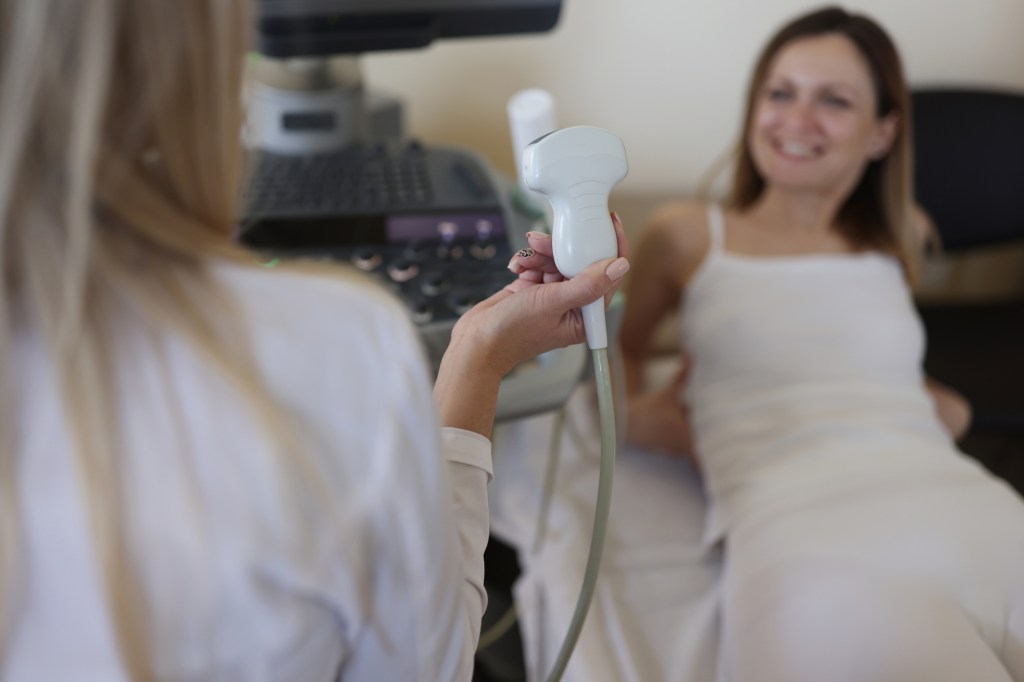
During a pelvic ultrasound, a sonographer uses a special tool called a transducer. This small, wand-like instrument gives off sound waves. The transducer connects to a computer and a screen. As your healthcare provider moves the transducer, the sound waves bounce off certain types of tissue. They then return to the transducer as echoes. The computer translates the echoes into images, which appear on the screen.

Sonograms are pictures in real time, meaning they show your organs’ movements as they happen. Sonograms also show blood flowing through blood vessels.

How should I prepare for a pelvic ultrasound?

Your healthcare provider may ask you to drink plenty of water before an abdominal pelvic ultrasound. A full bladder helps the transducer’s sound waves travel, creating a clearer picture of your bladder. You usually don’t need to do this for a rectal or transvaginal ultrasound.

Your healthcare provider should provide instructions before any pelvic scan. Make sure to reach out with questions you may have.

Where is a pelvic ultrasound performed?

You may need to go to a center that specializes in imaging for a pelvic ultrasound. But many healthcare providers have ultrasound equipment in their clinics. That makes it convenient for you to receive an in-office scan without going to a separate location.

How is an abdominal pelvic ultrasound done?

Your healthcare provider applies warm gel on the lower part of your belly. The gel helps the transducer glide smoothly over your skin and create clearer pictures. Your provider moves the transducer over different areas of your abdomen. You shouldn’t feel any pain.

How is a transvaginal ultrasound done?

During a transvaginal exam, your healthcare provider will insert the transducer a few inches into your vagina after covering it in a lubricating gel. It may feel a bit uncomfortable at first, like a gynecologic exam. Your provider gently moves the transducer at different angles to get clear pictures of your reproductive organs.

How is a rectal ultrasound done?

During a rectal ultrasound, you lie on your side. Your healthcare provider inserts a lubricated transducer into your rectum to examine the lining there. Your provider may also scan the prostate.

Are there side effects after a pelvic scan?

You shouldn’t experience any side effects after a pelvic scan. Contact your healthcare provider right away if you experience pain, bleeding, fever or other problems.

How are the results of a pelvic scan handled?

Your ultrasound provider sends the pictures to a radiologist (imaging specialist). The radiologist examines the images carefully and makes a diagnosis. The radiologist then shares that information with your healthcare provider. Your provider will contact you to discuss the results. In some instances, like in obstetrics and gynecology, your healthcare provider may interpret the images directly without consulting a radiologist.

What are the benefits of a pelvic scan?

Pelvic scans are widely used because they are:

  • Detailed: Pelvic scans produce high-quality images.
  • Quick: Pelvic scans take anywhere from 15 minutes to an hour.
  • Safe: Pelvic scans do not use radiation, which can occasionally cause medical problems with higher doses.

A note from QBan Health Care Services

A pelvic ultrasound is a safe, reliable imaging exam. It can detect and diagnose a range of health conditions, especially with reproductive organs. An accurate, timely scan means you may be able to get treatment sooner if there is a problem. Often, an ultrasound can rule out health conditions and confirm that you have a clean bill of health.

BREAST ULTRASOUND

If you feel a lump in your breast, or one shows up on your mammogram, your provider may recommend an ultrasound. A breast ultrasound produces detailed images of breast tissue. It can reveal if the lump is a fluid-filled cyst (usually not cancerous) or a solid mass that needs more testing.

What is breast ultrasound?

An ultrasound is an imaging test that uses high-frequency sound waves to take pictures of internal organs and tissues.

A breast ultrasound provides pictures of the insides of your breasts. This test can give more information about small areas of interest within the breast that may be difficult to see in detail on a mammogram.

When is a breast ultrasound needed?

Typically, healthcare providers don’t use breast ultrasound on its own to screen for breast cancer. More often, they recommend an ultrasound to follow up on suspicious areas seen on a mammogram. Because hand-held ultrasound uses a small probe to check the tissue, it is most useful when there is a specific targeted area of interest within the breast to examine. Mammography is still the best tool for screening the entire breast, even in dense breasts.

A healthcare provider may recommend a breast ultrasound for many different reasons. Some of the most common are:

  • Checking if a breast lump is a fluid-filled breast cyst (usually not cancerous) or a solid mass (which may require further testing).
  • Investigating a focal area in the breast that appeared abnormal on a mammogram.
  • Examining a pregnant woman’s breasts in conjunction with physical exam. Occasionally, a mammogram is also used in pregnant women because radiation doses are very low and the abdomen can be shielded if concern for breast cancer detection is high.
  • Guiding a needle into a mass to sample tissue for a biopsy. Pathologists (specialized doctors) can then evaluate the tissue under a microscope to determine if the mass is breast cancer.

How do I prepare for a breast ultrasound?

On the day of your ultrasound, you should not apply any lotion or powder to the skin on or around your breasts or wear deodorant. These substances can interfere with getting clear images from the test. You may be relieved to know that any existing hair does not interfere with the images.

What happens during a breast ultrasound?

When you arrive at your provider’s office or imaging center, you’ll undress from the waist up. You’ll change into a robe or gown that opens in the front. Your provider will ask you to remove jewelry so that it doesn’t interfere with the images.

During the ultrasound, you lie on a table — usually in an angled position to optimize positioning for the imager. The ultrasound technician or radiologist (a doctor specialized in medical imaging) applies a clear, water-based gel to a wand, called a transducer. They move the transducer over the skin on and around your breasts.

The person imaging you can see the ultrasound images on a screen during the test. Representative images are saved to share with your doctors.

When the ultrasound is complete, you or the technician wipe any remaining gel off your skin.

What happens after a breast ultrasound?

After your breast ultrasound the radiologist interprets the images and reports the results to your healthcare provider. If any additional tests are needed, or follow up is recommended, that information is shared with you at the time of the exam.

What are the risks of a breast ultrasound?

Breast ultrasound uses sound waves — not radiation — to produce images. There are no known risks of ultrasound technology.

In some cases, the interpretation of your ultrasound results may lead to additional tests or procedures (such as a biopsy). These additional procedures carry their own risks. Talk with your healthcare provider about the risks to decide which tests are right for you.

When should I call my doctor?

Call your healthcare provider if you:

  • Feel a new or changing lump, dimpling, or other changes in your breast or armpit that are unusual for you.
  • Have any nipple discharge, new inversion or skin changes of the nipple.
  • Think a breast implant has ruptured.

A note from QBan Health Care Services

A breast ultrasound is a safe, painless test to examine targeted areas of breast tissue. Breast ultrasound provides detailed images of breast tissue and can help your provider diagnose breast cysts or lumps. For women with dense breasts, mammography is still the best screening tool. If you have dense breasts or a family history of breast cancer, ask your provider about scheduling a risk assessment with a clinical breast specialists and supplemental screening tools such as MRI and tomosythesis (3D) mammography.

VASCULAR ULTRASOUND

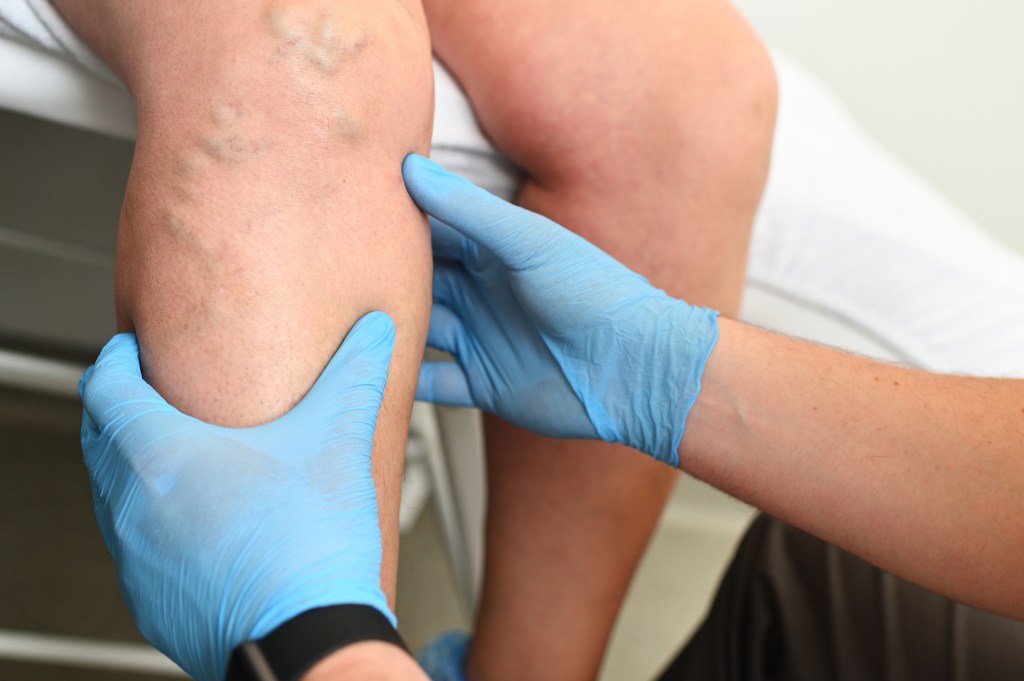
Vascular ultrasound is a noninvasive test healthcare providers use to evaluate blood flow in the arteries and veins of the arms, neck and legs. Providers use this test to diagnose blood clots and peripheral artery disease. You may also have this test to see if you’re a good candidate for angioplasty or to check blood vessel health after bypass.

What is a vascular ultrasound?

Vascular ultrasound, also called a duplex study, is a noninvasive test. This test shows healthcare providers how blood flows in your arms, neck and legs. High-frequency sound waves create detailed images of soft tissue and blood vessels.

When is a vascular ultrasound performed?

Your healthcare provider may use vascular ultrasound to see how blood flows through your veins and arteries (blood vessels). You may have this test to help your provider diagnose:

When would I need a vascular ultrasound exam?

You may need a vascular ultrasound if you have symptoms like:

  • Burning feeling in your legs.
  • Muscle atrophy.
  • Pain in your buttocks, hips, thighs or calves.
  • Leg sores (ulcers) that don’t heal.

Healthcare providers also use vascular ultrasound to check blood flow to organs. You may have this test if you’ve received an organ transplant.

Providers may also order a vascular ultrasound exam to see if you’re a good angioplasty candidate or check blood vessel health after venous disease bypass surgery.

Who performs a vascular ultrasound exam?

An ultrasound technologist performs your vascular ultrasound exam. These technologists have special training in performing ultrasound tests.

How does vascular ultrasound work?

Vascular ultrasound uses high-frequency sound waves to create detailed images. These sound waves pass through your soft tissues and blood vessels. Sound waves create echoes as they pass through tissue and computers turn these echoes into images or videos.

How do I prepare for a vascular ultrasound?

There’s nothing special you need to do to prepare for a vascular ultrasound. Plan to arrive at the facility about 15 minutes before your vascular ultrasound appointment.

You should wear comfortable and loose-fitting clothing and leave any jewelry or valuables at home. Healthcare providers may ask you to change into a hospital gown.

What happens during a vascular ultrasound?

You lie on an examination table. The technologist applies a lubricating gel to your skin in the areas where they will examine your arteries and veins.

The technologist places a special probe called a transducer against your skin. You might feel a little pressure as they move the probe over the area. You may hear your blood flowing as it makes a pulsing or whooshing sound.

What should I expect after the vascular ultrasound?

When the exam is over, the technologist wipes the lubricating gel away. You can return to work or other activities immediately after your exam.

Does vascular ultrasound have any risks or side effects?

Vascular ultrasound is safe. You won’t have any side effects from the exam.

What results do healthcare providers get from vascular ultrasound?

Vascular ultrasound gives your healthcare provider information about how quickly (or slowly) blood flows through your body. This tells your provider if something is blocking a blood vessel (like a blood clot or plaque) or if blood vessels have become narrow.

How long does it take to get results from a vascular ultrasound?

A doctor who specializes in reading and interpreting radiographic images (radiologist) evaluates the images. When the radiologist has completed their review, they send the results to the doctor who ordered your vascular ultrasound.

When should I call my healthcare provider after a vascular ultrasound exam?

You shouldn’t expect any side effects from a vascular ultrasound exam. Let your healthcare provider know if you develop any new or worsening symptoms such as pain or redness in the examined area.

A note from QBan Health Care Services

Vascular ultrasound is a noninvasive test healthcare providers use to determine how blood flows in arteries and veins in your arms, neck and legs. They use this test to diagnose blood clots, narrowed blood vessels, and other vascular health conditions.

PREGNANCY ULTRASOUND

A prenatal or pregnancy ultrasound uses sound waves to create a picture of your baby on a screen. Pregnancy care providers use it to check on the health of your baby and detect certain pregnancy complications. Most people have two ultrasounds during pregnancy, but you may have more if your provider feels it’s medically necessary.

What is an ultrasound in pregnancy?

A prenatal ultrasound (or sonogram) is a test during pregnancy that checks on the health and development of your baby. An obstetrician, nurse midwife or ultrasound technician (sonographer) performs ultrasounds during pregnancy for many reasons. Sometimes ultrasounds occur to check on your baby and make sure they’re growing properly. Other times your pregnancy care provider orders an ultrasound after they detect a problem.

During an ultrasound, sound waves are sent through your abdomen or vagina by a device called a transducer. The sound waves bounce off structures inside your body, including your baby and your reproductive organs. Then, the sound waves transform into images that your provider can see on a screen. It doesn’t use radiation, like X-rays, to see your baby.

Even though prenatal ultrasounds are safe, you should only have them when it’s medically necessary. If there’s no reason for an ultrasound (for example, if you just want to see your baby), your insurance company might not pay for it.

Prenatal ultrasounds may be called fetal ultrasounds or pregnancy ultrasounds. Your provider will talk to you about when you can expect ultrasounds during pregnancy based on your health history.

Why is a fetal ultrasound important during pregnancy?

An ultrasound is one of the few ways your pregnancy care provider can see and hear your baby. It can help them determine how far along you are in pregnancy, if your baby is growing properly or if there are any potential problems with the pregnancy. Ultrasounds may occur at any time in pregnancy depending on what your provider is looking for.

What can be detected in a pregnancy ultrasound?

A prenatal ultrasound does two things:

  • Evaluates the overall health, growth and development of the fetus.
  • Detects certain complications and medical conditions related to pregnancy.

In most pregnancies, ultrasounds are positive experiences and pregnancy care providers don’t find any problems. However, there are times this isn’t the case and your provider detects birth disorders or other problems with the pregnancy.

Reasons why your provider performs a prenatal ultrasound are to:

Ultrasound is also an important tool to help providers screen for congenital conditions (conditions your baby is born with). A screening is a type of test that determines if your baby is more likely to have a specific health condition. Your provider also uses ultrasound to guide the needle during certain diagnostic procedures in pregnancy like amniocentesis or CVS (chorionic villus sampling).

An ultrasound is also part of a biophysical profile (BPP), a test that combines ultrasound with a nonstress test to evaluate if your baby is getting enough oxygen.

How many ultrasounds do you have during your pregnancy?

Most pregnant people have one or two ultrasounds during pregnancy. However, the number and timing vary depending on your pregnancy care provider and if you have any health conditions. If your pregnancy is high risk or if your provider suspects you or your baby has a health condition, they may suggest more frequent ultrasounds.

When do you have your first prenatal ultrasound?

The timing of your first ultrasound varies depending on your provider. Some people have an early ultrasound (also called a first-trimester ultrasound or dating ultrasound). This can happen as early as seven to eight weeks of pregnancy. Providers do an early ultrasound through your vagina (transvaginal ultrasound). Early ultrasounds do the following:

  • Confirm pregnancy (by detecting a heartbeat).
  • Check for multiple fetuses.
  • Measure the size of the fetus.
  • Help confirm gestational age and due date.

Some providers perform your first ultrasound closer to 12 weeks of pregnancy.

20-week ultrasound (anatomy scan)

You can expect an ultrasound around 18 to 20 weeks in pregnancy. This is known as the anatomy ultrasound or 20-week ultrasound. During this ultrasound, your pregnancy care provider can see your baby’s sex (if your baby is in a good position for viewing their genitals), detect birth disorders like cleft palate or find serious conditions related to your baby’s brain, heart, bones or kidneys. If your pregnancy is progressing well and with no complications, your 20-week ultrasound may be your last ultrasound during pregnancy. However, if your provider detects a problem during your 20-week ultrasound, they may order additional ultrasounds.

How soon can you see a baby on an ultrasound?

Pregnancy care providers can detect an embryo on an ultrasound as early as six weeks into the pregnancy. An embryo develops into a fetus around the eighth week of pregnancy.

If your last menstrual period isn’t accurate, it’s possible that it may be too early to detect a fetal heart rate.

Which ultrasound is most important during pregnancy?

All ultrasounds during pregnancy are important. Your pregnancy care provider uses ultrasound to tell them important information about your pregnancy.

What are the two main types of pregnancy ultrasounds?

The two main types of pregnancy ultrasound are transvaginal ultrasound and abdominal ultrasound. Both use the same technology to produce images of your baby. Your pregnancy care provider performs a transvaginal ultrasound by placing a wand-like device inside your vagina. They perform an abdominal ultrasound by placing a device on the skin of your belly.

Transvaginal ultrasound

During a transvaginal ultrasound, your pregnancy care provider places a device inside your vaginal canal (similar to how you place a tampon). In early pregnancy, this ultrasound helps to detect a fetal heartbeat or determine how far along you are in your pregnancy (gestational age). Images from a transvaginal ultrasound are clearer in early pregnancy as compared to abdominal ultrasound.

Abdominal ultrasound

Your pregnancy care provider performs an abdominal ultrasound by placing a transducer directly on your skin. Then, they move the transducer around your belly (abdomen) to capture images of your baby. Sometimes slight pressure has to be applied to get the best views. Providers use abdominal ultrasounds after about 12 weeks of pregnancy.

Traditional ultrasounds are 2D. More advanced technologies like 3D or 4D ultrasound can create better images. This is helpful when your provider needs to see your baby’s face or organs in greater detail. Not all providers have 3D or 4D ultrasound equipment or specialized training to conduct this type of ultrasound.

Your provider may recommend other types of ultrasounds. Examples of additional ultrasounds are:

  • Doppler ultrasound: This type of ultrasound checks how your baby’s blood flows through its blood vessels. Most Doppler ultrasounds occur later in pregnancy.
  • Fetal echocardiogram: This type of ultrasound looks at your baby’s heart size, shape, function and structure. Your provider may use it if they suspect your baby has a congenital heart condition, if you had another child that had a heart condition or if you have certain health conditions that warrant taking a closer look at the heart.

How do I prepare for the test?

There’s no special preparation for an ultrasound. Some pregnancy care providers ask that you come with a full bladder and don’t use the restroom before the test. This helps them view your baby better on the ultrasound. You can bring a support person, but bringing children is discouraged as this is an important test that requires complete focus.

You may be asked to change into a hospital gown, but this isn’t usually required for abdominal ultrasounds. If your provider is performing a transvaginal ultrasound in your first trimester, you’ll put on a hospital gown or undress from the waist down.

What should I expect during a prenatal ultrasound?

You’ll lie on a padded examining table during the test. Most ultrasounds occur in a dimly lit room, which helps your ultrasound technician (or sonographer) see the screen. Your sonographer applies a small amount of water-soluble gel to the skin of your belly. The gel doesn’t harm your skin or stain your clothes, but it may feel cold. This gel helps transmit sound waves more efficiently.

Next, the sonographer places a transducer on the skin of your abdomen. The transducer sends sound waves into your body, which reflect off internal structures, including your baby. The sound waves that reflect back create pictures on a screen. Your sonographer uses these images to take important measurements such as your baby’s head circumference and length. You may see them making lines on the screen or clicking a button to “freeze” certain angles.

There’s virtually no discomfort during a prenatal ultrasound. You may feel mild discomfort if you have to pee. The ultrasound test takes about 30 minutes to complete.

If you have a transvaginal ultrasound, the process is only different in that the transducer is inside your vagina and not on your belly.

What should I expect after a pregnancy ultrasound?

If you had an abdominal ultrasound, your sonographer wipes the gel off your belly. They may print off some ultrasound pictures for you to take home with you.

In most cases, your sonographer won’t discuss the results of your test with you. If your obstetrician performs your ultrasound, they may discuss what they see as they go along.

If a sonographer performs your ultrasound, an obstetrician will look at the images, then discuss their findings with you at your next appointment. Most practices schedule your appointment right after your ultrasound so you get your results the same day.

What are the risks of prenatal ultrasounds?

Studies have shown ultrasounds are safe during pregnancy. There are no harmful side effects to you or your baby.

Is it safe to do an ultrasound every month during pregnancy?

While ultrasounds are safe for you and your baby, most major medical associations recommend that pregnancy care providers should only do ultrasounds when the tests are medically necessary. If your ultrasounds are normal and your pregnancy is uncomplicated or low risk, repeat ultrasounds aren’t necessary.

What results do you get on a pregnancy ultrasound?

Your ultrasound results will be normal or abnormal. A normal result means your pregnancy care provider didn’t find any problems and that your baby is growing and developing normally. An abnormal result means your provider noticed something irregular. If they do, your provider will order additional ultrasounds or diagnostic tests to determine if something is wrong.

Occasionally, the ultrasound is incomplete if there’s difficulty seeing all the structures needed for that particular ultrasound. Your baby’s position or movement sometimes makes it difficult to see everything your provider needs to see. If this is the case, you’ll need a repeat ultrasound and they’ll try again.

There are some limitations to ultrasounds, so your provider may not find certain abnormalities until after birth.

What are reasons you need more ultrasounds during pregnancy?

There are several reasons your pregnancy care provider may order additional ultrasounds during your pregnancy. Some of these reasons include:

  • Problems with your ovaries, uterus, cervix or other pelvic organs.
  • Your baby is measuring small for their gestational age or your provider suspects IUGR (intrauterine growth restriction).
  • Problems with the placenta like placenta previa or placental abruption.
  • You’re pregnant with twins, triplets or more.
  • Your baby is breech.
  • You have too much amniotic fluid (polyhydramnios).
  • You have too little amniotic fluid (oligohydramnios).
  • You have a condition like gestational diabetes or preeclampsia.
  • Your baby has a congenital disorder.

Normal results on pregnancy ultrasounds can vary. Generally, a normal result means your baby appears healthy and your provider didn’t find any issues.

Why do some pregnancy providers schedule ultrasounds differently?

The number of ultrasounds you’ll have and when you have them can vary between providers. Every practice operates differently and some providers do things differently based on your health history or symptoms.

When does a pregnancy ultrasound determine sex?

Your baby’s sex isn’t visible on an ultrasound until about 18 to 20 weeks. Be sure to tell your pregnancy care provider whether or not you want to know the sex of your baby before your ultrasound.

A note from QBan Health Care Services

An ultrasound during pregnancy can be both exciting and terrifying. Your pregnancy care provider uses ultrasound to get a better idea of how your baby is growing and developing. There are different types of ultrasounds, and the exact timing may vary depending on your provider. Most pregnant people have two ultrasounds — one in the first trimester and one in the second trimester. However, if there’s a potential complication or medical reason for more ultrasounds, your provider will order more as a precaution. Talk to your provider about the ultrasound schedule during pregnancy and what you can expect.

ABDOMINAL ULTRASOUND

An abdominal ultrasound uses high-frequency sound waves to see structures inside your belly. This test checks the health of your abdominal organs — like your liver, gallbladder and kidneys — and the blood vessels that lead to them.

What is an abdominal ultrasound?

An abdominal ultrasound is a type of imaging test. It uses high-frequency sound waves to create pictures of the organs and blood vessels in your belly (abdomen).

You might hear healthcare providers use the term sonogram. Generally, “ultrasound” refers to the test, and “sonogram” refers to the image the test produces.

Why would a doctor order an abdominal ultrasound?

There are several reasons why a healthcare provider may recommend an abdominal ultrasound. One of the most common is to check on a developing fetus throughout pregnancy. Providers often call this test a prenatal ultrasound.

Ultrasound can also check parts of your digestive system, including your:

A complete abdominal ultrasound examines those three organs, as well as your:

What can an abdominal ultrasound detect?

Abdominal ultrasound may also help pinpoint the cause of unexplained abdomen (stomach) pain. It can help diagnose conditions, as well, like:

How does an abdominal ultrasound work?

Ultrasound uses sound waves you can’t hear to take pictures of soft tissues inside your body. To capture these images, a provider glides a handheld wand (transducer) over your abdomen.

The ultrasound machine sends out high-frequency sound waves that bounce off structures like organs, blood vessels and other soft tissues. A computer receives these signals and uses them to create pictures.

Abdominal ultrasound preparation

Your healthcare provider will give you complete instructions before your ultrasound. Follow their guidelines to ensure the most accurate test results.

Your provider may ask you to stop eating or drinking some hours before your test. In some cases, you may need to drink a specific amount of water right before your test. Or you may not need to prepare at all.

Abdominal ultrasound fasting

Depending on your situation, you might need to fast before your abdominal ultrasound. Having a full (or empty) bladder or stomach can sometimes lead to blurry images. Ask your provider if you should fast before your appointment.

What to expect during the test

For an abdominal ultrasound, you’ll lie on your back on a comfortable table. You’ll need to pull up or remove your shirt or put on a hospital gown.

During the test, a healthcare provider:

  1. Applies gel to your abdomen. This gel may feel cold, but it won’t hurt you or damage your clothes.
  2. Moves the probe over your skin. Your provider gently moves the handheld ultrasound wand over your skin, on top of the gel. They’ll move the wand back and forth until they clearly see the areas in question.
  3. Gives you instructions. The provider performing this test may ask you to turn to one side or hold your breath for a few seconds.
  4. Cleans your skin. They’ll wipe off any remaining gel on your skin.

If your provider wants to study your blood vessels, your test may include Doppler ultrasound. Doppler sound waves detect details of how blood flows inside your blood vessels.

How long do abdominal ultrasounds take?

On average, an abdominal ultrasound usually takes 30 minutes to complete. But it could take more or less time depending on your situation.

Are ultrasounds safe?

Yes, ultrasound is a safe and accurate imaging test. Unlike X-ray imaging, ultrasound doesn’t use radiation (which can cause health issues at high doses). Ultrasound has no known side effects.

When should I know the results?

After your test, a radiologist (doctor who specializes in reading medical images) will review your ultrasound pictures. Then they’ll write a report of their findings and send it to your primary care physician (PCP). In most cases, this takes about one week or less.

Providers sometimes use ultrasound to diagnose potentially life-threatening conditions in an emergency. If your provider suspects an urgent concern, you’ll get results right away.

What should I ask my healthcare provider?

If you need an abdominal ultrasound, here are some questions you may want to ask your provider:

  • What type of ultrasound do I need?
  • Will I need any other tests?
  • How do I need to prepare for my abdominal ultrasound?
  • When can I expect to get my results?

Can you drink water before an ultrasound of the abdomen?

It depends. Drinking small amounts of water with daily medication is usually OK. But your provider might need you to fast for eight hours before your exam. If you’re not sure, ask your healthcare provider what you need to do in the hours leading up to your appointment.

A note from QBan Health Care Services

If you need an abdominal ultrasound, it’s normal to wonder what to expect the day of your test. Ultrasound imaging is safe and noninvasive. In most cases, it only takes about 30 minutes. Your healthcare provider can talk to you about why you need an ultrasound and what you can expect once you get your results.

ULTRASOUND

Ultrasound is a noninvasive imaging test that shows structures inside your body using high-intensity sound waves. Healthcare providers use ultrasound exams for several purposes, including during pregnancy, for diagnosing conditions and for image guidance during certain procedures.

What is an ultrasound?

Ultrasound (also called sonography or ultrasonography) is a noninvasive imaging test. An ultrasound picture is called a sonogram. Ultrasound uses high-frequency sound waves to create real-time pictures or video of internal organs or other soft tissues, such as blood vessels.

Ultrasound enables healthcare providers to “see” details of soft tissues inside your body without making any incisions (cuts). And unlike X-rays, ultrasound doesn’t use radiation.

Although most people associate ultrasound with pregnancy, healthcare providers use ultrasound for many different situations and to look at several different parts of the inside of your body.

How does an ultrasound work?

During an ultrasound, a healthcare provider passes a device called a transducer or probe over an area of your body or inside a body opening. The provider applies a thin layer of gel to your skin so that the ultrasound waves are transmitted from the transducer through the gel and into your body.

The probe converts electrical current into high-frequency sound waves and sends the waves into your body’s tissue. You can’t hear the sound waves.

Sound waves bounce off structures inside your body and back to the probe, which converts the waves into electrical signals. A computer then converts the pattern of electrical signals into real-time images or videos, which are displayed on a computer screen nearby.

What are the different kinds of ultrasounds?

There are three main categories of ultrasound imaging, including:

  • Pregnancy ultrasound (prenatal ultrasound).
  • Diagnostic ultrasound.
  • Ultrasound guidance for procedures.

Pregnancy ultrasound

Healthcare providers often use ultrasound (often called prenatal or obstetric ultrasound) to monitor you and the fetus during pregnancy.

Providers use prenatal ultrasound to:

  • Confirm that you’re pregnant.
  • Check to see if you’re pregnant with more than one fetus.
  • Estimate how long you’ve been pregnant and the gestational age of the fetus.
  • Check the fetal growth and position.
  • See the fetal movement and heart rate.
  • Check for congenital conditions (birth defects) in the fetal brain, spinal cord, heart or other parts of its body.
  • Check the amount of amniotic fluid.

Most healthcare providers recommend an ultrasound at 20 weeks pregnant. This test tracks the fetus’s growth and development during pregnancy. This ultrasound may also show the biological sex of the fetus. Tell your technician if you do or do not want to know the sex.

Your provider may order extra scans to get answers to any questions or concerns, such as the potential for congenital conditions.

Diagnostic ultrasound

Providers use diagnostic ultrasounds to view internal parts of your body to see if something is wrong or not working properly. They can help your provider learn more about what’s causing a wide range of symptoms, such as unexplained pain, masses (lumps) or what may be causing an abnormal blood test.

For most diagnostic ultrasound exams, the technician places the transducer (probe) on your skin. In some cases, they may need to place the probe inside your body, such as in your vagina or rectum.

The type of diagnostic ultrasound you have depends on the details of your case.

Examples of diagnostic ultrasounds include:

  • Abdominal ultrasound: An ultrasound probe moves across the skin of your midsection (belly) area. Abdominal ultrasound can diagnose many causes of abdominal pain.
  • Kidney (renal) ultrasound: Providers use kidney ultrasound to assess the size, location and shape of your kidneys and related structures, such as your ureters and bladder. Ultrasound can detect cysts, tumors, obstructions or infections within or around your kidneys.
  • Breast ultrasound: A breast ultrasound is a noninvasive test to identify breast lumps and cysts. Your provider may recommend an ultrasound after an abnormal mammogram.
  • Doppler ultrasound: This is a special ultrasound technique that assesses the movement of materials, like blood, in your body. It allows your provider to see and evaluate blood flow through arteries and veins in your body. Doppler ultrasound is often used as part of a diagnostic ultrasound study or as part of a vascular ultrasound.
  • Pelvic ultrasound: A pelvic ultrasound looks at the organs in your pelvic area between your lower abdomen (belly) and legs. Some of the pelvic organs include your bladder, prostate, rectum, ovaries, uterus and vagina.
  • Transvaginal ultrasound: Your provider inserts a probe into your vaginal canal. It shows reproductive tissues such as your uterus or ovaries. A transvaginal ultrasound is sometimes called a pelvic ultrasound because it evaluates structures inside your pelvis (hip bones).
  • Thyroid ultrasound: Providers use ultrasound to assess your thyroid, a butterfly-shaped endocrine gland in your neck. Providers can measure the size of your thyroid and see if there are nodules or lesions within the gland.
  • Transrectal ultrasound: Your provider inserts an ultrasound probe transducer into your rectum. It evaluates your rectum or other nearby tissues, such as the prostate in people assigned male at birth.

Ultrasound guidance for procedures

Providers sometimes use ultrasound to perform certain procedures precisely. A common use of ultrasound is to guide needle placement to sample fluid or tissue from:

  • Tendons.
  • Joints.
  • Muscles.
  • Cysts or fluid collections.
  • Soft-tissue masses.
  • Organs (liver, kidney or prostate).
  • Transplant organs (liver, kidney or pancreas).

Examples of other procedures that may require ultrasound guidance include:

  • Embryo transfer for in vitro fertilization.
  • Nerve blocks.
  • Confirming the placement of an IUD (intrauterine device) after insertion.
  • Lesion localization procedures.

What is the difference between a 3D ultrasound and a 4D ultrasound?

For ultrasounds during pregnancy, the traditional ultrasound is a two-dimensional (2D) image of the fetus. 2D ultrasound produces outlines and flat-looking images, which allows your healthcare provider to see the fetus’s internal organs and structures.

Three-dimensional (3D) ultrasound allows the visualization of some facial features of the fetus and possibly other body parts such as fingers and toes. Four-dimensional (4D) ultrasound is 3D ultrasound in motion. Providers rarely use 3D or 4D fetal ultrasound imaging for medical purposes, though it can be useful in diagnosing a facial or skeletal issue. They do, however, use 3D ultrasound for other medical purposes, such as evaluating uterine polyps and fibroids.

While ultrasound is generally considered to be safe with very low risks, the risks may increase with unnecessary prolonged exposure to ultrasound energy or when untrained users operate an ultrasound machine. Because of this, the U.S. Food and Drug Administration (FDA) advises against getting a 3D ultrasound for non-medical reasons such as for “keepsake” moments or entertainment.

Who performs an ultrasound?

A doctor or a healthcare provider called an ultrasound technician or sonographer performs ultrasounds. They’re specially trained to operate an ultrasound machine properly and safely.

It’s important to always have your ultrasound performed by a medical professional and in a medical facility.

How do I prepare for an ultrasound?

The preparations will depend on the type of ultrasound you’re having. Some types of ultrasounds require no preparation at all.

For ultrasounds of the pelvis, including ultrasounds during pregnancy, of the female reproductive system and of the urinary system, you may need to fill up your bladder by drinking water before the test.

For ultrasounds of the abdomen, you may need to adjust your diet or fast (not eat or drink anything except water) for several hours before your test.

In any case, your healthcare provider will let you know if you need to do anything special to prepare for your ultrasound. They may give you instructions during an appointment or when scheduling your ultrasound. Instructions may also be available in your electronic medical records if you use such a system.

What happens during an ultrasound?

Preparation for an ultrasound varies depending on what body part you’ll have scanned. Your provider may ask you to remove certain pieces of clothes or change into a hospital gown.

Ultrasounds that involve applying the transducer (probe) over your skin (not in your body), follow these general steps:

  1. You’ll lie on your side or back on a comfortable table.
  2. The ultrasound technician will apply a small amount of water-soluble gel on your skin over the area to be examined. This gel doesn’t harm your skin or stain your clothes.
  3. The technician will move a handheld transducer or probe over the gel to get images inside your body.
  4. The technician may ask you to be very still or to hold your breath for a few seconds to create clearer pictures.
  5. Once the technician has gotten enough images, they’ll wipe off any remaining gel on your skin and you’ll be done.

An ultrasound test usually takes 30 minutes to an hour. If you have any questions about your specific type of ultrasound, ask your healthcare provider.

Is an ultrasound painful?

Ultrasounds that are performed externally (over your skin) are generally not painful. You won’t feel the sound waves that ultrasound uses. If you have to have a full bladder for the procedure, it may be uncomfortable. It may also be uncomfortable to lay on the exam table if you’re pregnant.

Ultrasounds that go inside body cavities, such as your vagina or rectum, may be uncomfortable, but they shouldn’t hurt.

Are ultrasounds safe?

Yes, research to date has largely shown ultrasound technology to be safe with no harmful side effects. Ultrasound doesn’t use radiation, unlike some other medical imaging tests, such as X-rays and CT scans.

Still, all ultrasounds should be done by a professional who has training in using this specialized technology safely.

When should I know the results of my ultrasound?

The time it takes to get your results depends on the type of ultrasound you get. In some cases, such as prenatal ultrasound, your provider may analyze the images and provide results during the test.

In other cases, a radiologist, a healthcare provider trained to supervise and interpret radiology exams, will analyze the images and then send the report to the provider who requested the exam. Your provider will then share the results with you or they may be available in your electronic medical record (if you have an account set up) before your provider reviews the results.

What conditions can be detected by ultrasound?

Ultrasound can help providers diagnose a wide range of medical issues, including:

What questions should I ask my healthcare provider about my ultrasound?

If you need an ultrasound, you may want to ask your provider the following questions:

  • What type of ultrasound do I need?
  • What should I do to prepare for my ultrasound?
  • Do I need any other tests?
  • When should I expect to get test results?

A note from QBan Health Care Services

Ultrasounds are common, safe and effective imaging tests. Make sure you get an ultrasound from a well-trained professional (sonographer) who understands how to use this technology properly. If you have any questions about your specific ultrasound test, talk to your healthcare provider. They’re available to help.

ATHEROMA

An atheroma (plaque) is a fatty material that builds up inside your arteries. It’s made of cholesterol, proteins and other substances that circulate in your blood. Atheromas grow over time and may lead to coronary artery disease, peripheral artery disease, heart attack or stroke. Lifestyle changes and medications lower your risk of complications.

What is an atheroma?

An atheroma is a fatty substance that builds up in your arteries over time. An atheroma is more commonly known as atherosclerotic plaque, or simply plaque. Atheromas form along the inside lining of your arteries and interrupt blood flow through your body. Atheromas are dangerous because:

  • They gradually take up more space inside your artery. This leaves less room for blood to flow.
  • They can rupture and cause a blood clot to form. The clot may block blood flow at that spot. Or, the clot may travel somewhere else in your body and block blood flow there.

Atheromas can lead to complications like a heart attack or stroke. It’s important to learn about what they are and how to lower your risk.

Is atheroma the same as plaque?

Yes. These two words both refer to the fatty substance that lines your artery walls.

What is an atheroma made of?

Atheromas are made of many substances that circulate in your blood. These include:

  • Blood cells.
  • Calcium.
  • Cholesterol and other fats.
  • Inflammatory cells.
  • Proteins.

Calcium is a substance that hardens the atheroma. That’s why people with plaque buildup are known to have “hardening of the arteries.”

What is aortic atheroma?

Aortic atheroma refers to plaque that builds up in your aorta. This condition is called atherosclerosis of the aorta. Your aorta is the largest artery in your body. It extends upward from your heart and then curves downward through your chest and belly. Plaque buildup in your aorta raises your risk of many conditions, including:

Is atheroma a tumor?

No, atheroma isn’t a tumor. It’s a substance that builds up in your arteries.

It can be easy to confuse different medical terms. “Atheroma” looks like the names of some tumors, like carcinoma. But atheroma isn’t related to tumors or cancer. It’s related to your blood vessels and your heart health.

What causes atheromas to form?

Atheromas form because your artery’s inner lining (endothelium) becomes damaged. Scientists continue to learn more about what causes endothelial damage. But it’s clear that once your endothelium is damaged, an atheroma begins to form at the site. And it grows over time.

Risk factors for atheroma formation and growth include:

Atheromas can form anywhere in your arteries. But they’re more likely to form near branch points (where one artery extends from another) or bifurcations (where one artery splits into two).

Think of your arteries like a complex network of roads. Usually, traffic builds up at intersections rather than in areas where the road is wide open with no traffic lights. When it comes to your arteries, plaque usually builds up near the spots where arteries intersect. Scientists continue to study exactly why plaque tends to build up near these intersections.

What is the difference between atheroma and atherosclerosis?

Here’s the short version: Atheroma is a substance, and atherosclerosis is a disease.

Now here’s a bit more detail. Atheroma refers to the fatty material that clogs your arteries. It builds up over time and can lead to complications. Atheroma (plaque) is the defining feature of a disease called atherosclerosis. When you have atherosclerosis, you have plaque buildup in your arteries. The plaque gets bigger slowly and silently over the years.

Plaque buildup can begin when you’re in your teens or 20s, and it continues throughout your life. It’s a result of many factors like diet, lifestyle and genetics. But the process happens more quickly in some people compared with others. And some people face complications earlier in life. This is usually due to risk factors like smoking or a family history of early heart disease.

Atherosclerosis can interfere with blood flow in many different parts of your body. As the atheromas get bigger, they take up more space in your arteries. Over time, this plaque buildup may lead to:

It’s often hard to know if you have plaque buildup since you may not feel any symptoms. In fact, you probably won’t notice symptoms until your arteries are at least 70% clogged. Symptoms depend on which arteries are clogged.

Arteries affectedPossible symptoms
Arteries that supply blood to your heart (coronary arteries).Chest pain or discomfort that starts when you’re active and goes away when you rest (stable angina).
Arteries that supply blood to your pelvis and legs (iliac or femoral arteries).Leg pain that starts when you’re active and goes away when you rest (claudication).
Arteries that supply blood to your brain (carotid arteries).Stroke.
Arteries that supply blood to your intestines (mesenteric arteries).Stomach pain after you eat (postprandial cramps, also known as “abdominal angina”).
Arteries that supply blood to your kidneys (renal arteries).Secondary hypertension and potentially reduced kidney function.

Because atheromas can grow without causing symptoms, it’s important to see your healthcare provider every year. Your provider will talk with you about your risk factors and your family history of heart disease. They may also run tests to check your heart and blood vessels.

Can you reverse atheromas?

Atheromas can’t be reversed once they’ve formed. But there’s a lot you can do to slow down the progression of atherosclerosis. Lifestyle changes and medications play a big role. If you’ve been diagnosed with atherosclerosis, talk with your provider about how to manage your condition.

In general, here are some tips for slowing down atheroma buildup in your arteries:

  • Don’t smoke or use tobacco products. Tobacco use is a huge risk factor for cardiovascular diseases. Talk with your provider about resources to help you quit.
  • Eat a heart-healthy diet. Avoid foods high in saturated fat. These include fatty meats and full-fat dairy products. Eliminate any foods containing trans fat (like fast food and packaged convenience foods). Limit your intake of sugar, sodium and refined carbohydrates (like white bread).
  • Exercise. Aim for 150 minutes of moderate-intensity exercise per week. This could mean you take a 30-minute walk five days per week. Or, find other activities you enjoy, like cycling or swimming. It’s important to check with your provider before starting a new exercise plan.
  • Take your medications as prescribed. Medications can help you manage risk factors for atherosclerosis. Your provider may prescribe blood pressure medication, cholesterol medication or other drugs. If you experience side effects, talk with your provider right away. Never stop taking a medication without talking to your provider first.
  • Visit your healthcare provider for yearly checkups. Your provider will assess your risk for atherosclerosis and other cardiovascular diseases. Be sure to keep your follow-up appointments, and share any questions or concerns you have.

A note from QBan Health Care Services

Whether you call it atheroma or plaque, that fatty substance in your arteries isn’t beneficial to your health. But in the battle against atherosclerosis, you’re not alone. Talk with your healthcare provider about ways to slow the progression of plaque buildup in your arteries. Lifestyle changes like quitting smoking and eating healthy foods can help protect your arteries for years to come.

DEEP VEIN THROMBOSIS

Deep vein thrombosis is a blood clot in a vein located deep within your body, usually in your leg. Get treatment right away so you can prevent serious complications. Treatments include medicines, compression stockings and surgery. Be patient. You may need to take medicine for a few months and wear compression stockings for two years.

What is deep vein thrombosis?

Deep vein thrombosis (DVT, also called venous thrombosis) occurs when a thrombus (blood clot) develops in veins deep in your body because your veins are injured or the blood flowing through them is too sluggish. The blood clots may partially or completely block blood flow through your vein. Most DVTs happen in your lower leg, thigh or pelvis, but they also can occur in other parts of your body including your arm, brain, intestines, liver or kidney.

What is the danger of DVT?

Even though DVT itself is not life-threatening, the blood clots have the potential to break free and travel through your bloodstream. A pulmonary embolism (PE) happens when the traveling blood clots (emboli) become lodged in the blood vessels of your lung. Since this can be a life-threatening condition, you need a quick diagnosis and treatment.

As many as half of those who get a DVT in their legs develop symptoms of intermittent leg pain and swelling that may last months to years. These symptoms are called post-thrombotic syndrome and can happen because of damage to the valves and inner lining of your veins leading to blood “pooling” more than it should. This increases the pressure inside your veins and causes pain and swelling.

Characteristics of this condition include:

  • Pooling of blood.
  • Chronic leg swelling.
  • Increased pressure within your veins.
  • Increased pigmentation or discoloration of your skin.
  • Leg ulcers known as venous stasis ulcers.

What is the difference between DVT and a superficial venous thrombosis?

A superficial venous thrombosis (also called phlebitis or superficial thrombophlebitis) is when blood clots develop in a vein close to the surface of your skin. These types of blood clots rarely travel to your lungs unless they move from the superficial system into the deep venous system first. While a physician can diagnose superficial vein clots with a physical exam, they can only diagnose DVT with an ultrasound.

How common is deep vein thrombosis?

Each year, approximately 1 to 3 in every 1,000 adults develop a DVT or pulmonary embolism in the United States, and up to 300,000 people die each year as a result of DVT/PE. It’s the third most common vascular disease, behind heart attacks and strokes. Acute DVT/PE can occur at any age, but are less common in children and adolescents and more common in those over the age of 60. More than half of all DVTs happen as a result of being in the hospital from a medical illness or following surgery. The reason why DVTs are more common after a hospital stay is because you’re lying in bed most of the time instead of moving around like you normally would.

What are the symptoms of deep vein thrombosis?

A DVT usually forms in the veins of your legs or arms. Up to 30%of people with a DVT don’t have symptoms, but sometimes the symptoms are very mild and may not raise concern. The symptoms associated with an acute DVT include:

  • Swelling of your leg or arm (sometimes this happens suddenly).
  • Pain or tenderness in your leg or arm (may only happen when standing or walking).
  • The area of your leg or arm that’s swollen or hurts may be warmer than usual.
  • Skin that’s red or discolored.
  • The veins near your skin’s surface may be larger than normal.
  • Abdominal pain or flank pain (when blood clots affect the veins deep inside your abdomen).
  • Severe headache (usually of sudden onset) and/or seizures (when blood clots affect the veins of your brain).

Some people don’t know they have a DVT until the clot moves from their leg or arm and travels to their lung. Symptoms of acute PE include chest pain, shortness of breath, cough with blood, lightheadedness and fainting.

It’s important to call your doctor right away or go to the emergency room if you have symptoms of a DVT. Don’t wait to see if your symptoms go away. Get treatment right away to prevent serious complications.

What causes deep vein thrombosis?

These conditions can increase your risk of a deep vein thrombosis:

  • Having an inherited (genetic) condition increases your risk of blood clots.
  • Having cancer and some of its treatments (chemotherapy).
  • Having a history of deep vein thrombosis in yourself or your family.
  • Having limited blood flow in a deep vein because of an injury, surgery or immobilization.
  • Not moving for long periods of time, like sitting for a long time on trips in a car, truck, bus, train or airplane or being immobile after surgery or a serious injury.
  • Being pregnant or having recently delivered a baby.
  • Being older than 40 (although a DVT can affect people of any age).
  • Having overweight/obesity.
  • Having an autoimmune disease, like lupus, vasculitis or inflammatory bowel disease.
  • Using tobacco products.
  • Having varicose veins.
  • Taking birth control pills or hormone therapy.
  • Having a central venous catheter or pacemaker.
  • Having COVID-19.

How is DVT diagnosed?

Your healthcare provider will do a physical exam and review your medical history. You’ll also need to have imaging tests.

Tests to diagnose a DVT

Duplex venous ultrasound. This is the most common test for diagnosing a DVT because it is non-invasive and widely available. This test uses ultrasound waves to show blood flow and blood clots in your veins. A vascular ultrasound technologist applies pressure while scanning your arm or leg. If the pressure doesn’t make your vein compress, it could mean there’s a blood clot. If the results of the duplex ultrasound aren’t clear, your provider can use another imaging test

Venography. In this invasive test, your provider numbs the skin of your neck or groin and uses a catheter to inject a special dye (contrast material) into your veins to see if any blood clots are partially or completely blocking blood flow inside your veins. Venography is rarely used nowadays, but sometimes it is necessary

Magnetic Resonance Imaging (MRI) or Magnetic Resonance Venography (MRV). MRI shows pictures of organs and structures inside your body. MRV shows pictures of the veins in specific locations in your body. In many cases, MRI and MRV can offer more information than a duplex ultrasound or CT scan.

Computed tomography (CT) scan is a type of X-ray that shows structures inside your body. Your provider may use a CT scan to find a DVT in your abdomen, pelvis or brain, as well as blood clots in your lung (pulmonary embolism).

If your doctor thinks you may have a genetic or acquired clotting disorder, you may need to have special blood tests. This may be important if:

  • You have a history of blood clots that your provider can’t link to any other cause.
  • You have a blood clot in an unusual location, such as in a vein from your intestines, liver, kidney or brain.
  • You have a strong family history of blood clots.
  • You have a family history of a specific genetic clotting disorder.

Activity Guidelines

A DVT may make it harder for you to get around at first because of leg pain and swelling. But you’ll be able to slowly return to your normal activities. If your legs feel swollen or heavy, lie in bed with your heels propped up about 5 to 6 inches. This helps improve circulation and decreases swelling.

In addition:

  • Exercise your calf muscles if you’re sitting still for long periods of time.
  • Stand up and walk for a few minutes every hour while awake and especially during a long-haul flight or road trip.
  • Wear knee-high compression stockings. These minimize leg pain and swelling by at least 50% if you wear them daily.
  • Avoid activities that may cause a serious injury.
  • Stay hydrated at all times, and especially during travel.

What treatments are available for people with deep vein thrombosis?

Some people with a DVT may need to be treated in the hospital. Others may be able to have outpatient treatment.

Treatments include medications called anticoagulants (blood thinners), compression stockings and elevating your affected leg(s) at different times throughout the day. In a minority of cases, when the DVT is extensive, invasive treatments (catheter-based procedures) may be required.

The main goals of treatment are to:

  • Keep the clot from getting bigger and involving other veins.
  • Prevent the clot from breaking off in your vein and moving to your lungs.
  • Lessen the risk of another blood clot.
  • Prevent long-term complications from the blood clot (like chronic venous insufficiency).

Important information about medications

  • Take your medications exactly as your healthcare provider tells you to.
  • Have blood tests your provider requests and keep all scheduled laboratory appointments.
  • Don’t stop or start taking any medication (including medications and supplements you take without a prescription) without asking your provider.
  • Talk to your provider about your diet. You may need to make changes, depending on the medication you take.

DVT treatments

Anticoagulants (blood thinners)

This type of medication makes it harder for your blood to clot. Anticoagulants also stop clots from getting bigger and prevent blood clots from moving. Anticoagulants don’t destroy or “melt” blood clots. Your body may naturally dissolve a clot, but sometimes clots don’t completely disappear. When they don’t, they usually shrink and become little “scars” inside your veins. Sometimes these “old” clots may result in leg swelling, but oftentimes they don’t cause symptoms.

There are different types of anticoagulants: warfarin, heparin and oral Xa inhibitors. Your doctor will talk to you about the best type of medication for you.

If you need to take an anticoagulant, you may have to take it for only a few months (usually three to six months) or you might take it indefinitely. Your treatment time may be different depending on the specific situations of each individual, including if:

  • You’ve had clots before.
  • You’re getting treatment for another illness, like cancer or an autoimmune disease (you may need to take an anticoagulant as long as your risk of a clot is higher.).

Bleeding is the most common side effect of anticoagulants. You should call your doctor right away if you notice that you bruise or bleed easily while taking this medication.

Compression Stockings

You‘ll probably need to wear graded elastic compression stockings to either improve or completely get rid of leg swelling. Damage to the small valves inside your veins often causes this swelling. You may also have swelling because the DVT is blocking blood flow in your vein. You wear most compression stockings just below your knee. These stockings are tight at the ankle and become looser as they go away from your ankle. This causes gentle pressure (compression) on your leg. Some people need to wear these for two years or more. Several clinical studies have shown that compression stockings improve the symptoms of leg pain and swelling by at least 50% as long as they’re worn daily from morning to evening (they don’t have to be worn overnight).

After surgery, your providers may put compression devices on your calves to put pressure on them. These machines squeeze and release the fabric-covered devices around your calves while you’re lying in bed. These devices help prevent a DVT if you’re in the hospital, but they aren’t prescribed outside of the hospital. In addition, unlike compression stockings that you can wear safely when a leg DVT is present, you shouldn’t use these devices for DVT prevention if you have a DVT.

DVT Treatment Procedures

When you can’t take medications to thin your blood or you have blood clots while taking blood thinners without missing doses, a surgeon may have to do a procedure to put in an inferior vena cava (IVC) filter. The procedure is done under local anesthesia. Your surgeon inserts the IVC filter through a catheter into a large vein in your groin or neck, and then into your vena cava (the largest vein in your body). If blood clots in the veins of your legs break off and travel, the IVC filter is designed to prevent large blood clots (emboli) from reaching your lungs and causing a pulmonary embolism. While an IVC filter helps prevent a pulmonary embolism, it doesn’t keep more blood clots from forming in your veins.

How can I reduce my risk?

After you have a DVT, you’ll need to reduce your risk of future DVT/PE clots by:

  • Taking your medications exactly as your healthcare provider tells you to.
  • Keeping your follow-up appointments with your doctor and the laboratory. These tell your provider how well your treatment is working.
  • Making lifestyle changes, such as eating healthier foods, being more active and avoiding tobacco products.

If you’ve never had a DVT, but have an increased risk of developing one, be sure to:

  • Exercise your calf muscles if you need to sit still for a long time. Stand up and walk at least every half hour if you’re on a long flight. Or get out of the car every hour if you’re on a long road trip.
  • Get out of bed and move around as soon as you can after you’re sick or have surgery. The sooner you move around, the less chance you have of developing a DVT.
  • Take medications or use compression stockings after surgery (if your provider prescribes them) to reduce your risk of a clot.
  • Follow up with your provider as directed and follow their recommendations to reduce your risk of a clot.

What can I expect if I have deep vein thrombosis?

A DVT can take several months to a year to come apart, so you’ll need to keep taking blood thinner medicines as instructed and keep wearing compression stockings until your provider tells you to stop. You may need blood tests to make sure you’re getting the right dose of blood thinners. Your provider may want to do more ultrasounds later to find out if your blood clot is still in the same place, improving or getting larger.

When should I see my healthcare provider?

Tell your healthcare provider if your symptoms aren’t getting better. You should also tell them if you’re bruising too easily or have heavy periods.

When should I go to the ER?

You should get emergency care if the blood thinners you’re taking make you bleed too much, or cause problems like bright red blood in vomit or poop.

What questions should I ask my doctor?

  • How long will I need to take blood thinners?
  • When can I travel again?
  • How often do I need follow-up appointments?

A note from QBan Health Care Services

If you have a deep vein thrombosis, you’re not alone. Every year, at least 1 million Americans get one. Several treatments can help, and your healthcare provider can customize your care to your situation. If they prescribe blood thinners, be sure to keep up with all of your follow-up appointments so you know you’re getting the correct dose.

PULMONARY EMBOLISM

A pulmonary embolism (PE) is a blood clot from your leg that travels to your lung and stays there. This causes issues with blood flow and oxygen levels in your lungs. Medications can help most people with a pulmonary embolism, but you need a prompt diagnosis and treatment. You’ll need to take medicine for several months afterward.

What is a pulmonary embolism?

A pulmonary embolism (PE) is a blood clot in the blood vessels of your lung. This happens when a clot in another part of your body (often your leg or arm) moves through the veins to your lung. A PE restricts blood flow to your lungs, lowers oxygen levels in your lungs and increases blood pressure in your pulmonary arteries.

Without quick treatment, a pulmonary embolism can cause heart or lung damage and even death.

How serious is a pulmonary embolism?

With proper diagnosis and treatment, a PE is seldom fatal. However, an untreated PE can be serious, leading to other medical complications, including death. About 33% of people with a pulmonary embolism die before they get a diagnosis and treatment.

A pulmonary embolism can:

  • Cause damage to your lungs.
  • Cause strain on your heart, causing heart failure.
  • Be life-threatening, depending on the size of the clot.

How common is a pulmonary embolism?

Pulmonary embolism is one of the most common heart and blood vessel diseases in the world. It ranks third behind heart attack and stroke. In the United States, about 350,000 people a year get a PE.

What are the warning signs of a pulmonary embolism?

The first signs of pulmonary embolism are usually shortness of breath and chest pains that get worse if you exert yourself or take a deep breath. You may cough up bloody mucus.

If you have these symptoms, get medical attention right away. Pulmonary embolism is serious but very treatable. Quick treatment greatly reduces the chance of death.

What are the symptoms of a pulmonary embolism?

Symptoms of pulmonary embolism vary, depending on the severity of the clot. Although most people with a pulmonary embolism experience symptoms, some don’t.

Pulmonary embolism symptoms may include:

  • Sudden shortness of breath — whether you’ve been active or at rest.
  • Unexplained sharp pain in your chest, arm, shoulder, neck or jaw. The pain may also be similar to symptoms of a heart attack.
  • Cough with or without bloody mucus.
  • Pale, clammy or bluish skin.
  • Rapid heartbeat (pulse).
  • Excessive sweating.
  • In some cases, feeling anxious, lightheaded, faint or passing out.
  • Wheezing.

If you have any symptoms of pulmonary embolism, get medical attention immediately.

Because you can have a blood clot and not have any symptoms, discuss your risk factors with your healthcare provider.

What causes a pulmonary embolism?

Pulmonary embolism causes include:

  • Blood collecting or “pooling” in a certain part of your body (usually an arm or leg). Blood usually pools after long periods of inactivity, such as after surgery or bed rest.
  • Injury to a vein, such as from a fracture or surgery (especially in your pelvis, hip, knee or leg).
  • Another medical condition, such as cardiovascular disease (including congestive heart failure, atrial fibrillation, heart attack or stroke).
  • An increase or decrease in your blood’s clotting factors. Elevated clotting factors can occur with some types of cancer or in some people taking hormone replacement therapy or birth control pills. Abnormal or low clotting factors may also happen as a result of blood clotting disorders.

Who is at risk for a pulmonary embolism?

People at risk of developing a PE include those who:

  • Have a blood clot in their leg, or deep vein thrombosis (DVT).
  • Are inactive for long periods of time while traveling via motor vehicle, train or plane (such as a long, cross-country car ride).
  • Have recently had trauma or injury to a vein, possibly after a recent surgery, fracture or from varicose veins.
  • Are taking birth control pills (oral contraceptives) or hormone replacement therapy.
  • Currently smoke.
  • Have a history of heart failure or stroke.
  • Have overweight (a Body Mass Index or BMI greater than 25)/obesity (a BMI greater than 30).
  • Are pregnant or have given birth in the previous six weeks.
  • Received a central venous catheter through their arm or leg.

If you have any of these risk factors and you’ve had a blood clot, talk with your healthcare provider so they can take steps to reduce your risk.

How is a pulmonary embolism diagnosed?

A provider will use the following tests to make a PE diagnosis:

  • Blood tests (including the D-dimer test).
  • Computed tomography (CT) angiogram.
  • Ultrasound of your leg. (This helps identify blood clots in people’s legs, or deep vein thrombosis, which can move to the lungs and become a PE and cause more damage.)
  • A ventilation/perfusion (V/Q) scan, if you’re unable to get contrast for a CT scan. (This is a nuclear scan that can detect clots in your lung.)

Other tests your provider may order include:

How is a pulmonary embolism treated?

Healthcare providers usually treat a PE in a hospital, where they can monitor your condition closely.

The length of your pulmonary embolism treatment and hospital stay will vary, depending on the severity of the clot.

The main treatment for a PE is an anticoagulant (blood thinner).

Depending on the severity of your clot and its effect on your other organs such as your heart, you may also undergo thrombolytic therapy, surgery or interventional procedures to improve blood flow in your pulmonary arteries.

Anticoagulant medications

In most cases, treatment consists of anticoagulant medications (blood thinners). Anticoagulants decrease your blood’s ability to clot. This prevents future blood clots.

As with any medicine, it’s important to understand how and when to take your anticoagulant and follow your provider’s guidelines.

Your diagnosis will determine the type of medication you’ll take, how long you need to take it, and the type of follow-up monitoring you’ll need. Be sure to keep all scheduled follow-up appointments with your provider and the laboratory so they can monitor your response to the medication.

While taking anticoagulants, your follow-up will include frequent blood tests (prothrombin time test) to see how fast your blood clots. This helps your provider know if you’re taking the right dose.

Compression stockings

Compression stockings (support hose) improve blood flow in your legs. People with deep vein thrombosis often use them. You should use them as your provider prescribes. The stockings are usually knee-high length and compress your legs to prevent your blood from pooling.

Talk with your provider about how to use your compression stockings, for how long and how to care for them. It’s important to wash compression stockings according to directions to prevent damaging them.

Procedures

If a PE is life-threatening, or if other treatments aren’t effective, your provider may recommend using surgery or a catheter to remove the blood clot from your pulmonary artery. Thrombolytic therapy (next section) is another option.

Thrombolytic therapy

Thrombolytic medications (“clot busters”), including tissue plasminogen activator (TPA), dissolve the clot. People always receive thrombolytics in the intensive care unit (ICU) of a hospital where a provider can monitor them. You may receive this type of medication if you have a special situation, such as low blood pressure or an unstable condition because of the pulmonary embolism.

Side effects of the treatment

Bleeding is a possible side effect of medications for pulmonary embolism treatment. A provider will give you the dose of anticoagulants or thrombolytics that fits your situation. Keeping you in the hospital allows them to monitor your condition.

How can I prevent a pulmonary embolism?

Ways to prevent a pulmonary embolism include:

  • Exercise regularly. If you can’t walk around, move your arms, legs and feet for a few minutes every hour. If you know you’ll need to sit or stand for long periods, wear compression stockings to encourage blood flow.
  • Drink plenty of fluids, but limit alcohol and caffeine.
  • Don’t use tobacco products.
  • Avoid crossing your legs.
  • Don’t wear tight-fitting clothing.
  • Lose weight if you have overweight.
  • Elevate your feet for 30 minutes twice a day.
  • Talk to your provider about reducing your risk factors, especially if you or any of your family members have had a blood clot.

Your provider may also recommend an interventional procedure in which a healthcare provider places a filter inside your body’s largest vein. A vena cava filter traps clots before they enter your lungs.

What can I expect if I have a pulmonary embolism?

Without treatment, a pulmonary embolism is a very serious condition that can lead to permanent illness or death. With treatment, your prognosis depends on the size of the blood clot and blockages, as well as your overall health and how well your heart can pump blood.

Will a pulmonary embolism go away?

It can take months or years for a pulmonary embolism to go away completely. Repeated PE or a very large PE can lead to pulmonary hypertension in some people.

How do I take care of myself?

You’ll need to take a blood thinner for three to six months or longer. Don’t stop taking this unless your provider instructs you to. If you’re taking a blood thinner, don’t do things that have a high risk of an injury that could make you bleed.

Be sure you discuss and understand your follow-up care with your healthcare provider. Follow their recommendations to reduce the risk of another PE.

Keep all appointments with your provider and the laboratory so they can monitor your response to prescribed treatments.

When should I see my healthcare provider?

See your healthcare provider for follow-up appointments. While taking a blood thinner, contact your provider if you have black poop, a bad headache or a bruise that’s getting bigger. These could mean that you’re bleeding.

When should I go to the ER?

Get immediate treatment if you have pulmonary embolism symptoms. (See symptoms section above.)

What questions should I ask my doctor?

  • What’s the best treatment for me?
  • How long do I need to take the medicine you prescribe?
  • When is my first follow-up appointment?

A note from QBan Health Care Services

Treatments help many people with a pulmonary embolism, but it’s important to get a quick diagnosis and treatment. Be on the lookout for symptoms if you have risk factors for a PE and do what you can to prevent one. If you do get a pulmonary embolism, get help quickly.

BLOOD CLOTS

Blood clots are semi-solid or gel-like masses that form in your arteries and veins. Blood clots help control bleeding, but they may also cause serious medical issues, including deep vein thrombosis, pulmonary embolism and heart attack.

What is a blood clot?

A blood clot is a semi-solid mass of blood cells and other substances that form in your blood vessels. Blood clots protect you from bleeding too much if you’re injured or have surgery. However, you may develop blood clots for other reasons, such as having certain medical conditions. When that happens, blood clots may cause symptoms and can be life-threatening.

What do blood clots do?

Blood clots are the first line of defense if something damages your delicate blood vessels. If you cut yourself from shaving, blood clots are why the bleeding usually stops after a few seconds or minutes.

You can develop a blood clot for other reasons, such as being immobile for a long time or having medical conditions that increase your blood clot risk. When that happens, your blood doesn’t flow as it should.

What are blood clots made of?

Blood clots are made of platelets and fibrin. Platelets are small colorless fragments of cells that your bone marrow makes. Fibrin is a blood protein. It’s sticky and may look like long strings. Platelets and fibrin work together to seal injured areas of your blood vessels.

What do blood clots look like?

A blood clot may look like a clump of reddish jelly held in place with netting. A closer look at a blood clot may show cells that look like tiny plates. These are platelets. The netting is fibrin. Blood clots’ red color comes from red blood cells that are trapped in fibrin as they flow past the injured area.

Where are blood clots located?

You can have a blood clot anywhere in your body. Blood clots that happen in your veins may develop in your arms and legs. This is deep vein thrombosis (DVT). Blood clots that develop in your arteries may appear in your lungs. This is pulmonary embolism. Blood clots that block blood flow to your brain may cause a stroke. Blood clots in your heart may cause a heart attack.

When would I notice a blood clot?

In general, you’d notice blood clot symptoms from clots forming in your veins and arteries. Leg pain, swollen legs and change in skin color may be DVT symptoms. Chest pain or shortness of breath can be symptoms of blood clots in your lungs or heart.

What conditions or disorders involve blood clots?

Blood clot issues are associated with many different kinds of conditions. You may develop a blood clot because you cut yourself and your body is working to stop your bleeding. There are conditions that focus on blood clots, such as bleeding disorders or blood clotting issues. You may also develop conditions that increase your risk of developing blood clots.

Bleeding disorders

If you have a bleeding disorder, it means your blood doesn’t clot as it should and you’re at risk of bleeding uncontrollably if you’re injured. Bleeding disorders include:

  • Von Willebrand disease: Most people who have von Willebrand disease inherited a mutated gene from one of their biological parents. But von Willebrand disease is also a complication of cancer, autoimmune disorders and heart and blood vessel diseases.
  • Thrombocytopenia: You may develop thrombocytopenia if you have low platelet counts.
  • Inherited hemophilia: This condition happens because your body doesn’t make enough clotting proteins to help your blood form clots.

Blood clotting disorders

A blood clotting disorder (hypercoagulable state) is a condition that causes your body to make more blood clots than normal. People may inherit disorders that increase the risk of blood clots or develop disorders during their lifetime. Common blood clotting disorders include:

  • Factor V Leiden: This inherited disorder is the most common blood clotting disorder. It slightly increases your risk of deep vein thrombosis (DVT) or pulmonary embolism.
  • Prothrombin Gene Mutation: Like Factor V Leiden, this inherited condition slightly increases your risk of deep vein thrombosis or pulmonary embolism.
  • Antiphospholipid Syndrome: This autoimmune disorder increases blood clot risk.

What other factors increase blood clot risk?

Many factors may increase blood clot risk. For example, people with severe coronavirus disease 2019 (COVID-19) have an increased risk. Other factors include:

  • Age. People age 65 and older have increased blood clot risk.
  • Pregnancy.
  • Having obesity.
  • Having cancer.
  • Taking birth control pills or having hormone therapy.
  • Smoking.
  • Not being able to move around.

Can I prevent blood clots?

If you’re born with an inherited (genetic) form of blood clotting disorder, you can’t do anything to prevent the condition or blood clots that happen because of the condition. But you may reduce your risk of developing blood clots by:

  • Seeing a healthcare provider for an annual physical examination.
  • Participating in regular cancer screenings.
  • Staying at a healthy weight for you.
  • Not smoking.
  • Staying hydrated.
  • Considering non-estrogen alternatives for birth control or hormone therapy.
  • Staying active.

A note from QBan Health Care Services

Blood clots help control bleeding, whether you’re bleeding from a paper cut, a serious injury or even after surgery. On the other hand, blood clots can also be life-threatening if they keep blood from flowing through your body. Blood clots happen for many reasons, some of which you may not be able to avoid. For example, you may have an inherited (genetic) condition that increases your risk of developing blood clots. If that’s your situation, you’re probably managing your condition with medication and other steps. If you’re worried about developing blood clots, talk to a healthcare provider. They’ll evaluate your overall health and recommend ways you can reduce your risk of developing them.