TRANSVAGINAL ULTRASOUND

A transvaginal ultrasound is a relatively quick, painless imaging procedure that provides a more detailed view of your pelvic organs than a traditional abdominal ultrasound provides. Your provider may order this imaging procedure to explore what’s causing your symptoms, diagnose a condition, monitor your pregnancy or plan for surgery. It’s one of the most common, most useful diagnostic tools your provider can use to provide you care.

What is a transvaginal ultrasound?

A transvaginal ultrasound is an imaging procedure that allows your provider to see your pelvic cavity and the organs inside your pelvis. These organs include your cervix, uterus, fallopian tubes and ovaries. A transvaginal ultrasound can show abnormal structures or growths in your pelvic area that may indicate a condition or disease. Your provider may also order a transvaginal ultrasound to confirm or monitor your pregnancy.

What is the difference between an ultrasound and a transvaginal ultrasound?

Transvaginal ultrasounds are sometimes called “endovaginal ultrasounds” because the device that records images of your pelvic cavity (transducer) is inserted inside your vagina. The process is different from a traditional abdominal ultrasound, where your provider moves the transducer across your belly to record images.

A transvaginal ultrasound provides a more detailed visual of your organs and the soft tissue inside your pelvic cavity than an abdominal ultrasound. But, an abdominal ultrasound is an option if a transvaginal ultrasound cannot be done. For instance, if you’re pregnant and the placenta (the organ that provides nutrients to your baby) is near your cervix, a transvaginal ultrasound may cause unnecessary bleeding.

When is a transvaginal ultrasound performed?

There aren’t many restrictions or limiting factors when your provider can perform a transvaginal ultrasound. For instance, your provider may order this procedure regardless of whether or not you’re menstruating or pregnant.

There are limitations If your provider recommends a special kind of transvaginal ultrasound called saline infusion sonohysterography, or a sonohysterogram. A sonohysterogram is when a small amount of fluid is used to distend the cavity of the uterus to allow a good imaging view of the lining. You shouldn’t have a sonohysterogram if you’re pregnant  or have pelvic inflammatory disease (PID).

When would a transvaginal ultrasound be needed?

Your provider may order a transvaginal ultrasound to diagnose conditions causing unpleasant symptoms, like pelvic pain or abnormal bleeding. Transvaginal ultrasounds can provide further information about abnormalities discovered during a pelvic exam that can lead to a diagnosis. Transvaginal ultrasounds may also be used to monitor your pregnancy.

A transvaginal ultrasound allows your provider to identify:

Your provider may order a transvaginal during pregnancy, especially during the first trimester (weeks one to 12). Your provider may order a transvaginal ultrasound to:

  • Confirm your pregnancy.
  • Determine how far along you are in your pregnancy.
  • Monitor your baby’s heartbeat.
  • Identify warning signs of a miscarriage or early delivery.
  • Identify conditions that will affect your pregnancy plan, like having a low-lying placenta (placenta previa).

A transvaginal ultrasound can also help your provider plan for surgery.

Who performs a transvaginal ultrasound?

Your provider or a trained specialist called a sonographer, or ultrasound technician may perform the procedure. In some instances, a trained radiologist may perform the procedure and share the results with your provider.

How does a transvaginal ultrasound work?

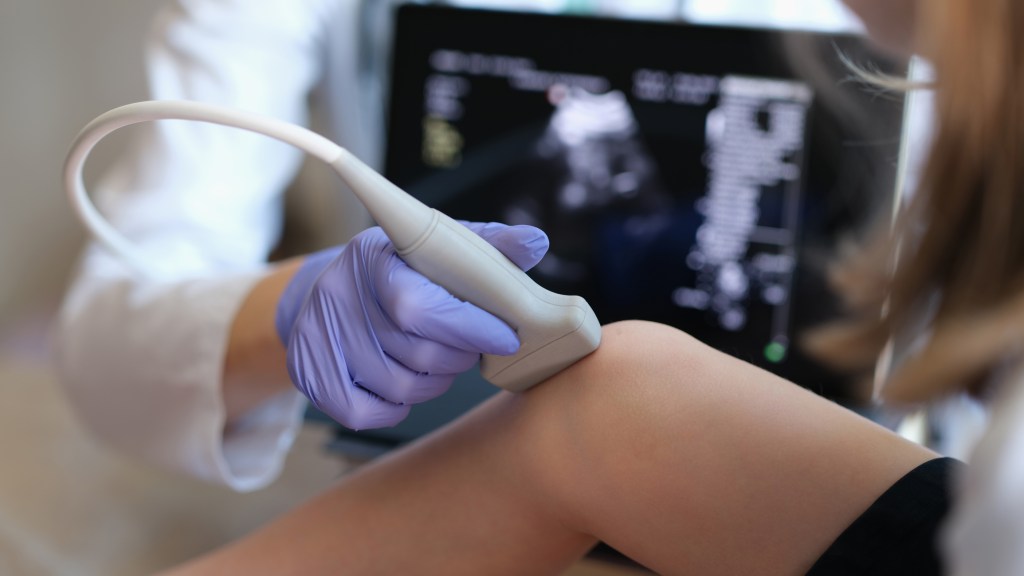
A transvaginal ultrasound uses sound waves to record your pelvic cavity and organs and project these images onto a screen. A wand-like instrument called a transducer is inserted into your vagina, where it releases sound waves that bounce off the various structures inside your pelvis. The sound waves travel back to the transducer, where they’re converted into electrical signals. These signals project a real-time visual image of your pelvic organs onto a screen that the technician performing the procedure can view.

The ultrasound captures still images of the visuals on screen, too, so that your provider can examine them later. The image produced during an ultrasound is called a “sonogram.”

How long does a transvaginal ultrasound take?

A transvaginal ultrasound can take anywhere from 15 minutes to an hour.

How do I prepare for a transvaginal ultrasound?

Transvaginal ultrasounds don’t require much preparation. The procedure is quick and relatively painless, with little risk of side effects. You shouldn’t have to plan for someone to drive you home or to work afterward.

To prepare:

  • Wear clothes that you can slip out of easily. You will have to remove your pants and underwear, and you may have to wear a gown.
  • Remove your tampon before the procedure if you’re on your period.
  • Follow your provider’s instructions about when to drink fluids and go to the bathroom. Having a full bladder affects the way your organs appear on an ultrasound. You may need to arrive at your appointment with a bladder that’s empty, full or partially full.

Do I need to shave for a transvaginal ultrasound?

No. Having pubic hair won’t prevent you from having an ultrasound. Groom to your comfort before the procedure.

What should I expect during a transvaginal ultrasound?

Your ultrasound will occur in an ultrasound room in a hospital, private radiology practice or clinic for obstetric and gynecological imaging. In some instances, your provider may order an abdominal ultrasound before your transvaginal ultrasound. Both imaging procedures together provide a more comprehensive view of your pelvic organs that may be needed, depending on your symptoms.

  1. You’ll lie on an examination table as if you were having a pelvic exam — with your knees bent, and your feet possibly in stirrups.
  2. Your provider will place a condom and a warm lubricating gel on the transducer and gently insert it inside your vagina.
  3. Once it’s inside your body, the transducer releases sound waves that record pictures of your pelvic organs. These images get projected onto a screen. The technician performing the ultrasound may ask that you lie still or shift your body so that the transducer can record your pelvic cavity from different angles.

The technician may perform additional steps if you’re having saline-infusion sonography, or a sonohysterogram.

Once enough images are taken for a thorough analysis, the technician will remove the transducer.

Is a transvaginal ultrasound painful?

No. The transducer is designed to curve to your vagina’s shape so that the procedure is as painless as possible. Also, the lubricating gel placed on the transducer allows for gentle insertion. Still, you may feel some discomfort or pressure when the technician inserts the transducer into your vagina. The process may feel similar to a Pap smear, when your provider uses a speculum to widen the opening in order to access your cervix.

What are the risks of a transvaginal ultrasound?

Transvaginal ultrasounds are safe. The sound technology used to record images of your pelvis doesn’t pose risks to you or your fetus if you’re pregnant. You may feel slight discomfort or pressure from the transducer. And you may have a slight vaginal discharge from the lubricating gel used during the procedure that should disappear after 24 hours.

What type of results do you get after a transvaginal ultrasound?

If your provider performs the procedure, they may discuss your results with you that same day. Or, they may send the images to a certified physician sonologist for analysis. The sonologist will examine your ultrasound images and type up a report communicating their findings to your provider.

Your test results may provide enough information for a definitive diagnosis. Alternatively, your provider may request additional testing if there’s uncertainty. Ask your provider about how your results will affect your care plan.

A note from QBan Health Care Services

A transvaginal ultrasound is a common procedure that can help your provider identify what’s causing unpleasant symptoms you may be experiencing. It requires little effort on your part while providing helpful information to your provider about conditions that require a range of treatment options. Speak to your provider about how having a transvaginal ultrasound will inform the next steps of your care.

ANGINA

Angina is chest pain that comes and goes. There are several types of angina. Stable angina (angina pectoris) is the most common type, and it’s caused by coronary artery disease. Rest and medication can ease your angina and improve your quality of life. Severe or unexpected angina signals a heart attack and needs immediate medical care.

What is angina?

Angina is chest pain or discomfort that happens when your heart isn’t receiving enough oxygen-rich blood. As a result, your heart may beat faster and harder to gain more blood, causing you noticeable pain. Angina isn’t a disease. It’s a symptom and a warning sign of heart disease.

About 10 million people in the U.S. experience angina. So, if you have this symptom, you’re certainly not alone. It’s important to learn more about angina, what causes it and how to manage it in your daily life.

Important: Angina can be a warning sign of a heart attack. If you have unexpected or severe chest pain, call 911 right away.

What does angina feel like?

Most people with angina describe having chest pain or pressure. Or they describe a squeezing sensation or a tightness in their chest. Some people say it feels like indigestion. Others say it’s hard to describe angina with words.

The discomfort usually begins behind your breastbone. Sometimes, you may not be able to locate exactly where the pain is coming from.

Pain/discomfort you feel in your chest may spread to other parts of your upper body. These include your neck, jaw, shoulders, arms, back or belly.

Lack of oxygen to your heart can cause other symptoms, known as “angina equivalents.” These are symptoms that you don’t feel in your chest, including:

Angina feels like pain, pressure or squeezing in your chest. The discomfort may spread to other parts of your upper body like your arms or jaw.

What are the different types of angina?

There are four main types of angina:

What is angina pectoris?

Angina pectoris is another name for stable angina. It refers to brief chest pain or discomfort that comes and goes in predictable patterns.

How is angina different from a heart attack?

Both angina and a heart attack are consequences of coronary artery disease. But angina doesn’t cause permanent damage to your heart. A heart attack does. That’s because angina signals a temporary reduction in blood flow to your heart. A heart attack causes a longer reduction in blood flow. During that time, part of your heart muscle begins to die.

Another key difference is what makes the pain go away. Rest or medication (nitroglycerin) causes stable angina to go away within a few minutes. However, if you’re having a heart attack, rest or medication won’t ease your symptoms.

Stable angina doesn’t require emergency care unless your pain suddenly gets worse or doesn’t go away with rest or medication. A heart attack is a life-threatening emergency that needs immediate medical attention. There’s nothing you can do on your own to make it better.

That’s why it’s important to talk with a healthcare provider about your angina and learn what’s “normal” for you. Ask your provider what’s out of the ordinary for you and when you should call 911.

What causes angina?

Reduced blood flow to your heart (myocardial ischemia) causes angina. Several problems with your coronary arteries can prevent your heart from receiving enough blood. These include:

  • Coronary artery disease (CAD): This is the most common cause of angina. It happens when plaque (a fatty, waxy substance) builds up in your coronary arteries, which supply blood to your heart. These arteries narrow or harden (atherosclerosis), reducing blood flow to your heart.
  • Coronary microvascular disease: This condition is more common among women and people assigned female at birth (AFAB) compared with men and people assigned male at birth (AMAB). It damages the walls of tiny blood vessels that branch from your coronary arteries. These blood vessels aren’t seen on typical testing for CAD and require special testing that’s not available at all medical centers.
  • Coronary artery spasm: Your coronary arteries repeatedly constrict (tighten) then open up. These spams temporarily restrict blood flow to your heart. You can have coronary spasms without having coronary artery disease. This may not be diagnosed with routine testing for CAD and may require special testing that’s not available at all medical centers.

Risk factors for angina

There are many risk factors for angina. Some factors raise your risk of heart problems that directly cause angina, like coronary artery disease. Other factors limit how much oxygen-rich blood can reach your heart.

Some risk factors (like aging) can’t be changed. You may be able to manage others through lifestyle changes and medications. Talk with your provider about how to lower your risk.

How is angina treated?

Your healthcare provider will treat the underlying heart problem that’s causing your angina. The goals of treatment are to improve blood flow to your heart and lower your risk of complications. Your provider will give you a physical exam and perform testing to learn more about your condition and determine the best treatments.

Common treatment options include:

  • Anticoagulants or antiplatelet drugs to lower your risk of blood clots.
  • Blood pressure medications.
  • Cholesterol medications.
  • Medications used specifically to treat angina.
  • Lifestyle changes.
  • Coronary artery bypass grafting (CABG).
  • Percutaneous coronary intervention (PCI), also called coronary angioplasty and stenting.

Even with treatment, some people still experience angina. Your provider may prescribe a medication to quickly open your blood vessels when you have pain. Nitroglycerin is a common angina medication.

Enhanced external counterpulsation (EECP) is another option for people with continued pain. This therapy applies pressure to your lower legs to help improve blood flow to your heart. It may help ease your angina.

What can I do at home to manage angina?

Talk with your healthcare provider about how to manage angina in your daily life. They’ll offer advice based on the type of angina you have and what’s causing it. Some general tips include:

  • Keep a log of your angina episodes. Include the date and time, what it felt like and possible triggers (activities, emotions, weather, etc.). Also include the pain level on a scale of 1 to 10. Share the log with your provider.
  • Know when to call for emergency help.
  • Take medication as prescribed to treat your angina.
  • Try to avoid the triggers that lead to an angina attack.

If you have angina, you may worry about what’ll trigger an angina attack. You may wonder if it’s safe for you to do the following activities:

  • Drive.
  • Exercise or play a competitive sport.
  • Have sex.
  • Work a job that involves manual labor.

Talk with your provider about which activities are safe for you. Many people can continue their normal routine, but should keep medicine with them in case of an angina attack. You may need to reduce heavy lifting or other strenuous tasks that could trigger an angina attack. But your provider will offer guidance based on your individual situation.

How can I prevent angina?

You can help prevent angina by living a heart-healthy lifestyle. Take these steps for better heart health:

  • Avoid smoking and all tobacco products. Also, avoid exposure to secondhand smoke.
  • Eat a heart-healthy diet. The DASH Diet and the Mediterranean Diet are good options. Lower your intake of saturated fat, trans fat, sugar and sodium.
  • Find new ways to manage stress. Try meditation, yoga or talking with a counselor or friend. Journal writing is another way to process emotions and concerns.
  • Keep a weight that’s healthy for you. Ask your provider what you should aim for, and ask for advice on how to reach that goal.
  • Manage risk factors for coronary artery disease. These include high blood pressure, high cholesterol, high triglycerides and diabetes.
  • Move around more. Try to exercise for at least 150 minutes (2.5 hours) every week. Go for walks or find other activities you enjoy. Find a friend to join you.
  • Take medications prescribed by your cardiologist. Many of these medications have been shown to reduce or eliminate the anginal symptoms you have.

When should I call my healthcare provider?

Call your healthcare provider if you have:

  • Questions or concerns about your treatment plan.
  • Side effects from your medications.
  • Symptoms that are new or getting worse.

When should I go to the ER?

Call 911 or your local emergency number if you have symptoms of a heart attack or stroke. These are life-threatening emergencies that require immediate care. Consider printing out the symptoms so you can keep them visible at all times. Plus, share this information with your loved ones.

You should also call 911 if your stable angina suddenly becomes worse or doesn’t go away with rest or treatment.

A note from QBan Health Care Services

Angina is a common symptom of heart disease. Many people can manage their angina by learning their triggers and knowing when to rest or take medication. But sometimes, angina can be a sign of a heart attack. Knowing when to call for emergency help can save your life.

Talk with your provider about your angina. Make sure you know the difference between your “normal” angina and a more severe symptom that needs emergency care.

ATRIAL FIBRILLATION

Atrial fibrillation (Afib) is an irregular heart rhythm that begins in your heart’s upper chambers (atria). Symptoms include fatigue, heart palpitations, trouble breathing and dizziness. Afib is one of the most common arrhythmias. Risk factors include high blood pressure, coronary artery disease and having obesity. Untreated Afib can lead to a stroke.

What is atrial fibrillation?

Atrial fibrillation (also called Afib or AF) is an irregular heart rhythm (arrhythmia) that begins in the upper (atria) of your heart. If you have atrial fibrillation, the normal cycle of electrical impulses in your heart is interrupted. This leads to a fast, chaotic heart rhythm and poor movement of blood from your atria to your lower chambers (ventricles).

There are three main types of atrial fibrillation.

  • Paroxysmal Afib lasts less than one week and usually stops on its own without treatment. (Paroxysmal is pronounced par-ək-ˈsiz-məl.)
  • Persistent Afib lasts more than one week and needs treatment.
  • Long-standing persistent Afib lasts more than a year and is sometimes difficult to treat.

Afib, if untreated, can lead to a stroke and other serious medical complications. That’s why it’s important to learn the symptoms and talk with your healthcare provider about your personal risk factors.

What are the symptoms of atrial fibrillation?

You might be wondering what Afib feels like. Some people with Afib have no symptoms. It depends on how fast your ventricles are beating. If they’re beating at a normal or slightly elevated pace, you probably won’t feel anything. But if your ventricles beat faster then you’ll start to notice symptoms. These can include:

If you have symptoms, keep a list of when they happen and share this information with your healthcare provider right away.

How can I check for Afib at home?

If you think you have Afib symptoms, it’s important to call your healthcare provider right away to discuss how you’re feeling. Your provider may ask you to check your pulse. If it feels erratic or weak, that could be a sign you’re in Afib.However, sometimes you might not notice any changes in your pulse, especially if your Afib isn’t advanced. You may instead just feel tired or out of breath. You may not know if your symptoms are from Afib or something else. That’s why a call to your provider is essential.

When should I call 911?

Atrial fibrillation can cause serious medical complications. So, it’s essential to learn the warning signs and to share them with your family and friends. In many cases, we need someone else to call 911 for us. Immediately call 911 (or your local emergency services) if you have the following symptoms or if you notice them in someone around you:

Signs of bleeding

  • Bright red blood in your vomit, stool, or urine.
  • Severe pain in your head or abdomen.
  • Drastic vision changes.
  • Difficulty moving your legs or arms.
  • Memory loss.

These are signs of bleeding in your brain, digestive system, or urinary tract. Many people with Afib need to take blood-thinning medications to lower the risk of Afib-related stroke. This medication is essential. But taking too high a dose can cause bleeding in your body.

Heart attack symptoms

  • Pain, discomfort or pressure in the center of your chest or upper abdomen (it could come and go, or persist).
  • A feeling of squeezing, fullness, heartburn or indigestion.
  • Pain down your left arm.

People assigned female at birth may also have:

Stroke symptoms

  • Sudden numbness or weakness on one side of your body.
  • Confusion or trouble speaking or understanding others.
  • Difficulty seeing in one or both of your eyes.
  • Trouble walking.
  • Feeling dizzy or off-balance.
  • Sudden headache for no reason.

These are signs you may be having a stroke. Learn how to recognize these symptoms in yourself or others so you can act quickly. Every minute counts.

Signs of cardiac arrest

These symptoms can happen within an hour before having a cardiac arrest. In some cases, these symptoms might not appear at all, and a person could simply faint. If you or a loved one have Afib, it’s a good idea to talk with your healthcare provider about how to get help in medical emergencies. For those who live alone or spend lots of time alone, there may be no one home to call for help. Medical alert devices may be a life-saving resource.

How does atrial fibrillation affect my body?

When you’re in Afib, your heart’s electrical system isn’t working as it should. Your electrical impulses are chaotic, leading to an irregular and rapid heartbeat. When you feel your pulse isn’t right, you might wonder what’s going on inside your heart. It’s helpful to learn more about the differences between a normal heartbeat and what happens when you’re in Afib.

How your heart normally works

Your heart pumps blood to the rest of your body. During each heartbeat, your two atria contract, followed by your two lower chambers (ventricles). These actions, when timed perfectly, allow your heart to work as an efficient pump. Your heart’s electrical system controls the timing of your heart’s contractions. And your sinoatrial (SA) node is normally in charge of that electrical system. This node is located in your right atrium. When your SA node fires an impulse, electrical activity spreads through your right and left atria (“atrium” is singular and “atria” is plural). Both atria then contract and force blood into your ventricles.

The impulse then travels to the atrioventricular (AV) node, located near the middle of your heart. From there, the impulse moves to your ventricles, causing them to contract and pump blood out of your heart to your lungs and the rest of your body. This process repeats with every heartbeat. The SA node directs the timing of the electrical impulses and keeps your heart pumping smoothly.

You can think of your SA node as the conductor of an orchestra. Your SA node is responsible for keeping your heart beating at the proper pace and rhythm. Likewise, an orchestra conductor directs all the musicians to keep the music flowing at the right tempo, sometimes faster and sometimes slower.

Normally, your SA node adjusts to your level of activity. For example, it increases the rate of impulses when you exercise and decreases the rate when you sleep. With the SA node conducting your heart’s rhythm, you are in “normal sinus rhythm.” This means your heart is beating at a regular rhythm and pace, about 60 to 100 times per minute.

What happens when you’re in Afib

If you have atrial fibrillation, your SA node isn’t directing your heart’s electrical rhythm. Instead, many different impulses rapidly fire at the same time, causing a fast, chaotic rhythm in your atria. As a result, your atria can’t contract or pump blood effectively into your ventricles. Your ventricles contract irregularly, causing a rapid irregular heartbeat.

It’s as if in the middle of a concert, two more conductors walked onto the stage and started waving their batons. The musicians would no longer know who to follow or what to do. The music would lose its rhythm and harmony.

Fortunately, there are many ways to bring back your heart’s rhythm and harmony if you have Afib. It all starts with a visit to your healthcare provider, who can run some tests and make a diagnosis.

How common is atrial fibrillation?

Some researchers have called Afib the “new cardiovascular disease epidemic of the 21st century.” Afib is especially common among older adults. Over 33 million people age 55+ have been diagnosed globally. Estimates predict that 12 million people in the U.S. will have Afib by 2030. Afib causes nearly half a million yearly hospitalizations in the U.S. and leads to more and more deaths with each passing year.

Who does atrial fibrillation affect?

While Afib can affect anyone, it’s more common among people of European descent. However, Black people who have Afib are more likely to have serious complications such as stroke or heart failure. People assigned female at birth (AFAB) are more commonly diagnosed than people assigned male at birth (AMAB).

What causes atrial fibrillation to start?

Changes or damage to your heart’s tissue and electrical system cause atrial fibrillation. Usually, coronary artery disease or high blood pressure causes those changes. Often a trigger heartbeat causes atrial fibrillation to begin. But sometimes it’s hard to know the cause of that triggered heartbeat. For some people, there is no identifiable cause. Research is constantly providing new information to help us learn more about the

Afib often runs in families. So, if a close family member has Afib, you have a “family history” and therefore a higher chance of developing it, too.

Can atrial fibrillation be caused by anxiety?

We don’t fully know the connections between atrial fibrillation and anxiety. Research has identified Afib as a cause of anxiety (if you have Afib, you might worry about your symptoms or quality of life). But few studies have explored anxiety as a cause of Afib. We do know that anxiety can raise your risk of cardiovascular disease and causes a 48% higher risk of cardiac death. However, we need more research to find out if anxiety disorders can cause Afib.

How is atrial fibrillation diagnosed?

To diagnose atrial fibrillation, your healthcare provider will first ask you some questions. You’ll share information about your diet and physical activity, family history, any symptoms you’ve noticed and risk factors. It’s OK if you don’t know all the answers but share as much as you can. Your experiences and knowledge are essential tools to help your provider make a diagnosis. Your provider will then give you a physical exam that includes:

  • Listening to your heart rhythm with a stethoscope.
  • Checking your pulse and blood pressure.
  • Checking the size of your thyroid gland to identify thyroid problems.
  • Looking for swelling in your feet or legs to identify heart failure.
  • Listening to your lungs to detect heart failure or infection.

This exam will help your provider understand your baseline health and how your body is functioning.

Tests to diagnose atrial fibrillation

In addition to the physical exam, your provider may run some tests to make an atrial fibrillation diagnosis. These tests include:

  • Electrocardiogram (EKG or ECG). An EKG is usually the first test. It’s painless and takes about three minutes. It measures and records your heart’s electrical signals and allows your provider to see if your heart is beating normally.
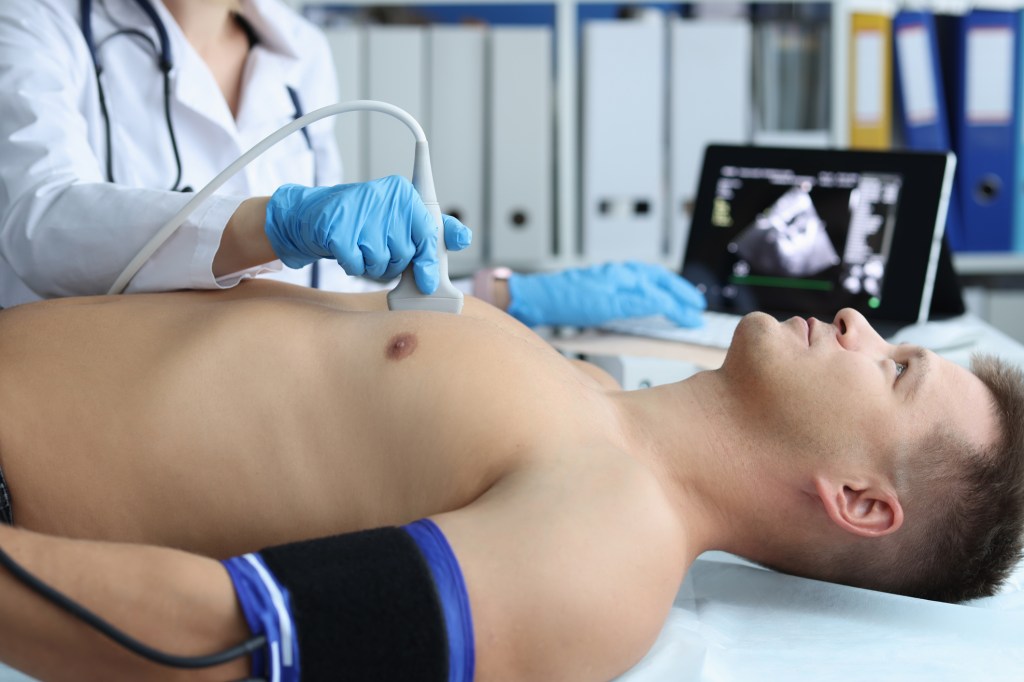
  • Echocardiogram (echo). An echo uses ultrasound technology to show your heart’s movement. It can reveal problems with blood flow and heart muscle contractions.
  • Blood tests. Sometimes, imbalances in our blood can cause Afib. Simple blood tests can show your potassium and thyroid hormone levels and can help your provider choose the best medicines for you based on your liver and kidney function.

In some cases, your provider may want to check how your heart works in your daily life. If so, you’ll be asked to wear a Holter monitor (for one or two days) or a portable event monitor (for up to one month) to record your heart’s activity.

An EKG records your heart’s electrical impulses and can show if you have atrial fibrillation.

What are the treatments for atrial fibrillation?

The main goals of Afib treatment include:

  • Controlling your heart rate.
  • Regaining a normal heart rhythm.
  • Reducing your risk of having a stroke.

Based on your symptoms, your healthcare provider will likely first prescribe medications to see if they help.

Medications

Medications to treat Afib may include:

  • Rate control medications to prevent the ventricles from beating too fast. Examples include digoxin, metoprolol, verapamil or diltiazem.
  • Rhythm control medications to help your heart beat in a normal sinus rhythm. Examples include procainamide, disopyramide, flecainide acetate, propafenone, sotalol, dofetilide or amiodarone.
  • Blood thinners (anticoagulant medications) to reduce the risk of blood clots and stroke. Examples include warfarin, warfarin alternatives or aspirin.

Any medications can cause side effects. Rate control and rhythm control medications may make your arrhythmia worse or impact your lungs, liver or other organs. Blood thinners can cause bleeding, indigestion or a heart attack. Usually, the benefits of taking these medications outweigh your risk of side effects. It’s important to discuss all risks and side effects with your provider.

Procedures and surgeries

If medications don’t help your Afib, you may need a procedure or surgery.

  • Electrical cardioversion electrically “resets” your heart rhythm using low-energy shocks, but it may only be a temporary solution.
  • Pulmonary vein ablation uses catheters to deliver energy outside and around your pulmonary veins. This procedure helps you respond better to your Afib medications. You may not even need medications long-term.
  • A permanent pacemaker may be inserted if you have a slow heart rate. Usually, it’s only used if you have another arrhythmia in addition to Afib.
  • Left atrial appendage closure is a procedure that reduces your risk of blood clots and stroke.
  • The MAZE procedure creates scar tissue that helps your heart’s electrical impulses travel in the right path. This procedure has a high success rate. If you have severe Afib symptoms and a history of stroke or blood clots, your provider may recommend this option.

Many procedures can be non-invasive, and newer treatment methods and technologies are constantly developing. Talk with your provider about the options that are best for you.

Can Afib go away?

If you have paroxysmal Afib, your symptoms may go away on their own without treatment. However, paroxysmal Afib can progress to persistent Afib depending on your risk factors. And both persistent Afib and long-standing persistent Afib require treatment to avoid serious complications. As Afib progresses, it becomes more serious and harder to treat. Afib can’t be cured, but its symptoms can be managed. Talk with your healthcare provider about the management and treatment plan that’s best for you.

What are the risk factors for atrial fibrillation?

The older we get, the greater our risk for atrial fibrillation. When we hit 65, our risk especially increases. Besides increasing age, high blood pressure is a huge risk factor. High blood pressure causes 1 in 5 cases of Afib. You also have a higher risk of developing Afib if you have any of the following conditions:

In addition, certain lifestyle factors like smoking, alcohol consumption and recreational drug use can raise your risk.

While exercise strengthens your heart, some athletes who exercise intensely for long periods of time could have a higher risk of Afib. In such cases, reducing the exercise intensity usually helps.

An estimated 1 in 3 people with Afib don’t know they have it. That’s why it’s important to know the risk factors and talk with your healthcare provider. If you’re at risk, you should have your heart and pulse checked regularly so you can catch problems early.

How can I reduce my risk of developing atrial fibrillation?

If you have other medical conditions or a family history of Afib, you may feel like it’s impossible to prevent. It’s true that some risk factors can’t be changed. However, the four major risk factors for Afib that we can change are obesity, physical inactivity, excessive alcohol consumption and tobacco use. Here are some tips to lower your risk:

  • Follow a heart-healthy diet.
  • Add aerobic exercise to your routine. Try for at least 150 minutes per week. Learn the target heart rate for your age and monitor your heart rate throughout exercise. Be sure to talk with your provider before starting any exercise plan.
  • Limit your alcohol consumption.
  • Quit smoking and using tobacco products. It can be hard to do this alone. With the right resources and support, you can achieve this goal and make your heart healthier.

As you lower these risk factors, you will also see other benefits like reduced blood pressure, lower cholesterol levels and weight loss. When it comes to heart health, each positive lifestyle change has a ripple effect. The more changes you can make, the more benefits you will enjoy in the long run.

When should I see my healthcare provider?

There’s no single schedule to follow. It all depends on your symptoms and treatment plan, and whether you need follow-ups after a procedure. So, it’s important to talk with your provider and make a plan together. Make sure you go to all your scheduled appointments. Keep track of the medications you’re taking, and bring a list of your medications to every appointment. It’s also a good idea to keep the list in your wallet so it’s with you in emergencies.

What should I discuss with my healthcare provider?

At each visit, be sure to share any new symptoms or problems you’re having, such as side effects from medication.

Your provider will ask you questions, but it’s important to ask your own questions, too. For example, ask for advice on how to reduce your risk factors. Starting a new diet or exercise plan can feel overwhelming. Your provider will offer advice and also connect you with others who can help, such as dietitians. You may also want to ask about available health and fitness programs, including those that support your mind-body connection.

Finally, be sure to ask your provider before taking over-the-counter medicines, such as those for cold and flu, and nutritional supplements. Sometimes these products can affect your heart rate or interact with your prescription medications.

A note from QBan Health Care Services

Atrial fibrillation is a complex heart condition that can seem scary, confusing or overwhelming. But whether you suspect you might have Afib, were recently diagnosed or have been living with it for years, you’re not alone. You’re one of the millions of people who are learning new strategies for managing Afib while still enjoying life. That’s why it’s important to talk with your healthcare provider and learn more about available resources and support communities.

It’s also helpful to learn about the benefits and risks of treatment options. All medications or procedures carry some risks. But when it comes to Afib, treatment is essential for supporting your heart and reducing your chances of having a stroke. Your provider will work with you to choose the best approach. With treatment, monitoring and lifestyle changes, you can live a long and healthy life with Afib.

CHEST PAIN

Chest pain has many causes, like issues in your heart, lungs or digestive system. Some causes are life-threatening while others aren’t. A healthcare provider can find the cause of your chest pain and put your mind at ease. Chest pain treatments may include medicines or operations.

What is chest pain?

Chest pain is a pain or discomfort in any area of your chest. It may spread to other areas of your upper body, including down your arms or into your neck or jaw. Chest pains can be sharp or dull. You may feel tightness or achiness. Or you may feel like something is crushing or squeezing your chest.

Pain in your chest can last for a few minutes or hours. In some cases, it can last six months or longer. It often worsens during exertion and improves when you’re at rest. Or it may happen while you’re resting. It can feel like it’s in a specific area or a larger, more general one. You may have left-side chest pain, pain in the middle of your chest or right-side chest pain.

You should seek medical attention for chest pain in case it’s a heart attack or another life-threatening problem.

Healthcare providers see many people with chest pain. It’s a very common symptom. But it’s not always related to your heart.

What does chest pain feel like?

Chest pain symptoms related to your heart feel like:

  • Pressure.
  • Squeezing.
  • Crushing.
  • Tearing.
  • Fullness.

You also may feel:

  • Tired.
  • Short of breath.
  • Discomfort in your belly, shoulders, arms, jaw, neck and back.
  • Sick to your stomach.
  • Sweaty.
  • Light-headed.

Some of these symptoms also happen with lung issues that need immediate treatment.

What is the main cause of chest pain?

Gastroesophageal reflux disease (GERD or chronic heartburn) is the most common cause of chest pain. Heart issue or not, you should get medical attention to get a diagnosis and the treatment you need.

What are the most common causes of chest pain?

Chest pains can come from heart, lung, digestive or other issues. They’re difficult to diagnose because they have so many causes. Healthcare providers start by looking for life-threatening causes first.

Chest pain causes include:

How is chest pain treated?

Chest pain treatment depends on the cause of the pain. If a heart attack is causing your chest pain, you’ll get emergency treatment as soon as you seek help. This can include medication and a procedure or surgery to restore blood flow to your heart.

If a noncardiac condition is causing your chest pains, your healthcare provider will talk to you about treatment options. Depending on your illness and how bad it is, they may recommend:

  • Lifestyle changes.
  • Medicines.
  • Surgery or a procedure.

What are the possible complications or risks of not treating chest pain?

Some causes of chest pain can be life-threatening. This includes some lung-related causes of chest pain, too. The safe bet is to see a healthcare provider who can diagnose and treat your chest pain.

Can chest pain be prevented?

Yes. You can reduce your risk of heart, vascular and other diseases by following a healthy lifestyle. This includes:

  • Eating a healthy diet. Your healthcare provider or registered dietitian can help you create an eating plan that’s right for you.
  • Managing health conditions you have, such as high blood pressure, high cholesterol and diabetes.
  • Exercising most days of the week.
  • Reaching and maintaining a weight that’s healthy for you.
  • Limiting the amount of alcohol you drink.
  • Not using tobacco products.

To prevent some other causes of chest pain, you can:

  • Avoid asthma triggers.
  • Treat respiratory infections right away.
  • Take medicine to prevent blood clots if you’re at risk for them.
  • Get a vaccination for chickenpox or shingles.
  • Avoid foods that cause heartburn.
  • On long road trips or flights, prevent blood clots from forming in your legs by getting up and walking around a little bit once every couple of hours.

How do I know if my chest pain is serious?

If you have chest pain that lasts longer than five minutes and doesn’t go away when you rest or take medication, get immediate help. Call 911, your local emergency services number or have someone take you to the closest emergency room (ER) right away.

Cardiac chest pain can be life-threatening.

Chest pain can be a sign of a heart attack. Other signs of a heart attack include:

  • Sweating.
  • Nausea or vomiting.
  • Shortness of breath.
  • Light-headedness or fainting.
  • A rapid or irregular heartbeat.
  • Pain in your back, jaw, neck, upper abdomen, arm or shoulder.

Is chest pain normal?

No. Chest pain isn’t normal. If you have chest pain, contact your healthcare provider or 911 right away.

What should I do if I have chest pain?

Pay attention to any type of chest pain.

If your chest pain is new, comes on suddenly, or lasts longer than five minutes after you rest or take medication, call 911, your local emergency number or have someone take you to the closest emergency room.

If your chest pain goes away or comes and goes, see your healthcare provider as soon as possible to find out what’s causing the pain, even if it’s not severe.

A note from QBan Health Care Services

Although most people think of a heart attack when they think of chest pain, there are many other conditions that cause chest pain. Know the signs of a heart attack and seek medical attention soon after you start having pain. Make a mental note of what you were doing when your chest pain happened so you can tell your healthcare provider. Being able to describe the kind of pain you’re having and where can help your provider give you a diagnosis.

HEART PALPITATIONS

Heart palpitations can feel like pounding, flip-flopping or the wrong amount of heartbeats. Most people get them because of anxiety. Other causes include: pregnancy, caffeine, alcohol or spicy food. Heart palpitations are common and usually aren’t dangerous.

What are heart palpitations?

Heart palpitations are a feeling like your heart is missing heartbeats, racing or pounding. You can feel palpitations in your chest, throat or neck.

Palpitations can happen at any time, even if you’re resting or doing normal activities. Although they may be startling, palpitations usually aren’t serious or harmful. However, they can sometimes be related to an abnormal heart rhythm that needs medical attention.

Who does it affect?

Heart palpitations are more common in women and people assigned female at birth, but anyone can experience them.

People can get heart palpitations at different times in their lives. You can get them as a teenager, during pregnancy or during menopause, for example.

How common are heart palpitations?

Heart palpitations are common. One study found that 16% of people saw their primary care provider because they had palpitations. Also, heart palpitations are one of the most common reasons people visit a cardiologist.

What are the symptoms of heart palpitations?

Heart palpitations symptoms may feel like your heart is:

  • Racing.
  • Pounding.
  • Missing a beat.
  • Having an extra beat.
  • Flip-flopping.
  • Fluttering.

You can feel heart palpitations in your chest, as well as in your neck or throat.

Symptoms of palpitations are more likely to be related to an abnormal heart rhythm if you have:

  • Heart disease.
  • Significant risk factors for heart disease.
  • An abnormal heart valve.

How long do heart palpitations last?

Heart palpitations usually don’t last long. They usually last a few seconds or minutes, but they sometimes last longer.

What causes heart palpitations?

A wide variety of things can cause heart palpitations, including but not limited to:

  • Emotions, such as anxiety, stress, fear and panic.
  • Exercise.
  • Pregnancy.
  • Caffeine.
  • Overactive thyroid.
  • Low levels of sugar, potassium or oxygen.
  • Low carbon dioxide in your blood.
  • Fever.
  • Anemia.
  • Dehydration.
  • Blood loss.
  • Medications such as asthma inhalers, beta blockers you take for high blood pressure or heart disease, thyroid drugs and antiarrhythmic medicines.
  • Some cough/cold medicines, including decongestants.
  • Some herbal and nutritional supplements.
  • Recreational drug use such as cocaine and amphetamines (speed).
  • Nicotine.
  • Alcohol.

When do people get palpitations?

You can get heart palpitations at different times in your life. Some people experience:

  • Heart palpitations with anxiety. Heart palpitations can be part of your body’s reaction to feelings of anxiety or panic.
  • Heart palpitations after eating. Spicy or rich foods can cause palpitations, and so can caffeinated drinks or alcohol.
  • Heart palpitations at night. These are just like daytime palpitations, but you may notice them more at night because you’re not busy or distracted.
  • Heart palpitations when lying down. Sleeping on your side may increase pressure in your body, which can cause palpitations.
  • Heart palpitations all day. If you’re having heart palpitations all day, check with your healthcare provider. Most heart palpitations don’t last long.
  • Heart palpitations during pregnancy. When you’re pregnant, your heart rate and the amount of blood circulating in your body increase to support your baby. It’s common for pregnant people to have heart palpitations, and they’re usually harmless. You can ask your provider for a medication that’s safe to take during pregnancy.

How are heart palpitations diagnosed?

A healthcare provider will listen to your heart and lungs. They’ll also review your:

  • Medical history.
  • Symptoms.
  • Diet.
  • Medications and herbal products you take.

It’s helpful to let a provider know the details of your heart palpitations, such as:

  • When and how often they happen.
  • How long they last.
  • How you feel when they happen.
  • What you’re doing when they start.
  • What helps you feel better.

You may not have heart palpitations during your visit with a provider. They may ask you to tap your fingers to imitate the rhythm of your palpitations.

What tests will be done to diagnose heart palpitations?

A provider may order tests, such as:

  • Blood tests.
  • Urine (pee) tests.
  • Electrocardiogram (ECG/EKG).
  • Stress test.
  • Echocardiogram (heart ultrasound).
  • A Holter monitor you wear for a day or longer to record your heart’s activity.
  • Electrophysiology study.
  • Cardiac catheterization.

You may need to see an electrophysiologist. This is a provider who specializes in abnormal heart rhythms.

How are heart palpitations treated?

The best type of treatment for you depends on what causes your heart palpitations. You may not need any treatment.

If you have heart disease or an abnormal heart rhythm, you may need medication, a procedure, surgery or a device to correct the problem. It’s important to keep all follow-up appointments with your provider.

How can I stop heart palpitations?

If anxiety or stress causes your heart palpitations, you may be able to control them with calming activities like yoga, meditation or a mindfulness exercise that focuses on your breathing. In addition, you may need to drink less coffee or other caffeinated drinks if caffeine triggers palpitations.

Will heart palpitations go away?

Heart palpitations often go away without medical treatment if things you eat, drink or do cause them, including:

  • Smoking.
  • Drinking alcohol.
  • Drinking caffeinated beverages.
  • Eating spicy or rich food.
  • Working out too hard.

However, if you have heart disease or an abnormal heart rhythm, you may need medication, a procedure, surgery or a device to correct the issue. Again, it’s important to keep all follow-up appointments with your provider.

How can I prevent heart palpitations?

Depending on what’s causing your heart palpitations, these tips can help you have them less often:

  • Reduce your stress level with deep-breathing and/or relaxation exercises, yoga, tai chi, guided imagery or biofeedback techniques.
  • Avoid or limit the amount of alcohol you drink.
  • Avoid or limit the amount of caffeine in your diet.
  • Don’t use tobacco or nicotine products.
  • Exercise on a regular basis. Before you start, ask your healthcare provider what exercise programs are right for you.
  • Avoid foods and activities that trigger palpitations.
  • Control your blood pressure and cholesterol levels.

What can I expect if I have heart palpitations?

Heart palpitations usually aren’t a cause for concern. People who have them can go about their normal lives.

Are heart palpitations dangerous?

No, heart palpitations usually aren’t dangerous.

Are heart palpitations normal?

Heart palpitations are very common and are usually a normal response to stress or anxiety.

When should I see a healthcare provider?

Call 911 (or your local emergency number) right away if heart palpitations won’t stop or if you have these symptoms:

  • Passing out.
  • More intense pain, pressure or tightness in your chest, neck, jaw, arm(s) or upper back.
  • Trouble breathing.

Contact your provider if you have palpitations sometimes, but don’t have the additional symptoms below. If your palpitations get worse or suddenly happen more often, call your provider.

When should I worry about heart palpitations?

Heart palpitations usually aren’t dangerous. However, they may be a sign of a more serious health problem if you also:

  • Feel dizzy, confused or lightheaded.
  • Have chest pain or pressure.
  • Have shortness of breath.
  • Have unusual sweating.
  • Start to have worse palpitations or have them more often.

What questions should I ask my doctor?

Questions you can ask your provider include:

  • What’s causing my heart palpitations?
  • Do I need treatment for my heart palpitations?
  • How long will I have heart palpitations?

A note from QBan Health Care Services

Heart palpitations (feeling like your heart is racing or pounding) can be unsettling because you usually aren’t aware of your heartbeat. But heart palpitations are usually harmless. If you have other symptoms like dizziness or passing out when you have heart palpitations, that could be a sign of a serious medical problem. In that case, you should tell a healthcare provider about it.

CONGESTIVE HEART FAILURE

Congestive heart failure is a long-term condition that happens when your heart can’t pump blood well enough to give your body a normal supply. Blood and fluids collect in your lungs and legs over time. Medications and other treatments help manage symptoms like swelling. Congestive heart failure is life-limiting for many.

What is congestive heart failure?

Congestive heart failure, or heart failure, is a long-term condition in which your heart can’t pump blood well enough to meet your body’s needs. Your heart is still working. But because it can’t handle the amount of blood it should, blood builds up in other parts of your body. Most of the time, it collects in your lungs, legs and feet.

Think of it like a shipping department that can’t keep up with getting all the shipments where they need to go. The shipping department is always running behind and things pile up. When things pile up, they cause issues.

Types of congestive heart failure

Types of congestive heart failure include:

How common is congestive heart failure?

More than 6 million people in the United States have congestive heart failure. It’s the leading cause of hospitalization in people older than 65.

What are the congestive heart failure symptoms?

Congestive heart failure symptoms include:

Sometimes, you may have mild symptoms of congestive heart failure or none at all. This doesn’t mean you don’t have heart failure anymore. Symptoms of heart failure can range from mild to severe and may come and go.

Unfortunately, congestive heart failure usually gets worse over time. As it worsens, you may have more or different signs or symptoms.

What causes congestive heart failure?

Causes of congestive heart failure include:

Left-sided heart failure is the most common cause of right-sided heart failure. When your left ventricle isn’t working correctly, it allows blood to back up. At some point, this backup affects your right ventricle. Other causes include certain lung problems and issues in other organs.

What are the risk factors for congestive heart failure?

Risk factors for congestive heart failure include:

  • Being older than 65.
  • Using tobacco products, cocaine or alcohol.
  • Having an inactive (sedentary) lifestyle.
  • Eating foods that have a lot of salt and fat.
  • Having high blood pressure.
  • Having coronary artery disease.
  • Having a heart attack.
  • Having a family history of congestive heart failure.

What are the complications of congestive heart failure?

Some of the complications from congestive heart failure include:

  • Irregular heartbeat.
  • Sudden cardiac arrest.
  • Heart valve problems.
  • A collection of fluid in your lungs.
  • Pulmonary hypertension.
  • Kidney damage.
  • Liver damage.
  • Malnutrition.

How is congestive heart failure diagnosed?

Your healthcare provider will ask you about your symptoms and medical history. They may ask you about:

  • Other health conditions you have.
  • family history of heart disease or sudden death.
  • Your use of tobacco products.
  • How much alcohol you drink.
  • Any history of chemotherapy and/or radiation.
  • The medications you take.

You’ll also have a physical exam. Your provider will look for signs of congestive heart failure and diseases that may have made your heart muscle weak or stiff.

What are the four stages of congestive heart failure?

Heart failure is a chronic condition that gets worse with time. There are four heart failure stages (Stages A, B, C and D). They range from having a high risk of developing heart failure to having advanced heart failure.

Stage A

Stage A (pre-heart failure) means you’re at a high risk of developing heart failure because you have a family history of congestive heart failure or you have one or more of these medical conditions:

Stage B

Stage B (pre-heart failure) means your left ventricle isn’t working well and/or is structurally abnormal but you’ve never had symptoms of heart failure.

Stage C

People with Stage C heart failure have a congestive heart failure diagnosis and currently have or previously had signs and symptoms of the condition.

Stage D and reduced EF (ejection fraction)

People who have Stage D HFrEF (heart failure with reduced ejection fraction) have advanced symptoms that don’t get better with treatment. This is the final stage of heart failure.

What tests will be done to diagnose congestive heart failure?

Common tests to identify congestive heart failure, its stage and its cause include:

How is congestive heart failure treated?

Your treatment will depend on the type of heart failure you have and, in part, what caused it. Medications and lifestyle changes are part of every heart failure treatment plan. Your healthcare provider will talk to you about the best treatment plan for you.

There’s no cure for heart failure. As congestive heart failure gets worse, your heart muscle pumps less blood to your organs, and you move toward the next stage of heart failure. Since you can’t move backward through the heart failure stages, the goal of treatment is to keep you from moving forward through the stages or to slow down the progression of your heart failure.

Stage A treatment

Treatment for people with Stage A heart failure includes:

Stage B treatment

Treatment for people with Stage B heart failure includes:

  • Treatments for Stage A.
  • Angiotensin-converting enzyme inhibitor (ACE-I) or angiotensin II receptor blocker (ARB) if your EF is 40% or lower.
  • Beta-blocker if you’ve had a heart attack and your EF is 40% or lower (if you aren’t already taking one).
  • Aldosterone antagonist if you’ve had a heart attack or if you have an EF of 35% or less.
  • Possible surgery or intervention as a treatment for coronary artery blockage, heart attack, valve disease (valve repair or replacement) or congenital heart disease.

Stage C treatment

Treatment for people with Stage C HFrEF includes:

  • Treatments from Stages A and B.
  • Beta-blocker.
  • Aldosterone antagonist.
  • Sodium-glucose transport 2 inhibitors (SGLT2i).
  • Hydralazine/nitrate combination if other treatments don’t stop your symptoms and you’re African American.
  • Medications that slow your heart rate if your heart rate is faster than 70 beats per minute and you still have symptoms.
  • diuretic (“water pill”) if symptoms continue.
  • Restriction of sodium (salt) in your diet.
  • Weight tracking every day. Tell your healthcare provider if you gain or lose more than 4 pounds.
  • Possible fluid restriction.
  • Possible cardiac resynchronization therapy (biventricular pacemaker).
  • Possible implantable cardiac defibrillator (ICD) therapy.

If the treatment improves or stops your symptoms, you still need to continue treatment to slow the progression to Stage D.

Stage D treatment

Treatment for people who have Stage D heart failure includes treatments for Stages A, B and C. In addition, it includes evaluation for more advanced treatment options, including:

Stages C and D with preserved EF

Treatment for people with Stage C and Stage D heart failure and preserved EF (HFpEF) includes:

  • Treatments for Stages A and B.
  • Medications for the treatment of medical conditions that can cause heart failure or make it worse, such as atrial fibrillation, high blood pressure, diabetes, obesity, coronary artery disease, chronic lung disease, high cholesterol and kidney disease.
  • Diuretic (“water pill”) to reduce or relieve symptoms.

It’s very important for you to manage your other health conditions, such as:

Some conditions have signs and symptoms similar to congestive heart failure. If you have new or worsening nonurgent symptoms, tell your healthcare provider.

Complications/side effects of the treatment

Complications of congestive heart failure treatments may include:

  • Hypotension.
  • Kidney failure.
  • Infections from frequent hospital visits that involve central IVs.

How can I lower my risk of congestive heart failure?

Although you can’t change some risk factors like age, family history or race, you can change your lifestyle to give yourself the best chance of preventing heart failure. Things you can do include:

  • Staying at a weight that’s healthy for you.
  • Eating foods that are good for your heart.
  • Exercising regularly.
  • Managing your stress.
  • Stopping the use of tobacco products.
  • Not drinking alcohol.
  • Not using recreational drugs.
  • Taking care of other medical conditions you have that can increase your risk.

What can I expect if I have congestive heart failure?

With the right care, congestive heart failure won’t stop you from doing the things you enjoy. Your prognosis, or outlook for the future, will depend on:

  • How well your heart muscle is working.
  • Your symptoms.
  • How well you respond to your treatment plan.
  • How well you follow your treatment plan.

One study says that people with congestive heart failure have a life span 10 years shorter than those who don’t have heart failure. Another study showed that the survival rates of people with chronic heart failure were:

  • 80% to 90% for one year.
  • 50% to 60% for year five.
  • 30% for 10 years.

A different study found that people who had heart failure had expected life spans ranging from three to 20 years after their hospital stay, depending on various factors like age and assigned sex at birth. It’s important to look at your specific situation when considering your prognosis.

How long congestive heart failure lasts

Congestive heart failure is a chronic, or lifelong, condition. You’ll need to treat it for the rest of your life.

How do I take care of myself?

With the right care and treatment plan, many adults still enjoy life even though congestive heart failure limits their activities.

You can care for yourself by:

  • Taking your medications.
  • Being active.
  • Following a low-sodium diet.
  • Tracking and reporting new or worsening symptoms to your provider.
  • Keeping regular follow-up appointments with your provider.

Congestive heart failure is a chronic, long-term illness that can get worse quickly, so it’s a good idea to let your provider and family know your preferences for medical care. You can complete an advance directive or living will to let everyone involved in your care know what you want. A living will details the treatments you want or don’t want to prolong your life. It’s a good idea to prepare a living will while you’re well in case you aren’t able to make these decisions at a later time.

What can’t I eat or drink with congestive heart failure?

People with congestive heart failure may need to limit how much salt and/or fluid they consume each day. Your provider can give you guidelines for this.

When should I see my healthcare provider?

It’s important to let your provider know if you have new symptoms or if your heart failure symptoms get worse. Contact them for new or worsening:

  • Shortness of breath when you’re at rest.
  • Swelling in your legs or belly.
  • Sudden weight gain.
  • Constant tiredness.

When should I go to the ER?

You need emergency treatment when your heart failure suddenly gets worse. Providers call this acute decompensated heart failure. They can give you medicine and oxygen to improve your condition.

What questions should I ask my doctor?

Questions to ask your healthcare provider include:

  • Which stage of congestive heart failure do I have?
  • What’s the best treatment for me at this stage?
  • What kinds of exercise are safe for me to do?
  • Is there a support group for people with congestive heart failure?

A note from QBan Health Care Services

If you have heart failure, you can take steps to improve your heart health. Take your medications, follow a low-sodium diet, stay active, take notice of sudden changes in your weight, keep your follow-up appointments and track your symptoms. If you have questions or concerns about your medications, lifestyle changes or any other part of your treatment plan, talk to your provider. They’re there to help you manage your heart failure.

MYOCARDIAL ISCHEMIA

Myocardial ischemia is a lack of blood flow getting to your heart muscle. That means your heart muscle isn’t getting enough blood to do what it needs to do. Often, the cause is a collection of fat and cholesterol (plaque) that doesn’t let enough blood go through your coronary arteries. Medicines and surgeries can treat myocardial ischemia.

What is myocardial ischemia?

Myocardial ischemia (or cardiac ischemia) means your heart muscle is not getting enough blood (which contains oxygen and nutrients) to work as it should. If this lack of blood from your coronary arteries is severe or goes on for more than a few minutes, it can damage your heart muscle. Then it becomes a myocardial infarction (heart attack).

A heart attack is an emergency. You should call 911 for an ambulance instead of having someone drive you to the hospital.

Who does myocardial ischemia affect?

People who get myocardial ischemia often have:

How common is myocardial ischemia?

Each year, more than 1 million people in the United States die from myocardial infarction (heart attack). This is due to myocardial ischemia, a lack of blood flow and oxygen to your heart muscle.

How does myocardial ischemia affect my body?

Myocardial ischemia makes it difficult to exercise, especially in the cold. As your condition gets worse, you can have symptoms of myocardial ischemia with less and less activity. In time, it can be hard to go up a flight of stairs. Eventually, you can even have symptoms when you’re at rest.

What are the symptoms?

The most common symptom of myocardial ischemia is angina (also called angina pectoris). This is chest pain (similar to indigestion or heartburn) that feels like:

  • Chest discomfort.
  • Heaviness.
  • Tightness.
  • Pressure.
  • Aching.
  • Burning.
  • Numbness.
  • Fullness.
  • Squeezing.

There are two types of angina:

  • Stable angina, which usually stops soon after you rest or take medication to manage it.
  • Unstable angina, which can happen at any time, even when you’re relaxed or sleeping. It may not go away when you take medication.

Other myocardial ischemia symptoms can also include:

  • Pain or discomfort in your upper body, including your arms, left shoulder, back, neck, jaw or stomach.
  • Trouble breathing or feeling short of breath.
  • Sweating or “cold sweat.”
  • Feeling full, indigestion, or a choking feeling (may feel like heartburn).
  • Nausea or vomiting.
  • Feeling lightheaded, dizzy, very weak or anxious.
  • Fast or irregular heartbeat.

If you have angina or any of the symptoms of ischemia listed above that last for more than five minutes, call 911 right away.

It’s possible to have ischemia ─ or even a heart attack ─ and not have any warning signs. This is called silent myocardial ischemia. This is most common in people with diabetes, but it can happen to anyone with heart disease.

What causes myocardial ischemia?

Often, a person has more than one cause of myocardial ischemia.

Causes of myocardial ischemia include:

  • Coronary artery disease. This is a buildup of plaque and cholesterol inside your coronary arteries, which supply blood to your heart muscle. The buildup narrows your artery so much that the oxygen-rich blood your heart needs can’t get through, and your heart muscle becomes starved for oxygen. This causes ischemia and angina. Atherosclerotic plaque causes 70% of fatal heart attacks.
  • Blood clot. When plaque that forms in your narrow coronary artery breaks apart, it can attract a blood clot. When a blood clot settles in a coronary artery that’s already narrow, it can cause a blockage (thrombosis).
  • Coronary artery spasm. This happens when the coronary arteries spasm, which temporarily reduces or cuts off blood supply to your heart.
  • Cocaine use.
  • Coronary artery dissection. This rare condition can keep blood from getting to your heart.

Ischemia is most likely to happen when your heart needs more oxygen and nutrients than it’s getting. It happens when your heart can’t keep up with your body’s increased demand for blood.

Your body needs more blood when you’re:

  • Active/exercising.
  • Eating.
  • Excited.
  • Stressed.
  • Cold.

How is myocardial ischemia diagnosed?

In addition to getting your medical history and doing a physical exam, your healthcare provider may do the following tests:

Your provider may also do blood tests to check for:

  • Proteins and enzymes that only show up in the blood when the heart muscle is damaged.
  • Causes of ischemia.
  • High cholesterol.

How is myocardial ischemia treated?

Myocardial ischemia treatments may include medications or procedures to improve blood flow to your heart muscle. Your treatment for myocardial ischemia depends on the cause of the problem. Your healthcare provider will talk to you about the treatment that’s best for you.

What medications/treatments are used?

Medicines or treatments for myocardial ischemia may include:

Complications/side effects of the treatment

Complications of coronary artery bypass graft may include:

Rarely, some of these complications can happen with angioplasty/ stent placement as well.

How long does it take to recover from this treatment?

After a coronary artery bypass graft, you’ll need to spend about a week in the hospital. After that, you’ll need six to 12 weeks to recover at home.

After angioplasty or stent placement, you’ll probably spend the night in the hospital and go home the next day.

How can I reduce my risk?

Your healthcare provider may recommend medications or lifestyle changes to reduce your risk of myocardial ischemia.

Medicines

Lifestyle changes

  • Get treatment for diabetes.
  • Get treatment for high blood pressure.
  • Get treatment for high cholesterol.
  • Exercise 30 to 60 minutes on most days.
  • Eat less fat and lots of fruits, vegetables and whole grains.
  • Don’t use tobacco products.

What can I expect if I have myocardial ischemia?

It’s common for people with unstable angina to have a heart attack in the next three months. Heart attacks are fatal in the first few hours for up to a third of people who have them.

Most people who get through the first few days after a heart attack recover completely. However, 10% live less than a year after their heart attack.

How long does myocardial ischemia last?

Angina from myocardial ischemia lasts 10 minutes or less in most cases.

How do I take care of myself?

Exercise is very helpful for improving your cardiovascular health. It gets more oxygen to your heart muscle, which helps with symptoms. Healthcare providers recommend getting at least 30 to 60 minutes of exercise five or more days a week.

Other ways to stay healthy include:

  • Keep taking all medicines your provider prescribed for you.
  • Eat a healthy diet.
  • Stay at a healthy weight.
  • Avoid tobacco products.

When should I see my healthcare provider?

Contact your healthcare provider if your medicines aren’t helping you or if the side effects are severe. If you’ve had an angioplasty and stent placement or coronary artery bypass graft, you’ll most likely need to see your provider every six months during the first year after your procedure.

When should I go to the ER?

Call 911 and chew an aspirin if you think you’re having a heart attack. If you have a clot in your coronary artery, aspirin can help make it smaller.

You should also get help immediately if you’ve taken three nitroglycerin doses (one every five minutes) and still have angina.

What questions should I ask my doctor?

  • How often will you need to see me once I start exercising?
  • Will I need to take the medicines you prescribed for the rest of my life?
  • How high is my individual risk of a heart attack?

Is myocardial ischemia the same as angina?

No. Angina (chest pain) is a very common symptom of myocardial ischemia.

Is myocardial ischemia a stroke?

No. Myocardial ischemia is a lack of blood supply to your heart muscle. A stroke affects your brain.

How long can you live with myocardial ischemia?

It depends on many factors, such as:

  • Whether you have a heart attack.
  • How quickly you get diagnosis and treatment.
  • How well you do with following your healthcare provider’s instructions for making lifestyle changes.
  • How well you manage conditions that cause myocardial ischemia (usually atherosclerosis).

A note from QBan Health Care Services

Chest pain from myocardial ischemia is understandably a cause for concern, but a diagnosis and treatment plan can give you peace of mind. Following your healthcare provider’s recommendations will give you the best chance of improving your heart health. Although you may not want to think about it, it’s a good idea to know the warning signs of a heart attack. Having a plan in place in case that happens will help you be prepared to help yourself or a loved one.

ARRHYTHMIA

An arrhythmia is a heart rhythm that isn’t normal. Your heart may be beating too fast when you’re at rest or just not beating in a regular pattern, for example. Arrhythmias range from harmless to serious, with symptoms and without. There are many options to treat arrhythmias, but some don’t need them. The prognosis varies greatly depending on the type.

What is arrhythmia?

An arrhythmia (also called dysrhythmia) is an abnormal heartbeat. Arrhythmias can start in different parts of your heart and they can be too fast, too slow or just irregular.

Normally, your heart beats in an organized, coordinated way. Issues with various parts of your heart — or even the blood your heart pumps — can affect your heart’s normal rhythm. Having a normal heart rhythm matters because your heart supplies your whole body with nutrients and oxygen through the blood it pumps.

How serious is a heart arrhythmia?

Some types of arrhythmia are harmless and don’t require treatment. Others can put you at risk for cardiac arrest. Many are in between these two extremes. A healthcare provider can tell you which type of arrhythmia you have and what kind of treatment you need, if any.

What are the types of arrhythmia?

Healthcare providers describe arrhythmias by where in your heart they start.

  • Supraventricular arrhythmias: These begin in your atria (your heart’s upper chambers). “Supraventricular” means above your ventricles or lower chambers of your heart.
  • Ventricular arrhythmias: These begin in your heart’s ventricles or lower chambers.
  • Bradyarrhythmias and junctional rhythms: These can happen because of issues in your heart’s conduction system, such as the sinoatrial (SA) node, atrioventricular (AV) node or His-Purkinje network.

How common is arrhythmia?

An estimated 1.5% to 5% of people have arrhythmias. However, some people don’t have symptoms, making it difficult to estimate how many people actually have arrhythmias. In the U.S., atrial fibrillation is the most common type of arrhythmia.

What are the warning signs of arrhythmia?

Heart arrhythmia symptoms may include:

A cardiac arrhythmia may be “silent” and not cause any symptoms.

What causes arrhythmia?

Arrhythmia causes include:

What is the main cause of arrhythmia?

Most arrhythmias happen because of an issue with your heart’s arteries, valves or muscles.

What are the risk factors for arrhythmia?

Risk factors for arrhythmia include:

  • Using tobacco products.
  • Drinking alcohol.
  • Consuming drinks and foods that have caffeine.
  • Taking stimulants like cold medicines or herbal supplements.
  • Having high blood pressure.
  • Having a BMI (body mass index) higher than 30.
  • Having high blood sugar.
  • Having sleep apnea.

What are the complications of arrhythmia?

Without treatment, arrhythmias can lead to complications such as:

  • Weakening of your heart muscle (cardiomyopathy).
  • Cardiac arrest.
  • Stroke.

How is an arrhythmia diagnosed?

A healthcare provider can find an irregular heartbeat during an examination by taking your pulse and listening to your heart.

After assessing your symptoms and performing a physical examination, they may order diagnostic tests to help confirm that you have an arrhythmia. This can also help find the cause.

You may also want to see an electrophysiologist — a cardiologist who has additional specialized training in the diagnosis and treatment of heart rhythm disorders.

What tests will be done to diagnose arrhythmia?

Some tests that can check for an irregular heart rhythm and associated diseases include:

  • Electrocardiogram (ECG or EKG).
  • Blood tests to check your electrolyte levels or look for a genetic issue.
  • Ambulatory monitors.
  • Stress test.
  • Echocardiogram.
  • Cardiac catheterization.
  • Electrophysiology study (EPS).
  • Tilt table test.
  • Computed tomography (CT).
  • Heart MRI (magnetic resonance imaging).

How is an arrhythmia treated?

Treatment depends on the type and severity of your arrhythmia. In some cases, no treatment is necessary. Heart arrhythmia treatment options include:

  • Medications.
  • Lifestyle changes.
  • Therapies.
  • Devices.
  • Surgery.

Medications

Many medications can treat arrhythmias. Because everyone is different, you may have to try several medications and doses to find the one that works best for you. Heart arrhythmia treatments include:

  • Antiarrhythmic drugs that convert the arrhythmia to sinus rhythm (normal rhythm) or prevent an arrhythmia.
  • Medicines that control your heart rate.
  • Anticoagulant or antiplatelet therapy drugs (such as warfarin or aspirin) that reduce the risk of blood clots forming.
  • Medications that treat related conditions that may be causing an abnormal heart rhythm.

It’s important to know:

  • The names of your medications.
  • Why you take them.
  • How often and at what times to take them.
  • Side effects of your medications.

Lifestyle changes

Simple changes to the way you live can help with arrhythmias. These changes may include:

  • Managing blood pressure and blood sugar levels.
  • Avoiding tobacco products.
  • Cutting back on alcohol intake.
  • Avoiding caffeine and stimulants.
  • Working toward a healthy weight.

Therapies

In addition to medicine, some people need therapies to treat or eliminate irregular heart rhythms. Your healthcare provider will determine the best treatment for you and discuss the benefits and risks of these therapies with you.

Therapies include:

  • Cardioversion: An electrical impulse synchronizes your heart and allows your normal rhythm to restart.
  • Catheter ablation: A catheter sends high-frequency electrical energy to a small area of tissue inside your heart to “disconnect” the abnormal rhythm’s pathway. Ablation can treat most SVTs, atrial flutter, atrial fibrillation and some atrial and ventricular tachycardias.
  • Pulmonary vein isolation: This type of ablation creates rings of scars to isolate areas that may cause atrial fibrillation. This can help people with frequent, paroxysmal or persistent atrial fibrillation.

Devices

A cardiologist may insert certain devices during a procedure in the electrophysiology lab. Devices to treat a heart arrhythmia include:

  • Permanent pacemaker: This device sends small electrical impulses to your heart muscle to maintain a normal heart rate and keep your heart from beating too slowly.
  • Implantable cardioverter defibrillator (ICD): This device constantly monitors your heart rhythm. When it detects a very fast, abnormal heart rhythm, it delivers energy to your heart muscle to make it beat in a normal rhythm. This device treats ventricular tachycardia and ventricular fibrillation, two life-threatening heart rhythms.
  • Biventricular (B-V) pacemakers and defibrillators (also called cardiac resynchronization therapy or CRT): These devices help to synchronize the contraction of your left ventricle. In addition to the leads that go to the right side of your heart, they have a lead that goes to your left ventricle. People with heart failure and uncoordinated left ventricle contractions may need this.

Surgery

People with arrhythmias may require heart surgery for any of these reasons:

  • To treat heart disease that may be causing the arrhythmia, including valve surgery or coronary artery bypass surgery.
  • A maze procedure can correct atrial fibrillation that doesn’t respond to medications or nonsurgical treatment methods.
  • In some cases, a provider may place biventricular pacemaker leads (tiny wires) on your heart using minimally invasive or surgical techniques.

Complications/side effects of the treatment

Side effects and complications vary depending on the treatment. They may include:

Arrhythmia medication

  • Allergic reactions.
  • Dizziness.
  • Headaches.
  • Bleeding.
  • Upset stomach.

Cardioversion

  • Embolization of blood clots.
  • Skin bruises.
  • Skin rash.

Catheter ablation

  • Bleeding.
  • Blood clots.
  • Stroke.
  • Infection.
  • Injury to a vein or heart tissue.

Pulmonary vein isolation

  • Allergic reaction to dye (if used).
  • Infection.
  • Injury to your heart, esophagus or vein.
  • Stroke.

Devices

  • Device malfunction.
  • Infection.
  • Bleeding.
  • Collapsed lung.

Surgery

  • Bleeding.
  • Infection.
  • Stroke.
  • Heart attack.
  • Need for a pacemaker.

How soon after treatment will I feel better?

It may take a little time to find the right medication and dose that works for your arrhythmia. Depending on the procedure or surgery, recovery afterward can take weeks or months. If you have a procedure like catheter ablation or pulmonary vein isolation, you may still have arrhythmias for several weeks while you’re healing. Your provider can tell you what to expect in your specific situation.

How can I lower my risk of arrhythmia?

Here are some ways to lower your risk of arrhythmia:

  • Stop using tobacco products.
  • Limit your intake of alcohol.
  • Limit or stop using caffeine. Some people are sensitive to caffeine and may notice more symptoms when using caffeinated products (like tea, coffee, colas and some over-the-counter medications).
  • Don’t take stimulants. Beware of stimulants in cough and cold medications and herbal or nutritional supplements. Some of these medications contain ingredients that promote irregular heart rhythms. Read the label and ask your provider what medication would be best for you.
  • Manage high blood pressure.
  • Work toward a weight that’s healthy for you.
  • Manage blood sugar levels.
  • Treat sleep apnea.
  • Avoid activities that appear to trigger an arrhythmia.

What can I expect if I have an arrhythmia?

Depending on the type of cardiac arrhythmia you have, you may have mild or severe symptoms or none at all. You may not need treatment, but some people need medicine or a procedure. With heart arrhythmia treatment, many people can live full lives. Some people with more serious arrhythmias have a cardiac arrest and may or may not survive.

How long arrhythmia lasts

Harmless arrhythmias go away and come back in response to what triggers them. However, people with other types of arrhythmias — especially those that put you at risk for cardiac arrest — need treatment for the rest of their lives.

How do I take care of myself?

If you have a cardiac arrhythmia, you might find it useful to know how to take your pulse. Your pulse is your heart rate, or the number of times your heart beats in 1 minute. Pulse rates vary from person to person. Your pulse is slower when you’re at rest and increases when you exercise. A normal heart rate (at rest) is 60 to 100 beats per minute. If you have a fitness tracker or smartwatch, it can track your heart rate.

You should also make sure that your family and friends know how to recognize your arrhythmia symptoms. It can give you peace of mind if they learn how to start CPR.

What can’t I eat/drink with this condition?

If you have an arrhythmia, you should limit the amount of alcohol and caffeine you consume. Both of these can trigger arrhythmias.

When should I see my healthcare provider?

Your provider will tell you how often you should visit. Call them in between visits if your symptoms become more frequent or severe.

You’ll need to visit your provider for regular follow-up visits to:

  • Make sure your arrhythmia treatments are working.
  • Properly adjust your medications.
  • Evaluate how well any implanted devices are working.
  • Make sure you’re staying healthy and not having other medical issues.

When should I go to the ER?

Get immediate medical care if you have:

  • Trouble breathing.
  • Chest pain.
  • Dizziness.
  • Fainting episodes.

What questions should I ask my doctor?

Questions you may want to ask your provider include:

  • Which type of arrhythmia do I have?
  • Do I need treatment?
  • What’s the best treatment for me?
  • What do I need to do to maintain my device?

A note from QBan Health Care Services

There are many ways for your heartbeat to be irregular. Some of these irregular heartbeats, called arrhythmias, don’t cause symptoms. It’s important to see your healthcare provider if you do notice symptoms like extreme fatigue or heart palpitations. Your provider will help determine the best treatment option for you, but you can also help yourself by making appropriate lifestyle changes.

COLON CANCER

Colon cancer develops from polyps (growths) in your colon’s inner lining. Healthcare providers have screening tests and treatments that detect and remove precancerous polyps. If untreated, colon cancer may spread to other areas of your body. Thanks to these tests, early treatment and new kinds of treatment, fewer people are dying from colon cancer.

What is colon cancer?

Colon (colorectal) cancer starts in your colon (large intestine), the long tube that helps carry digested food to your rectum and out of your body.

Colon cancer develops from certain polyps or growths in the inner lining of your colon. Healthcare providers have screening tests that detect precancerous polyps before they can become cancerous tumors. Colon cancer that’s not detected or treated may spread to other areas of your body. Thanks to screening tests, early treatment and new kinds of treatment, fewer people are dying from colon cancer.

How does this condition affect people?

Your colon wall is made of layers of mucous membrane, tissue and muscle. Colon cancer starts in your mucosa, the innermost lining of your colon. It consists of cells that make and release mucus and other fluids. If these cells mutate or change, they may create a colon polyp.

Over time, colon polyps may become cancerous. (It usually takes about 10 years for cancer to form in a colon polyp.) Left undetected and/or untreated, the cancer works its way through a layer of tissue, muscle and the outer layer of your colon. The colon cancer may also spread to other parts of your body via your lymph nodes or your blood vessels.

Who is affected by colon cancer?

Colon cancer is the third most common cancer diagnosed in people in the U.S. According to the U.S. Centers for Disease Control and Prevention (CDC), men and people assigned male at birth (AMAB) are slightly more likely to develop colon cancer than women and people assigned female at birth (AFAB). Colon cancer affects more people who are Black than people who are members of other ethnic groups or races.

Colon cancer typically affects people age 50 and older. Over the past 15 years, however, the number of people age 20 to 49 with colon cancer has increased by about 1.5% each year. Medical researchers aren’t sure why this is happening.

What are colon cancer symptoms?

You can have colon cancer without having symptoms. If you do have symptoms, you may not be sure if changes in your body are signs of colon cancer. That’s because some colon cancer symptoms are similar to symptoms of less serious conditions. Common symptoms of colon cancer include:

  • Blood on or in your stool (poop): Talk to a healthcare provider if you notice blood in the toilet after you poop or after wiping, or if your poop looks dark or bright red. It’s important to remember blood in poop doesn’t mean you have colon cancer. Other things — from hemorrhoids to anal tears to eating beets — may change your poop’s appearance. But it’s always better to check with a healthcare provider any time you notice blood in or on your stool.
  • Persistent changes in your bowel habits (how you poop): Talk to a healthcare provider if you have persistent constipation and/or diarrhea, or if you feel as if you still need to poop after going to the bathroom.
  • Abdominal (belly) pain: Talk to a healthcare provider if you have belly pain with no known cause, that doesn’t go away or hurts a lot. Many things may cause belly pain, but it’s always best to check with a healthcare provider if you have unusual or frequent belly pain.
  • Bloated stomach: Like belly pain, there are many things that may make you feel bloated. Talk to a healthcare provider if your bloated belly lasts for more than a week, gets worse or you have other symptoms like vomiting or blood in or on your poop.
  • Unexplained weight loss: This is a noticeable drop in your body weight when you’re not trying to lose weight.
  • Vomiting: Talk to a healthcare provider if you’ve been vomiting periodically for no known reason or if you vomit a lot in 24 hours.
  • Fatigue and feeling short of breath: These are symptoms of anemia. Anemia may be a sign of colon cancer.

What causes colon cancer?

Like all types of cancer, colon cancer happens when cells grow and divide uncontrollably. All cells in your body are constantly growing, dividing and dying. That’s how your body remains healthy and working as it should. In colon cancer, cells lining your colon and rectum keep growing and dividing even when they’re supposed to die. These cancerous cells may come from polyps in your colon.

Medical researchers aren’t sure why some people develop precancerous colon polyps that become colon cancer. They do know certain risk factors increase people’s chances of developing precancerous polyps and colon cancer.

Those risk factors include certain medical conditions, including inherited conditions, and lifestyle choices. Having one or more risk factors for colon cancer doesn’t mean you’ll develop the condition. It just means you have increased risk. Understanding risk factors may help you decide if you should talk to a healthcare provider about your risk of developing colon (colorectal) cancer.

Lifestyle choices that are risk factors for colon cancer

  • Smoking: Using tobacco products, including chewing tobacco and e-cigarettes, increases your risk of developing colon cancer.
  • Excessive alcohol use: In general, men and people AMAB should limit beverages containing alcohol to two servings a day. Women and people AFAB should limit beverages containing alcohol to one serving a day. Even light alcohol use can increase your risk of developing cancer.
  • Having obesity: Eating high-fat, high-calorie foods may affect your weight and increase your risk of colon cancer.
  • Having a diet that includes lots of red meat and processed meat: Processed meat includes bacon sausage and lunchmeat. Healthcare providers recommend you limit red meat and processed meat to two servings a week.
  • Not exercising: Any kind of physical activity may reduce your risk of developing colon cancer.

Medical conditions that increase colon cancer risk

  • Inflammatory bowel disease: People who have conditions like chronic ulcerative colitis and Crohn’s colitis, which cause inflammation in their colon lining, may have an increased risk of colon cancer. The risk increases if you have inflammatory bowel disease that lasts more than seven years and affects large parts of your colon.
  • Inherited conditions: Certain conditions like Lynch syndrome and familial adenomatous polyposis may increase your risk of developing colon cancer. Colon cancer may happen if you inherit a gene that causes cancer.
  • A family history of colon and other kinds of cancer: If a close family member has colon cancer, you may have an increased risk of developing the condition. Close family members include your biological parents, siblings and children. Your risk may be higher if any biological family member developed colon cancer before age 45.
  • A family history of polyps: If your parent, sibling or child has an advanced polyp, you may have an increased risk of getting colon cancer. An advanced polyp may be a large polyp. Medical pathologists may characterize a polyp as being advanced if they see certain changes in the polyp when they look at it under a microscope that are signs the polyp may contain cancerous cells.
  • Many polyps: People with numerous colon polyps — including adenomas,  errated polyps  or other types of polyps — often have an increased risk of developing polyps and colon cancer. People may inherit a tendency toward having many colon polyps.

How do healthcare providers diagnose colon cancer?

Healthcare providers use several tests to diagnose colon cancer. Those tests include:

What’s the difference between a screening test and tests that diagnose colon cancer?

A cancer screening test checks for cancer when you don’t have any signs or symptoms of cancer. If your screening test shows abnormalities, a healthcare provider may recommend additional tests.

What are common colon cancer screening tests?

A colonoscopy is the most common screening test for colon cancer. Other tests include:

  • Fecal immunochemical test (FIT): This test detects hidden blood in your poop. Medical pathologists test samples of your poop for blood that you may not see just by looking.
  • Guaiac-based fecal occult blood test (gFOBT): Like the FIT, this test looks for blood in poop that may not be visible.
  • Fecal DNA test: This test looks for signs of genetic mutations and blood products in your poop.
  • Flexible sigmoidoscopy: Healthcare providers use a flexible scope called a sigmoidoscope to see inside your lower colon and rectum.
  • Virtual colonoscopy: A virtual colonoscopy is an X-ray that looks for polyps, tumors and ulcers (sores) in your colon and rectum.

How do healthcare providers stage colon cancer?

Healthcare providers use the TNM cancer staging system developed by the American Joint Committee on Cancer to stage colon cancer.

There are five stages of colon cancer. Three of the four stages have three sub-stages. The colon cancer staging system includes the following:

  • Stage 0: Healthcare providers may refer to this as carcinoma in situ. When they do, they’re talking about abnormal or precancerous cells in your mucosa, the innermost layer of your colon wall.
  • Stage I: Stage I colorectal cancer has grown into the wall of your intestine but hasn’t spread beyond the muscular coat or into close lymph nodes.
  • Stage II: The cancer has spread farther into the wall of your intestine but hasn’t spread to nearby lymph nodes. There are three types of Stage II colon cancer:
  1. Stage IIA: Cancer has spread through most of your colon wall but hasn’t grown into the wall’s outer layer.
  2. Stage IIB: Cancer has spread into the outer layer of your colon wall or through the wall.
  3. Stage IIC: Cancer has spread to a nearby organ.
  • Stage III: In this stage, colon cancer has spread to your lymph nodes. Like Stage II colon cancer, there are three sub-stages of Stage III colon cancer:
  1. Stage IIIA: There’s cancer in the first or second layers of your colon wall and it’s spread to one to four lymph nodes.
  2. Stage IIIB: The cancer affects more layers of your colon wall but only affects one to three lymph nodes. Cancer that affects fewer colon wall layers but has spread to four or more lymph nodes is also a stage IIIB colon cancer.
  3. Stage IIIC: There’s cancer in the outer layer or the next outermost layer of your colon and in four or more lymph nodes. Cancer that’s spread into a nearby organ and one or more lymph nodes is also a stage IIIC colon cancer.
  • Stage IV: Cancer has spread (metastasized) to other areas of your body, such as your liver, lungs or ovaries:
  1. Stage IVA: In this stage, cancer has spread to one organ or to lymph nodes that are farther or more distant from your colon.
  2. Stage IVB: The cancer has moved to more than one distant organ and more lymph nodes.
  3. Stage IVC: Cancer affects distant organs, lymph nodes and abdominal tissue.

How do healthcare providers treat colon cancer?

Surgery is the most common colon cancer treatment. There are different colon cancer surgeries and procedures:

  • Polypectomy: This surgery removes cancerous polyps.
  • Partial colectomy: This is also called colon resection surgery. Surgeons remove the section of your colon that contains a tumor and some surrounding healthy tissue. They’ll reconnect healthy colon sections in a procedure called anastomosis.
  • Surgical resection with colostomy: Like a colectomy, surgeons remove the section of your colon that contains a tumor. In this surgery, however, they can’t connect healthy colon sections. Instead, they do a colostomy. In a colostomy, your bowel is moved to an opening in your abdominal wall so your poop is collected in a bag.
  • Radiofrequency ablation: This procedure uses heat to destroy cancer cells.

Healthcare providers may combine surgery with adjuvant therapy. This is cancer treatment done before or after surgery. They may also use these treatments for colon cancer that has spread or come back. Treatments may include:

  • Chemotherapy: Healthcare providers may use chemotherapy drugs to shrink tumors and ease colon cancer symptoms.
  • Targeted therapy: This treatment targets the genes, proteins and tissues that help colon cancer cells grow and multiply. Healthcare providers often use a type of targeted therapy called monoclonal antibody therapy. This therapy uses lab-created antibodies that attach to specific targets on cancer cells or cells that help cancer cells grow. The antibodies kill the cancer cells.

Can colon cancer be prevented?

You may not be able to prevent colon cancer, but you can reduce your risk of developing the condition by managing risk factors:

  • Avoid tobacco. If you smoke and want help quitting, talk to a healthcare provider about smoking cessation programs.
  • Use moderation when you drink beverages containing alcohol.
  • Maintain a healthy weight.
  • Eat a healthy diet. Add fruit and vegetables to your diet and cut back on red meat processed foods, and high-fat and high-calorie foods. Drinking coffee may lower your risk of developing colon cancer.
  • Keep track of your family medical history.Colon cancer can run in families. Tell your healthcare provider if your biological parents, siblings or children have colon cancer or an advanced polyp or if any of your family has cancer before age 45.
  • Follow colon cancer screening guidelines. Ask your healthcare provider when you should have colon cancer screening. If you have chronic irritable bowel disease or a family history of colon cancer, your healthcare provider may recommend you start screening earlier than age 45.

Can healthcare providers cure colon cancer?

According to U.S. National Cancer Institute (NCI) data, more than 90% of people treated for early-stage colorectal cancer were alive five years after diagnosis. (NCI data doesn’t break out separate survival rates for colon and rectal cancer.)

What are the survival rates for colon cancer?

NCI data shows that overall, 65% of people with colorectal cancer were alive five years after diagnosis. (A survival rate is an estimate based on the experiences of people with specific kinds of cancer.)

Colorectal cancer survival rates vary based on the cancer stage at diagnosis. For example, 73% of people with colorectal cancer that’s spread to nearby tissues, organs or lymph nodes were alive five years after diagnosis. That five-year survival rate drops to 17% if the cancer spreads to a distant organ or lymph node.

A survival rate is an estimate based on outcomes — how long people lived after treatment for a specific type of cancer. In this case, survival rates are based on the experiences of large groups of people who have colorectal cancer, and not just colon cancer. In addition, many things affect colon cancer survival rates. If you have this condition, your healthcare provider is your best resource for information about what you can expect.

I have colon cancer. How do I take care of myself?

Self-care is an important part of living with colon cancer, but everyone’s situation is different. People treated for early-stage colon cancer may become cancer-free. They’re cancer survivors, but they may worry that their colon cancer will come back.

People who have advanced colon cancer have different concerns. They’re also cancer survivors. But for them, living with colon cancer may mean treatment that eases symptoms but doesn’t cure colon cancer. They may benefit from having palliative care. Palliative care helps people manage cancer symptoms and treatment side effects.

When should I see my healthcare provider?

Follow-up colon cancer care varies depending on the cancer stage. For example, people who have surgery for Stage 0 or Stage I colon cancer may have a colonoscopy one year after surgery, another colonoscopy three years after surgery and a third five years after surgery.

Unless the follow-up colonoscopies find signs of cancer, someone with Stage 0 or Stage 1 colon cancer may be able to wait several more years before having another colonoscopy.

People successfully treated for Stage II or Stage III colon cancer will need to see their healthcare provider every three to six months for the first two years after treatment and are typically followed for five years from surgery. They may have tests including colonoscopies, CEA blood tests and imaging tests.

Anyone recovering from colon cancer treatment should contact their healthcare provider if they notice changes that may indicate the cancer has come back or is spreading.

When should I go to the emergency room?

If you’re receiving colon cancer treatment, ask your healthcare provider about symptoms that may be signs you should go to the emergency room. You may need to go to the emergency room if you have:

  • Side effects that are more intense than you expected.
  • A fever higher than 100.4 degrees Fahrenheit (38 degrees Celsius).
  • Chills that don’t go away.
  • Severe abdominal pain.
  • Persistent diarrhea that causes dehydration.

What questions should I ask my doctor?

Most people have heard of colon cancer, which is the third most common cancer diagnosed in the U.S. If you have colon cancer, you probably want to know more about your specific situation. Here are some questions you may want to ask your healthcare provider:

  • What kind of colon cancer do I have?
  • Can you cure this kind of colon cancer?
  • What is the cancer stage?
  • What are effective colon cancer treatments?
  • If I need surgery, what kind of surgery do you recommend?
  • Will I need a colostomy?
  • Will I need other kinds of cancer treatments?
  • What are those treatment side effects?
  • Is a clinical trial an option for me?
  • What is the chance my colon cancer could come back?
  • If you can’t cure the cancer, can you keep it from spreading?
  • If you can’t stop the cancer, should I have palliative care?

A note from QBan Health Care Services

Thanks to more people taking time for colon cancer screening, healthcare providers are able to catch and treat colon cancer before it causes symptoms, much less spreads. Recent survival rate data show that more than 90% of people treated for early-stage colon cancer were alive five years after diagnosis. People with colon cancer also benefit from having newer treatments that target cancer. If you have colon cancer, ask your healthcare provider about newer treatments that may be appropriate for your situation.

THYROID CANCER

Thyroid cancer develops in your thyroid gland, a part of your endocrine system. Your thyroid gland produces hormones that regulate body temperature, heart rate and metabolism. Most thyroid cancers are highly curable. Treatments include surgery, chemotherapy, radiation, hormone therapy and radioiodine therapy.

What is thyroid cancer?

Thyroid cancer develops in your thyroid, a small, butterfly-shaped gland at the base of your neck. This gland produces hormones that regulate your metabolism (how your body uses energy). Thyroid hormones also help control your body temperature, blood pressure and heart rate. Thyroid cancer, a type of endocrine cancer, is generally highly treatable, with an excellent cure rate.

How common is thyroid cancer?

Close to 53,000 Americans receive a thyroid cancer diagnosis every year. Treatments for most thyroid cancers are very successful. Still, about 2,000 people die from the disease every year.

Women and people assigned female at birth (AFAB) are three times more likely to get thyroid cancer compared to men and people assigned male at birth (AMAB). The disease is commonly diagnosed in women and people AFAB in their 40s and 50s and men and people AMAB in their 60s and 70s. Even children can develop the disease.

What are the types of thyroid cancer?

Healthcare providers classify thyroid cancer based on the type of cells from which the cancer grows. Types of thyroid cancer include:

  • Papillary: Up to 80% of all thyroid cancers are papillary. This cancer type grows slowly. Although papillary thyroid cancer often spreads to lymph nodes in your neck, the disease responds very well to treatment. Papillary thyroid cancer is highly curable and rarely fatal.
  • Follicular: Follicular thyroid cancer accounts for up to 15% of thyroid cancer diagnoses. This cancer is more likely to spread to your bones and organs, like your lungs. Metastatic cancer (cancer that spreads) may be more challenging to treat.
  • Medullary: About 2% of thyroid cancers are medullary. A quarter of people with medullary thyroid cancer have a family history of the disease. A faulty gene (genetic mutation) may be to blame.
  • Anaplastic: This aggressive thyroid cancer is the hardest type to treat. It can grow quickly and often spreads into surrounding tissue and other parts of your body. This rare cancer type accounts for about 2% of thyroid cancer diagnoses.

What are the thyroid cancer stages?

Healthcare providers use a staging system to determine if and how far thyroid cancer has spread. Generally, when cancer cells in your thyroid metastasize, they spread to your nearby structures and lymph nodes first. After that, the cancer can spread to distant lymph nodes, organs and bones.

Thyroid cancer stages range from 1 (I) to 4 (IV). In simple terms, the higher the number, the more the cancer has spread. To learn more about cancer staging and how it applies to your specific diagnosis, talk to your healthcare provider.

What are the warning signs of thyroid cancer?

You or your healthcare provider might feel a lump or growth in your neck called a thyroid nodule. Don’t panic if you have a thyroid nodule. Most nodules are benign (not cancer). Only about 3 out of 20 thyroid nodules turn out to be cancerous (malignant).

Other thyroid cancer symptoms include:

What are the signs that thyroid cancer has spread?

If you have thyroid cancer that has spread (metastasized) to other areas of your body, you may experience symptoms such as:

  • Tiredness.
  • Loss of appetite.
  • Nausea and vomiting.
  • Unexpected weight loss.

What causes thyroid cancer?

Experts aren’t sure why some cells become cancerous (malignant) and attack your thyroid. Certain factors, such as radiation exposure, a diet low in iodine and faulty genes can increase risk. Other risk factors include:

  • Enlarged thyroid (goiter).
  • Family history of thyroid disease or thyroid cancer.
  • Thyroiditis (inflammation of your thyroid gland).
  • Gene mutations (changes) that cause endocrine diseases, such as multiple endocrine neoplasia type 2A (MEN2A) or type 2B (MEN2B) syndrome.
  • Low iodine intake.
  • Obesity (high body mass index).
  • Radiation therapy for head and neck cancer, especially during childhood.
  • Exposure to radioactive fallout from nuclear weapons or a power plant accident.

How is thyroid cancer diagnosed?

If you have an enlarged thyroid nodule or other signs of thyroid cancer, your healthcare provider may order one or more of these tests:

  • Blood tests: A thyroid blood test checks hormone levels and gauges whether your thyroid is functioning properly.
  • Biopsy: During a fine-needle aspiration biopsy, your healthcare provider removes cells from your thyroid to test for cancer cells. A sentinel node biopsy can determine if cancer cells have spread to lymph nodes. Your provider may use ultrasound  technology to guide these biopsy procedures.
  • Radioiodine scan: This test can detect thyroid cancer and determine if cancer has spread. You swallow a pill containing a safe amount of radioactive iodine (radioiodine). Over a few hours, your thyroid gland absorbs the iodine. Your healthcare provider uses a special device to measure the amount of radiation in the gland. Areas with less radioactivity need more testing to confirm the presence of cancer.
  • Imaging scans: Radioactive iodine scan, computed tomography (CT) and positron emission tomography (PET) scans can detect thyroid cancer and cancer spread.

How is thyroid cancer managed or treated?

Treatments for thyroid cancer depend on the tumor size and whether the cancer has spread. Treatments include:

  • Surgery: Surgery is the most common treatment for thyroid cancer. Depending on the tumor’s size and location, a surgeon may remove part of your thyroid gland (lobectomy) or all of the gland (thyroidectomy). The surgeon also removes any nearby lymph nodes where cancer cells have spread.
  • Radioiodine therapy: With radioiodine therapy, you swallow a pill or liquid containing a higher dose of radioactive iodine than what’s used in a diagnostic radioiodine scan. The radioiodine shrinks and destroys the diseased thyroid gland along with cancer cells. This treatment is very safe. Your thyroid gland absorbs almost all of the radioiodine and the rest of your body has minimal radiation exposure.
  • Radiation therapy: Radiation kills cancer cells and stops them from growing. External radiation therapy uses a machine to deliver strong beams of energy directly to the tumor site. Internal radiation therapy (brachytherapy) involves placing radioactive seeds in or around the tumor.
  • Chemotherapy: Intravenous or oral chemotherapy drugs kill cancer cells and stops cancer growth. Very few people diagnosed with thyroid cancer will ever need chemotherapy.
  • Hormone therapy: This treatment blocks the release of hormones that can cause cancer to spread or come back.

What are the complications of thyroid cancer?

Thyroid cancer can spread (metastasize) to other parts of your body, such as your liver, lungs or bones. Detecting and treating thyroid cancer in the early stages reduces your risk for metastasis.

Thyroid cancer can recur (come back), even after treatment. Because thyroid cancer grows slowly, it could take up to 20 years to come back. Recurrence happens in up to 30% of thyroid cancer cases.

Overall, thyroid cancer prognosis (outlook) is positive. But it’s important to know that after thyroid surgery or treatments, your body still needs thyroid hormones to function. You’ll need thyroid replacement hormone therapy for life. Synthetic thyroid hormones, such as levothyroxine (Synthroid®), take over for the thyroid hormones that your body no longer naturally produces.

How does thyroid cancer affect pregnancy?

Thyroid cancer is the second most common cancer diagnosed in people who are pregnant (breast cancer is first). Approximately 10% of thyroid cancers develop during pregnancy or within the first year after childbirth. Experts believe fluctuating hormone levels during pregnancy may trigger the cancer.

If you receive a thyroid cancer diagnosis during pregnancy, your healthcare provider can discuss treatment options. Depending on the cancer type and severity, your provider may recommend delaying treatment until after you deliver your baby. If treatment can’t wait, most people can safely undergo surgery to remove the cancerous gland. You shouldn’t have radioactive diagnostic tests or treatments when you’re pregnant or breastfeeding (chestfeeding).

How long does it take to recover from thyroid cancer treatment?

Recovery depends on several factors, including your age, the size and stage of your thyroid tumor, and what type of treatment you received. Talk to your healthcare provider about what to expect during and after your thyroid cancer treatment.

Can I prevent thyroid cancer?

Many people develop thyroid cancer for no known reason, so prevention isn’t really possible. But if you know you’re at risk for thyroid cancer, you may be able to take these steps:

  • Preventive (prophylactic) surgery: Genetic tests can determine if you carry an altered gene (a mutation) that increases your risk for medullary thyroid cancer or multiple endocrine neoplasia. If you have the faulty gene, you may opt to have preventive (prophylactic) surgery to remove your thyroid gland before cancer develops.
  • Potassium iodide: If you’ve had radiation exposure during a nuclear disaster, such as the 2011 incident at Fukushima, Japan, taking potassium iodide within 24 hours of exposure can lower your risk of eventually getting thyroid cancer. Potassium iodide (Pima®) blocks your thyroid gland from absorbing too much radioiodine. As a result, your gland stays healthy.

What’s the thyroid cancer survival rate?

Eight out of 10 people who have thyroid cancer develop the papillary type. Papillary thyroid cancer has a five-year survival rate of almost 100% when the cancer is in their gland (localized). Even when the cancer spreads (metastasizes), the survival rate is close to 80%. This rate means that, on average, you’re about 80% as likely to live for at least five years after diagnosis as someone who doesn’t have metastatic papillary thyroid cancer.

Five-year survival rates for other thyroid cancer types include:

  • Follicular: Close to 100% for localized; around 63% for metastasized.
  • Medullary: Close to 100% for localized; around 40% for metastasized.
  • Anaplastic: Close to 31% for localized; 4% for metastasized.

Is thyroid cancer curable?

Yes, most thyroid cancers are curable with treatment, especially if the cancer cells haven’t spread to distant parts of your body. If treatment doesn’t fully cure thyroid cancer, your healthcare provider can design a treatment plan to destroy as much of the tumor as possible and prevent it from growing back or spreading.

When should I see my healthcare provider?

You should call your healthcare provider if you have thyroid cancer and you experience:

  • Lump in your neck.
  • Rapid heart rate.
  • Unexplained weight loss or gain.
  • Extreme fatigue.

What questions should I ask my doctor?

If you have thyroid cancer, you may want to ask your healthcare provider:

  • Why did I get thyroid cancer?
  • What type of thyroid cancer do I have?
  • Has the cancer spread outside of my thyroid gland?
  • What’s the best treatment for this type of thyroid cancer?
  • What are the treatment risks and side effects?
  • Will I need thyroid replacement hormone therapy?
  • Is my family at risk for developing this type of thyroid cancer? If so, should we get genetic tests?
  • Can I get thyroid cancer again?
  • Am I at risk for other types of cancer?
  • What type of follow-up care do I need after treatment?
  • Should I look out for signs of complications?

A note from QBan Health Care Services

Receiving a cancer diagnosis is unsettling, regardless of the type. Fortunately, most thyroid cancers respond extremely well to treatment. Your healthcare provider can discuss the best treatment option for the type of thyroid cancer you have. After treatment, you may need to take synthetic thyroid hormones for life. These hormones support vital body functions. They usually don’t cause any significant side effects, but you’ll have regular checkups to monitor your health.