ULTRASOUND

Ultrasound is a noninvasive imaging test that shows structures inside your body using high-intensity sound waves. Healthcare providers use ultrasound exams for several purposes, including during pregnancy, for diagnosing conditions and for image guidance during certain procedures.

What is an ultrasound?

Ultrasound (also called sonography or ultrasonography) is a noninvasive imaging test. An ultrasound picture is called a sonogram. Ultrasound uses high-frequency sound waves to create real-time pictures or video of internal organs or other soft tissues, such as blood vessels.

Ultrasound enables healthcare providers to “see” details of soft tissues inside your body without making any incisions (cuts). And unlike X-rays, ultrasound doesn’t use radiation.

Although most people associate ultrasound with pregnancy, healthcare providers use ultrasound for many different situations and to look at several different parts of the inside of your body.

How does an ultrasound work?

During an ultrasound, a healthcare provider passes a device called a transducer or probe over an area of your body or inside a body opening. The provider applies a thin layer of gel to your skin so that the ultrasound waves are transmitted from the transducer through the gel and into your body.

The probe converts electrical current into high-frequency sound waves and sends the waves into your body’s tissue. You can’t hear the sound waves.

Sound waves bounce off structures inside your body and back to the probe, which converts the waves into electrical signals. A computer then converts the pattern of electrical signals into real-time images or videos, which are displayed on a computer screen nearby.

What are the different kinds of ultrasounds?

There are three main categories of ultrasound imaging, including:

  • Pregnancy ultrasound (prenatal ultrasound).
  • Diagnostic ultrasound.
  • Ultrasound guidance for procedures.

Pregnancy ultrasound

Healthcare providers often use ultrasound (often called prenatal or obstetric ultrasound) to monitor you and the fetus during pregnancy.

Providers use prenatal ultrasound to:

  • Confirm that you’re pregnant.
  • Check to see if you’re pregnant with more than one fetus.
  • Estimate how long you’ve been pregnant and the gestational age of the fetus.
  • Check the fetal growth and position.
  • See the fetal movement and heart rate.
  • Check for congenital conditions (birth defects) in the fetal brain, spinal cord, heart or other parts of its body.
  • Check the amount of amniotic fluid.

Most healthcare providers recommend an ultrasound at 20 weeks pregnant. This test tracks the fetus’s growth and development during pregnancy. This ultrasound may also show the biological sex of the fetus. Tell your technician if you do or do not want to know the sex.

Your provider may order extra scans to get answers to any questions or concerns, such as the potential for congenital conditions.

Diagnostic ultrasound

Providers use diagnostic ultrasounds to view internal parts of your body to see if something is wrong or not working properly. They can help your provider learn more about what’s causing a wide range of symptoms, such as unexplained pain, masses (lumps) or what may be causing an abnormal blood test.

For most diagnostic ultrasound exams, the technician places the transducer (probe) on your skin. In some cases, they may need to place the probe inside your body, such as in your vagina or rectum.

The type of diagnostic ultrasound you have depends on the details of your case.

Examples of diagnostic ultrasounds include:

  • Abdominal ultrasound: An ultrasound probe moves across the skin of your midsection (belly) area. Abdominal ultrasound can diagnose many causes of abdominal pain.
  • Kidney (renal) ultrasound: Providers use kidney ultrasound to assess the size, location and shape of your kidneys and related structures, such as your ureters and bladder. Ultrasound can detect cysts, tumors, obstructions or infections within or around your kidneys.
  • Breast ultrasound: A breast ultrasound is a noninvasive test to identify breast lumps and cysts. Your provider may recommend an ultrasound after an abnormal mammogram.
  • Doppler ultrasound: This is a special ultrasound technique that assesses the movement of materials, like blood, in your body. It allows your provider to see and evaluate blood flow through arteries and veins in your body. Doppler ultrasound is often used as part of a diagnostic ultrasound study or as part of a vascular ultrasound.
  • Pelvic ultrasound: A pelvic ultrasound looks at the organs in your pelvic area between your lower abdomen (belly) and legs. Some of the pelvic organs include your bladder, prostate, rectum, ovaries, uterus and vagina.
  • Transvaginal ultrasound: Your provider inserts a probe into your vaginal canal. It shows reproductive tissues such as your uterus or ovaries. A transvaginal ultrasound is sometimes called a pelvic ultrasound because it evaluates structures inside your pelvis (hip bones).
  • Thyroid ultrasound: Providers use ultrasound to assess your thyroid, a butterfly-shaped endocrine gland in your neck. Providers can measure the size of your thyroid and see if there are nodules or lesions within the gland.
  • Transrectal ultrasound: Your provider inserts an ultrasound probe transducer into your rectum. It evaluates your rectum or other nearby tissues, such as the prostate in people assigned male at birth.

Ultrasound guidance for procedures

Providers sometimes use ultrasound to perform certain procedures precisely. A common use of ultrasound is to guide needle placement to sample fluid or tissue from:

  • Tendons.
  • Joints.
  • Muscles.
  • Cysts or fluid collections.
  • Soft-tissue masses.
  • Organs (liver, kidney or prostate).
  • Transplant organs (liver, kidney or pancreas).

Examples of other procedures that may require ultrasound guidance include:

  • Embryo transfer for in vitro fertilization.
  • Nerve blocks.
  • Confirming the placement of an IUD (intrauterine device) after insertion.
  • Lesion localization procedures.

What is the difference between a 3D ultrasound and a 4D ultrasound?

For ultrasounds during pregnancy, the traditional ultrasound is a two-dimensional (2D) image of the fetus. 2D ultrasound produces outlines and flat-looking images, which allows your healthcare provider to see the fetus’s internal organs and structures.

Three-dimensional (3D) ultrasound allows the visualization of some facial features of the fetus and possibly other body parts such as fingers and toes. Four-dimensional (4D) ultrasound is 3D ultrasound in motion. Providers rarely use 3D or 4D fetal ultrasound imaging for medical purposes, though it can be useful in diagnosing a facial or skeletal issue. They do, however, use 3D ultrasound for other medical purposes, such as evaluating uterine polyps and fibroids.

While ultrasound is generally considered to be safe with very low risks, the risks may increase with unnecessary prolonged exposure to ultrasound energy or when untrained users operate an ultrasound machine. Because of this, the U.S. Food and Drug Administration (FDA) advises against getting a 3D ultrasound for non-medical reasons such as for “keepsake” moments or entertainment.

Who performs an ultrasound?

A doctor or a healthcare provider called an ultrasound technician or sonographer performs ultrasounds. They’re specially trained to operate an ultrasound machine properly and safely.

It’s important to always have your ultrasound performed by a medical professional and in a medical facility.

How do I prepare for an ultrasound?

The preparations will depend on the type of ultrasound you’re having. Some types of ultrasounds require no preparation at all.

For ultrasounds of the pelvis, including ultrasounds during pregnancy, of the female reproductive system and of the urinary system, you may need to fill up your bladder by drinking water before the test.

For ultrasounds of the abdomen, you may need to adjust your diet or fast (not eat or drink anything except water) for several hours before your test.

In any case, your healthcare provider will let you know if you need to do anything special to prepare for your ultrasound. They may give you instructions during an appointment or when scheduling your ultrasound. Instructions may also be available in your electronic medical records if you use such a system.

What happens during an ultrasound?

Preparation for an ultrasound varies depending on what body part you’ll have scanned. Your provider may ask you to remove certain pieces of clothes or change into a hospital gown.

Ultrasounds that involve applying the transducer (probe) over your skin (not in your body), follow these general steps:

  1. You’ll lie on your side or back on a comfortable table.
  2. The ultrasound technician will apply a small amount of water-soluble gel on your skin over the area to be examined. This gel doesn’t harm your skin or stain your clothes.
  3. The technician will move a handheld transducer or probe over the gel to get images inside your body.
  4. The technician may ask you to be very still or to hold your breath for a few seconds to create clearer pictures.
  5. Once the technician has gotten enough images, they’ll wipe off any remaining gel on your skin and you’ll be done.

An ultrasound test usually takes 30 minutes to an hour. If you have any questions about your specific type of ultrasound, ask your healthcare provider.

Is an ultrasound painful?

Ultrasounds that are performed externally (over your skin) are generally not painful. You won’t feel the sound waves that ultrasound uses. If you have to have a full bladder for the procedure, it may be uncomfortable. It may also be uncomfortable to lay on the exam table if you’re pregnant.

Ultrasounds that go inside body cavities, such as your vagina or rectum, may be uncomfortable, but they shouldn’t hurt.

Are ultrasounds safe?

Yes, research to date has largely shown ultrasound technology to be safe with no harmful side effects. Ultrasound doesn’t use radiation, unlike some other medical imaging tests, such as X-rays and CT scans.

Still, all ultrasounds should be done by a professional who has training in using this specialized technology safely.

When should I know the results of my ultrasound?

The time it takes to get your results depends on the type of ultrasound you get. In some cases, such as prenatal ultrasound, your provider may analyze the images and provide results during the test.

In other cases, a radiologist, a healthcare provider trained to supervise and interpret radiology exams, will analyze the images and then send the report to the provider who requested the exam. Your provider will then share the results with you or they may be available in your electronic medical record (if you have an account set up) before your provider reviews the results.

What conditions can be detected by ultrasound?

Ultrasound can help providers diagnose a wide range of medical issues, including:

What questions should I ask my healthcare provider about my ultrasound?

If you need an ultrasound, you may want to ask your provider the following questions:

  • What type of ultrasound do I need?
  • What should I do to prepare for my ultrasound?
  • Do I need any other tests?
  • When should I expect to get test results?

A note from QBan Health Care Services

Ultrasounds are common, safe and effective imaging tests. Make sure you get an ultrasound from a well-trained professional (sonographer) who understands how to use this technology properly. If you have any questions about your specific ultrasound test, talk to your healthcare provider. They’re available to help.

ATHEROMA

An atheroma (plaque) is a fatty material that builds up inside your arteries. It’s made of cholesterol, proteins and other substances that circulate in your blood. Atheromas grow over time and may lead to coronary artery disease, peripheral artery disease, heart attack or stroke. Lifestyle changes and medications lower your risk of complications.

What is an atheroma?

An atheroma is a fatty substance that builds up in your arteries over time. An atheroma is more commonly known as atherosclerotic plaque, or simply plaque. Atheromas form along the inside lining of your arteries and interrupt blood flow through your body. Atheromas are dangerous because:

  • They gradually take up more space inside your artery. This leaves less room for blood to flow.
  • They can rupture and cause a blood clot to form. The clot may block blood flow at that spot. Or, the clot may travel somewhere else in your body and block blood flow there.

Atheromas can lead to complications like a heart attack or stroke. It’s important to learn about what they are and how to lower your risk.

Is atheroma the same as plaque?

Yes. These two words both refer to the fatty substance that lines your artery walls.

What is an atheroma made of?

Atheromas are made of many substances that circulate in your blood. These include:

  • Blood cells.
  • Calcium.
  • Cholesterol and other fats.
  • Inflammatory cells.
  • Proteins.

Calcium is a substance that hardens the atheroma. That’s why people with plaque buildup are known to have “hardening of the arteries.”

What is aortic atheroma?

Aortic atheroma refers to plaque that builds up in your aorta. This condition is called atherosclerosis of the aorta. Your aorta is the largest artery in your body. It extends upward from your heart and then curves downward through your chest and belly. Plaque buildup in your aorta raises your risk of many conditions, including:

Is atheroma a tumor?

No, atheroma isn’t a tumor. It’s a substance that builds up in your arteries.

It can be easy to confuse different medical terms. “Atheroma” looks like the names of some tumors, like carcinoma. But atheroma isn’t related to tumors or cancer. It’s related to your blood vessels and your heart health.

What causes atheromas to form?

Atheromas form because your artery’s inner lining (endothelium) becomes damaged. Scientists continue to learn more about what causes endothelial damage. But it’s clear that once your endothelium is damaged, an atheroma begins to form at the site. And it grows over time.

Risk factors for atheroma formation and growth include:

Atheromas can form anywhere in your arteries. But they’re more likely to form near branch points (where one artery extends from another) or bifurcations (where one artery splits into two).

Think of your arteries like a complex network of roads. Usually, traffic builds up at intersections rather than in areas where the road is wide open with no traffic lights. When it comes to your arteries, plaque usually builds up near the spots where arteries intersect. Scientists continue to study exactly why plaque tends to build up near these intersections.

What is the difference between atheroma and atherosclerosis?

Here’s the short version: Atheroma is a substance, and atherosclerosis is a disease.

Now here’s a bit more detail. Atheroma refers to the fatty material that clogs your arteries. It builds up over time and can lead to complications. Atheroma (plaque) is the defining feature of a disease called atherosclerosis. When you have atherosclerosis, you have plaque buildup in your arteries. The plaque gets bigger slowly and silently over the years.

Plaque buildup can begin when you’re in your teens or 20s, and it continues throughout your life. It’s a result of many factors like diet, lifestyle and genetics. But the process happens more quickly in some people compared with others. And some people face complications earlier in life. This is usually due to risk factors like smoking or a family history of early heart disease.

Atherosclerosis can interfere with blood flow in many different parts of your body. As the atheromas get bigger, they take up more space in your arteries. Over time, this plaque buildup may lead to:

It’s often hard to know if you have plaque buildup since you may not feel any symptoms. In fact, you probably won’t notice symptoms until your arteries are at least 70% clogged. Symptoms depend on which arteries are clogged.

Arteries affectedPossible symptoms
Arteries that supply blood to your heart (coronary arteries).Chest pain or discomfort that starts when you’re active and goes away when you rest (stable angina).
Arteries that supply blood to your pelvis and legs (iliac or femoral arteries).Leg pain that starts when you’re active and goes away when you rest (claudication).
Arteries that supply blood to your brain (carotid arteries).Stroke.
Arteries that supply blood to your intestines (mesenteric arteries).Stomach pain after you eat (postprandial cramps, also known as “abdominal angina”).
Arteries that supply blood to your kidneys (renal arteries).Secondary hypertension and potentially reduced kidney function.

Because atheromas can grow without causing symptoms, it’s important to see your healthcare provider every year. Your provider will talk with you about your risk factors and your family history of heart disease. They may also run tests to check your heart and blood vessels.

Can you reverse atheromas?

Atheromas can’t be reversed once they’ve formed. But there’s a lot you can do to slow down the progression of atherosclerosis. Lifestyle changes and medications play a big role. If you’ve been diagnosed with atherosclerosis, talk with your provider about how to manage your condition.

In general, here are some tips for slowing down atheroma buildup in your arteries:

  • Don’t smoke or use tobacco products. Tobacco use is a huge risk factor for cardiovascular diseases. Talk with your provider about resources to help you quit.
  • Eat a heart-healthy diet. Avoid foods high in saturated fat. These include fatty meats and full-fat dairy products. Eliminate any foods containing trans fat (like fast food and packaged convenience foods). Limit your intake of sugar, sodium and refined carbohydrates (like white bread).
  • Exercise. Aim for 150 minutes of moderate-intensity exercise per week. This could mean you take a 30-minute walk five days per week. Or, find other activities you enjoy, like cycling or swimming. It’s important to check with your provider before starting a new exercise plan.
  • Take your medications as prescribed. Medications can help you manage risk factors for atherosclerosis. Your provider may prescribe blood pressure medication, cholesterol medication or other drugs. If you experience side effects, talk with your provider right away. Never stop taking a medication without talking to your provider first.
  • Visit your healthcare provider for yearly checkups. Your provider will assess your risk for atherosclerosis and other cardiovascular diseases. Be sure to keep your follow-up appointments, and share any questions or concerns you have.

A note from QBan Health Care Services

Whether you call it atheroma or plaque, that fatty substance in your arteries isn’t beneficial to your health. But in the battle against atherosclerosis, you’re not alone. Talk with your healthcare provider about ways to slow the progression of plaque buildup in your arteries. Lifestyle changes like quitting smoking and eating healthy foods can help protect your arteries for years to come.

DEEP VEIN THROMBOSIS

Deep vein thrombosis is a blood clot in a vein located deep within your body, usually in your leg. Get treatment right away so you can prevent serious complications. Treatments include medicines, compression stockings and surgery. Be patient. You may need to take medicine for a few months and wear compression stockings for two years.

What is deep vein thrombosis?

Deep vein thrombosis (DVT, also called venous thrombosis) occurs when a thrombus (blood clot) develops in veins deep in your body because your veins are injured or the blood flowing through them is too sluggish. The blood clots may partially or completely block blood flow through your vein. Most DVTs happen in your lower leg, thigh or pelvis, but they also can occur in other parts of your body including your arm, brain, intestines, liver or kidney.

What is the danger of DVT?

Even though DVT itself is not life-threatening, the blood clots have the potential to break free and travel through your bloodstream. A pulmonary embolism (PE) happens when the traveling blood clots (emboli) become lodged in the blood vessels of your lung. Since this can be a life-threatening condition, you need a quick diagnosis and treatment.

As many as half of those who get a DVT in their legs develop symptoms of intermittent leg pain and swelling that may last months to years. These symptoms are called post-thrombotic syndrome and can happen because of damage to the valves and inner lining of your veins leading to blood “pooling” more than it should. This increases the pressure inside your veins and causes pain and swelling.

Characteristics of this condition include:

  • Pooling of blood.
  • Chronic leg swelling.
  • Increased pressure within your veins.
  • Increased pigmentation or discoloration of your skin.
  • Leg ulcers known as venous stasis ulcers.

What is the difference between DVT and a superficial venous thrombosis?

A superficial venous thrombosis (also called phlebitis or superficial thrombophlebitis) is when blood clots develop in a vein close to the surface of your skin. These types of blood clots rarely travel to your lungs unless they move from the superficial system into the deep venous system first. While a physician can diagnose superficial vein clots with a physical exam, they can only diagnose DVT with an ultrasound.

How common is deep vein thrombosis?

Each year, approximately 1 to 3 in every 1,000 adults develop a DVT or pulmonary embolism in the United States, and up to 300,000 people die each year as a result of DVT/PE. It’s the third most common vascular disease, behind heart attacks and strokes. Acute DVT/PE can occur at any age, but are less common in children and adolescents and more common in those over the age of 60. More than half of all DVTs happen as a result of being in the hospital from a medical illness or following surgery. The reason why DVTs are more common after a hospital stay is because you’re lying in bed most of the time instead of moving around like you normally would.

What are the symptoms of deep vein thrombosis?

A DVT usually forms in the veins of your legs or arms. Up to 30%of people with a DVT don’t have symptoms, but sometimes the symptoms are very mild and may not raise concern. The symptoms associated with an acute DVT include:

  • Swelling of your leg or arm (sometimes this happens suddenly).
  • Pain or tenderness in your leg or arm (may only happen when standing or walking).
  • The area of your leg or arm that’s swollen or hurts may be warmer than usual.
  • Skin that’s red or discolored.
  • The veins near your skin’s surface may be larger than normal.
  • Abdominal pain or flank pain (when blood clots affect the veins deep inside your abdomen).
  • Severe headache (usually of sudden onset) and/or seizures (when blood clots affect the veins of your brain).

Some people don’t know they have a DVT until the clot moves from their leg or arm and travels to their lung. Symptoms of acute PE include chest pain, shortness of breath, cough with blood, lightheadedness and fainting.

It’s important to call your doctor right away or go to the emergency room if you have symptoms of a DVT. Don’t wait to see if your symptoms go away. Get treatment right away to prevent serious complications.

What causes deep vein thrombosis?

These conditions can increase your risk of a deep vein thrombosis:

  • Having an inherited (genetic) condition increases your risk of blood clots.
  • Having cancer and some of its treatments (chemotherapy).
  • Having a history of deep vein thrombosis in yourself or your family.
  • Having limited blood flow in a deep vein because of an injury, surgery or immobilization.
  • Not moving for long periods of time, like sitting for a long time on trips in a car, truck, bus, train or airplane or being immobile after surgery or a serious injury.
  • Being pregnant or having recently delivered a baby.
  • Being older than 40 (although a DVT can affect people of any age).
  • Having overweight/obesity.
  • Having an autoimmune disease, like lupus, vasculitis or inflammatory bowel disease.
  • Using tobacco products.
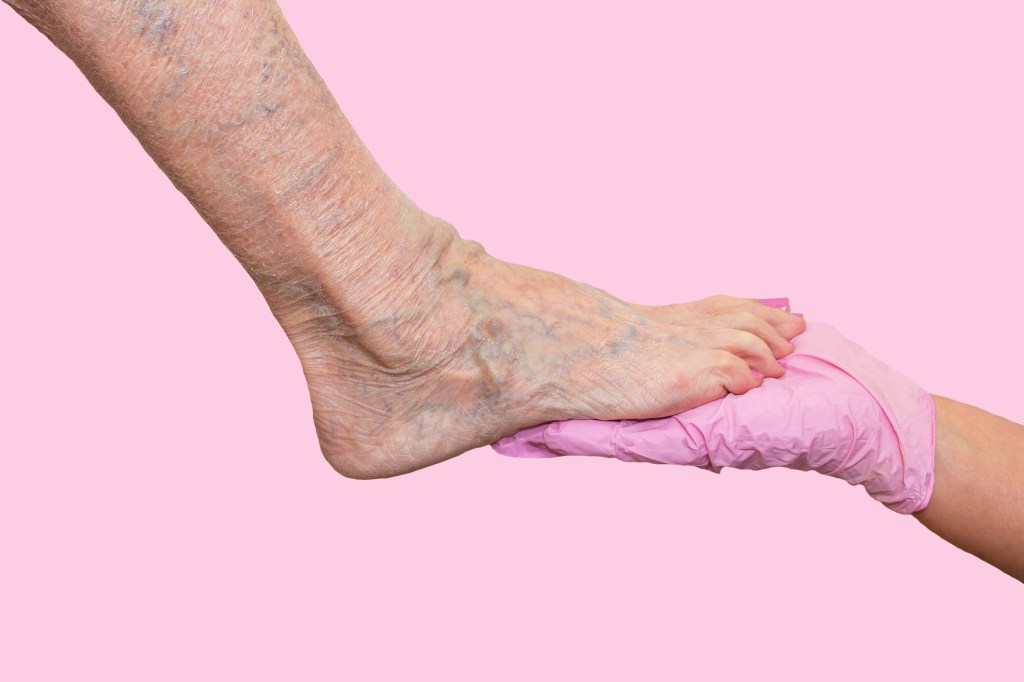
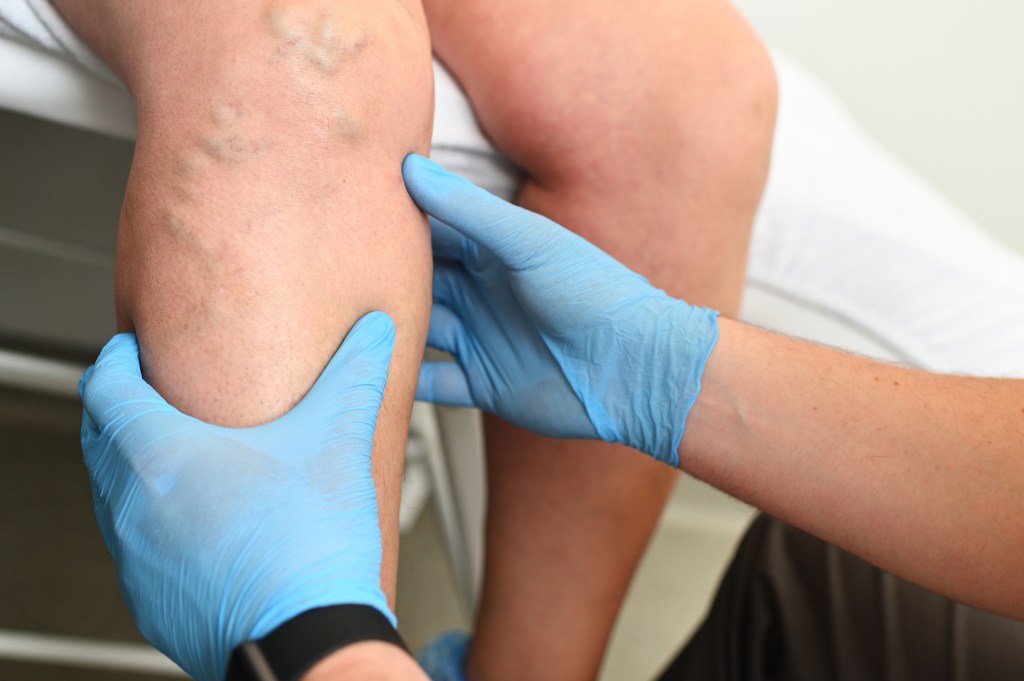
  • Having varicose veins.
  • Taking birth control pills or hormone therapy.
  • Having a central venous catheter or pacemaker.
  • Having COVID-19.

How is DVT diagnosed?

Your healthcare provider will do a physical exam and review your medical history. You’ll also need to have imaging tests.

Tests to diagnose a DVT

Duplex venous ultrasound. This is the most common test for diagnosing a DVT because it is non-invasive and widely available. This test uses ultrasound waves to show blood flow and blood clots in your veins. A vascular ultrasound technologist applies pressure while scanning your arm or leg. If the pressure doesn’t make your vein compress, it could mean there’s a blood clot. If the results of the duplex ultrasound aren’t clear, your provider can use another imaging test

Venography. In this invasive test, your provider numbs the skin of your neck or groin and uses a catheter to inject a special dye (contrast material) into your veins to see if any blood clots are partially or completely blocking blood flow inside your veins. Venography is rarely used nowadays, but sometimes it is necessary

Magnetic Resonance Imaging (MRI) or Magnetic Resonance Venography (MRV). MRI shows pictures of organs and structures inside your body. MRV shows pictures of the veins in specific locations in your body. In many cases, MRI and MRV can offer more information than a duplex ultrasound or CT scan.

Computed tomography (CT) scan is a type of X-ray that shows structures inside your body. Your provider may use a CT scan to find a DVT in your abdomen, pelvis or brain, as well as blood clots in your lung (pulmonary embolism).

If your doctor thinks you may have a genetic or acquired clotting disorder, you may need to have special blood tests. This may be important if:

  • You have a history of blood clots that your provider can’t link to any other cause.
  • You have a blood clot in an unusual location, such as in a vein from your intestines, liver, kidney or brain.
  • You have a strong family history of blood clots.
  • You have a family history of a specific genetic clotting disorder.

Activity Guidelines

A DVT may make it harder for you to get around at first because of leg pain and swelling. But you’ll be able to slowly return to your normal activities. If your legs feel swollen or heavy, lie in bed with your heels propped up about 5 to 6 inches. This helps improve circulation and decreases swelling.

In addition:

  • Exercise your calf muscles if you’re sitting still for long periods of time.
  • Stand up and walk for a few minutes every hour while awake and especially during a long-haul flight or road trip.
  • Wear knee-high compression stockings. These minimize leg pain and swelling by at least 50% if you wear them daily.
  • Avoid activities that may cause a serious injury.
  • Stay hydrated at all times, and especially during travel.

What treatments are available for people with deep vein thrombosis?

Some people with a DVT may need to be treated in the hospital. Others may be able to have outpatient treatment.

Treatments include medications called anticoagulants (blood thinners), compression stockings and elevating your affected leg(s) at different times throughout the day. In a minority of cases, when the DVT is extensive, invasive treatments (catheter-based procedures) may be required.

The main goals of treatment are to:

  • Keep the clot from getting bigger and involving other veins.
  • Prevent the clot from breaking off in your vein and moving to your lungs.
  • Lessen the risk of another blood clot.
  • Prevent long-term complications from the blood clot (like chronic venous insufficiency).

Important information about medications

  • Take your medications exactly as your healthcare provider tells you to.
  • Have blood tests your provider requests and keep all scheduled laboratory appointments.
  • Don’t stop or start taking any medication (including medications and supplements you take without a prescription) without asking your provider.
  • Talk to your provider about your diet. You may need to make changes, depending on the medication you take.

DVT treatments

Anticoagulants (blood thinners)

This type of medication makes it harder for your blood to clot. Anticoagulants also stop clots from getting bigger and prevent blood clots from moving. Anticoagulants don’t destroy or “melt” blood clots. Your body may naturally dissolve a clot, but sometimes clots don’t completely disappear. When they don’t, they usually shrink and become little “scars” inside your veins. Sometimes these “old” clots may result in leg swelling, but oftentimes they don’t cause symptoms.

There are different types of anticoagulants: warfarin, heparin and oral Xa inhibitors. Your doctor will talk to you about the best type of medication for you.

If you need to take an anticoagulant, you may have to take it for only a few months (usually three to six months) or you might take it indefinitely. Your treatment time may be different depending on the specific situations of each individual, including if:

  • You’ve had clots before.
  • You’re getting treatment for another illness, like cancer or an autoimmune disease (you may need to take an anticoagulant as long as your risk of a clot is higher.).

Bleeding is the most common side effect of anticoagulants. You should call your doctor right away if you notice that you bruise or bleed easily while taking this medication.

Compression Stockings

You‘ll probably need to wear graded elastic compression stockings to either improve or completely get rid of leg swelling. Damage to the small valves inside your veins often causes this swelling. You may also have swelling because the DVT is blocking blood flow in your vein. You wear most compression stockings just below your knee. These stockings are tight at the ankle and become looser as they go away from your ankle. This causes gentle pressure (compression) on your leg. Some people need to wear these for two years or more. Several clinical studies have shown that compression stockings improve the symptoms of leg pain and swelling by at least 50% as long as they’re worn daily from morning to evening (they don’t have to be worn overnight).

After surgery, your providers may put compression devices on your calves to put pressure on them. These machines squeeze and release the fabric-covered devices around your calves while you’re lying in bed. These devices help prevent a DVT if you’re in the hospital, but they aren’t prescribed outside of the hospital. In addition, unlike compression stockings that you can wear safely when a leg DVT is present, you shouldn’t use these devices for DVT prevention if you have a DVT.

DVT Treatment Procedures

When you can’t take medications to thin your blood or you have blood clots while taking blood thinners without missing doses, a surgeon may have to do a procedure to put in an inferior vena cava (IVC) filter. The procedure is done under local anesthesia. Your surgeon inserts the IVC filter through a catheter into a large vein in your groin or neck, and then into your vena cava (the largest vein in your body). If blood clots in the veins of your legs break off and travel, the IVC filter is designed to prevent large blood clots (emboli) from reaching your lungs and causing a pulmonary embolism. While an IVC filter helps prevent a pulmonary embolism, it doesn’t keep more blood clots from forming in your veins.

How can I reduce my risk?

After you have a DVT, you’ll need to reduce your risk of future DVT/PE clots by:

  • Taking your medications exactly as your healthcare provider tells you to.
  • Keeping your follow-up appointments with your doctor and the laboratory. These tell your provider how well your treatment is working.
  • Making lifestyle changes, such as eating healthier foods, being more active and avoiding tobacco products.

If you’ve never had a DVT, but have an increased risk of developing one, be sure to:

  • Exercise your calf muscles if you need to sit still for a long time. Stand up and walk at least every half hour if you’re on a long flight. Or get out of the car every hour if you’re on a long road trip.
  • Get out of bed and move around as soon as you can after you’re sick or have surgery. The sooner you move around, the less chance you have of developing a DVT.
  • Take medications or use compression stockings after surgery (if your provider prescribes them) to reduce your risk of a clot.
  • Follow up with your provider as directed and follow their recommendations to reduce your risk of a clot.

What can I expect if I have deep vein thrombosis?

A DVT can take several months to a year to come apart, so you’ll need to keep taking blood thinner medicines as instructed and keep wearing compression stockings until your provider tells you to stop. You may need blood tests to make sure you’re getting the right dose of blood thinners. Your provider may want to do more ultrasounds later to find out if your blood clot is still in the same place, improving or getting larger.

When should I see my healthcare provider?

Tell your healthcare provider if your symptoms aren’t getting better. You should also tell them if you’re bruising too easily or have heavy periods.

When should I go to the ER?

You should get emergency care if the blood thinners you’re taking make you bleed too much, or cause problems like bright red blood in vomit or poop.

What questions should I ask my doctor?

  • How long will I need to take blood thinners?
  • When can I travel again?
  • How often do I need follow-up appointments?

A note from QBan Health Care Services

If you have a deep vein thrombosis, you’re not alone. Every year, at least 1 million Americans get one. Several treatments can help, and your healthcare provider can customize your care to your situation. If they prescribe blood thinners, be sure to keep up with all of your follow-up appointments so you know you’re getting the correct dose.

PULMONARY EMBOLISM

A pulmonary embolism (PE) is a blood clot from your leg that travels to your lung and stays there. This causes issues with blood flow and oxygen levels in your lungs. Medications can help most people with a pulmonary embolism, but you need a prompt diagnosis and treatment. You’ll need to take medicine for several months afterward.

What is a pulmonary embolism?

A pulmonary embolism (PE) is a blood clot in the blood vessels of your lung. This happens when a clot in another part of your body (often your leg or arm) moves through the veins to your lung. A PE restricts blood flow to your lungs, lowers oxygen levels in your lungs and increases blood pressure in your pulmonary arteries.

Without quick treatment, a pulmonary embolism can cause heart or lung damage and even death.

How serious is a pulmonary embolism?

With proper diagnosis and treatment, a PE is seldom fatal. However, an untreated PE can be serious, leading to other medical complications, including death. About 33% of people with a pulmonary embolism die before they get a diagnosis and treatment.

A pulmonary embolism can:

  • Cause damage to your lungs.
  • Cause strain on your heart, causing heart failure.
  • Be life-threatening, depending on the size of the clot.

How common is a pulmonary embolism?

Pulmonary embolism is one of the most common heart and blood vessel diseases in the world. It ranks third behind heart attack and stroke. In the United States, about 350,000 people a year get a PE.

What are the warning signs of a pulmonary embolism?

The first signs of pulmonary embolism are usually shortness of breath and chest pains that get worse if you exert yourself or take a deep breath. You may cough up bloody mucus.

If you have these symptoms, get medical attention right away. Pulmonary embolism is serious but very treatable. Quick treatment greatly reduces the chance of death.

What are the symptoms of a pulmonary embolism?

Symptoms of pulmonary embolism vary, depending on the severity of the clot. Although most people with a pulmonary embolism experience symptoms, some don’t.

Pulmonary embolism symptoms may include:

  • Sudden shortness of breath — whether you’ve been active or at rest.
  • Unexplained sharp pain in your chest, arm, shoulder, neck or jaw. The pain may also be similar to symptoms of a heart attack.
  • Cough with or without bloody mucus.
  • Pale, clammy or bluish skin.
  • Rapid heartbeat (pulse).
  • Excessive sweating.
  • In some cases, feeling anxious, lightheaded, faint or passing out.
  • Wheezing.

If you have any symptoms of pulmonary embolism, get medical attention immediately.

Because you can have a blood clot and not have any symptoms, discuss your risk factors with your healthcare provider.

What causes a pulmonary embolism?

Pulmonary embolism causes include:

  • Blood collecting or “pooling” in a certain part of your body (usually an arm or leg). Blood usually pools after long periods of inactivity, such as after surgery or bed rest.
  • Injury to a vein, such as from a fracture or surgery (especially in your pelvis, hip, knee or leg).
  • Another medical condition, such as cardiovascular disease (including congestive heart failure, atrial fibrillation, heart attack or stroke).
  • An increase or decrease in your blood’s clotting factors. Elevated clotting factors can occur with some types of cancer or in some people taking hormone replacement therapy or birth control pills. Abnormal or low clotting factors may also happen as a result of blood clotting disorders.

Who is at risk for a pulmonary embolism?

People at risk of developing a PE include those who:

  • Have a blood clot in their leg, or deep vein thrombosis (DVT).
  • Are inactive for long periods of time while traveling via motor vehicle, train or plane (such as a long, cross-country car ride).
  • Have recently had trauma or injury to a vein, possibly after a recent surgery, fracture or from varicose veins.
  • Are taking birth control pills (oral contraceptives) or hormone replacement therapy.
  • Currently smoke.
  • Have a history of heart failure or stroke.
  • Have overweight (a Body Mass Index or BMI greater than 25)/obesity (a BMI greater than 30).
  • Are pregnant or have given birth in the previous six weeks.
  • Received a central venous catheter through their arm or leg.

If you have any of these risk factors and you’ve had a blood clot, talk with your healthcare provider so they can take steps to reduce your risk.

How is a pulmonary embolism diagnosed?

A provider will use the following tests to make a PE diagnosis:

  • Blood tests (including the D-dimer test).
  • Computed tomography (CT) angiogram.
  • Ultrasound of your leg. (This helps identify blood clots in people’s legs, or deep vein thrombosis, which can move to the lungs and become a PE and cause more damage.)
  • A ventilation/perfusion (V/Q) scan, if you’re unable to get contrast for a CT scan. (This is a nuclear scan that can detect clots in your lung.)

Other tests your provider may order include:

How is a pulmonary embolism treated?

Healthcare providers usually treat a PE in a hospital, where they can monitor your condition closely.

The length of your pulmonary embolism treatment and hospital stay will vary, depending on the severity of the clot.

The main treatment for a PE is an anticoagulant (blood thinner).

Depending on the severity of your clot and its effect on your other organs such as your heart, you may also undergo thrombolytic therapy, surgery or interventional procedures to improve blood flow in your pulmonary arteries.

Anticoagulant medications

In most cases, treatment consists of anticoagulant medications (blood thinners). Anticoagulants decrease your blood’s ability to clot. This prevents future blood clots.

As with any medicine, it’s important to understand how and when to take your anticoagulant and follow your provider’s guidelines.

Your diagnosis will determine the type of medication you’ll take, how long you need to take it, and the type of follow-up monitoring you’ll need. Be sure to keep all scheduled follow-up appointments with your provider and the laboratory so they can monitor your response to the medication.

While taking anticoagulants, your follow-up will include frequent blood tests (prothrombin time test) to see how fast your blood clots. This helps your provider know if you’re taking the right dose.

Compression stockings

Compression stockings (support hose) improve blood flow in your legs. People with deep vein thrombosis often use them. You should use them as your provider prescribes. The stockings are usually knee-high length and compress your legs to prevent your blood from pooling.

Talk with your provider about how to use your compression stockings, for how long and how to care for them. It’s important to wash compression stockings according to directions to prevent damaging them.

Procedures

If a PE is life-threatening, or if other treatments aren’t effective, your provider may recommend using surgery or a catheter to remove the blood clot from your pulmonary artery. Thrombolytic therapy (next section) is another option.

Thrombolytic therapy

Thrombolytic medications (“clot busters”), including tissue plasminogen activator (TPA), dissolve the clot. People always receive thrombolytics in the intensive care unit (ICU) of a hospital where a provider can monitor them. You may receive this type of medication if you have a special situation, such as low blood pressure or an unstable condition because of the pulmonary embolism.

Side effects of the treatment

Bleeding is a possible side effect of medications for pulmonary embolism treatment. A provider will give you the dose of anticoagulants or thrombolytics that fits your situation. Keeping you in the hospital allows them to monitor your condition.

How can I prevent a pulmonary embolism?

Ways to prevent a pulmonary embolism include:

  • Exercise regularly. If you can’t walk around, move your arms, legs and feet for a few minutes every hour. If you know you’ll need to sit or stand for long periods, wear compression stockings to encourage blood flow.
  • Drink plenty of fluids, but limit alcohol and caffeine.
  • Don’t use tobacco products.
  • Avoid crossing your legs.
  • Don’t wear tight-fitting clothing.
  • Lose weight if you have overweight.
  • Elevate your feet for 30 minutes twice a day.
  • Talk to your provider about reducing your risk factors, especially if you or any of your family members have had a blood clot.

Your provider may also recommend an interventional procedure in which a healthcare provider places a filter inside your body’s largest vein. A vena cava filter traps clots before they enter your lungs.

What can I expect if I have a pulmonary embolism?

Without treatment, a pulmonary embolism is a very serious condition that can lead to permanent illness or death. With treatment, your prognosis depends on the size of the blood clot and blockages, as well as your overall health and how well your heart can pump blood.

Will a pulmonary embolism go away?

It can take months or years for a pulmonary embolism to go away completely. Repeated PE or a very large PE can lead to pulmonary hypertension in some people.

How do I take care of myself?

You’ll need to take a blood thinner for three to six months or longer. Don’t stop taking this unless your provider instructs you to. If you’re taking a blood thinner, don’t do things that have a high risk of an injury that could make you bleed.

Be sure you discuss and understand your follow-up care with your healthcare provider. Follow their recommendations to reduce the risk of another PE.

Keep all appointments with your provider and the laboratory so they can monitor your response to prescribed treatments.

When should I see my healthcare provider?

See your healthcare provider for follow-up appointments. While taking a blood thinner, contact your provider if you have black poop, a bad headache or a bruise that’s getting bigger. These could mean that you’re bleeding.

When should I go to the ER?

Get immediate treatment if you have pulmonary embolism symptoms. (See symptoms section above.)

What questions should I ask my doctor?

  • What’s the best treatment for me?
  • How long do I need to take the medicine you prescribe?
  • When is my first follow-up appointment?

A note from QBan Health Care Services

Treatments help many people with a pulmonary embolism, but it’s important to get a quick diagnosis and treatment. Be on the lookout for symptoms if you have risk factors for a PE and do what you can to prevent one. If you do get a pulmonary embolism, get help quickly.

BLOOD CLOTS

Blood clots are semi-solid or gel-like masses that form in your arteries and veins. Blood clots help control bleeding, but they may also cause serious medical issues, including deep vein thrombosis, pulmonary embolism and heart attack.

What is a blood clot?

A blood clot is a semi-solid mass of blood cells and other substances that form in your blood vessels. Blood clots protect you from bleeding too much if you’re injured or have surgery. However, you may develop blood clots for other reasons, such as having certain medical conditions. When that happens, blood clots may cause symptoms and can be life-threatening.

What do blood clots do?

Blood clots are the first line of defense if something damages your delicate blood vessels. If you cut yourself from shaving, blood clots are why the bleeding usually stops after a few seconds or minutes.

You can develop a blood clot for other reasons, such as being immobile for a long time or having medical conditions that increase your blood clot risk. When that happens, your blood doesn’t flow as it should.

What are blood clots made of?

Blood clots are made of platelets and fibrin. Platelets are small colorless fragments of cells that your bone marrow makes. Fibrin is a blood protein. It’s sticky and may look like long strings. Platelets and fibrin work together to seal injured areas of your blood vessels.

What do blood clots look like?

A blood clot may look like a clump of reddish jelly held in place with netting. A closer look at a blood clot may show cells that look like tiny plates. These are platelets. The netting is fibrin. Blood clots’ red color comes from red blood cells that are trapped in fibrin as they flow past the injured area.

Where are blood clots located?

You can have a blood clot anywhere in your body. Blood clots that happen in your veins may develop in your arms and legs. This is deep vein thrombosis (DVT). Blood clots that develop in your arteries may appear in your lungs. This is pulmonary embolism. Blood clots that block blood flow to your brain may cause a stroke. Blood clots in your heart may cause a heart attack.

When would I notice a blood clot?

In general, you’d notice blood clot symptoms from clots forming in your veins and arteries. Leg pain, swollen legs and change in skin color may be DVT symptoms. Chest pain or shortness of breath can be symptoms of blood clots in your lungs or heart.

What conditions or disorders involve blood clots?

Blood clot issues are associated with many different kinds of conditions. You may develop a blood clot because you cut yourself and your body is working to stop your bleeding. There are conditions that focus on blood clots, such as bleeding disorders or blood clotting issues. You may also develop conditions that increase your risk of developing blood clots.

Bleeding disorders

If you have a bleeding disorder, it means your blood doesn’t clot as it should and you’re at risk of bleeding uncontrollably if you’re injured. Bleeding disorders include:

  • Von Willebrand disease: Most people who have von Willebrand disease inherited a mutated gene from one of their biological parents. But von Willebrand disease is also a complication of cancer, autoimmune disorders and heart and blood vessel diseases.
  • Thrombocytopenia: You may develop thrombocytopenia if you have low platelet counts.
  • Inherited hemophilia: This condition happens because your body doesn’t make enough clotting proteins to help your blood form clots.

Blood clotting disorders

A blood clotting disorder (hypercoagulable state) is a condition that causes your body to make more blood clots than normal. People may inherit disorders that increase the risk of blood clots or develop disorders during their lifetime. Common blood clotting disorders include:

  • Factor V Leiden: This inherited disorder is the most common blood clotting disorder. It slightly increases your risk of deep vein thrombosis (DVT) or pulmonary embolism.
  • Prothrombin Gene Mutation: Like Factor V Leiden, this inherited condition slightly increases your risk of deep vein thrombosis or pulmonary embolism.
  • Antiphospholipid Syndrome: This autoimmune disorder increases blood clot risk.

What other factors increase blood clot risk?

Many factors may increase blood clot risk. For example, people with severe coronavirus disease 2019 (COVID-19) have an increased risk. Other factors include:

  • Age. People age 65 and older have increased blood clot risk.
  • Pregnancy.
  • Having obesity.
  • Having cancer.
  • Taking birth control pills or having hormone therapy.
  • Smoking.
  • Not being able to move around.

Can I prevent blood clots?

If you’re born with an inherited (genetic) form of blood clotting disorder, you can’t do anything to prevent the condition or blood clots that happen because of the condition. But you may reduce your risk of developing blood clots by:

  • Seeing a healthcare provider for an annual physical examination.
  • Participating in regular cancer screenings.
  • Staying at a healthy weight for you.
  • Not smoking.
  • Staying hydrated.
  • Considering non-estrogen alternatives for birth control or hormone therapy.
  • Staying active.

A note from QBan Health Care Services

Blood clots help control bleeding, whether you’re bleeding from a paper cut, a serious injury or even after surgery. On the other hand, blood clots can also be life-threatening if they keep blood from flowing through your body. Blood clots happen for many reasons, some of which you may not be able to avoid. For example, you may have an inherited (genetic) condition that increases your risk of developing blood clots. If that’s your situation, you’re probably managing your condition with medication and other steps. If you’re worried about developing blood clots, talk to a healthcare provider. They’ll evaluate your overall health and recommend ways you can reduce your risk of developing them.

PERIPHERAL ARTERY DISEASE

Peripheral artery disease, or PAD, is an accumulation of plaque (fats and cholesterol) in the arteries in your legs or arms. This makes it harder for your blood to carry oxygen and nutrients to the tissues in those areas. PAD is a long-term disease, but you can improve it by exercising, eating less fat and giving up tobacco products.

What is peripheral artery disease?

Peripheral artery disease (PAD) is plaque buildup in your leg arteries. Your leg arteries carry oxygen and nutrient-rich blood from your heart to your arms and legs. Other names for this are peripheral vascular disease or peripheral arterial disease.

Shaped like hollow tubes, arteries have a smooth lining that prevents blood from clotting and promotes steady blood flow. When you have peripheral artery disease, plaque (made of fat, cholesterol and other substances) forms gradually inside your artery walls. Slowly, this narrows your arteries. This plaque is also known as atherosclerosis.

Many plaque deposits are hard on the outside and soft on the inside. The hard surface can crack or tear, allowing platelets (disc-shaped particles in your blood that help it clot) to come to the area. Blood clots can form around the plaque, making your artery even narrower.

If plaque or a blood clot narrows or blocks your arteries, blood can’t get through to nourish organs and other tissues. This causes damage ― and eventually death (gangrene) ― to the tissues below the blockage. This happens most often in your toes and feet.

PAD can get worse faster in some people more than others. Many other factors matter, including where in your body the plaque forms and your overall health.

How common is peripheral artery disease?

PAD is common, affecting between 8 and 12 million Americans. However, healthcare providers sometimes don’t diagnose or treat PAD enough. Actual numbers are probably higher.

How does peripheral artery disease affect my body?

The typical symptom of PAD is called claudication, a medical term for pain in your leg that starts with walking or exercise and goes away with rest. The pain occurs because your leg muscles aren’t getting enough oxygen.

The dangers of PAD extend well beyond difficulties in walking. Peripheral artery disease increases the risk of getting a nonhealing sore of your legs or feet. In cases of severe PAD, these sores can turn into areas of dead tissue (gangrene) that make it necessary to remove your foot or leg.

What are the stages of peripheral artery disease?

Healthcare providers can use two different systems — Fontaine and Rutherford — to assign a stage to your PAD. The Fontaine stages, which are simpler, are:

  • I: Asymptomatic (without symptoms).
  • IIa: Mild claudication (leg pain during exercise).
  • IIb: Moderate to severe claudication.
  • III: Ischemic rest pain (pain in your legs when you’re at rest).
  • IV: Ulcers or gangrene.

What is considered the first symptom of peripheral artery disease?

The first symptom of PAD is usually pain, cramping or discomfort in your legs or buttocks (intermittent claudication). This happens when you’re active and goes away when you’re resting.

What are the typical symptoms of peripheral artery disease?

Symptoms of peripheral artery disease include:

  • A burning or aching pain in your feet and toes while resting, especially at night while lying flat.
  • Cool skin on your feet.
  • Redness or other color changes of your skin.
  • More frequent skin and soft tissue infections (usually in your feet or legs).
  • Toe and foot sores that don’t heal.

Half of the people who have peripheral vascular disease don’t have any symptoms. PAD can build up over a lifetime. Symptoms may not become obvious until later in life. For many people, symptoms won’t appear until their artery narrows by 60% or more.

Talk to a healthcare provider if you’re having symptoms of PAD so they can start treatment as soon as possible. Early detection of PAD is important so you can begin the right treatments before the disease becomes severe enough to lead to complications like a heart attack or stroke.

What are the complications of peripheral artery disease?

Without treatment, people with PAD may need an amputation — the removal of part or all of your foot or leg (rarely your arm), especially in people who also have diabetes.

Because your body’s circulatory system is interconnected, the effects of PAD can extend beyond the affected limb. People with atherosclerosis of their legs often have it in other parts of their bodies.

What is the most common cause of peripheral artery disease?

Atherosclerosis that develops in the arteries of your legs — or, less commonly, your arms — causes peripheral arterial disease. Like atherosclerosis in your heart (coronary) arteries, a collection of fatty plaque in your blood vessel walls causes peripheral vascular disease. As plaque builds up, your blood vessels get narrower and narrower, until they’re blocked.

What are the risk factors for peripheral artery disease?

Tobacco use is the most important risk factor for PAD and its complications. In fact, 80% of people with PAD are people who currently smoke or used to smoke. Tobacco use increases the risk for PAD by 400%. It also brings on PAD symptoms almost 10 years earlier.

Compared with nonsmokers of the same age, people who smoke and have PAD are more likely to:

  • Die of heart attack or stroke.
  • Have poorer results with bypass surgery procedures on their legs.
  • Have a limb amputation.

Regardless of your sex, you’re at risk of developing peripheral arterial disease when you have one or more of these risk factors:

  • Using tobacco products (the most potent risk factor).
  • Having diabetes.
  • Being age 50 and older.
  • Being African American.
  • Having a personal or family history of heart or blood vessel disease.
  • Having high blood pressure (hypertension).
  • Having high cholesterol (hyperlipidemia).
  • Having abdominal obesity.
  • Having a blood clotting disorder.
  • Having kidney disease (both a risk factor and a consequence of PAD).

Although PAD is a different condition from coronary artery disease, the two are related. People who have one are likely to have the other. A person with PAD has a higher risk of coronary artery disease, heart attack, stroke or a transient ischemic attack (mini-stroke) than someone without peripheral artery disease. A person with heart disease has a 1 in 3 chance of having peripheral artery disease in their legs.

Not surprisingly, the two diseases also share some common risk factors. This is because these risk factors cause the same changes in arteries in your arms and legs as they do in your heart’s arteries.

How is peripheral artery disease diagnosed?

A provider will perform a physical exam and review your medical history and risk factors. They may order noninvasive tests to help diagnose PAD and determine its severity. If you have a blockage in a blood vessel, these tests can help find it.

You may also need an invasive test called an angiogram to find artery blockages.

Can peripheral artery disease be reversed?

Yes. Some studies have shown that you can reverse peripheral vascular disease symptoms with exercise and control of cholesterol and blood pressure.

With early diagnosis, lifestyle changes and treatment, you can stop PAD from getting worse. If you think you’re at risk for PAD or may already have the disease, talk to your primary care doctor, vascular medicine specialist or cardiologist so you can get started on a prevention or treatment program right away.

How is peripheral artery disease treated?

Lifestyle changes, medications and procedures can treat PAD.

The two main goals of peripheral artery disease treatments are:

  • Reducing your risk of cardiovascular events.
  • Improving your quality of life by easing the pain that occurs with walking.

Lifestyle changes

Treatment of PAD starts with making lifestyle changes to reduce your risk factors. Changes you can make to manage your condition include:

  • Quit using tobacco products. Ask your healthcare provider about smoking cessation programs.
  • Eat a balanced diet that’s high in fiber and low in cholesterol, fat and sodium. Limit fat to 30% of your total daily calories. Saturated fat should account for no more than 7% of your total calories. Avoid trans fats, including products made with partially hydrogenated and hydrogenated vegetable oils.
  • Exercise. Start a regular exercise program, such as walking. Walking can help treat PAD. People who walk regularly can increase the distance they’re able to walk before their legs hurt.
  • Manage other health conditions, such as high blood pressure, diabetes or high cholesterol.
  • Keep your stress level low. Exercise, yoga and meditation may help with this.
  • Practice good foot and skin care to prevent infection and reduce the risk of complications.

Medications

Medicines can help you with conditions such as high blood pressure (antihypertensive medications), high cholesterol (statin medications) and diabetes. These medicines treat the risk factors of PAD and decrease your risk of stroke and heart attack.

Your healthcare provider may prescribe an antiplatelet medication such as aspirin or clopidogrel. They also may prescribe cilostazol to improve your walking distance. This medication helps people with intermittent claudication exercise longer before they get leg pain.

Supervised exercise programs

A supervised exercise program will improve the symptoms of pain in your legs with walking, allowing you to walk farther. A structured program typically includes walking on a treadmill in a supervised setting at least three times per week.

People with PAD should also walk at home for a total of at least 30 to 60 minutes every day. The usual prescription is called the “Start/Stop” exercise:

  1. Walk until the discomfort reaches a moderate level and then stop.
  2. Wait until the discomfort goes away completely.
  3. Start walking again.

Minimally invasive or surgical treatments

For some people with more severe PAD, leg pain may still cause problems in daily life, even after a few months of exercise and medications. In more severe cases, people need to improve their blood flow to relieve pain at rest or to heal a wound.

More advanced PAD that’s causing severe pain and limited mobility may require endovascular (minimally invasive) or surgical treatment. Some heart disease treatments also treat peripheral artery disease, including:

Complications of PAD treatment

You should contact your healthcare provider if you have these issues after your procedure. They could be signs of an infection or other complications.

  • Swelling, bleeding or pain where the catheter went into your skin.
  • Chest pain.
  • Shortness of breath.
  • Fever or chills.
  • Dizziness.
  • Swelling in your legs.
  • Belly pain.
  • An incision that’s coming open.

How long does it take to recover from treatment for peripheral artery disease?

Depending on the treatment you received, you may spend one night or several in the hospital. You may only need a few days to recover from an atherectomy. But you’ll need a week after an angioplasty. It can take six to eight weeks to recover completely from peripheral artery bypass surgery.

How can I reduce my risk of peripheral artery disease?

Knowing that you have risk factors for PAD may motivate you to prevent it. The same advice for keeping your heart healthy applies to caring for your circulation, too:

  • Manage your weight.
  • Eat a low-fat, low-sugar diet that includes at least five servings of fresh fruits and vegetables every day.
  • Don’t use tobacco products.
  • With your doctor’s approval, exercise for at least 30 minutes a day on most days of the week.

If you have heart disease, you should discuss your risk factors for PAD with your healthcare provider. Report any symptoms you’re having, such as pain, weakness or numbness in your legs.

What can I expect if I have peripheral artery disease?

Like most health conditions, PAD is more treatable when a healthcare provider finds it early. Peripheral vascular disease progresses at different rates. This depends on many factors, including where the plaque formed in your body and your overall health.

Outlook for peripheral artery disease

Peripheral artery disease is a condition you’ll have for the rest of your life. Although there’s no cure for PAD, you can manage it. You can help keep peripheral vascular disease from progressing in several ways:

  • Not using tobacco products.
  • Exercising regularly.
  • Limiting fat and following a healthy diet.
  • Managing your risk factors, such as diabetes, high cholesterol and high blood pressure.

How do I take care of myself?

It’s important to take good care of your feet to prevent nonhealing sores. Foot care for people who have PAD includes:

  • Wearing comfortable, appropriately fitting shoes.
  • Inspecting your legs and feet daily for blisters, cuts, cracks, scratches or sores. Also check for redness, increased warmth, ingrown toenails, corns and calluses.
  • Not waiting to treat a minor foot or skin problem.
  • Keeping your feet clean and well moisturized. (Don’t moisturize an area with an open sore.)
  • Cutting your toenails after bathing, when they’re soft. Cut them straight across and smooth them with a nail file.

In some cases, your healthcare provider may refer you to a podiatrist (foot expert) for specialized foot care ― especially if you have diabetes. A podiatrist can help you with corns, calluses or other foot problems.

When should I see my healthcare provider?

Contact your healthcare provider if you:

  • Get a bad infection in a sore on your foot. The infection can expand into your muscles, tissues, blood and bones. If your infection is severe, you may need to go to the hospital.
  • Can’t walk around enough to do normal activities.
  • Have pain in your legs when you’re resting. This is a sign of poor blood flow.

When should I go to the ER?

Get immediate help if you can’t feel or move your foot or if it looks different from your other foot’s skin color. This means you’ve lost blood flow to your leg without warning.

What questions should I ask my doctor?

  • Do I need medications to reduce my risk of PAD?
  • How far should I walk when I start a walking program?
  • Do I need surgical procedures for peripheral vascular disease?

A note from QBan Health Care Services

You have the ability to prevent peripheral artery disease (PAD) or keep it from getting worse by making lifestyle changes. Keep all of your follow-up appointments with your healthcare provider and vascular specialist, and take the medicines they prescribe for all of your conditions. Knowing the warning signs of PAD complications helps you know when to ask for help, too.

CAROTID ARTERY DISEASE

Carotid artery stenosis, also called carotid artery disease, is a condition that can lead to stroke. When you have carotid artery stenosis, a substance called plaque builds up and blocks the normal flow of blood in your artery. One treatment option for carotid artery stenosis is a surgical procedure call endarterectomy.

What is carotid artery stenosis?

Carotid artery stenosis is a condition that happens when your carotid artery, the large artery on either side of your neck, becomes blocked. The blockage is made up of a substance called plaque (fatty cholesterol deposits). When plaque blocks the normal flow of blood through your carotid artery, you’re at a higher risk of stroke. Plaque build-up is called atherosclerosis.

You have two carotid arteries — one on each side of your neck. These are large arteries that bring blood to your brain, face and head. When they’re healthy, these arteries are smooth and open, like a clean pipe that allows the free flow of fluid without anything in the way. Your body’s circulatory system is a network of tubes that carry blood (containing nutrients and oxygen) to all the parts of your body.

You can develop carotid artery stenosis in either of the two arteries in your neck or in both. This condition can worsen over time without medical care, leading to stroke with severe complications that can include death.

How common is carotid artery stenosis?

The prevalence of carotid artery stenosis in the general population is estimated to be as high as 5%. According to the American Stroke Association, stroke ranks fifth on the list of conditions that cause death. Carotid artery stenosis is something that usually happens over time and as you age, the risk for this condition as well as for stroke increases.

What are the causes and risk factors for carotid artery stenosis?

There are several factors that can increase your chance of developing this condition over time. Some of these are factors you can change. Some contribute to and compound other factors:

What are the symptoms of carotid artery stenosis?

Carotid artery stenosis can cause a stroke. The kind of stroke that usually happens from carotid stenosis is pieces of plaque (or platelets that form on plaque) travel to your brain. Called “ischemic” stroke, it cuts off blood supply to a portion of your brain. When this blockage is permanent, your brain cells or neurons start to die.

A transient ischemic attack (TIA) is a “mini-stroke” that’s only a temporary blockage of a small brain artery from plaque and/or platelets. For many people, a TIA precedes an ischemic stroke. For these conditions, it’s very important to seek treatment as quickly as possible in order to prevent cell death.

What are the symptoms of a stroke?

The symptoms of a TIA or stroke can include:

  • Drooping of one side of your face.
  • Slurred speech or trouble forming words and communicating with others.
  • Losing vision in one eye with the experience of a dark shade coming down over your field of vision.
  • Losing feeling on one side of your body.
  • Losing muscle strength and having weakness on one side of your body.

If you have carotid artery stenosis that hasn’t caused a stroke, you may not notice any symptoms.

How is carotid artery stenosis diagnosed?

Carotid artery stenosis is often diagnosed after you’ve experienced symptoms of a stroke. The symptoms prompt your healthcare provider to thoroughly check for any type of blockage, which can lead to a discovery of carotid artery stenosis. This condition can also be diagnosed after your provider hears an abnormal sound — called a bruit (whistling sound) or murmur — during an exam of your neck with a stethoscope. There are several tests providers use to confirm a diagnosis of carotid artery stenosis and learn more about the size and location of the blockage. These tests can include:

  • Ultrasound: Also called a duplex ultrasound, this type of test uses sound waves to create an image of your body’s internal structures. An ultrasound is a painless test that is done on top of your skin. An ultrasound is used to see how blood is flowing through your arteries and find any places where the arteries may be blocked or narrowed.
  • Computed tomography angiography (CTA): Using a CT scanner — a device that uses X-rays to create a detailed image of your internal organs — your provider can take a detailed view of your carotid arteries. During this test, dye is injected into your bloodstream that will help show any blockages on the images. This test may be used on people with pacemakers or stents from other conditions.
  • Cerebral angiography: This type of diagnostic test involves using a catheter in a minimally invasive procedure to go into your arteries and get a close look at the blockage. Also in this test, your provider injects contrast material directly into your arteries so that they can see the artery details.
  • Magnetic resonance angiography (MRA): Similarly to a CT scan but without using X-rays, this test provides detailed images of your arteries. It’s a noninvasive imaging test.

How is carotid artery stenosis classified?

During the diagnosis process, your healthcare provider will look to see if you have the condition, how large it is, and where it’s located. Carotid artery stenosis is generally divided into three groupings: mild, moderate and severe. A mild blockage is one that’s less than 50%. This means that less than half of your artery is blocked. A moderate blockage is between 50% and 79%. The most severe classification involves having the majority of your artery blocked — from 80% to 99%.

How is carotid artery stenosis treated?

The main goal of carotid artery stenosis treatment is to halt the progression of the disease. This starts with lifestyle modifications including a healthy diet, exercise and stopping smoking. A daily baby dose of aspirin along with medications that lower blood pressure and cholesterol may also be used.

In more severe cases and or cases causing symptoms of TIA or stroke, your provider may use a surgical procedure called carotid endarterectomy to remove the plaque from the carotid artery through an incision. Alternatively, your surgeon may place a stent through a large needle puncture and ultimately through the blocked artery. This will open the artery up to its proper size while trapping the plaque away from the blood flow between the stent and the wall. A vascular surgeon or specialist determines which of these procedures is best for each person who needs treatment for carotid disease.

Not every carotid stenosis needs surgical or interventional treatment as these procedures themselves come with risk. Surgeons only recommend procedures to people when the risks of severe stenosis and/or stroke become higher than the risk of the procedure.

What’s the outcome of carotid endarterectomy or stenting?

Carotid artery stenosis can be dangerous if it’s not caught and treated quickly. This condition can cause a stroke, which can lead to death or disability. It’s important to know the signs of a stroke and act quickly if you recognize these signs in yourself or someone else. Quick treatment of carotid artery stenosis can be lifesaving. When indicated, the outcomes of surgery and stenting are excellent. Most people recover very quickly with just an overnight hospital stay.

A note from QBan Health Care Services

As you age, your risk of developing carotid artery stenosis increases. The main thing you can do to prevent this condition, and a complication like a stroke, is to maintain a healthy lifestyle. Exercising, eating healthy foods and not smoking are all examples of a healthy lifestyle. Make regular follow-up appointments with your primary care provider and vascular specialist. Talk to your healthcare provider about ways to keep your heart and entire circulatory system healthy.

ATHEROSCLEROSIS OF THE AORTA

Young male patient lying on bed and having ultrasound examination of abdomen in medical clinic

Atherosclerosis of the aorta is the gradual buildup of plaque in your aorta. It’s a common condition that happens silently over many years. You may not have symptoms until the disease leads to a medical emergency. These include heart attack, stroke or sudden loss of blood flow to your organs and tissues. Treatments help slow disease progression.

What is atherosclerosis of the aorta?

Atherosclerosis of the aorta is a progressive buildup of plaque in the largest artery in your body, called your aorta. This condition is also known as aortic atherosclerosis. Plaque is a sticky substance made of fat, cholesterol and other components. Plaque starts forming in your arteries during childhood, and it gradually builds up more as you get older.

Plaque can form anywhere in your aorta, which is more than 1 foot long and extends from your heart to your pelvis. However, severe plaque buildup is most likely to occur in your abdominal aorta. This is the section of your aorta that runs through your belly.

People who have aortic atherosclerosis may also have plaque in other arteries throughout their body. These include the arteries that supply blood to your heart (coronary arteries) and brain (carotid arteries). That’s because atherosclerosis is a systemic disease, meaning it affects your entire body. So, plaque buildup in one artery often signals you have plaque in other arteries, too.

How does atherosclerosis of the aorta affect my body?

Atherosclerosis of the aorta leads to plaque buildup in your aorta. This is the major pipeline that sends out blood to your entire body. Many smaller arteries branch off your aorta to carry oxygen-rich blood in different directions (like up to your brain and down to your legs). Atherosclerosis in your aorta disrupts the normal flow of blood through your aorta and to the rest of your body. So, it raises your risk of ischemia (lack of oxygen-rich blood) in many different organs and tissues.

When you think of plaque buildup in your artery, you probably imagine a piece of plaque getting bigger until it blocks blood flow. While this can happen in some of your arteries, it’s less likely to happen in your aorta. That’s because your aorta has a wide diameter. So, blood can still flow through even if there’s plaque along your aorta’s walls.

The main problem with plaque buildup in your aorta is that it raises the risk of an embolus. An embolus is any object that travels through your bloodstream until it gets stuck and can’t go any further. When an embolus is stuck in one of your arteries, it immediately blocks your blood flow.

Plaque growth is gradual, like soap scum building up in the pipe below your bathroom sink. But an embolus is a sudden blockage. It’s as if you dropped the cap to your toothpaste straight down into the drain. The cap would become lodged in the pipe and block water flow.

Atherosclerosis of the aorta can trigger two different types of emboli (the plural form of “embolus”):

  • Thromboembolism, which is made of blood. Blood clots can form on the plaque’s surface. One of these blood clots can then break away from the plaque and travel through your bloodstream.
  • Atheroembolism, which is made of cholesterol crystals from the plaque. The plaque itself can rupture (break open). A piece of the plaque can then break away and travel through your bloodstream. Atheroembolisms are less common than thromboembolisms.

In either case, an object is traveling through your blood when it shouldn’t be. These emboli are the main complication of aortic atherosclerosis.

How an embolus affects your body depends on where it ends up getting stuck. The embolus blocks blood flow to that area, leading to ischemia (lack of oxygen-rich blood). Without enough oxygen, the organ and tissues in that area quickly become damaged.

How serious is atherosclerosis of the aorta?

Atherosclerosis of the aorta can lead to a life-threatening medical emergency. This happens when an embolus breaks away from the plaque and travels somewhere else in your body, blocking blood flow there.

Atherosclerosis of the aorta raises your risk of medical emergencies, including:

Plaque buildup in your aorta can also weaken its walls and raise your risk for an aortic aneurysm. Aneurysm ruptures and dissections can be fatal and require immediate medical attention.

Who does atherosclerosis of the aorta affect?

Atherosclerosis of the aorta can affect anyone. It’s a common condition. Your risk goes up as you get older.

What are the symptoms of atherosclerosis of the aorta?

Plaque can build up in your aorta for many years without you noticing any symptoms. In fact, you may not have any symptoms until an embolism travels through your blood to another part of your body. In that case, your symptoms depend on where the embolism is lodged and what part of your body is deprived of oxygen.

An embolism can lead to several different medical emergencies, each with specific symptoms.

Call 911 or your local emergency number if you experience any of the symptoms listed below.

Symptoms of a heart attack

Women and people designated female at birth (DFAB) may also experience:

Symptoms of a stroke

  • Dizziness or loss of balance.
  • Slurred or confused speech.
  • Sudden numbness or weakness in your face, arms or legs. This may occur on one side of your body.
  • Sudden, severe headache.
  • Sudden trouble speaking or understanding others.
  • Trouble seeing in one or both eyes.
  • Trouble walking.

Symptoms of acute limb ischemia

  • Cool skin.
  • Gangrene.
  • Mottled skin. This means you can see a blotchy pattern of red, purple or brown lines.
  • Numbness or tingling.
  • Pale or blue skin.
  • Weak pulse or no pulse in the affected limb.

Symptoms of blocked blood flow to organs in your belly

Symptoms of an abdominal aortic aneurysm (AAA)

Atherosclerosis of the aorta is also associated with abdominal aortic aneurysms (AAAs). That means the plaque buildup may not directly cause the AAA, but the two conditions share similar risk factors and often occur together. Many people don’t have symptoms of an AAA until it’s close to rupturing. If you do have early symptoms, they may include:

  • Back, leg, or belly pain that doesn’t go away.
  • Pulsing sensation in your belly, like a heartbeat.

Signs of a ruptured AAA include:

  • Clammy, sweaty skin.
  • Dizziness or fainting.
  • Fast heart rate.
  • Nausea and vomiting.
  • Shortness of breath.
  • Sudden, severe pain in your belly, lower back or legs.

What causes atherosclerosis of the aorta?

Damage to your aorta’s inner lining (endothelium) causes atherosclerosis to begin. This damage occurs gradually, over many years.

Certain conditions damage your endothelium and raise your risk of developing atherosclerosis. These include:

How is atherosclerosis of the aorta diagnosed?

Healthcare providers use imaging tests to diagnose aortic atherosclerosis and see how far it’s progressed. These tests include:

What is the treatment for atherosclerosis of the aorta?

Aortic atherosclerosis treatment focuses on:

  • Lowering your risk of complications.
  • Slowing down disease progression.

Medications and lifestyle changes can help with both of these goals. Your provider may recommend medications including:

Lifestyle changes are also important. Your provider may recommend you:

  • Avoid foods high in saturated fat and cholesterol.
  • Avoid foods and drinks high in sugar.
  • Exercise more often.
  • Lower your salt intake.
  • Quit smoking or using tobacco products.

If aortic atherosclerosis has led to complications, your provider will treat those conditions. Treatments vary widely based on where and how damage occurred and may include:

Talk with your provider about the best treatment options for you and why they’re needed.

How can I reduce my risk of developing atherosclerosis of the aorta?

You can’t always prevent aortic atherosclerosis. But you can slow down the progression and lower your risk of serious complications by taking the following steps.

  • Avoid smoking and all tobacco products. These include vaping and smokeless tobacco.
  • Eat a heart-healthy diet. Choose foods low in saturated fat and cholesterol.
  • Keep a healthy weight. Ask your provider what your ideal range should be.
  • Keep moving. Add planned exercise to your day, and find ways to get in more movement during your daily routine.
  • Manage blood pressure, cholesterol and blood sugar. Talk with your provider about lifestyle changes that can help. Plus, take your medications as prescribed.
  • Visit your provider every year for a checkup. Keep all your other medical appointments and follow-ups.

What can I expect if I have atherosclerosis of the aorta?

Everyone’s prognosis is different. Your outlook depends on many factors, including:

  • The severity of plaque buildup. Aortic plaque larger than 4 millimeters in diameter has a higher risk of triggering an embolism. Plaque smaller than 1 millimeter in diameter is considered “mild” and carries a lower risk of complications. Talk with your provider about how the severity of plaque buildup in your aorta and what that means for you.
  • Plaque buildup in other arteries. Plaque buildup in your other arteries can further increase your risk of complications like a heart attack or stroke.
  • Your overall health. If you have other conditions like high blood pressure, or if you use tobacco, you face a higher risk of complications.

Talk with your provider about your outlook and how best to manage your condition.

Is atherosclerosis of the aorta curable?

There’s no cure for atherosclerosis of the aorta, and it can’t be reversed. But lifestyle changes and medications can help you manage your condition and reduce your risk of complications.

How do I take care of myself if I have atherosclerosis of the aorta?

If you have aortic atherosclerosis, you face a higher risk of other conditions like coronary artery disease. So, it’s important to do whatever you can to keep your heart and blood vessels as healthy as possible. Follow your provider’s guidance on:

  • Diet.
  • Exercise.
  • Lifestyle changes.
  • Medications.

When should I see my healthcare provider?

Visit your provider for yearly check-ups. Your provider will tell you if you need to come in more often or see any specialists, like a cardiologist.

Call your provider if you experience new or changing symptoms, or if you have questions or concerns at any time. If you have symptoms of a medical emergency, you should seek immediate medical attention.

When to seek immediate medical attention

Call 911 or your local emergency number immediately if you have symptoms of:

What questions should I ask my provider?

Talk with your provider about your outlook and what you can expect going forward. Some questions to ask include:

  • How severe is my condition?
  • How can I slow down its progression?
  • What lifestyle changes are most important for me to make?
  • What medications do I need to take? What are the side effects?

If you need heart surgery or a catheter-based procedure, talk with your provider about your risk for complications. Aortic atherosclerosis raises your risk of complications during some heart and vascular procedures. Ask your provider what risks you face and what your care team can do to reduce those risks.

A note from QBan Health Care Services

If you have atherosclerosis of the aorta, you may be wondering how serious the condition is and what’ll happen down the road. Aortic atherosclerosis can lead to serious complications. But the good news is that your provider can help you manage the condition to slow down its progression. Talk with your provider about your outlook and what changes you can make in your daily life.

CORONARY ARTERY DISEASE

Coronary artery disease (CAD) is a condition that affects your coronary arteries, which supply blood to your heart. With CAD, plaque buildup narrows or blocks one or more of your coronary arteries. Chest discomfort (angina) is the most common symptom. CAD can lead to a heart attack or other complications like arrhythmia or heart failure.

What is coronary artery disease?

Coronary artery disease (CAD) is a narrowing or blockage of your coronary arteries, usually due to plaque buildup. Your coronary arteries supply oxygen-rich blood to your heart. Plaque buildup in these arteries limits how much blood can reach your heart.

Picture two traffic lanes that merge into one due to construction. Traffic keeps flowing, just more slowly. With CAD, you might not notice anything is wrong until the plaque triggers a blood clot. The blood clot is like a concrete barrier in the middle of the road. Traffic stops. Similarly, blood can’t reach your heart, and this causes a heart attack.

You might have CAD for many years and not have any symptoms until you experience a heart attack. That’s why CAD is a “silent killer.”

Other names for CAD include coronary heart disease (CHD) and ischemic heart disease. It’s also what most people mean when they use the general term “heart disease.”

Forms of coronary artery disease

There are two main forms of coronary artery disease:

  • Stable ischemic heart disease: This is the chronic form. Your coronary arteries gradually narrow over many years. Over time, your heart receives less oxygen-rich blood. You may feel some symptoms, but you’re able to live with the condition day to day.
  • Acute coronary syndrome: This is the sudden form that’s a medical emergency. The plaque in your coronary artery suddenly ruptures and forms a blood clot that blocks blood flow to your heart. This abrupt blockage causes a heart attack.

How common is coronary artery disease?

Coronary artery disease is very common. Over 18 million adults in the U.S. have coronary artery disease. That’s roughly the combined populations of New York City, Los Angeles, Chicago and Houston.

In 2019, coronary artery disease killed 360,900 people in the U.S. That’s enough people to fill Yankee Stadium more than seven times.

Who does coronary artery disease affect?

Coronary artery disease is the leading cause of death in the U.S. and around the world. This is true for men and people assigned male at birth (AMAB), as well as women and people assigned female at birth (AFAB).

In the U.S., coronary artery disease affects nearly 1 in 10 people aged 40 to 80. About 1 in 5 deaths from CAD occur in people under age 65.

How does coronary artery disease affect my body?

The main complication of coronary artery disease is a heart attack. This is a medical emergency that can be fatal. Your heart muscle starts to die because it’s not receiving enough blood. You need prompt medical attention to restore blood flow to your heart and save your life.

Over the years, CAD can also weaken your heart and lead to complications, including:

What are the symptoms of coronary artery disease?

You may have no symptoms of coronary artery disease for a long time. CAD is a chronic condition. Plaque buildup takes many years, even decades. But as your arteries narrow, you may notice mild symptoms. These symptoms indicate your heart is pumping harder to deliver oxygen-rich blood to your body.

Symptoms of chronic CAD include:

  • Stable angina: This is the most common symptom. Stable angina is temporary chest pain or discomfort that comes and goes in a predictable pattern. You’ll usually notice it during physical activity or emotional distress. It goes away when you rest or take nitroglycerin (medicine that treats angina).
  • Shortness of breath (dyspnea): Some people feel short of breath during light physical activity.

Sometimes, the first symptom of CAD is a heart attack. Symptoms of a heart attack include:

  • Chest pain or discomfort (angina). Angina can range from mild discomfort to severe pain. It may feel like heaviness, tightness, pressure, aching, burning, numbness, fullness, squeezing or a dull ache. The discomfort may spread to your shoulder, arm, neck, back or jaw.
  • Shortness of breath or trouble breathing.
  • Feeling dizzy or lightheaded.
  • Heart palpitations.
  • Feeling tired.
  • Nausea, stomach discomfort or vomiting. This may feel like indigestion.
  • Weakness.

Women and people AFAB are more likely to have additional, atypical symptoms that include:

  • Shortness of breath, fatigue and insomnia that began before the heart attack.
  • Pain in their back, shoulders, neck, arms or belly.
  • Heart racing.
  • Feeling hot or flushed.

What causes coronary artery disease?

Atherosclerosis causes coronary artery disease. Atherosclerosis is the gradual buildup of plaque in arteries throughout your body. When the plaque affects blood flow in your coronary arteries, you have coronary artery disease.

Plaque consists of cholesterol, waste products, calcium and fibrin (a substance that helps your blood clot). As plaque continues to collect along your artery walls, your arteries become narrow and stiff.

Plaque can clog or damage your arteries, which limits or stops blood flow to a certain part of your body. When plaque builds up in your coronary arteries, your heart muscle can’t receive enough blood. So, your heart can’t get the oxygen and nutrients it needs to work properly. This condition is called myocardial ischemia. It leads to chest discomfort (angina) and puts you at risk for a heart attack.

People who have plaque buildup in their coronary arteries often have buildup elsewhere in their body, too. This can lead to conditions like carotid artery disease and peripheral artery disease.

What are the risk factors for coronary artery disease?

There are many risk factors for coronary artery disease. Some you can’t control. Others you may be able to control by making lifestyle changes or taking medications. Talk with your provider about the risk factors listed below and how you can manage them.

Risk factors you can’t control (non-modifiable risk factors)

  • Age: As you get older, your risk for CAD goes up. Men and people AMAB face a higher risk after age 45. Women and people AFAB face a higher risk after age 55.
  • Family history: You have a higher risk if your biological family members have heart disease. It’s especially important to learn if they have premature heart disease. This means they were diagnosed at a young age (father or brother before age 55, mother or sister before age 65).

Lifestyle factors that raise your risk

  • Diet high in saturated fat or refined carbohydrates.
  • Lack of physical activity.
  • Sleep deprivation.
  • Smoking, vaping or other tobacco use.

Cardiovascular conditions that raise your risk

Other medical conditions that raise your risk

Risk factors that affect women and people assigned female at birth

How is coronary artery disease diagnosed?

Healthcare providers diagnose coronary artery disease through a physical exam and testing.

During your physical exam, your provider will:

  • Measure your blood pressure.
  • Listen to your heart with a stethoscope.
  • Ask what symptoms you’re experiencing and how long you’ve had them.
  • Ask you about your medical history.
  • Ask you about your lifestyle.
  • Ask you about your family history. They’ll want to know about heart disease among your biological parents and siblings.

All of this information will help your provider determine your risk for heart disease.

Tests that help diagnose coronary artery disease

Your provider may also recommend one or more tests to assess your heart function and diagnose CAD. These include:

  • Blood tests: Check for substances that harm your arteries or increase your risk of CAD.
  • Cardiac catheterization: Inserts tubes into your coronary arteries to evaluate or confirm CAD. This test is the gold standard for diagnosing CAD.
  • Computed tomography (CT) coronary angiogram: Uses CT and contrast dye to view 3D pictures of your heart as it moves. Detects blockages in your coronary arteries.
  • Coronary calcium scan: Measures the amount of calcium in the walls of your coronary arteries (a sign of atherosclerosis). This doesn’t determine if you have significant blockages, but it does help determine your risk for CAD.
  • Echocardiogram (echo): Uses sound waves to evaluate your heart’s structure and function.
  • Electrocardiogram (EKG/ECG): Records your heart’s electrical activity. Can detect old or current heart attacks, ischemia and heart rhythm issues.
  • Exercise stress test: Checks how your heart responds when it’s working very hard. Can detect angina and blockages in your coronary arteries.

What is the treatment for coronary artery disease?

Treatment for CAD often includes lifestyle changes, risk factor management and medications. Some people may also benefit from a procedure or surgery.

Your healthcare provider will talk with you about the best treatment plan for you. It’s important to follow your treatment plan so you can lower your risk of serious complications from CAD.

Lifestyle changes

Lifestyle changes play a big role in managing CAD. Such changes include:

  • Don’t smoke, vape, or use any tobacco products.
  • Eat a heart-healthy diet that’s low in sodium, saturated fat, trans fat and sugar. The Mediterranean diet has been proven to lower your risk of a heart attack or stroke.
  • Exercise: Aim for 30 minutes of walking five days a week, or find activities you enjoy.
  • Limit alcohol.

Be sure to talk with your provider before starting any new exercise program. Your provider can also offer guidance on lifestyle changes tailored to your needs. Your provider may recommend meeting with a dietitian to discuss healthy eating plans and smoking cessation options.

Risk factor management

Managing your risk factors for CAD can help slow down the progression of your disease. Work with your provider to manage the following conditions:

  • Diabetes.
  • High blood pressure.
  • High cholesterol.
  • High triglycerides (hypertriglyceridemia).
  • Overweight/obesity.

Medications

Medications can help you manage your risk factors plus treat symptoms of coronary artery disease. Your provider may prescribe one or more of the medications listed below.

Procedures and surgeries

Some people need a procedure or surgery to manage coronary artery disease, including:

  • Percutaneous coronary intervention (PCI): Another name for this procedure is coronary angioplasty. It’s minimally invasive. Your provider uses a small balloon to reopen your blocked artery and help blood flow through it better. Your provider may also insert a stent to help your artery stay open.
  • Coronary artery bypass grafting (CABG): This surgery creates a new path for your blood to flow around blockages. This “detour” restores blood flow to your heart. CABG helps people who have severe blockages in several coronary arteries.

Your provider will recommend which of these treatment options would be best in your unique case.

How can I prevent coronary artery disease?

You can’t always prevent coronary artery disease. That’s because some risk factors are out of your control. But there’s a lot you can do to lower your risk. Many strategies to lower your risk also help manage your condition once you’re diagnosed.

You can lower your risk of coronary artery disease and help prevent it from getting worse by doing the following:

  • Commit to quitting smoking and all tobacco use. Quitting an addictive substance isn’t easy, and it’s not just a matter of willpower. That’s why it’s important to connect with resources and support groups that can help. Ask your provider for recommendations in your community.
  • Eat a heart-healthy diet. This means avoiding foods high in saturated fat, trans fat, sodium and sugar. It also means limiting refined carbohydrates (like white bread and pasta). Replace such foods with whole grains (like wheat bread and brown rice). It’s also important to learn how nutrition affects your cholesterol levels.
  • Get enough sleep. Most adults need seven to nine hours of quality sleep per night. But many people might find this goal difficult, if not impossible. Work schedules, parenting and other obligations may prevent you from getting enough rest. Talk with your provider about strategies for getting the quality sleep you need to support your heart health.
  • Keep a healthy weight. Talk with your provider about what your ideal weight should be. Work with your provider to set manageable goals until you reach your ideal weight. Avoid short-term diets that are very restrictive. Instead, adopt lifestyle changes that are reasonable for you to keep up for a long time to come.
  • Learn your risk for heart disease. Visit your provider for a risk screening starting at age 20 (or sooner if your provider recommends it). Your provider will take some basic measurements, like your blood pressure and BMI. They may also use a risk calculator to predict your future risk of heart disease.
  • Limit alcohol use. Drinking too much alcohol can harm your heart. Men and people AMAB should consume no more than two drinks per day. Women and people AFAB should limit their intake to one drink per day. But drinking less is even better.
  • Move around more. Exercise is planned and intentional. It’s important to try to exercise for 150 minutes per week (for example, 30-minute walks on five days of the week). But you can also build in extra movement. Park farther away from the door. Put your laundry away in small batches so you get in more steps. Walk a lap around your house each time you go to the bathroom. Or even just walk in place. The more you move, the better for your heart. Of course, check with your provider about what level of activity is safe for you.
  • Keep up with recommended medications. Medications are essential in reducing your risk for CAD and preventing heart attacks if you’ve already been diagnosed with CAD. Many of these medications are prescribed lifelong. It’s important to understand what they do and how they prevent events and even prolong your life.

What can I expect if I have coronary artery disease?

Your provider is the best person to ask about your prognosis. Outcomes vary based on the person. Your provider will look at the big picture, including your age, medical conditions, risk factors and symptoms. Lifestyle changes and other treatments can improve your chances of a good prognosis.

Can coronary artery disease be cured?

Coronary artery disease can’t be cured. But you can manage your condition and prevent it from getting worse. Work with your healthcare provider and follow your treatment plan. Doing so will give you the strongest possible chance of living a long and healthy life.

How do I take care of myself if I have coronary artery disease?

The most important thing you can do is keep up with your treatment plan. This may include lifestyle changes and medications. It may also involve a procedure or surgery and the necessary recovery afterward.

Along with treatment, your provider may recommend cardiac rehab. A cardiac rehab program is especially helpful for people recovering from a heart attack or living with heart failure. Cardiac rehab can help you with exercise, dietary changes and stress management.

Coronary artery disease and mental health

A CAD diagnosis may cause you to think about your heart and arteries more than ever before. This can be exhausting and overwhelming. You may worry a lot about your symptoms or what might happen to you. It’s not surprising that many people with coronary artery disease experience depression and anxiety. You’re living with a condition that can be life-threatening. It’s normal to worry.

But the worry shouldn’t consume your daily life. You can still thrive and live an active, happy life while having heart disease. If your diagnosis is affecting your mental health, talk with a counselor. Find a support group where you can meet people who share your concerns. Don’t feel you need to keep it all inside or be strong for others. CAD is a life-changing diagnosis. It’s OK to devote time to processing it all and figuring out how to feel better both physically and emotionally.

When should I see my healthcare provider?

Your provider will tell you how often you need to come in for testing or follow-ups. You may have appointments with specialists (like a cardiologist) in addition to your primary care visits.

Call your provider if you:

  • Experience new or changing symptoms.
  • Have side effects from your medication.
  • Have questions or concerns about your condition or your treatment plan.

What questions should I ask my doctor?

If you haven’t been diagnosed with coronary artery disease, consider asking:

  • What are my risk factors for coronary artery disease?
  • What can I do to lower my risk?
  • What lifestyle changes are most important for me?
  • What medications would lower my risk, and what are the side effects? How long do I need to stay on these medications?

If you have coronary artery disease, some helpful questions include:

  • What can I do to slow down disease progression?
  • What’s the best treatment plan for me?
  • What lifestyle changes should I make?
  • What medications do I need, and what are the side effects?
  • Will I need a procedure or surgery? What does the recovery look like?
  • Are there support groups or resources you can recommend?

When should I go to the emergency room?

Call 911 or your local emergency number if you have symptoms of a heart attack or stroke. These are life-threatening medical emergencies that require immediate care. It may be helpful to print out the symptoms and keep them where you can see them. Also, share the symptoms with your family and friends so they can call 911 for you if needed.

A note from QBan Health Care Services

Learning you have coronary artery disease can cause a mix of emotions. You may feel confused about how this could happen. You may feel sad or wish you’d done some things differently to avoid this diagnosis. But this is a time to look forward, not backward. Let go of any guilt or blame you feel. Instead, commit to building a plan to help your heart, beginning today.

Work with your provider to adopt lifestyle changes that feel manageable to you. Learn about treatment options, including medications, and how they support your heart health. Tell your family and friends about your goals and how they can help you. This is your journey, but you don’t have to do it alone.

ATHEROSCLEROSIS

Atherosclerosis is a hardening of your arteries due to gradual plaque buildup. Risk factors include high cholesterol, high blood pressure, diabetes, tobacco use, obesity, lack of exercise and a diet high in saturated fat. Atherosclerosis develops over time and may not show symptoms until you have complications like a heart attack or stroke.

What is atherosclerosis?

Atherosclerosis is the gradual buildup of plaque in the walls of your arteries. Arteries are blood vessels that carry oxygen-rich blood to organs and tissues throughout your body. Plaque (atheroma) is a sticky substance made of fat, cholesterol, calcium and other substances.

As plaque builds up, your artery wall grows thicker and harder. This “hardening of the arteries” is usually a silent process in the early stages. You may not notice symptoms for a long time. But eventually, as the plaque grows, the opening (lumen) of your artery narrows, leaving less room for blood to flow. This means less blood can reach your organs and tissues. Plus, the constant force of blood flow can lead to plaque erosion or rupture, causing a blood clot to form.

A narrowed artery is like a highway reduced to one lane. But a blood clot is like a barricade in the middle of the road. It blocks blood flow to certain organs or tissue the artery normally feeds. The effects on your body depend on where the blood clot forms. For example, blockages in a coronary artery deprive your heart of oxygen-rich blood, leading to a heart attack.

But there’s a reason for hope. You can lower your risk for atherosclerosis, or slow its progression, by making lifestyle changes and managing underlying conditions. Research shows some treatments can reduce the size of plaque in your arteries (plaque regression) or change its chemical makeup, so it’s less likely to rupture.

That’s why visiting a healthcare provider for yearly checkups is important. They’ll evaluate your risk for atherosclerosis and explain what you can do to lower it.

What are the complications of atherosclerosis?

Atherosclerosis interferes with the normal workings of your cardiovascular system. It can limit or block blood flow to various parts of your body, including your heart and brain. Possible complications of reduced blood flow include:

Atherosclerosis can also weaken your artery walls, leading to the formation of aneurysms.

Early diagnosis and treatment of atherosclerosis can help you avoid or delay complications.

How common is atherosclerosis?

Atherosclerosis is very common. The complications of plaque buildup (including heart attacks and strokes) are the leading cause of death worldwide.

About half of people age 45 to 84 have atherosclerosis but aren’t aware of it, according to the U.S. National Institutes of Health.

What are the symptoms of atherosclerosis?

Atherosclerosis often doesn’t cause symptoms until an artery is very narrow or blocked. Many people don’t know they have plaque buildup until a medical emergency, like a heart attack or stroke, occurs.

You may notice symptoms if your artery is more than 70% blocked. Such extensive plaque buildup can lead to complications, which in turn cause symptoms. The chart below lists some symptoms you may feel depending on the complication.

Complication of atherosclerosisPossible symptoms
Coronary artery disease·Stable angina. ·Shortness of breath (dyspnea) during light physical activity. · Sometimes, the first symptom is a heart attack.
Heart attack· Chest pain or discomfort (angina). · Pain in your back, shoulders, neck, arms or belly. · Shortness of breath or trouble breathing. · Feeling dizzy or lightheaded. ·Heart palpitations. ·Fatigue. · Nausea or vomiting that may feel like indigestion.
Mesenteric ischemia· Pain or cramping in your belly (abdomen) after eating. ·Bloating, nausea and vomiting. · Diarrhea. · Unintentional weight loss due to “food fear” (fear of pain after eating).
Peripheral artery disease (PAD)·Intermittent claudication. This is leg pain or cramping you feel when you’re active. It goes away when you rest. It’s the first symptom of PAD. · Burning or aching pain in your feet and toes when you rest, especially when lying flat. · Changes in skin color (like redness). · Cool skin on your feet. · Frequent skin and soft tissue infections, often in your legs or feet. · Sores on your feet or toes that don’t heal.
Renal artery stenosis· Markedly elevated blood pressure that’s resistant to multiple medications. · Changes in how often you pee. · Swelling (edema). · Feeling drowsy or tired. · Skin that feels dry, itchy or numb. · Headaches. · Unexplained weight loss. · Nausea, vomiting or loss of appetite.
Stroke or transient ischemic attack (TIA)· Dizziness. · Drooping on one side of your face. · Loss of feeling, loss of muscle strength or weakness on one side of your body. · Severe headache. · Slurred speech or difficulty forming words. · Vision loss in one eye. You may notice a dark shade coming down over your field of sight.
Carotid artery disease· Usually, the first symptoms are a TIA or stroke.

Call 911 or your local emergency number right away if you or someone near you has symptoms of a heart attack, stroke or TIA. These are medical emergencies that require immediate care.

What causes atherosclerosis?

Damage to your artery’s inner lining (endothelium) causes atherosclerosis to begin. The damage usually occurs slowly and over time.

Stages of atherosclerosis

The stages of atherosclerosis happen over many years and include:

  • Endothelial damage and immune response. Atherosclerosis begins with endothelial damage. Your endothelium is a thin lining of cells that covers the inner layer of your artery wall (intima). Many factors can cause endothelial damage, including high LDL cholesterol levels and toxins from tobacco products. The damage triggers chemical processes that cause white blood cells to travel to the injury site. These cells gather and lead to inflammation within your artery.
  • Fatty streak formation. A “fatty streak” is the first visible sign of atherosclerosis. It’s a yellow streak or patch formed out of dead foam cells at the site of endothelial damage. Foam cells are white blood cells that consume invaders to try to get rid of them. In this case, they consume cholesterol and thus appear foamy. Continued foam cell activity causes further damage to your endothelium.
  • Plaque growth. Dead foam cells and other debris continue building up. So, the fatty streak turns into a larger piece of plaque. A fibrous cap (made of smooth muscle cells) forms over the plaque. This cap prevents bits of plaque from breaking off into your bloodstream. As the plaque grows, it gradually narrows your artery’s opening (lumen), so there’s less room for blood to flow through.
  • Plaque rupture or erosion. In this stage, a blood clot forms in your artery due to plaque rupture or plaque erosion. Plaque rupture happens when the fibrous cap that covers the plaque breaks open. With plaque erosion, the fibrous cap stays intact, but endothelial cells around the plaque get worn away. Both events lead to the formation of a blood clot. The clot blocks blood flow and can lead to a heart attack or stroke.

What are the risk factors for atherosclerosis?

There are many risk factors for atherosclerosis. Non-modifiable risk factors are those you can’t change. You may be able to reduce modifiable risk factors, including some medical conditions and lifestyle factors, in some cases.

It’s important to note that some risk factors vary based on your sex assigned at birth. For example, people assigned male at birth (AMAB) face a higher risk of atherosclerosis at a younger age than people assigned female at birth (AFAB).

Non-modifiable risk factors· Increasing age. People assigned male at birth face a higher risk after age 45. People assigned female at birth face a higher risk after age 55. · Family history of premature cardiovascular disease. This means a close biological family member who’s AMAB was diagnosed with cardiovascular disease before age 45. Or, one who’s AFAB was diagnosed before age 55.
Medical conditions· Diabetes. · High blood pressure (hypertension). · High cholesterol (hyperlipidemia), especially high LDL cholesterol or high levels of a specific lipoprotein called lipoprotein (a). · Metabolic syndrome.
Lifestyle factors· Smoking or tobacco use. · Lack of physical activity. · A diet high in saturated fat, trans fat, sodium and sugar.

Talk to your provider about your risks and what you can do to lower them.

How is atherosclerosis diagnosed?

To diagnose atherosclerosis or calculate your risk for developing it, a healthcare provider will:

  • Perform a thorough physical exam. This includes using a stethoscope to listen to your heart and blood flow through your arteries. For example, your provider will check your carotid arteries (in your neck) for a whooshing sound called a “bruit.” This sound may indicate the presence of plaque.
  • Ask about your medical history and family history. These details can help show your risk for atherosclerosis and its complications.
  • Ask about your lifestyle. Your provider may ask about lifestyle factors like past or present use of tobacco products.
  • Order blood tests. Cardiac blood tests show your cholesterol levels and many details about your heart function.

What tests will be done to diagnose this condition?

Your healthcare provider may order additional tests to diagnose atherosclerosis and plan treatment. These tests include:

  • Angiography. This test uses special X-rays to locate and measure blockages. Your healthcare provider will inject a contrast dye into your arteries to help the blockages show up on the X-rays.
  • Ankle/brachial index. This test compares the blood pressure in your ankle to the pressure in your arm to measure blood flow in your arms and legs.
  • Chest X-ray. A chest X-ray takes pictures inside of your chest.
  • CT scan. This scan takes pictures inside of your body and can show any hardening and narrowing of your large arteries.
  • Echocardiogram (echo). An echo takes pictures of your heart’s valves and chambers and measures how well your heart is pumping.
  • Electrocardiogram (EKG). An EKG measures your heart’s electrical activity, rate and rhythm.
  • Exercise stress test. This test measures your heart function while you’re physically active.
  • Carotid ultrasound. This test takes ultrasound pictures of the arteries in your neck (carotid arteries). It can detect hardening or narrowing of these arteries as blood flows to your brain.
  • Abdominal ultrasound. This ultrasound takes pictures of your abdominal aorta. It checks for ballooning (abdominal aortic aneurysm) or plaque buildup in your aorta.

What specialists might I need to see for atherosclerosis?

If you have atherosclerosis, your healthcare provider may recommend you see a specialist, such as a:

What is the treatment for atherosclerosis?

Atherosclerosis treatment includes one or more of the following:

  • Lifestyle changes.
  • Medications.
  • Procedures or surgeries.

Your healthcare provider will develop a plan based on your needs. Common treatment goals include:

  • Lowering your risk of blood clots.
  • Preventing complications like a heart attack or stroke.
  • Easing symptoms.
  • Helping you develop patterns of eating that support your heart and blood vessels.
  • Slowing or stopping plaque buildup in your arteries.
  • Improving blood flow by widening your arteries or bypassing (avoiding) blockages.

Lifestyle changes

Lifestyle changes may lower your risk of complications. Your provider will create a plan specific to your needs. General tips include:

Medications

Medications target risk factors for plaque buildup and may help slow the progression of atherosclerosis. Your provider may prescribe medications to:

It’s important to take all of your medications as prescribed. Always check with your provider before making any changes to your medication schedule.

Procedures or surgeries

Various minimally invasive procedures and complex surgeries can help people with severe blockages or a high risk of complications. Common treatment options include:

How can I prevent atherosclerosis?

You may not be able to prevent atherosclerosis. But you can reduce your risk and lessen the effects of the disease. Here are some steps you can take:

  • Eat foods low in saturated fat, trans fat, cholesterol, sodium (salt) and sugar.
  • Exercise regularly. Start with short walks and build up to 30 minutes a day most days of the week.
  • Keep a weight that’s healthy for you. Ask your provider what that should be.
  • Manage any health conditions, especially diabetes, high blood pressure and high cholesterol.
  • Don’t use tobacco products.
  • Have a yearly checkup with a healthcare provider.

What is the outlook for people with atherosclerosis?

Early diagnosis and treatment can help people with atherosclerosis live healthy, active lives. But the disease can cause medical emergencies and even be fatal. That’s why knowing your risks and working with your healthcare provider to lower them is important.

How do I take care of myself?

It’s essential to work closely with your healthcare provider. They’ll keep a close eye on your condition and tell you how often you should come in for appointments. Go to all of your appointments and follow-ups, and be an active partner in your care. Tell your provider right away about any new or changing symptoms.

Also, take care of your mental health. It’s normal to feel anxious about what the future could bring. You may also feel overwhelmed by the need to make lifestyle changes. But those feelings shouldn’t prevent you from enjoying life. Some tips for managing your thoughts and worries include:

  • Share your feelings with a counselor or support group.
  • Connect with others who have cardiovascular disease. You can share your experiences and learn from each other.
  • Talk to your family and friends about the lifestyle changes you’re making. Explain why these changes are important to you and ask them to help you stay on track.

A note from QBan Health Care Services

Atherosclerosis is a common condition. So, remember that if you have atherosclerosis, you’re not alone. Many other people are in your shoes. Your healthcare provider is ready to help you manage your condition so you can live a long and healthy life.