
ERECTILE DYSFUNCTION

Erectile dysfunction, commonly referred to as ED, is the inability to achieve and sustain an erection suitable for sexual intercourse. It is estimated that about 1 in 10 adult males suffer from ED on a long-term basis.

What is erectile dysfunction (ED)?

Erectile dysfunction (ED) is the inability to get and keep an erection firm enough for sexual intercourse. Estimates suggest that one of every 10 men will suffer from ED at some point during his lifetime. It is important to understand that in most cases, ED is a symptom of another, underlying problem. ED is not considered normal at any age, and may be associated with other problems that interfere with sexual intercourse, such as lack of desire and problems with orgasm and ejaculation.

How common is erectile dysfunction?

Approximately one in 10 adult males will suffer from ED on a long-term basis.

Many men do experience occasional failure to achieve erection, which can occur for a variety of reasons, such as drinking too much alcohol, stress, relationship problems, or from being extremely tired.

The failure to get an erection less than 20% of the time is not unusual and typically does not require treatment. However, the failure to achieve an erection more than 50% of the time generally means that there is a problem and treatment is needed.

ED does not have to be a part of getting older. While it is true that some older men may need more stimulation, they should still be able to achieve an erection and enjoy intercourse.

What causes erectile dysfunction (ED)?

ED can be caused by a number of factors, including:

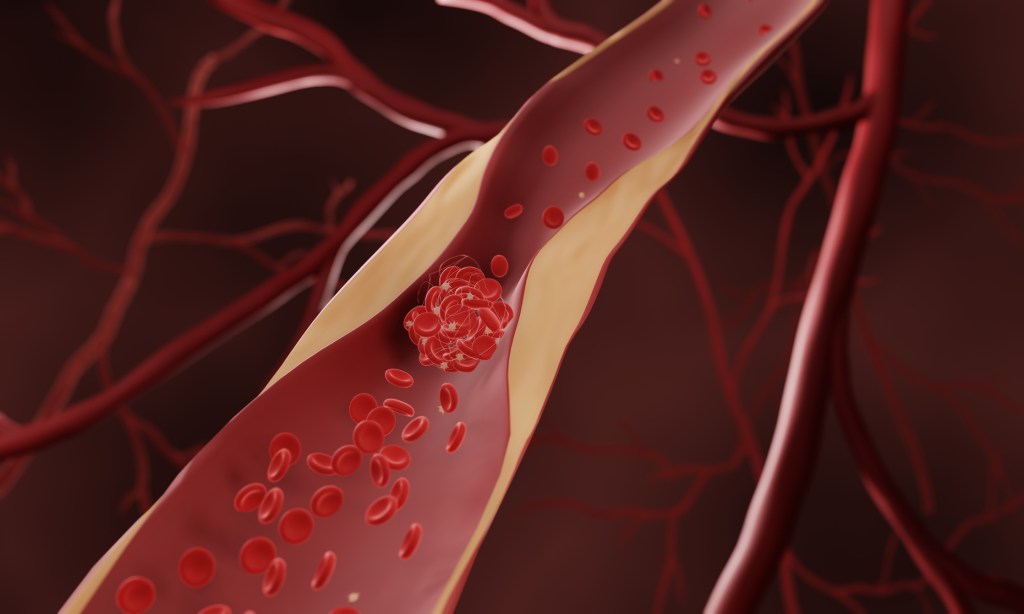
  • Vascular disease: Blood supply to the penis can become blocked or narrowed as a result of vascular disease such as atherosclerosis (hardening of the arteries).
  • Neurological disorders (such as multiple sclerosis): Nerves that send impulses to the penis can become damaged from stroke, diabetes, or other causes.
  • Psychological states: These include stress, depression, lack of stimulus from the brain and performance anxiety.
  • Trauma: An injury could contribute to symptoms of ED.

Chronic illness, certain medications, and a condition called Peyronie’s disease can also cause ED. Operations for the prostate, bladder, and colon cancer may also be contributing factors.

What medications could cause erectile dysfunction (ED)?

Erectile dysfunction (ED) is a common side effect of a number of prescription drugs. While these medications may treat a disease or condition, in doing so they can affect a man’s hormones, nerves or blood circulation, resulting in ED or increasing the risk of ED.

If you experience ED and think that it may be a result of the medication you are using, do not stop taking the medication. If the problem persists, contact your doctor and he or she may be able to prescribe a different medication. Common medications that may list ED as a potential side effect include:

  • Diuretics (pills that cause increase urine flow).
  • Antihypertensives (high blood pressure drugs).
  • Antihistamines.
  • Antidepressants.
  • Parkinson’s disease drugs.
  • Antiarrhythmics (drug for irregular heart action).
  • Tranquilizers.
  • Muscle relaxants.
  • Nonsteroidal anti-inflammatory drugs.
  • Histamine H2-receptor antagonists.
  • Hormones.
  • Chemotherapy medications.
  • Prostate cancer drugs.
  • Anti-seizure medications.

Other substances or drugs that can cause or lead to ED include these recreational and frequently abused drugs:

  • Alcohol.
  • Amphetamines.
  • Barbiturates.
  • Cocaine.
  • Marijuana.
  • Methadone.
  • Nicotine.
  • Opiates.

These drugs not only affect and often suppress the central nervous system, but can also cause serious damage to the blood vessels, leading to permanent ED.

How are depression and erectile dysfunction related?

For some men, depression can accompany the condition of erectile dysfunction (ED). It is common for men with ED to feel angry, frustrated, sad, unsure of themselves, or even less “manly.” Such feelings may lead to a lack of self-esteem and, in severe cases, to depression.

Depression that accompanies ED is treatable. The first step in addressing your concerns about ED-related depression is to be honest with yourself, your partner, and your doctor. After depression has been brought out into the open, coping with it will be easier and less stressful.

How is erectile dysfunction (ED) diagnosed?

Because there are a variety of causes for ED, there are several different tests your doctor may use to diagnose the condition and determine its cause. Only after the cause of ED is determined can it be effectively treated.

Before ordering any tests, your doctor will review your medical history and perform a thorough physical examination. The doctor will also “interview” you about your personal and sexual history. Some of these questions will be very personal and may feel intrusive. However, it is important that you answer these questions honestly. The questions asked may include:

  • What medications or drugs are you currently using? This includes prescription drugs, over-the-counter drugs, herbals, dietary supplements and illegal drugs.
  • Have you had any psychological problems such as stress, anxiety and depression?
  • When did you first notice symptoms of ED?
  • What are the frequency, quality and duration of any erections you have had?
  • What are the specifics of the circumstances under which ED first occurred?
  • Do/did you experience erections at night or during the morning?
  • What sexual techniques do you use?
  • Are there problems in your current relationship?

The doctor may also wish to interview your sexual partner since your partner may be able to offer in sight about the underlying causes.

After your physical examination and discussion, your doctor may then order any one of the following tests to further diagnose your condition:

  • Complete blood count (CBC): This is a set of blood tests that, among other things, can detect the presence of anemia. Anemia is caused by a low red blood cell count and can cause fatigue, which in turn can cause ED.
  • Liver and kidney function tests: These blood tests may indicate whether ED may be due to your kidneys or liver functioning improperly.
  • Lipid profile: This blood test measures the level of lipids (fats), like cholesterol. High levels may indicate atherosclerosis (hardening of the arteries), which can affect blood circulation in the penis.
  • Thyroid function test: One of the thyroid hormones’ functions is to regulate the production of sex hormones, and a deficiency in these hormones may contribute to or cause ED.
  • Blood hormone studies: Testosterone and/or prolactin levels in the blood may be measured to see if abnormalities in either of these sex hormones are present.
  • Urinalysis: Analysis of urine can provide a wealth of information, including information on protein, sugar and testosterone levels. Abnormal measurements of these substances can indicate diabetes, kidney disease or a testosterone deficiency, all which can cause ED.
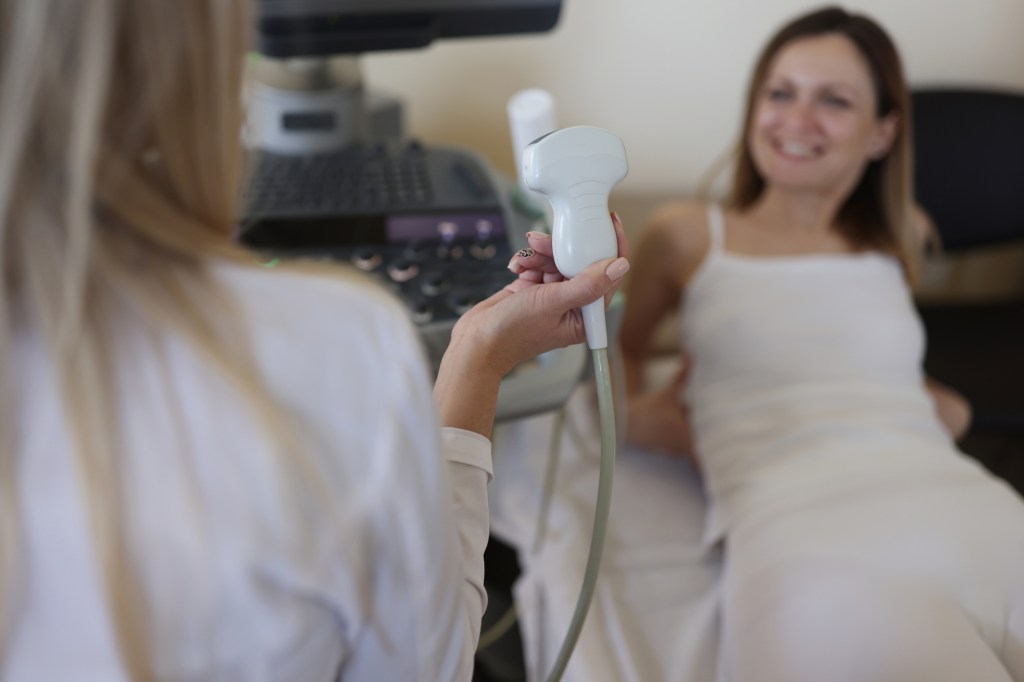
  • Duplex ultrasound: This is perhaps the best test for evaluating ED. An ultrasound uses high-frequency sound waves to take “pictures” of the body’s tissues. For people with ED, an ultrasound may be used to evaluate blood flow and check for signs of a venous leak, atherosclerosis (hardening of arteries) or tissue scarring. This test is performed both while the penis is erect (usually induced by an injection of a drug that stimulates erection) and also while it is soft.
  • Bulbocavernosus reflex: This test evaluates nerve sensation in the penis. During the test, your doctor will squeeze the head of your penis, which should immediately cause your anus to contract. If nerve function is abnormal, there will be a delay in response time.
  • Nocturnal penile tumescence (NPT): This test measures a man’s erectile function while he is sleeping. Normally, a man will have five or six erections while asleep. A lack of these erections may indicate there is a problem with nerve function or circulation to the penis. The test uses two methods, the snap gauge method and the strain gauge method. The snap gauge method is performed by wrapping three plastic bands of varying strength around the penis. Erectile function is then measured based on which of the three bands breaks. The strain gauge method works by placing elastic bands around the tip and base of the penis. If the penis becomes erect during the night, the bands stretch, measuring the changes in penile circumference.
  • Penile biothesiometry: This test involves the use of electromagnetic vibration to determine sensitivity and nerve function. A decreased sensitivity to these vibrations may indicate nerve damage.
  • Vasoactive injection: During this test, an erection is produced by injecting special solutions that cause the blood vessels to dilate (enlarge) allowing blood to enter the penis.
  • Dynamic infusion cavernosometry: This test is used for men with ED who have a venous leak. During this test, fluid is pumped into the penis at a predetermined rate. By measuring the rate at which fluid must be pumped to attain a rigid erection, doctors can determine the severity of the venous leak.
  • Cavernosography: Used in conjunction with the dynamic infusion cavernosometry, this test involves injecting a dye into the penis. The penis is then X-rayed so that the venous leak can be seen.
  • Arteriography: This test is given to people who are candidates for vascular reconstructive surgery. A dye is injected into the artery believed to be damaged and X-rays will be taken.

Before you are given any of these tests, your doctor will explain what is involved. If you have any questions, do not hesitate to ask your doctor.

What doctors treat erectile dysfunction?

The type of medical specialist who treats ED will depend on the cause of the problem. Based on your family’s medical history, as well as your own medical history and current health, your doctor may treat you with oral medications (Viagra®, Levitra®, Cialis®).

If these options fail, you may be referred to a urologist who can assist with other non-surgical options such as vacuum device or injections or surgical treatment options. If needed, your doctor may also refer you to a psychologist specializing in sexual dysfunction.

How is erectile dysfunction treated?

ED can be treated in many ways, including:

  • Oral medications.
  • Sex therapy.
  • Penile injections.
  • Vacuum devices.
  • Intraurethral medication.
  • Surgery (penile implant).

Each type has its own pros and cons. Discuss your options with your doctor to determine the best treatment for you.

The first step to treating ED is to find the underlying cause. Then the appropriate treatment can begin. There are a number of non-surgical and surgical options that can help a man regain normal sexual function.

What non-surgical treatments are there for erectile dysfunction (ED)?

Education and communication

Education about sex, sexual behaviors, and sexual responses may help a man overcome his anxieties about sexual dysfunction.

Talking honestly with your partner about your needs and concerns may also help to overcome many barriers to a healthy sex life.

Medication

Medications such as sildenafil (Viagra®), vardenafil (Levitra®), or tadalafil (Cialis®) may help improve sexual function in men by increasing blood flow to the penis. Men who are on medicines that contain nitrates such as nitroglycerine should not take oral ED medications. The combination of nitrates and these specific medications can cause low blood pressure (hypotension).

The most common side effects of these medications are indigestion, nasal congestion, flushing, headaches and a temporary visual disturbance.

Mechanical aids

Aids such as vacuum devices and penile constriction rings serve as erectile aids for some men.

A vacuum constriction device (above) is a cylinder that is placed over the penis. The air is pumped out of the cylinder, which draws blood into the penis and causes an erection. The erection is maintained by slipping a band off of the base of the cylinder and onto the base of the penis. The band can stay in place for up to 30 minutes. The vacuum device can be safely used to treat most causes of erectile failure. Lack of spontaneity, discomfort, and cumbersomeness of the device seem to be the biggest concerns of patients.

Penile injection therapy (intracavernosal injection therapy)

Men are taught how to inject medications directly into the erection chambers of the penis to create an erection. Injection therapy is effective in treating a wide variety of erection issues caused by blood vessel, nerve and psychological conditions.

Using a tiny needle and syringe, the man injects a small amount of medicine into the side of his penis. The medicine relaxes the blood vessels, allowing blood to flow into the penis. This treatment has been widely used and accepted since the early 1980s. The three most common medicines are prostaglandin E1 (alprostadil), papaverine (Papacon®), and phentolamine (Regitine®).

The most common side effects are pain and penile scarring (fibrosis). In extremely rare cases, patients with cerebral and vascular disease or severe cardiovascular diseases might not be able to tolerate the dizziness and high blood pressure occasionally caused by injection therapy.

A painful erection that lasts longer than two to three hours is called priapism and may occur with injection therapy. This can be lessened with proper dosing and by following the treatment guidelines.

Psychology and sex therapies

Psychological causes may contribute to erectile failure even when there is a clear organic cause.

Therapy with a trained counselor can help a person address feelings of anxiety, fear or guilt that may have an impact on sexual dysfunction.

Sex therapy can be beneficial to most men when counseling is provided by a skilled sex therapist. Sex therapy also helps a man’s partner accept and cope with the problems.

A patient whose ED has a clear psychological cause should receive sex therapy counseling before any invasive treatments are pursued.

Hormone

Low hormone levels may play a role in ED. Hormone replacement in the form of topical gels, creams, patches, injections and pellets are only used after physician evaluation.

What are surgical treatment options for erectile dysfunction (ED)?

Penile prosthesis surgery

Inflatable penile prostheses are implanted during outpatient surgery. Once they are part of a man’s body, they enable him to have an erection whenever he desires. The use of a prosthesis preserves penile sensation, orgasm and ejaculation for most men.

The most commonly used penile implant consists of a pair of inflatable cylinders that are surgically implanted in the erection chambers of the penis. The cylinders are connected through tubing to a reservoir of fluid under the lower abdominal muscles, and to a pump inside the scrotal sac.

To inflate the penile prosthesis, the man compresses the pump a number of times to transfer fluid from the reservoir to the cylinders. This causes the penis to become erect. When inflated, the prosthesis makes the penis stiff and thick, which is very similar to a natural erection.

A penile prosthesis does not change the sensation on the skin of the penis or a man’s ability to achieve orgasm or ejaculate. Pressing on a deflation valve attached to the pump returns the fluid to the reservoir, which returns the penis to a flaccid state.

The surgical procedure is performed through one or two small incisions that are generally well hidden. Other people will be unable to tell that a man has an inflatable penile prosthesis. Complications following surgery are not common, but primarily include infection and mechanical device failure.

Approximately 95% of penile implant surgeries are successful in producing erections that enable men to have sexual intercourse. Moreover, patient satisfaction questionnaires show that up to 90% of men who have undergone penile implants say they would choose the surgery again, and overall satisfaction ratings are higher than those reported by men using oral medication or penile injection therapy.

Can erectile dysfunction (ED) be prevented?

For people who are at risk of developing ED due to personal behavior, steps may be taken to try to prevent its occurrence. However, other causes may not be preventable.

A number of studies now suggest a link between ED and obesity, high cholesterol, hypertension, diabetes and heart disease.

The following recommendations may help prevent ED or improve the problem if it is already present:

  • Eat a healthy diet. A diet that limits saturated fat intake and includes several portions of fruits, vegetables and whole grains can benefit men with ED.
  • Reduce cholesterol. High cholesterol can harden, narrow or block the arteries (atherosclerosis) leading to the penis. Men can lower cholesterol through diet, exercise and medication.
  • Maintain a healthy weight.
  • Exercise regularly. Regular exercise may reduce the risk of ED. Choose exercises that you enjoy and will make a regular part of your day. In addition to reducing the risk of ED, exercise also can help you manage stress. Check with your doctor before starting any exercise program.

A Note from QBan Health Care Services

If you suspect you have erectile dysfunction, please see your primary care physician or a urologist. He or she can perform tests to find out what is causing your problem and refer you to a specialist if needed. Once the cause is identified, there are several treatment options to choose from.

ARTHRITIS

Arthritis is a common disorder that affects your joints. It can cause pain and inflammation, making it difficult to move or stay active. There are many types of arthritis. Each form causes different symptoms and may need different treatments. While arthritis usually affects older adults, it can develop in men, women and children of any age.

What is arthritis?

Arthritis is a disease that affects your joints (areas where your bones meet and move). Arthritis usually involves inflammation or degeneration (breakdown) of your joints. These changes can cause pain when you use the joint.

Arthritis is most common in the following areas of the body:

  • Feet.
  • Hands.
  • Hips.
  • Knees.
  • Lower back.

What are the parts of a joint?

Joints get cushioned and supported by soft tissues that prevent your bones from rubbing against each other. A connective tissue called articular cartilage plays a key role. It helps your joints move smoothly without friction or pain.

Some joints have a synovial membrane, a padded pocket of fluid that lubricates the joints. Many joints, such as your knees, get supported by tendons and ligaments. Tendons connect muscles to your bones, while ligaments connect bones to other bones.

What are the different types of arthritis?

Arthritis is a broad term that describes more than 100 different joint conditions. The most common types of arthritis include:

  • Osteoarthritis, or “wear and tear” arthritis, which develops when joint cartilage breaks down from repeated stress. It’s the most common form of arthritis.
  • Ankylosing spondylitis, or arthritis of the spine (usually your lower back).
  • Juvenile arthritis (JA), a disorder where the immune system attacks the tissue around joints. JA typically affects children 16 or younger.
  • Gout, a disease that causes hard crystals of uric acid to form in your joints.
  • Psoriatic arthritis, joint inflammation that develops in people with psoriasis (autoimmune disorder that causes skin irritation).
  • Rheumatoid arthritis, a disease that causes the immune system to attack synovial membranes in your joints.

How common is arthritis?

Arthritis is the most common cause of disability in the U.S. About 50 million adults and 300,000 children manage some form of arthritis.

What causes arthritis?

Different types of arthritis have different causes. For instance, gout is the result of too much uric acid in your body. But for other types of arthritis, the exact cause is unknown. You may develop arthritis if you:

  • Have a family history of arthritis.
  • Have a job or play a sport that puts repeated stress on your joints.
  • Have certain autoimmune diseases or viral infections.

What are the risk factors for arthritis?

Some factors make you more likely to develop arthritis, including:

  • Age: The risk of arthritis increases as you get older.
  • Lifestyle: Smoking or a lack of exercise can increase your risk of arthritis.
  • Sex: Most types of arthritis are more common in women.
  • Weight: Obesity puts extra strain on your joints, which can lead to arthritis.

What are the symptoms of arthritis?

Different types of arthritis have different symptoms. They can be mild in some people and severe in others. Joint discomfort might come and go, or it could stay constant. Common symptoms include:

  • Pain.
  • Redness.
  • Stiffness.
  • Swelling.
  • Tenderness.
  • Warmth.

How is arthritis diagnosed?

If you think you may have arthritis, see your healthcare provider. The provider will ask about your symptoms and learn how joint pain affects your life. Your provider will perform a physical exam, which may include:

  • Assessing mobility and range of motion in your joints.
  • Checking for areas of tenderness or swelling around your joints.
  • Evaluating your overall health to determine if a different condition could be causing your symptoms.

Can imaging exams detect arthritis?

Imaging exams can help your healthcare provider get a clear picture of your bones, joints and soft tissues. An X-ray, MRI or ultrasound can reveal:

  • Bone fractures or dislocations that may be causing you joint pain.
  • Cartilage breakdown around your joints.
  • Muscle, ligament or tendon injuries near your joints.
  • Soft tissue inflammation.

Can a blood test detect arthritis?

There is no blood test that can directly detect arthritis. But if your healthcare provider suspects gout or rheumatoid arthritis, they may order blood work. It looks for uric acid or inflammatory proteins.

How is arthritis treated?

There’s no cure for arthritis, but there are treatments that can help you manage the condition. Your treatment plan will depend on the severity of the arthritis, its symptoms and your overall health.

Conservative (nonsurgical) treatments include:

  • Medication: Anti-inflammatory and pain medications may help relieve your arthritis symptoms. Some medications, called biologics, target your immune system’s inflammatory response. A healthcare provider may recommend biologics for your rheumatoid or psoriatic arthritis.
  • Physical therapy: Rehabilitation can help improve strength, range of motion and overall mobility. Therapists can teach you how to adjust your daily activities to lessen arthritic pain.
  • Therapeutic injections: Cortisone shots may help temporarily relieve pain and inflammation in your joints. Arthritis in certain joints, such as your knee, may improve with a treatment called viscosupplementation. It injects lubricant to help joints move smoothly.

Will I need surgery for arthritis?

Healthcare providers usually only recommend surgery for certain severe cases of arthritis. These are cases that haven’t improved with conservative treatments. Surgical options include:

  • Fusion: Two or more bones are permanently fused together. Fusion immobilizes a joint and reduces pain caused by movement.
  • Joint replacement: A damaged, arthritic joint gets replaced with an artificial joint. Joint replacement preserves joint function and movement. Examples include ankle replacement, hip replacement, knee replacement and shoulder replacement.

How can arthritis be prevented?

You can lower your chances of developing arthritis by:

  • Avoiding tobacco products.
  • Doing low-impact, non-weight bearing exercise.
  • Maintaining a healthy body weight.
  • Reducing your risk of joint injuries.

What’s the outlook for someone living with arthritis?

Since there’s no cure for arthritis, most people need to manage arthritis for the rest of their lives. Your healthcare provider can help you find the right combination of treatments to reduce symptoms. One of the biggest health risks associated with arthritis is inactivity. If you become sedentary from joint pain, you may face a greater risk for cancer, heart disease, diabetes and other serious conditions.

What can I do to make living with arthritis easier?

Changing your routine can make living with arthritis easier. Adjust your activities to lessen joint pain. It may help to work with an occupational therapist (OT). An OT is a healthcare provider who specializes in managing physical challenges like arthritis.

An OT may recommend:

  • Adaptive equipment, such as grips for opening jars.
  • Techniques for doing hobbies, sports or other activities safely.
  • Tips for reducing joint pain during arthritic flare-ups.

Do certain types of weather make arthritis worse?

Some people find that arthritis feels worse during certain types of weather. Humidity and cold are two common triggers of joint pain.

There are a variety of reasons why this might happen. People tend to be less active in rainy seasons and the wintertime. The cold and damp can also stiffen joints and aggravate arthritis. Other theories suggest that barometric pressure, or the pressure of the air around us, may have some effect on arthritis.

If you find that certain types of weather make your arthritis worse, talk to your healthcare provider about ways to manage your symptoms. Dressing warmly, exercising inside or using heat therapy may help relieve your pain.

A note from QBan Health Care Services

Arthritis is a disease that affects the joints. There are many types of arthritis, all of which can cause pain and reduce mobility. Some forms of arthritis result from natural wear and tear. Other types come from autoimmune diseases or inflammatory conditions. There are a variety of treatments for arthritis, ranging from physical or occupational therapy to joint surgery. Your healthcare provider will assess your symptoms and recommend the right treatment plan for your needs. Most people can successfully manage arthritis and still do the activities they care about.

PROSTATE

The prostate is a gland below the bladder and in front of the rectum in men and people assigned male at birth (AMAB). It consists of connective tissues and glandular tissues. It adds fluid to semen, and its muscles help push semen through your urethra. Conditions that affect your prostate include cancer, prostatitis and benign prostatic hyperplasia.

What is a prostate?

The prostate is a small gland that’s part of the male reproductive system.

What does a prostate do for a man?

Your prostate contributes additional fluid to your semen (ejaculate). Ejaculate is a whitish-gray fluid that releases from your penis when you orgasm. The fluid contains enzymes, zinc and citric acid, which help nourish sperm cells and lubricate your urethra (pronounced “yer-ree-thruh”). The urethra is a tube through which ejaculate and pee flow out of your body.

Your prostate’s muscles also help push semen into and through your urethra when you orgasm.

Do women have a prostate?

No, women don’t have a prostate. Women and people assigned female at birth (AFAB) have Skene’s glands. However, some people refer to Skene’s glands as the female prostate gland.

The Skene’s glands are on either side of the urethra. Medical researchers believe these glands may secrete fluid that helps with urination (peeing) and cleanliness. They may also have a function for sexual intercourse, possibly providing the fluid for female ejaculation.

Where is the prostate located?

Your prostate is below your bladder and in front of your rectum. Your urethra runs through the center of your prostate.

What does the prostate look like?

Your prostate has five lobes: anterior (in the front) and posterior (in the back) lobes, two lateral lobes (on the sides) and one median (in the middle) lobe. Connective tissues and glandular tissues make up its structure. The prostatic fascia covers your prostate. Prostatic fascia is a sheet of stretchy connective tissue.

How big is the prostate?

Your prostate is about the size of a walnut.

The prostate usually gets larger after age 40 (benign prostatic hyperplasia). It can grow from the size of a walnut to the size of a lemon. Benign prostatic hyperplasia (BPH) isn’t cancerous, and it doesn’t increase your risk of developing prostate cancer.

How much does your prostate weigh?

Your prostate weighs about 1 ounce (30 grams), which is as heavy as five U.S. quarters.

What are the common conditions and disorders that affect the prostate?

Common conditions that affect your prostate include:

  • Prostate cancer. Prostate cancer is the second most common type of cancer that affects men and people assigned male at birth (AMAB).
  • Inflammation (prostatitis). Four different prostatitis conditions cause inflammation in your prostate gland: acute bacterial prostatitis, chronic bacterial prostatitis, chronic pelvic pain syndrome (CPPS) and asymptomatic inflammatory prostatitis. It’s the most common urinary tract issue in men and people AMAB younger than 50, and the third most common in men and people AMAB over 50.
  • Benign prostatic hyperplasia. BPH causes your prostate to grow, which can cause blockages in your urethra. Almost all men and people AMAB will develop some prostate enlargement as they age.

What are the warning signs of prostate problems?

Common warning signs of prostate problems include:

  • Pain in your penis, testicles or perineum (pronounced “pare-uh-nee-um”). The perineum is the area between your testicles and your rectum.
  • Frequent urges to pee.
  • Pain while peeing (dysuria) or ejaculating.
  • Slowness or dribbling of your pee stream.
  • Difficulty starting to pee.
  • Frequent need to get up at night to pee.
  • Erectile dysfunction (ED).
  • Blood in urine or semen (hematospermia).
  • Pain in your lower back, hip or chest.

What are common tests that check the health of the prostate?

Common tests to check your prostate health include:

  • Digital rectal exam. Your healthcare provider inserts a gloved, lubricated finger into your rectum and feels your prostate gland. Bumps or hard areas may indicate cancer.
  • Prostate-specific antigen blood test. Your prostate makes a protein called protein-specific antigen (PSA). Elevated PSA levels may indicate cancer. PSA levels may also rise if you have BPH or prostatitis.
  • Biopsy. Your healthcare provider uses a needle to get a sample of your prostate tissue. A healthcare provider will examine the sample under a microscope in a lab.

What are common treatments for the prostate?

Prostate treatment depends on the type of condition you have.

Prostate cancer

  • Active surveillance. You get screenings, scans and biopsies every one to three years to monitor cancer growth.
  • Brachytherapy. Brachytherapy is a type of internal radiation therapy. Your healthcare provider places radioactive seeds in your prostate. The seeds help preserve the surrounding healthy tissue.
  • Focal therapy. Focal therapy focuses on treating only the cancerous area of your prostate. Focal therapy options include high-intensity focused ultrasound (HIFU), cryotherapy, laser ablation and photodynamic therapy (PDT).
  • Prostatectomy. Your healthcare provider surgically removes your prostate.

Prostatitis

Depending on the cause and type of your prostatitis, your healthcare provider may recommend:

  • Medications. Some medications help relax the muscles around your prostate and bladder to help improve urine flow. Antibiotics help kill infection-causing bacteria.
  • Stress management. Counseling for anxiety and depression can help relieve symptoms.
  • Exercises. Pelvic floor exercises can help reduce or eliminate muscle spasms.

Benign prostatic hyperplasia

  • Medications. Medications can help decrease the production of hormones that cause your prostate to grow.
  • Surgery. Surgery can remove the obstructing prostate tissue that blocks the flow of pee.
  • Water vapor therapy. A healthcare provider inserts an instrument through your urethra and into your prostate. The instrument emits steam vapor, which kills prostate cells and shrinks your prostate.

How do I keep my prostate healthy?

Help keep your prostate healthy by:

  • Getting regular prostate screenings. Most people should start screenings at 50. If you have a family history of prostate cancer, it’s a good idea to start screenings at a younger age.
  • Exercising regularly. People who are more physically active are less likely to have BPH.
  • Eating a healthy diet. Eating the recommended amount of fruits, vegetables and healthy protein may help promote prostate health.
  • Quitting tobacco products. Tobacco products may increase your risk of developing prostate cancer.

Can supplements improve my prostate health?

Dietary supplements don’t have to go through clinical trials or get approval from the United States Food and Drug Administration (FDA), so there isn’t much data on them. Supplements may show minor benefits, but most people won’t see an improvement in their prostate health from taking them.

Can you live without a prostate?

Yes, you can live without your prostate.

If you have prostate cancer, you and your healthcare provider may decide to remove your entire prostate gland. Common side effects of living without a prostate include ED and uncontrollable peeing.

How can I feel my prostate?

You can’t touch your prostate, but you can feel it from the outside of your body (externally) or through your rectum (internally).

The easiest way to feel your prostate is from the back half of your perineum, near your rectum. The area mainly contains nerves and veins, not tissue. Your prostate should feel soft or rubbery.

You can also feel your prostate more directly through your rectum. Your prostate is about two inches inside your rectum. It’s between your penis and your rectum, and it feels soft or rubbery.

When you touch your prostate externally or internally, you may feel a sudden urge to pee.

However, you can’t accurately check your prostate health through a self-examination. If you have any concerns about your prostate health, talk to a healthcare professional. They can answer any of your questions and accurately assess your prostate health.

A note from QBan Health Care Services

Your prostate is a small, walnut-shaped organ. It’s below your bladder and in front of your rectum. Its primary functions are to create fluids in your semen and force semen through your urethra when you ejaculate. Your prostate will likely get larger as you age, which is normal. Prostate cancer is the second most common cancer that affects men and people AMAB. It’s a good idea to get regular prostate screenings after you turn 50. If you notice any symptoms that indicate prostate conditions, talk to your healthcare provider.

THYROID DISEASE

Your thyroid creates and produces hormones that play a role in many different systems throughout your body. When your thyroid makes either too much or too little of these important hormones, it’s called a thyroid disease. There are several different types of thyroid disease, including hyperthyroidism, hypothyroidism, thyroiditis and Hashimoto’s thyroiditis.

What is the thyroid?

The thyroid gland is a small organ that’s located in the front of the neck, wrapped around the windpipe (trachea). It’s shaped like a butterfly, smaller in the middle with two wide wings that extend around the side of your throat. The thyroid is a gland. You have glands throughout your body, where they create and release substances that help your body do a specific thing. Your thyroid makes hormones that help control many vital functions of your body.

When your thyroid doesn’t work properly, it can impact your entire body. If your body makes too much thyroid hormone, you can develop a condition called hyperthyroidism. If your body makes too little thyroid hormone, it’s called hypothyroidism. Both conditions are serious and need to be treated by your healthcare provider.

What does the thyroid do?

Your thyroid has an important job to do within your body — releasing and controlling thyroid hormones that control metabolism. Metabolism is a process where the food you take into your body is transformed into energy. This energy is used throughout your entire body to keep many of your body’s systems working correctly. Think of your metabolism as a generator. It takes in raw energy and uses it to power something bigger.

The thyroid controls your metabolism with a few specific hormones — T4 (thyroxine, contains four iodide atoms) and T3 (triiodothyronine, contains three iodide atoms). These two hormones are created by the thyroid and they tell the body’s cells how much energy to use. When your thyroid works properly, it will maintain the right amount of hormones to keep your metabolism working at the right rate. As the hormones are used, the thyroid creates replacements.

This is all supervised by something called the pituitary gland. Located in the center of the skull, below your brain, the pituitary gland monitors and controls the amount of thyroid hormones in your bloodstream. When the pituitary gland senses a lack of thyroid hormones or a high level of hormones in your body, it will adjust the amounts with its own hormone. This hormone is called thyroid stimulating hormone (TSH). The TSH will be sent to the thyroid and it will tell the thyroid what needs to be done to get the body back to normal.

What is thyroid disease?

Thyroid disease is a general term for a medical condition that keeps your thyroid from making the right amount of hormones. Your thyroid typically makes hormones that keep your body functioning normally. When the thyroid makes too much thyroid hormone, your body uses energy too quickly. This is called hyperthyroidism. Using energy too quickly will do more than make you tired — it can make your heart beat faster, cause you to lose weight without trying and even make you feel nervous. On the flip-side of this, your thyroid can make too little thyroid hormone. This is called hypothyroidism. When you have too little thyroid hormone in your body, it can make you feel tired, you might gain weight and you may even be unable to tolerate cold temperatures.

These two main disorders can be caused by a variety of conditions. They can also be passed down through families (inherited).

Who is affected by thyroid disease?

Thyroid disease can affect anyone — men, women, infants, teenagers and the elderly. It can be present at birth (typically hypothyroidism) and it can develop as you age (often after menopause in women).

Thyroid disease is very common, with an estimated 20 million people in the Unites States having some type of thyroid disorder. A woman is about five to eight times more likely to be diagnosed with a thyroid condition than a man.

You may be at a higher risk of developing a thyroid condition if you:

  • Have a family history of thyroid disease.
  • Have a medical condition (these can include pernicious anemia, Type 1 diabetes, primary adrenal insufficiency, lupus, rheumatoid arthritis, Sjögren’s syndrome and Turner syndrome).
  • Take a medication that’s high in iodine (amiodarone).
  • Are older than 60, especially in women.
  • Have had treatment for a past thyroid condition or cancer (thyroidectomy or radiation).

What causes thyroid disease?

The two main types of thyroid disease are hypothyroidism and hyperthyroidism. Both conditions can be caused by other diseases that impact the way the thyroid gland works.

Conditions that can cause hypothyroidism include:

  • Thyroiditis: This condition is an inflammation (swelling) of the thyroid gland. Thyroiditis can lower the amount of hormones your thyroid produces.
  • Hashimoto’s thyroiditis: A painless disease, Hashimoto’s thyroiditis is an autoimmune condition where the body’s cells attack and damage the thyroid. This is an inherited condition.
  • Postpartum thyroiditis: This condition occurs in 5% to 9% of women after childbirth. It’s usually a temporary condition.
  • Iodine deficiency: Iodine is used by the thyroid to produce hormones. An iodine deficiency is an issue that affects several million people around the world..
  • A non-functioning thyroid gland: Sometimes, the thyroid gland doesn’t work correctly from birth. This affects about 1 in 4,000 newborns. If left untreated, the child could have both physical and mental issues in the future. All newborns are given a screening blood test in the hospital to check their thyroid function.

Conditions that can cause hyperthyroidism include:

  • Graves’ disease: In this condition the entire thyroid gland might be overactive and produce too much hormone. This problem is also called diffuse toxic goiter (enlarged thyroid gland).
  • Nodules: Hyperthyroidism can be caused by nodules that are overactive within the thyroid. A single nodule is called toxic autonomously functioning thyroid nodule, while a gland with several nodules is called a toxic multi-nodular goiter.
  • Thyroiditis: This disorder can be either painful or not felt at all. In thyroiditis, the thyroid releases hormones that were stored there. This can last for a few weeks or months.
  • Excessive iodine: When you have too much iodine (the mineral that is used to make thyroid hormones) in your body, the thyroid makes more thyroid hormones than it needs. Excessive iodine can be found in some medications (amiodarone, a heart medication) and cough syrups.

Is there a higher risk of developing thyroid disease if I have diabetes?

If you have diabetes, you’re at a higher risk of developing a thyroid disease than people without diabetes. Type 1 diabetes is an autoimmune disorder. If you already have one autoimmune disorder, you are more likely to develop another one.

For people with Type 2 diabetes, the risk is lower, but still there. If you have Type 2 diabetes, you’re more likely to develop a thyroid disease later in life.

Regular testing is recommended to check for thyroid issues. Those with Type 1 diabetes may be tested more often — immediately after diagnosis and then every year or so — than people with Type 2 diabetes. There isn’t a regular schedule for testing if you have Type 2 diabetes, vut your healthcare provider may suggest a schedule for testing over time.

If you have diabetes and get a positive thyroid test, there are a few things to you can do to help feel the best possible. These tips include:

  • Getting enough sleep.
  • Exercising regularly.
  • Watching your diet.
  • Taking all of your medications as directed.
  • Getting tested regularly as directed by your healthcare provider.

What common symptoms can happen with thyroid disease?

There are a variety of symptoms you could experience if you have a thyroid disease. Unfortunately, symptoms of a thyroid condition are often very similar to the signs of other medical conditions and stages of life. This can make it difficult to know if your symptoms are related to a thyroid issue or something else entirely.

For the most part, the symptoms of thyroid disease can be divided into two groups — those related to having too much thyroid hormone (hyperthyroidism) and those related to having too little thyroid hormone (hypothyroidism).

Symptoms of an overactive thyroid (hyperthyroidism) can include:

  • Experiencing anxiety, irritability and nervousness.
  • Having trouble sleeping.
  • Losing weight.
  • Having an enlarged thyroid gland or a goiter.
  • Having muscle weakness and tremors.
  • Experiencing irregular menstrual periods or having your menstrual cycle stop.
  • Feeling sensitive to heat.
  • Having vision problems or eye irritation.

Symptoms of an underactive thyroid (hypothyroidism) can include:

  • Feeling tired (fatigue).
  • Gaining weight.
  • Experiencing forgetfulness.
  • Having frequent and heavy menstrual periods.
  • Having dry and coarse hair.
  • Having a hoarse voice.
  • Experiencing an intolerance to cold temperatures.

Can thyroid issues make me lose my hair?

Hair loss is a symptom of thyroid disease, particularly hypothyroidism. If you start to experience hair loss and are concerned about it, talk to your healthcare provider.

Can thyroid issues cause seizures?

In most cases, thyroid issues don’t cause seizures. However, if you have a very severe cases of hypothyroidism that hasn’t been diagnosed or treated, your risk of developing low serum sodium goes up. This could lead to seizures.

How is thyroid disease diagnosed?

Sometimes, thyroid disease can be difficult to diagnose because the symptoms are easily confused with those of other conditions. You may experience similar symptoms when you are pregnant or aging and you would when developing a thyroid disease. Fortunately, there are tests that can help determine if your symptoms are being caused by a thyroid issue. These tests include:

  • Blood tests.
  • Imaging tests.
  • Physical exams.

Blood tests

One of the most definitive ways to diagnose a thyroid problem is through blood tests. Thyroid blood tests are used to tell if your thyroid gland is functioning properly by measuring the amount of thyroid hormones in your blood. These tests are done by taking blood from a vein in your arm. Thyroid blood tests are used to see if you have:

  • Hyperthyroidism.
  • Hypothyroidism.

Thyroid blood tests are used to diagnose thyroid disorders associated with hyper- or hypothyroidism. These include:

The specific blood tests that will be done to test your thyroid can include:

  • Thyroid-stimulating hormone (TSH) is produced in the pituitary gland and regulates the balance of thyroid hormones — including T4 and T3 — in the bloodstream. This is usually the first test your provider will do to check for thyroid hormone imbalance. Most of the time, thyroid hormone deficiency (hypothyroidism) is associated with an elevated TSH level, while thyroid hormone excess (hyperthyroidism) is associated with a low TSH level. If TSH is abnormal, measurement of thyroid hormones directly, including thyroxine (T4) and triiodothyronine (T3) may be done to further evaluate the problem. Normal TSH range for an adult: 0.40 – 4.50 mIU/mL (milli-international units per liter of blood).
  • T4: Thyroxine tests for hypothyroidism and hyperthyroidism, and used to monitor treatment of thyroid disorders. Low T4 is seen with hypothyroidism, whereas high T4 levels may indicate hyperthyroidism. Normal T4 range for an adult: 5.0 – 11.0 ug/dL (micrograms per deciliter of blood).
  • FT4: Free T4 or free thyroxine is a method of measuring T4 that eliminates the effect of proteins that naturally bind T4 and may prevent accurate measurement. Normal FT4 range for an adult: 0.9 – 1.7 ng/dL (nanograms per deciliter of blood)
  • T3: Triiodothyronine tests help diagnose hyperthyroidism or to show the severity of hyperthyroidism. Low T3 levels can be observed in hypothyroidism, but more often this test is useful in the diagnosis and management of hyperthyroidism, where T3 levels are elevated. Normal T3 range: 100 – 200 ng/dL (nanograms per deciliter of blood).
  • FT3: Free T3 or free triiodothyronine is a method of measuring T3 that eliminates the effect of proteins that naturally bind T3 and may prevent accurate measurement. Normal FT3 range: 2.3 – 4.1 pg/mL (picograms per milliliter of blood)

These tests alone aren’t meant to diagnose any illness but may prompt your healthcare provider to do additional testing to evaluate for a possible thyroid disorder.

Additional blood tests might include:

  • Thyroid antibodies: These tests help identify different types of autoimmune thyroid conditions. Common thyroid antibody tests include microsomal antibodies (also known as thyroid peroxidase antibodies or TPO antibodies), thyroglobulin antibodies (also known as TG antibodies), and thyroid receptor antibodies (includes thyroid stimulating immunoglobulins [TSI] and thyroid blocking immunoglobulins [TBI]).
  • Calcitonin: This test is used to diagnose C-cell hyperplasia and medullary thyroid cancer, both of which are rare thyroid disorders.
  • Thyroglobulin: This test is used to diagnose thyroiditis (thyroid inflammation) and to monitor treatment of thyroid cancer.

Talk to your healthcare provider about the ranges for these thyroid blood tests. Your ranges might not be the same as someone else’s. That’s often alright. If you have any concerns or worries about your blood test results, talk to your provider.

Imaging tests

In many cases, taking a look at the thyroid itself can answer a lot of questions. Your healthcare provider might do an imaging test called a thyroid scan. This allows your provider to look at your thyroid to check for an increased size, shape or growths (nodules).

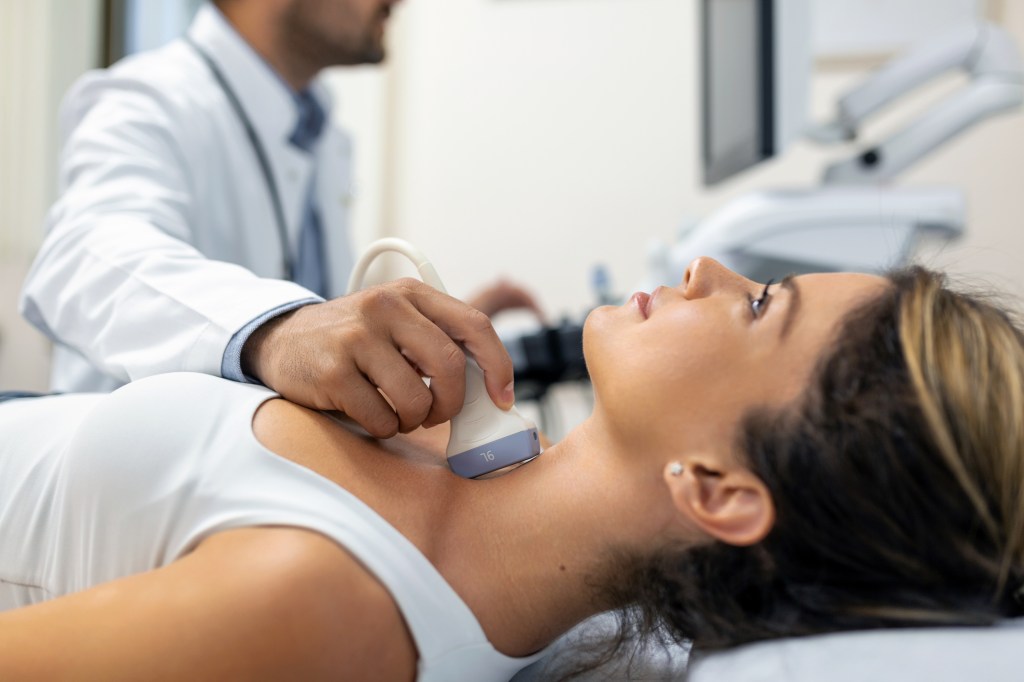
Your provider could also use an imaging test called an ultrasound. This is a diagnostic procedure that transmits high-frequency sound waves, inaudible to the human ear, through body tissues. The echoes are recorded and transformed into video or photographic images. You may think of ultrasounds related to pregnancy, but they are used to diagnose many different issues within your body. Unlike X-rays, ultrasounds do not use radiation.

There’s typically little or no preparation before your ultrasound. You don’t need to change your diet beforehand or fast. During the test, you’ll lie flat on a padded examining table with your head positioned on a pillow so that your head is tilted back. A warm, water-soluble gel is applied to the skin over the area that’s being examined. This gel won’t hurt your skin or stain your clothes. Your healthcare provider will then apply a probe to your neck and gently move it around to see all parts of the thyroid.

An ultrasound typically takes about 20 to 30 minutes.

Physical exam

Another way to quickly check the thyroid is with a physical exam in your healthcare provider’s office. This is a very simple and painless test where your provider feels your neck for any growths or enlargement of the thyroid.

How is thyroid disease treated?

Your healthcare provider’s goal is to return your thyroid hormone levels to normal. This can be done in a variety of ways and each specific treatment will depend on the cause of your thyroid condition.

If you have high levels of thyroid hormones (hyperthyroidism), treatment options can include:

  • Anti-thyroid drugs (methimazole and propylthioracil): These are medications that stop your thyroid from making hormones.
  • Radioactive iodine: This treatment damages the cells of your thyroid, preventing it from making high levels of thyroid hormones.
  • Beta blockers: These medications don’t change the amount of hormones in your body, but they help manage your symptoms.
  • Surgery: A more permanent form of treatment, your healthcare provider may surgically remove your thyroid (thyroidectomy). This will stop it from creating hormones. However, you will need to take thyroid replacement hormones for the rest of your life.

If you have low levels of thyroid hormones (hypothyroidism), the main treatment option is:

  • Thyroid replacement medication: This drug is a synthetic (man-made) way to add thyroid hormones back into your body. One drug that’s commonly used is called levothyroxine. By using a medication, you can manage thyroid disease and live a normal life.

Are there different types of thyroid removal surgery?

If your healthcare provider determines that your thyroid needs to be removed, there are a couple of ways that can be done. Your thyroid may need to be completely removed or just partially. This will depend on the severity of your condition. Also, if your thyroid is very big (enlarged) or has a lot of growths on it, that could prevent you from being eligible for some types of surgery.

The surgery to remove your thyroid is called a thyroidectomy. There are two main ways this surgery can be done:

  • With an incision on the front of your neck.
  • With an incision in your armpit.

The incision on the front of your neck is more of the traditional version of a thyroidectomy. It allows your surgeon to go straight in and remove the thyroid. In many cases, this might be your best option. You may need this approach if your thyroid is particularly big or has a lot of larger nodules.

Alternatively, there is a version of the thyroid removal surgery where your surgeon makes an incision in your armpit and then creates a tunnel to your thyroid. This tunnel is made with a special tool called an elevated retractor. It creates an opening that connects the incision in your armpit with your neck. The surgeon will use a robotic arm that will move through the tunnel to get to the thyroid. Once there, it can remove the thyroid back through the tunnel and out of the incision in your armpit.

This procedure is often called scarless because the incision is under your armpit and out of sight. However, it’s more complicated for the surgeon and the tunnel is more invasive for you. You may not be a candidate for this type of thyroid removal if you:

  • Are not at a healthy body weight.
  • Have large thyroid nodules.
  • Have a condition like thyroiditis or Graves’s disease.

Talk to your about all of your treatment options and the best type of surgery for you.

How long does it take to recover from thyroid surgery (thyroidectomy)?

It will take your body a few weeks to recover after your thyroid is surgically removed (thyroidectomy). During this time you should avoid a few things, including:

  • Submerging your incision under water.
  • Lifting an object that’s heavier than 15 pounds.
  • Doing more than light exercise.

This generally lasts for about two weeks. After that, you can return to your normal activities.

How long after my thyroid is removed will my tiredness go away?

Typically, you will be given medication to help with your symptoms right after surgery. Your body actually has thyroid hormone still circulating throughout it, even after the thyroid has been removed. The hormones can still be in your body for two to three weeks. Medication will reintroduce new hormones into your body after the thyroid has been removed. If you are still feeling tired after surgery, remember that this can be a normal part of recovering from any type of surgery. It takes time for your body to heal. Talk to your healthcare provider if you are still experiencing fatigue and other symptoms of thyroid disease after surgery.

If part of my thyroid is surgically removed, will the other part be able to make enough thyroid hormones to keep me off of medication?

Sometimes, your surgeon may be able to remove part of your thyroid and leave the other part so that it can continue to create and release thyroid hormones. This is most likely in situations where you have a nodule that’s causing your thyroid problem. About 75% of people who have only one side of the thyroid removed are able to make enough thyroid hormone after surgery without hormone replacement therapy.

Can I check my thyroid at home?

You can do a quick and easy self-exam of your thyroid at home. The only tools you need to do this self-exam are a mirror and a glass of water.

To do the thyroid self-exam, follow these steps:

  • Start by identifying where your thyroid is located. Generally, you’ll find the thyroid on the front of your neck, between your collar bone and Adam’s apple. In men, the Adam’s apple is much easier to see. For women, it’s usually easiest to look from the collar bone up.
  • Tip your head back while looking in a mirror. Look at your neck and try to hone in on the space you will be looking once you start the exam.
  • Once you’re ready, take a drink of water while your head is tilted back. Watch your thyroid as you swallow. During this test, you’re looking for lumps or bumps. You may be able to see them when you swallow the water.

Repeat this test a few times to get a good look at your thyroid. If you see any lumps or bumps, reach out to your healthcare provider.

Should I exercise if I have a thyroid disease?

Regular exercise is an important part of a healthy lifestyle. You do not need to change your exercise routine if you have a thyroid disease. Exercise does not drain your body’s thyroid hormones and it shouldn’t hurt you to exercise. It is important to talk to your healthcare provider before you start a new exercise routine to make sure that it’s a good fit for you.

Can I live a normal life with a thyroid disease?

A thyroid disease is often a life-long medical condition that you will need to manage constantly. This often involves a daily medication. Your healthcare provider will monitor your treatments and make adjustments over time. However, you can usually live a normal life with a thyroid disease. It may take some time to find the right treatment option for you and manage your hormone levels, but then people with these types of conditions can usually live life without many restrictions.

A note from QBan Health Care Services

Your thyroid is an important gland in your endocrine system that affects many aspects of your body. Thyroid disease is very common and treatable. If you experience any thyroid disease-related symptoms or want to know if you have any risk factors for developing thyroid disease, don’t be afraid to talk to your healthcare provider. They’re there to help you.

THYROID

Your thyroid is an important endocrine gland that makes and releases certain hormones. Your thyroid’s main job is to control your metabolism — how your body uses energy. Sometimes, your thyroid doesn’t work properly. These conditions are common and treatable.

What is the thyroid?

Your thyroid is a small, butterfly-shaped gland located at the front of your neck under your skin. It’s a part of your endocrine system and controls many of your body’s important functions by producing and releasing (secreting) certain hormones. Your thyroid’s main job is to control the speed of your metabolism (metabolic rate), which is the process of how your body transforms the food you consume into energy. All of the cells in your body need energy to function.

When your thyroid isn’t working properly, it can impact your entire body.

What is the endocrine system?

Your endocrine system is a network of several glands that create and secrete (release) hormones.

A gland is an organ that makes one or more substances, such as hormones, digestive juices, sweat or tears. Endocrine glands release hormones directly into the bloodstream.

Hormones are chemicals that coordinate different functions in your body by carrying messages through your blood to your organs, skin, muscles and other tissues. These signals tell your body what to do and when to do it.

The following organs and glands make up your endocrine system:

  • Hypothalamus.
  • Pituitary gland.
  • Thyroid.
  • Parathyroid glands.
  • Adrenal glands.
  • Pineal gland.
  • Pancreas.
  • Ovaries.
  • Testes.

What does my thyroid do?

As an endocrine gland, your thyroid makes and secretes hormones. Your thyroid produces and releases the following hormones:

  • Thyroxine (T4): This is the primary hormone your thyroid makes and releases. Although your thyroid makes the most of this hormone, it doesn’t have much of an effect on your metabolism. Once your thyroid releases T4 into your bloodstream, it can convert to T3 through a process called deiodination.
  • Triiodothyronine (T3): Your thyroid produces lesser amounts of T3 than T4, but it has a much greater effect on your metabolism than T4.
  • Reverse triiodothyronine (RT3): Your thyroid makes very small amounts of RT3, which reverses the effects of T3.
  • Calcitonin: This hormone helps regulate the amount of calcium in your blood.

In order to make thyroid hormones, your thyroid gland needs iodine, an element found in food (most commonly, iodized table salt) and water. Your thyroid gland traps iodine and transforms it into thyroid hormones. If you have too little or too much iodine in your body, it can affect the level of hormones your thyroid makes and releases.

Your thyroid hormones affect the following bodily functions:

  • How your body uses energy (metabolism).
  • Heart rate.
  • Breathing.
  • Digestion.
  • Body temperature.
  • Brain development.
  • Mental activity.
  • Skin and bone maintenance.
  • Fertility.

What other organs and glands interact with the thyroid?

Your endocrine system is an elaborate network of glands and hormones. Many glands and hormones rely on other glands and hormones to send them signals to start working. In addition, certain hormones can suppress other hormones.

Your body has a complex system for controlling the level of thyroid hormones in your body. First, your hypothalamus (a part of your brain located on the undersurface of it) secretes thyroid-releasing hormone (TRH), which stimulates a part of your pituitary gland to secrete thyroid-stimulating hormone (TSH). TSH then stimulates your thyroid follicular cells to release thyroxine (T4) and triiodothyronine (T3) if there are adequate levels of iodine in your body.

Your thyroid gland and its hormones affect almost every organ system of your body, including:

  • Your cardiovascular system: Your thyroid helps regulate the amount of blood your heart pumps through your circulatory system (cardiac output), heart rate and strength and vigor of your heart’s contraction (contractility of the heart).
  • Your nervous system: When your thyroid isn’t working properly, it can cause symptoms that affect your nervous system, including numbness, tingling, pain or a sense of burning in the affected parts of your body. In addition, hypothyroidism can cause depression and hyperthyroidism can cause anxiety.
  • Your digestive system: Your thyroid is involved with how food moves through your digestive system (gastrointestinal motility).
  • Your reproductive system: If your thyroid isn’t working properly, it can cause irregular menstrual periods and issues with fertility.

Can a person live without a thyroid?

Yes, you can live without your thyroid. However, you’ll need to take hormone replacement medication for the rest of your life in order to stay healthy and prevent certain side effects and symptoms. Thyroid removal surgery, known as a thyroidectomy, is a common surgery that can treat certain thyroid conditions.

Where is the thyroid located?

Your thyroid gland is located in the front of your neck, straddling your windpipe (trachea). It’s shaped like a butterfly — smaller in the middle with two wide wings that extend around the side of your throat. A healthy thyroid gland is not usually visible from the outside (there’s no appearance of a lump on your neck), and you can’t feel it when you press your finger to the front of your neck.

What are the parts of the thyroid?

There are two main parts of your thyroid: the two halves (lobes) and the middle of the thyroid that connects the two lobes (thyroid isthmus).

Your thyroid is made of thyroid follicle cells (thyrocytes), which create and store thyroid hormone (mainly T3 and T4), and C-cells, which secrete the hormone calcitonin.

How big is the thyroid?

Your thyroid is about 2 inches long. A healthy thyroid usually does not stick out from your throat and you can’t see it by looking at your neck.

However, certain conditions can cause your thyroid to become enlarged. This is known as goiter. If you have a goiter, you may experience the following symptoms:

  • Swelling in the front of your neck, just below the Adam’s apple.
  • A feeling of tightness in your throat area.
  • A change in your voice, such as hoarseness (scratchy voice).

What conditions and disorders affect the thyroid?

There are several different types of thyroid disease. Thyroid disease is very common, with an estimated 20 million people in the United States having some type of thyroid disorder. Women and people assigned female at birth (AFAB) are about five to eight times more likely to be diagnosed with a thyroid condition than men and people assigned male at birth (AMAB).

Thyroid diseases are split into two types: primary and secondary.

In primary thyroid disease, the disease originates in your thyroid gland. In secondary thyroid disease, the disease originates in your pituitary gland. As an example, if you have a nodule on your thyroid that’s releasing excess amounts of thyroid hormones, it would be called primary hyperthyroidism. If a tumor in your pituitary gland is releasing excess amounts of thyroid-stimulating hormone (TSH), which then stimulates your thyroid to produce excess thyroid hormones, it would be called secondary hyperthyroidism.

The four main conditions that affect your thyroid include:

Hypothyroidism

Hypothyroidism (underactive thyroid) happens when your thyroid doesn’t produce and release enough thyroid hormones. This causes aspects of your metabolism to slow down. It’s a fairly common condition that affects approximately 10 million people in the United States. It is treatable.

Causes of hypothyroidism include:

  • Hashimoto’s disease, an autoimmune disease.
  • Thyroiditis (inflammation of the thyroid).
  • Iodine deficiency.
  • A nonfunctioning thyroid gland (when the thyroid doesn’t work correctly from birth).
  • Over-treatment of hyperthyroidism through medication.
  • Thyroid gland removal.

Hyperthyroidism

Hyperthyroidism (overactive thyroid) happens when your thyroid produces and releases more thyroid hormones than your body needs. This causes aspects of your metabolism to speed up. Approximately 1 out of 100 people over the age of 12 have hyperthyroidism in the United States. It is treatable.

Causes of hyperthyroidism include:

  • Graves’ disease, an autoimmune condition.
  • Thyroid nodules.
  • Thyroiditis (inflammation of the thyroid).
  • Postpartum thyroiditis (inflammation of the thyroid that happens after giving birth).
  • Excess iodine in your blood from diet and/or medication.
  • Over-treatment of hypothyroidism through medication.
  • A benign (noncancerous) tumor in your pituitary gland.

Goiter

Goiter is an enlargement of your thyroid gland. Goiters are relatively common; they affect approximately 5% of people in the United States

Goiters have different causes, depending on their type.

  • Simple goiters: These goiters develop when your thyroid gland doesn’t make enough hormones to meet your body’s needs. Your thyroid gland tries to make up for the shortage by growing larger.
  • Endemic goiters: These goiters occur in people who don’t get enough iodine in their diet (iodine is necessary to make thyroid hormone). Iodine is added to table salt in the United States and several other countries, so people who live in those countries usually don’t get endemic goiters.
  • Sporadic goiters: These goiters have no known cause in most cases. In some cases, certain medications, such as lithium, can cause sporadic goiters.

Thyroid cancer

Thyroid cancer is cancer that begins in your thyroid tissues. Approximately 53,000 people in the United States receive a diagnosis of thyroid cancer every year. Treatments for most thyroid cancers are very successful.

Thyroid cancer is classified based on the type of cells from which cancer grows. Thyroid cancer types include:

  • Papillary: Up to 80% of all thyroid cancer cases are papillary.
  • Follicular: Follicular thyroid cancer accounts for up to 15% of thyroid cancer diagnoses.
  • Medullary: About 2% of thyroid cancer cases are medullary. It’s often caused by a gene mutation.
  • Anaplastic: About 2% of thyroid cancer cases are anaplastic.

What are the early warning signs and symptoms of thyroid problems?

Different thyroid conditions have different symptoms. However, since your thyroid has a large role in certain body systems and processes, such as heart rate, metabolism and temperature control, there are certain symptoms to look out for that could be a sign of a thyroid condition, including:

  • Slow or rapid heart rate.
  • Unexplained weight loss or weight gain.
  • Difficulty tolerating cold or heat.
  • Depression or anxiety.
  • Irregular menstrual periods.

If you’re experiencing any of these symptoms, talk to your healthcare provider about getting a blood test to check your thyroid function.

What are common tests to check the health of the thyroid?

The first-line test for checking the health of your thyroid is a blood test that measures your levels of thyroid-stimulating hormone (TSH). It’s a screening test for both hypothyroidism and hyperthyroidism.

In general, the normal range for a TSH blood test is 0.5 to 5.0 mIU/L (milli-international units per liter). However, this can vary from lab to lab and depending on certain factors, such as pregnancy and your age.

Your provider can also check the levels of T4 and T3 (thyroid hormones) in your blood.

If your test results come back abnormal your provider may suggest having an imaging test such as a thyroid scan, which uses small amounts of a safe, radioactive material to create images of your thyroid, or a thyroid ultrasound.

How are thyroid conditions treated?

There are several treatment options for thyroid conditions depending on what the conditions are and how severe they are. The three main options for treatment include:

Medication

Medications for thyroid conditions include:

  • Antithyroid medications: These medications block the ability of your thyroid to make hormones. Healthcare providers may prescribe this for hyperthyroidism.
  • Beta-blockers: These medications help treat symptoms of hyperthyroidism, such as rapid heartbeat, but they do not treat the thyroid condition itself.
  • Radioactive iodine: This medication damages thyroid cells, eventually leading to the destruction of your thyroid gland. This is a treatment option for hyperthyroidism and thyroid cancer.
  • Thyroid hormone medications: These medications are a synthetic form of thyroid hormones for the treatment of hypothyroidism. People who have a thyroidectomy or a nonfunctioning thyroid from radioactive iodine usually need to take these medications for the rest of their life.

Surgery

The most common type of surgery associated with thyroid conditions is a thyroidectomy. A thyroidectomy is the surgical removal of your entire thyroid gland. Thyroidectomy is one of the treatment options for thyroid disease and is the first-line treatment for thyroid cancer.

Another surgery option is a lobectomy, which involves removing only a part of your thyroid.

Radiation therapy and chemotherapy

Radiation therapy and/or chemotherapy are treatment options for thyroid cancer. Both therapies kill cancer cells and prevent them from growing. Most cases of thyroid cancer do not require radiation or chemotherapy.

What are the risk factors for developing a thyroid condition?

Thyroid conditions are common and can affect anyone at any age. However, some factors put you at a higher risk of developing a thyroid condition, including:

Being older than 60, especially if you’re a woman or a person who was assigned female at birth (AFAB).

How can I keep my thyroid healthy?

The main way to keep your thyroid healthy is to make sure you’re getting enough iodine in your diet. Your thyroid needs iodine to make thyroid hormones. The good news is that the majority of people get adequate amounts of iodine through iodized table salt and foods that are fortified with iodine.

Other food sources that contain iodine include:

  • Cheese.
  • Cow’s milk.
  • Eggs.
  • Yogurt.
  • Saltwater fish.
  • Shellfish.
  • Seaweed.
  • Soy milk.
  • Soy sauce.

However, it’s important not to consume too much iodine because it can cause problems. If you have any questions or concerns about your thyroid health, don’t be afraid to talk to your healthcare provider.

When should I call my doctor about my thyroid?

If you’re experiencing symptoms of thyroid disease, such as changes in your weight, heart rate and temperature sensitivity, contact your healthcare provider. They can run a simple blood test to see if your thyroid is the cause of your symptoms.

A note from QBan Health Care Services

Your thyroid is an important gland in your endocrine system that affects many aspects of your body. Thyroid disease is very common and treatable. If you experience any thyroid disease-related symptoms or want to know if you have any risk factors for developing thyroid disease, don’t be afraid to talk to your healthcare provider. They’re there to help you.

REGULAR PHYSICAL ACTIVITY

Want to feel better, have more energy and even add years to your life? Just exercise.

The health benefits of regular exercise and physical activity are hard to ignore. Everyone benefits from exercise, regardless of age, sex or physical ability.

Need more convincing to get moving? Check out these seven ways that exercise can lead to a happier, healthier you.

1. Exercise controls weight

Exercise can help prevent excess weight gain or help maintain weight loss. When you engage in physical activity, you burn calories. The more intense the activity, the more calories you burn.

Regular trips to the gym are great, but don’t worry if you can’t find a large chunk of time to exercise every day. Any amount of activity is better than none at all. To reap the benefits of exercise, just get more active throughout your day — take the stairs instead of the elevator or rev up your household chores. Consistency is key.

2. Exercise combats health conditions and diseases

Worried about heart disease? Hoping to prevent high blood pressure? No matter what your current weight is, being active boosts high-density lipoprotein (HDL) cholesterol, the “good” cholesterol, and it decreases unhealthy triglycerides. This one-two punch keeps your blood flowing smoothly, which decreases your risk of cardiovascular diseases.

Regular exercise helps prevent or manage many health problems and concerns, including:

  • Stroke
  • Metabolic syndrome
  • High blood pressure
  • Type 2 diabetes
  • Depression
  • Anxiety
  • Many types of cancer
  • Arthritis
  • Falls

It can also help improve cognitive function and helps lower the risk of death from all causes.

3. Exercise improves mood

Need an emotional lift? Or need to destress after a stressful day? A gym session or brisk walk can help. Physical activity stimulates various brain chemicals that may leave you feeling happier, more relaxed and less anxious.

You may also feel better about your appearance and yourself when you exercise regularly, which can boost your confidence and improve your self-esteem.

4. Exercise boosts energy

Winded by grocery shopping or household chores? Regular physical activity can improve your muscle strength and boost your endurance.

Exercise delivers oxygen and nutrients to your tissues and helps your cardiovascular system work more efficiently. And when your heart and lung health improve, you have more energy to tackle daily chores.

5. Exercise promotes better sleep

Struggling to snooze? Regular physical activity can help you fall asleep faster, get better sleep and deepen your sleep. Just don’t exercise too close to bedtime, or you may be too energized to go to sleep.

6. Exercise puts the spark back into your sex life

Do you feel too tired or too out of shape to enjoy physical intimacy? Regular physical activity can improve energy levels and increase your confidence about your physical appearance, which may boost your sex life.

But there’s even more to it than that. Regular physical activity may enhance arousal for women. And men who exercise regularly are less likely to have problems with erectile dysfunction than are men who don’t exercise.

7. Exercise can be fun … and social!

Exercise and physical activity can be enjoyable. They give you a chance to unwind, enjoy the outdoors or simply engage in activities that make you happy. Physical activity can also help you connect with family or friends in a fun social setting.

So take a dance class, hit the hiking trails or join a soccer team. Find a physical activity you enjoy, and just do it. Bored? Try something new, or do something with friends or family.

The bottom line on exercise

Exercise and physical activity are great ways to feel better, boost your health and have fun. For most healthy adults, the U.S. Department of Health and Human Services recommends these exercise guidelines:

  • Aerobic activity. Get at least 150 minutes of moderate aerobic activity or 75 minutes of vigorous aerobic activity a week, or a combination of moderate and vigorous activity. The guidelines suggest that you spread out this exercise during the course of a week. To provide even greater health benefit and to assist with weight loss or maintaining weight loss, at least 300 minutes a week is recommended. But even small amounts of physical activity are helpful. Being active for short periods of time throughout the day can add up to provide health benefit.
  • Strength training. Do strength training exercises for all major muscle groups at least two times a week. Aim to do a single set of each exercise using a weight or resistance level heavy enough to tire your muscles after about 12 to 15 repetitions.

Moderate aerobic exercise includes activities such as brisk walking, biking, swimming and mowing the lawn. Vigorous aerobic exercise includes activities such as running, heavy yardwork and aerobic dancing. Strength training can include use of weight machines, your own body weight, heavy bags, resistance tubing or resistance paddles in the water, or activities such as rock climbing.

If you want to lose weight, meet specific fitness goals or get even more benefits, you may need to ramp up your moderate aerobic activity even more.

A note from QBan Health Care Services

The health benefits of regular exercise and physical activity are hard to ignore. Everyone benefits from exercise, regardless of age, sex or physical ability.

Remember to check with your doctor before starting a new exercise program, especially if you have any concerns about your fitness, haven’t exercised for a long time, have chronic health problems, such as heart disease, diabetes or arthritis.

MEDITERRANEAN DIET

The Mediterranean Diet emphasizes plant-based foods and healthy fats. You eat mostly veggies, fruits and whole grains. Olive oil is the main source of fat. Research shows the Mediterranean Diet can lower your risk of cardiovascular disease and many other chronic conditions. A dietitian can help you customize the diet to suit your individual needs.

What is the Mediterranean Diet?

The Mediterranean Diet is a way of eating that emphasizes plant-based foods and healthy fats.

In general, if you follow a Mediterranean Diet, you’ll eat:

  • Lots of vegetables, fruit, beans, lentils and nuts.
  • Lots of whole grains, like whole-wheat bread and brown rice.
  • Plenty of extra virgin olive oil (EVOO) as a source of healthy fat.
  • A moderate amount of fish, especially fish rich in omega-3 fatty acids.
  • A moderate amount of cheese and yogurt.
  • Little or no meat, choosing poultry instead of red meat.
  • Little or no sweets, sugary drinks or butter.
  • A moderate amount of wine with meals (but if you don’t already drink, don’t start).

A dietitian can help you modify this diet as needed based on your medical history, underlying conditions, allergies and preferences.

What is the definition of the Mediterranean Diet?

There are many definitions of the diet (each with slightly different goals for servings). That’s because the diet focuses on overall eating patterns rather than strict formulas or calculations. It’s also based on eating patterns across many different Mediterranean countries, each with their own nuances. Because there’s no single definition, the Mediterranean Diet is flexible, and you can tailor it to your needs.

What are the benefits of the Mediterranean Diet?

The Mediterranean Diet has many benefits, including:

Cardiologists often recommend the Mediterranean Diet because extensive research supports its heart-healthy benefits. One study (published in 2018) looked at people at high risk of cardiovascular disease over a five-year period. These people were split into two groups. One group followed the Mediterranean Diet, and the other group followed a low-fat diet. The Mediterranean Diet group had a 30% lower relative risk of cardiovascular events compared to the low-fat diet group. Such events included heart attackstroke or cardiovascular-related death.

Researchers believe these protective benefits are partly due to the healthy fats you eat with the Mediterranean Diet. These come from foods like olive oil, nuts and fish.

Why is the Mediterranean Diet good for me?

The Mediterranean Diet includes many different nutrients that work together to help your body. There’s no single food or ingredient responsible for the Mediterranean Diet’s benefits. Instead, the diet is good for you because of the combination of nutrients it provides.

Think of a choir with many people singing. One voice alone might carry part of the tune, but you need all the voices to come together to achieve the full effect. Similarly, the Mediterranean Diet works by giving you an ideal blend of nutrients that harmonize to support your health.

A Mediterranean Diet is good for you because it:

  • Limits saturated fat and trans fat. You need some saturated fat, but only in small amounts. Eating too much saturated fat can raise your LDL (bad) cholesterol. A high LDL raises your risk of plaque buildup in your arteries (atherosclerosis). Trans fat has no health benefits. Both of these “unhealthy fats” can cause inflammation.
  • Encourages healthy unsaturated fats, including omega-3 fatty acidsUnsaturated fats promote healthy cholesterol levels, support brain health and combat inflammation. Plus, a diet high in unsaturated fats and low in saturated fat promotes healthy blood sugar levels.
  • Limits sodium. A diet high in sodium can raise your blood pressure, putting you at greater risk for a heart attack or stroke.
  • Limits refined carbohydrates, including sugar. Foods high in refined carbs can cause your blood sugar to spike. Refined carbs also give you excess calories without much nutritional benefit. For example, such foods often have little or no fiber.
  • Favors foods high in fiber and antioxidants. These nutrients help reduce inflammation throughout your body. Fiber also helps keep waste moving through your large intestine. Antioxidants protect you against cancer by warding off free radicals.

What does the Mediterranean Diet look like?

The Mediterranean Diet doesn’t look the same for everyone. In general, it includes lots of whole grains, vegetables, and fruit along with moderate amounts of fish, legumes and nuts.

The chart below shows some serving goals and tips that dietitians often recommend. It’s important to talk to a dietitian about your individual needs and goals so you can develop a plan that’s best for you.

FoodServing GoalServing SizeTips
Fresh fruits and vegetablesFruit: 3 servings per day Veggies: At least 3 servings per dayFruit: ½ cup to 1 cup Veggies: ½ cup cooked or 1 cup rawHave at least 1 serving of veggies at each meal. Choose fruit as a snack.
Whole grains and starchy vegetables (potatoes, peas and corn)3 to 6 servings per day½ cup cooked grains, pasta or cereal; 1 slice of bread; 1 cup dry cerealChoose oats, barley, quinoa or brown rice. Bake or roast red skin potatoes or sweet potatoes. Choose whole grain bread, cereal, couscous and pasta. Limit or avoid refined carbohydrates.
Extra virgin olive oil (EVOO)1 to 4 servings per day1 tablespoonUse instead of vegetable oil and animal fats (butter, sour cream, mayo). Drizzle on salads, cooked veggies or pasta. Use as dip for bread.
Legumes (beans and lentils)3 servings per week½ cupAdd to salads, soups and pasta dishes. Try hummus or bean dip with raw veggies. Opt for a veggie or bean burger.
Fish3 servings per week3 to 4 ouncesChoose fish rich in omega-3s, like salmon, sardines, herring, tuna and mackerel.
NutsAt least 3 servings per week¼ cup nuts or 2 tablespoons nut butterIdeally, choose walnuts, almonds and hazelnuts. Add to cereal, salad and yogurt. Choose raw, unsalted and dry roasted varieties. Eat alone or with dried fruit as a snack.
PoultryNo more than once daily (fewer may be better)3 ouncesChoose white meat instead of dark meat. Eat in place of red meat. Choose skinless poultry or remove the skin before cooking. Bake, broil or grill it.
DairyNo more than once daily (fewer may be better)1 cup milk or yogurt; 1 ½ ounces natural cheeseChoose naturally low-fat cheese. Choose fat-free or 1% milk, yogurt and cottage cheese. Avoid whole-fat milk, cream, and cream-based sauces and dressings.
EggsUp to 1 yolk per day1 egg (yolk + white)Limit egg yolks. No limit on egg whites. If you have high cholesterol, have no more than 4 yolks per week.
Red meat (beef, pork, veal and lamb)None, or no more than 1 serving per week3 ouncesLimit to lean cuts, such as tenderloin, sirloin and flank steak.
Wine (optional)1 serving per day (people assigned female at birth) 2 servings per day (people assigned male at birth)1 glass (3 ½ ounces)If you don’t drink, the American Heart Association cautions you not to start drinking. Talk to your healthcare provider about the benefits and risks of consuming alcohol in moderation.
Baked goods and dessertsAvoid commercially prepared baked goods and desserts. Limit homemade goods to no more than 3 servings per weekVaries by typeInstead, choose fruit and nonfat yogurt. Bake using liquid oil instead of solid fats; whole grain flour instead of bleached or enriched flour; egg whites instead of whole eggs.

How do I start a Mediterranean Diet?

You may have many questions as you begin a new eating plan. It’s important to consult with a primary care physician or dietitian before making drastic changes to your diet or trying any new eating plan. They’ll make sure your intended plan is best for you based on your individual needs. They’ll also share meal plans and recipes for you to try at home.

As you get started, you might wonder how much you can modify the Mediterranean Diet without losing its benefits. Remember that the Mediterranean Diet is a general approach to eating. It’s not a strict diet with hard and fast rules. As a result, you can adapt it to suit your needs (ideally with a dietitian’s help).

Below are answers to some common questions you might have about modifications.

Can the Mediterranean Diet be vegetarian?

Yes. If you prefer a vegetarian diet, you can easily modify the Mediterranean Diet to exclude meat and fish. In that case, you’d gain your protein solely from plant sources like nuts and beans. Talk to a dietitian to learn more.

Can the Mediterranean Diet be gluten-free?

Yes. You can modify recipes to exclude gluten-based products. Talk to a dietitian for recipe ideas and support in making necessary changes.

Can I use regular olive oil instead of extra virgin olive oil?

Regular olive oil is a good alternative to oil that’s high in saturated fat (like palm oil). However, to get the most benefits, opt for extra virgin olive oil.

A crucial fact to know before starting the Mediterranean Diet is that not all olive oils are the same. The Mediterranean Diet calls for extra virgin olive oil (EVOO), specifically. That’s because it has a healthy fat ratio. This means EVOO contains more healthy fat (unsaturated) than unhealthy fat (saturated). Aside from its fat ratio, EVOO is healthy because it’s high in antioxidants.

Antioxidants help protect your heart and reduce inflammation throughout your body. Because it’s manufactured differently, regular olive oil doesn’t contain these antioxidants.

Can I eat pizza on the Mediterranean Diet?

It depends how you prepare it. Many American-style pizzas are high in sodium, saturated fat and calories. These aspects make it less than ideal for meeting your Mediterranean Diet goals. Instead of ordering out, try making your own heart-healthy pizza to get more nutritional benefits.

Can I eat foods from non-Mediterranean cultures?

The Mediterranean Diet describes eating patterns in one specific area of the world. That doesn’t mean you should exclude foods and recipes from other cultural traditions.

It’s important to develop an eating plan that’s healthy for you physically, emotionally and socially. The Mediterranean Diet offers a way of eating that research links to many health benefits. This diet focuses on general patterns of eating. It doesn’t ask you to scrutinize every single food choice or eliminate specific foods.

So, there’s room to adjust the Mediterranean Diet to your preferences and cultural traditions. This might mean keeping some traditional recipes the same (no ingredient substitutions) and eating them only on special occasions. Some recipes might be just as tasty and special to you with some substitutions (like olive oil instead of butter, or extra herbs instead of salt). Working with a dietitian can help you decide when and how to make substitutions or other changes to your meaningful recipes.

How does lifestyle relate to the Mediterranean Diet?

To get the most from your eating plan, try to:

  • Exercise regularly, ideally with others.
  • Avoid smoking or using any tobacco products.
  • Prepare and enjoy meals with family and friends.
  • Cook more often than you eat out.
  • Eat locally sourced foods whenever possible.

When was the Mediterranean Diet created?

The concept of the Mediterranean Diet began in the 1950s. That’s when an American researcher named Ancel Keys began the Seven Countries Study. This study spanned decades. It investigated links between diet and cardiovascular disease around the world.

As part of the study, Keys and his team looked at eating patterns in Greece and Italy in the 1950s and 1960s. They found those eating patterns were linked with lower rates of coronary artery disease (compared with eating patterns in the U.S. and Northern Europe). Thus, the heart-healthy Mediterranean Diet was born.

So, if you follow a Mediterranean Diet today, you’re eating like people did in certain Mediterranean countries in the mid-20th century. Research shows those patterns have shifted over the years and no longer hold true in many Mediterranean countries.

There are visual pyramids and other guidelines that show you how to put a Mediterranean Diet into practice. A dietitian can help you review such resources and explain how to use them in your daily life.

A note from QBan Health Care Services

In a world with endless diet options, it can be hard to know which one is right for you. Research has proven the benefits of the Mediterranean Diet for many people, especially those at risk for heart disease. Beyond protecting your heart, the Mediterranean Diet can help you prevent or manage many other conditions.

As with any eating plan, it’s important to talk to a healthcare provider before getting started. They’ll make sure the plan is appropriate for you and help you modify it as needed. Also, tell your loved ones about your goals. Invite them to cook and share meals with you. It’s easier to follow an eating plan over the long term when you have a supportive community with you along the way.

TESTICULAR HEALTH

Testicles, or testes, are the part of the reproductive system in men and people assigned male at birth (AMAB) that makes sperm and hormones. They’re located outside your body. Talk to your healthcare provider if your testicles change in some way.

What is a testicle?

A testicle (pronounced “teh-stuh-kl”) is part of the anatomy of men and people assigned male at birth (AMAB). Generally, you’ll have two testicles. These body parts make sperm and hormones.

Other names for your testicles are male gonads or testes (pronounced “teh-steez”). One testicle is called a testis. There are other more casual names for testicles that you might hear or even use yourself, including “balls,” “nuts” and “cojones.”

What do the testicles do?

The testicles make sperm and sex hormones, particularly testosterone.

How do the testicles make sperm?

Testicles are about two degrees Celsius lower in temperature than the rest of your body. Cooler temperatures are better for making sperm, a process called spermatogenesis. In each of the testes, the process happens in tubes called seminiferous tubules. There are a surprising number of tubes in each testis — about 700.

It takes about 74 days for sperm cells to mature. The immature cells get the blood and nutrients they need in the tubules. From there, they’re pushed along to the epididymis, another type of tube that runs along the back side of your testicle. The epididymis connects to the vas deferens, which is the tube that lets sperm leave your body through your penis.

What are the hormones made by the testes?

The testes make hormones like testosterone in the Leydig cells. Testosterone is a hormone that causes people to have deeper voices, stronger muscles and body hair. The testes also make these other hormones:

  • Inhibin B: Serum levels of this protein are related to testicular volume and sperm counts in adults.
  • Anti-Mullerian hormone: This hormone is important to the development of internal male reproductive organs.
  • Insulin-like factor 3: This hormone helps testicles descend into the scrotum from the abdomen and to continue to develop in the scrotum.
  • Estradiol: This hormone is important in making sperm.

Where are the testicles located?

Your testicles are located underneath your penis. They’re enclosed in a pouch of skin called the scrotum. Generally, you’ll have one testicle to the right and one testicle to the left of your penis.

Your testicles are connected to the inside of your body by a cord called the spermatic cord. Each cord contains nerves and blood vessels. The cords also contain the vas deferens, which are the tubes that move sperm to your penis, so it can leave your body in semen.

What do the testicles look like?

Your testicles aren’t visible because they’re located inside your scrotum. However, their outlines are visible, and you can feel them. Testicles have been described as being like large olives, small eggs or walnuts.

How big are testicles?

There’s no exact size for testicles. In fact, one of your testicles may be a little bit bigger than the other one. One testicle might be a little lower than the other. An adult testicle may range from half an inch (15 mL) to 1.5 inches (35 mL) or more. One comparison says the normal range goes from the size of a bird egg to the size of a small chicken egg.

What are the common conditions and disorders that affect the testicles?

Many testicle-related diseases are found in children, but not all. Here are some conditions that could affect your testicles:

  • Hypogonadism: Your testicles don’t produce enough of the hormones you need.
  • Klinefelter syndrome: This genetic condition happens when a person is born with two copies of the X chromosome and one copy of the Y chromosome.
  • Infertility: This refers to being unable to impregnate a partner. Your testicles may not produce any — or enough — sperm, or they might not be able to release the sperm.
  • Cryptorchidism: This condition, also called undescended testicles, refers to testicles that don’t drop into your scrotum when they should.
  • Epididymitis: This condition refers to an inflammation of the epididymis.
  • Spermatocele: This is another name for a cyst that grows above or behind a testis.
  • Testicular torsionThis medical emergency happens when a testis becomes twisted, and the blood supply is cut off. You need to get help right away.
  • Testicular cancer: This condition is the most common cancer in men and people assigned male at birth (AMAB) who are between the ages of 20 and 35 years old.

Your testicles can be damaged by physical trauma, including motor vehicle accidents, falls or fights.

What are some common signs or symptoms of conditions related to your testes?

Contact your healthcare provider if you develop these signs or symptoms:

  • Pain in your scrotum and/or testicles.
  • A lump or swelling on your testicle.
  • Discoloration of the skin on your scrotum.
  • An abnormal feeling of warmth in the area.
  • Blood in your semen.
  • Pain in your lower abdomen.

What are some common tests to check the health of your testicles?

Your healthcare provider will begin by going over your medical history and your current symptoms. The tests they order will depend on what they think they’ll find. You may have:

  • A physical examination of your testes.
  • Blood tests to evaluate hormone levels.
  • Urine tests to check for infection or other diseases.
  • A light test to distinguish a solid growth from a fluid-filled cyst.
  • An ultrasound of your scrotum and testicles to evaluate lumps.

What are some common treatments for testes-related conditions?

Your healthcare provider will treat testicular disorders with a variety of therapies. Depending on the testicular disorder, treatments may include:

  • Self-care treatments, like using over-the-counter pain relievers, ice to relieve swelling or scrotal support garments.
  • Medications, such as antibiotics or testosterone supplements.
  • Surgeries, such as orchiopexy to move undescended testicles to the scrotum, and procedures to untwist testicles or remove benign or cancerous cysts.
  • Radiation therapy.
  • Chemotherapy.

How do I keep my testicles healthy?

Here are some tips to keep your testicles healthy:

  • Wear protection. If you play sports or participate in other vigorous activities, wear an athletic supporter (a jockstrap).
  • Keep clean. Wash yourself thoroughly and often. Wear clean underwear and clothing.
  • Practice safe sex.
  • Examine your testicles regularly. Become familiar with the way they’re shaped, feel and look. Be aware of any changes, like lumps or swelling. If something seems wrong, contact your healthcare provider.

Can a person without a testicle make another person pregnant?

One testicle can product enough sperm to get another person pregnant. If your healthcare provider must remove both testicles because you have cancer or an injury, you may be able to bank frozen sperm that could be used to impregnate a partner.

A note from QBan Health Care Services

Your testicles are important parts of your anatomy. They’re related to your sexuality and your ability to reproduce. You should become familiar with how they feel and look when they’re healthy. Pay attention to any change. Contact your healthcare provider if you notice any lumps or other changes.

UTERINE FIBROIDS

Uterine fibroids are a common type of noncancerous tumor that can grow in and on your uterus. Not all fibroids cause symptoms, but when they do, symptoms can include heavy menstrual bleeding, back pain, frequent urination and pain during sex. Small fibroids often don’t need treatment, but larger fibroids can be treated with medications or surgery.

What are uterine fibroids?

Uterine fibroids (also called leiomyomas) are growths made up of the muscle and connective tissue from the wall of the uterus. These growths are usually not cancerous (benign). Your uterus is an upside down pear-shaped organ in your pelvis. The normal size of your uterus is similar to a lemon. It’s the place where a baby grows and develops during pregnancy.

Fibroids can grow as a single nodule (one growth) or in a cluster. Fibroid clusters can range in size from 1 mm to more than 20 cm (8 inches) in diameter or even larger. For comparison, they can get as large as the size of a watermelon. These growths can develop within the wall of the uterus, inside the main cavity of the organ or even on the outer surface. Fibroids can vary in size, number and location within and on your uterus.

You may experience a variety of symptoms with uterine fibroids and these may not be the same symptoms that another woman with fibroids will experience. Because of how unique fibroids can be, your treatment plan will depend on your individual case.

Are fibroids common?

Fibroids are actually a very common type of growth in your pelvis. Approximately 40 to 80% of people have fibroids. However, many people don’t experience any symptoms from their fibroids, so they don’t realize they have fibroids. This can happen when you have small fibroids — called asymptomatic because they don’t cause you to feel anything unusual.

Who is at risk for uterine fibroids?

There are several risk factors that can play a role in your chances of developing fibroids. These can include:

  • Obesity and a higher body weight (more than 20% over the weight that’s considered healthy for you).
  • Family history of fibroids.
  • Not having children.
  • Early onset of menstruation (getting your period at a young age).
  • Late age for menopause.

Where do fibroids grow?

There are several places both inside and outside of your uterus where fibroids can grow. The location and size of your fibroids is important for your treatment. Where your fibroids are growing, how big they are and how many of them you have will determine which type of treatment will work best for you or if treatment is even necessary.

There are different names given for the places your fibroids are located in and on the uterus. These names describe not only where the fibroid is, but how it’s attached. Specific locations where you can have uterine fibroids include:

  • Submucosal fibroids: In this case, the fibroids are growing inside the uterine space (cavity) where a baby grows during pregnancy. Think of the growths extending down into the empty space in the middle of the uterus.
  • Intramural fibroids: These fibroids are embedded into the wall of the uterus itself. Picture the sides of the uterus like walls of a house. The fibroids are growing inside this muscular wall.
  • Subserosal fibroids: Located on the outside of the uterus this time, these fibroids are connected closely to the outside wall of the uterus.
  • Pedunculated fibroids: The least common type, these fibroids are also located on the outside of the uterus. However, pedunculated fibroids are connected to the uterus with a thin stem. They’re often described as mushroom-like because they have a stalk and then a much wider top.

What do fibroids look like?

Fibroids are typically rounded growths that can look like nodules of smooth muscle tissue. In some cases, they can be attached with a thin stem, giving them a mushroom-like appearance.

Are fibroids cancer?

It’s extremely rare for a fibroid to go through changes that transform it into a cancerous or a malignant tumor. In fact, one out of 350 people with fibroids will develop malignancy. There’s no test that’s 100% predictive in detecting rare fibroid-related cancers. However, people who have rapid growth of uterine fibroids, or fibroids that grow during menopause, should be evaluated immediately.

What causes uterine fibroids?

The causes of fibroids are not known. Most fibroids happen in people of reproductive age. They typically aren’t seen in young people who haven’t had their first period yet.

What are the symptoms of uterine fibroids?

Most fibroids do not cause any symptoms and don’t require treatment other than regular observation by your healthcare provider. These are typically small fibroids. When you don’t experience symptoms, it’s called an asymptomatic fibroid. Larger fibroids can cause you to experience a variety of symptoms, including:

The symptoms of uterine fibroids usually stabilize or go away after you’ve gone through menopause because hormone levels decline within your body.

What does uterine fibroid pain feel like?

There are a variety of feelings you might experience if you have fibroids. If you have small fibroids, you may feel nothing at all and not even notice they’re there. For larger fibroids, however, you can experience discomforts and even pains related to the condition. Fibroids can cause you to feel back pain, severe menstrual cramps, sharp stabbing pains in your abdomen and even pain during sex.

Can fibroids change over time?

Fibroids can actually shrink or grow over time. They can change size suddenly or steadily over a long period of time. This can happen for a variety of reasons, but in most cases this change in fibroid size is linked to the amount of hormones in your body. When you have high levels of hormones in your body, fibroids can get bigger. This can happen at specific times in your life, like during pregnancy. Your body releases high levels of hormones during pregnancy to support the growth of your baby. This surge of hormones also causes the fibroid to grow. If you know you have fibroids before a pregnancy, talk to your healthcare provider. You may need to be monitored to see how the fibroid grows throughout the pregnancy. Fibroids can also shrink when your hormone levels drop. This is common after menopause. Once a woman has passed through menopause, the amount of hormones in her body is much lower. This can cause the fibroids to shrink in size. Often, your symptoms can also get better after menopause.

Can fibroids cause anemia?

Anemia is a condition that happens when your body doesn’t have enough healthy red blood cells to carry oxygen to your organs. It can make you feel tired and weak. Some people may develop intense cravings for ice, starch or dirt. This is called pica and is associated with anemia. Anemia can happen to people who have frequent or extremely heavy periods. Fibroids can cause your periods to be very heavy or for you to even bleed between periods. Some treatments like oral iron pills — or if you’re significantly anemic, an iron infusion (by IV) — can improve your anemia. Talk to your healthcare provider if you are experiencing symptoms of anemia while you have fibroids.

How are uterine fibroids diagnosed?

In many cases, fibroids are first discovered during a regular exam with your health provider. They can be felt during a pelvic exam and can be found during a gynecologic exam or during prenatal care. Quite often your description of heavy bleeding and other related symptoms may alert your healthcare provider to consider fibroids as a part of the diagnosis. There are several tests that can be done to confirm fibroids and determine their size and location. These tests can include:

  • Ultrasonography: This non-invasive imaging test creates a picture of your internal organs with sound waves. Depending on the size of the uterus, the ultrasound may be performed by the transvaginal or transabdominal route.
  • Magnetic resonance imaging (MRI): This test creates detailed images of your internal organs by using magnets and radio waves.
  • Computed tomography (CT): A CT scan uses X-ray images to make a detailed image of your internal organs from several angles.
  • Hysteroscopy: During a hysteroscopy, your provider will use a device called a scope (a thin, flexible tube with a camera on the end) to look at fibroids inside your uterus. The scope is passed through your vagina and cervix and then moved into your uterus.
  • Hysterosalpingography (HSG): This a detailed X-ray where a contrast material is injected first and then X-rays of the uterus are taken. This is more often used in people who are also undergoing infertility evaluation.
  • Sonohysterography: In this imaging test, a small catheter is placed transvaginally and saline is injected via the catheter into the uterine cavity. This extra fluid helps to create a clearer image of your uterus than you would see during a standard ultrasound.
  • Laparoscopy: During this test, your provider will make a small cut (incision) in your lower abdomen. A thin and flexible tube with a camera on the end will be inserted to look closely at your internal organs.

How are uterine fibroids treated?

Treatment for uterine fibroids can vary depending on the size, number and location of the fibroids, as well as what symptoms they’re causing. If you aren’t experiencing any symptoms from your fibroids, you may not need treatment. Small fibroids can often be left alone. Some people never experience any symptoms or have any problems associated with fibroids. Your fibroids will be monitored closely over time, but there’s no need to take immediate action. Periodic pelvic exams and ultrasound may be recommend by your healthcare provider depending on the size or symptoms of your fibroid.If you are experiencing symptoms from your fibroids — including anemia from the excess bleeding, moderate to severe pain, infertility issues or urinary tract and bowel problems — treatment is usually needed to help. Your treatment plan will depend on a few factors, including:

  • How many fibroids you have.
  • The size of your fibroids.
  • Where your fibroids are located.
  • What symptoms you are experiencing related to the fibroids.
  • Your desire for pregnancy.
  • Your desire for uterine preservation.

The best treatment option for you will also depend on your future fertility goals. If you want to have children in the future, some treatment options may not be an option for you. Talk to your healthcare provider about your thoughts on fertility and your goals for the future when discussing treatment options. Treatment options for uterine fibroids can include:

Medications

  • Over-the-counter (OTC) pain medications: These medications can be used to manage discomforts and pain caused by the fibroids. OTC medications include acetaminophen and ibuprofen.
  • Iron supplements: If you have anemia from the excess bleeding, your provider may also suggest you take an iron supplement.
  • Birth control: Birth control can also be used to help with symptoms of fibroids — specifically heavy bleeding during and between periods and menstrual cramps. Birth control can be used to help control heavy menstrual bleeding. There are a variety of birth control options you can use, including oral contraceptive pills, intravaginal contraception, injections and intrauterine devices (IUDs).
  • Gonadotropin-releasing hormone (GnRH) agonists: These medications can be taken via a nasal spray or injection and they work by shrinking your fibroids. They’re sometimes used to shrink a fibroid before surgery, making it easier to remove the fibroid. However, these medications are temporary and if you stop taking them, the fibroids can grow back.
  • Oral therapies: Elagolix is a new oral therapy indicated for the management of heavy uterine bleeding in people who haven’t experienced menopause with symptomatic uterine fibroids. It can be used up to 24 months. Talk to your doctor for pros and cons of this therapy. Another oral therapy, Tranexamic acid, is an antifibrinolytic oral drug that’s indicated for the treatment of cyclic heavy menstrual bleeding in people with uterine fibroids. Your doctor will monitor you during this therapy.

It’s important to talk to your healthcare provider about any medication you take. Always consult your provider before starting a new medication to discuss any possible complications.

Fibroid surgery

There are several factors to consider when talking about the different types of surgery for fibroid removal. Not only can the size, location and number of fibroids influence the type of surgery, but your wishes for future pregnancies can also be an important factor when developing a treatment plan. Some surgical options preserve the uterus and allow you to become pregnant in the future, while other options can either damage or remove the uterus.

Myomectomy is a procedure that allows your provider to remove the fibroids without damaging the uterus. There are several types of myomectomy. The type of procedure that may work best for you will depend on where your fibroids are located, how big they are and the number of fibroids. The types of myomectomy procedure to remove fibroids can include:

  • Hysteroscopy: This procedure is done by inserting a scope (a thin, flexible tube-like tool) through the vagina and cervix and into the uterus. No incisions are made during this procedure. During the procedure, you provider will use the scope to cut away the fibroids. Your provider will then remove the fibroids.
  • Laparoscopy: In this procedure, your provider will use a scope to remove the fibroids. Unlike the hysteroscopy, this procedure involves placing a few small incisions in your abdomen. This is how the scope will enter and exist your body. This procedure can also be accomplished with the assistance of a robot.
  • Laparotomy: During this procedure, an incision is made in your abdomen and the fibroids are removed through this one larger cut.

If you aren’t planning future pregnancies, there are additional surgical options your healthcare provider may recommend. These options are not recommended if pregnancy is desired and there are surgical approaches that remove the uterus. These surgeries can be very effective, but they typically prevent future pregnancies. Surgeries to remove fibroids can include:

  • Hysterectomy: During this surgery, your uterus is removed. A hysterectomy is the only way to cure fibroids. By removing your uterus completely, the fibroids can’t come back and your symptoms should go away. If your uterus alone is removed — the ovaries are left in place — you will not go into menopause after a hysterectomy. This procedure might be recommended if you’re experiencing very heavy bleeding from your fibroids or if you have large fibroids. When recommended, the most minimally invasive procedure to perform hysteroscopy is advisable. Minimally invasive procedures include vaginal, laparoscopic or robotic approaches.
  • Uterine fibroid embolization: This procedure is performed by an interventional radiologist who works with your gynecologist. A small catheter is placed in the uterine artery or radial artery and small particles are used to block the flow of blood from the uterine artery to the fibroids. Loss of blood flow shrinks the fibroids — improving your symptoms.
  • Radiofrequency ablation (RFA): This is a safe and effective treatment for people with symptomatic uterine fibroids and can be delivered by laparoscopic, transvaginal or transcervical approaches.

There’s also a newer procedure called magnetic resonance imaging (MRI)-guided focused ultrasound that can be used to treat fibroids. This technique is actually done while you’re inside a MRI machine. You are placed inside the machine — which allows your provider to have a clear view of the fibroids — and then an ultrasound is used to send targeted sound waves at the fibroids. This damages the fibroids.

Are there any risks related to fibroid treatments?

There can be risks to any treatment. Medications can have side effects and some may not be a good fit for you. Talk to your healthcare provider about all medications you may be taking for other medical conditions and your complete medical history before starting a new medication. If you experience side effects after starting a new medication, call your provider to discuss your options.

There are also always risks involved in surgical treatment of fibroids. Any surgery places you at risk of infection, bleeding, and any inherent risks associated with surgery and anesthesia. An additional risk of fibroid removal surgery can involve future pregnancies. Some surgical options can prevent future pregnancies. Myomectomy is a procedure that only removes the fibroids, allowing for future pregnancies. However, people who have had a myomectomy may need to deliver future babies via Caesarean section (C-section).

How large do uterine fibroids need to be before being surgically removed?

The normal uterine size is the size of a lemon or 8 cm. There isn’t a definitive size of a fibroid that would automatically mandate removal. Your healthcare provider will determine the symptoms that are causing the problem. Fibroids the size of a marble for instance, if located within the uterine cavity, may be associated with profound bleeding. Fibroids the size of a grapefruit or larger may cause you to experience pelvic pressure, as well as make you look pregnant and see increased abdominal growth that can make the abdomen enlarged. It’s important for the healthcare provider and patient to discuss symptoms which might require surgical intervention.

Can fibroids be prevented?

In general, you can’t prevent fibroids. You can reduce your risk by maintaining a healthy body weight and getting regular pelvic exams. If you have small fibroids, develop a plan with your healthcare provider to monitor them.

Can I get pregnant if I have uterine fibroids?

Yes, you can get pregnant if you have uterine fibroids. If you already know you have fibroids when you get pregnant, your healthcare provider will work with you to develop a monitoring plan for the fibroids. During pregnancy, your body releases elevated levels of hormones. These hormones support the growth of your baby. However, they can also cause your fibroids to get bigger. Large fibroids can prevent your baby from being able to flip into the correct fetal position, increasing your risk of a breech birth or malpresentation of the fetal head. In very rare cases, you may be at higher risk of a pre-term delivery or a C-section delivery. In some cases, fibroids can contribute to infertility. It can be difficult to pinpoint an exact cause of infertility, but some people are able to become pregnant after receiving treatment for fibroids.

Will fibroids go away on their own?

Fibroids can shrink in some people after menopause. This happens because of a decrease in hormones. When the fibroids shrink, your symptoms may go away. Small fibroids may not need treatment if they aren’t causing any symptoms.

A note from QBan Health Care Services

Uterine fibroids are a common condition that many people experience during their life. In some cases, fibroids are small and don’t cause any symptoms at all. Other times, fibroids can cause challenging symptoms. Talk to your healthcare provider if you experience any kind of discomfort or pain. Fibroids can be treated and, often, your symptoms can be improved.

H. PYLORI INFECTION

H. pylori is a bacteria that can cause peptic ulcer disease and gastritis. It mostly occurs in children. Only 20% of those infected have symptoms. Symptoms include dull or burning stomach pain, unplanned weight loss and bloody vomit. H-pylori-caused ulcers are commonly treated with combinations of antibiotics and proton pump inhibitors.

What is an H. pylori infection?

H. pylori (Helicobacter pylori) are bacteria that can cause an infection in the stomach or duodenum (first part of the small intestine). It’s the most common cause of peptic ulcer diseaseH. pylori can also inflame and irritate the stomach lining (gastritis). Untreated, long-term H. pylori infection can lead to stomach cancer (rarely).

Who gets H. pylori infections?

H. pylori bacteria are present in some 50% to 75% of the world’s population. It does not cause illness in most people. H. pylori infection mostly occurs in children. It’s more common in developing countries. In the U.S., H. pylori bacteria are found in about 5% of children under the age of 10. Infection is most likely to occur in children who live in crowded conditions and areas with poor sanitation.

Can H. pylori spread from person to person?

Yes, H. pylori can spread from person to person. H. pylori are found in saliva, plaque on teeth and poop. Infection can be spread through kissing and by transferring the bacteria from the hands of those who have not thoroughly washed them after a bowel movement.

Scientists think H. pylori also might be spread through H. pylori-contaminated water and food.

What’s the association between H. pylori infection and stomach cancer?

If you have an H. pylori infection, you have an increased risk for stomach cancer later in life. If you have a strong family history of stomach cancer and other cancer risk factors, even though you may not have symptoms of a stomach ulcer, your healthcare provider may recommend being tested for H. pylori antibodies. In addition to screening and treatment, your provider may suggest some lifestyle changes, such as including more fruits, vegetables and fiber in your diet. Regular checkups with your provider and following their recommendations can reduce your cancer risk.

How does H. pylori infection cause damage?

H. pylori multiply in the mucus layer of the stomach lining and duodenum. The bacteria secrete an enzyme called urease that converts urea to ammonia. This ammonia protects the bacteria from stomach acid. As H. pylori multiply, it eats into stomach tissue, which leads to gastritis and/or gastric ulcer.

What are the symptoms of H. pylori infection?

Most children with H. pylori infection don’t have symptoms. Only about 20% do.

Symptoms and signs, if present, are those that arise from gastritis or peptic ulcer and include:

  • Dull or burning pain in your stomach (more often a few hours after eating and at night). Your pain may last minutes to hours and may come and go over several days to weeks.
  • Unplanned weight loss.
  • Bloating.
  • Nausea and vomiting (bloody vomit).
  • Indigestion (dyspepsia).
  • Burping.
  • Loss of appetite.
  • Dark stools (from blood in your stool).

How is H. pylori infection diagnosed?

If your healthcare provider suspects H. pylori bacteria may be causing a stomach ulcer, they may order one or more of the following tests:

  • breath testIn this test, you exhale into a bag before and after drinking a solution. The test measures the amount of carbon dioxide released in your breath before and after drinking the solution. A higher level after drinking the solution means H. pylori are present.
  • Blood test: A blood test checks for antibodies titers that fight H. pylori bacteria.
  • A stool test: This test looks for evidence of H. pylori in a stool sample.
  • Upper endoscopy: A flexible tube is inserted down the throat into the stomach. A small tissue sample from the stomach or intestine lining is taken for testing for the presence of H. pylori.

How is H. pylori treated?

If you don’t have symptoms, you don’t need to be treated. If you’ve been diagnosed with H. pylori, avoid taking nonsteroidal anti-inflammatory drugs. These drugs can increase your risk of developing an ulcer.

H. pylori-caused ulcers are treated with a combination of antibiotics and an acid-reducing proton pump inhibitor.

  • Antibiotics: Usually two antibiotics are prescribed. Among the common choices are amoxicillin, clarithromycin (Biaxin®), metronidazole (Flagyl®) and tetracycline.
  • Proton pump inhibitor: Commonly used proton pump inhibitors include lansoprazole (Prevacid®), omeprazole (Prilosec®), pantoprazole (Protonix®), rabeprazole (Aciphex®) or esomeprazole (Nexium®).
  • Bismuth subsalicylate: Sometimes this drug (eg, Pepto-Bismol®) is added to the antibiotics plus proton pump inhibitor combinations mentioned above. This drug protects the stomach lining.

Combination treatment is usually taken for 14 days.

One newer medication, Talicia®, combines two antibiotics (rifabutin and amoxicillin) with a proton pump inhibitor (omeprazole) into a single capsule.

Can H. pylori infection be prevented?

You can lower your risk of H. pylori infection if you:

  • Drink clean water and use clean water during food preparation. (This is especially important if you live in areas of the world known to have a contaminated water supply.)
  • Wash your hands thoroughly (20 seconds) with soap and water before eating and after using the bathroom.

Is there a vaccine to prevent H. pylori infection?

Not yet, but there are promising results from a late-stage clinical trial. In this trial, children given the vaccine were protected against H. pylori infection for up to three years.

What’s my child’s prognosis (outcome) if they’ve been diagnosed with an H. pylori infection?

If your child follows the treatment plan and takes all medication to its completion, the chance that an infection would return within three years is less than 10%. In addition, treatment may heal stomach ulcers. It can takes weeks to months for symptoms to completely go away.

How will I know if the H. pylori infection is healed?

Your healthcare provider will repeat a breath and/or stool test after waiting at least two weeks after proton pump inhibitor treatment has finished and four weeks after completing antibiotic treatment.

A note from QBan Health Care Services

H. pylori infection is a strong risk factor for certain types of stomach cancer.  If you’re concerned about H. pylori infection or you think you may have a high risk of stomach cancer, talk to your health care provider. Together you can decide whether you may benefit from H. pylori testing.