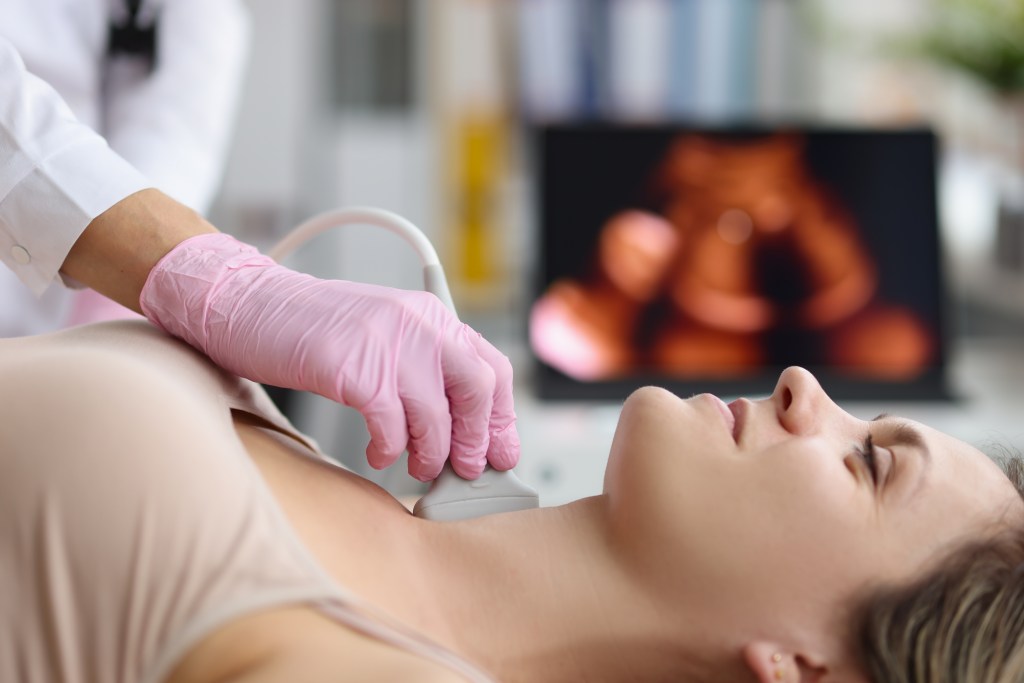
THYROID DISEASE

Your thyroid creates and produces hormones that play a role in many different systems throughout your body. When your thyroid makes either too much or too little of these important hormones, it’s called a thyroid disease. There are several different types of thyroid disease, including hyperthyroidism, hypothyroidism, thyroiditis and Hashimoto’s thyroiditis.

What is the thyroid?

The thyroid gland is a small organ that’s located in the front of the neck, wrapped around the windpipe (trachea). It’s shaped like a butterfly, smaller in the middle with two wide wings that extend around the side of your throat. The thyroid is a gland. You have glands throughout your body, where they create and release substances that help your body do a specific thing. Your thyroid makes hormones that help control many vital functions of your body.

When your thyroid doesn’t work properly, it can impact your entire body. If your body makes too much thyroid hormone, you can develop a condition called hyperthyroidism. If your body makes too little thyroid hormone, it’s called hypothyroidism. Both conditions are serious and need to be treated by your healthcare provider.

What does the thyroid do?

Your thyroid has an important job to do within your body — releasing and controlling thyroid hormones that control metabolism. Metabolism is a process where the food you take into your body is transformed into energy. This energy is used throughout your entire body to keep many of your body’s systems working correctly. Think of your metabolism as a generator. It takes in raw energy and uses it to power something bigger.

The thyroid controls your metabolism with a few specific hormones — T4 (thyroxine, contains four iodide atoms) and T3 (triiodothyronine, contains three iodide atoms). These two hormones are created by the thyroid and they tell the body’s cells how much energy to use. When your thyroid works properly, it will maintain the right amount of hormones to keep your metabolism working at the right rate. As the hormones are used, the thyroid creates replacements.

This is all supervised by something called the pituitary gland. Located in the center of the skull, below your brain, the pituitary gland monitors and controls the amount of thyroid hormones in your bloodstream. When the pituitary gland senses a lack of thyroid hormones or a high level of hormones in your body, it will adjust the amounts with its own hormone. This hormone is called thyroid stimulating hormone (TSH). The TSH will be sent to the thyroid and it will tell the thyroid what needs to be done to get the body back to normal.

What is thyroid disease?

Thyroid disease is a general term for a medical condition that keeps your thyroid from making the right amount of hormones. Your thyroid typically makes hormones that keep your body functioning normally. When the thyroid makes too much thyroid hormone, your body uses energy too quickly. This is called hyperthyroidism. Using energy too quickly will do more than make you tired — it can make your heart beat faster, cause you to lose weight without trying and even make you feel nervous. On the flip-side of this, your thyroid can make too little thyroid hormone. This is called hypothyroidism. When you have too little thyroid hormone in your body, it can make you feel tired, you might gain weight and you may even be unable to tolerate cold temperatures.

These two main disorders can be caused by a variety of conditions. They can also be passed down through families (inherited).

Who is affected by thyroid disease?

Thyroid disease can affect anyone — men, women, infants, teenagers and the elderly. It can be present at birth (typically hypothyroidism) and it can develop as you age (often after menopause in women).

Thyroid disease is very common, with an estimated 20 million people in the Unites States having some type of thyroid disorder. A woman is about five to eight times more likely to be diagnosed with a thyroid condition than a man.

You may be at a higher risk of developing a thyroid condition if you:

  • Have a family history of thyroid disease.
  • Have a medical condition (these can include pernicious anemia, Type 1 diabetes, primary adrenal insufficiency, lupus, rheumatoid arthritis, Sjögren’s syndrome and Turner syndrome).
  • Take a medication that’s high in iodine (amiodarone).
  • Are older than 60, especially in women.
  • Have had treatment for a past thyroid condition or cancer (thyroidectomy or radiation).

What causes thyroid disease?

The two main types of thyroid disease are hypothyroidism and hyperthyroidism. Both conditions can be caused by other diseases that impact the way the thyroid gland works.

Conditions that can cause hypothyroidism include:

  • Thyroiditis: This condition is an inflammation (swelling) of the thyroid gland. Thyroiditis can lower the amount of hormones your thyroid produces.
  • Hashimoto’s thyroiditis: A painless disease, Hashimoto’s thyroiditis is an autoimmune condition where the body’s cells attack and damage the thyroid. This is an inherited condition.
  • Postpartum thyroiditis: This condition occurs in 5% to 9% of women after childbirth. It’s usually a temporary condition.
  • Iodine deficiency: Iodine is used by the thyroid to produce hormones. An iodine deficiency is an issue that affects several million people around the world..
  • A non-functioning thyroid gland: Sometimes, the thyroid gland doesn’t work correctly from birth. This affects about 1 in 4,000 newborns. If left untreated, the child could have both physical and mental issues in the future. All newborns are given a screening blood test in the hospital to check their thyroid function.

Conditions that can cause hyperthyroidism include:

  • Graves’ disease: In this condition the entire thyroid gland might be overactive and produce too much hormone. This problem is also called diffuse toxic goiter (enlarged thyroid gland).
  • Nodules: Hyperthyroidism can be caused by nodules that are overactive within the thyroid. A single nodule is called toxic autonomously functioning thyroid nodule, while a gland with several nodules is called a toxic multi-nodular goiter.
  • Thyroiditis: This disorder can be either painful or not felt at all. In thyroiditis, the thyroid releases hormones that were stored there. This can last for a few weeks or months.
  • Excessive iodine: When you have too much iodine (the mineral that is used to make thyroid hormones) in your body, the thyroid makes more thyroid hormones than it needs. Excessive iodine can be found in some medications (amiodarone, a heart medication) and cough syrups.

Is there a higher risk of developing thyroid disease if I have diabetes?

If you have diabetes, you’re at a higher risk of developing a thyroid disease than people without diabetes. Type 1 diabetes is an autoimmune disorder. If you already have one autoimmune disorder, you are more likely to develop another one.

For people with Type 2 diabetes, the risk is lower, but still there. If you have Type 2 diabetes, you’re more likely to develop a thyroid disease later in life.

Regular testing is recommended to check for thyroid issues. Those with Type 1 diabetes may be tested more often — immediately after diagnosis and then every year or so — than people with Type 2 diabetes. There isn’t a regular schedule for testing if you have Type 2 diabetes, vut your healthcare provider may suggest a schedule for testing over time.

If you have diabetes and get a positive thyroid test, there are a few things to you can do to help feel the best possible. These tips include:

  • Getting enough sleep.
  • Exercising regularly.
  • Watching your diet.
  • Taking all of your medications as directed.
  • Getting tested regularly as directed by your healthcare provider.

What common symptoms can happen with thyroid disease?

There are a variety of symptoms you could experience if you have a thyroid disease. Unfortunately, symptoms of a thyroid condition are often very similar to the signs of other medical conditions and stages of life. This can make it difficult to know if your symptoms are related to a thyroid issue or something else entirely.

For the most part, the symptoms of thyroid disease can be divided into two groups — those related to having too much thyroid hormone (hyperthyroidism) and those related to having too little thyroid hormone (hypothyroidism).

Symptoms of an overactive thyroid (hyperthyroidism) can include:

  • Experiencing anxiety, irritability and nervousness.
  • Having trouble sleeping.
  • Losing weight.
  • Having an enlarged thyroid gland or a goiter.
  • Having muscle weakness and tremors.
  • Experiencing irregular menstrual periods or having your menstrual cycle stop.
  • Feeling sensitive to heat.
  • Having vision problems or eye irritation.

Symptoms of an underactive thyroid (hypothyroidism) can include:

  • Feeling tired (fatigue).
  • Gaining weight.
  • Experiencing forgetfulness.
  • Having frequent and heavy menstrual periods.
  • Having dry and coarse hair.
  • Having a hoarse voice.
  • Experiencing an intolerance to cold temperatures.

Can thyroid issues make me lose my hair?

Hair loss is a symptom of thyroid disease, particularly hypothyroidism. If you start to experience hair loss and are concerned about it, talk to your healthcare provider.

Can thyroid issues cause seizures?

In most cases, thyroid issues don’t cause seizures. However, if you have a very severe cases of hypothyroidism that hasn’t been diagnosed or treated, your risk of developing low serum sodium goes up. This could lead to seizures.

How is thyroid disease diagnosed?

Sometimes, thyroid disease can be difficult to diagnose because the symptoms are easily confused with those of other conditions. You may experience similar symptoms when you are pregnant or aging and you would when developing a thyroid disease. Fortunately, there are tests that can help determine if your symptoms are being caused by a thyroid issue. These tests include:

  • Blood tests.
  • Imaging tests.
  • Physical exams.

Blood tests

One of the most definitive ways to diagnose a thyroid problem is through blood tests. Thyroid blood tests are used to tell if your thyroid gland is functioning properly by measuring the amount of thyroid hormones in your blood. These tests are done by taking blood from a vein in your arm. Thyroid blood tests are used to see if you have:

  • Hyperthyroidism.
  • Hypothyroidism.

Thyroid blood tests are used to diagnose thyroid disorders associated with hyper- or hypothyroidism. These include:

The specific blood tests that will be done to test your thyroid can include:

  • Thyroid-stimulating hormone (TSH) is produced in the pituitary gland and regulates the balance of thyroid hormones — including T4 and T3 — in the bloodstream. This is usually the first test your provider will do to check for thyroid hormone imbalance. Most of the time, thyroid hormone deficiency (hypothyroidism) is associated with an elevated TSH level, while thyroid hormone excess (hyperthyroidism) is associated with a low TSH level. If TSH is abnormal, measurement of thyroid hormones directly, including thyroxine (T4) and triiodothyronine (T3) may be done to further evaluate the problem. Normal TSH range for an adult: 0.40 – 4.50 mIU/mL (milli-international units per liter of blood).
  • T4: Thyroxine tests for hypothyroidism and hyperthyroidism, and used to monitor treatment of thyroid disorders. Low T4 is seen with hypothyroidism, whereas high T4 levels may indicate hyperthyroidism. Normal T4 range for an adult: 5.0 – 11.0 ug/dL (micrograms per deciliter of blood).
  • FT4: Free T4 or free thyroxine is a method of measuring T4 that eliminates the effect of proteins that naturally bind T4 and may prevent accurate measurement. Normal FT4 range for an adult: 0.9 – 1.7 ng/dL (nanograms per deciliter of blood)
  • T3: Triiodothyronine tests help diagnose hyperthyroidism or to show the severity of hyperthyroidism. Low T3 levels can be observed in hypothyroidism, but more often this test is useful in the diagnosis and management of hyperthyroidism, where T3 levels are elevated. Normal T3 range: 100 – 200 ng/dL (nanograms per deciliter of blood).
  • FT3: Free T3 or free triiodothyronine is a method of measuring T3 that eliminates the effect of proteins that naturally bind T3 and may prevent accurate measurement. Normal FT3 range: 2.3 – 4.1 pg/mL (picograms per milliliter of blood)

These tests alone aren’t meant to diagnose any illness but may prompt your healthcare provider to do additional testing to evaluate for a possible thyroid disorder.

Additional blood tests might include:

  • Thyroid antibodies: These tests help identify different types of autoimmune thyroid conditions. Common thyroid antibody tests include microsomal antibodies (also known as thyroid peroxidase antibodies or TPO antibodies), thyroglobulin antibodies (also known as TG antibodies), and thyroid receptor antibodies (includes thyroid stimulating immunoglobulins [TSI] and thyroid blocking immunoglobulins [TBI]).
  • Calcitonin: This test is used to diagnose C-cell hyperplasia and medullary thyroid cancer, both of which are rare thyroid disorders.
  • Thyroglobulin: This test is used to diagnose thyroiditis (thyroid inflammation) and to monitor treatment of thyroid cancer.

Talk to your healthcare provider about the ranges for these thyroid blood tests. Your ranges might not be the same as someone else’s. That’s often alright. If you have any concerns or worries about your blood test results, talk to your provider.

Imaging tests

In many cases, taking a look at the thyroid itself can answer a lot of questions. Your healthcare provider might do an imaging test called a thyroid scan. This allows your provider to look at your thyroid to check for an increased size, shape or growths (nodules).

Your provider could also use an imaging test called an ultrasound. This is a diagnostic procedure that transmits high-frequency sound waves, inaudible to the human ear, through body tissues. The echoes are recorded and transformed into video or photographic images. You may think of ultrasounds related to pregnancy, but they are used to diagnose many different issues within your body. Unlike X-rays, ultrasounds do not use radiation.

There’s typically little or no preparation before your ultrasound. You don’t need to change your diet beforehand or fast. During the test, you’ll lie flat on a padded examining table with your head positioned on a pillow so that your head is tilted back. A warm, water-soluble gel is applied to the skin over the area that’s being examined. This gel won’t hurt your skin or stain your clothes. Your healthcare provider will then apply a probe to your neck and gently move it around to see all parts of the thyroid.

An ultrasound typically takes about 20 to 30 minutes.

Physical exam

Another way to quickly check the thyroid is with a physical exam in your healthcare provider’s office. This is a very simple and painless test where your provider feels your neck for any growths or enlargement of the thyroid.

How is thyroid disease treated?

Your healthcare provider’s goal is to return your thyroid hormone levels to normal. This can be done in a variety of ways and each specific treatment will depend on the cause of your thyroid condition.

If you have high levels of thyroid hormones (hyperthyroidism), treatment options can include:

  • Anti-thyroid drugs (methimazole and propylthioracil): These are medications that stop your thyroid from making hormones.
  • Radioactive iodine: This treatment damages the cells of your thyroid, preventing it from making high levels of thyroid hormones.
  • Beta blockers: These medications don’t change the amount of hormones in your body, but they help manage your symptoms.
  • Surgery: A more permanent form of treatment, your healthcare provider may surgically remove your thyroid (thyroidectomy). This will stop it from creating hormones. However, you will need to take thyroid replacement hormones for the rest of your life.

If you have low levels of thyroid hormones (hypothyroidism), the main treatment option is:

  • Thyroid replacement medication: This drug is a synthetic (man-made) way to add thyroid hormones back into your body. One drug that’s commonly used is called levothyroxine. By using a medication, you can manage thyroid disease and live a normal life.

Are there different types of thyroid removal surgery?

If your healthcare provider determines that your thyroid needs to be removed, there are a couple of ways that can be done. Your thyroid may need to be completely removed or just partially. This will depend on the severity of your condition. Also, if your thyroid is very big (enlarged) or has a lot of growths on it, that could prevent you from being eligible for some types of surgery.

The surgery to remove your thyroid is called a thyroidectomy. There are two main ways this surgery can be done:

  • With an incision on the front of your neck.
  • With an incision in your armpit.

The incision on the front of your neck is more of the traditional version of a thyroidectomy. It allows your surgeon to go straight in and remove the thyroid. In many cases, this might be your best option. You may need this approach if your thyroid is particularly big or has a lot of larger nodules.

Alternatively, there is a version of the thyroid removal surgery where your surgeon makes an incision in your armpit and then creates a tunnel to your thyroid. This tunnel is made with a special tool called an elevated retractor. It creates an opening that connects the incision in your armpit with your neck. The surgeon will use a robotic arm that will move through the tunnel to get to the thyroid. Once there, it can remove the thyroid back through the tunnel and out of the incision in your armpit.

This procedure is often called scarless because the incision is under your armpit and out of sight. However, it’s more complicated for the surgeon and the tunnel is more invasive for you. You may not be a candidate for this type of thyroid removal if you:

  • Are not at a healthy body weight.
  • Have large thyroid nodules.
  • Have a condition like thyroiditis or Graves’s disease.

Talk to your about all of your treatment options and the best type of surgery for you.

How long does it take to recover from thyroid surgery (thyroidectomy)?

It will take your body a few weeks to recover after your thyroid is surgically removed (thyroidectomy). During this time you should avoid a few things, including:

  • Submerging your incision under water.
  • Lifting an object that’s heavier than 15 pounds.
  • Doing more than light exercise.

This generally lasts for about two weeks. After that, you can return to your normal activities.

How long after my thyroid is removed will my tiredness go away?

Typically, you will be given medication to help with your symptoms right after surgery. Your body actually has thyroid hormone still circulating throughout it, even after the thyroid has been removed. The hormones can still be in your body for two to three weeks. Medication will reintroduce new hormones into your body after the thyroid has been removed. If you are still feeling tired after surgery, remember that this can be a normal part of recovering from any type of surgery. It takes time for your body to heal. Talk to your healthcare provider if you are still experiencing fatigue and other symptoms of thyroid disease after surgery.

If part of my thyroid is surgically removed, will the other part be able to make enough thyroid hormones to keep me off of medication?

Sometimes, your surgeon may be able to remove part of your thyroid and leave the other part so that it can continue to create and release thyroid hormones. This is most likely in situations where you have a nodule that’s causing your thyroid problem. About 75% of people who have only one side of the thyroid removed are able to make enough thyroid hormone after surgery without hormone replacement therapy.

Can I check my thyroid at home?

You can do a quick and easy self-exam of your thyroid at home. The only tools you need to do this self-exam are a mirror and a glass of water.

To do the thyroid self-exam, follow these steps:

  • Start by identifying where your thyroid is located. Generally, you’ll find the thyroid on the front of your neck, between your collar bone and Adam’s apple. In men, the Adam’s apple is much easier to see. For women, it’s usually easiest to look from the collar bone up.
  • Tip your head back while looking in a mirror. Look at your neck and try to hone in on the space you will be looking once you start the exam.
  • Once you’re ready, take a drink of water while your head is tilted back. Watch your thyroid as you swallow. During this test, you’re looking for lumps or bumps. You may be able to see them when you swallow the water.

Repeat this test a few times to get a good look at your thyroid. If you see any lumps or bumps, reach out to your healthcare provider.

Should I exercise if I have a thyroid disease?

Regular exercise is an important part of a healthy lifestyle. You do not need to change your exercise routine if you have a thyroid disease. Exercise does not drain your body’s thyroid hormones and it shouldn’t hurt you to exercise. It is important to talk to your healthcare provider before you start a new exercise routine to make sure that it’s a good fit for you.

Can I live a normal life with a thyroid disease?

A thyroid disease is often a life-long medical condition that you will need to manage constantly. This often involves a daily medication. Your healthcare provider will monitor your treatments and make adjustments over time. However, you can usually live a normal life with a thyroid disease. It may take some time to find the right treatment option for you and manage your hormone levels, but then people with these types of conditions can usually live life without many restrictions.

A note from QBan Health Care Services

Your thyroid is an important gland in your endocrine system that affects many aspects of your body. Thyroid disease is very common and treatable. If you experience any thyroid disease-related symptoms or want to know if you have any risk factors for developing thyroid disease, don’t be afraid to talk to your healthcare provider. They’re there to help you.

THYROID

Your thyroid is an important endocrine gland that makes and releases certain hormones. Your thyroid’s main job is to control your metabolism — how your body uses energy. Sometimes, your thyroid doesn’t work properly. These conditions are common and treatable.

What is the thyroid?

Your thyroid is a small, butterfly-shaped gland located at the front of your neck under your skin. It’s a part of your endocrine system and controls many of your body’s important functions by producing and releasing (secreting) certain hormones. Your thyroid’s main job is to control the speed of your metabolism (metabolic rate), which is the process of how your body transforms the food you consume into energy. All of the cells in your body need energy to function.

When your thyroid isn’t working properly, it can impact your entire body.

What is the endocrine system?

Your endocrine system is a network of several glands that create and secrete (release) hormones.

A gland is an organ that makes one or more substances, such as hormones, digestive juices, sweat or tears. Endocrine glands release hormones directly into the bloodstream.

Hormones are chemicals that coordinate different functions in your body by carrying messages through your blood to your organs, skin, muscles and other tissues. These signals tell your body what to do and when to do it.

The following organs and glands make up your endocrine system:

  • Hypothalamus.
  • Pituitary gland.
  • Thyroid.
  • Parathyroid glands.
  • Adrenal glands.
  • Pineal gland.
  • Pancreas.
  • Ovaries.
  • Testes.

What does my thyroid do?

As an endocrine gland, your thyroid makes and secretes hormones. Your thyroid produces and releases the following hormones:

  • Thyroxine (T4): This is the primary hormone your thyroid makes and releases. Although your thyroid makes the most of this hormone, it doesn’t have much of an effect on your metabolism. Once your thyroid releases T4 into your bloodstream, it can convert to T3 through a process called deiodination.
  • Triiodothyronine (T3): Your thyroid produces lesser amounts of T3 than T4, but it has a much greater effect on your metabolism than T4.
  • Reverse triiodothyronine (RT3): Your thyroid makes very small amounts of RT3, which reverses the effects of T3.
  • Calcitonin: This hormone helps regulate the amount of calcium in your blood.

In order to make thyroid hormones, your thyroid gland needs iodine, an element found in food (most commonly, iodized table salt) and water. Your thyroid gland traps iodine and transforms it into thyroid hormones. If you have too little or too much iodine in your body, it can affect the level of hormones your thyroid makes and releases.

Your thyroid hormones affect the following bodily functions:

  • How your body uses energy (metabolism).
  • Heart rate.
  • Breathing.
  • Digestion.
  • Body temperature.
  • Brain development.
  • Mental activity.
  • Skin and bone maintenance.
  • Fertility.

What other organs and glands interact with the thyroid?

Your endocrine system is an elaborate network of glands and hormones. Many glands and hormones rely on other glands and hormones to send them signals to start working. In addition, certain hormones can suppress other hormones.

Your body has a complex system for controlling the level of thyroid hormones in your body. First, your hypothalamus (a part of your brain located on the undersurface of it) secretes thyroid-releasing hormone (TRH), which stimulates a part of your pituitary gland to secrete thyroid-stimulating hormone (TSH). TSH then stimulates your thyroid follicular cells to release thyroxine (T4) and triiodothyronine (T3) if there are adequate levels of iodine in your body.

Your thyroid gland and its hormones affect almost every organ system of your body, including:

  • Your cardiovascular system: Your thyroid helps regulate the amount of blood your heart pumps through your circulatory system (cardiac output), heart rate and strength and vigor of your heart’s contraction (contractility of the heart).
  • Your nervous system: When your thyroid isn’t working properly, it can cause symptoms that affect your nervous system, including numbness, tingling, pain or a sense of burning in the affected parts of your body. In addition, hypothyroidism can cause depression and hyperthyroidism can cause anxiety.
  • Your digestive system: Your thyroid is involved with how food moves through your digestive system (gastrointestinal motility).
  • Your reproductive system: If your thyroid isn’t working properly, it can cause irregular menstrual periods and issues with fertility.

Can a person live without a thyroid?

Yes, you can live without your thyroid. However, you’ll need to take hormone replacement medication for the rest of your life in order to stay healthy and prevent certain side effects and symptoms. Thyroid removal surgery, known as a thyroidectomy, is a common surgery that can treat certain thyroid conditions.

Where is the thyroid located?

Your thyroid gland is located in the front of your neck, straddling your windpipe (trachea). It’s shaped like a butterfly — smaller in the middle with two wide wings that extend around the side of your throat. A healthy thyroid gland is not usually visible from the outside (there’s no appearance of a lump on your neck), and you can’t feel it when you press your finger to the front of your neck.

What are the parts of the thyroid?

There are two main parts of your thyroid: the two halves (lobes) and the middle of the thyroid that connects the two lobes (thyroid isthmus).

Your thyroid is made of thyroid follicle cells (thyrocytes), which create and store thyroid hormone (mainly T3 and T4), and C-cells, which secrete the hormone calcitonin.

How big is the thyroid?

Your thyroid is about 2 inches long. A healthy thyroid usually does not stick out from your throat and you can’t see it by looking at your neck.

However, certain conditions can cause your thyroid to become enlarged. This is known as goiter. If you have a goiter, you may experience the following symptoms:

  • Swelling in the front of your neck, just below the Adam’s apple.
  • A feeling of tightness in your throat area.
  • A change in your voice, such as hoarseness (scratchy voice).

What conditions and disorders affect the thyroid?

There are several different types of thyroid disease. Thyroid disease is very common, with an estimated 20 million people in the United States having some type of thyroid disorder. Women and people assigned female at birth (AFAB) are about five to eight times more likely to be diagnosed with a thyroid condition than men and people assigned male at birth (AMAB).

Thyroid diseases are split into two types: primary and secondary.

In primary thyroid disease, the disease originates in your thyroid gland. In secondary thyroid disease, the disease originates in your pituitary gland. As an example, if you have a nodule on your thyroid that’s releasing excess amounts of thyroid hormones, it would be called primary hyperthyroidism. If a tumor in your pituitary gland is releasing excess amounts of thyroid-stimulating hormone (TSH), which then stimulates your thyroid to produce excess thyroid hormones, it would be called secondary hyperthyroidism.

The four main conditions that affect your thyroid include:

Hypothyroidism

Hypothyroidism (underactive thyroid) happens when your thyroid doesn’t produce and release enough thyroid hormones. This causes aspects of your metabolism to slow down. It’s a fairly common condition that affects approximately 10 million people in the United States. It is treatable.

Causes of hypothyroidism include:

  • Hashimoto’s disease, an autoimmune disease.
  • Thyroiditis (inflammation of the thyroid).
  • Iodine deficiency.
  • A nonfunctioning thyroid gland (when the thyroid doesn’t work correctly from birth).
  • Over-treatment of hyperthyroidism through medication.
  • Thyroid gland removal.

Hyperthyroidism

Hyperthyroidism (overactive thyroid) happens when your thyroid produces and releases more thyroid hormones than your body needs. This causes aspects of your metabolism to speed up. Approximately 1 out of 100 people over the age of 12 have hyperthyroidism in the United States. It is treatable.

Causes of hyperthyroidism include:

  • Graves’ disease, an autoimmune condition.
  • Thyroid nodules.
  • Thyroiditis (inflammation of the thyroid).
  • Postpartum thyroiditis (inflammation of the thyroid that happens after giving birth).
  • Excess iodine in your blood from diet and/or medication.
  • Over-treatment of hypothyroidism through medication.
  • A benign (noncancerous) tumor in your pituitary gland.

Goiter

Goiter is an enlargement of your thyroid gland. Goiters are relatively common; they affect approximately 5% of people in the United States

Goiters have different causes, depending on their type.

  • Simple goiters: These goiters develop when your thyroid gland doesn’t make enough hormones to meet your body’s needs. Your thyroid gland tries to make up for the shortage by growing larger.
  • Endemic goiters: These goiters occur in people who don’t get enough iodine in their diet (iodine is necessary to make thyroid hormone). Iodine is added to table salt in the United States and several other countries, so people who live in those countries usually don’t get endemic goiters.
  • Sporadic goiters: These goiters have no known cause in most cases. In some cases, certain medications, such as lithium, can cause sporadic goiters.

Thyroid cancer

Thyroid cancer is cancer that begins in your thyroid tissues. Approximately 53,000 people in the United States receive a diagnosis of thyroid cancer every year. Treatments for most thyroid cancers are very successful.

Thyroid cancer is classified based on the type of cells from which cancer grows. Thyroid cancer types include:

  • Papillary: Up to 80% of all thyroid cancer cases are papillary.
  • Follicular: Follicular thyroid cancer accounts for up to 15% of thyroid cancer diagnoses.
  • Medullary: About 2% of thyroid cancer cases are medullary. It’s often caused by a gene mutation.
  • Anaplastic: About 2% of thyroid cancer cases are anaplastic.

What are the early warning signs and symptoms of thyroid problems?

Different thyroid conditions have different symptoms. However, since your thyroid has a large role in certain body systems and processes, such as heart rate, metabolism and temperature control, there are certain symptoms to look out for that could be a sign of a thyroid condition, including:

  • Slow or rapid heart rate.
  • Unexplained weight loss or weight gain.
  • Difficulty tolerating cold or heat.
  • Depression or anxiety.
  • Irregular menstrual periods.

If you’re experiencing any of these symptoms, talk to your healthcare provider about getting a blood test to check your thyroid function.

What are common tests to check the health of the thyroid?

The first-line test for checking the health of your thyroid is a blood test that measures your levels of thyroid-stimulating hormone (TSH). It’s a screening test for both hypothyroidism and hyperthyroidism.

In general, the normal range for a TSH blood test is 0.5 to 5.0 mIU/L (milli-international units per liter). However, this can vary from lab to lab and depending on certain factors, such as pregnancy and your age.

Your provider can also check the levels of T4 and T3 (thyroid hormones) in your blood.

If your test results come back abnormal your provider may suggest having an imaging test such as a thyroid scan, which uses small amounts of a safe, radioactive material to create images of your thyroid, or a thyroid ultrasound.

How are thyroid conditions treated?

There are several treatment options for thyroid conditions depending on what the conditions are and how severe they are. The three main options for treatment include:

Medication

Medications for thyroid conditions include:

  • Antithyroid medications: These medications block the ability of your thyroid to make hormones. Healthcare providers may prescribe this for hyperthyroidism.
  • Beta-blockers: These medications help treat symptoms of hyperthyroidism, such as rapid heartbeat, but they do not treat the thyroid condition itself.
  • Radioactive iodine: This medication damages thyroid cells, eventually leading to the destruction of your thyroid gland. This is a treatment option for hyperthyroidism and thyroid cancer.
  • Thyroid hormone medications: These medications are a synthetic form of thyroid hormones for the treatment of hypothyroidism. People who have a thyroidectomy or a nonfunctioning thyroid from radioactive iodine usually need to take these medications for the rest of their life.

Surgery

The most common type of surgery associated with thyroid conditions is a thyroidectomy. A thyroidectomy is the surgical removal of your entire thyroid gland. Thyroidectomy is one of the treatment options for thyroid disease and is the first-line treatment for thyroid cancer.

Another surgery option is a lobectomy, which involves removing only a part of your thyroid.

Radiation therapy and chemotherapy

Radiation therapy and/or chemotherapy are treatment options for thyroid cancer. Both therapies kill cancer cells and prevent them from growing. Most cases of thyroid cancer do not require radiation or chemotherapy.

What are the risk factors for developing a thyroid condition?

Thyroid conditions are common and can affect anyone at any age. However, some factors put you at a higher risk of developing a thyroid condition, including:

Being older than 60, especially if you’re a woman or a person who was assigned female at birth (AFAB).

How can I keep my thyroid healthy?

The main way to keep your thyroid healthy is to make sure you’re getting enough iodine in your diet. Your thyroid needs iodine to make thyroid hormones. The good news is that the majority of people get adequate amounts of iodine through iodized table salt and foods that are fortified with iodine.

Other food sources that contain iodine include:

  • Cheese.
  • Cow’s milk.
  • Eggs.
  • Yogurt.
  • Saltwater fish.
  • Shellfish.
  • Seaweed.
  • Soy milk.
  • Soy sauce.

However, it’s important not to consume too much iodine because it can cause problems. If you have any questions or concerns about your thyroid health, don’t be afraid to talk to your healthcare provider.

When should I call my doctor about my thyroid?

If you’re experiencing symptoms of thyroid disease, such as changes in your weight, heart rate and temperature sensitivity, contact your healthcare provider. They can run a simple blood test to see if your thyroid is the cause of your symptoms.

A note from QBan Health Care Services

Your thyroid is an important gland in your endocrine system that affects many aspects of your body. Thyroid disease is very common and treatable. If you experience any thyroid disease-related symptoms or want to know if you have any risk factors for developing thyroid disease, don’t be afraid to talk to your healthcare provider. They’re there to help you.

REGULAR PHYSICAL ACTIVITY

Want to feel better, have more energy and even add years to your life? Just exercise.

The health benefits of regular exercise and physical activity are hard to ignore. Everyone benefits from exercise, regardless of age, sex or physical ability.

Need more convincing to get moving? Check out these seven ways that exercise can lead to a happier, healthier you.

1. Exercise controls weight

Exercise can help prevent excess weight gain or help maintain weight loss. When you engage in physical activity, you burn calories. The more intense the activity, the more calories you burn.

Regular trips to the gym are great, but don’t worry if you can’t find a large chunk of time to exercise every day. Any amount of activity is better than none at all. To reap the benefits of exercise, just get more active throughout your day — take the stairs instead of the elevator or rev up your household chores. Consistency is key.

2. Exercise combats health conditions and diseases

Worried about heart disease? Hoping to prevent high blood pressure? No matter what your current weight is, being active boosts high-density lipoprotein (HDL) cholesterol, the “good” cholesterol, and it decreases unhealthy triglycerides. This one-two punch keeps your blood flowing smoothly, which decreases your risk of cardiovascular diseases.

Regular exercise helps prevent or manage many health problems and concerns, including:

  • Stroke
  • Metabolic syndrome
  • High blood pressure
  • Type 2 diabetes
  • Depression
  • Anxiety
  • Many types of cancer
  • Arthritis
  • Falls

It can also help improve cognitive function and helps lower the risk of death from all causes.

3. Exercise improves mood

Need an emotional lift? Or need to destress after a stressful day? A gym session or brisk walk can help. Physical activity stimulates various brain chemicals that may leave you feeling happier, more relaxed and less anxious.

You may also feel better about your appearance and yourself when you exercise regularly, which can boost your confidence and improve your self-esteem.

4. Exercise boosts energy

Winded by grocery shopping or household chores? Regular physical activity can improve your muscle strength and boost your endurance.

Exercise delivers oxygen and nutrients to your tissues and helps your cardiovascular system work more efficiently. And when your heart and lung health improve, you have more energy to tackle daily chores.

5. Exercise promotes better sleep

Struggling to snooze? Regular physical activity can help you fall asleep faster, get better sleep and deepen your sleep. Just don’t exercise too close to bedtime, or you may be too energized to go to sleep.

6. Exercise puts the spark back into your sex life

Do you feel too tired or too out of shape to enjoy physical intimacy? Regular physical activity can improve energy levels and increase your confidence about your physical appearance, which may boost your sex life.

But there’s even more to it than that. Regular physical activity may enhance arousal for women. And men who exercise regularly are less likely to have problems with erectile dysfunction than are men who don’t exercise.

7. Exercise can be fun … and social!

Exercise and physical activity can be enjoyable. They give you a chance to unwind, enjoy the outdoors or simply engage in activities that make you happy. Physical activity can also help you connect with family or friends in a fun social setting.

So take a dance class, hit the hiking trails or join a soccer team. Find a physical activity you enjoy, and just do it. Bored? Try something new, or do something with friends or family.

The bottom line on exercise

Exercise and physical activity are great ways to feel better, boost your health and have fun. For most healthy adults, the U.S. Department of Health and Human Services recommends these exercise guidelines:

  • Aerobic activity. Get at least 150 minutes of moderate aerobic activity or 75 minutes of vigorous aerobic activity a week, or a combination of moderate and vigorous activity. The guidelines suggest that you spread out this exercise during the course of a week. To provide even greater health benefit and to assist with weight loss or maintaining weight loss, at least 300 minutes a week is recommended. But even small amounts of physical activity are helpful. Being active for short periods of time throughout the day can add up to provide health benefit.
  • Strength training. Do strength training exercises for all major muscle groups at least two times a week. Aim to do a single set of each exercise using a weight or resistance level heavy enough to tire your muscles after about 12 to 15 repetitions.

Moderate aerobic exercise includes activities such as brisk walking, biking, swimming and mowing the lawn. Vigorous aerobic exercise includes activities such as running, heavy yardwork and aerobic dancing. Strength training can include use of weight machines, your own body weight, heavy bags, resistance tubing or resistance paddles in the water, or activities such as rock climbing.

If you want to lose weight, meet specific fitness goals or get even more benefits, you may need to ramp up your moderate aerobic activity even more.

A note from QBan Health Care Services

The health benefits of regular exercise and physical activity are hard to ignore. Everyone benefits from exercise, regardless of age, sex or physical ability.

Remember to check with your doctor before starting a new exercise program, especially if you have any concerns about your fitness, haven’t exercised for a long time, have chronic health problems, such as heart disease, diabetes or arthritis.

MEDITERRANEAN DIET

The Mediterranean Diet emphasizes plant-based foods and healthy fats. You eat mostly veggies, fruits and whole grains. Olive oil is the main source of fat. Research shows the Mediterranean Diet can lower your risk of cardiovascular disease and many other chronic conditions. A dietitian can help you customize the diet to suit your individual needs.

What is the Mediterranean Diet?

The Mediterranean Diet is a way of eating that emphasizes plant-based foods and healthy fats.

In general, if you follow a Mediterranean Diet, you’ll eat:

  • Lots of vegetables, fruit, beans, lentils and nuts.
  • Lots of whole grains, like whole-wheat bread and brown rice.
  • Plenty of extra virgin olive oil (EVOO) as a source of healthy fat.
  • A moderate amount of fish, especially fish rich in omega-3 fatty acids.
  • A moderate amount of cheese and yogurt.
  • Little or no meat, choosing poultry instead of red meat.
  • Little or no sweets, sugary drinks or butter.
  • A moderate amount of wine with meals (but if you don’t already drink, don’t start).

A dietitian can help you modify this diet as needed based on your medical history, underlying conditions, allergies and preferences.

What is the definition of the Mediterranean Diet?

There are many definitions of the diet (each with slightly different goals for servings). That’s because the diet focuses on overall eating patterns rather than strict formulas or calculations. It’s also based on eating patterns across many different Mediterranean countries, each with their own nuances. Because there’s no single definition, the Mediterranean Diet is flexible, and you can tailor it to your needs.

What are the benefits of the Mediterranean Diet?

The Mediterranean Diet has many benefits, including:

Cardiologists often recommend the Mediterranean Diet because extensive research supports its heart-healthy benefits. One study (published in 2018) looked at people at high risk of cardiovascular disease over a five-year period. These people were split into two groups. One group followed the Mediterranean Diet, and the other group followed a low-fat diet. The Mediterranean Diet group had a 30% lower relative risk of cardiovascular events compared to the low-fat diet group. Such events included heart attackstroke or cardiovascular-related death.

Researchers believe these protective benefits are partly due to the healthy fats you eat with the Mediterranean Diet. These come from foods like olive oil, nuts and fish.

Why is the Mediterranean Diet good for me?

The Mediterranean Diet includes many different nutrients that work together to help your body. There’s no single food or ingredient responsible for the Mediterranean Diet’s benefits. Instead, the diet is good for you because of the combination of nutrients it provides.

Think of a choir with many people singing. One voice alone might carry part of the tune, but you need all the voices to come together to achieve the full effect. Similarly, the Mediterranean Diet works by giving you an ideal blend of nutrients that harmonize to support your health.

A Mediterranean Diet is good for you because it:

  • Limits saturated fat and trans fat. You need some saturated fat, but only in small amounts. Eating too much saturated fat can raise your LDL (bad) cholesterol. A high LDL raises your risk of plaque buildup in your arteries (atherosclerosis). Trans fat has no health benefits. Both of these “unhealthy fats” can cause inflammation.
  • Encourages healthy unsaturated fats, including omega-3 fatty acidsUnsaturated fats promote healthy cholesterol levels, support brain health and combat inflammation. Plus, a diet high in unsaturated fats and low in saturated fat promotes healthy blood sugar levels.
  • Limits sodium. A diet high in sodium can raise your blood pressure, putting you at greater risk for a heart attack or stroke.
  • Limits refined carbohydrates, including sugar. Foods high in refined carbs can cause your blood sugar to spike. Refined carbs also give you excess calories without much nutritional benefit. For example, such foods often have little or no fiber.
  • Favors foods high in fiber and antioxidants. These nutrients help reduce inflammation throughout your body. Fiber also helps keep waste moving through your large intestine. Antioxidants protect you against cancer by warding off free radicals.

What does the Mediterranean Diet look like?

The Mediterranean Diet doesn’t look the same for everyone. In general, it includes lots of whole grains, vegetables, and fruit along with moderate amounts of fish, legumes and nuts.

The chart below shows some serving goals and tips that dietitians often recommend. It’s important to talk to a dietitian about your individual needs and goals so you can develop a plan that’s best for you.

FoodServing GoalServing SizeTips
Fresh fruits and vegetablesFruit: 3 servings per day Veggies: At least 3 servings per dayFruit: ½ cup to 1 cup Veggies: ½ cup cooked or 1 cup rawHave at least 1 serving of veggies at each meal. Choose fruit as a snack.
Whole grains and starchy vegetables (potatoes, peas and corn)3 to 6 servings per day½ cup cooked grains, pasta or cereal; 1 slice of bread; 1 cup dry cerealChoose oats, barley, quinoa or brown rice. Bake or roast red skin potatoes or sweet potatoes. Choose whole grain bread, cereal, couscous and pasta. Limit or avoid refined carbohydrates.
Extra virgin olive oil (EVOO)1 to 4 servings per day1 tablespoonUse instead of vegetable oil and animal fats (butter, sour cream, mayo). Drizzle on salads, cooked veggies or pasta. Use as dip for bread.
Legumes (beans and lentils)3 servings per week½ cupAdd to salads, soups and pasta dishes. Try hummus or bean dip with raw veggies. Opt for a veggie or bean burger.
Fish3 servings per week3 to 4 ouncesChoose fish rich in omega-3s, like salmon, sardines, herring, tuna and mackerel.
NutsAt least 3 servings per week¼ cup nuts or 2 tablespoons nut butterIdeally, choose walnuts, almonds and hazelnuts. Add to cereal, salad and yogurt. Choose raw, unsalted and dry roasted varieties. Eat alone or with dried fruit as a snack.
PoultryNo more than once daily (fewer may be better)3 ouncesChoose white meat instead of dark meat. Eat in place of red meat. Choose skinless poultry or remove the skin before cooking. Bake, broil or grill it.
DairyNo more than once daily (fewer may be better)1 cup milk or yogurt; 1 ½ ounces natural cheeseChoose naturally low-fat cheese. Choose fat-free or 1% milk, yogurt and cottage cheese. Avoid whole-fat milk, cream, and cream-based sauces and dressings.
EggsUp to 1 yolk per day1 egg (yolk + white)Limit egg yolks. No limit on egg whites. If you have high cholesterol, have no more than 4 yolks per week.
Red meat (beef, pork, veal and lamb)None, or no more than 1 serving per week3 ouncesLimit to lean cuts, such as tenderloin, sirloin and flank steak.
Wine (optional)1 serving per day (people assigned female at birth) 2 servings per day (people assigned male at birth)1 glass (3 ½ ounces)If you don’t drink, the American Heart Association cautions you not to start drinking. Talk to your healthcare provider about the benefits and risks of consuming alcohol in moderation.
Baked goods and dessertsAvoid commercially prepared baked goods and desserts. Limit homemade goods to no more than 3 servings per weekVaries by typeInstead, choose fruit and nonfat yogurt. Bake using liquid oil instead of solid fats; whole grain flour instead of bleached or enriched flour; egg whites instead of whole eggs.

How do I start a Mediterranean Diet?

You may have many questions as you begin a new eating plan. It’s important to consult with a primary care physician or dietitian before making drastic changes to your diet or trying any new eating plan. They’ll make sure your intended plan is best for you based on your individual needs. They’ll also share meal plans and recipes for you to try at home.

As you get started, you might wonder how much you can modify the Mediterranean Diet without losing its benefits. Remember that the Mediterranean Diet is a general approach to eating. It’s not a strict diet with hard and fast rules. As a result, you can adapt it to suit your needs (ideally with a dietitian’s help).

Below are answers to some common questions you might have about modifications.

Can the Mediterranean Diet be vegetarian?

Yes. If you prefer a vegetarian diet, you can easily modify the Mediterranean Diet to exclude meat and fish. In that case, you’d gain your protein solely from plant sources like nuts and beans. Talk to a dietitian to learn more.

Can the Mediterranean Diet be gluten-free?

Yes. You can modify recipes to exclude gluten-based products. Talk to a dietitian for recipe ideas and support in making necessary changes.

Can I use regular olive oil instead of extra virgin olive oil?

Regular olive oil is a good alternative to oil that’s high in saturated fat (like palm oil). However, to get the most benefits, opt for extra virgin olive oil.

A crucial fact to know before starting the Mediterranean Diet is that not all olive oils are the same. The Mediterranean Diet calls for extra virgin olive oil (EVOO), specifically. That’s because it has a healthy fat ratio. This means EVOO contains more healthy fat (unsaturated) than unhealthy fat (saturated). Aside from its fat ratio, EVOO is healthy because it’s high in antioxidants.

Antioxidants help protect your heart and reduce inflammation throughout your body. Because it’s manufactured differently, regular olive oil doesn’t contain these antioxidants.

Can I eat pizza on the Mediterranean Diet?

It depends how you prepare it. Many American-style pizzas are high in sodium, saturated fat and calories. These aspects make it less than ideal for meeting your Mediterranean Diet goals. Instead of ordering out, try making your own heart-healthy pizza to get more nutritional benefits.

Can I eat foods from non-Mediterranean cultures?

The Mediterranean Diet describes eating patterns in one specific area of the world. That doesn’t mean you should exclude foods and recipes from other cultural traditions.

It’s important to develop an eating plan that’s healthy for you physically, emotionally and socially. The Mediterranean Diet offers a way of eating that research links to many health benefits. This diet focuses on general patterns of eating. It doesn’t ask you to scrutinize every single food choice or eliminate specific foods.

So, there’s room to adjust the Mediterranean Diet to your preferences and cultural traditions. This might mean keeping some traditional recipes the same (no ingredient substitutions) and eating them only on special occasions. Some recipes might be just as tasty and special to you with some substitutions (like olive oil instead of butter, or extra herbs instead of salt). Working with a dietitian can help you decide when and how to make substitutions or other changes to your meaningful recipes.

How does lifestyle relate to the Mediterranean Diet?

To get the most from your eating plan, try to:

  • Exercise regularly, ideally with others.
  • Avoid smoking or using any tobacco products.
  • Prepare and enjoy meals with family and friends.
  • Cook more often than you eat out.
  • Eat locally sourced foods whenever possible.

When was the Mediterranean Diet created?

The concept of the Mediterranean Diet began in the 1950s. That’s when an American researcher named Ancel Keys began the Seven Countries Study. This study spanned decades. It investigated links between diet and cardiovascular disease around the world.

As part of the study, Keys and his team looked at eating patterns in Greece and Italy in the 1950s and 1960s. They found those eating patterns were linked with lower rates of coronary artery disease (compared with eating patterns in the U.S. and Northern Europe). Thus, the heart-healthy Mediterranean Diet was born.

So, if you follow a Mediterranean Diet today, you’re eating like people did in certain Mediterranean countries in the mid-20th century. Research shows those patterns have shifted over the years and no longer hold true in many Mediterranean countries.

There are visual pyramids and other guidelines that show you how to put a Mediterranean Diet into practice. A dietitian can help you review such resources and explain how to use them in your daily life.

A note from QBan Health Care Services

In a world with endless diet options, it can be hard to know which one is right for you. Research has proven the benefits of the Mediterranean Diet for many people, especially those at risk for heart disease. Beyond protecting your heart, the Mediterranean Diet can help you prevent or manage many other conditions.

As with any eating plan, it’s important to talk to a healthcare provider before getting started. They’ll make sure the plan is appropriate for you and help you modify it as needed. Also, tell your loved ones about your goals. Invite them to cook and share meals with you. It’s easier to follow an eating plan over the long term when you have a supportive community with you along the way.

TESTICULAR HEALTH

Testicles, or testes, are the part of the reproductive system in men and people assigned male at birth (AMAB) that makes sperm and hormones. They’re located outside your body. Talk to your healthcare provider if your testicles change in some way.

What is a testicle?

A testicle (pronounced “teh-stuh-kl”) is part of the anatomy of men and people assigned male at birth (AMAB). Generally, you’ll have two testicles. These body parts make sperm and hormones.

Other names for your testicles are male gonads or testes (pronounced “teh-steez”). One testicle is called a testis. There are other more casual names for testicles that you might hear or even use yourself, including “balls,” “nuts” and “cojones.”

What do the testicles do?

The testicles make sperm and sex hormones, particularly testosterone.

How do the testicles make sperm?

Testicles are about two degrees Celsius lower in temperature than the rest of your body. Cooler temperatures are better for making sperm, a process called spermatogenesis. In each of the testes, the process happens in tubes called seminiferous tubules. There are a surprising number of tubes in each testis — about 700.

It takes about 74 days for sperm cells to mature. The immature cells get the blood and nutrients they need in the tubules. From there, they’re pushed along to the epididymis, another type of tube that runs along the back side of your testicle. The epididymis connects to the vas deferens, which is the tube that lets sperm leave your body through your penis.

What are the hormones made by the testes?

The testes make hormones like testosterone in the Leydig cells. Testosterone is a hormone that causes people to have deeper voices, stronger muscles and body hair. The testes also make these other hormones:

  • Inhibin B: Serum levels of this protein are related to testicular volume and sperm counts in adults.
  • Anti-Mullerian hormone: This hormone is important to the development of internal male reproductive organs.
  • Insulin-like factor 3: This hormone helps testicles descend into the scrotum from the abdomen and to continue to develop in the scrotum.
  • Estradiol: This hormone is important in making sperm.

Where are the testicles located?

Your testicles are located underneath your penis. They’re enclosed in a pouch of skin called the scrotum. Generally, you’ll have one testicle to the right and one testicle to the left of your penis.

Your testicles are connected to the inside of your body by a cord called the spermatic cord. Each cord contains nerves and blood vessels. The cords also contain the vas deferens, which are the tubes that move sperm to your penis, so it can leave your body in semen.

What do the testicles look like?

Your testicles aren’t visible because they’re located inside your scrotum. However, their outlines are visible, and you can feel them. Testicles have been described as being like large olives, small eggs or walnuts.

How big are testicles?

There’s no exact size for testicles. In fact, one of your testicles may be a little bit bigger than the other one. One testicle might be a little lower than the other. An adult testicle may range from half an inch (15 mL) to 1.5 inches (35 mL) or more. One comparison says the normal range goes from the size of a bird egg to the size of a small chicken egg.

What are the common conditions and disorders that affect the testicles?

Many testicle-related diseases are found in children, but not all. Here are some conditions that could affect your testicles:

  • Hypogonadism: Your testicles don’t produce enough of the hormones you need.
  • Klinefelter syndrome: This genetic condition happens when a person is born with two copies of the X chromosome and one copy of the Y chromosome.
  • Infertility: This refers to being unable to impregnate a partner. Your testicles may not produce any — or enough — sperm, or they might not be able to release the sperm.
  • Cryptorchidism: This condition, also called undescended testicles, refers to testicles that don’t drop into your scrotum when they should.
  • Epididymitis: This condition refers to an inflammation of the epididymis.
  • Spermatocele: This is another name for a cyst that grows above or behind a testis.
  • Testicular torsionThis medical emergency happens when a testis becomes twisted, and the blood supply is cut off. You need to get help right away.
  • Testicular cancer: This condition is the most common cancer in men and people assigned male at birth (AMAB) who are between the ages of 20 and 35 years old.

Your testicles can be damaged by physical trauma, including motor vehicle accidents, falls or fights.

What are some common signs or symptoms of conditions related to your testes?

Contact your healthcare provider if you develop these signs or symptoms:

  • Pain in your scrotum and/or testicles.
  • A lump or swelling on your testicle.
  • Discoloration of the skin on your scrotum.
  • An abnormal feeling of warmth in the area.
  • Blood in your semen.
  • Pain in your lower abdomen.

What are some common tests to check the health of your testicles?

Your healthcare provider will begin by going over your medical history and your current symptoms. The tests they order will depend on what they think they’ll find. You may have:

  • A physical examination of your testes.
  • Blood tests to evaluate hormone levels.
  • Urine tests to check for infection or other diseases.
  • A light test to distinguish a solid growth from a fluid-filled cyst.
  • An ultrasound of your scrotum and testicles to evaluate lumps.

What are some common treatments for testes-related conditions?

Your healthcare provider will treat testicular disorders with a variety of therapies. Depending on the testicular disorder, treatments may include:

  • Self-care treatments, like using over-the-counter pain relievers, ice to relieve swelling or scrotal support garments.
  • Medications, such as antibiotics or testosterone supplements.
  • Surgeries, such as orchiopexy to move undescended testicles to the scrotum, and procedures to untwist testicles or remove benign or cancerous cysts.
  • Radiation therapy.
  • Chemotherapy.

How do I keep my testicles healthy?

Here are some tips to keep your testicles healthy:

  • Wear protection. If you play sports or participate in other vigorous activities, wear an athletic supporter (a jockstrap).
  • Keep clean. Wash yourself thoroughly and often. Wear clean underwear and clothing.
  • Practice safe sex.
  • Examine your testicles regularly. Become familiar with the way they’re shaped, feel and look. Be aware of any changes, like lumps or swelling. If something seems wrong, contact your healthcare provider.

Can a person without a testicle make another person pregnant?

One testicle can product enough sperm to get another person pregnant. If your healthcare provider must remove both testicles because you have cancer or an injury, you may be able to bank frozen sperm that could be used to impregnate a partner.

A note from QBan Health Care Services

Your testicles are important parts of your anatomy. They’re related to your sexuality and your ability to reproduce. You should become familiar with how they feel and look when they’re healthy. Pay attention to any change. Contact your healthcare provider if you notice any lumps or other changes.

UTERINE FIBROIDS

Uterine fibroids are a common type of noncancerous tumor that can grow in and on your uterus. Not all fibroids cause symptoms, but when they do, symptoms can include heavy menstrual bleeding, back pain, frequent urination and pain during sex. Small fibroids often don’t need treatment, but larger fibroids can be treated with medications or surgery.

What are uterine fibroids?

Uterine fibroids (also called leiomyomas) are growths made up of the muscle and connective tissue from the wall of the uterus. These growths are usually not cancerous (benign). Your uterus is an upside down pear-shaped organ in your pelvis. The normal size of your uterus is similar to a lemon. It’s the place where a baby grows and develops during pregnancy.

Fibroids can grow as a single nodule (one growth) or in a cluster. Fibroid clusters can range in size from 1 mm to more than 20 cm (8 inches) in diameter or even larger. For comparison, they can get as large as the size of a watermelon. These growths can develop within the wall of the uterus, inside the main cavity of the organ or even on the outer surface. Fibroids can vary in size, number and location within and on your uterus.

You may experience a variety of symptoms with uterine fibroids and these may not be the same symptoms that another woman with fibroids will experience. Because of how unique fibroids can be, your treatment plan will depend on your individual case.

Are fibroids common?

Fibroids are actually a very common type of growth in your pelvis. Approximately 40 to 80% of people have fibroids. However, many people don’t experience any symptoms from their fibroids, so they don’t realize they have fibroids. This can happen when you have small fibroids — called asymptomatic because they don’t cause you to feel anything unusual.

Who is at risk for uterine fibroids?

There are several risk factors that can play a role in your chances of developing fibroids. These can include:

  • Obesity and a higher body weight (more than 20% over the weight that’s considered healthy for you).
  • Family history of fibroids.
  • Not having children.
  • Early onset of menstruation (getting your period at a young age).
  • Late age for menopause.

Where do fibroids grow?

There are several places both inside and outside of your uterus where fibroids can grow. The location and size of your fibroids is important for your treatment. Where your fibroids are growing, how big they are and how many of them you have will determine which type of treatment will work best for you or if treatment is even necessary.

There are different names given for the places your fibroids are located in and on the uterus. These names describe not only where the fibroid is, but how it’s attached. Specific locations where you can have uterine fibroids include:

  • Submucosal fibroids: In this case, the fibroids are growing inside the uterine space (cavity) where a baby grows during pregnancy. Think of the growths extending down into the empty space in the middle of the uterus.
  • Intramural fibroids: These fibroids are embedded into the wall of the uterus itself. Picture the sides of the uterus like walls of a house. The fibroids are growing inside this muscular wall.
  • Subserosal fibroids: Located on the outside of the uterus this time, these fibroids are connected closely to the outside wall of the uterus.
  • Pedunculated fibroids: The least common type, these fibroids are also located on the outside of the uterus. However, pedunculated fibroids are connected to the uterus with a thin stem. They’re often described as mushroom-like because they have a stalk and then a much wider top.

What do fibroids look like?

Fibroids are typically rounded growths that can look like nodules of smooth muscle tissue. In some cases, they can be attached with a thin stem, giving them a mushroom-like appearance.

Are fibroids cancer?

It’s extremely rare for a fibroid to go through changes that transform it into a cancerous or a malignant tumor. In fact, one out of 350 people with fibroids will develop malignancy. There’s no test that’s 100% predictive in detecting rare fibroid-related cancers. However, people who have rapid growth of uterine fibroids, or fibroids that grow during menopause, should be evaluated immediately.

What causes uterine fibroids?

The causes of fibroids are not known. Most fibroids happen in people of reproductive age. They typically aren’t seen in young people who haven’t had their first period yet.

What are the symptoms of uterine fibroids?

Most fibroids do not cause any symptoms and don’t require treatment other than regular observation by your healthcare provider. These are typically small fibroids. When you don’t experience symptoms, it’s called an asymptomatic fibroid. Larger fibroids can cause you to experience a variety of symptoms, including:

The symptoms of uterine fibroids usually stabilize or go away after you’ve gone through menopause because hormone levels decline within your body.

What does uterine fibroid pain feel like?

There are a variety of feelings you might experience if you have fibroids. If you have small fibroids, you may feel nothing at all and not even notice they’re there. For larger fibroids, however, you can experience discomforts and even pains related to the condition. Fibroids can cause you to feel back pain, severe menstrual cramps, sharp stabbing pains in your abdomen and even pain during sex.

Can fibroids change over time?

Fibroids can actually shrink or grow over time. They can change size suddenly or steadily over a long period of time. This can happen for a variety of reasons, but in most cases this change in fibroid size is linked to the amount of hormones in your body. When you have high levels of hormones in your body, fibroids can get bigger. This can happen at specific times in your life, like during pregnancy. Your body releases high levels of hormones during pregnancy to support the growth of your baby. This surge of hormones also causes the fibroid to grow. If you know you have fibroids before a pregnancy, talk to your healthcare provider. You may need to be monitored to see how the fibroid grows throughout the pregnancy. Fibroids can also shrink when your hormone levels drop. This is common after menopause. Once a woman has passed through menopause, the amount of hormones in her body is much lower. This can cause the fibroids to shrink in size. Often, your symptoms can also get better after menopause.

Can fibroids cause anemia?

Anemia is a condition that happens when your body doesn’t have enough healthy red blood cells to carry oxygen to your organs. It can make you feel tired and weak. Some people may develop intense cravings for ice, starch or dirt. This is called pica and is associated with anemia. Anemia can happen to people who have frequent or extremely heavy periods. Fibroids can cause your periods to be very heavy or for you to even bleed between periods. Some treatments like oral iron pills — or if you’re significantly anemic, an iron infusion (by IV) — can improve your anemia. Talk to your healthcare provider if you are experiencing symptoms of anemia while you have fibroids.

How are uterine fibroids diagnosed?

In many cases, fibroids are first discovered during a regular exam with your health provider. They can be felt during a pelvic exam and can be found during a gynecologic exam or during prenatal care. Quite often your description of heavy bleeding and other related symptoms may alert your healthcare provider to consider fibroids as a part of the diagnosis. There are several tests that can be done to confirm fibroids and determine their size and location. These tests can include:

  • Ultrasonography: This non-invasive imaging test creates a picture of your internal organs with sound waves. Depending on the size of the uterus, the ultrasound may be performed by the transvaginal or transabdominal route.
  • Magnetic resonance imaging (MRI): This test creates detailed images of your internal organs by using magnets and radio waves.
  • Computed tomography (CT): A CT scan uses X-ray images to make a detailed image of your internal organs from several angles.
  • Hysteroscopy: During a hysteroscopy, your provider will use a device called a scope (a thin, flexible tube with a camera on the end) to look at fibroids inside your uterus. The scope is passed through your vagina and cervix and then moved into your uterus.
  • Hysterosalpingography (HSG): This a detailed X-ray where a contrast material is injected first and then X-rays of the uterus are taken. This is more often used in people who are also undergoing infertility evaluation.
  • Sonohysterography: In this imaging test, a small catheter is placed transvaginally and saline is injected via the catheter into the uterine cavity. This extra fluid helps to create a clearer image of your uterus than you would see during a standard ultrasound.
  • Laparoscopy: During this test, your provider will make a small cut (incision) in your lower abdomen. A thin and flexible tube with a camera on the end will be inserted to look closely at your internal organs.

How are uterine fibroids treated?

Treatment for uterine fibroids can vary depending on the size, number and location of the fibroids, as well as what symptoms they’re causing. If you aren’t experiencing any symptoms from your fibroids, you may not need treatment. Small fibroids can often be left alone. Some people never experience any symptoms or have any problems associated with fibroids. Your fibroids will be monitored closely over time, but there’s no need to take immediate action. Periodic pelvic exams and ultrasound may be recommend by your healthcare provider depending on the size or symptoms of your fibroid.If you are experiencing symptoms from your fibroids — including anemia from the excess bleeding, moderate to severe pain, infertility issues or urinary tract and bowel problems — treatment is usually needed to help. Your treatment plan will depend on a few factors, including:

  • How many fibroids you have.
  • The size of your fibroids.
  • Where your fibroids are located.
  • What symptoms you are experiencing related to the fibroids.
  • Your desire for pregnancy.
  • Your desire for uterine preservation.

The best treatment option for you will also depend on your future fertility goals. If you want to have children in the future, some treatment options may not be an option for you. Talk to your healthcare provider about your thoughts on fertility and your goals for the future when discussing treatment options. Treatment options for uterine fibroids can include:

Medications

  • Over-the-counter (OTC) pain medications: These medications can be used to manage discomforts and pain caused by the fibroids. OTC medications include acetaminophen and ibuprofen.
  • Iron supplements: If you have anemia from the excess bleeding, your provider may also suggest you take an iron supplement.
  • Birth control: Birth control can also be used to help with symptoms of fibroids — specifically heavy bleeding during and between periods and menstrual cramps. Birth control can be used to help control heavy menstrual bleeding. There are a variety of birth control options you can use, including oral contraceptive pills, intravaginal contraception, injections and intrauterine devices (IUDs).
  • Gonadotropin-releasing hormone (GnRH) agonists: These medications can be taken via a nasal spray or injection and they work by shrinking your fibroids. They’re sometimes used to shrink a fibroid before surgery, making it easier to remove the fibroid. However, these medications are temporary and if you stop taking them, the fibroids can grow back.
  • Oral therapies: Elagolix is a new oral therapy indicated for the management of heavy uterine bleeding in people who haven’t experienced menopause with symptomatic uterine fibroids. It can be used up to 24 months. Talk to your doctor for pros and cons of this therapy. Another oral therapy, Tranexamic acid, is an antifibrinolytic oral drug that’s indicated for the treatment of cyclic heavy menstrual bleeding in people with uterine fibroids. Your doctor will monitor you during this therapy.

It’s important to talk to your healthcare provider about any medication you take. Always consult your provider before starting a new medication to discuss any possible complications.

Fibroid surgery

There are several factors to consider when talking about the different types of surgery for fibroid removal. Not only can the size, location and number of fibroids influence the type of surgery, but your wishes for future pregnancies can also be an important factor when developing a treatment plan. Some surgical options preserve the uterus and allow you to become pregnant in the future, while other options can either damage or remove the uterus.

Myomectomy is a procedure that allows your provider to remove the fibroids without damaging the uterus. There are several types of myomectomy. The type of procedure that may work best for you will depend on where your fibroids are located, how big they are and the number of fibroids. The types of myomectomy procedure to remove fibroids can include:

  • Hysteroscopy: This procedure is done by inserting a scope (a thin, flexible tube-like tool) through the vagina and cervix and into the uterus. No incisions are made during this procedure. During the procedure, you provider will use the scope to cut away the fibroids. Your provider will then remove the fibroids.
  • Laparoscopy: In this procedure, your provider will use a scope to remove the fibroids. Unlike the hysteroscopy, this procedure involves placing a few small incisions in your abdomen. This is how the scope will enter and exist your body. This procedure can also be accomplished with the assistance of a robot.
  • Laparotomy: During this procedure, an incision is made in your abdomen and the fibroids are removed through this one larger cut.

If you aren’t planning future pregnancies, there are additional surgical options your healthcare provider may recommend. These options are not recommended if pregnancy is desired and there are surgical approaches that remove the uterus. These surgeries can be very effective, but they typically prevent future pregnancies. Surgeries to remove fibroids can include:

  • Hysterectomy: During this surgery, your uterus is removed. A hysterectomy is the only way to cure fibroids. By removing your uterus completely, the fibroids can’t come back and your symptoms should go away. If your uterus alone is removed — the ovaries are left in place — you will not go into menopause after a hysterectomy. This procedure might be recommended if you’re experiencing very heavy bleeding from your fibroids or if you have large fibroids. When recommended, the most minimally invasive procedure to perform hysteroscopy is advisable. Minimally invasive procedures include vaginal, laparoscopic or robotic approaches.
  • Uterine fibroid embolization: This procedure is performed by an interventional radiologist who works with your gynecologist. A small catheter is placed in the uterine artery or radial artery and small particles are used to block the flow of blood from the uterine artery to the fibroids. Loss of blood flow shrinks the fibroids — improving your symptoms.
  • Radiofrequency ablation (RFA): This is a safe and effective treatment for people with symptomatic uterine fibroids and can be delivered by laparoscopic, transvaginal or transcervical approaches.

There’s also a newer procedure called magnetic resonance imaging (MRI)-guided focused ultrasound that can be used to treat fibroids. This technique is actually done while you’re inside a MRI machine. You are placed inside the machine — which allows your provider to have a clear view of the fibroids — and then an ultrasound is used to send targeted sound waves at the fibroids. This damages the fibroids.

Are there any risks related to fibroid treatments?

There can be risks to any treatment. Medications can have side effects and some may not be a good fit for you. Talk to your healthcare provider about all medications you may be taking for other medical conditions and your complete medical history before starting a new medication. If you experience side effects after starting a new medication, call your provider to discuss your options.

There are also always risks involved in surgical treatment of fibroids. Any surgery places you at risk of infection, bleeding, and any inherent risks associated with surgery and anesthesia. An additional risk of fibroid removal surgery can involve future pregnancies. Some surgical options can prevent future pregnancies. Myomectomy is a procedure that only removes the fibroids, allowing for future pregnancies. However, people who have had a myomectomy may need to deliver future babies via Caesarean section (C-section).

How large do uterine fibroids need to be before being surgically removed?

The normal uterine size is the size of a lemon or 8 cm. There isn’t a definitive size of a fibroid that would automatically mandate removal. Your healthcare provider will determine the symptoms that are causing the problem. Fibroids the size of a marble for instance, if located within the uterine cavity, may be associated with profound bleeding. Fibroids the size of a grapefruit or larger may cause you to experience pelvic pressure, as well as make you look pregnant and see increased abdominal growth that can make the abdomen enlarged. It’s important for the healthcare provider and patient to discuss symptoms which might require surgical intervention.

Can fibroids be prevented?

In general, you can’t prevent fibroids. You can reduce your risk by maintaining a healthy body weight and getting regular pelvic exams. If you have small fibroids, develop a plan with your healthcare provider to monitor them.

Can I get pregnant if I have uterine fibroids?

Yes, you can get pregnant if you have uterine fibroids. If you already know you have fibroids when you get pregnant, your healthcare provider will work with you to develop a monitoring plan for the fibroids. During pregnancy, your body releases elevated levels of hormones. These hormones support the growth of your baby. However, they can also cause your fibroids to get bigger. Large fibroids can prevent your baby from being able to flip into the correct fetal position, increasing your risk of a breech birth or malpresentation of the fetal head. In very rare cases, you may be at higher risk of a pre-term delivery or a C-section delivery. In some cases, fibroids can contribute to infertility. It can be difficult to pinpoint an exact cause of infertility, but some people are able to become pregnant after receiving treatment for fibroids.

Will fibroids go away on their own?

Fibroids can shrink in some people after menopause. This happens because of a decrease in hormones. When the fibroids shrink, your symptoms may go away. Small fibroids may not need treatment if they aren’t causing any symptoms.

A note from QBan Health Care Services

Uterine fibroids are a common condition that many people experience during their life. In some cases, fibroids are small and don’t cause any symptoms at all. Other times, fibroids can cause challenging symptoms. Talk to your healthcare provider if you experience any kind of discomfort or pain. Fibroids can be treated and, often, your symptoms can be improved.

H. PYLORI INFECTION

H. pylori is a bacteria that can cause peptic ulcer disease and gastritis. It mostly occurs in children. Only 20% of those infected have symptoms. Symptoms include dull or burning stomach pain, unplanned weight loss and bloody vomit. H-pylori-caused ulcers are commonly treated with combinations of antibiotics and proton pump inhibitors.

What is an H. pylori infection?

H. pylori (Helicobacter pylori) are bacteria that can cause an infection in the stomach or duodenum (first part of the small intestine). It’s the most common cause of peptic ulcer diseaseH. pylori can also inflame and irritate the stomach lining (gastritis). Untreated, long-term H. pylori infection can lead to stomach cancer (rarely).

Who gets H. pylori infections?

H. pylori bacteria are present in some 50% to 75% of the world’s population. It does not cause illness in most people. H. pylori infection mostly occurs in children. It’s more common in developing countries. In the U.S., H. pylori bacteria are found in about 5% of children under the age of 10. Infection is most likely to occur in children who live in crowded conditions and areas with poor sanitation.

Can H. pylori spread from person to person?

Yes, H. pylori can spread from person to person. H. pylori are found in saliva, plaque on teeth and poop. Infection can be spread through kissing and by transferring the bacteria from the hands of those who have not thoroughly washed them after a bowel movement.

Scientists think H. pylori also might be spread through H. pylori-contaminated water and food.

What’s the association between H. pylori infection and stomach cancer?

If you have an H. pylori infection, you have an increased risk for stomach cancer later in life. If you have a strong family history of stomach cancer and other cancer risk factors, even though you may not have symptoms of a stomach ulcer, your healthcare provider may recommend being tested for H. pylori antibodies. In addition to screening and treatment, your provider may suggest some lifestyle changes, such as including more fruits, vegetables and fiber in your diet. Regular checkups with your provider and following their recommendations can reduce your cancer risk.

How does H. pylori infection cause damage?

H. pylori multiply in the mucus layer of the stomach lining and duodenum. The bacteria secrete an enzyme called urease that converts urea to ammonia. This ammonia protects the bacteria from stomach acid. As H. pylori multiply, it eats into stomach tissue, which leads to gastritis and/or gastric ulcer.

What are the symptoms of H. pylori infection?

Most children with H. pylori infection don’t have symptoms. Only about 20% do.

Symptoms and signs, if present, are those that arise from gastritis or peptic ulcer and include:

  • Dull or burning pain in your stomach (more often a few hours after eating and at night). Your pain may last minutes to hours and may come and go over several days to weeks.
  • Unplanned weight loss.
  • Bloating.
  • Nausea and vomiting (bloody vomit).
  • Indigestion (dyspepsia).
  • Burping.
  • Loss of appetite.
  • Dark stools (from blood in your stool).

How is H. pylori infection diagnosed?

If your healthcare provider suspects H. pylori bacteria may be causing a stomach ulcer, they may order one or more of the following tests:

  • breath testIn this test, you exhale into a bag before and after drinking a solution. The test measures the amount of carbon dioxide released in your breath before and after drinking the solution. A higher level after drinking the solution means H. pylori are present.
  • Blood test: A blood test checks for antibodies titers that fight H. pylori bacteria.
  • A stool test: This test looks for evidence of H. pylori in a stool sample.
  • Upper endoscopy: A flexible tube is inserted down the throat into the stomach. A small tissue sample from the stomach or intestine lining is taken for testing for the presence of H. pylori.

How is H. pylori treated?

If you don’t have symptoms, you don’t need to be treated. If you’ve been diagnosed with H. pylori, avoid taking nonsteroidal anti-inflammatory drugs. These drugs can increase your risk of developing an ulcer.

H. pylori-caused ulcers are treated with a combination of antibiotics and an acid-reducing proton pump inhibitor.

  • Antibiotics: Usually two antibiotics are prescribed. Among the common choices are amoxicillin, clarithromycin (Biaxin®), metronidazole (Flagyl®) and tetracycline.
  • Proton pump inhibitor: Commonly used proton pump inhibitors include lansoprazole (Prevacid®), omeprazole (Prilosec®), pantoprazole (Protonix®), rabeprazole (Aciphex®) or esomeprazole (Nexium®).
  • Bismuth subsalicylate: Sometimes this drug (eg, Pepto-Bismol®) is added to the antibiotics plus proton pump inhibitor combinations mentioned above. This drug protects the stomach lining.

Combination treatment is usually taken for 14 days.

One newer medication, Talicia®, combines two antibiotics (rifabutin and amoxicillin) with a proton pump inhibitor (omeprazole) into a single capsule.

Can H. pylori infection be prevented?

You can lower your risk of H. pylori infection if you:

  • Drink clean water and use clean water during food preparation. (This is especially important if you live in areas of the world known to have a contaminated water supply.)
  • Wash your hands thoroughly (20 seconds) with soap and water before eating and after using the bathroom.

Is there a vaccine to prevent H. pylori infection?

Not yet, but there are promising results from a late-stage clinical trial. In this trial, children given the vaccine were protected against H. pylori infection for up to three years.

What’s my child’s prognosis (outcome) if they’ve been diagnosed with an H. pylori infection?

If your child follows the treatment plan and takes all medication to its completion, the chance that an infection would return within three years is less than 10%. In addition, treatment may heal stomach ulcers. It can takes weeks to months for symptoms to completely go away.

How will I know if the H. pylori infection is healed?

Your healthcare provider will repeat a breath and/or stool test after waiting at least two weeks after proton pump inhibitor treatment has finished and four weeks after completing antibiotic treatment.

A note from QBan Health Care Services

H. pylori infection is a strong risk factor for certain types of stomach cancer.  If you’re concerned about H. pylori infection or you think you may have a high risk of stomach cancer, talk to your health care provider. Together you can decide whether you may benefit from H. pylori testing.

GASTRITIS

Gastritis is a condition that inflames the stomach lining (the mucosa), causing belly pain, indigestion (dyspepsia), bloating and nausea. It can lead to other problems. Gastritis can come on suddenly (acute) or gradually (chronic). Medications and dietary changes can reduce stomach acid and ease gastritis symptoms.

What is gastritis?

Your stomach has a protective lining of mucus called the mucosa. This lining protects your stomach from the strong stomach acid that digests food. When something damages or weakens this protective lining, the mucosa becomes inflamed, causing gastritis. A type of bacteria called Helicobacter pylori is the most common bacterial cause of gastritis.

What’s the difference between gastritis and indigestion?

Gastritis symptoms can mimic indigestion symptoms. Indigestion is pain or discomfort in the stomach associated with difficulty in digesting food. It may be a feeling of burning between your lower ribs. You may hear indigestion referred to by its medical term, dyspepsia.

How common is gastritis?

Acute (sudden) gastritis affects about 8 out of every 1,000 people. Chronic, long-term gastritis is less common. It affects approximately 2 out of 10,000 people.

Who might get gastritis?

Your risk of developing gastritis goes up with age. Older adults have thinner stomach linings, decreased circulation and slower metabolism and mucosal repair. Older adults are also more likely to be on medications such as nonsteroidal anti-inflammatory drugs (NSAIDs) that can cause gastritis. About two-thirds of the world’s population is infected with H. pylori. Fortunately, it is less common in the United States. In the United States, H. pylori is found more often in older adults and lower socioeconomic groups.

What are the types of gastritis?

There are two main types of gastritis:

  • Erosive (reactive): Erosive gastritis causes both inflammation and erosion (wearing away) of the stomach lining. This condition is also known as reactive gastritis. Causes include alcohol, smoking, NSAIDs, corticosteroids, viral or bacterial infections and stress from illnesses or injuries.
  • Non-erosive: Inflammation of the stomach lining without erosion or compromising the stomach lining.

What causes gastritis?

Gastritis occurs when something damages or weakens the stomach lining (mucosa). Different things can trigger the problem, including:

  • Alcohol abuse: Chronic alcohol use can irritate and erode the stomach lining.
  • Autoimmune disease: In some people, the body’s immune system attacks healthy cells in the stomach lining.
  • Bacterial infection: H. pylori bacteria are the main cause of chronic gastritis and peptic ulcer disease (stomach ulcers). The bacteria break down the stomach’s protective lining and cause inflammation.
  • Bile reflux: The liver makes bile to help you digest fatty foods. “Reflux” means flowing back. Bile reflux occurs when bile flows back into the stomach instead of moving through the small intestine.
  • Medications: Steady use of nonsteroidal anti-inflammatory drugs (NSAIDs) or corticosteroids to manage chronic pain can irritate the stomach lining.
  • Physical stress: A sudden, severe illness or injury can bring on gastritis. Often, gastritis develops even after a trauma that doesn’t involve the stomach. Severe burns and brain injuries are two common causes.

What are the symptoms of gastritis?

Many people with gastritis don’t have symptoms. People who do have symptoms often mistake them for indigestion. Other signs of gastritis include:

Is gastritis contagious?

Gastritis isn’t contagious, but the bacteria, H. pylori, can be contagious via the fecal-to-oral route. Good hand washing before handling of foods and proper sanitation (sewer and water systems) are the first line of defense against spread. Many people can develop gastritis after being infected with H. pylori bacteria.

How is gastritis diagnosed?

Your healthcare provider will ask about your symptoms and history and perform a physical exam. Your provider may also order one or more of these tests:

  • Breath test: During an H. pylori breath test, you swallow a capsule or liquid containing urea, a harmless radioactive material. You then exhale into a balloon-like bag. H. pylori bacteria change urea into carbon dioxide. If you have the bacteria, the breath test will show an increase in carbon dioxide.
  • Blood test: A blood test checks for antibodies titers that fight H. pylori bacteria.
  • Stool test: This test checks for H. pylori bacteria in your stool (poop).
  • Upper endoscopy: Your doctor uses an endoscope (a long thin tube with an attached camera) to see your stomach. The doctor inserts the scope through your esophagus, which connects your mouth to your stomach. An upper endoscopy procedure allows your provider to examine the stomach lining. You may also have a tissue sample (biopsy) taken from your stomach lining to test for infection.
  • Upper gastrointestinal (GI) exam: During an upper GI exam, you swallow a chalky substance called barium. The liquid coats your stomach lining, providing more detailed X-ray images.

How is gastritis treated?

Treatment for gastritis varies depending on the cause. Certain medications kill bacteria, while others alleviate indigestion-type symptoms. Your healthcare provider might recommend:

  • Antibiotics: Antibiotics can treat the bacterial infection. You may need to take more than one type of antibiotic for couple of weeks.
  • Antacids: Calcium carbonate medications reduce stomach acid exposure. They can help relieve inflammation. Antacids, such as Tums® and Rolaids®, also treat heartburn.
  • Histamine (H2) blockers: Cimetidine (Tagamet®), ranitidine (Zantac®) and similar medications decrease the production of stomach acid.
  • Proton pump inhibitors: These medications, such as omeprazole (Prilosec®) and esomeprazole (Nexium®), reduce the amount of acid your stomach produces. Proton pump inhibitors also treat stomach ulcers and gastroesophageal reflux disease (GERD).

What are the complications of gastritis?

If left untreated, gastritis can lead to serious problems, such as:

  • Anemia: H. pylori can cause gastritis or stomach ulcers (sores in your stomach) that bleed, thereby lowering your red blood counts (called anemia).
  • Pernicious anemia: Autoimmune gastritis can affect how your body absorbs vitamin B12. You’re at risk of pernicious anemia when you don’t get enough B12 to make healthy red blood cells.
  • Peritonitis: Gastritis can worsen stomach ulcers. Ulcers that break through the stomach wall can spill stomach contents into the abdomen. This rupture can spread bacteria, causing a dangerous infection called bacterial translocation or peritonitis. It also can lead to a widespread inflammation called sepsis. Sepsis can be fatal.
  • Stomach cancer: Gastritis caused by H. pylori and autoimmune disease can cause growths in the stomach lining. These growths increase your risk of stomach cancer.

How can I prevent gastritis?

H. pylori is one of the top causes of gastritis, but most people don’t know they’re infected. The bacteria are easily transmitted. You can lower your risk of infection by practicing good hygiene, including hand-washing.

You also can take steps to minimize indigestion and heartburn. These conditions are linked to gastritis. Preventive measures include:

  • Avoiding fatty, fried, spicy or acidic foods.
  • Cutting back on caffeine.
  • Eating smaller meals throughout the day.
  • Managing stress.
  • Not taking NSAIDs.
  • Reducing alcohol consumption.
  • Not lying down for 2 to 3 hours after a meal.

What is the prognosis (outlook) for people with gastritis?

Most cases of gastritis improve quickly with treatment. For most people, medications relieve gastritis. Your healthcare provider will recommend the most appropriate treatment based on what’s causing gastritis. Antacids reduce stomach acid, while antibiotics clear up bacterial infections. You can also make changes like reducing your alcohol consumption and managing pain without NSAIDs.

When should I call the doctor?

You should call your healthcare provider if you experience:

  • Blood in your stool (poop).
  • Bloody vomit.
  • Extreme weakness or fatigue that may indicate anemia.
  • Uncontrolled GERD.
  • Unexplained weight loss.
  • Signs of gastritis recurring (coming back).

What questions should I ask my doctor?

If you have gastritis, you may want to ask your healthcare provider:

  • Why did I get gastritis?
  • Should I get tested for H. pylori?
  • Should I get tested for anemia?
  • Can I get gastritis again?
  • What steps can I take to avoid getting gastritis again?
  • Should I make any dietary changes?
  • What medications or supplements should I avoid?
  • Do I need to cut out alcohol?
  • Should I look out for signs of complications?

A note from QBan Health Care Services

Gastritis is a common but generally treatable condition. You may be surprised to learn that your indigestion is actually due to gastritis. Some people with gastritis don’t have any symptoms. Tests can help your healthcare provider determine the cause of gastritis. This allows you to receive the appropriate treatment.

HIGH CHOLESTEROL-HYPERLIPIDEMIA

Cholesterol plaque in artery with Human heart anatomy. 3d illustration

Hyperlipidemia (high cholesterol) is an excess of lipids or fats in your blood. This can increase your risk of heart attack and stroke because blood can’t flow through your arteries easily. Adding exercise and healthy foods can lower your cholesterol. Some people need medication as well. Managing your cholesterol is a long-term effort.

What is hyperlipidemia?

Hyperlipidemia, also known as dyslipidemia or high cholesterol, means you have too many lipids (fats) in your blood. Your liver creates cholesterol to help you digest food and make things like hormones. But you also eat cholesterol in foods from the meat and dairy aisles. As your liver can make as much cholesterol as you need, the cholesterol in foods you eat is extra.

Too much cholesterol (200 mg/dL to 239 mg/dL is borderline high and 240 mg/dL is high) isn’t healthy because it can create roadblocks in your artery highways where blood travels around to your body. This damages your organs that don’t receive enough blood from your arteries.

Bad cholesterol (LDL) is the most dangerous type because it causes hardened cholesterol deposits (plaque) to collect inside of your blood vessels. This makes it harder for your blood to get through, which puts you at risk for a stroke or heart attack. The plaque itself can be irritated or inflamed, which can cause a clot to form around it. This can cause a stroke or heart attack depending on where the blockage is.

Think of cholesterol, a kind of fat, as traveling in lipoprotein cars through your blood.

  • Low-density lipoprotein (LDL) is known as bad cholesterol because it can clog your arteries like a large truck that broke down and is blocking a traffic lane. (Borderline high number: 130 mg/dL to 159 mg/dL. High: 160 mg/dL to 189 mg/dL.)
  • Very low-density lipoprotein (VLDL) is also called bad because it carries triglycerides that add to artery plaque. This is another type of traffic blocker.
  • High-density lipoprotein (HDL) is known as good cholesterol because it brings cholesterol to your liver, which gets rid of it. This is like the tow truck that removes the broken down vehicles from the traffic lanes so vehicles can move. In this case, it’s clearing the way for your blood to get through your blood vessels. For your HDL, you don’t want to have a number lower than 40 mg/dL.

It’s important to know that providers consider other factors in addition to your cholesterol numbers when they make treatment decisions.

What is dyslipidemia vs. hyperlipidemia?

They’re mostly interchangeable terms for abnormalities in cholesterol. Your cholesterol can be “dysfunctional” (cholesterol particles that are very inflammatory or an abnormal balance between bad and good cholesterol levels) without being high.

Both a high level of cholesterol and increased inflammation in “normal” cholesterol levels put you at increased risk for heart disease. Your providers may use both terms to refer to a problem with your cholesterol levels, and both mean that you should do something to bring the levels down.

How common is hyperlipidemia?

Hyperlipidemia is very common. Ninety-three million American adults (age 20 and older) have a total cholesterol count above the recommended limit of 200 mg/dL.

How serious is high cholesterol?

Hyperlipidemia can be very serious if it’s not managed. As long as high cholesterol is untreated, you’re letting plaque accumulate inside of your blood vessels. This can lead to a heart attack or stroke because your blood has a hard time getting through your blood vessels. This deprives your brain and heart of the nutrients and oxygen they need to function.

Cardiovascular disease is the leading cause of death in Americans.

How does hyperlipidemia (high cholesterol) affect my body?

Hyperlipidemia (high cholesterol) that’s not treated can allow plaque to collect inside of your body’s blood vessels (atherosclerosis). This can bring on hyperlipidemia complications that include:

How do you feel if your cholesterol is high?

Early on, you feel normal when you have high cholesterol. It doesn’t give you symptoms. However, after a while, plaque buildup (made of cholesterol and fats) can slow down or stop blood flow to your heart or brain. The symptoms of coronary artery disease can include chest pain with exertion, jaw pain and shortness of breath.

When a plaque of cholesterol ruptures and a clot covers it, it closes off an entire artery. This is a heart attack, and the symptoms include severe chest pain, flushing, nausea and difficulty breathing. This is a medical emergency.

Are there any warning signs of high cholesterol?

Most people don’t have symptoms when their cholesterol is high. People who have a genetic problem with cholesterol clearance that causes very high cholesterol levels may get xanthomas (waxy, fatty plaques on their skin) or corneal arcus (cholesterol rings around the iris of their eye). Conditions such as obesity have a link to high cholesterol, and this may prompt a provider to evaluate your cholesterol level.

What causes cholesterol to get high?

Various hyperlipidemia causes include:

  • Smoking.
  • Drinking a lot of alcohol.
  • Eating foods that have a lot of saturated fats or trans fats.
  • Sitting too much instead of being active.
  • Being stressed.
  • Inheriting genes that make your cholesterol levels unhealthy.
  • Being overweight.

Medications that are helpful for some problems can make your cholesterol levels fluctuate, such as:

Medical problems can also affect how much cholesterol you have. These include:

What are the risk factors for hyperlipidemia?

Several things can put you at a higher risk of hyperlipidemia, including:

  • Having a family history of high cholesterol.
  • Having hypothyroidism.
  • Having obesity.
  • Not eating a nutritious diet.
  • Drinking too much alcohol.
  • Having diabetes.
  • Smoking.

How is hyperlipidemia (high cholesterol) diagnosed?

Your provider will want:

  • A physical exam.
  • Your medical history.
  • Laboratory testing of your cholesterol levels in your blood.
  • Your family’s medical history.
  • To calculate your 10-year Atherosclerotic Cardiovascular Disease (ASCVD) Risk Score.

A blood test called a lipid panel will tell you these numbers:

Type of cholesterolBest number to have
Total cholesterolLess than 200 mg/dL
Bad (LDL) cholesterolLess than 100 mg/dL
Good (HDL) cholesterolAt least 60 mg/dL
TriglyceridesLess than 150 mg/dL

What’s considered high cholesterol?

Anything higher than 200 mg/dL is high cholesterol.

Total cholesterolRank
Less than 200 mg/dLBest
200 mg/dL to 239 mg/dLBorderline high
240 mg/dL and higherHigh

What tests will be done to diagnose hyperlipidemia?

Your provider may also do these tests:

How is hyperlipidemia (high cholesterol) treated?

Some people can just change their lifestyles to improve their cholesterol numbers. For other people, that’s not enough and they need medication.

Things you can do include:

  • Exercising.
  • Quitting smoking.
  • Sleeping at least seven hours each night.
  • Keeping your stress level well managed.
  • Eating healthier foods.
  • Limiting how much alcohol you drink.
  • Losing a few pounds to reach a healthy weight.

What medications are used for hyperlipidemia?

People who need medicine to treat their high cholesterol usually take statins. Statins are a type of medication that decreases how much bad cholesterol is circulating in your blood. Your provider may order a different type of medicine if:

  • You can’t take a statin.
  • You need another medicine in addition to a statin.
  • You have familial hypercholesterolemia, a genetic problem that makes your bad (LDL) cholesterol number extremely high.

Are there side effects of hyperlipidemia (high cholesterol) treatment?

Any medication can have side effects, but the benefits of statins far outweigh the risks of minor side effects. Let your provider know if you aren’t doing well on your medicine so they can develop a plan to manage your symptoms.

How soon will the hyperlipidemia (high cholesterol) treatment start working?

Your provider will order another blood test about two or three months after you start taking hyperlipidemia medication. The test results will show if your cholesterol levels have improved, which means the medicine and/or lifestyle changes are working. The risk of cholesterol causing damage to your body is a long-term risk, and people usually take cholesterol-lowering treatments for a long time.

How can I reduce my risk of hyperlipidemia?

Even children can get their blood checked for high cholesterol, especially if someone in the child’s family had a heart attack, stroke or high cholesterol. Children and young adults can get checked every five years.

Once you reach middle age, you should have your cholesterol checked every year or two. Your healthcare provider can help you decide how often you should have a hyperlipidemia screening.

How can I prevent hyperlipidemia (high cholesterol)?

Changes you make in your life can keep you from getting hyperlipidemia. Things you can do include:

  • Stop smoking.
  • Stay active instead of sitting too much.
  • Keep your stress level down.
  • Get the right amount of sleep.
  • Eat healthy foods.
  • Cut back on eating fatty meats.
  • Don’t buy snacks that have “trans fat” on the label.
  • Stay at a healthy weight.

What can I expect if I have hyperlipidemia?

If you have hyperlipidemia, you’ll need to keep using healthy lifestyle habits for years to come. You’ll also need to keep follow-up appointments with your provider and continue to take your medicine. If you and your provider are able to manage your cholesterol level, you may not have serious health problems as a result of it.

How long will you have hyperlipidemia?

Hyperlipidemia is a condition you’ll need to manage for the rest of your life.

What is the outlook for hyperlipidemia (high cholesterol)?

Although high cholesterol puts you at risk for heart attacks and stroke, you can protect yourself by living a healthier lifestyle and taking medicine if needed.

How do I take care of myself with hyperlipidemia?

Be sure to follow your provider’s instructions for making your lifestyle healthier.

Here are things you can do yourself:

  • Exercise.
  • Stop smoking.
  • Sleep at least seven hours each night.
  • Manage your stress level.
  • Eat healthier foods.
  • Limit how much alcohol you drink.
  • Stay at a healthy weight.

Other things you can do:

  • If your provider ordered medicine for you, be sure to keep taking it as the label tells you to do.
  • Talk to your provider about estimating your risk of heart disease and stroke so they can manage your risk effectively.
  • Keep your follow-up appointments.

When should I see my healthcare provider?

You should see your provider if you have:

When should I go to the ER?

Call 911 if you think you’re having a heart attack or stroke.

What questions should I ask my doctor?

  • Do I need to make lifestyle changes, take medication or both?
  • If I do what you tell me to do, how quickly can my numbers improve?
  • How often do I need to check in with you?

A note from QBan Health Services

Hyperlipidemia, or high cholesterol, can let plaque collect inside of your blood vessels and put you at risk of a heart attack or stroke. The good news is that you have the power to reduce your risk of heart attack and stroke. Exercising more and eating healthier are just two of the ways you can improve your cholesterol numbers. Taking medicine your provider orders makes a difference, too.

DIABETES

If you have diabetes, your body isn’t able to properly process and use glucose from the food you eat. There are different types of diabetes, each with different causes, but they all share the common problem of having too much glucose in your bloodstream. Treatments include medications and/or insulins. Some types of diabetes can be prevented by adopting a healthy lifestyle.

What is diabetes?

Diabetes happens when your body isn’t able to take up sugar (glucose) into its cells and use it for energy. This results in a buildup of extra sugar in your bloodstream.

Mismanagement of diabetes can lead to serious consequences, causing damage to a wide range of your body’s organs and tissues — including your heart, kidneys, eyes and nerves.

Why is my blood glucose level high? How does this happen?

The process of digestion includes breaking down the food you eat into various different nutrient sources. When you eat carbohydrates (for example, bread, rice, pasta), your body breaks this down into sugar (glucose). When glucose is in your bloodstream, it needs help – a “key” – to get into its final destination where it’s used, which is inside your body’s cells (cells make up your body’s tissues and organs). This help or “key” is insulin.

Insulin is a hormone made by your pancreas, an organ located behind your stomach. Your pancreas releases insulin into your bloodstream. Insulin acts as the “key” that unlocks the cell wall “door,” which allows glucose to enter your body’s cells. Glucose provides the “fuel” or energy tissues and organs need to properly function.

If you have diabetes:

  • Your pancreas doesn’t make any insulin or enough insulin.

Or

  • Your pancreas makes insulin but your body’s cells don’t respond to it and can’t use it as it normally should.

If glucose can’t get into your body’s cells, it stays in your bloodstream and your blood glucose level rises.

What are the different types of diabetes?

The types of diabetes are:

  • Type 1 diabetes: This type is an autoimmune disease, meaning your body attacks itself. In this case, the insulin-producing cells in your pancreas are destroyed. Up to 10% of people who have diabetes have Type 1. It’s usually diagnosed in children and young adults (but can develop at any age). It was once better known as “juvenile” diabetes. People with Type 1 diabetes need to take insulin every day. This is why it is also called insulin-dependent diabetes.
  • Type 2 diabetes: With this type, your body either doesn’t make enough insulin or your body’s cells don’t respond normally to the insulin. This is the most common type of diabetes. Up to 95% of people with diabetes have Type 2. It usually occurs in middle-aged and older people. Other common names for Type 2 include adult-onset diabetes and insulin-resistant diabetes. Your parents or grandparents may have called it “having a touch of sugar.”
  • Prediabetes: This type is the stage before Type 2 diabetes. Your blood glucose levels are higher than normal but not high enough to be officially diagnosed with Type 2 diabetes.
  • Gestational diabetes: This type develops in some women during their pregnancy. Gestational diabetes usually goes away after pregnancy. However, if you have gestational diabetes you’re at higher risk of developing Type 2 diabetes later on in life.

Less common types of diabetes include:

  • Monogenic diabetes syndromes: These are rare inherited forms of diabetes accounting for up to 4% of all cases. Examples are neonatal diabetes and maturity-onset diabetes of the young.
  • Cystic fibrosis-related diabetes: This is a form of diabetes specific to people with this disease.
  • Drug or chemical-induced diabetes: Examples of this type happen after organ transplant, following HIV/AIDS treatment or are associated with glucocorticoid steroid use.

Diabetes insipidus is a distinct rare condition that causes your kidneys to produce a large amount of urine.

How common is diabetes?

Some 34.2 million people of all ages – about 1 in 10 – have diabetes in the U.S. Some 7.3 million adults aged 18 and older (about 1 in 5) are unaware that they have diabetes (just under 3% of all U.S. adults). The number of people who are diagnosed with diabetes increases with age. More than 26% of adults age 65 and older (about 1 in 4) have diabetes.

Who gets diabetes? What are the risk factors?

Factors that increase your risk differ depending on the type of diabetes you ultimately develop.

Risk factors for Type 1 diabetes include:

  • Having a family history (parent or sibling) of Type 1 diabetes.
  • Injury to the pancreas (such as by infection, tumor, surgery or accident).
  • Presence of autoantibodies (antibodies that mistakenly attack your own body’s tissues or organs).
  • Physical stress (such as surgery or illness).
  • Exposure to illnesses caused by viruses.

Risk factors for prediabetes and Type 2 diabetes include:

  • Family history (parent or sibling) of prediabetes or Type 2 diabetes.
  • Being Black, Hispanic, Native American, Asian-American race or Pacific Islander.
  • Having overweight/obesity.
  • Having high blood pressure.
  • Having low HDL cholesterol (the “good” cholesterol) and high triglyceride level.
  • Being physically inactive.
  • Being age 45 or older.
  • Having gestational diabetes or giving birth to a baby weighing more than 9 pounds.
  • Having polycystic ovary syndrome.
  • Having a history of heart disease or stroke.
  • Being a smoker.

Risk factors for gestational diabetes include:

  • Family history (parent or sibling) of prediabetes or Type 2 diabetes.
  • Being African-American, Hispanic, Native American or Asian-American.
  • Having overweight/obesity before your pregnancy.
  • Being over 25 years of age.

What causes diabetes?

The cause of diabetes, regardless of the type, is having too much glucose circulating in your bloodstream. However, the reason why your blood glucose levels are high differs depending on the type of diabetes.

  • Causes of Type 1 diabetes: This is an immune system disease. Your body attacks and destroys insulin-producing cells in your pancreas. Without insulin to allow glucose to enter your cells, glucose builds up in your bloodstream. Genes may also play a role in some patients. Also, a virus may trigger the immune system attack.
  • Cause of Type 2 diabetes and prediabetes: Your body’s cells don’t allow insulin to work as it should to let glucose into its cells. Your body’s cells have become resistant to insulin. Your pancreas can’t keep up and make enough insulin to overcome this resistance. Glucose levels rise in your bloodstream.
  • Gestational diabetes: Hormones produced by the placenta during your pregnancy make your body’s cells more resistant to insulin. Your pancreas can’t make enough insulin to overcome this resistance. Too much glucose remains in your bloodstream.

What are the symptoms of diabetes?

Symptoms of diabetes include:

  • Increased thirst.
  • Weak, tired feeling.
  • Blurred vision.
  • Numbness or tingling in the hands or feet.
  • Slow-healing sores or cuts.
  • Unplanned weight loss.
  • Frequent urination.
  • Frequent unexplained infections.
  • Dry mouth.

Other symptoms

Type 1 diabetes symptoms: Symptoms can develop quickly – over a few weeks or months. Symptoms begin when you’re young – as a child, teen or young adult. Additional symptoms include nausea, vomiting or stomach pains and yeast infections or urinary tract infections.

Type 2 diabetes and prediabetes symptoms: You may not have any symptoms at all or may not notice them since they develop slowly over several years. Symptoms usually begin to develop when you’re an adult, but prediabetes and Type 2 diabetes is on the rise in all age groups.

Gestational diabetes: You typically will not notice symptoms. Your obstetrician will test you for gestational diabetes between 24 and 28 weeks of your pregnancy.

What are the complications of diabetes?

If your blood glucose level remains high over a long period of time, your body’s tissues and organs can be seriously damaged. Some complications can be life-threatening over time.

Complications include:

Complications of gestational diabetes:

In the mother: Preeclampsia (high blood pressure, excess protein in urine, leg/feet swelling), risk of gestational diabetes during future pregnancies and risk of diabetes later in life.

In the newborn: Higher-than-normal birth weight, low blood sugar (hypoglycemia), higher risk of developing Type 2 diabetes over time and death shortly after birth.

How is diabetes diagnosed?

Diabetes is diagnosed and managed by checking your glucose level in a blood test. There are three tests that can measure your blood glucose level: fasting glucose test, random glucose test and A1c test.

  • Fasting plasma glucose test: This test is best done in the morning after an eight hour fast (nothing to eat or drink except sips of water).
  • Random plasma glucose test: This test can be done any time without the need to fast.
  • A1c test: This test, also called HbA1C or glycated hemoglobin test, provides your average blood glucose level over the past two to three months. This test measures the amount of glucose attached to hemoglobin, the protein in your red blood cells that carries oxygen. You don’t need to fast before this test.
  • Oral glucose tolerance test: In this test, blood glucose level is first measured after an overnight fast. Then you drink a sugary drink. Your blood glucose level is then checked at hours one, two and three.
Type of testNormal
(mg/dL)
Prediabetes
(mg/dL)
Diabetes
(mg/dL)
Fasting
glucose test
Less than 100 ​100-125126 or higher
Random (anytime)
glucose test
Less than 140 ​140-199200 or higher
A1c testLess than 5.7% ​5.7 – 6.4%6.5% or higher
Oral glucose
tolerance test
Less than 140140-199200 or higher

Gestational diabetes tests: There are two blood glucose tests if you are pregnant. With a glucose challenge test, you drink a sugary liquid and your glucose level is checked one hour later. You don’t need to fast before this test. If this test shows a higher than normal level of glucose (over 140 ml/dL), an oral glucose tolerance test will follow (as described above).

Type 1 diabetes: If your healthcare provider suspects Type 1 diabetes, blood and urine samples will be collected and tested. The blood is checked for autoantibodies (an autoimmune sign that your body is attacking itself). The urine is checked for the presence of ketones (a sign your body is burning fat as its energy supply). These signs indicate Type 1 diabetes.

Who should be tested for diabetes?

If you have symptoms or risk factors for diabetes, you should get tested. The earlier diabetes is found, the earlier management can begin and complications can be lessened or prevented. If a blood test determines you have prediabetes, you and your healthcare professional can work together to make lifestyle changes (e.g. weight loss, exercise, healthy diet) to prevent or delay developing Type 2 diabetes.

Additional specific testing advice based on risk factors:

  • Testing for Type 1 diabetes: Test in children and young adults who have a family history of diabetes. Less commonly, older adults may also develop Type 1 diabetes. Therefore, testing in adults who come to the hospital and are found to be in diabetes-related ketoacidosis is important. Ketoacidosis a dangerous complication that can occur in people with Type 1 diabetes.
  • Testing for type 2 diabetes: Test adults age 45 or older, those between 19 and 44 who have overweight/obesity and have one or more risk factors, women who have had gestational diabetes, children between 10 and 18 who overweight/obesity and have at least two risk factors for type 2 diabetes.
  • Gestational diabetes: Test all pregnant women who have had a diagnosis of diabetes. Test all pregnant women between weeks 24 and 28 of their pregnancy. If you have other risk factors for gestational diabetes, your obstetrician may test you earlier.

How is diabetes managed?

Diabetes affects your whole body. To best manage diabetes, you’ll need to take steps to manage your risk factors, including:

  • Keep your blood glucose levels as near to normal as possible by following a diet plan, taking prescribed medication and increasing your activity level.
  • Maintain your blood cholesterol (HDL and LDL levels) and triglyceride levels as near the normal ranges as possible.
  • Manage your blood pressure. Your blood pressure should not be over 140/90 mmHg.

You hold the keys to managing your diabetes by:

  • Planning what you eat and following a healthy meal plan. Follow a Mediterranean diet (vegetables, whole grains, beans, fruits, healthy fats, low sugar) or Dash diet. These diets are high in nutrition and fiber and low in fats and calories. See a registered dietitian for help understanding nutrition and meal planning.
  • Exercising regularly. Try to exercise at least 30 minutes most days of the week. Walk, swim or find some activity you enjoy.
  • Achieving a healthy weight. Work with your healthcare team to develop a weight-loss plan.
  • Taking medication and insulin, if prescribed, and closely following recommendations on how and when to take it.
  • Monitoring your blood glucose and blood pressure levels at home.
  • Keeping your appointments with your healthcare providers and having laboratory tests completed as ordered by your doctor.
  • Quitting smoking (if you smoke).

How do I check my blood glucose level? Why is this important?

Checking your blood glucose level is important because the results help guide decisions about what to eat, your physical activity and any needed medication and insulin adjustments or additions.

The most common way to check your blood glucose level is with a blood glucose meter. With this test, you prick the side of your finger, apply the drop of blood to a test strip, insert the strip into the meter and the meter will show your glucose level at that moment in time. Your healthcare provider will tell you how often you’ll need to check your glucose level.

What is continuous glucose monitoring?

Advancements in technology have given us another way to monitor glucose levels. Continuous glucose monitoring uses a tiny sensor inserted under your skin. You don’t need to prick your finger. Instead, the sensor measures your glucose and can display results anytime during the day or night. Ask your healthcare provider about continuous glucose monitors to see if this is an option for you.

What should my blood glucose level be?

Ask your healthcare team what your blood glucose level should be. They may have a specific target range for you. In general, though, most people try to keep their blood glucose levels at these targets:

  • Before a meal: between 80 and 130 mg/dL.
  • About two hours after the start of a meal: less than 180 mg/dL.

What happens if my blood glucose level is low?

Having a blood glucose level that is lower than the normal range (usually below 70 mg/dL) is called hypoglycemia. This is a sign that your body gives out that you need sugar.

Symptoms you might experience if you have hypoglycemia include:

  • Weakness or shaking.
  • Moist skin, sweating.
  • Fast heartbeat.
  • Dizziness.
  • Sudden hunger.
  • Confusion.
  • Pale skin.
  • Numbness in mouth or tongue.
  • Irritability, nervousness.
  • Unsteadiness.
  • Nightmares, bad dreams, restless sleep.
  • Blurred vision.
  • Headaches, seizures.

You might pass out if your hypoglycemia is not managed.

What happens if my blood glucose level is high?

If you have too much glucose in your blood, you have a condition called hyperglycemia. Hyperglycemia is defined as:

  • A blood glucose level greater than 125 mg/dL while in the fasting state (nothing to eat or drink for at least eight hours).

or

  • A blood glucose level greater than 180 mg/dL one to two hours after eating.

How is diabetes treated?

Treatments for diabetes depend on your type of diabetes, how well managed your blood glucose level is and your other existing health conditions.

  • Type 1 diabetes: If you have this type, you must take insulin every day. Your pancreas no longer makes insulin.
  • Type 2 diabetes: If you have this type, your treatments can include medications (both for diabetes and for conditions that are risk factors for diabetes), insulin and lifestyle changes such as losing weight, making healthy food choices and being more physically active.
  • Prediabetes: If you have prediabetes, the goal is to keep you from progressing to diabetes. Treatments are focused on treatable risk factors, such as losing weight by eating a healthy diet (like the Mediterranean diet) and exercising (at least five days a week for 30 minutes). Many of the strategies used to prevent diabetes are the same as those recommended to treat diabetes (see prevention section of this article).
  • Gestational diabetes: If you have this type and your glucose level is not too high, your initial treatment might be modifying your diet and getting regular exercise. If the target goal is still not met or your glucose level is very high, your healthcare team may start medication or insulin.

Oral medications and insulin work in one of these ways to treat your diabetes:

  • Stimulates your pancreas to make and release more insulin.
  • Slows down the release of glucose from your liver (extra glucose is stored in your liver).
  • Blocks the breakdown of carbohydrates in your stomach or intestines so that your tissues are more sensitive to (better react to) insulin.
  • Helps rid your body of glucose through increased urination.

What oral medications are approved to treat diabetes?

Over 40 medications have been approved by the Food and Drug Administration for the treatment of diabetes. It’s beyond the scope of this article to review all of these drugs. Instead, we’ll briefly review the main drug classes available, how they work and present the names of a few drugs in each class. Your healthcare team will decide if medication is right for you. If so, they’ll decide which specific drug(s) are best to treat your diabetes.

Diabetes medication drug classes include:

  • Sulfonylureas: These drugs lower blood glucose by causing the pancreas to release more insulin. Examples include glimepiride (Amaryl®), glipizide (Glucotrol®) and glyburide (Micronase®, DiaBeta®).
  • Glinides (also called meglitinides): These drugs lower blood glucose by getting the pancreas to release more insulin. Examples include repaglinide (Prandin®) and nateglinide (Starlix®).
  • Biguanides: These drugs reduce how much glucose the liver produces. It also improves how insulin works in the body, and slows down the conversion of carbohydrates into sugar. Metformin (Glucophage®) is the example.
  • Alpha-glucosidase inhibitors: These drugs lower blood glucose by delaying the breakdown of carbohydrates and reducing glucose absorption in the small intestine. An example is acarbose (Precose®).
  • Thiazolidinediones: These drugs improve the way insulin works in the body by allowing more glucose to enter into muscles, fat and the liver. Examples include pioglitazone (Actos®) and rosiglitazone (Avandia®).
  • GLP-1 analogs (also called incretin mimetics or glucagon-like peptide-1 receptor agonists): These drugs increase the release of insulin, reduce glucose release from the liver after meals and delay food emptying from the stomach. Examples include exenatide (Byetta®), liraglutide (Victoza®), albiglutide (Tanzeum®), semaglutide (Rybelsus®) and dulaglutide (Trulicity®).
  • DPP-4 inhibitors (also called dipeptidyl peptidase-4 inhibitors): These drugs help your pancreas release more insulin after meals. They also lower the amount of glucose released by the liver. Examples include alogliptin (Nesina®), sitagliptin (Januvia®), saxagliptin (Onglyza®) and linagliptin (Tradjenta®).
  • SGLT2 inhibitors (also called sodium-glucose cotransporter 2 inhibitors): These drugs work on your kidneys to remove glucose in your body through your urine. Examples include canagliflozin (Invokana®), dapagliflozin (Farxiga®) and empagliflozin (Jardiance®).
  • Bile acid sequestrants: These drugs lower cholesterol and blood sugar levels. Examples include colestipol (Colestid®), cholestyramine (Questran®) and colesevelam (Welchol®).
  • Dopamine agonist: This medication lowers the amount of glucose released by the liver. An example is bromocriptine (Cyclocet®).

Many oral diabetes medications may be used in combination or with insulin to achieve the best blood glucose management. Some of the above medications are available as a combination of two medicines in a single pill. Others are available as injectable medications, for example, the GLP-1 agonist semaglutide (Ozempic®) and lixisenatide (Adlyxin®).

Always take your medicine exactly as your healthcare prescribes it. Discuss your specific questions and concerns with them.

What insulin medications are approved to treat diabetes?

There are many types of insulins for diabetes. If you need insulin, you healthcare team will discuss the different types and if they are to be combined with oral medications. To follow is a brief review of insulin types.

  • Rapid-acting insulins: These insulins are taken 15 minutes before meals, they peak (when it best lowers blood glucose) at one hour and work for another two to four hours. Examples include insulin glulisine (Apidra®), insulin lispro (Humalog®) and insulin aspart (NovoLog®).
  • Short-acting insulins: These insulins take about 30 minutes to reach your bloodstream, reach their peak effects in two to three hours and last for three to six hours. An example is insulin regular (Humulin R®).
  • Intermediate-acting insulins: These insulins reach your bloodstream in two to four hours, peak in four to 12 hours and work for up to 18 hours. An example in NPH.
  • Long-acting insulins: These insulins work to keep your blood sugar stable all day. Usually, these insulins last for about 18 hours. Examples include insulin glargine (Basaglar®, Lantus®, Toujeo®), insulin detemir (Levemir®) and insulin degludec (Tresiba®).

There are insulins that are a combination of different insulins. There are also insulins that are combined with a GLP-1 receptor agonist medication (e.g. Xultophy®, Soliqua®).

How is insulin taken? How many different ways are there to take insulin?

Insulin is available in several different formats. You and your healthcare provider will decide which delivery method is right for you based on your preference, lifestyle, insulin needs and insurance plan. Here’s a quick review of available types.

  • Needle and syringe: With this method, you’ll insert a needle into a vial of insulin, pull back the syringe and fill the needle with the proper dose of insulin. You’ll inject the insulin into your belly or thigh, buttocks or upper arm – rotating the injection spots. You may need to give yourself one or more shots a day to maintain your target blood glucose level.
  • Insulin pen: This device looks like a pen with a cap. They come prefilled with insulin or with insulin cartridges that are inserted and replaced after use.
  • Insulin pump: Insulin pumps are small, computerized devices, about the size of a small cell phone that you wear on your belt, in your pocket, or under your clothes. They deliver rapid-acting insulin 24 hours a day through a small flexible tube called a cannula. The cannula is inserted under the skin using a needle. The needle is then removed leaving only the flexible tube under the skin. You replaces the cannula every two to three days. Another type of insulin pump is attached directly to your skin and does not use tubes.
  • Artificial pancreas (also called a closed loop insulin delivery system): This system uses an insulin pump linked to a continuous glucose monitor. The monitor checks your blood glucose levels every five minutes and then the pump delivers the needed dose of insulin.
  • Insulin inhaler: Inhalers allow you to breath in powdered inhaler through an inhaler device that you insert into your mouth. The insulin is inhaled into your lungs, then absorbed into your bloodstream. Inhalers are only approved for use by adults with Type 1 or Type 2 diabetes.
  • Insulin injection port: This delivery method involves the placement of a short tube into tissue beneath your skin. The port is held in place with an adhesive patch. You use a needle and syringe or insulin pen and inject the insulin through this port. The port is changed every few days. The port provides a single site for injection instead of having to rotate injection sites.
  • Jet injector: This is a needleless delivery method that uses high pressure to send a fine spray of insulin through your skin.

Are there other treatment options for diabetes?

Yes. There are two types of transplantations that might be an option for a select number of patients who have Type 1 diabetes. A pancreas transplant is possible. However, getting an organ transplant requires taking immune-suppressing drugs for the rest of your life and dealing with the side effects of these drugs. However, if the transplant is successful, you’ll likely be able to stop taking insulin.

Another type of transplant is a pancreatic islet transplant. In this transplant, clusters of islet cells (the cells that make insulin) are transplanted from an organ donor into your pancreas to replace those that have been destroyed.

Another treatment under research for Type 1 diabetes is immunotherapy. Since Type 1 is an immune system disease, immunotherapy holds promise as a way to use medication to turn off the parts of the immune system that cause Type 1 disease.

Bariatric surgery is another treatment option that’s an indirect treatment for diabetes. Bariatric surgery is an option if you have Type 2 diabetes, have obesity (body mass index over 35) and considered a good candidate for this type of surgery. Much improved blood glucose levels are seen in people who have lost a significant amount of weight.

Of course other medications are prescribed to treat any existing health problems that contribute to increasing your risk of developing diabetes. These conditions include high blood pressure, high cholesterol and other heart-related diseases.

Can prediabetes, Type 2 diabetes and gestational diabetes be prevented?

Although diabetes risk factors like family history and race can’t be changed, there are other risk factors that you can manage, to an extent. Adopting some of the healthy lifestyle habits listed below can improve these modifiable risk factors and help to decrease your chances of getting diabetes:

  • Eat a healthy diet, such as the Mediterranean or Dash diet. Keep a food diary and calorie count of everything you eat. Cutting 250 calories per day can help you lose ½ pound per week.
  • Get physically active. Aim for 30 minutes a day at least five days a week. Start slow and work up to this amount or break up these minutes into more doable 10-minute segments. Walking is great exercise.
  • Work to achieve a weight that’s healthy for you. Don’t lose weight if you are pregnant, but check with your obstetrician about healthy weight gain during your pregnancy.
  • Lower your stress. Learn relaxation techniques, deep breathing exercises, mindful meditation, yoga and other helpful strategies.
  • Limit alcohol intake. Men should drink no more than two beverages containing alcohol a day; women should drink no more than one.
  • Get an adequate amount of sleep (typically 7 to 9 hours).
  • Quit smoking.
  • Take medications as directed by your healthcare provider to manage existing risk factors for heart disease (like high blood pressure, cholesterol) or to reduce the risk of developing Type 2 diabetes.
  • If you think you have symptoms of prediabetes, see your provider.

Can Type 1 diabetes be prevented?

No. Type 1 diabetes is an autoimmune disease, meaning your body attacks itself. Scientists aren’t sure why someone’s body would attack itself. Other factors may be involved too, such as genetic changes.

Can the long-term complications of diabetes be prevented?

Chronic complications are responsible for most illness and death associated with diabetes. Chronic complications usually appear after several years of elevated blood sugars (hyperglycemia). Since patients with Type 2 diabetes may have elevated blood sugars for several years before being diagnosed, these patients may have signs of complications at the time of diagnosis.

The complications of diabetes have been described earlier in this article. Although the complications can be wide ranging and affect many organ systems, there are many basic principles of prevention that are shared in common. These include:

  • Take your diabetes medications (pills and/or insulin) as prescribed by your doctor.
  • Take all of your other medications to treat any risk factors (high blood pressure, high cholesterol, other heart-related problems and other health conditions) as directed by your doctor.
  • Monitor your blood sugars closely.
  • Follow a healthy diet, such as the Mediterranean or Dash diet. Do not skip meals.
  • Exercise regularly, at least 30 minutes five days a week.
  • Maintain a weight that’s healthy for you.
  • Keep yourself well-hydrated (water is your best choice).
  • Quit smoking, if you smoke.
  • See your doctor regularly to monitor your diabetes and to watch for complications.

What should I expect if I have been diagnosed with diabetes?

If you have diabetes, the most important thing you can do is keep your blood glucose level within the target range recommended by your healthcare provider. In general, these targets are:

  • Before a meal: between 80 and 130 mg/dL.
  • About two hours after the start of a meal: less than 180 mg/dL.

You will need to closely follow a treatment plan, which will likely include following a customized diet plan, exercising 30 minutes five times a week, quitting smoking, limiting alcohol and getting seven to nine hours of sleep a night. Always take your medications and insulin as instructed by your provider.

When should I call my doctor?

If you haven’t been diagnosed with diabetes, you should see your healthcare provider if you have any symptoms of diabetes. If you already have been diagnosed with diabetes, you should contact your provider if your blood glucose levels are outside of your target range, if current symptoms worsen or if you develop any new symptoms.

Does eating sugary foods cause diabetes?

Sugar itself doesn’t directly cause diabetes. Eating foods high in sugar content can lead to weight gain, which is a risk factor for developing diabetes. Eating more sugar than recommended — American Heart Association recommends no more than six teaspoons a day (25 grams) for women and nine teaspoons (36 grams) for men — leads to all kinds of health harms in addition to weight gain.

These health harms are all risk factors for the development of diabetes or can worsen complications. Weight gain can:

  • Raise blood pressure, cholesterol and triglyceride levels.
  • Increase your risk of cardiovascular disease.
  • Cause fat buildup in your liver.
  • Cause tooth decay.

What types of healthcare professionals might be part of my diabetes treatment team?

Most people with diabetes see their primary healthcare provider first. Your provider might refer you to an endocrinologist/pediatric endocrinologist, a physician who specializes in diabetes care. Other members of your healthcare team may include an ophthalmologist (eye doctor), nephrologist (kidney doctor), cardiologist (heart doctor), podiatrist (foot doctor), neurologist (nerve and brain doctor), gastroenterologist (digestive tract doctor), registered dietician, nurse practitioners/physician assistants, diabetes educator, pharmacist, personal trainer, social worker, mental health professional, transplant team and others.

How often do I need to see my primary diabetes healthcare professional?

In general, if you are being treated with insulin shots, you should see your doctor at least every three to four months. If you are treated with pills or are managing diabetes through diet, you should be seen at least every four to six months. More frequent visits may be needed if your blood sugar isn’t managed or if complications of diabetes are worsening.

Can diabetes be cured or reversed?

Although these seem like simple questions, the answers are not so simple. Depending on the type of your diabetes and its specific cause, it may or may not be possible to reverse your diabetes. Successfully reversing diabetes is more commonly called achieving “remission.”

Type 1 diabetes is an immune system disease with some genetic component. This type of diabetes can’t be reversed with traditional treatments. You need lifelong insulin to survive. Providing insulin through an artificial pancreas (insulin pump plus continuous glucose monitor and computer program) is the most advanced way of keeping glucose within a tight range at all times – most closely mimicking the body. The closest thing toward a cure for Type 1 is a pancreas transplant or a pancreas islet transplant. Transplant candidates must meet strict criteria to be eligible. It’s not an option for everyone and it requires taking immunosuppressant medications for life and dealing with the side effects of these drugs.

It’s possible to reverse prediabetes and Type 2 diabetes with a lot of effort and motivation. You’d have to reverse all your risk factors for disease. To do this means a combination of losing weight, exercising regularly and eating healthy (for example, a plant-based, low carb, low sugar, healthy fat diet). These efforts should also lower your cholesterol numbers and blood pressure to within their normal range. Bariatric surgery (surgery that makes your stomach smaller) has been shown to achieve remission in some people with Type 2 diabetes. This is a significant surgery that has its own risks and complications.

If you have gestational diabetes, this type of diabetes ends with the birth of your child. However, having gestational diabetes is a risk factor for developing Type 2 diabetes.

The good news is that diabetes can be effectively managed. The extent to which your Type 1 or Type 2 diabetes can be managed is a discussion to have with your healthcare provider.

Can diabetes kill you?

Yes, it’s possible that if diabetes remains undiagnosed and unmanaged (severely high or severely low glucose levels) it can cause devastating harm to your body. Diabetes can cause heart attack, heart failure, stroke, kidney failure and coma. These complications can lead to your death. Cardiovascular disease in particular is the leading cause of death in adults with diabetes.

How does COVID-19 affect a person with diabetes?

Although having diabetes may not necessarily increase your risk of contracting COVID-19, if you do get the virus, you are more likely to have more severe complications. If you contract COVID-19, your blood sugars are likely to increase as your body is working to clear the infection. If you contract COVID-19, contact your healthcare team early to let them know.

How does diabetes affect your heart, eyes, feet, nerves and kidneys?

Blood vessels are located throughout our body’s tissues and organs. They surround our body’s cells, providing a transfer of oxygen, nutrients and other substances, using blood as the exchange vehicle. In simple terms, diabetes doesn’t allow glucose (the body’s fuel) to get into cells and it damages blood vessels in/near these organs and those that nourish nerves. If organs, nerves and tissues can’t get the essentials they need to properly function, they can begin to fail. “Proper function” means that your heart’s blood vessels, including arteries, are not damaged (narrowed or blocked). In your kidneys, this means that waste products can be filtered out of your blood. In your eyes, this means that the blood vessels in your retina (area of your eye that provides your vision) remain intact. In your feet and nerves, this means that nerves are nourished and that there’s blood flow to your feet. Diabetes causes damage that prevents proper function.

How does diabetes lead to amputation?

Unmanaged diabetes can lead to poor blood flow (poor circulation). Without oxygen and nutrients (delivered in blood), you are more prone to the development of cuts and sores that can lead to infections that can’t fully heal. Areas of your body that are farthest away from your heart (the blood pump) are more likely to experience the effects of poor blood flow. So areas of your body like your toes, feet, legs and fingers are more likely to be amputated if an infection develops and healing is poor.

Can diabetes cause blindness?

Yes. Because unmanaged diabetes can damage the blood vessels of the retina, blindness is possible. If you haven’t been diagnosed with diabetes yet but are experiencing a change in your vision, see primary healthcare provider or ophthalmologist as soon as you can.

Can diabetes cause hearing loss?

Scientists don’t have firm answers yet but there appears to be a correlation between hearing loss and diabetes. According to the American Diabetes Association, a recent study found that hearing loss was twice as common in people with diabetes versus those who didn’t have diabetes. Also, the rate of hearing loss in people with prediabetes was 30% higher compared with those who had normal blood glucose levels. Scientists think diabetes damages the blood vessels in the inner ear, but more research is needed.

Can diabetes cause headaches or dizziness?

Yes, it’s possible to develop headaches or dizziness if your blood glucose level is too low – usually below 70 mg/dL. This condition is called hypoglycemia. You can read about the other symptoms hypoglycemia causes in this article. Hypoglycemia is common in people with Type 1 diabetes and can happen in some people with Type 2 diabetes who take insulin (insulin helps glucose move out of the blood and into your body’s cells) or medications such as sulfonylureas.

Can diabetes cause hair loss?

Yes, it’s possible for diabetes to cause hair loss. Unmanaged diabetes can lead to persistently high blood glucose levels. This, in turn, leads to blood vessel damage and restricted flow, and oxygen and nutrients can’t get to the cells that need it — including hair follicles. Stress can cause hormone level changes that affect hair growth. If you have Type 1 diabetes, your immune system attacks itself and can also cause a hair loss condition called alopecia areata.

What types of diabetes require insulin?

People with Type 1 diabetes need insulin to live. If you have Type 1 diabetes, your body has attacked your pancreas, destroying the cells that make insulin. If you have Type 2 diabetes, your pancreas makes insulin, but it doesn’t work as it should. In some people with Type 2 diabetes, insulin may be needed to help glucose move from your bloodstream to your body’s cells where it’s needed for energy. You may or may not need insulin if you have gestational diabetes. If you are pregnant or have Type 2 diabetes, your healthcare provider will check your blood glucose level, assess other risk factors and determine a treatment approach — which may include a combination of lifestyle changes, oral medications and insulin. Each person is unique and so is your treatment plan.

Can you be born with diabetes? Is it genetic?

You aren’t born with diabetes, but Type 1 diabetes usually appears in childhood. Prediabetes and diabetes develop slowly over time. Gestational diabetes occurs during pregnancy. Scientists do believe that genetics may play a role or contribute to the development of Type 1 diabetes. Something in the environment or a virus may trigger its development. If you have a family history of Type 1 diabetes, you are at higher risk of developing Type 1 diabetes. If you have a family history of prediabetes, Type 2 diabetes or gestational diabetes, you’re at increased risk of developing prediabetes, Type 2 diabetes or gestational diabetes.

What is diabetes-related ketoacidosis?

Diabetes-related ketoacidosis is a life-threatening condition. It happens when your liver breaks down fat to use as energy because there’s not enough insulin and therefore glucose isn’t being used as an energy source. Fat is broken down by the liver into a fuel called ketones. The formation and use of ketones is a normal process if it has been a long time since your last meal and your body needs fuel. Ketones are a problem when your fat is broken down too fast for your body to process and they build up in your blood. This makes your blood acidic, which is a condition called ketoacidosis. Diabetes-related ketoacidosis can be the result of unmanaged Type 1 diabetes and less commonly, Type 2 diabetes. Diabetes-related ketoacidosis is diagnosed by the presence of ketones in your urine or blood and a basic metabolic panel. The condition develops over several hours and can cause coma and possibly even death.

What is hyperglycemic hyperosmolar nonketotic syndrome (HHNS)?

Hyperglycemic hyperosmolar nonketotic syndrome (HHNS) develops more slowly (over days to weeks) than diabetes-related ketoacidosis. It occurs in patients with Type 2 diabetes, especially the elderly and usually occurs when patients are ill or stressed. If you have HHNS, you blood glucose level is typically greater than 600 mg/dL. Symptoms include frequent urination, drowsiness, lack of energy and dehydration. HHNS is not associated with ketones in the blood. It can cause coma or death. You’ll need to be treated in the hospital.

What does it mean if test results show I have protein in my urine?

This means your kidneys are allowing protein to be filtered through and now appear in your urine. This condition is called proteinuria. The continued presence of protein in your urine is a sign of kidney damage.

A note from QBan Health Services

There’s much you can do to prevent the development of diabetes (except Type 1 diabetes). However, if you or your child or adolescent develop symptoms of diabetes, see your healthcare provider. The earlier diabetes is diagnosed, the sooner steps can be taken to treat and manage it. The better you are able to manage your blood sugar level, the more likely you are to live a long, healthy life.