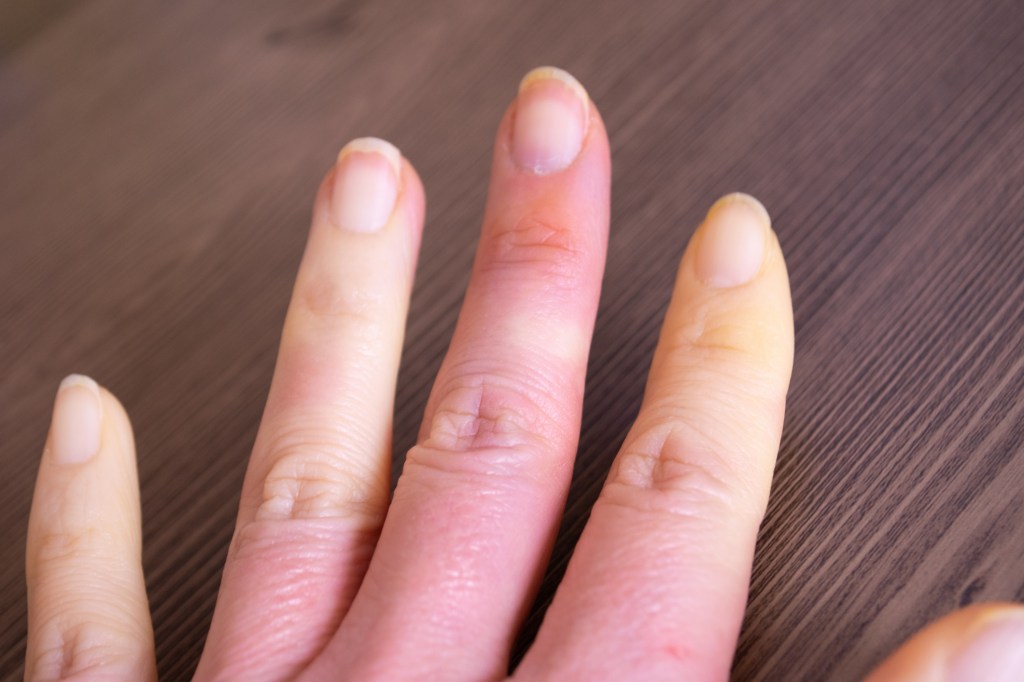
MUSCLE CONTUSION

A muscle contusion is a muscle bruise. It happens from a direct, blunt blow to your muscle. At-home care is usually enough to treat most muscle bruises. But moderate or severe muscle contusions may require medical care. You should also look out for signs of possible complications, like rapid swelling and numbness in the affected area.

What is a muscle contusion?

A muscle contusion is a bruise in your muscle. It’s a painful injury that happens when a direct hit by a blunt object crushes your muscle fibers and connective tissue without breaking your skin open. This breaks blood vessels that support your muscle, which leads to bleeding into the affected muscle.

Unlike a skin bruise, you can’t see a muscle bruise. But you can feel it — most muscle contusions are painful.

Muscle contusions can range from mild to severe. Most contusions heal with at-home treatment.

What are the symptoms of a muscle contusion?

Muscle contusions are almost always painful. You may have additional symptoms depending on the severity of the injury, including:

  • Swelling (edema) in the affected area.
  • Skin bruising.
  • Weakness or stiffness in the injured muscle.
  • Difficulty using your joint(s) near the injury.

Depending on the intensity of the trauma, you may have additional injuries, including:

  • Muscle hematoma (a buildup of blood in your muscle tissue).
  • Sprain (stretching or tearing of ligaments in a joint).
  • Dislocated joint.
  • Muscle strain.
  • Broken bone.
  • Damage to your internal organs if the hit was to your abdomen.

What causes a muscle contusion?

A direct, blunt hit to one of your muscles usually causes a muscle contusion (bruise). This commonly happens to athletes during contact or extreme sports. But any direct blow could cause a contusion, like falling onto or running into a blunt object.

For example, a quadriceps (thigh muscle) contusion is one of the most common injuries in contact sports, especially American football. Your thigh muscles are some of the largest muscles in your body, making them an easy target. Strong forces like tackling or falling on top of someone can lead to bruises on these muscles.

What are the risk factors for a muscle contusion?

Muscle contusions are more common in people who play contact or extreme sports. But they can also happen due to falls or traumatic events like car accidents.

Other factors that can increase your risk of a muscle contusion include:

  • Age: People over 65 are more likely to develop injuries from falling.
  • Malnutrition: Poor nutrition can cause weakness and dizziness. These symptoms increase your risk of falling and getting a muscle contusion.
  • Bleeding disorders: Having a bleeding disorder (like hemophilia) can make it more likely that your blood vessels will break after an impact, resulting in a muscle contusion.
  • Smoking: Smoking constricts blood flow and slows healing. It could worsen muscle contusions.

What are the possible complications of a muscle contusion?

Possible complications of moderate to severe muscle contusions include:

  • Compartment syndrome: This happens when pressure rises in and around your muscle. With a muscle contusion, rapid bleeding can cause pressure. This syndrome is very painful and can be dangerous. Compartment syndrome can limit the flow of blood, oxygen and nutrients to muscles and nerves. It can cause serious damage and may require urgent surgery. If you experience numbness and weakness or rapidly increasing swelling in the injured area, go to the hospital as soon as possible.
  • Myositis ossificans: This happens when bone forms inside your muscle after a traumatic injury. It sometimes develops after a severe muscle contusion if you try to rehabilitate the muscle too quickly. It can take two to four weeks after the injury before myositis ossificans is noticeable.

How is a muscle contusion diagnosed?

Your healthcare provider will physically examine the injury to diagnose a muscle contusion. They’ll ask about your symptoms and how the injury happened.

They may apply slight pressure to different parts of your injured muscle and test the range of motion of nearby joints.

Your provider may also use imaging tests to view your soft tissues, like:

  • Magnetic resonance imaging (MRI).
  • Ultrasound.

You may have other imaging tests, like CT scans or X-rays, if your provider thinks you have a bone bruise, fracture or myositis ossificans.

How can I heal a bruised muscle?

Most people heal from a muscle contusion with rest and over-the-counter (OTC) medication. You shouldn’t exercise for at least five to seven days after the injury to allow it time to heal. Depending on the injury severity, your healthcare provider may recommend:

  • Using the RICE (rest, ice, compression, elevation) method: The RICE method involves resting your injured muscle, icing it, wearing an elastic bandage around it (compression) and elevating the affected area while you’re resting. The RICE method helps reduce pain and swelling.
  • Nonsteroidal anti-inflammatory drugs (NSAIDs): Over-the-counter medicines can help relieve pain and decrease inflammation while the contusion heals. You shouldn’t use NSAIDs for more than a few days to a week.
  • Physical therapy: Moderate to severe muscle contusions may require physical therapy. Physical therapy typically involves a set of exercises that you complete during in-office visits and at home between appointments. Your physical therapist may also massage the affected muscle or stimulate your tissues with small electrical currents (electrotherapy). These treatments can reduce pain and promote healing.

In rare cases, you may need surgery if you have compartment syndrome or myositis ossificans.

How can I prevent a muscle contusion?

Just like how not all accidents are preventable, not all muscle contusions are preventable. But there are some steps you can take to lower your risk of getting a muscle contusion:

  • Train and exercise properly to prevent overworking your muscles.
  • Do warm-up and cooldown exercises before and after sports.
  • Wear protective equipment during contact sports and extreme activities.
  • Clear your living space of clutter and other tripping hazards to prevent falls.
  • If you’re at increased risk of falling, consider using a walking aid, like a cane or a walker.
  • If you have a bleeding disorder, consider avoiding activities that can lead to injuries.

How long does it take a muscle contusion to heal?

The time it takes for a muscle contusion to heal varies based on its severity and what you do to care for it. Moderate to severe muscle contusions may take four to six weeks to heal. Mild muscle contusions take much less time — usually five to seven days. If you use the muscle too much or overstretch it after the injury, it could take longer to heal.

Your healthcare provider will give you the best idea of what to expect. Be sure to follow their instructions for care so you don’t prolong the healing time.

When should I see my healthcare provider?

You may not need to see a healthcare provider for a mild muscle contusion. But you should see a provider if you experience symptoms of a moderate to severe contusion or possible complications, including:

  • Weakness or numbness in the affected area.
  • Difficulty using your joints in the affected area.
  • Rapid, severe swelling.

A note from Qban Health Care Services

Injuries are a big bummer. But the good news is that at-home rest is enough to treat most muscle contusions. While it can be difficult to take a break from your usual activities, it’s important to do so. Getting back to physical activities too soon after the injury can worsen it and prolong healing time. If you have severe symptoms after injuring your muscle, like rapid swelling, weakness and numbness, get medical care as soon as possible.

DISLOCATION

A dislocation is the medical term for bones in one of your joints being pushed out of their usual place. They can affect any joint in your body. Dislocations almost always happen during traumas or sports injuries. Never try to push or force a dislocated joint back into place on your own.

What is a dislocation?

Dislocation is the medical term for bones in one of your joints being knocked or pushed out of their usual place.

A joint is any place in your body where two bones meet. They’re part of your skeletal system. You have hundreds of joints throughout your body. They support your body from head to toe.

Any joint in your body can be dislocated. Dislocations can be painful and make it hard (or impossible) to use your affected joint. Dislocations can also strain or tear the tissues around your joints, including your:

Go to the emergency room if you experience a dislocation or can’t use a part of your body. Never try to force a joint back into place on your own.

Types of dislocations

Healthcare providers classify dislocations based on how far the bones in your joints were moved:

  • Complete dislocations (luxation): A complete dislocation happens when the bones in your joint are totally separated and pushed out of place.
  • Subluxation: Subluxation is the medical term for a partial dislocation. You have a subluxation if something pulls your joint apart and the bones still touch, just not as completely as usual.

How common are dislocations?

Dislocations are very common. The most commonly dislocated joints include:

What are the symptoms of a dislocation?

The most common symptoms of a dislocation include:

  • Pain.
  • Swelling.
  • Bruising.
  • The joint looking noticeably different or out of place.
  • Being unable to move or use your joint.
  • A feeling of instability or like the joint is weaker than usual.

Your symptoms will vary depending on which joint is affected and which type of dislocation you experience.

What causes dislocations?

Any force that’s strong enough to push a joint out of place can cause a dislocation. The most common causes are:

Dislocation risk factors

Anyone can experience a dislocation, but some groups are more at risk, including people who:

  • Play contact sports.
  • Are older than 65.
  • Have Ehlers-Danlos syndrome or another health condition that weakens connective tissues (including ligaments, tendons or muscles) around joints.

What are common complications of a dislocation?

The most common complications of dislocations are damage to the bones and tissues around your joint, including:

How are dislocations diagnosed?

A healthcare provider will diagnose a dislocation with a physical exam. They’ll examine your joint and the area around it. Tell your provider about any symptoms you’re experiencing and what you were doing right before your injury.

What tests are done to diagnose dislocations?

Your provider might need some of the following imaging tests to diagnose damage inside your body after a dislocation:

  • X-rays.
  • Magnetic resonance imaging (MRI).
  • A computed tomography (CT) scan.
  • Ultrasound.

How are dislocations treated?

The most important treatment for a dislocation is putting your joint back in its correct place. Your healthcare provider might call this a relocation, manipulation or a closed reduction. They’ll carefully push and pull on the dislocated joint to move it back into alignment. Your provider might give you anesthesia or sedatives (medications that make you sleepy or feel less pain) before they relocate your joint. You might need X-rays before and after a relocation to check for broken bones in or around your joint.

Never try to reposition a dislocated joint on your own. Don’t let anyone other than a healthcare provider push your joint back into place. If you experience a dislocation, go to the emergency room right away. If possible, go to the emergency room instead of an urgent care or other clinic if you experience a dislocation. The ER is the best place to go because healthcare providers in the emergency room can get you any imaging tests and any medication you’ll need before and after they put your joint back into alignment.

Depending on which joint was dislocated, you might need other treatment, including:

  • Immobilization: Wearing a splint, sling or brace will hold your joint in place while it heals.
  • Medication: Your provider will tell you which medication you can take to reduce pain and inflammation. Don’t take over-the-counter (OTC) pain relievers for more than 10 days in a row without talking to your provider.
  • Rest: You’ll need to avoid any physical activity that uses or puts stress on your affected joint.

Dislocation surgery

If the injury that dislocated your joint caused other damage inside your body, you might need surgery to repair it. Some people with severe dislocations need surgery to reset their joint if a closed reduction doesn’t work.

What is the recovery time after a dislocation?

Most people need at least a few weeks to recover after a dislocation. How long it takes your joint to heal depends on which joint was dislocated and if you experienced any other injuries.

A dislocated finger may feel back to normal in three weeks. A bigger joint like your shoulder could take several months or longer to heal. Your provider will tell you what to expect.

Ask your provider how long you need to wait before you resume physical activities. If you return to playing sports or working out before your joint has fully healed, you have an increased risk of reinjuring it — including dislocating it again.

How can I prevent a dislocation?

You can’t always prevent a dislocation. They usually happen because of accidents and traumas you can’t plan for.

During sports or other physical activities:

  • Wear the right protective equipment.
  • Don’t “play through the pain” if one of your joints hurts during or after physical activity.
  • Give your body time to rest and recover after intense activity.
  • Stretch and warm up before playing sports or working out.
  • Cool down and stretch after physical activity.

Follow these general safety tips to reduce your risk of an injury:

  • Make sure your home and workspace are free from clutter that could trip you or others.
  • Always use the proper tools or equipment at home to reach things. Never stand on chairs, tables or countertops.
  • Use a cane or walker if you have difficulty walking or have an increased risk for falls.

What is the outlook for a dislocation?

Most dislocations heal completely. You should start to feel better as soon as your joint is back in its place.

People who dislocate a knee or shoulder are more likely to dislocate it again in the future. Wearing protective gear like a brace during physical activity may reduce your risk of another dislocation.

You may need to work with a physical therapist to strengthen the muscles around the joint you dislocated. This can help prevent repeated dislocations.

Will I need to miss work or school with a dislocation?

As long as your job or schoolwork doesn’t require you to put extra pressure on your affected joint, you shouldn’t have to miss work or school after a dislocation. Ask your provider when you can return to sports, doing chores or lifting heavy objects.

When should I go to the emergency room?

Go to the emergency room right away if you experience trauma or think you have a dislocation. Don’t try to push your joint back in place by yourself. Don’t let anyone who’s not a trained, professional healthcare provider move or touch your injured joint. Try to hold your injured joint as still as possible and don’t force yourself to use it or put weight on it.

If you try to force your joint back in place on your own, you can hurt it more than it already is, make your injury worse and damage the tissue around your joint’s socket.

What questions should I ask my doctor?

  • Which type of dislocation do I have?
  • Which treatments will I need?
  • How long will it take me to recover?
  • How long will I need to keep my joint immobilized?
  • Will I need surgery?
  • When can I return to playing sports or doing physical activities?

A note from Qban Health Care Services

Dislocations are scary, usually because they happen during traumas or accidentally during sports. It can be shocking to see or feel one of your joints out of place, but don’t try to force it back in on your own. Go to the emergency room right away so a healthcare provider can reset your joint.

Don’t let a coach, teammate or loved one try to push your joint back into place. Even though they might mean well, they can damage your joint worse than it already is and cause other complications.

The good news is, most people can return to the court, field and all their usual activities as soon as their joint has healed. Ask your provider how long you’ll need to keep your joint immobilized.

BONE BRUISE

Bone bruises (contusions) are similar to bruises on your skin. But they’re more serious because damage to your bones can take longer to heal and may lead to fractures (broken bones). Most people can manage bone bruise symptoms with the RICE method while their bones heal. You might need to wear a splint, brace or cast to support your injured bone.

What is a bone bruise?

A bone bruise is a bone injury. It’s similar to a bruise you might get on the surface of your skin. But it’s more serious than a mark left over from roughhousing with your kids or playing pickup basketball.

Healthcare providers sometimes refer to bone bruises as bone contusions. Contusion is the medical name for a bruise.

Bone contusions are blood trapped under the surface of your bone after an injury. Your bones are living tissue that can get bruised in lots of the same ways your skin can. It takes much more force to bruise a bone than your skin, but the injury is very similar. If something hits your bones with enough force, they can bleed without being broken.

Visit a healthcare provider or go to the emergency room if you’ve experienced trauma like a fall or car accident. Especially if you feel sharp, intense pain that feels like it’s coming from a bone.

Types of bone contusions

A healthcare provider may classify a bone contusion based on where your bone is damaged:

  • Periosteal contusion: The periosteum is a membrane of blood vessels and nerves that wraps around most of your bones.
  • Subchondral lesions: A bone bruise in a joint, under the cartilage.
  • Intraosseous contusion: Bruising inside your bone itself.

What is the most common bone bruise?

Bone bruises are common after traumas or other severe injuries. For example, experts estimate that around 80% of people who tear their ACL also bruise a bone in their knee joint.

Bone bruises can affect any bone in your body, but they’re more common in longer bones, especially in your legs, including your:

What are bone contusion symptoms?

The most common bone contusion symptoms include:

  • Bone pain.
  • Tenderness around the bone.
  • Swelling.
  • Skin bruising or discoloration.

What does a bone bruise feel like?

A bone bruise will feel like a more intense version of a typical surface bruise. A bruise on your skin or in a muscle will feel tender or painful, especially when you touch that spot. A bone bruise usually feels like a dull, throbbing ache that’s coming from deeper inside your body.

Depending on which bone is bruised, the pain might get worse when you move, stand or sit in certain positions.

What causes bone bruises?

Anything that hits your bones with enough force to damage them can cause a bone bruise.

Traumas and injuries are the most common causes, including:

Injuries that twist your joints or body are more likely to cause bone contusions. Sprains (especially in your ankle and knee) can put enough pressure on your bones to bruise them.

What are the risk factors?

Anyone can bruise a bone, but some people have a higher risk, including:

  • Athletes who play contact sports.
  • People who have physically demanding jobs or hobbies.
  • People who have blood disorders.
  • People who have arthritis.

What are bone contusion complications?

Untreated bone contusions can weaken your bone enough to cause a bone fracture (broken bone). Many of the same injuries that cause bone bruises can also break your bones.

If trauma bruises your bone and you keep using it or putting stress on it, the damage can worsen to the point that your bone cracks or breaks.

How do healthcare providers diagnose bone bruises?

A healthcare provider will diagnose a bone bruise with a physical exam and some imaging tests.

Your provider will examine your injured bone and the area around it. Tell them what you were doing when you first noticed symptoms like pain and swelling and if you know what caused the injury (like a fall or sports injury). Tell your provider if certain activities, motions or physical positions make your symptoms worse (or better).

Bone bruise tests

Your provider might use a few different imaging tests to take pictures of your bones and the area around them, including:

X-rays can’t show bone bruises, but your provider might use one to check for a bone fracture.

What are bone bruise treatments?

Your provider will suggest treatments to take pressure off your injured bone and help it heal.

Most people can manage bone bruise symptoms at home with the RICE method:

  • Rest: Avoid intense physical activity. Try not to use the injured part of your body while it heals.
  • Ice: Apply a cold compress to your injury 15 minutes at a time, a few times a day. Wrap ice packs in a towel or thin cloth so they’re not directly touching your skin.
  • Compression: Wrap an elastic bandage around your injured bone to help reduce swelling. Your provider can show you how to apply a compression wrap safely.
  • Elevation: Keep your injured bone above the level of your heart as often as you can.

Other bone bruise treatments include:

  • Medications: Over-the-counter (OTC) NSAIDs and acetaminophen reduce inflammation and relieve pain. Your provider will tell you how often it’s safe to take these kinds of anti-inflammatory medications. Don’t take pain relievers for more than 10 days in a row without talking to your provider.
  • Physical therapy: A physical therapist will give you stretches and exercises to strengthen your muscles, increase your flexibility and restore your range of motion (how far you can move a body part). This can be especially helpful if the bone contusion is in or near a joint.
  • Immobilization: Your provider may suggest that you wear a splint, brace or cast. These devices will hold your bone in a neutral position and reduce stress on it while it heals. Your provider will tell you how long you’ll need to keep your bone immobilized.

How soon after treatment will I feel better?

You should start feeling better as soon as you begin managing any symptoms. The pain, swelling and tenderness should improve gradually after you start taking anti-inflammatory medications and reduce how often you use your injured bone.

Don’t resume any physical activities until your provider says it’s safe. Your bone still needs time to heal completely before it has all its usual strength.

If you put too much stress on a bone bruise before it heals (by returning to sports, work or doing intense physical activity), the weak spot near the bruise has a higher risk of becoming a fracture.

How can I prevent bone bruises?

You might not be able to prevent a bone bruise because it’s usually caused by traumas you can’t plan for. But you can reduce your general injury risk with these safety tips:

  • Always wear your seatbelt.
  • Wear the right protective equipment for all sports, work or physical activities.
  • Make sure your home and workspace are free from clutter that could trip you or others.
  • Always use the proper tools or equipment at home to reach things. Never stand on chairs, tables or countertops.
  • Use a cane or walker if you have difficulty walking or have an increased risk of falls.

What can I expect if I have a bone contusion?

You should expect a bone contusion to heal. But it might take time, and it can be a frustrating process.

It’s usually hard to make a typical skin bruise worse (even if it can hurt a lot when you forget it’s there and touch that spot). A bone bruise is different. Because it’s damaged bone, it’s important to give your body time to heal. Depending on where the bone contusion is, you might have to avoid certain activities. This can be extra annoying if you have to skip your favorite workout, sport or hobby for a while.

Talk to your provider about how long you’ll need to avoid intense physical activity or exercise. They’ll help you understand what to expect.

How long does a bone bruise last?

Bone bruises can take a while to heal. Most bone bruises last a few weeks. More severe bruises can take months (or longer) to heal completely.

How long a bone bruise lasts depends on which type it is, which bone it’s in and if you experienced any other injuries at the same time.

Should I go to the doctor for a bruised bone?

Yes, absolutely. You should always see a healthcare provider if you think you have a bone bruise. Most typical bruises don’t need to be diagnosed and treated by a provider, but bone bruises do.

Visit a provider if you feel bone pain for more than a few days, or if you have other symptoms like swelling, a reduced range of motion or pain when you use a body part.

Go to the emergency room if you experience trauma like a severe fall or car accident.

What questions should I ask my provider?

You may want to ask your provider:

  • Do I have a bone contusion or another injury?
  • Which bone is bruised, and which type of bruise is it?
  • Which treatments will I need?
  • When can I resume playing sports, exercising or doing other intense physical activities?

A note from Qban Health Care Services

You get a bruise when the coffee table jumps out to bang your shin or someone on the other team takes a game of pickup basketball a little too seriously. Bone bruises are very similar to black and blue marks on your skin, but they’re deeper inside your body and are a little more serious.

Your provider will help you understand where the bruise is on your injured bone, and what you can do to help it heal. Don’t rush your recovery. It might take time, but it’s worth it. Wait to resume intense physical activities until your provider says it’s safe.

SEPTIC ARTHRITIS

Septic arthritis is a rare and serious condition that affects one or more of your joints. Symptoms include intense pain, swelling and limited range of motion in your joint. It’s usually treated with antibiotics.

What is septic arthritis?

Septic arthritis (also known as infectious arthritis) happens when an infection spreads to one or more of your joints and causes inflammation. The inflammation is in the surface of the cartilage (a type of connective tissue) that lines your joints and the synovial fluid that lubricates your joints. Bacteria, a virus or fungus may cause the infection, which usually comes from another part of your body and spreads to your joint through your blood. Large joints such as your hip and knee are more commonly affected, but you could get septic arthritis in other joints such as your shoulder and ankle.

In the world of medicine, arthritis covers any type of joint inflammation. There are several different kinds of arthritis, including:

  • Osteoarthritis.
  • Rheumatoid arthritis.
  • Psoriatic arthritis.
  • Gout.

You might think that only older people get arthritis, but anyone at any age can get a type of arthritis. In fact, children more commonly experience septic arthritis than adults.

Which joints are more likely to have septic arthritis?

The joint that is most likely to be affected by septic arthritis depends on different factors. In general, larger joints in the lower half of your body, such as your hips, knees and ankles, are more commonly affected.

  • Children are most likely to get septic arthritis in their hip.
  • Adults are most likely to get septic arthritis in their knee.
  • Injection drug users are more likely to get septic arthritis in the joints that connect your pelvis and lower spine (sacroiliac joints) and in the joint that connects your clavicle, or collarbone, to your sternum, or breastbone (sternoclavicular joint).

Can septic arthritis spread to other places in my body?

If the infection that caused your septic arthritis is not treated, the infection can spread to other parts of your body. This is called sepsis and is life-threatening.

Most cases of septic arthritis only involve one joint. In rare cases, multiple joints can have septic arthritis. Staphylococcal infections are the most common cause of septic arthritis, and most cases only involve one joint. Septic arthritis caused by Neisseria bacteria usually involves multiple joints.

Who does septic arthritis affect?

Septic arthritis more commonly affects children, but adults can get it as well. People born male at birth between 2 and 3 years of age are most likely to get septic arthritis.

How common is septic arthritis?

Septic arthritis is not very common. There are approximately 2 to 6 cases of septic arthritis per 100,000 people per year.

How serious is septic arthritis?

Although it’s rare, septic arthritis is a serious condition. It can cause permanent damage to your affected joint and other complications. It can also cause death if it’s not treated. Be sure to see your healthcare provider or go to the nearest hospital immediately if you experience symptoms.

What are the symptoms of septic arthritis?

Symptoms of septic arthritis can include:

  • Experiencing pain and tenderness in your affected joint.
  • Having swelling and warmth at your affected joint.
  • Having limited range of motion in your affected joint.
  • Not wanting to use or move your affected joint.
  • Having a fever.

What causes septic arthritis?

Septic arthritis is caused by an infection. It can be from bacteria, fungus, mycobacteria, a virus or other pathogens. In most cases, the infection begins somewhere else on or in your body and then spreads through your blood to your joint. More specifically, the following organisms can cause septic arthritis:

  • Staphylococcus aureus: This bacteria (also known as staph) is the most common cause of septic arthritis in both children and adults.
  • Methicillin-resistant Staphylococcus aureus (MRSA): MRSA is a type of staph infection that is resistant to some antibiotics. People who have a higher risk of getting septic arthritis from MRSA include those who use IV drugs, HIV (human immunodeficiency virus infection) or diabetes.
  • Groups A and B streptococci: Streptococci are a kind of bacteria. Elderly people and people with chronic diseases such as diabetes and cirrhosis are at higher risk of getting septic arthritis from streptococci.
  • Neisseria gonorrhoeae: This bacterium causes gonorrhea, a sexually transmitted infection (STI). People who have gonorrhea can get gonococcal arthritis, which is a form of septic arthritis.
  • Neisseria meningitides (meningococcus): This bacterium causes meningitis, which is a condition that involves inflammation (swelling) of the protective membranes covering your brain and spinal cord. While it can happen, getting septic arthritis from Neisseria meningitides is rare.

What is the most common bacteria that causes septic arthritis?

Staphylococcus aureus, a type of bacteria, is the most common cause of septic arthritis in both children and adults. Approximately 37% to 56% of septic arthritis cases are caused by Staphylococcus aureus.

Is septic arthritis contagious?

Septic arthritis is not contagious. However, the bacteria that cause septic arthritis, such as Staphylococcus aureus, methicillin-resistant Staphylococcus aureus (MRSA) and Neisseria gonorrhoeae, can spread from person-to-person contact.

How is septic arthritis diagnosed?

After a physical exam of your joint, if your healthcare provider suspects you have septic arthritis, they will most likely withdraw synovial fluid (the fluid that lubricates your joint) from your affected joint with a needle. This is called aspiration. They will then do a laboratory test to look at the synovial fluid. Having bacteria in the synovial fluid of your joint confirms the diagnosis of septic arthritis.

What tests are used to diagnose septic arthritis?

Tests that are used to diagnose septic arthritis include:

  • Synovial fluid aspiration: Your healthcare provider may withdraw fluid from your affected joint with a fine needle to check it for bacteria. This is known as aspiration.
  • Blood tests: Your provider may have you undergo blood tests to see if your body’s immune system is responding to an infection and/or to rule out other possible issues.
  • X-rays: X-rays use radiation to take images of your bones. X-rays can show widened joint spaces and bulging of the soft tissues, which can be signs of septic arthritis.
  • Ultrasound: Ultrasound uses sound waves to take pictures inside your body. An ultrasound can help your provider see how swollen your joint is and help them see your joint fluid when aspirating it.
  • MRI: An MRI (magnetic resonance imaging) uses a large magnet, radio waves and a computer to make detailed images of your organs and bones. An MRI can help detect early cases of septic arthritis.

How is septic arthritis treated?

The following treatments are used for septic arthritis:

  • Surgery: Removal of the inflamed tissue (surgical debridement) and IV (intravenous) antibiotics are necessary in most cases.
  • Antibiotics: All cases of septic arthritis need to be treated with antibiotics. Your healthcare provider may give you antibiotics through an IV and/or in pill form.
  • Joint fluid drainage: Your provider may drain (aspirate) fluid from your joint using a fine needle. They may have to do this more than once as you recover.
  • Physical therapy: You will likely need physical therapy to restore function in your joint and prevent the muscles around your joint from weakening.
  • Removal of an artificial joint: If you get septic arthritis in an artificial (prosthetic) joint, you will likely have to have your artificial joint removed and replaced with a joint spacer, a device made of antibiotic cement. After several months, your healthcare provider will replace your artificial joint.

How long does it take septic arthritis to heal?

The length of time it takes for septic arthritis to fully heal depends on what caused your infection and your overall health. You may have to take antibiotics for a few weeks. It could take longer for your joint to fully heal if the infection caused damage to your joint and the surrounding soft tissues.

Does septic arthritis go away on its own?

Septic arthritis cannot go away on its own since it’s an infection. Bacterial infections need to be treated with antibiotics. If you’re experiencing signs and symptoms of septic arthritis, contact your healthcare provider right away or go to the nearest hospital. Septic arthritis can lead to serious complications and can be life-threatening if it’s not treated.

What are the risk factors for developing septic arthritis?

The risk factors for developing septic arthritis are different for children and adults. Risk factors for children include:

  • Age: Newborn children are at a higher risk of getting septic arthritis because their immune systems aren’t as strong.
  • Having hemophilia: Children who have hemophilia, an inherited bleeding disorder in which their blood does not clot properly, are at a higher risk of developing septic arthritis.
  • Having a weakened immune system: Children who are immunocompromised (have a weak immune system) from conditions like sickle cell anemia and HIV have a higher risk of getting septic arthritis.
  • Being on chemotherapy: Chemotherapy weakens your immune system, which makes it more likely that people undergoing it will develop septic arthritis.

Risk factors for adults include:

  • Age: Adults over the age of 80 are at a higher risk of getting septic arthritis.
  • Having rheumatoid arthritis (RA) or osteoarthritis: People who have damaged joints from rheumatoid arthritis or osteoarthritis are more susceptible to septic arthritis. Cases of septic arthritis in people who have rheumatoid arthritis are up to 70 per 100,000 people per year.
  • Having HIV (human immunodeficiency virus): HIV weakens your immune system, which makes it more likely that you’ll get an infection, which could lead to septic arthritis.
  • Having diabetes: Having high blood sugar can weaken your immune system. People who have diabetes and have persistent high blood sugar are at a greater risk of getting an infection and septic arthritis.
  • Having skin infections: Since septic arthritis is usually caused by an infection elsewhere on or in your body, having a skin infection could lead to septic arthritis.
  • Having a recent joint surgery: Having a recent joint surgery puts you at a higher risk of getting septic arthritis because the wound from the surgery could become infected.
  • Having an artificial (prosthetic) joint: Infections are more common in prosthetic (artificial) joints than in natural joints. Having a prosthetic joint increases your risk of getting septic arthritis.
  • Injection drug use: Injection drug use puts you at a higher risk of getting septic arthritis because the needle can introduce harmful bacteria and other organisms into your body when it breaks the skin.
  • Sexual activity: Sexual activity, especially unprotected sex, can put you at a higher risk of developing septic arthritis from the bacteria that causes gonorrhea, a sexually transmitted infection (STI). The bacterium is called Neisseria gonorrhoeae.

How can I prevent septic arthritis?

While not all cases of septic arthritis are preventable, there are a few things you can do to try to prevent getting it, including:

  • Make sure cuts and wounds don’t get infected: If you have a cut or wound on your skin, keep it clean to prevent infection. If you are experiencing signs of an infection — such as redness, warmth and/or pus in or around your wound — contact your healthcare provider immediately.
  • Try to manage your chronic health condition(s) well: If you have a chronic health condition such as diabetes or AIDS (acquired immunodeficiency syndrome), try to manage your condition as well as you can in order to stay healthy.
  • Practice safe sex: Always follow safe sex practices, such as always using a condom or dental dam and talking with your sexual partner about past partners and STI (sexually transmitted infection) history.
  • Don’t abuse drugs: Injection drug use can cause infections. Only take medications as prescribed by your healthcare provider.

What is the prognosis (outlook) for septic arthritis?

The prognosis (outlook) for septic arthritis depends on a few factors, including:

  • The type of bacteria or organism that caused your infection.
  • How long your infection lasts.
  • Your age and overall health.

Some types of bacteria, such as MRSA, are more challenging to treat than others. The longer septic arthritis lasts, the more likely the affected joint will become damaged. People who have weakened immune systems are also more likely to have damage to their affected joint.

Can septic arthritis be fatal?

Despite the use of antibiotics for treatment, there’s a 7% to 15% mortality (death) rate for septic arthritis. If you’re experiencing signs or symptoms of septic arthritis, be sure the contact your healthcare provider or go to the nearest hospital as soon as possible.

Are there complications associated with septic arthritis?

Septic arthritis is a serious condition. Complications of septic arthritis can include:

  • Chronic pain.
  • Osteomyelitis (inflammation or swelling in the bone).
  • Osteonecrosis (bone tissue dies due to lack of blood flow).
  • A difference in leg length.
  • Sepsis (widespread inflammation in the body).
  • Death.

When should I see my healthcare provider?

If you’re experiencing symptoms of septic arthritis, such as pain, fever, extreme warmth, redness or tenderness in your joint and having limited mobility in your joint, contact your healthcare provider or go to the nearest hospital immediately. Septic arthritis is a serious condition that needs to be treated with antibiotics. If left untreated, it can be life-threatening.

What is the difference between septic arthritis and osteomyelitis?

Osteomyelitis and septic arthritis are both rare and serious conditions. Osteomyelitis is an infection of the bone. Septic arthritis is inflammation in the surface of the cartilage that lines the joint and the synovial fluid that lubricates the joint that is caused by an infection. Both conditions are usually caused by the bacterium Staphylococcus aureus.

Osteomyelitis and septic arthritis can be tricky to tell apart because they have similar symptoms, including pain, tenderness and swelling in the affected area. Septic arthritis can lead to osteomyelitis, and you can have both at the same time. If you have symptoms of osteomyelitis and/or septic arthritis, go to the nearest hospital immediately. Both conditions need medical treatment. Your healthcare provider will perform certain tests to determine which condition is causing your symptoms.

What is the difference between septic arthritis and gout?

Gout is a common form of inflammatory arthritis that’s caused by a crystal called uric acid. Septic arthritis is inflammation in a joint that’s caused by an infection.

Septic arthritis is a rare, but serious, complication of gout. Since both conditions may have similar symptoms, such as inflammation of the affected joint with redness and swelling, it can be difficult to tell them apart. If you are experiencing symptoms of gout and/or septic arthritis, contact your healthcare provider as soon as possible. Your healthcare provider will ask you questions about your symptoms and may have you come to the hospital to perform certain tests to determine which condition is causing your symptoms.

A note from Qban Health Care Services

Septic arthritis is a rare but serious condition. The good news is that it’s treatable. If you’re experiencing symptoms of septic arthritis, such as intense pain, swelling and lack of mobility in your joint, go to the nearest hospital as soon as possible. The sooner your healthcare provider can diagnose and treat your septic arthritis, the sooner you will feel better.

OSTEOMYELITIS

Osteomyelitis is a serious infection that happens when bacteria or fungi infect your bone marrow. Infections usually start on your skin at a wound or surgery site then spread to your bones through your bloodstream. It can cause permanent bone damage if it’s not treated right away. Visit a healthcare provider as soon as you notice any symptoms.

What is osteomyelitis?

Osteomyelitis is a bone infection. It happens when a bacterial infection or a fungal infection spreads to your bones.

Osteomyelitis causes painful swelling in your bone marrow. It can affect any of your bones. Kids with osteomyelitis most commonly have it in their leg or arm bones. Adults usually develop it in their vertebrae (the bones that make up your spine) or hips.

If it’s not treated in time, osteomyelitis can cause permanent bone loss and necrosis (tissue death).

Types of osteomyelitis

There are a few types of osteomyelitis:

  • Acute osteomyelitis: A bone infection that happens after an infection spreads to your bones. Acute osteomyelitis is the most common type.
  • Vertebral osteomyelitis: Osteomyelitis that infects the vertebrae in your spine.
  • Chronic osteomyelitis: Bone infections that aren’t completely cured after treatment can linger in your body and come back (recur) months or years later. Taking the full dose of any medication your healthcare provider prescribes to kill the initial infection is the best way to prevent chronic osteomyelitis.

How common is osteomyelitis?

Researchers think fewer than 25 per 100,000 people experience osteomyelitis each year. However, some studies have found it’s much more common among people who need to stay in the hospital — as high as 1 out of every 675 hospital admissions.

Experts think this difference may be because people who are admitted to the hospital often have health conditions or injuries that make them much more susceptible to bacteria and fungi getting into their blood and bones.

What are osteomyelitis symptoms?

Osteomyelitis symptoms can vary depending on which type you have and which of your bones are infected. The most common bone infection symptoms include:

  • Fever.
  • A general feeling of being sick or unwell.
  • Bone pain.
  • Chills.
  • Sweating.
  • Nausea and vomiting.
  • Skin discoloration.
  • Swelling (inflammation).
  • A feeling of heat or warmth on your skin.
  • Pus or discharge (if the infection is near a wound or surgery site).

Vertebral osteomyelitis also usually causes low back pain. Some people with chronic osteomyelitis don’t have symptoms.

What is the main cause of osteomyelitis?

Infections that spread to your bones cause osteomyelitis. It usually happens when an infection on the surface of your skin (like at a wound or a surgery site) gets into your bloodstream and spreads to your bone marrow (the spongy center of some bones).

What are the risk factors?

Anyone can develop an infection that causes osteomyelitis, but some people have a higher risk, including people who:

  • Are younger than 20 or older than 50.
  • Have open wounds after an injury or trauma.
  • Have recently had surgery, especially arthroplasty (joint replacement) or other procedures where surgeons implant pieces into your body — including pins and screws to repair bone fractures (broken bones).
  • Experience puncture injuries (something stabbing into your body).
  • Have pressure injuries (bedsores).

People with health conditions or who need treatments that weaken their immune system are more likely to develop osteomyelitis, including:

What are osteomyelitis complications?

Osteomyelitis complications can include:

  • Abscesses: Bone infections can cause pockets of pus that break through your skin. Treatment to drain these abscesses may slightly increase your risk of skin cancer.
  • Osteonecrosis: Osteonecrosis (bone death) can happen if swelling from the infection cuts off blood flow to your bone. It’s very rare, but some people with osteonecrosis need an amputation.
  • Slowed growth: Osteomyelitis can cause children’s bones to grow and develop slower than usual.

How do providers diagnose osteomyelitis?

A healthcare provider will diagnose osteomyelitis with a physical exam and some tests. They’ll ask about your symptoms and when you first noticed them. Tell your provider if you’ve recently had surgery, an injury or if you’ve started new treatments for other health conditions.

Your provider will use some of the following tests to diagnose the infection and take pictures of your bones:

  • Blood tests.
  • X-ray.
  • Magnetic resonance imaging (MRI).
  • Computed tomography (CT) scan.
  • Ultrasound.
  • Bone scan.
  • Bone marrow biopsy.

How is osteomyelitis cured?

Your provider will suggest treatments to kill the infection and prevent permanent bone damage. The most common osteomyelitis treatments include:

  • Antibiotics: You’ll need antibiotics to cure a bacterial infection. You may need intravenous (IV) antibiotics for a few weeks before taking oral (pills you take by mouth) antibiotics for several weeks afterward.
  • Antifungals: Antifungals treat fungal infections. You’ll probably need oral antifungal medications for several months.
  • Over-the-counter pain relievers: Over-the-counter (OTC) NSAIDs or acetaminophen relieve pain and reduce inflammation. Your provider will tell you which kind of anti-inflammatory medicine is best for you, and how often it’s safe to take it.
  • Needle aspiration: Your healthcare provider may use a needle to drain pus or fluid from any abscesses that develop.
  • Surgery: You may need surgery if the bone infection is severe or you have a high risk of complications. It’s more common to need surgery if you have vertebral osteomyelitis.

How soon after treatment will I feel better?

It can take a long time for osteomyelitis to heal. You might need antibiotics or antifungals for a few months. You should start feeling better as medications start killing the infection and slowing its spread.

Ask your provider how long you’ll need to take antibiotics or antifungals. Make sure you take the full dose they prescribe for as long as they say, even if you start feeling better.

How can I prevent osteomyelitis?

Cleaning new wounds or cuts and keeping surgery sites sterile are the best ways to prevent bone infections. Wash your hands frequently, and clean scrapes and cuts with warm, soapy water. Go to the emergency room if you have a deep cut or puncture (stab) wound or experience trauma.

Ask your provider how to clean your surgery site after any type of procedure.

What can I expect if I have osteomyelitis?

Most people with osteomyelitis recover without long-term complications. But it’s important to get the infection diagnosed and start treatment right away. Contact your provider as soon as you notice any signs of an infection.

How long osteomyelitis lasts

Osteomyelitis can last for a long time. You might need treatment for several months to make sure the infection is completely cured. Ask your provider or surgeon what to expect.

How do I take care of myself?

Make sure you take the full course of your antibiotic or antifungal medication exactly as your provider prescribes. You need to finish the full dose, even if you feel better. If you stop taking your medications before you should, there’s a chance they won’t completely kill the infection. This increases your risk of chronic osteomyelitis and other complications.

Ask your surgeon how to keep incisions clean after surgery. They’ll tell you when it’s safe to shower or bathe, how to clean your surgical site and which kind of soap is best to use on it.

Contact your healthcare provider or surgeon right away if you notice signs of an infection, especially at a surgery site.

When should I see my healthcare provider?

Contact your provider or surgeon right away if you notice signs of an infection, especially if you notice pus or discharge at a wound or surgery site.

Which questions should I ask my provider?

You may want to ask your provider:

  • Which type of osteomyelitis do I have?
  • What caused the bone infection?
  • Which treatments will I need?
  • How long should I take antibacterial or antifungals?
  • What are the best ways to keep my surgery site or wounds clean to prevent infections?

How serious is osteomyelitis?

Osteomyelitis is a serious condition that needs treatment right away. It usually responds very well to treatment, but you need to start treating it as soon as possible to prevent serious complications.

Once a provider diagnoses the infection and you start treatment, try not to worry. It might take a while to cure the infection, but the most important part is catching osteomyelitis early.

Does osteomyelitis go away on its own?

No, osteomyelitis won’t go away on its own. It’s extremely important to see a healthcare provider for a diagnosis and treatment. Your immune system does an amazing job of fighting off germs and other invaders, but you need antibiotics or antifungals to kill the infections that cause osteomyelitis.

Never ignore signs of infection around a wound, especially if you just had surgery. Contact your provider or surgeon right away if you notice any changes in your incisions. It’s always better to ask too many questions than not enough. Trust your instincts — if something doesn’t look or feel right, it’s worth checking out.

A note from Qban Health Care Services

Osteomyelitis is a bone infection that happens when bacterial or fungal infections spread from other parts of your body into your bone marrow. It can be very serious and cause permanent bone damage, but it’s very manageable if you start treatment within a few days. Contact a healthcare provider right away if you notice signs of infection like a feeling of warmth, pus or discharge or if you have a fever.

It’s especially important to keep your incisions clean after having surgery. Your surgeon will give you specific instructions on how to keep your surgery site clean. Don’t be afraid to ask lots of questions. Your providers are there to help you stay safe and healthy; they won’t be upset to explain things in a different way or show you exactly what you need to do.

PYOMYOSITIS

Pyomyositis is a rare bacterial infection of the muscle that usually results in an abscess. It’s most common in your thigh muscles. Pyomyositis can be difficult to diagnose, and symptoms usually include fever and muscle pain. Healthcare providers often treat it with antibiotics.

What is pyomyositis?

Pyomyositis (sometimes called tropical pyomyositis) is a rare and treatable bacterial infection that affects skeletal muscles (the muscles you use to move).

Pyomyositis usually results in an abscess (a swollen area that contains pus) that forms in your muscle. The larger muscles in your legs, especially your quadriceps (thigh muscles), are most commonly affected by pyomyositis, but it can occur in other muscles.

What bacteria cause pyomyositis?

Approximately 90% of pyomyositis cases are caused by the bacterium Staphylococcus aureus (a common staph infection bacterium).

Most people have Staphylococcus aureus bacteria living on their skin or in their noses. These bacteria only cause problems when they make their way inside your body.

How common is pyomyositis?

Pyomyositis is a rare condition. Healthcare providers used to think pyomyositis could only happen in countries with tropical climates (hence the name “tropical pyomyositis”), but people living in temperate climates, such as North America, can develop it. It’s much less common in temperate climates than it is in tropical climates.

Who does pyomyositis affect?

Pyomyositis can affect anyone at any age. Approximately 35% of pyomyositis cases occur in children, and males are more commonly affected than females.

Most people who live in tropical regions and develop pyomyositis are otherwise healthy. People who live in temperate regions and develop pyomyositis often have a weakened immune system (are immunocompromised) or have another serious health condition.

What causes pyomyositis?

Pyomyositis is most often caused by a bacterium called Staphylococcus aureus (a common staph infection bacterium).

Healthcare professionals aren’t sure exactly how the bacteria get inside your muscle. Heavy exercise, trauma to the muscle and/or certain underlying health conditions are associated with the development of pyomyositis.

What are the symptoms of pyomyositis?

The symptoms of pyomyositis depend on how far the infection has progressed. There are three general stages of pyomyositis.

Stage one of pyomyositis can last 10 to 21 days. Symptoms include:

  • Cramps and aches in the affected muscle.
  • Low-grade fever.

In stage two of pyomyositis, the abscess has formed in the muscle. About 90% of people with pyomyositis are diagnosed at this stage. Symptoms include:

  • Fever and chills.
  • A firm lump under your skin (the muscle abscess).
  • Pain and tenderness in the affected muscle.
  • Mobility issues, like not being able to walk like you usually do if the affected muscle is in your leg.

If pyomyositis is not treated in stage two, it progresses to stage three. Stage three of pyomyositis is serious and life-threatening. Symptoms and complications of pyomyositis include:

  • Extreme pain in the affected area.
  • High fever.
  • Septic shock.
  • Organ damage or failure.

How is pyomyositis diagnosed?

Pyomyositis can be difficult to diagnose since the affected muscle tissue is usually deep inside your body. Because of this, you can’t tell from the outside that something is wrong until the abscess gets large enough to cause a noticeable lump under your skin.

The early symptoms of pyomyositis are also common and vague. Fever and muscle soreness could be symptoms of many other conditions. Because of these factors, on average, there’s a 10-day delay in diagnosis from the beginning (onset) of the symptoms of pyomyositis.

Once someone comes to the hospital with symptoms of pyomyositis, an MRI is usually the definitive way to diagnose it. Blood tests and a physical exam can help contribute to the diagnosis.

What tests will be done to diagnose pyomyositis?

Healthcare providers use the following tests to diagnose pyomyositis:

  • Physical exam: Your provider may perform a physical exam to check the affected area for mobility issues, pain sensitivities and an abscess. They may also check other areas of your body to rule out any other possible conditions.
  • Blood tests: Your provider may order a few blood tests to see if your body’s immune system is responding to an infection. This could be a sign of pyomyositis.
  • MRI scan: Magnetic resonance imaging (MRI) is a testing procedure that produces detailed images of the inside of your body without the use of X-rays. Providers often need to use an MRI to make a final diagnosis of pyomyositis. The infected muscle will appear different than other muscles in the images.

How is pyomyositis treated?

If pyomyositis is caught early enough, it can usually be treated with just antibiotics. You may take these medications through an IV and/or by mouth as pills. Sometimes a healthcare provider needs to drain the abscess (a swollen area that contains puss) that forms in your muscle from pyomyositis.

If you have pyomyositis and your provider prescribed you antibiotics, be sure to finish taking all the pills as prescribed even if you feel better before you’ve finished them.

How long does treatment for pyomyositis last?

The length of antibiotic treatment for pyomyositis can vary a lot depending on the severity of the infection and how you respond to treatment. Oftentimes healthcare providers use more than one antibiotic to treat pyomyositis. In general, treatment lasts for at least one week but often takes several weeks.

What are the risk factors for developing pyomyositis?

Risk factors for developing pyomyositis include:

  • Living in a tropical climate: Pyomyositis is more common in tropical countries. Approximately 1% to 4% of hospitalizations in tropical countries are due to pyomyositis.
  • Having human immunodeficiency virus (HIV): In approximately half of pyomyositis cases in North America, the person has HIV.
  • Being immunocompromised: People who have a weakened immune system, whether from a medical condition, an organ transplant or from using an immunosuppressive medication, are more likely to develop pyomyositis.
  • Having diabetes: Having high blood sugar (hyperglycemia) from mismanaged diabetes can damage your muscles. People with diabetes may also have weakened immune systems. These two factors make it more likely that someone with diabetes will develop pyomyositis.
  • Heavy exercise or muscle trauma: Vigorous exercise or trauma (damage) to your muscle(s) can trigger pyomyositis.
  • Skin infections: Skin infections, especially staph infections (infections caused by Staphylococcus bacteria), make it more likely that you could develop pyomyositis because the bacteria could spread deeper inside your body to your muscles.
  • Injection drug use: Injecting drugs increases your risk of developing pyomyositis because it can introduce the bacteria that causes pyomyositis into your body.

What is the prognosis (outlook) of pyomyositis?

If you’re diagnosed with and treated for pyomyositis soon enough, you can often heal well, and the symptoms go away without any lasting damage to your affected muscle. But if left untreated, pyomyositis can cause serious health issues and can even lead to death. It’s important to contact your healthcare provider if you experience symptoms of pyomyositis.

Can I die from pyomyositis?

Yes, pyomyositis can be fatal. If pyomyositis is not treated in time, the infection can spread to your blood. This can lead to sepsis, which can cause death.

When should I see my healthcare provider about pyomyositis?

If you’re experiencing symptoms of pyomyositis, such as unexplained fever and persistent pain in your muscle, be sure to contact your healthcare provider.

When should I see my healthcare provider about pyomyositis?

If you’re experiencing symptoms of pyomyositis, such as unexplained fever and persistent pain in your muscle, be sure to contact your healthcare provider.

A note from Qban Health Care Services

Pyomyositis is a rare but serious condition. The good news is that it’s treatable. It can take time to diagnose, so be sure to reach out to your healthcare provider if you’re experiencing symptoms such as an unexplained fever and muscle tenderness, especially if the risk factors for pyomyositis apply to you.

MUSCLE SPASMS

Muscle spasms (muscle cramps) are painful contractions and tightening of your muscles. They’re common, involuntary and unpredictable. Although there are steps you can take to prevent a muscle spasm and treat it when it attacks, those methods aren’t always dependable. Muscle relaxants, stretching and massage are most likely to help.

What are muscle spasms (muscle cramps)?

Muscle spasms (also called muscle cramps) occur when your muscle involuntarily and forcibly contracts uncontrollably and can’t relax. Muscle spasms are normal and quite common. They can involve part or all of a muscle or several muscles in a group. You can get muscle spasms anywhere in your body. Some of the most common types include:

Who gets muscle spasms?

Muscle spasms can happen to anyone at any time. They can occur when you walk, sit, exercise or sleep. Some people are prone to muscle spasms and get them regularly with any type of physical exertion.

People who are most likely to get muscle spasms include:

  • Athletes.
  • Infants.
  • Pregnant women.
  • People over the age of 65.
  • People who have obesity.

Are muscle spasms (muscle cramps) serious?

Most of the time, muscle spasms aren’t something to worry about. But in some cases, muscle cramps can indicate an underlying neurological condition. These conditions affect your brain — your brain helps your muscles move. When involuntary muscle movements result from a neurological condition, it’s called dystonia.

If you have chronic muscle cramps, along with other symptoms like pain, muscle weakness or poor coordination, schedule an appointment with a healthcare provider. They can help determine if you have an underlying neurological issue.

What are the symptoms of muscle spasms (muscle cramps)?

Muscle spasms can range from mild to severe. In mild cases, it might feel like your muscle is jumping around on its own. Sometimes, you might even see your muscle twitching. In severe cases, it might feel like your entire muscle stiffens up into a tight ball. (This happens a lot with leg cramps.) If a cramp is particularly painful, you might even have lingering discomfort in that area for a day or two.

If muscle spasms result from a neurological condition, you may develop additional symptoms like:

What causes muscle spasms (muscle cramps)?

Experts aren’t exactly sure why some people get muscle spasms more than others. One or more of the following may be to blame in most cases:

  • Not enough stretching.
  • Muscle fatigue.
  • Exercising in extreme heat (heat cramps).
  • Dehydration.
  • Electrolyte imbalance (having too many or too few salts and minerals like potassium, magnesium and calcium, in your body).
  • Stress.
  • Too much high-intensity exercise.

Possible causes for nocturnal leg cramps (leg cramps at night), specifically, include:

  • Sitting for long periods of time.
  • Overusing your muscles.
  • Standing or working on concrete floors.
  • Sitting improperly.

How do healthcare providers diagnose muscle spasms?

In addition to reviewing your health history and medications, your provider may ask questions, including:

  • How bad is your pain?
  • When do your muscle spasms usually happen?
  • How long do your cramps last?
  • What do your muscle spasms feel like?
  • When did your muscle spasms start?

How do you treat muscle spasms?

There’s no pill or injection that instantly relieves muscle spasms. But there are things you can do to try and stop muscle cramps fast:

  • Stretch the affected area.
  • Massage the affected area with your hands or a massage roller.
  • Stand up and walk around.
  • Apply heat or ice.
  • Take over-the-counter (OTC) pain relievers like ibuprofen or acetaminophen.

If you have severe or frequent muscle spasms, a healthcare provider may prescribe muscle relaxers to help ease your symptoms. Muscle relaxers can cause drowsiness, dizziness and nausea. Because of these side effects, this medication may not be a long-term solution. Talk to your healthcare provider about the risks and benefits of muscle relaxers.

How can I prevent muscle spasms (muscle cramps)?

Muscle spasms can strike at any time. Because they’re so unpredictable, they can be difficult to prevent. There are risk factors you can’t avoid, like your age. But there are also things you can do to reduce your risk:

  • Perform flexibility exercises regularly.
  • Work toward better overall fitness.
  • Stretch your muscles regularly. Do this especially for those most prone to muscle spasms.
  • Drink lots of water.
  • Avoid exercising in extreme heat.
  • Wear shoes that fit you properly.
  • Stay at a weight that’s healthy for you.
  • Avoid medications that may cause muscle spasms as a side effect.
  • To prevent leg cramps, use pillows to keep your toes pointed upward if you sleep on your back. If you sleep on your chest, hang your feet over the end of the bed.
  • Stretch your muscles before you go to sleep. When you sleep, keep the sheets and blankets loose around your legs.

What can I expect if I have frequent muscle spasms?

Muscle spasms can worsen and happen more frequently with age. Preventive techniques, like the exercises outlined above, can reduce your overall risk for muscle spasms.

When should I see my healthcare provider?

See your healthcare provider if the spasms are unbearably painful, happen frequently or last for a long time. Also, talk to your provider right away if you develop:

  • Significant pain.
  • Swelling or numbness in your leg.
  • Skin changes.
  • Leg cramps that wake you up at night.

See your healthcare provider immediately if you think your muscle spasms could be a symptom of an underlying medical condition.

When should I go to the ER for muscle cramps?

Typically, muscle spasms — although painful — shouldn’t last very long. But you should call 911 (or your local emergency service number) or go to your nearest emergency room if you have:

  • Unbearable pain.
  • Muscle cramps all over your body.
  • Spasms that began after touching a potentially poisoning substance.

What questions should I ask my healthcare provider?

If you’re having frequent muscle spasms, here are some questions you might want to ask your healthcare provider:

  • Should I see a specialist?
  • Could my muscle spasms be a symptom of a disease?
  • Can you show me the best way to stretch my muscles?
  • How can I help my child when they have a muscle spasm?
  • What massage techniques will best help when I have a muscle cramp?

What does a muscle spasm feel like?

It’s different for everyone. But you probably know it when it happens.

Some muscle spasms cause twitching but no pain. Other spasms are so painful you can’t move until they’re over. You might even notice that your muscle looks distorted or feels hard to the touch. Spasms typically last from seconds to 15 minutes or longer and may recur (repeat) multiple times before going away.

What deficiency causes muscle cramps?

Deficiencies in these vitamins and minerals may cause muscle cramps:

  • Calcium.
  • Potassium.
  • Magnesium (hypomagnesemia).
  • Vitamin D.

Talk to your healthcare provider about supplements if you think you might have a vitamin or mineral deficiency.

What causes severe muscle cramps all over the body?

Severe muscle cramps all over your body could indicate an electrolyte imbalance or a serious underlying medical condition like atherosclerosis, thyroid disease or multiple sclerosis (MS). If you develop this type of cramping, head to your local emergency room.

A note from Qban Health Care Services

You don’t have to “just live with” muscle spasms. They may be unpredictable, but there are a few steps you can take to soothe them or even prevent them in some cases. If muscle cramps keep you from sleeping well or doing the things you love, like playing sports, talk to your healthcare provider. They can find out why you’re having muscle cramps and determine whether you have an underlying condition that needs treatment.

MUSCULOSKELETAL PAIN

Musculoskeletal pain affects bones, joints, ligaments, tendons or muscles. An injury like a bone fracture may cause sudden, severe pain. An underlying condition like arthritis may also cause pain. If musculoskeletal pain interferes with your usual activities, see a healthcare provider. The right treatment can help relieve pain.

What is musculoskeletal pain?

Musculoskeletal pain is pain that affects any of your:

These tissues make up your musculoskeletal system. You may have localized musculoskeletal pain (in one area of your body) or it may affect most of your body. It can range from mild to severe and be short-term or long-term.

Musculoskeletal pain is very common. It’s the most common form of noncancer pain. Virtually everyone experiences it at least once in their lives — most often from a muscle strain. Chronic (long-term) musculoskeletal conditions (like lower back pain) are also very common.

What does musculoskeletal pain feel like?

Musculoskeletal pain may feel different depending on the cause and affected tissue(s):

  • Bone pain: This typically feels dull and achy — like the pain is coming from deep inside your body. If you have a bone fracture, the pain may be sharper and more intense.
  • Joint pain: Pain in your joints may be constant or it can come and go. Sometimes, your joints can feel stiff, achy or sore. You might have a burning, throbbing or “grating” sensation. For many people, joint pain gets better with rest and worsens with activity.
  • Muscle pain: Muscle pain may feel like a deep, steady ache or random sharp pains. Some people have muscle pain all over, while others have it in specific areas.
  • Tendon and ligament pain: This type of pain is typically worse when you move the affected area. The pain often feels sharp.

Musculoskeletal pain can significantly limit your mobility and range of motion. It may also cause:

  • Fatigue.
  • Sleep disruptions.
  • Stiffness.

How long does musculoskeletal pain last?

Musculoskeletal pain can be acute, meaning it’s sudden and severe. Or the pain can be chronic (long-lasting). Acute musculoskeletal pain is temporary. But how long it lasts depends on the cause, severity and the treatment you receive.

What causes musculoskeletal pain?

Injuries are the most common cause of musculoskeletal pain, often causing acute (sudden) pain. Certain conditions can cause chronic (long-term) musculoskeletal pain. Injuries that don’t heal properly can lead to chronic pain as well.

Causes of acute musculoskeletal pain

Examples of acute musculoskeletal pain causes include injuries like:

These injuries can affect anyone at any age. They’re especially common in athletes and people who do manual labor.

Other non-injury forms of acute musculoskeletal pain include:

Causes of chronic musculoskeletal pain

Certain conditions can cause long-term musculoskeletal pain. Examples include:

  • Arthritis, like rheumatoid arthritis and psoriatic arthritis.
  • Connective tissue diseases, like scleroderma, systemic lupus erythematosus (SLE) and Ehlers-Danlos syndrome.
  • Fibromyalgia.
  • Gout.
  • Joint hypermobility syndrome.
  • Myopathies (muscle conditions), like muscular dystrophy and myositis.
  • Bone conditions, like osteoporosis and osteopenia.
  • Regional pain (like neck and back pain) from conditions like spinal stenosis or degenerative disk disease.
  • Stiff person syndrome.

How do you treat musculoskeletal pain?

Treatment for musculoskeletal pain largely depends on the:

  • Affected tissue(s).
  • Severity.
  • Underlying cause.

For mild musculoskeletal pain from a minor injury (like a strained muscle), conservative treatment often helps. This includes rest, over-the-counter pain medicines and cold (ice) therapy.

For more serious or complex causes of musculoskeletal pain, it’s important to see a healthcare provider. They’ll recommend a treatment plan that’s best for you. If you have chronic pain, “management” may be a better word — the cause may be incurable, so the goal is to minimize symptoms.

Some examples of treatments and pain management include:

What can I do at home to treat musculoskeletal pain?

Your healthcare provider may guide you to manage musculoskeletal pain at home. Recommendations may include:

What are the possible complications of not treating musculoskeletal pain?

Without proper treatment, moderate to severe injuries that cause musculoskeletal pain can lead to chronic pain and mobility issues. This can negatively affect your quality of life and may prevent you from working.

Because of this, it’s very important to get medical care for severe and/or persisting pain. The sooner you can start treatment that’s tailored to your situation, the better.

How can I prevent musculoskeletal pain?

Maintaining healthy bones, muscles and joints is crucial for preventing musculoskeletal pain. Steps you can take to try to prevent pain include:

  • Avoiding smoking, which increases inflammation.
  • Eating nutritious foods to support bone, muscle and joint health.
  • Getting medical help at the first signs of persisting pain.
  • Getting regular physical activity that’s appropriate for your age and overall health.
  • Limiting repetitive movements.
  • Practicing good posture.
  • Stretching regularly.
  • Using correct lifting techniques.

When should I see my healthcare provider for musculoskeletal pain?

If musculoskeletal pain interferes with your daily activities or how well you can function, see a healthcare provider. Seek immediate medical help if you have severe pain from a sudden injury.

A note from Qban Health Care Services

Almost everyone has musculoskeletal pain now and then. For temporary, mild pain, at-home remedies can help. But chronic (long-lasting) or severe pain can make it difficult to do the things you love. If you have chronic or severe pain, you don’t have to “tough it out.” Talk to a healthcare provider about therapies that can help.

EAR INFECTION

Ear infections (acute otitis media) occur when a virus or bacteria infects the space behind your child’s eardrum. Symptoms include ear pain that may cause your infant or toddler to be especially fussy or irritable. Often, ear infections clear on their own. Sometimes, children need antibiotics, pain-relieving medications or ear tubes.

What is an ear infection (acute otitis media)?

An ear infection, also called acute otitis media, is a sudden infection in your middle ear. The middle ear is the air-filled space between your eardrum and inner ear. It houses the delicate bones that transmit sound vibrations from your eardrum to your inner ear so you can hear.

Eustachian tubes are canals that connect your middle ear to the back of your throat. They regulate air pressure in your ear and prevent fluid from accumulating in your middle ear space.

If a eustachian tube doesn’t function well, fluid has a hard time draining from your middle ear space and can cause muffled hearing. Ear infections (from viruses and bacteria) also cause middle ear fluid. In these cases, the middle ear fluid is infected and often causes discomfort in addition to muffled hearing.

How common are ear infections?

Middle ear infections are the most common childhood illness other than colds. Ear infections occur most often in children between 6 months and 2 years. They’re common until age 8.

Older children and adults can get ear infections, too, but they don’t happen nearly as often as in young children.

Why are children more likely to get ear infections than adults?

Children get ear infections more often than adults because:

  • Their eustachian tubes don’t function as well as adults, and this encourages fluid to gather behind the eardrum.
  • Their immune system, the body’s infection-fighting system, is still developing.
  • They’re more likely to catch illnesses from other children.

What are the symptoms of an ear infection?

Symptoms of an ear infection often begin after a cold. They include:

  • Ear pain.
  • Loss of appetite.
  • Trouble sleeping.
  • Trouble hearing in the ear that’s blocked.
  • A feeling of fullness or pressure in your ear.
  • Yellow, brown or white drainage from your ear. (This may mean that your eardrum has broken.)

Don’t place anything in your ear canal if you have drainage from your ear. An item touching a torn (ruptured) eardrum can cause more damage.

Infants and children

Since small children and infants can’t always communicate their symptoms, it’s important to recognize the signs. A child with an ear infection may:

  • Rub or tug on their ears.
  • Cry more than usual or act fussy.
  • Have a fever ranging from 100.5 to 104 degrees Fahrenheit (38 to 40 degrees Celsius). (Half of children have fevers with ear infections.)
  • Start mouth breathing or have increased snoring. Mouth breathing may be a sign of enlarged adenoids. (Adenoids are small pads of tissue above your throat, behind your nose and near your eustachian tubes.) Adenoids may become infected/inflamed with the same viruses or bacteria that cause ear infections.
  • Refuse to eat during feedings. (Pressure in the middle ear changes as your child swallows, causing more pain and less desire to eat.)

What causes an ear infection?

Bacteria and viruses cause ear infections. Often, ear infections begin after a cold or another upper respiratory infection. The germs travel into your middle ear through the eustachian tube. Once inside, the virus or bacteria can cause your eustachian tubes to swell. The swelling can cause the tube to become blocked, leading to poor eustachian tube function and infected fluid in your middle ear.

Are ear infections contagious?

Ear infections aren’t contagious, but the virus and/or bacteria causing the infection are. Multiple types of bacteria and viruses cause ear infections, including ones that cause colds and the flu.

What are the risk factors for ear infections?

Risk factors for ear infections include:

  • Age: Infants and young children (between 6 months and 2 years) are at a greater risk for ear infections.
  • Family history: Getting ear infections can run in the family.
  • Colds: Having a cold increases your risk of developing an ear infection. Children in daycare and group settings are at a greater risk of ear infections because they’re more likely to be around children with colds or other contagious respiratory illnesses.
  • Chronic illnesses: Long-term illnesses, including immune deficiency and chronic respiratory diseases (such as cystic fibrosis and asthma), can increase your risk of ear infections.
  • Ethnicity: Children who are Native American, Hispanic and Alaska Natives have more ear infections than children of other ethnic groups.
  • Poor air quality and smoky environments: Air pollution and exposure to secondhand smoke increase your risk of getting an ear infection.

What are the complications of ear infections?

Most ear infections don’t cause long-term issues. When complications happen, they’re usually related to repeated or ongoing ear infections. Complications include:

  • Hearing loss: Temporary hearing loss or changes in your hearing (muffling or sound distortions) are common during an ear infection. Repeated or ongoing infections or damage to internal structures in your ear can cause more significant hearing loss.
  • Delayed speech and language development: Children need to hear to learn language and develop speech. Muffled hearing or hearing loss for any length of time can significantly delay development.
  • Torn eardrum: About 5% to 10% of children with an ear infection develop a small tear in their eardrum. Often, the tear heals on its own. If it doesn’t, your child may need surgery.
  • Spread of the infection: Untreated infections or infections that don’t improve on their own can spread. Infection can spread to the bone behind your ear (mastoiditis). Occasionally, an infection can spread to the membranes surrounding your brain and spinal cord (meninges) and cause meningitis.

How is an ear infection diagnosed?

Most healthcare providers can tell if your child has an ear infection based on their symptoms, a physical exam to check for signs of a cold and an ear exam. For the ear exam, your child’s healthcare provider will view your child’s eardrum using a lighted instrument called an otoscope. An inflamed, swollen or red eardrum is a sign of an ear infection.

Your child’s provider may use a pneumatic otoscope to check for fluid in your child’s middle ear. A pneumatic otoscope blows a puff of air at the eardrum, which should cause it to move back and forth. It won’t move easily if there’s fluid inside your child’s ear.

Are there additional tests my child may need?

Your child may need other tests, including:

  • Tympanometry: This test uses air pressure to check for fluid in your child’s middle ear.
  • Acoustic reflectometry: This test uses sound waves to check for fluid in your child’s middle ear.
  • Tympanocentesis: This procedure allows your child’s provider to remove fluid from your child’s middle ear and test it for viruses and bacteria. Their provider may recommend tympanocentesis if other treatments haven’t cleared the infection.
  • Hearing tests: A provider called an audiologist might perform hearing tests to determine if your child has hearing loss. Hearing loss is more common in children with long-lasting or frequent ear infections or fluid in the middle ear that doesn’t drain.

How is an ear infection treated?

Treatment depends on many factors, including:

  • Your child’s age.
  • The severity of the infection.
  • The nature of the infection (first-time, ongoing or repeat infection).
  • Whether fluid remains in the middle ear for a long time.

Often, ear infections heal without treatment. Your provider may monitor your child’s condition to see if it improves before prescribing treatments. Your child may need antibiotics or surgery for infections that don’t go away. In the meantime, pain medicines can help with symptoms like ear pain.

Antibiotics

Your child may need antibiotics if bacteria are causing the ear infection. Healthcare providers may wait up to three days before prescribing antibiotics to see if a mild infection clears on its own. If an infection is severe, your child may need to start antibiotics immediately.

The American Academy of Pediatrics provides guidelines on when a child should receive antibiotics and when it’s better to observe. Factors include your child’s age, the severity of their infection and their temperature. The table below summarizes the recommendations.

American Academy of Pediatrics Treatment Guide for Acute Otitis Media (AOM)

Child’s AgeSeverity of AOM / TemperatureTreatment
6 months and older; in one or both ears.Moderate to severe for at least 48 hours or temp of 102.2 degrees F (39 degrees C) or higher.Treat with antibiotics.
6 months through 23 months; in both ears.Mild for less than 48 hours and temp less than 102.2 degrees F (39 degrees C).Treat with antibiotics.
6 months to 23 months; in one ear.Mild for less than 48 hours and temp less than 102.2 degrees F (39 degrees C).Treat with antibiotics OR observe. If observe, start antibiotics if the child’s condition worsens or doesn’t improve within 48 to 72 hours of start of symptoms.
24 months or older; in one or both ears.Mild for less than 48 hours and temp less than 102.2 degrees F (39 degrees C).Treat with antibiotics OR observe. If observe, start antibiotics if the child’s condition worsens or doesn’t improve within 48 to 72 hours of start of symptoms.

Even if symptoms improve, don’t stop taking the medicine until your provider tells you to stop. The infection can return if your child doesn’t take all antibiotics as prescribed.

Pain-relieving medications

Your healthcare provider may recommend over-the-counter (OTC) medicines, such as acetaminophen (Tylenol®) or ibuprofen (Advil®, Motrin®), to relieve pain and reduce fever. They may prescribe pain-relieving ear drops. Follow your provider’s instructions about what medicines are safe for your child.

Never give aspirin to children. Aspirin can cause a life-threatening condition called Reye’s syndrome.

Ear tubes (tympanostomy tubes)

Your child may need ear tubes if they experience frequent ear infections, infections that don’t improve with antibiotics or hearing loss related to fluid buildup. An ear, nose and throat (ENT) specialist places the tubes during a tympanostomy. It’s a short (approximately 10-minute) procedure. Your child can go home that same day.

During a tympanostomy, a provider inserts a small metal or plastic tube into a tiny incision (cut) in your child’s eardrum. The procedure to perforate (pierce a hole into) and drain the eardrum is called a myringotomy. Once the tubes are in place, they let air into the middle ear and allow fluid to drain.

The tube usually stays in place for 12 to 18 months. It may fall out on its own, or your child may need surgery to remove it. Once the tubes are gone, the hole in your child’s eardrum will heal and close.

What can I do to prevent ear infections?

Here are some ways to reduce your or your child’s risk of ear infections:

  • Prevent colds and other respiratory illnesses. Be proactive in preventing colds, especially during your child’s first year. Teach them about frequent handwashing and coughing or sneezing into their elbow. Don’t allow them to share food, cups or utensils. If it’s an option, avoid large daycare centers until they’re older.
  • Avoid secondhand smoke. Avoid exposure to secondhand smoke, and don’t allow others to smoke around your child.
  • Breastfeed (chestfeed) your baby. If possible, breastfeed your baby during the first six to 12 months. Antibodies in breast milk (chest milk) fight viruses and bacteria that cause infections.
  • Bottle-feed your baby in an upright position. If you bottle-feed, hold your baby upright so their head is higher than their stomach. This position can prevent formula or other fluids from flowing backward and collecting in their eustachian tubes.
  • Stay up to date on vaccinations. Ensure your child’s immunizations are current, including yearly flu shots for children 6 months and older. Ask your child’s pediatrician about vaccines for pneumococcal disease and meningitis.

Can an ear infection go away on its own?

Yes, most infections go away on their own. This is why your healthcare provider may wait before prescribing medications like antibiotics. In the meantime, pain relievers can help with symptoms like ear pain.

Depending on your child’s age, symptoms and temperature, they may need antibiotics to heal. If your child has ongoing or frequent infections, or if fluid remains in the middle ear and puts their hearing at risk, your child may need ear tubes. Follow your healthcare provider’s guidance about caring for your child.

When can my child return to normal daily activities?

Children can return to school or daycare when their fever is gone.

When should I see my healthcare provider about an ear infection?

Call your healthcare provider immediately if:

  • Your child develops a stiff neck.
  • Your child acts sluggish, looks or acts very sick, or doesn’t stop crying despite all efforts.
  • Your child’s walk isn’t steady.
  • Your or your child’s ear pain is severe.
  • Your or your child has a fever over 104 degrees F (40 degrees C).
  • Your child shows signs of weakness in their face. (Look for a crooked smile.)
  • You see bloody or pus-filled fluid draining from the ear.

Call your healthcare provider during office hours if:

  • A fever remains or comes back more than 48 hours after starting an antibiotic.
  • Ear pain isn’t better after three days of taking an antibiotic.

A note from QBan Health Care Services

Contact your child’s pediatrician if they show signs of an ear infection and their condition doesn’t improve within two to three days. Often, ear infections get better without treatment. Depending on your child’s age and symptoms, they may need antibiotics. Your child’s healthcare provider can recommend pain relievers for your child as their body works through the illness.

GIARDIASIS

Giardiasis is a common illness caused by a parasite that may result in diarrhea and stomach cramps. The Giardia parasite can spread through contaminated water, food and surfaces, and from contact with someone who has it. Antibiotics can treat giardiasis.

What is giardiasis?

Giardiasis is an intestinal infection caused by a microscopic parasite called Giardia. This parasite lives all over the world, especially in bodies of water. If you accidentally swallow it, it takes up residence in your small intestine and multiplies, feeding off the nutrients there. This can cause a variety of intestinal symptoms, including foul-smelling diarrhea, bloating and gas, stomach cramps, nausea and fatigue.

Giardiasis symptoms can be mild to severe, and some people never have symptoms. The infection typically clears by itself after a few weeks, but people with weaker immune systems may have a harder time clearing it. A healthcare provider can prescribe antiparasitic medications for giardiasis if you need them. Sometimes, people continue to have symptoms for weeks to months after the infection has gone.

How common is giardiasis?

Giardiasis is common throughout the world. It’s the most common parasite infection in the U.S., where it affects over a million people each year. In developed countries in general, it affects an estimated 10% of the population. In developing countries, giardiasis affects an estimated one-third of the population.

Giardia thrives in regions and environments with less public sanitation, especially in natural bodies of water and inadequately sanitized public water supplies. Children are more often infected than adults, especially those under the age of 4. In the U.S., childcare centers are a frequent source of outbreaks.

What are the symptoms of giardiasis?

About half of people never develop symptoms of giardiasis. Among those who do, common symptoms include:

Less common symptoms can include:

  • Itchy skin.
  • Hives.
  • Swelling around your eyes.
  • Swollen joints.

Long-term effects

Most people have short-term symptoms during their infection, but occasionally, some people have longer-lasting or recurring symptoms. They might develop dehydration and weight loss from the chronic diarrhea and nausea. Sometimes, they develop lasting digestive difficulties, like lactose intolerance.

What causes giardiasis?

Giardia infection happens when you accidentally ingest the microscopic parasite during the cyst stage of its life cycle. The Giardia cyst is sort of like an egg that can survive in the wild until it finds a body (host) to hatch in. After you swallow it, the cyst settles and “hatches” in your small intestine. The parasite feeds off your nutrients and multiplies. After this, it changes back into a cyst and passes out in your poop.

How is giardiasis transmitted to humans?

Animals and humans both get giardiasis, and they can both pass it on to others through their poop. The Giardia cyst lives within microscopic traces of poop within your environment that are too small to see. These traces can linger on surfaces, in bodies of water and on people’s hands if they don’t wash them well enough after using the bathroom. They can also transfer to people’s food and drinking water.

Some common ways you might get giardiasis include:

How long does giardiasis take to kick in, and how long does it last?

The incubation period for giardiasis is one to two weeks from infection. That’s how long it takes for the Giardia cyst to release the parasite and for the parasite to begin to multiply, alerting your immune system. When your immune system activates to remove it, that’s when you might begin to notice symptoms. Symptoms typically last between two and six weeks, but in some people, they can last longer.

What does giardiasis do to you?

Giardia infection doesn’t always cause noticeable symptoms, but it can. Some symptoms are due to the parasite itself, and others are due to your body activating to remove the parasite. For example, the parasite feeding off your nutrients might sap your energy, making you feel increasingly tired. Diarrhea, swelling and skin reactions are symptoms of inflammation, part of your immune system’s response.

These symptoms are short-lived for most people. They go away when the infection does. But if giardiasis lasts a long time, or keeps coming back, it can do more long-term damage. This might happen if you have a weaker immune system, possibly from a preexisting health condition. In developing countries, malnutrition and lower health status can make people more vulnerable to complications from giardiasis.

What are the possible complications of giardiasis?

Possible complications include:

  • Dehydration. Dehydration is the primary short-term risk from giardiasis, and it can also happen gradually over the long term. Anyone who’s having diarrhea and/or vomiting loses a lot of fluids. It can be hard to replace the fluids as fast as you’re losing them. Children and people over age 65 are especially vulnerable to dehydration, so it’s important for caretakers to stay alert.
  • Gastrointestinal disease. If giardiasis lasts a long time, it can damage the lining of your small intestine. This can cause chronic gastrointestinal symptoms and trigger irritable bowel syndrome. It can also damage your intestine’s ability to absorb the nutrients in your food. You could develop nutritional deficiencies. This could affect growth and development in children.
  • Autoimmune disease. In some people with severe and/or chronic giardiasis, long-term inflammation triggers an autoimmune response. This means that part of your immune response to the infection becomes hyperactive and automatic, continuing even after the infection is gone. Some people have developed reactive arthritis, chronic fatigue syndrome or new food allergies.

How is giardiasis diagnosed?

A healthcare provider can diagnose giardiasis by testing a sample of your poop for evidence of Giardia. This might take a few tries because you might pass the cysts in your poop one day but not the next. It’s not always necessary to identify giardiasis this way, though. Healthcare providers often prescribe medications to treat giardiasis based on your symptoms alone, without needing to diagnose it first.

What medications or other treatments do healthcare providers prescribe for giardiasis?

Not everyone will need treatment for giardiasis. But if you have symptoms, your healthcare provider can prescribe antiparasitic medications to make the infection go away faster. With medications, most people feel better within a week. But underlying medical conditions can affect your response. If your condition is more severe, you might need additional support, like rehydration or antidiarrheal medications.

Medications

Antibiotics for giardiasis include:

Different medications affect different people in different ways. If your first prescription doesn’t work or causes intolerable side effects, your provider will offer an alternative. Your provider might recommend that everyone in your household take them to prevent the infection from spreading. If you’re pregnant, they might recommend delaying treatment because these drugs could potentially be toxic to the fetus.

Can Giardia go away on its own?

Yes, giardiasis often goes away on its own, and if your symptoms are mild, your provider might encourage you to let it do that. When populations use certain antibiotics against common infections too often, the infections can begin to become resistant to those antibiotics. This is starting to occur in certain places with giardiasis. If you can go without medication, you can help prevent antibiotic resistance.

But giardiasis doesn’t always go away in everyone. And in some people, it can be very persistent. If you continue to have symptoms for longer than six weeks, visit your healthcare provider. They can test you to find out if you’re still infected, or if your symptoms are due to the after-effects of the infection. They can offer treatment for either the infection itself or your symptoms and screen you for complications.

What happens if Giardia is left untreated?

Untreated Giardia infection often goes away by itself. But if it doesn’t, it can cause long-term complications for your digestive system, and even your immune system. It’s important to see a healthcare provider if you have symptoms lasting longer than six weeks. If your provider prescribes antibiotics, it’s important to take the full course to make sure the infection doesn’t rebound.

What happens if the treatment doesn’t work?

If you’ve taken antibiotics but testing later finds you’re still infected, it’s possible that:

  • You didn’t take the full course or you need a stronger dose.
  • You’ve been reinfected through your environment.
  • You need a different medication or combination.
  • You have a weakened immune system for some reason.

Your healthcare provider will investigate these possibilities. If you have an immune deficiency, you might need separate treatment for that. If necessary, your provider will consult an infectious disease specialist to devise an individualized treatment plan for you that combines different types of medications.

How can I lower my risk of getting or spreading giardiasis?

It’s hard to avoid something in your environment that’s too small to see. But there are steps that individuals and communities can take to prevent infection and reduce transmission of Giardia to others. For example:

  • Personal hygiene: Practice frequent hand washing to prevent germs from spreading, especially before eating or having sex and after using the bathroom or interacting with soil or animals.
  • Household hygiene: Clean and disinfect the bathrooms in your home regularly. If someone in your household has been sick, clean and disinfect everything they’ve touched, including linens.
  • Safe food practices: Wash fruit and vegetables in clean water before eating. Avoid raw foods and unbottled water when traveling abroad, where the local water might be contaminated.
  • Safe water use: Be wary when swimming in natural ponds, streams, lakes and swimming holes, and even public swimming pools if they don’t have a filtering system. Chlorine and iodine treatments aren’t always enough to kill Giardia. Try not to get any water in your mouth.

What can I expect if I get giardiasis?

About half of people who get giardiasis never have symptoms. For those who do, they’re usually mild and temporary. If your symptoms are noticeable, your healthcare provider can prescribe medications. With treatment, most people feel better within a week. Without treatment, it might take two to six weeks.

Some people sometimes have a harder time with giardiasis. They might have more severe symptoms or might need extra help clearing the infection. If the parasite significantly damages your small intestine, you might continue to have gastrointestinal symptoms for a long time, even after the infection has gone away.

When should I see a healthcare provider about giardiasis?

Contact a healthcare provider if:

  • Your symptoms aren’t improving fast enough and you’d like treatment.
  • You or someone in your care has signs of dehydration.
  • Your medications cause intolerable side effects.
  • Your symptoms haven’t improved after taking medications.

A note from QBan Health Care Services

Preventive measures like hand washing and water filtering can go a long way toward protecting you and others from giardiasis. But Giardia is common everywhere, and it’s not always possible to avoid it. In most cases, the infection is mild and temporary, and you might not even need treatment. But don’t hesitate to seek treatment if you do need it, or follow up with your healthcare provider if the treatment isn’t working as expected.