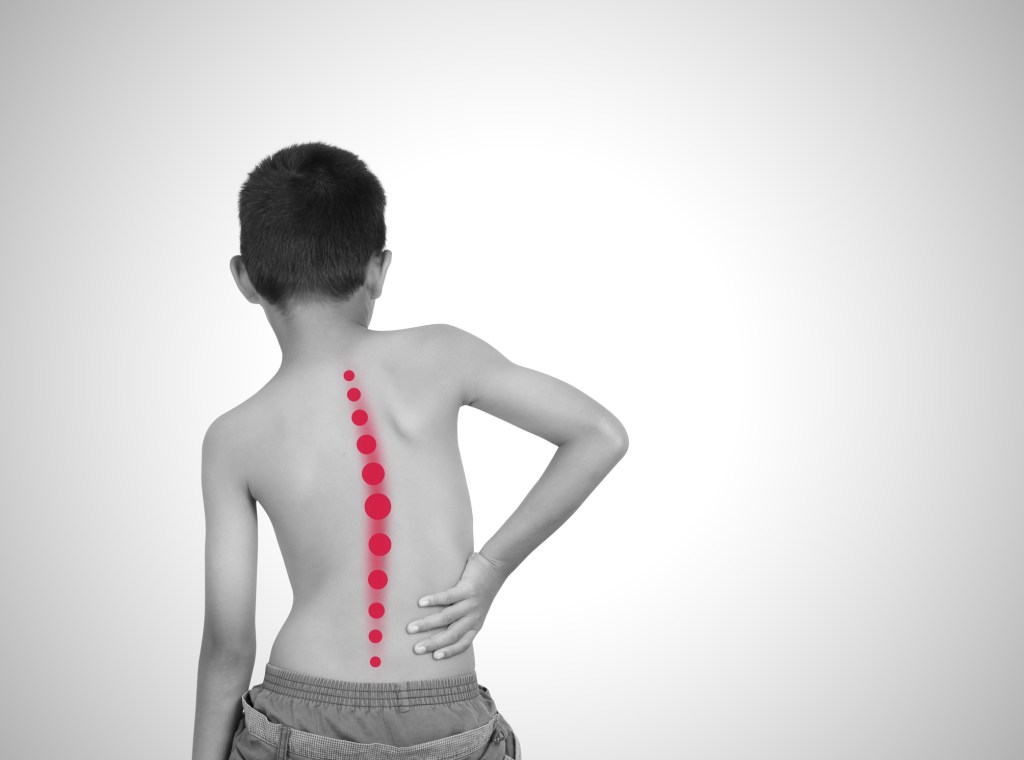

HERNIATED DISK

A herniated disk is also known as a slipped, ruptured or bulging disk. It’s one of the most common causes of neck, back and leg pain. Most of the time, herniated disks heal on their own or with simple home-care measures.

What is a herniated disk?

A herniated disk is an injury of the spine (backbone). You have a series of bones (vertebrae) in your spine, stretching from the base of your skull to your tailbone. Between your vertebrae are round cushions called disks. The disks act as buffers between your bones, allowing you to bend and move with ease. When one of these disks tears or leaks, it’s called a herniated disk.

Every year, up to 2% of people get a herniated disk. Herniated disks are a leading cause of neck and/or arm, and back and/or leg pain (sciatica). They can happen anywhere along the spine, but herniated disks most often occur in the lower back or the neck. It’s rare for a herniated disk to be in the mid-back.

Who gets herniated disks?

People ages 30 to 50 are most likely to get a herniated disk. The problem affects men twice as often as women. Other risk factors include:

  • Sitting for long periods in the same position.
  • Being overweight.
  • Lifting heavy objects.
  • Repetitive bending or twisting motions for work, sports or hobbies.
  • Smoking.

What causes a herniated disk?

Disks have soft, gel-like centers and a firmer outer layer, like a jelly doughnut. With time, the outer layer weakens and can crack. A herniated disk happens when the inner “jelly” substance pushes through the crack. The leaked material may press on nearby spinal nerves.

Several factors can contribute to a disk rupture, including:

  • Aging.
  • Excessive weight.
  • Repetitive motions.
  • Sudden strain from improper lifting or twisting.

What are the symptoms of a herniated disk?

Herniated disk symptoms vary depending on where the problem is in your spine. Symptoms worsen with movement and get better with rest.

Herniated or slipped disk in the back (herniated lumbar disk)

It’s common for a herniated disk in the lower back to cause “sciatic nerve” pain. This sharp pain usually shoots down one side of your buttocks into your leg and sometimes the foot. Other symptoms of a herniated disk in your lower back include:

  • Back pain.
  • Tingling or numbness in the legs and/or feet.
  • Muscle weakness.

Herniated or disk in the neck (herniated cervical disk)

Symptoms of a herniated disk in your neck include:

  • Pain near or between your shoulder blades.
  • Pain that travels to your shoulder, arm and sometimes your hand and fingers.
  • Neck pain, especially in the back and on the sides of your neck.
  • Pain that increases when bending or turning your neck.
  • Numbness or tingling in your arms.

How is a herniated disk diagnosed?

Your healthcare provider will do a thorough exam. During the physical, your provider will assess your pain, muscle reflexes, sensation and muscle strength. Your provider may also order tests such as:

  • Magnetic resonance imaging (MRI): The most common and accurate imaging test for a suspected herniated disk is an MRI.
  • X-rays: Getting X-rays helps rule out other causes of back or neck pain.
  • Computed tomography (CT): A CT scan show the bones of your spine. Herniated disks can move into the space around your spinal cord and nerves and press on them.
  • Myelogram: A myelogram involves an injection of dye into your spine using X-ray guidance for a CT scan. The dye can reveal a narrowing of the spinal canal (spinal stenosis) and location of your herniated disk.
  • Electromyogram (EMG): This test involves placing small needles into various muscles and evaluate the function of your nerves. An EMG helps determine which nerve a herniated disk affects.

What can I do at home to relieve herniated disk pain?

In most cases, pain from a herniated disk can go away in time. To ease pain while your disk heals, you can:

  • Rest for one to three days, if the pain is severe, but it important to avoid long periods of bed rest to prevent stiffness.
  • Take an over-the-counter pain reliever, such as ibuprofen or acetaminophen.
  • Apply heat or ice to the affected area.

When should I see a doctor?

Initially, you can treat herniated disk pain at home. But you should see your doctor if:

  • Pain interferes with daily life, like going to work.
  • Symptoms aren’t better after four to six weeks.
  • Symptoms get worse.
  • You develop loss of bladder or bowel control.
  • You notice tingling, numbness or loss of strength in your arms, hands, legs or feet.
  • You have trouble standing or walking.

What is the best slipped disk treatment?

You may need more advanced treatments if your symptoms aren’t getting better. Your healthcare provider might recommend:

  • Medication: Your provider may prescribe an anti-inflammatory pain reliever or muscle relaxant.
  • Physical therapy: A physical therapist teaches you an exercise program to help relieve pressure on your nerves. Exercise loosens tight muscles and improves circulation.
  • Spinal injections: Called an epidural or nerve block, a spinal injection is a shot of steroid medication directly into your spine. The medication reduces swelling and inflammation of the nerve from the disk herniation. This will allow your body to heal and return to activity faster.
  • Surgery: In rare cases, a large herniated disk might injure nerves to the bladder or bowel. That may require emergency surgery. For nonemergency cases, surgery is an option when other treatments fail. There are various ways to perform spinal decompression surgery, but the goal is to relieve pressure on the nerve.

Will I need to have spinal surgery?

Herniated disks get better on their own over time or with nonsurgical treatment for 9 out of 10 people. If other treatments don’t relieve your symptoms, your healthcare provider may recommend surgery. There are multiple surgical techniques for relieving pressure on the spinal cord and nerves, including:

  • Diskectomy to remove your herniated disk.
  • Laminectomy to remove part of the bone around a herniated disk and expand your spinal canal.
  • Artificial disk surgery to replace a damaged herniated disk with an artificial one.
  • Spinal fusion to directly join two or more vertebrae together to make your spine more stable.

How can I avoid getting a herniated disk?

It’s not always possible to prevent a herniated disk. But you can reduce your risk by:

  • Using proper lifting techniques. Don’t bend at the waist. Bend your knees while keeping your back straight. Use your strong leg muscles to help support the load.
  • Maintaining a healthy weight. Excess weight puts pressure on the lower back.
  • Practicing good posture. Learn how to improve your posture when you walk, sit, stand and sleep. Good posture reduces strain on your spine.
  • Stretching. It’s especially important to take stretching breaks if you often sit for long periods.
  • Avoiding wearing high-heeled shoes. This type of shoe throws your spine out of alignment.
  • Exercising regularly. Focus on workouts that strengthen your back and abdomen muscles to support your spine.
  • Stopping smoking. Smoking can weaken disks, making them vulnerable to rupture. Consider quitting smoking.

What is the outlook for people with herniated disks?

For up to 90% of people, herniated disk pain gets better on its own or with simple medical care. You’ll probably feel better within a month. If you don’t, you should see your healthcare provider. Some people need more aggressive medical measures, such as spinal injections or surgery.

Will a herniated disk get worse?

An untreated herniated disk can get worse. That’s especially true if you continue the activities that caused it — for instance, if it developed because of your work. A worsening ruptured disk may cause chronic (ongoing) pain and loss of control or sensation in the affected area. See your healthcare provider if you still have symptoms after four to six weeks of conservative care.

What should I ask my doctor?

Questions to ask your doctor include:

  • Do I need to rest? For how long?
  • How much walking or other activities should I be doing?
  • Are there any exercises that can help?
  • What pain medication should I take?
  • Will ice or heat help?
  • If considering spine injections, what injection is likely to help relieve my pain? What are the risks?
  • If considering surgery, what are my surgical options? What are the risks?

A note from QBan Health Care Services

Having a herniated disk can make you reluctant to move. But don’t head to bed — too little movement can make pain worse when you get up again because muscles stiffen. Try to stay active and follow your healthcare provider’s recommendations for stretching. Gentle movement coupled with an over-the-counter pain reliever helps most people feel better in a few weeks.

BACK STRAINS AND SPRAINS

A back strain is an injury to either a muscle or tendon, while a back sprain is the stretching or tearing of a ligament. The symptoms, causes and treatment of back strains and sprains are discussed.

Overview

The back is a complex structure of bone and muscle, supported by cartilage, tendons and ligaments, and fed by a network of blood vessels and nerves. The back—especially the lumbar, or lower back—bears much of the body’s weight during walking, running, lifting and other activities. It makes sense, then, that injuries to the lower back—such as strains and sprains—are common.

What is a strain?

A strain is an injury to either a muscle or tendon. Tendons are the tough, fibrous bands of tissue that connect muscle to bone. With a back strain, the muscles and tendons that support the spine are twisted, pulled or torn.

What is a sprain?

A sprain is the stretching or tearing of a ligament. Ligaments are the fibrous bands of tissue that connect two or more bones at a joint and prevent excessive movement of the joint.

How common are back strains and sprains?

Strains and sprains are very common injuries. Next to headaches, back problems are the most common complaint to healthcare professionals.

What causes a back strain or sprain?

Twisting or pulling a muscle or tendon can result in a strain. It can also be caused by a single instance of improper lifting or by overstressing the back muscles. A chronic (long-term) strain usually results from overuse after prolonged, repetitive movement of the muscles and tendons.

A sprain often occurs after a fall or sudden twist, or a blow to the body that forces a joint out of its normal position. All of these conditions stretch one or more ligaments beyond their normal range of movement, causing injury.

In addition, several factors can put a person at greater risk for a back strain or sprain, including:

  • Curving the lower back excessively
  • Having overweight
  • Having weak back or abdominal muscles, and/or tight hamstrings (muscles in the back of the thighs).

Playing sports that involve pushing and pulling—such as weightlifting and football—also increases the risk of a low back injury.

What are the symptoms of a back strain or sprain?

Symptoms of a strain or sprain include:

  • Pain that gets worse when you move
  • Muscle cramping or spasms (sudden uncontrollable muscle contractions)
  • Decreased function and/or range of motion of the joint (difficulty walking, bending forward or sideways, or standing straight)

In some cases, the person may feel a pop or tear at the time of the injury.

How are back sprains and strains diagnosed?

Mild strains and sprains can usually be diagnosed based on a medical history—including a review of the symptoms and how the injury occurred—and a physical examination by a healthcare provider. In cases of more severe strains and sprains, especially when there is weakness or loss of function, an X-ray may be taken to rule out a fractured (broken) or herniated (bulging) disk as the cause of the back pain.

How are back strains and sprains treated?

The treatment for strains and sprains is similar, and often takes place in two phases.

The goal of the first phase is to reduce the pain and spasm. This may involve rest, and the use of ice packs and compression (pressure), especially for the first 24 to 48 hours after the injury. An over-the-counter nonsteroidal anti-inflammatory drug, such as ibuprofen (Motrin®), may be recommended to help reduce pain and swelling.

After the first 24 to 48 hours, returning to normal activities, as tolerated, is advisable. Extended bed rest or immobility (nonmovement) simply prolongs symptoms and delays recovery.

Most people with lumbar strain/sprain symptoms improve in about 2 weeks. If symptoms continue for more than 2 weeks, additional treatment may be required.

What complications are associated with back strains and sprains?

The most common complication of a back strain or sprain is a reduction in activity, which can lead to weight gain, loss of bone density, and loss of muscle strength and flexibility in other areas of the body.

How can back sprains and strains be prevented?

It is not possible to prevent all back injuries, but you can take some steps to help lower the risk of a sprain or strain:

  • Eat a healthy, well-balanced diet to keep your bones and muscles strong.
  • Maintain a healthy weight. Excess weight puts added stress on the structures of the lower back.
  • Exercise regularly, including stretching, to keep your joints flexible and your muscles in good condition.
  • Practice safety measures to help prevent falls, such as wearing shoes that fit properly, and keeping stairs and walkways free of clutter.
  • Use good body mechanics when sitting, standing and lifting. For example, try to keep your back straight and your shoulders back. When sitting, keep your knees bent and your feet flat on the floor. Don’t over-reach, and avoid twisting movements. When lifting, bend your knees and use your strong leg muscles to help balance the load.
  • Stop smoking. Nicotine interferes with blood flow to the muscles.

What is the prognosis (outlook) for people with back strains and sprains?

Most people with back strains and sprains have a full recovery with treatment within 2 weeks.

When should I contact my healthcare provider about a back strain or sprain?

Call your healthcare provider if:

You have severe pain and cannot walk more than a few steps.

You have numbness in the area of injury or down your leg.

You have injured your lower back several times before.

You have a lump or area with an unusual shape.

You have pain that interferes with sleep.

You have obvious weakness in an extremity (hands or feet) after an injury.

A note from QBan Health Care Services

Strains and sprains are the most common causes of back pain. You can injure muscles, tendons or ligaments by lifting something too heavy or not lifting safely. Some people strain their back by sneezing, coughing, twisting or bending over.  Back strains and sprains can be very frustrating and interrupt your daily life. There are many treatment options to help your back pain and get back to daily activities. See your healthcare provider to discuss your options. They’re there to help.

LOWER BACK PAIN

Lower back pain is very common. It can result from a strain (injury) to muscles or tendons in the back. Other causes include arthritis, structural problems and disk injuries. Pain often gets better with rest, physical therapy and medication. Reduce your risk of low back pain by keeping at a healthy weight and staying active.

What is lower back pain?

Low back pain can result from many different injuries, conditions or diseases — most often, an injury to muscles or tendons in the back.

Pain can range from mild to severe. In some cases, pain can make it difficult or impossible to walk, sleep, work or do everyday activities.

Usually, lower back pain gets better with rest, pain relievers and physical therapy (PT). Cortisone injections and hands-on treatments (like osteopathic or chiropractic manipulation) can relieve pain and help the healing process. Some back injuries and conditions require surgical repair.

How common is lower back pain?

Around four out of five people have lower back pain at some point in their lives. It’s one of the most common reasons people visit healthcare providers.

Some people are more likely to have lower back pain than others. Risk factors for lower back pain include:

  • Age: People over 30 have more back pain. Disks (soft, rubbery tissue that cushions the bones in the spine) wear away with age. As the disks weaken and wear down, pain and stiffness can result.
  • Weight: People who have overweight/obesity or carry extra weight are more likely to have back pain. Excess weight puts pressure on joints and disks.
  • Overall health: Weakened abdominal muscles can’t support the spine, which can lead to back strains and sprains. People who smoke, drink alcohol excessively or live a sedentary lifestyle have a higher risk of back pain.
  • Occupation and lifestyle: Jobs and activities that require heavy lifting or bending can increase the risk of a back injury.
  • Structural problems: Severe back pain can result from conditions, such as scoliosis, that change spine alignment.
  • Disease: People who have a family history of osteoarthritis, certain types of cancer and other disease have a higher risk of low back pain.
  • Mental health: Back pain can result from depression and anxiety.

What are the symptoms of lower back pain?

Symptoms of lower back pain can come on suddenly or appear gradually. Sometimes, pain occurs after a specific event, such as bending to pick something up. Other times, you may not know what caused the pain.

Pain may be sharp or dull and achy, and it may radiate to your bottom or down the back of your legs (sciatica). If you strain your back during an activity, you may hear a “pop” when it happened. Pain is often worse in certain positions (like bending over) and gets better when you lie down.

Other symptoms of lower back pain include:

  • Stiffness: It may be tough to move or straighten your back. Getting up from a seated position may take a while, and you might feel like you need to walk or stretch to loosen up. You may notice decreased range of motion.
  • Posture problems: Many people with back pain find it hard to stand up straight. You may stand “crooked” or bent, with your torso off to the side rather than aligned with your spine. Your lower back may look flat instead of curved.
  • Muscle spasms: After a strain, muscles in the lower back can spasm or contract uncontrollably. Muscle spasms can cause extreme pain and make it difficult or impossible to stand, walk or move.

What causes lower back pain?

Many injuries, conditions and diseases can cause lower back pain. They include:

  • Strains and sprains: Back strains and sprains are the most common cause of back pain. You can injure muscles, tendons or ligaments by lifting something too heavy or not lifting safely. Some people strain their back by sneezing, coughing, twisting or bending over.
  • Fractures: The bones in the spine can break during an accident, like a car crash or a fall. Certain conditions (such as spondylolysis or osteoporosis) increase the risk of fractures.
  • Disk problems: Disks cushion the vertebrae (small spinal bones). Disks can bulge from their position in the spine and press on a nerve. They can also tear (herniated disk). With age, disks can get flatter and offer less protection (degenerative disk disease).
  • Structural problems: A condition called spinal stenosis happens when the spinal column is too narrow for the spinal cord. Something pinching the spinal cord can cause severe sciatic nerve pain and lower back pain. Scoliosis (curvature of the spine) can lead to pain, stiffness and difficulty moving.
  • Arthritis: Osteoarthritis is the most common type of arthritis to cause lower back pain. Ankylosing spondylitis causes lower back pain, inflammation and stiffness in the spine.
  • Disease: Spine tumors, infections and several types of cancer can cause back pain. Other conditions can cause back pain, too. These include kidney stones and abdominal aortic aneurysm.
  • Spondylolisthesis: This condition causes the vertebrae in the spine to slip out of place. Spondylolisthesis leads to low back pain and often leg pain as well.

How is lower back pain diagnosed?

Your provider will ask about your symptoms and do a physical exam. To check for broken bones or other damage, your provider may order imaging studies. These studies help your provider see clear pictures of your vertebrae, disks, muscles, ligaments and tendons.

Your provider may order:

  • Spine X-ray, which uses radiation to produce images of bones.
  • MRI, which uses a magnet and radio waves to create pictures of bones, muscles, tendons and other soft tissues.
  • CT scan, which uses X-rays and a computer to create 3D images of bones and soft tissues.
  • Electromyography (EMG) to test nerves and muscles and check for neuropathy (nerve damage), which can cause tingling or numbness in your legs.
  • Depending on the cause of pain, your provider may also order blood tests or urine tests. Blood tests can detect genetic markers for some conditions that cause back pain (such as ankylosing spondylitis). Urine tests check for kidney stones, which cause pain in the flank (the sides of the low back).

What are the treatments for lower back pain?

Lower back pain usually gets better with rest, ice and over-the-counter pain relievers. After a few days of rest, you can start to get back to your normal activities. Staying active increases blood flow to the area and helps you heal.

Other treatments for lower back pain depend on the cause. They include:

  • Medications: Your provider may recommend nonsteroidal anti-inflammatory drugs (NSAIDs) or prescription drugs to relieve pain. Other medications relax muscles and prevent back spasms.
  • Physical therapy (PT): PT can strengthen muscles so they can support your spine. PT also improves flexibility and helps you avoid another injury.
  • Hands-on manipulation: Several “hands-on” treatments can relax tight muscles, reduce pain and improve posture and alignment. Depending on the cause of pain, you may need osteopathic manipulation or chiropractic adjustments. Massage therapy can also help with back pain relief and restore function.
  • Injections: Your provider uses a needle to inject medication into the area that’s causing pain. Steroid injections relieve pain and reduce inflammation.
  • Surgery: Some injuries and conditions need surgical repair. There are several types of surgery for low back pain, including many minimally invasive techniques.

Can I prevent lower back pain?

You can’t prevent lower back pain that results from disease or structural problems in the spine. But you can avoid injuries that cause back pain.

To reduce your risk of a back injury, you should:

  • Maintain a healthy weight: Excess weight puts pressure on vertebrae and disks.
  • Strengthen your abdominal muscles: Pilates and other exercise programs strengthen core muscles that support the spine.
  • Lift the right way: To avoid injuries, lift with your legs (not your back). Hold heavy items close to your body. Try not to twist your torso while you’re lifting.

What is the outlook for people with lower back pain?

The outlook depends on the cause of pain. Most people with back strains and sprains recover and do not have long-term health issues. But many people will have another episode within a year.

Some people have chronic back pain that doesn’t get better after several weeks. Older people with degenerative conditions such as arthritis and osteoporosis may have symptoms that get worse over time. Surgery and other treatments are effective at helping people with a range of injuries and conditions live pain-free.

When should I see my healthcare provider about lower back pain?

Lower back pain usually gets better with rest and pain relievers. Back pain that doesn’t go away may be a sign of a more serious condition.

See your provider if you have:

  • Pain that doesn’t get better after about a week of at-home care.
  • Tingling, numbness, weakness or pain in your buttocks or legs.
  • Severe pain or muscle spasms that interfere with your normal activities.
  • Fever, weight loss, bowel or bladder problems or other unexplained symptoms.

A note from QBan Health Care Services

Millions of people live with low back pain. Stiffness, pain and limited movement can have a major impact on quality of life. But you may be able to avoid lower back pain by maintaining a healthy weight and staying active. Talk to your provider if back pain doesn’t go away or if you’re unable to do the activities you enjoy. Several treatments can relieve pain, help you move better and get more out of life.

BACK PAIN

Pain in your back can keep you from working and living your normal life. There are so many possible reasons for your back pain that it’s wise to see your healthcare provider soon instead of trying to figure it out yourself. You may have something common like a muscle strain or there could be an underlying condition like kidney stones or endometriosis.

What is back pain?

Pain in your back can be an annoying ache, or it can get so bad that it’s unbearable. Back pain is the second most common reason why people visit their healthcare providers (just after colds). Many people miss work because of it. Around 80% to 90% of people in the United States will have back pain at some point in their lives.

What are the types of back pain?

Back pain is categorized in a number of ways by medical professionals. You can describe your back pain by its location: upper, middle or lower back pain that’s on the left side, center or right side. You may also define different types of pain to your healthcare provider. Is your pain mild, moderate or severe? Is the pain a broad ache or a smaller sharp stab? Also, back pain can be categorized by how long it lasts. An acute episode is one that is sudden and brief, and often related to an injury. Chronic/persistent means your back pain has lasted more than three to six months.

How common is back pain?

Back pain is very common. Daily, about 2% of the U.S. workforce is disabled by back pain, which is the most common reason cited for an inability to perform daily tasks.

Who is at risk for back pain?

The older you are, the more likely you are to experience back pain. You’re also at a higher risk if you:

  • Don’t exercise.
  • Already have some types of cancer or arthritis.
  • Are overweight.
  • Lift using your back instead of your legs.
  • Have anxiety or depression.
  • Smoke or use other tobacco products.

There are causes of local back pain (pain in your spine, muscles and other tissues in your back) and then there are causes of radiating back pain (pain from a problem in an organ that spreads to or feels like it’s in your back). Examples of both include:

Local back pain

Back pain in your spine may be caused by:

  • Ankylosing spondylitis.
  • Arthritis.
  • Degenerative spondylolisthesis.
  • Intervertebral disk degeneration.
  • Radiculopathy.
  • Sacroiliac joint dysfunction.
  • Spinal disk degeneration.
  • Spinal stenosis.
  • Spondylolisthesis.
  • Trauma/injury.
  • Tumor.

Back pain localized in your tissues may be caused by:

Radiating back pain

Radiating back pain may be caused by:

  • Abdominal aortic aneurysms.
  • Appendicitis.
  • Cancers (very rare).
  • Fibromyalgia and myofascial pain syndrome.
  • Infections (very rare).
  • Gallbladder inflammation.
  • Kidney infection and kidney stones.
  • Liver problems.
  • Pancreatitis.
  • Pelvic inflammatory diseases (sexually transmitted infections).
  • Perforating stomach ulcers.
  • Urinary tract infections.

In women or people assigned female at birth (AFAB), radiating back pain may be caused by:

In men or people assigned male at birth (AMAB), radiating back pain may be caused by:

  • Testicular injury or torsion.

How long does back pain last?

Back pain can last a day, a few weeks, months or a lifetime. The length of time depends on the cause and the treatment.

Is back pain a symptom of pregnancy?

It can be. Many people who are pregnant experience back pain.

Can back pain be a sign of cancer?

It’s extremely rare – only about 1% of the time will back pain be a sign of cancer.

How is back pain evaluated and diagnosed?

In many cases, your healthcare provider may get all the information they need from interviewing you about your symptoms, health history and lifestyle and then doing an exam. However, sometimes image tests are necessary. These may include:

  • X-rays.
  • MRI.
  • CT scans.
  • Bone scan.
  • EMGs.

Which healthcare providers evaluate and diagnose back pain?

Your primary healthcare provider is often able to determine the cause and diagnose your back pain. If needed, they’ll send you to a specialist and/or order tests. Possible specialists include:

  • A physical therapist.
  • An osteopath.
  • A chiropractor.
  • A medical spine provider who specializes in back pain.
  • An orthopaedic provider who specializes in bones and joints.

Your healthcare provider may also recommend a therapist or psychiatrist if you’re struggling to cope with your pain.

What questions might a healthcare provider ask to help diagnose back pain?

Your healthcare provider will ask if you injured yourself, how long you’ve had back pain and how severe your pain is. They need to know other medical problems you have and what medications you take. If you have family members who have had similar issues, let your provider know. They might also ask questions such as:

  • Are you able to work every day?
  • Does what you do for a living involve lifting?
  • Do any of your hobbies aggravate your back pain?
  • Do you have any other symptoms? (For example, if you have pain when you urinate in addition to your back pain then that may indicate a urinary tract infection.)
  • Where is your pain located?
  • How does the pain affect your daily activities?
  • What at-home treatments have you tried? (ice packs, heat pads, etc.)

How long will I have back pain?

This depends on the cause of your back pain. If your pain is caused by an infection, for example, it might go away after the course of antibiotic is complete. If your pain is caused by spinal degeneration, you may need treatment through your lifetime.

How is back pain treated?

The cause of your back pain determines the treatment. For your back pain you may feel better with:

  • Cold packs and/or heating pads.
  • Stretching exercises.
  • Massages.
  • Surgery.
  • Antibiotics.
  • Cortisone.
  • Traction.
  • Physical therapy.
  • Other over-the-counter and prescribed muscle relaxants, steroids and pain medications.
  • Exercise — specifically strengthening exercises.
  • Chiropractic care.
  • Acupuncture.

What can I do to help relieve the symptoms of back pain?

If you had an acute injury, use a cold pack for 20 to 30 minutes at a time for the first 48 hours or so. After that (or if there was no acute injury), you may find it helps more to alternate a cold pack and a heating pad. Keep one on the area for 20 to 30 minutes, and then switch. Take over-the-counter pain medications like ibuprofen (Advil®) or acetaminophen (Tylenol®). Get plenty of rest and fluids.

If you see your provider, make sure you take all medications prescribed, get all of your testing done and attend all of your appointments.

How should I sleep with back pain?

It may feel most comfortable to sleep on your back with a pillow under your knees to relieve pressure on your back. If this isn’t comfortable for you, try sleeping on your side with a pillow between your knees. Avoid sleeping on your stomach.

What can I do to reduce my risk of back pain?

Possible ways to reduce your risk of back pain include:

  • Learn to lift with your legs, not your back muscles.
  • Exercise.
  • Maintain a healthy weight.
  • Don’t slouch. Keep your back straight when you stand and sit.
  • Stop smoking and using tobacco products.
  • Get help for stress, anxiety and depression.
  • Wear low-heeled shoes.
  • Stretch regularly.

Can back pain go away on its own?

Back pain may go away on its own in some cases, but it’s best to get treatment, especially if you don’t know the cause.

When can I get back to my normal activities?

Talk to your healthcare provider about a timeline regarding when you can get back to daily activities. You may need to take time off work to rest, or you may be able to go as long as you follow your providers’ recommended treatments. Don’t guess about when you’ll be ready — confirm it with your provider.

Can back pain come back after it’s treated?

Yes, muscles and bones can get sore again.

When should I see my healthcare provider?

See your healthcare provider about your back pain if it’s severe or doesn’t get better after a few weeks. See them immediately if:

  • You feel weakness in your legs.
  • You feel numbness or tingling in your legs, genitals, buttocks or anus.
  • You’re losing weight (not on purpose).
  • There’s swelling in your back.
  • The pain spreads down one or both of your legs.

If your pain isn’t any better after four to seven days of treatment, you should contact your healthcare provider again. See your provider again as soon as possible if you now have back pain plus:

  • Blood or pus in your poop.
  • Fever.
  • Urine (pee) that is bloody or cloudy, if it smells bad or if peeing is painful.
  • Groin pain.
  • Vomiting.
  • Nausea.
  • Pain during or after sex.
  • Irregular periods.
  • Abdominal pain

What questions should I ask my healthcare provider about my back pain?

See your provider and get treatment soon so that you don’t have to suffer from back pain. Some of the questions you may want to ask them include:

  • What’s causing my back pain?
  • Is there a name for my type of back pain?
  • Will my pain go away on its own?
  • What’s my best treatment option?
  • What can I do at home to help treat my pain?
  • Do I need to see a specialist?
  • Can I work/go about my usual activities?
  • How can I prevent the back pain from coming back?

When is back pain an emergency?

Call 911 or go to the emergency department if:

  • The pain is sudden and severe.
  • You have pain and you can’t control your bowels or urine, or have nausea, fever or vomiting.
  • Your pain is so severe that you can’t go about your daily activities.

A note from QBan Health Care Services

Back pain can be very frustrating and interrupt your daily life. There are many treatment options to help your back pain and get back to daily activities. See your healthcare provider to discuss your options. They’re there to help.

ANKYLOSING SPONDYLITIS

Ankylosing spondylitis (AS) is a type of arthritis that affects the joints in your spine. It usually develops in your sacroiliac joints (where the bottom of your spine joins your pelvis). It causes typical arthritis symptoms like pain and stiffness, but it can also cause digestive symptoms, rashes and weight loss.

What is ankylosing spondylitis?

Ankylosing spondylitis is a type of arthritis that affects joints in your spine. Healthcare providers sometimes call it axial spondylarthritis.

Ankylosing spondylitis (AS) also affects the joints where the base of your spine meets your pelvis (your sacroiliac joints). Your sacroiliac joints are the connection between your spine and pelvis. Specifically, they’re the place where the sacrum (the triangle-shaped last section of your spine) meets the ilium (the top and back part of your pelvis).

The sacroiliac joints are some of the biggest joints in your body, and you use them every time you move or shift your hips.

It’s less common, but ankylosing spondylitis can affect other joints, including your:

Ankylosing spondylitis causes pain, stiffness and gastrointestinal (GI) symptoms. Visit a healthcare provider if you’re experiencing lower back pain, especially if it’s getting worse or making it hard to do all your usual daily activities.

What are ankylosing spondylitis symptoms?

Everyone with ankylosing spondylitis experiences a unique combination of symptoms. Lower back pain due to sacroiliitis (painful inflammation in your sacroiliac joints) is the most common AS symptom.

The pain can spread (radiate). You might experience other types of pain, including:

Other ankylosing spondylitis symptoms can include:

What causes ankylosing spondylitis?

Ankylosing spondylitis is an autoimmune disease. Autoimmune diseases happen when your immune system attacks your body instead of protecting it.

Experts aren’t certain what causes ankylosing spondylitis. Studies have found that specific genetic mutations are closely linked to having AS. Genetic mutations are changes to your DNA sequence that happen when your cells divide to make copies of themselves.

There are more than 60 mutated genes that might cause AS. One example is the human leukocyte antigen-B (HLA-B27) gene. More than 90% of white people who have AS also have a mutated HLA-B27 gene.

What are the risk factors?

Anyone can develop ankylosing spondylitis, but certain groups of people are more likely to have it, including:

  • People younger than 40 (more than 80% of people with AS are diagnosed when they’re around 30).
  • People assigned male at birth (AMAB).
  • People who have a close biological relative with AS (especially a biological parent).

People with certain health conditions are more likely to have ankylosing spondylitis, including:

What are the complications of ankylosing spondylitis?

People with ankylosing spondylitis have a higher risk of spinal fractures (broken bones in your spine).

Other complications can include:

  • Fused vertebrae (bones in your spine joining together).
  • Kyphosis (a forward curve in your spine).
  • Osteoporosis.
  • Eye and vision issues like uveitis or light sensitivity.
  • Heart issues, including aortitis, arrhythmia and cardiomyopathy.
  • Nerve damage.

How do providers diagnose ankylosing spondylitis?

A healthcare provider will diagnose ankylosing spondylitis with a physical exam. They’ll examine your body and discuss your symptoms. Tell your provider when you first noticed pain or other symptoms, including if any time of day or activity makes them worse.

You might need to visit a rheumatologist, a healthcare provider who specializes in treating arthritis and similar conditions.

What tests do healthcare providers use to diagnose ankylosing spondylitis?

There’s no one test that can confirm you have AS. Your provider might use a few tests to help diagnose it, including:

How is ankylosing spondylitis treated?

Your healthcare provider will suggest treatments to manage your symptoms and reduce how much they affect your daily routine.

Common treatments for ankylosing spondylitis include:

  • Exercise: Regular physical activity can reduce stiffness and stop AS from getting worse. Many people experience more severe pain when they’re inactive. A physical therapist can suggest specific stretches and exercises to help strengthen the muscles that support your back and spine.
  • Nonsteroidal anti-inflammatory drugs (NSAIDs): Over-the-counter (OTC) NSAIDs, including ibuprofen and naproxen ease pain and inflammation. Talk to your provider before taking NSAIDs for more than 10 days in a row
  • Biologic disease-modifying anti-rheumatic drugs (DMARDs): Biologic DMARDs are prescription medications that reduce inflammation and pain. They might also stop AS from getting worse.
  • Corticosteroids: Corticosteroids are prescription anti-inflammatory medications. You might need cortisone shots (an injection of corticosteroids directly into your affected joints).
  • Surgery: It’s rare to need surgery to treat AS. Your provider will usually only suggest it if you have severe symptoms that don’t get better after trying other treatments.

How soon will I feel better?

You should start feeling better soon after starting treatment. Your symptoms might not completely go away, but they should improve as you find treatments that work for you. Ask your provider when to expect improvements. Exercise and physical therapy are a gradual process, and medications take different amounts of time to take effect.

What can I expect if I have ankylosing spondylitis?

Ankylosing spondylitis is a chronic (long-term) condition. You should expect to manage your symptoms for a long time (maybe the rest of your life). Some people with AS have periods of remission where they have fewer, or milder, symptoms. Even if it’s been a while since you experienced symptoms, there’s always a chance they can come back.

There’s no cure for AS (or any other type of arthritis), but that doesn’t mean you have to live in pain. Talk to your provider about what you’re feeling. Tell them how much your symptoms impact your ability to do your favorite activities.

How do I take care of myself?

In addition to following your AS treatment regimen, there are some steps you can take to reduce inflammation in your body and stress on your joints:

  • Follow a diet and exercise plan that’s healthy for you.
  • Limit how much alcohol you drink.
  • Quit smoking.

When should I see my healthcare provider?

Visit your healthcare provider if you notice new symptoms, or if your symptoms get worse. Talk to your provider if it feels like your treatments aren’t managing your symptoms as well as they used to.

See a healthcare provider if you experience any of the following symptoms:

  • Chest pain.
  • Difficulty breathing.
  • Vision problems.
  • Severe back pain or other joint pain.
  • Your spine feels unusually stiff or rigid.
  • Unexplained weight loss.

What questions should I ask my healthcare provider?

Questions to ask your provider include:

  • Do I have ankylosing spondylitis or another type of arthritis?
  • Will I need genetic testing?
  • Which treatments will manage my symptoms?
  • Will I need physical therapy?

A note from QBan Health Care Services

Managing any type of arthritis can be frustrating. If you have ankylosing spondylitis, it’s a literal pain in the back. Pain, stiffness and other symptoms can take a toll on your day-to-day energy levels, but the good news is that AS is manageable.

Your healthcare provider will help you find treatments that reduce how much AS symptoms interfere with your day-to-day routine. Don’t be afraid to ask questions or talk to them about your treatments. You’re the best judge of how you feel.

JUVENILE IDIOPATHIC ARTHRITIS

Juvenile idiopathic arthritis is the most common type of arthritis in children. Symptoms include stiffness, pain and vision problems. Treatments include medications and physical and occupational therapy.

What is juvenile idiopathic arthritis?

Juvenile idiopathic arthritis (JIA) is the most common type of arthritis that affects children. JIA is a chronic (long-lasting) disease that can affect joints in any part of the body.

JIA is an autoimmune disease in which the body’s immune system mistakenly targets the synovium, the tissue that lines the inside of the joint, and the synovial fluid in the joint. This causes the synovium to make extra synovial fluid, which leads to swelling, pain and stiffness in the joint.

This process can spread to the nearby tissues, eventually damaging cartilage and bone. Other areas of the body, especially the eyes, may also be affected by the inflammation. If it is not treated, JIA can interfere with a child’s normal growth and development.

What are the types of juvenile idiopathic arthritis?

There are several types of JIA, depending on the symptoms and the number of joints involved:

  • Oligoarthritis: This type of JIA affects fewer than five joints, most often in the knee, ankle and elbow. It also can cause uveitis, an inflammation of the middle layer of the eye (the uvea). Uveitis may be undetectable without a dedicated eye exam. About half of all children with JIA have oligoarthritis; it is more common in girls than in boys. Many children will outgrow oligoarthritis by adulthood. In some children, it may spread to eventually involve more joints.
  • Polyarthritis: This type of JIA affects five or more joints, often the same joints on each side of the body. Polyartritis can also affect the neck and jaw joints and the smaller joints, such as those in the hands and feet. It is more common in girls than in boys and accounts for 20 percent of JIA patients
  • Psoriatic arthritis: This type of arthritis affects children who have arthritis and psoriasis, a rash that causes raised red patches or skin lesions covered with a silvery white buildup of dead skin cells. Psoriatic arthritis can also cause nail changes that look like dimpling or pitting.
  • Enthesitis-related arthritis: Also known as spondyloarthropathy. This type of arthritis often affects the spine, hips and entheses (the points where tendons and ligaments attach to bones), and occurs mainly in boys older than seven years. The eyes are often affected in this type of arthritis, and may become painful or red.
  • Systemic arthritis: Also called Still’s disease, this type occurs in about 10 to 20 percent of children with JIA. A systemic illness is one that can affect the entire body or many body systems. Besides arthritis, systemic JIA usually causes persistent high fever and rash, which most often appears on the trunk, arms and legs when fever spikes. It can also affect internal organs, such as the heart, liver, spleen and lymph nodes. This type of JIA affects boys and girls equally and rarely affects the eyes.

How common is juvenile idiopathic arthritis?

JIA is the most common type of arthritis in children. It affects about 1 in 1,000 children, or about 300,000 children in the United States.

What causes juvenile idiopathic arthritis?

The causes of JIA are not known. Factors that may be involved, alone or in combination, include genetics (the disease may be inherited), infection and environmental factors that influence the immune system.

What are the symptoms of juvenile idiopathic arthritis?

Symptoms vary depending on the type of JIA and may include:

  • Pain, swelling and tenderness in the joints. The joints may also feel warm.
  • Morning joint stiffness
  • Limping gait (younger children may not be able to perform motor activities that they recently learned)
  • Fever
  • Rash
  • Weight loss
  • Swollen lymph nodes
  • Fatigue or irritability
  • Eye redness, eye pain, and blurred vision

How is juvenile idiopathic arthritis diagnosed?

Because there are no tests for JIA, the doctor will try to rule out other causes of arthritis and other diseases as the cause of the symptoms.

To diagnose JIA, the doctor will take a complete medical history that includes a description of symptoms and perform a physical examination. The doctor will also examine the joints for signs of arthritis.

The doctor may also order these tests:

  • Imaging techniques such as X-rays or magnetic resonance imaging (MRI) to show the condition of the joints;
  • Laboratory tests on blood, urine, and/or joint fluid to help determine the type of arthritis. These include tests to determine the degree of inflammation and the presence of the substances antinuclear antibody (ANA) and rheumatoid factor. These tests also can help rule out other diseases — such as an infection, bone disorder, or cancer — or an injury as the cause of the symptoms.

How is juvenile idiopathic arthritis treated?

The goals of treatment are to relieve pain, reduce swelling, increase joint mobility and strength, and prevent joint damage and complications. Treatment generally includes medications and exercise.

Medications used to treat JIA include the following:

  • Nonsteroidal anti-inflammatory drugs (NSAIDs): These medicines provide pain relief and reduce swelling, but do not affect the course or prognosis of JIA. Some are available over the counter and others require a prescription. NSAIDs include ibuprofen (such as Motrin® and Advil®) and naproxen (such as Aleve®). These medicines can cause nausea and stomach upset in some people and need to be taken with food.
  • Corticosteroids (steroids): Corticosteroids are often given as an injection (shot) into a single affected joint. These medications can also be taken orally (by mouth) as a pill, especially by patients with more widespread disease. Oral corticosteroids can have serious side effects, including weakened bones, especially when used for long periods. Doctors usually try to limit using long-term steroids in children because they can interfere with a child’s normal growth.
  • Disease-modifying anti-rheumatic drugs (DMARDs): These medications work by changing, or modifying, the actual disease process in arthritis. The aim of DMARD therapy is to prevent bone and joint destruction by suppressing the immune system’s attack on the joints. Methotrexate is the DMARD most often used to treat JIA. Other medications used include sulfasalazine and leflunomide.
  • Biological modifying agents: Biological agents are medications that directly target molecules or proteins in the immune system that are responsible for causing the inflammation. They are given by subcutaneous injection or intravenously and are used to treat children with more severe arthritis that has not responded to other medications. Biological agents must be used with caution because they suppress the immune system and make children more vulnerable to infection. These drugs include etanercept, infliximab, adalimumab, abatacept, anakinra, rilonacept, and tocilizumab.

Exercise and physical and occupational therapy can help reduce pain, maintain muscle tone, improve mobility (ability to move) and prevent permanent handicaps. In some cases, splints or braces also may be used to help protect the joints as the child grows. Special accommodations with schools may be needed to adjust for children with limitations from their arthritis.

What complications are associated with juvenile idiopathic arthritis?

If it is not treated, JIA can lead to:

  • Permanent damage to joints
  • Interference with a child’s bones and growth
  • Chronic (long-term) arthritis and disability (loss of function)
  • Vision problems, including a loss of vision caused by uveitis (inflammation inside the eye)
  • Inflammation of the membranes surrounding the heart (pericarditis) or lungs (pleuritis) in systemic JIA

Can juvenile idiopathic arthritis be prevented?

At this time, because the cause of JIA is unknown, there is no method to prevent the development of JIA.

What is the prognosis (outlook) for children who have juvenile idiopathic arthritis?

JIA affects each child differently. For some, only one or two joints are affected and the disease is easy to control. For others, JIA may involve many joints and the symptoms may be more severe and may last longer.

With early detection and treatment, including physical and occupational therapy, it is possible to achieve good control of the arthritis, prevent joint damage, and allow normal or near-normal function for most children who have JIA.

A note from QBan Health Care Services

Children with JIA should live life as normal as possible. Attending school, playing sports, participating in extracurricular and family activities regularly is encouraged. Exercise does not make symptoms of arthritis worse. In fact, exercise can help prevent deconditioning, increase muscle strength and muscle endurance to support the joints.

There is no evidence that shows special diets are effective for arthritis, so children can eat a standard, well-balanced diet.

PSORIATIC ARTHRITIS

Psoriatic arthritis is a form of arthritis that’s linked to psoriasis — a chronic skin condition. The most common symptoms are joint pain and stiffness, skin rashes and changes in your fingernails and toenails. There’s no cure for psoriatic arthritis, but a healthcare provider will help you find treatments to manage your symptoms.

What is psoriatic arthritis?

Psoriatic arthritis is a type of arthritis. It usually affects people who have psoriasis or a biological family history of psoriasis.

Arthritis is a common disorder that affects your joints. It causes pain and inflammation in and around your joints. Psoriasis causes inflammation in your skin. Psoriasis rashes are patches of discolored skin covered with scales. These thick, scaly areas are called plaques. It can also make your fingernails and toenails thicken and look flaky or pitted (covered in tiny indentations).

Both arthritis and psoriasis are autoimmune diseases. An autoimmune disease is the result of your immune system accidentally attacking your body instead of protecting it. Psoriatic arthritis happens when you develop psoriasis symptoms on your skin and inflammation in your joints.

Psoriatic arthritis symptoms on your skin and in your joints usually come and go in periods called flares. A healthcare provider will suggest treatments to relieve your symptoms during a flare.

Visit a healthcare provider if you notice new symptoms on your skin or pain, swelling or stiffness in your joints.

How common is it?

Less than 1% of all people experience psoriatic arthritis. But it’s much more common in people who have psoriasis. Around 30% of people with psoriasis develop psoriatic arthritis at some point in their life.

What are the five forms of psoriatic arthritis?

A healthcare provider might classify psoriatic arthritis based on which joints it affects or on which side of your body you experience symptoms. The five forms of psoriatic arthritis include:

  • Distal interphalangeal predominant psoriatic arthritis: This affects the joints near the end of your fingers and toes (phalanges). It’s the most common type of psoriatic arthritis that affects your fingernails and toenails. Your nails might look discolored, flaky or pitted.
  • Symmetric polyarthritis: Polyarthritis affects five or more joints at the same time. Symmetric polyarthritis affects the same joints on both sides of your body. For example, both of your knees and both elbows. It’s one of the most common types of psoriatic arthritis.
  • Asymmetric oligoarticular psoriatic arthritis: This affects two to four joints on both sides of your body — one knee and one elbow, for example. It’s the other most common form of psoriatic arthritis (along with symmetric polyarthritis).
  • Spondylitis: Your spine is made of 33 bones called vertebrae (the plural form of vertebra). Spondylitis causes inflammation and other symptoms in the joints between your vertebrae. It can also cause pain in your hips and shoulders.
  • Arthritis mutilans: This causes severe symptoms in your hands and feet. The inflammation is usually severe enough to cause bone loss (osteolysis). It’s the rarest form of psoriatic arthritis. Less than 5% of all people with psoriatic arthritis have arthritis mutilans.

What are psoriatic arthritis symptoms?

Psoriatic arthritis can affect any joint in your body. Your symptoms can be mild — only a small amount of pain and stiffness with few signs of psoriasis on your skin. More severe psoriatic arthritis flares can make it hard or impossible to move and use your joints and will cause larger patches of psoriasis on your skin.

The most common psoriatic arthritis symptoms include:

  • Joint pain.
  • Stiffness.
  • Discoloration or redness near your affected joints.
  • Pain or tenderness where tendons and ligaments attach to your bones (like near your Achilles tendon).
  • Swelling in your fingers and toes (dactylitis or “sausage fingers”).
  • Psoriasis rash — silver or gray scaly patches on your skin (especially your scalp, elbows, knees and lower back).
  • Nail psoriasis symptoms like discoloration or pitting on your fingernails or toenails.
  • Fatigue.

What causes psoriatic arthritis?

Experts aren’t sure what causes psoriatic arthritis. Some studies have found that people with psoriatic arthritis have similar genetic mutations. Experts can’t say for certain if these changes in your genes are what cause psoriatic arthritis or if they change after you develop it.

Around 40% of people with psoriatic arthritis have a family member that also has it. This means it might be a hereditary condition — passed from biological parents to their children.

Tell your healthcare provider if someone in your family has psoriasis or psoriatic arthritis.

What are the risk factors?

Psoriatic arthritis can affect anyone. It usually develops in people between 30 and 50.

People with psoriatic arthritis typically develop psoriasis in their teens or early 20s and don’t develop symptoms in their joints until later in life.

What are psoriatic arthritis complications?

People with psoriatic arthritis are more likely to develop other health conditions, including:

Psoriatic arthritis symptoms can make it painful or difficult to use your joints. This can make it hard to get enough exercise. Talk to a healthcare provider about low-impact exercises that put less pressure on your joints. Yoga, walking or aqua therapy are all good ways to work out without stressing your joints.

How is psoriatic arthritis diagnosed?

A healthcare provider will diagnose psoriatic arthritis with a physical exam and some tests. Your provider will ask you about your symptoms and look at your skin and joints.

You might need to visit a rheumatologist, a provider who specializes in treating musculoskeletal conditions, autoimmune disorders and inflammatory conditions. A dermatologist — a provider who specializes in taking care of your skin — can diagnose and suggest treatments for psoriasis.

There’s no test that can diagnose psoriatic arthritis, but your provider might use tests to rule out other causes of your symptoms. They might use blood tests to check for infections. Imaging tests can take pictures of your joints to show damage or inflammation. You might need one or a few imaging tests, including:

How is psoriatic arthritis treated?

Your healthcare provider will suggest treatments to manage your symptoms. Which treatments you’ll need depends on:

  • Which joints the arthritis affects.
  • How severe your symptoms are.
  • How much the symptoms affect your ability to participate in your usual daily activities.

The most common treatments for psoriatic arthritis include:

Psoriatic arthritis surgery

It’s very rare to need surgery if you have psoriatic arthritis. If your joints are damaged or you’ve experienced bone loss, you might need an arthroplasty (joint replacement). Your provider or surgeon will tell you which type of surgery you’ll need and what to expect.

How can I prevent psoriatic arthritis?

Because experts don’t know what causes psoriatic arthritis, you can’t prevent it. You can lower your chances of developing all types of arthritis by:

  • Avoiding tobacco products.
  • Following a diet and exercise plan that’s healthy for you.
  • Doing low-impact, non-weight-bearing exercise.
  • Always wearing proper protective equipment for any activity that could damage your joints.

What can I expect if I have psoriatic arthritis?

You should expect to manage your symptoms for a long time (maybe the rest of your life). Some people experience long periods of time between flares, but there’s no cure for psoriatic arthritis.

It can be frustrating when a flare happens suddenly. Eventually, you might learn to recognize the warning signs of a flare and start managing symptoms before they become more severe. Talk to a healthcare provider if you feel like your symptoms are getting worse or your current treatments aren’t managing them well enough.

When should I see my healthcare provider?

Visit a healthcare provider if you notice new rashes or other symptoms on your skin or if you’re experiencing joint pain. Talk to your provider if your psoriatic arthritis symptoms are changing, flaring up more often or getting more severe.

What questions should I ask my doctor?

  • Do I have psoriatic arthritis or another type of arthritis?
  • Which tests will I need?
  • Which treatments will manage my symptoms best?
  • Should I see a rheumatologist and a dermatologist?
  • Will I need physical or occupational therapy?
  • What are good exercises to prevent muscle weakness?

Is psoriatic arthritis worse than rheumatoid arthritis?

Psoriatic arthritis and rheumatoid arthritis are different types of arthritis. They’re both autoimmune diseases.

Psoriatic arthritis is arthritis linked to psoriasis, a condition that affects your skin, fingernails and toenails. Rheumatoid arthritis is a type of arthritis that happens when your immune system attacks the tissue lining the joints on both sides of your body.

Neither condition is better or worse than the other. They’re both chronic (long-term) conditions you’ll need to manage for a long time. A healthcare provider will help you find treatments that manage your symptoms and reduce how much arthritis affects your life on a day-to-day basis.

How serious is psoriatic arthritis?

Psoriatic arthritis symptoms can range from mild to severe. You might never experience severe symptoms. But there’s a chance your symptoms will vary between flares, often with seemingly no cause or reason. Psoriatic arthritis is a chronic (long-term) condition. In that sense, it’s serious — you’ll have to manage symptoms for a long time, maybe for the rest of your life. But between flares, you should be able to participate in all your usual activities.

A note from QBan Health Care Services

It can be extremely frustrating to manage psoriatic arthritis. You might feel like you’re dealing with two conditions at the same time — the skin and nail symptoms of psoriasis and joint issues caused by arthritis. Your healthcare provider will help you find treatments that manage your symptoms during flares. They’ll also suggest ways you can keep your body healthy and strong to support your joints and skin.

Talk to your provider if it feels like your symptoms are changing, getting worse or flaring up more often. Listen to your body, and don’t hesitate to ask for adjustments in your treatment.

RHEUMATOID ARTHRITIS

Rheumatoid arthritis is a type of arthritis where your immune system attacks the tissue lining the joints on both sides of your body. It may affect other parts of your body too. The exact cause is unknown. Treatment options include lifestyle changes, physical therapy, occupational therapy, nutritional therapy, medication and surgery.

What is rheumatoid arthritis?

Rheumatoid arthritis (RA) is an autoimmune disease that is chronic (ongoing). It occurs in the joints on both sides of your body, which makes it different from other types of arthritis. You may have symptoms of pain and inflammation in your:

  • Fingers.
  • Hands.
  • Wrists
  • Knees
  • Ankles.
  • Feet.
  • Toes.

Uncontrolled inflammation damages cartilage, which normally acts as a “shock absorber” in your joints. In time, this can deform your joints. Eventually, your bone itself erodes. This can lead to the fusion of your joint (an effort of your body to protect itself from constant irritation).

Specific cells in your immune system (your body’s infection-fighting system) aid this process. These substances are produced in your joints but also circulate and cause symptoms throughout your body. In addition to affecting your joints, rheumatoid arthritis sometimes affects other parts of your body, including your:

  • Skin.
  • Eyes.
  • Mouth.
  • Lungs.
  • Heart.

Who gets rheumatoid arthritis?

Rheumatoid arthritis affects more than 1.3 million people in the United States. It’s 2.5 times more common in people designated female at birth than in people designated male at birth.

What’s the age of onset for rheumatoid arthritis?

RA usually starts to develop between the ages of 30 and 60. But anyone can develop rheumatoid arthritis. In children and young adults — usually between the ages of 16 and 40 — it’s called young-onset rheumatoid arthritis (YORA). In people who develop symptoms after they turn 60, it’s called later-onset rheumatoid arthritis (LORA).

What are the symptoms of rheumatoid arthritis?

Rheumatoid arthritis affects everyone differently. In some people, joint symptoms develop over several years. In other people, rheumatoid arthritis symptoms progress rapidly. Many people have time with symptoms (flares) and then time with no symptoms (remission).

Symptoms of rheumatoid arthritis include:

  • Pain, swelling, stiffness and tenderness in more than one joint.
  • Stiffness, especially in the morning or after sitting for long periods.
  • Pain and stiffness in the same joints on both sides of your body.
  • Fatigue (extreme tiredness).
  • Weakness.
  • Fever.

Does rheumatoid arthritis cause fatigue?

Everyone’s experience of rheumatoid arthritis is a little different. But many people with RA say that fatigue is among the worst symptoms of the disease.

Living with chronic pain can be exhausting. And fatigue can make it more difficult to manage your pain. It’s important to pay attention to your body and take breaks before you get too tired.

What are rheumatoid arthritis flare symptoms?

The symptoms of a rheumatoid arthritis flare aren’t much different from the symptoms of rheumatoid arthritis. But people with RA have ups and downs. A flare is a time when you have significant symptoms after feeling better for a while. With treatment, you’ll likely have periods of time when you feel better. Then, stress, changes in weather, certain foods or infections trigger a period of increased disease activity.

Although you can’t prevent flares altogether, there are steps you can take to help you manage them. It might help to write your symptoms down every day in a journal, along with what’s going on in your life. Share this journal with your rheumatologist, who may help you identify triggers. Then you can work to manage those triggers.

What causes rheumatoid arthritis?

The exact cause of rheumatoid arthritis is unknown. Researchers think it’s caused by a combination of genetics, hormones and environmental factors.

Normally, your immune system protects your body from disease. With rheumatoid arthritis, something triggers your immune system to attack your joints. An infection, smoking or physical or emotional stress may be triggering.

Is rheumatoid arthritis genetic?

Scientists have studied many genes as potential risk factors for RA. Certain genetic variations and non-genetic factors contribute to your risk of developing rheumatoid arthritis. Non-genetic factors include sex and exposure to irritants and pollutants.

People born with variations in the human leukocyte antigen (HLA) genes are more likely to develop rheumatoid arthritis. HLA genes help your immune system tell the difference between proteins your body makes and proteins from invaders like viruses and bacteria.

What are the risk factors for developing rheumatoid arthritis?

There are several risk factors for developing rheumatoid arthritis. These include:

  • Family history: You’re more likely to develop RA if you have a close relative who also has it.
  • Sex: Women and people designated female at birth are two to three times more likely to develop rheumatoid arthritis.
  • Smoking: Smoking increases a person’s risk of rheumatoid arthritis and makes the disease worse.
  • Obesity: Your chances of developing RA are higher if you have obesity.

How is rheumatoid arthritis diagnosed?

Your healthcare provider may refer you to a physician who specializes in arthritis (rheumatologist). Rheumatologists diagnose people with rheumatoid arthritis based on a combination of several factors. They’ll do a physical exam and ask you about your medical history and symptoms. Your rheumatologist will order blood tests and imaging tests.

The blood tests look for inflammation and blood proteins (antibodies) that are signs of rheumatoid arthritis. These may include:

  • Erythrocyte sedimentation rate (ESR) or “sed rate” confirms inflammation in your joints.
  • C-reactive protein (CRP).
  • About 80% of people with RA test positive for rheumatoid factor (RF).
  • About 60% to 70% of people living with rheumatoid arthritis have antibodies to cyclic citrullinated peptides (CCP) (proteins).

Your rheumatologist may order imaging tests to look for signs that your joints are wearing away. Rheumatoid arthritis can cause the ends of the bones within your joints to wear down. The imaging tests may include:

In some cases, your provider may watch how you do over time before making a definitive diagnosis of rheumatoid arthritis.

What are the diagnostic criteria for rheumatoid arthritis?

Diagnostic criteria are a set of signs, symptoms and test results your provider looks for before telling you that you’ve got rheumatoid arthritis. They’re based on years of research and clinical practice. Some people with RA don’t have all the criteria. Generally, though, the diagnostic criteria for rheumatoid arthritis include:

  • Inflammatory arthritis in two or more large joints (shoulders, elbows, hips, knees and ankles).
  • Inflammatory arthritis in smaller joints.
  • Positive biomarker tests like rheumatoid factor (RF) or CCP antibodies.
  • Elevated levels of CRP or an elevated sed rate.
  • Your symptoms have lasted more than six weeks.

What are the goals of treating rheumatoid arthritis?

The most important goal of treating rheumatoid arthritis is to reduce joint pain and swelling. Doing so should help maintain or improve joint function. The long-term goal of treatment is to slow or stop joint damage. Controlling joint inflammation reduces your pain and improves your quality of life.

How is rheumatoid arthritis treated?

Joint damage generally occurs within the first two years of diagnosis, so it’s important to see your provider if you notice symptoms. Treating rheumatoid arthritis in this “window of opportunity” can help prevent long-term consequences.

Treatments for rheumatoid arthritis include lifestyle changes, therapies, medicine and surgery. Your provider considers your age, health, medical history and how bad your symptoms are when deciding on a treatment.

What medications treat rheumatoid arthritis?

Early treatment with certain drugs can improve your long-term outcome. Combinations of drugs may be more effective than, and appear to be as safe as, single-drug therapy.

There are many medications to decrease joint pain, swelling and inflammation, and to prevent or slow down the disease. Medications that treat rheumatoid arthritis include:

Non-steroidal anti-inflammatory drugs (NSAIDs)

Non-steroidal anti-inflammatory drugs decrease pain and inflammation. They include products like:

  • Ibuprofen (Advil®, Motrin®).
  • Naproxen (Aleve®).
  • Aspirin.

COX-2 inhibitors

COX-2 inhibitors are another kind of NSAID. They include products like celecoxib (Celebrex®). COX-2 inhibitors have fewer bleeding side effects on your stomach than typical NSAIDs.

Corticosteroids

Corticosteroids, also known as steroids, also can help with pain and inflammation. They include prednisone and cortisone.

Disease-modifying antirheumatic drugs (DMARDs)

Unlike other NSAIDs, DMARDs actually can slow the disease process by modifying your immune system. Your provider may prescribe DMARDs alone and in combination with steroids or other drugs. Common DMARDs include:

  • Methotrexate (Trexall®).
  • Hydroxychloroquine (Plaquenil®).
  • Sulfasalazine (Azulfidine®).
  • Leflunomide (Arava®).

Janus kinase (JAK) inhibitors

JAK inhibitors are another type of DMARD. Rheumatologists often prescribe JAK inhibitors for people who don’t improve taking methotrexate alone. These products include:

Biologics

If you don’t respond well to DMARDs, your provider may prescribe biologic response agents (biologics). Biologics target the molecules that cause inflammation in your joints. Providers think biologics are more effective because they attack the cells at a more specific level. These products include:

  • Etanercept (Enbrel®).
  • Infliximab (Remicade®).
  • Adalimumab (Humira®).
  • Anakinra (Kinaret®).
  • Abatacept (Orencia®).
  • Rituximab (Rituxan®).
  • Certolizumab (Cimzia®).
  • Golimumab (Simponi®).
  • Tocilizumab (Actemra®).

Biologics tend to work rapidly — within two to six weeks. Your provider may prescribe them alone or in combination with a DMARD like methotrexate.

What is the safest drug for rheumatoid arthritis?

The safest drug for rheumatoid arthritis is one that gives you the most benefit with the least amount of negative side effects. This varies depending on your health history and the severity of your RA symptoms. Your healthcare provider will work with you to develop a treatment program. The drugs your healthcare provider prescribes will match the seriousness of your condition.

It’s important to meet with your healthcare provider regularly. They’ll watch for any side effects and change your treatment, if necessary. Your healthcare provider may order tests to determine how effective your treatment is and if you have any side effects.

Will changing my diet help my rheumatoid arthritis?

When combined with the treatments and medications your provider recommends, changes in diet may help reduce inflammation and other symptoms of RA. But it won’t cure you. You can talk with your doctor about adding good fats and minimizing bad fats, salt and processed carbohydrates. No herbal or nutritional supplements, like collagen, can cure rheumatoid arthritis. These dietary changes are safer and most successful when monitored by your rheumatologist.

But there are lifestyle changes you can make that may help relieve your symptoms. Your rheumatologist may recommend weight loss to reduce stress on inflamed joints.

People with rheumatoid arthritis also have a higher risk of coronary artery disease. High blood cholesterol (a risk factor for coronary artery disease) can respond to changes in diet. A nutritionist can recommend specific foods to eat or avoid to reach a desirable cholesterol level.

When is surgery used to treat rheumatoid arthritis?

Surgery may be an option to restore function to severely damaged joints. Your provider may also recommend surgery if your pain isn’t controlled with medication. Surgeries that treat RA include:

What is the prognosis (outlook) for people who have rheumatoid arthritis?

Although there’s no cure for rheumatoid arthritis, there are many effective methods for decreasing your pain and inflammation and slowing down your disease process. Early diagnosis and effective treatment are very important.

What types of lifestyle changes can help with rheumatoid arthritis?

Having a lifelong illness like rheumatoid arthritis may make you feel like you don’t have much control over your quality of life. While there are aspects of RA that you can’t control, there are things you can do to help you feel the best that you can.

Such lifestyle changes include:

Rest

When your joints are inflamed, the risk of injury to your joints and nearby soft tissue structures (such as tendons and ligaments) is high. This is why you need to rest your inflamed joints. But it’s still important for you to exercise. Maintaining a good range of motion in your joints and good fitness overall are important in coping with RA.

Exercise

Pain and stiffness can slow you down. Some people with rheumatoid arthritis become inactive. But inactivity can lead to a loss of joint motion and loss of muscle strength. These, in turn, decrease joint stability and increase pain and fatigue.

Regular exercise can help prevent and reverse these effects. You might want to start by seeing a physical or occupational therapist for advice about how to exercise safely. Beneficial workouts include:

  • Range-of-motion exercises to preserve and restore joint motion.
  • Exercises to increase strength.
  • Exercises to increase endurance (walking, swimming and cycling).

What are the early signs of rheumatoid arthritis?

Early signs of rheumatoid arthritis include tenderness or pain in small joints like those in your fingers or toes. Or you might notice pain in a larger joint like your knee or shoulder. These early signs of RA are like an alarm clock set to vibrate. It might not always been enough to get your attention. But the early signs are important because the sooner you’re diagnosed with RA, the sooner your treatment can begin. And prompt treatment may mean you are less likely to have permanent, painful joint damage.

What is early stage rheumatoid arthritis?

Providers sometimes use the term “early rheumatoid arthritis” to describe the condition in people who’ve had symptoms of rheumatoid arthritis for fewer than six months.

What are the four stages of rheumatoid arthritis?

  • Stage 1: In early stage rheumatoid arthritis, the tissue around your joint(s) is inflamed. You may have some pain and stiffness. If your provider ordered X-rays, they wouldn’t see destructive changes in your bones.
  • Stage 2: The inflammation has begun to damage the cartilage in your joints. You might notice stiffness and a decreased range of motion.
  • Stage 3: The inflammation is so severe that it damages your bones. You’ll have more pain, stiffness and even less range of motion than in stage 2, and you may start to see physical changes.
  • Stage 4: In this stage, the inflammation stops but your joints keep getting worse. You’ll have severe pain, swelling, stiffness and loss of mobility.

What’s the normal sed rate for rheumatoid arthritis?

Sed rate (erythrocyte sedimentation rate, also known as ESR) is a blood test that helps detect inflammation in your body. Your healthcare provider may also use this test to watch how your RA progresses. Normal sed rates are as follows:

People designated male at birth

AgeErythrocyte sedimentation rate
< 50 years old≤ 15 mm/hr
“50 years old”≤ 20 mm/hr

People designated female at birth

AgeErythrocyte sedimentation rate
< 50 years old≤ 20 mm/hr
“50 years old”≤ 30 mm/hr

In rheumatoid arthritis, your sed rate is likely higher than normal. To take part in clinical trials related to rheumatoid arthritis, you usually need an ESR of ≥ 28 mm/hr. With treatment, your sed rate may decrease. If you reach the normal ranges listed above, you may be in remission.

What is the difference?

Rheumatoid arthritis vs. osteoarthritis

Rheumatoid arthritis and osteoarthritis are both common causes of pain and stiffness in joints. But they have different causes. In osteoarthritis, inflammation and injury break down your cartilage over time. In rheumatoid arthritis, your immune system attacks the lining of your joints.

Rheumatoid arthritis vs. gout

Rheumatoid arthritis and gout are both painful types of arthritis. Gout symptoms include intense pain, redness, stiffness, swelling and warmth in your big toe or other joints. In gout, uric acid crystals cause inflammation. In rheumatoid arthritis, it’s your immune system that causes joint damage.

Is rheumatoid arthritis a disability?

The Americans with Disabilities Act (ADA) says that a disability is a physical or mental impairment that limits one or more major life activity. If RA impacts your ability to function, you may qualify for disability benefits from the Social Security Administration.

Can rheumatoid arthritis go away?

No, rheumatoid arthritis doesn’t go away. It’s a condition you’ll have for the rest of your life. But you may have periods where you don’t notice symptoms. These times of feeling better (remission) may come and go.

That said, the damage RA causes in your joints is here to stay. If you don’t see a provider for RA treatment, the disease can cause permanent damage to your cartilage and, eventually, your joints. RA can also harm organs like your lung and heart.

A note from QBan Health Care Services

If you have rheumatoid arthritis, you may feel like you’re on a lifelong roller coaster of pain and fatigue. It’s important to share these feelings and your symptoms with your healthcare provider. Along with X-rays and blood tests, what you say about your quality of life will help inform your treatment. Your healthcare provider will assess your symptoms and recommend the right treatment plan for your needs. Most people can manage rheumatoid arthritis and still do the activities they care about.

OSTEOARTHRITIS

Osteoarthritis is the most common type of arthritis. It happens when the cartilage that lines your joints is worn down or damaged and your bones rub together when you use that joint. A healthcare provider will help you find a combination of treatments to manage your symptoms.

What is osteoarthritis?

Osteoarthritis is the most common type of arthritis (a condition that affects your joints). Healthcare providers sometimes refer to it as degenerative joint disease or OA. It happens when the cartilage that lines your joints is worn down over time and your bones rub against each other when you use your affected joints.

Usually, the ends of bones in your joints are capped in a layer of tough, smooth cartilage. Cartilage is like a two-in-one shock absorber and lubricant — it helps the bones in your joints move past each other smoothly and safely. If you have osteoarthritis, the cartilage in your affected joints wears away over time. Eventually, your bones rub against each other when you move your joints.

Osteoarthritis can affect any of your joints, but most commonly develops in your:

Types of osteoarthritis

A healthcare provider might classify osteoarthritis as one of two types:

  • Primary osteoarthritis is the most common form of osteoarthritis that develops in your joints over time. Experts think it’s usually caused by normal wear and tear of using your joints throughout your life.
  • Secondary osteoarthritis happens when something directly damages one of your joints enough to cause osteoarthritis. Injuries and traumas are common causes of secondary osteoarthritis. Other types of arthritis can damage the cartilage in your joints enough to cause osteoarthritis, too.

How common is osteoarthritis?

Osteoarthritis is very common. Experts estimate that more than 80% of adults older than 55 have osteoarthritis, even if some of them never experience symptoms.

Around 60% of people with osteoarthritis have symptoms they can notice or feel.

What are osteoarthritis symptoms?

The most common symptoms of osteoarthritis include:

  • Pain in a joint (especially when you’re moving it).
  • Stiffness.
  • Swelling near a joint.
  • A decreased range of motion (how far you can move a joint).
  • Feeling like a joint isn’t as strong or stable as it usually is.
  • A joint looking noticeably different than it used to (joint deformity).

What causes osteoarthritis?

Experts aren’t sure what causes osteoarthritis. Primary osteoarthritis usually develops slowly as you age. As you get older, normal wear and tear on your joints might contribute to their cartilage breaking down.

Anything that directly damages your joints can also cause osteoarthritis, including:

Other forms of arthritis (specifically inflammatory arthritis) can cause osteoarthritis, including:

Osteoarthritis risk factors

Anyone can develop osteoarthritis. Adults older than 55 and people who are in postmenopause are more likely to develop osteoarthritis.

People with certain health conditions are more likely to experience osteoarthritis, including:

How is osteoarthritis diagnosed?

A healthcare provider will diagnose osteoarthritis with a physical exam and imaging tests. They’ll look at your joints and ask you when you first noticed any symptoms. Tell them if any activities make your symptoms worse, or if they come and go.

What tests are done to diagnose osteoarthritis?

Your healthcare provider might use X-rays to take pictures of your joints. They might also use an MRI (magnetic resonance imaging) or CT (computed tomography) scan.

You might need blood tests to rule out other conditions or issues that cause similar symptoms.

How is osteoarthritis treated?

Your healthcare provider will help you find treatments that relieve your osteoarthritis symptoms. There’s no cure for arthritis, and you can’t regrow the cartilage in your affected joints. Your provider will help you find ways to manage your symptoms when you’re experiencing them.

The most common treatments for osteoarthritis include:

  • Medication: Over-the-counter (OTC) pain relievers can help reduce pain and inflammation. You might need medication you take by mouth or topical pain relievers (creams, ointments or patches you put on your skin near your affected joints).
  • Exercise: Moving your joints can relieve stiffness and strengthen the muscles around them. Low-impact activities like swimming, water aerobics and weight training can all help. Your provider might recommend that you work with a physical therapist.
  • Supportive devices: Wearing shoe inserts or a brace can support and stabilize your joints. Using a cane or walker can take pressure off your affected joints and help you move safely.
  • Heat and cold therapies: Applying heat or cold to your affected joints might help relieve pain and stiffness. Your provider will tell you how often (and for how long) you should apply a heating pad, ice packs or a cool compress.
  • Complementary therapy: Complementary therapies may work alongside other treatment options. Examples of complementary medicine include acupuncture, massage, meditation, tai chi and dietary supplements. Talk to your provider before you start taking any herbal or dietary supplements.
  • Surgery: Most people don’t need surgery to treat osteoarthritis. Your provider might recommend surgery if you’re experiencing severe symptoms and other treatments haven’t worked. You might need a joint replacement (arthroplasty). Your provider or surgeon will tell you what to expect.

How can I prevent osteoarthritis?

The best way to prevent osteoarthritis is to maintain good overall health, including:

  • Avoiding tobacco products.
  • Doing low-impact exercise.
  • Following a diet plan that’s healthy for you.
  • Always wearing your seatbelt.
  • Wearing proper protective equipment for any activity, sport or work you’re doing.
  • Visiting a healthcare provider for regular checkups and as soon as you notice any changes in your joints.

What can I expect if I have osteoarthritis?

Most people with osteoarthritis need to manage their symptoms for the rest of their lives. Your healthcare provider will help you find the right combination of treatments to reduce your symptoms.

If you have osteoarthritis, it’s important to stay as active as possible. If joint pain and other symptoms make it too hard for you to move, you may face a greater risk for other serious health conditions like heart disease, diabetes and some types of cancer.

Talk to your healthcare provider if osteoarthritis makes it hard (or impossible) to stay active. They’ll help you find new treatments to manage your symptoms.

What can I do to make living with osteoarthritis easier?

You might need to tweak your routine to make living with osteoarthritis easier. Depending on when you’re experiencing symptoms (and how severe they are), you may need to avoid or modify your activities while you’re managing symptoms. You might work with an occupational therapist if you need help performing your daily tasks. Occupational therapists are healthcare providers who can help you manage physical challenges like arthritis. They may recommend:

  • Adaptive equipment, such as grips for opening jars.
  • Techniques for doing hobbies, sports or other activities safely.
  • Tips for reducing joint pain during arthritic flare-ups.

When should I see my healthcare provider?

Visit a healthcare provider as soon as you notice any symptoms of osteoarthritis. Even minor joint pain can be a sign that you need treatment — especially if it doesn’t get better in a few days.

You can’t repair any cartilage degeneration (breakdown) that’s already happened, but starting osteoarthritis treatment can slow down further damage inside your joints.

Talk to your provider if it feels like your symptoms are coming back more often or are more severe than they used to be. Ask your provider about other treatment options or changes you can make to your existing treatments if you feel like they’re not working as well as they usually do.

What questions should I ask my doctor?

  • Do I have osteoarthritis or another type of arthritis?
  • Which of my joints are affected?
  • Which treatments will I need?
  • Will I need surgery?
  • Would working with a physical therapist or occupational therapist help me?

At what age does osteoarthritis usually start?

Osteoarthritis usually affects people older than 55. However, there’s no set timeline or age restriction on when you might experience it. It also doesn’t start the way some health conditions do — there’s not usually an exact starting point your healthcare provider can precisely identify.

It can take a long time for the cartilage in your affected joints to wear down enough to cause pain and stiffness. So, even if you first notice symptoms around age 55, that doesn’t mean osteoarthritis started exactly at that time.

A note from QBan Health Care Services

Osteoarthritis is a type of arthritis that happens when cartilage in your joints wears down. Without that slippery, smooth shock absorber, your joints can feel stiff, painful or like they’re grinding together when you use them.

The best thing to do for osteoarthritis is to visit a healthcare provider as soon as you notice symptoms, especially if they’re making it hard to participate in your usual activities. You’ll probably have to manage your symptoms for a long time, but your provider will help you find a combination of treatments that keeps you active and your joints safe and supported.

LUPUS

Lupus is an autoimmune disease that makes your immune system damage organs and tissue throughout your body. It causes inflammation that can affect your skin, joints, blood and organs like your kidneys, lungs and heart. A healthcare provider will help you find medications to manage your symptoms and reduce how often you experience flare-ups.

What is lupus?

Lupus is a condition that causes inflammation throughout your body. It’s an autoimmune disease, which means your immune system damages your body instead of protecting it. You may experience symptoms throughout your body depending on where your autoimmune system damages tissue, including in your:

Visit a healthcare provider if you notice new pain, rashes or changes to your skin, hair or eyes.

Types of lupus

Healthcare providers sometimes call lupus systemic lupus erythematosus (SLE). It’s the most common type of lupus, and means you have lupus throughout your body. Other types include:

  • Cutaneous lupus erythematous: Lupus that only affects your skin.
  • Drug-induced lupus: Some medications trigger lupus symptoms as a side effect. It’s usually temporary and might go away after you stop taking the medication that caused it.
  • Neonatal lupus: Babies are sometimes born with lupus. Babies born to biological parents with lupus aren’t certain to have lupus, but they might have an increased risk.

What are lupus symptoms?

Lupus causes symptoms throughout your body, depending on which organs or systems it affects. Everyone experiences a different combination and severity of symptoms.

Lupus symptoms usually come and go in waves called flare-ups. During a flare-up, the symptoms can be severe enough to affect your daily routine. You might also have periods of remission when you have mild or no symptoms.

Symptoms usually develop slowly. You might notice one or two signs of lupus at first, and then more or different symptoms later on. The most common symptoms include:

Lupus can sometimes cause other health conditions or issues, including:

What causes lupus?

Experts don’t know for certain what causes lupus. Studies have found that certain factors about your health or where you live may trigger lupus:

  • Genetic factors: Having certain genetic mutations may make you more likely to have lupus.
  • Hormones: Reactions to certain hormones in your body (especially estrogen) may make you more likely to develop lupus.
  • Environmental factors: Aspects about where you live and how much pollution or sunlight you’re exposed to might affect your lupus risk.
  • Your health history: Smoking, your stress level and having certain other health conditions (like other autoimmune diseases) might trigger lupus.

Risk factors

Anyone can develop lupus, but some groups of people have a higher risk:

  • People assigned female at birth (AFAB), especially people AFAB between the ages of 15 and 44.
  • Black people.
  • Hispanic people.
  • Asian people.
  • Native Americans, Alaska Natives and First Nations people.
  • Pacific Islanders.
  • People with a biological parent who has lupus.

How is lupus diagnosed?

A healthcare provider will diagnose lupus with a physical exam and some tests. They’ll examine your symptoms and talk to you about what you’re experiencing. Tell your provider when you first noticed symptoms or changes in your body. Your provider will ask about your medical history, including conditions you may have now and how you’re treating or managing them.

Lupus can be tricky to diagnose because it can affect so many parts of your body and cause lots of different symptoms. Even small changes or issues that seem unusual for you can be a key. Don’t be afraid to tell your provider about anything you’ve felt or sensed — you know your body better than anyone.

Which tests do providers use to diagnose lupus?

There’s not one test that can confirm a lupus diagnosis. Diagnosing it is usually part of a differential diagnosis. This means your provider will probably use a few tests to determine what’s causing your symptoms before ruling out other conditions and diagnosing you with lupus. They might use:

  • Blood tests to see how well your immune system is working and to check for infections or other issues like anemia or low blood cell counts.
  • Urinalysis to check your pee for signs of infections or other health conditions.
  • An antinuclear antibody (ANA) test looks for antibodies (protein markers that show a history of your body fighting off infections). People who have lupus usually have certain antibodies that show their immune system has been overly active.
  • A biopsy of your skin or kidney tissue can show if your immune system has damaged them.

What is lupus treatment?

Your healthcare provider will suggest treatments for lupus that manage your symptoms. The goal is minimizing damage to your organs and how much lupus affects your day-to-day life. Most people with lupus need a combination of medications to help them prevent flare-ups and lessen their symptom severity during one. You might need:

  • Hydroxychloroquine: Hydroxychloroquine is a disease-modifying antirheumatic drug (DMARD) that can relieve lupus symptoms and slow down how they progress (change or get worse).
  • Nonsteroidal anti-inflammatory drugs (NSAIDs): Over-the-counter (OTC) NSAIDs relieve pain and reduce inflammation. Your provider will tell you which type of NSAID will work best for you, and how often you should take it. Don’t take NSAIDs for more than 10 days in a row without talking to your provider.
  • Corticosteroids: Corticosteroids are prescription medications that reduce inflammation. Prednisone is a common corticosteroid providers use to manage lupus. Your provider might prescribe you pills you take by mouth or inject a corticosteroid directly into one of your joints.
  • Immunosuppressants: Immunosuppressants are medications that hold back your immune system and stop it from being as active. They can help prevent tissue damage and inflammation.

You might need other medications or treatments to manage specific lupus symptoms you have or other health conditions it’s causing. For example, you may need treatment for anemia, high blood pressure (hypertension) or osteoporosis if lupus causes those issues.

Can I prevent lupus?

You can’t prevent lupus because experts aren’t sure what causes it. Talk to a healthcare provider about your risk if one of your biological parents has lupus.

How can I prevent lupus flare-ups?

You might be able to prevent and reduce lupus flare-ups by avoiding activities that trigger your symptoms, including:

  • Avoiding sun exposure: Spending too much time in the sun can trigger lupus symptoms in some people. Try to avoid going outside when the sun is brightest (usually between 10 a.m. and 4 p.m.). Wear long sleeves, a hat or sun-protective clothing. Use a sunscreen that’s at least SPF 50.
  • Staying active: Joint pain can make it hard or painful to move. But moving and gently using your joints can be the best way to relieve symptoms like pain and stiffness. Walking, biking, swimming, yoga and tai chi are all great ways to move your body without putting too much stress on your joints. Ask your healthcare provider which types of activities are safest for you.
  • Getting enough sleep and protecting your mental health: Living with lupus can be frustrating. Getting the right amount of sleep (seven to nine hours for adults) and reducing your stress can help prevent flare-ups for some people. A psychologist or other mental health professional can help you develop healthy coping mechanisms.

What can I expect if I have lupus?

Lupus is a lifelong (chronic) condition. You should expect to manage lupus symptoms for the rest of your life.

Lupus can be unpredictable, and the way it impacts you can change over time. You’ll need to regularly visit your healthcare provider so they can track changes in your symptoms.

You’ll probably work with a team of providers as you learn to live with lupus. Your primary care provider will suggest specialists who can help with specific issues or symptoms. You’ll probably need to visit a rheumatologist — a healthcare provider who specializes in diagnosing and treating autoimmune diseases. Which specialists you need to visit depends on which symptoms you have and how they affect your body.

Is there a cure for lupus?

There’s currently no cure for lupus. Your healthcare provider will help you find a combination of treatments to manage your symptoms and hopefully put lupus into remission (long periods of time with no symptoms or flare-ups).

When should I see my healthcare provider?

Visit a healthcare provider as soon as you notice any new or changing symptoms. Even small shifts in what you’re feeling and experiencing can be important.

Talk to your provider if it feels like your treatments aren’t managing lupus symptoms as well as they used to. Tell your provider if you’re having flare-ups more often — or if the flare-ups cause more severe symptoms. They’ll help you adjust your treatments as needed.

Go to the emergency room or call 911 (or your local emergency services number) if you’re experiencing any of the following symptoms:

  • You can’t breathe.
  • You’re in severe pain.
  • You think you’re experiencing heart attack symptoms.

What questions should I ask my healthcare provider?

  • Do I have lupus or another autoimmune disease?
  • Which medications will I need?
  • How often should I see you for follow-up appointments?
  • Will I need to visit other specialists?
  • Can you suggest any support groups or other mental health resources?

A note from QBan Health Care Services

Lupus can be a frustrating, tiring condition. Pain, inflammation and irritation throughout your body can be exhausting. But don’t forget to appreciate yourself. Living with a chronic condition is hard work, and you deserve credit for managing your symptoms every day. Ask your provider about mental health resources and support groups if you think talking to someone about how you’re feeling could help you.

Don’t be afraid to talk to your provider and ask questions. Even small changes in your symptoms or health can be a sign that lupus is affecting you differently. Remember, you’re the best judge of when something isn’t quite right in your body.